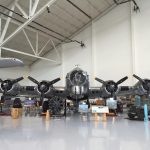
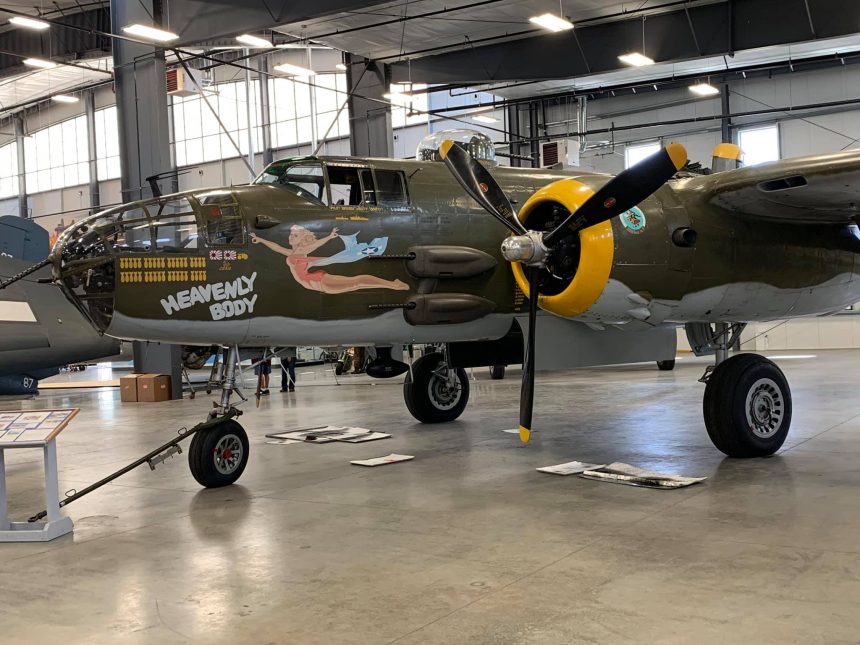

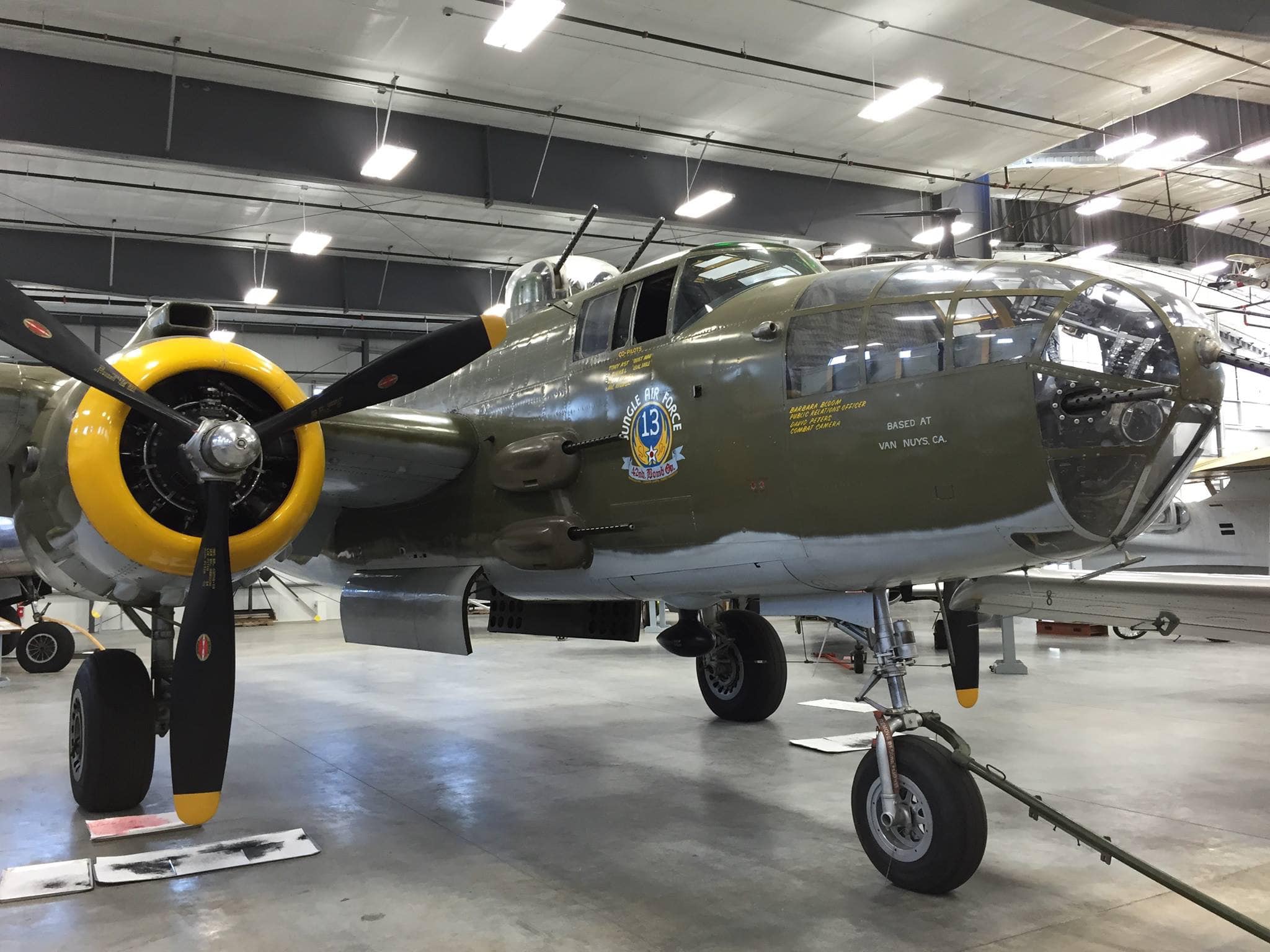
North American B-25J-25-NC Mitchell, s/n 44-30748, N8195H. From what I can determine, this particular aircraft was built at North American’s Kansas City, Kansas plant and delivered to the U.S. Army Air Force as surplus on February 20, 1945, and initially stored at Garden City, Kansas. In April of 1945, it was transferred to storage at South Plains, Texas, and again moved to storage in Pyote, Texas, in July of 1947. Its first actual assignment was as a pilot trainer at Barksdale Field, Georgia, in November of 1948, and was reassigned to Vance Air Force Base, Oklahoma in June of 1949, were it flew as an advance multi-engine trainer, then in October of 1951, moved to Reese Air Force Base in Lubbock, Texas where in December of 1954, it was one of 47 aircraft converted to a TB-25N navigator-trainer.

In December of 1958, she was flown to storage, but then was acquired by various companies to fly as an agricultural sprayer in the 1960’s. Then, in 1969, it was acquired by Filmways, Inc. of Hollywood, California, as one of 17 airworthy B-25s (plus one non-flyable airframe) for use in the movie “Catch 22” (made in association with Paramount Pictures Corporation), for which it was prepared and operated by Tallmantz Aviation of Santa Ana, California and portrayed “M&M” and “Miss Renee.” In 1971-72, it was bought for $3,800 by Milan “Mike” Pupich and restored (it has an authentic BC348 radio and demilitarized guns).
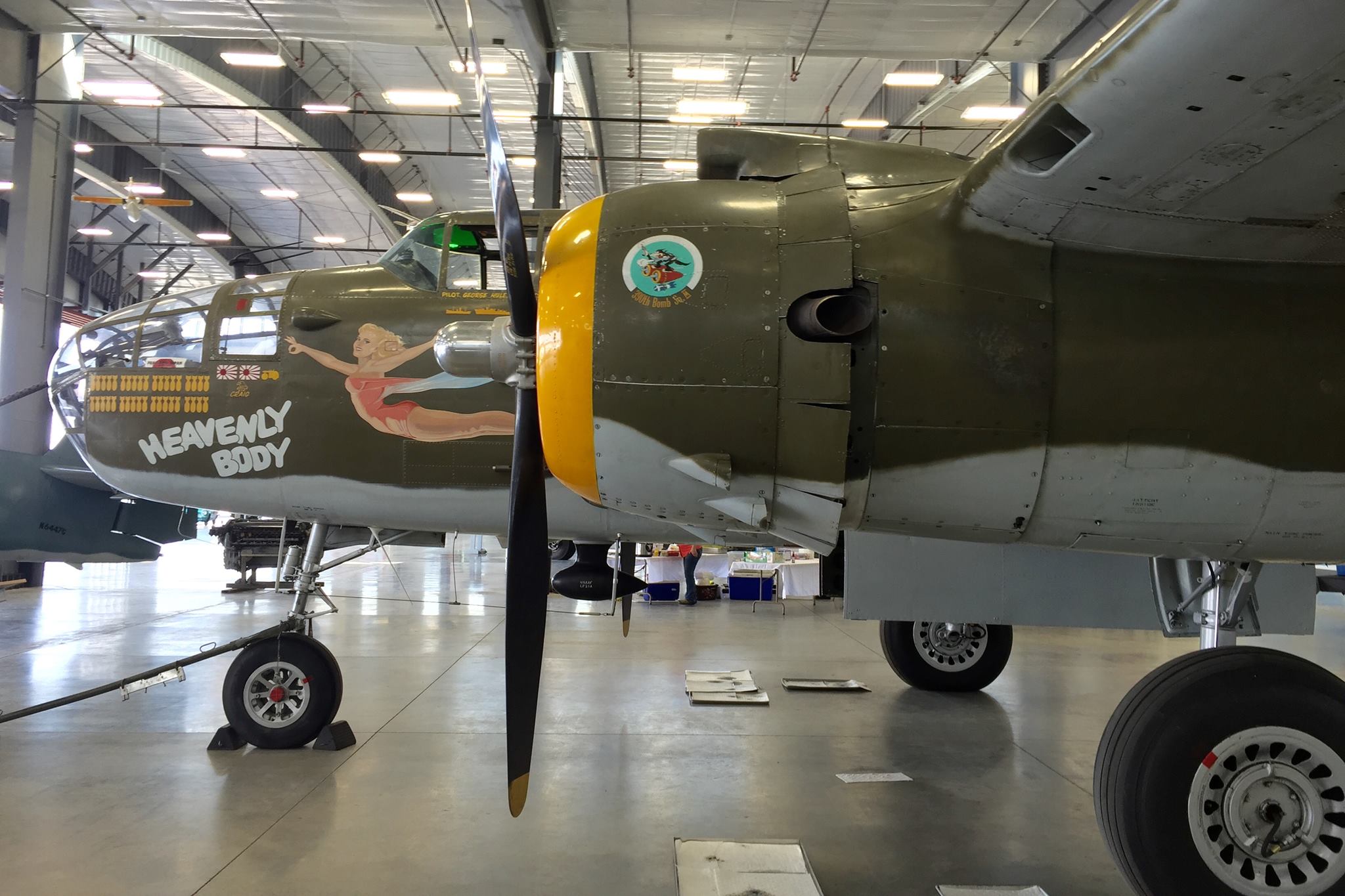
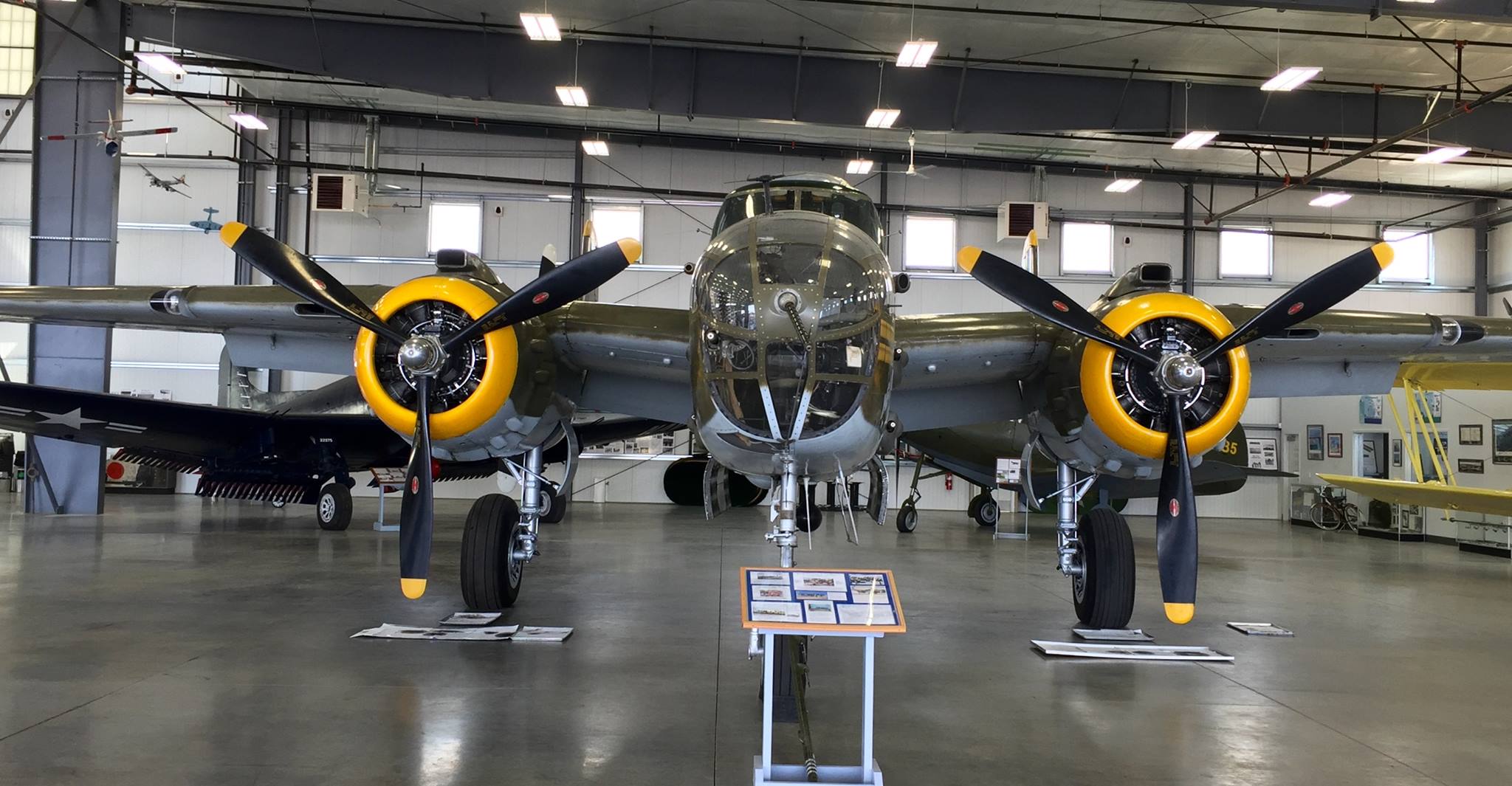
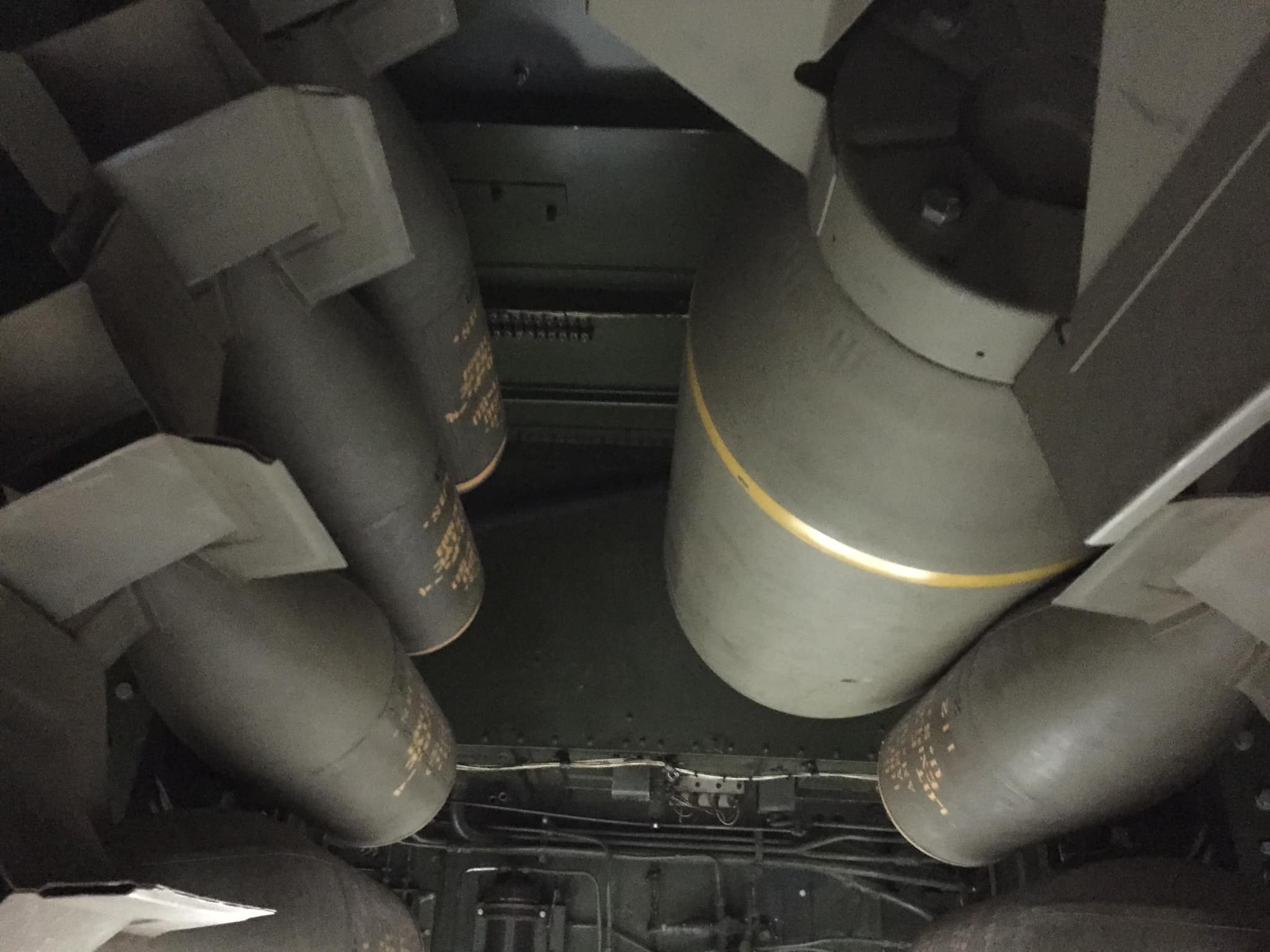
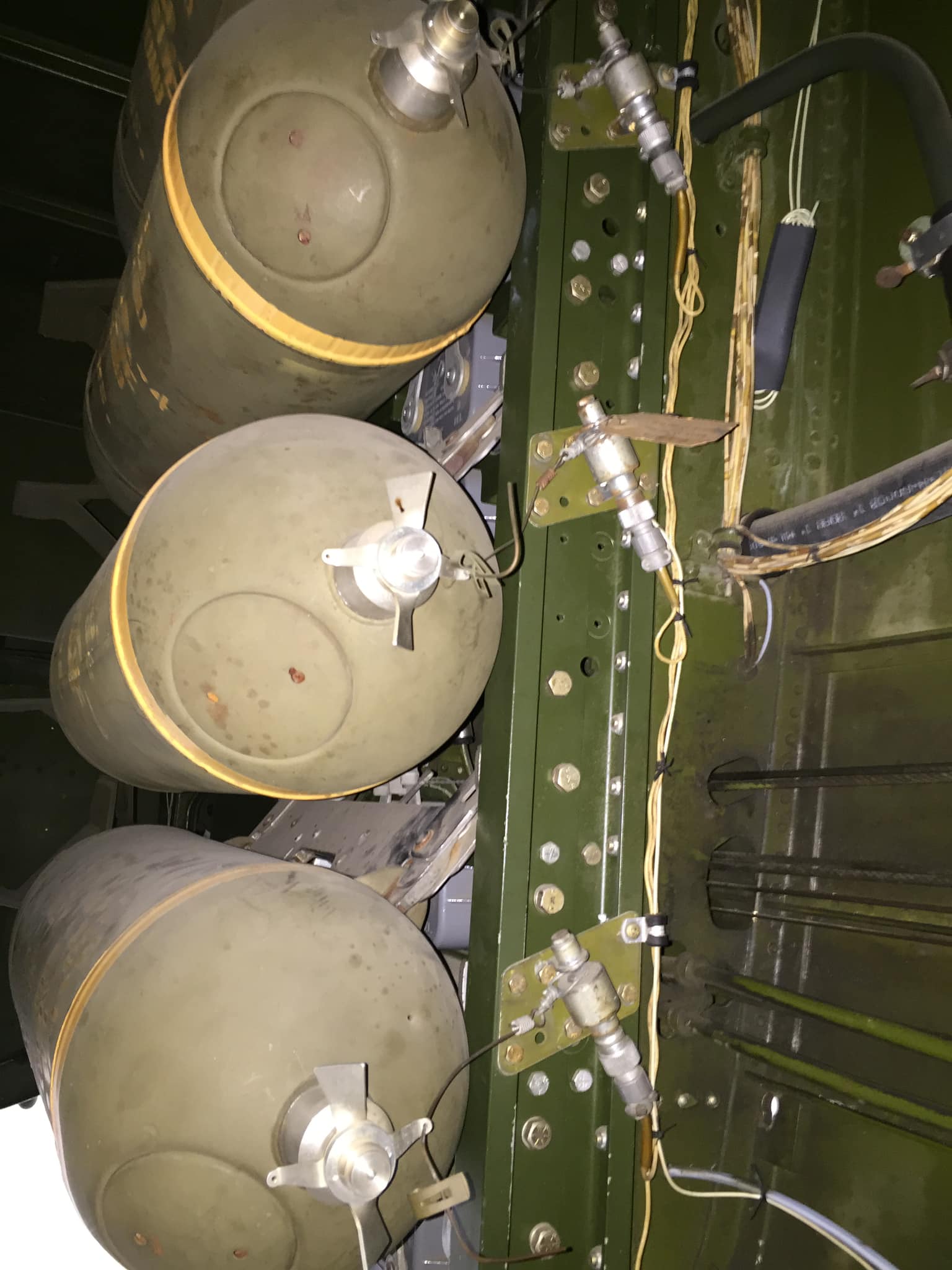
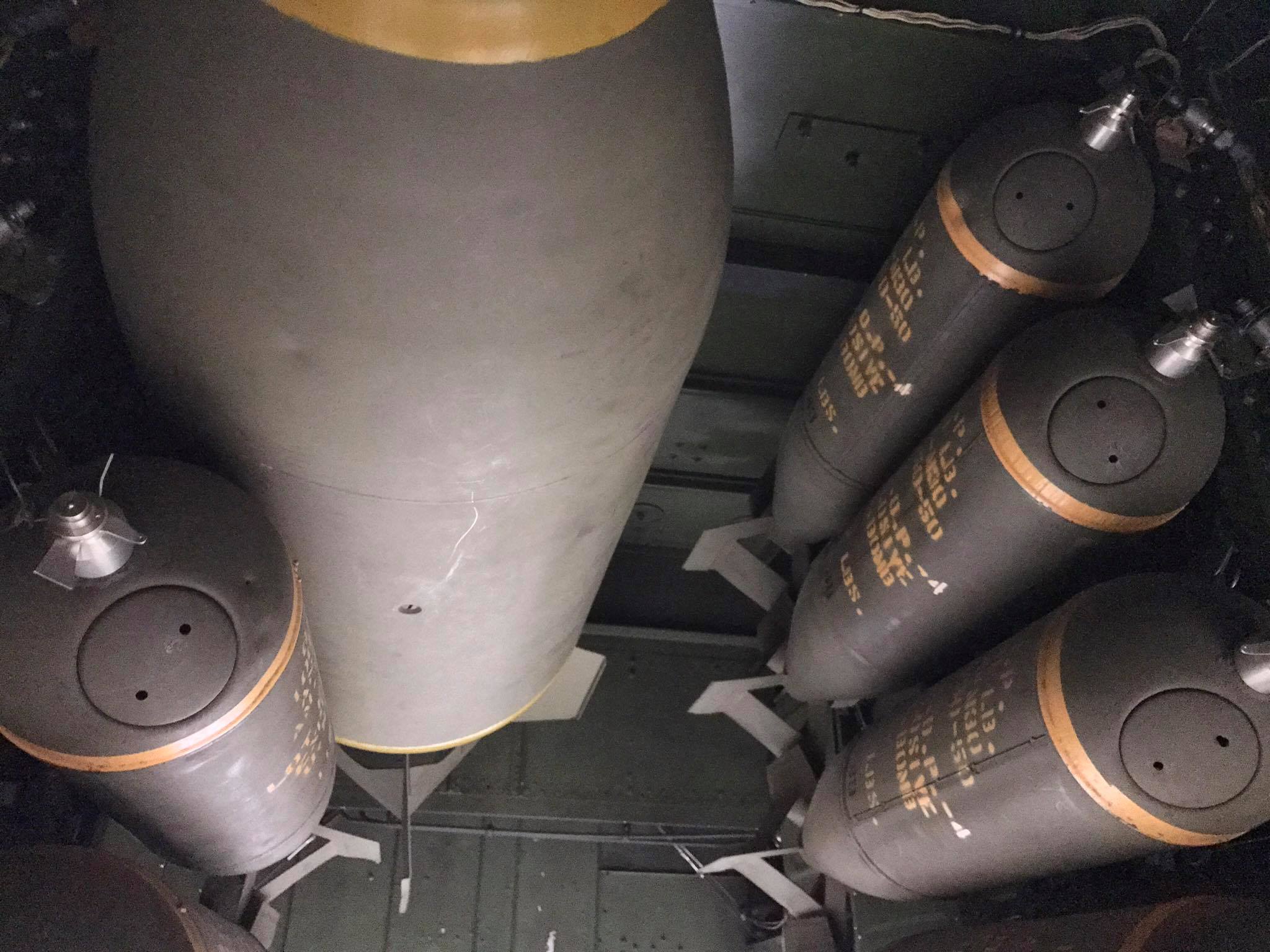
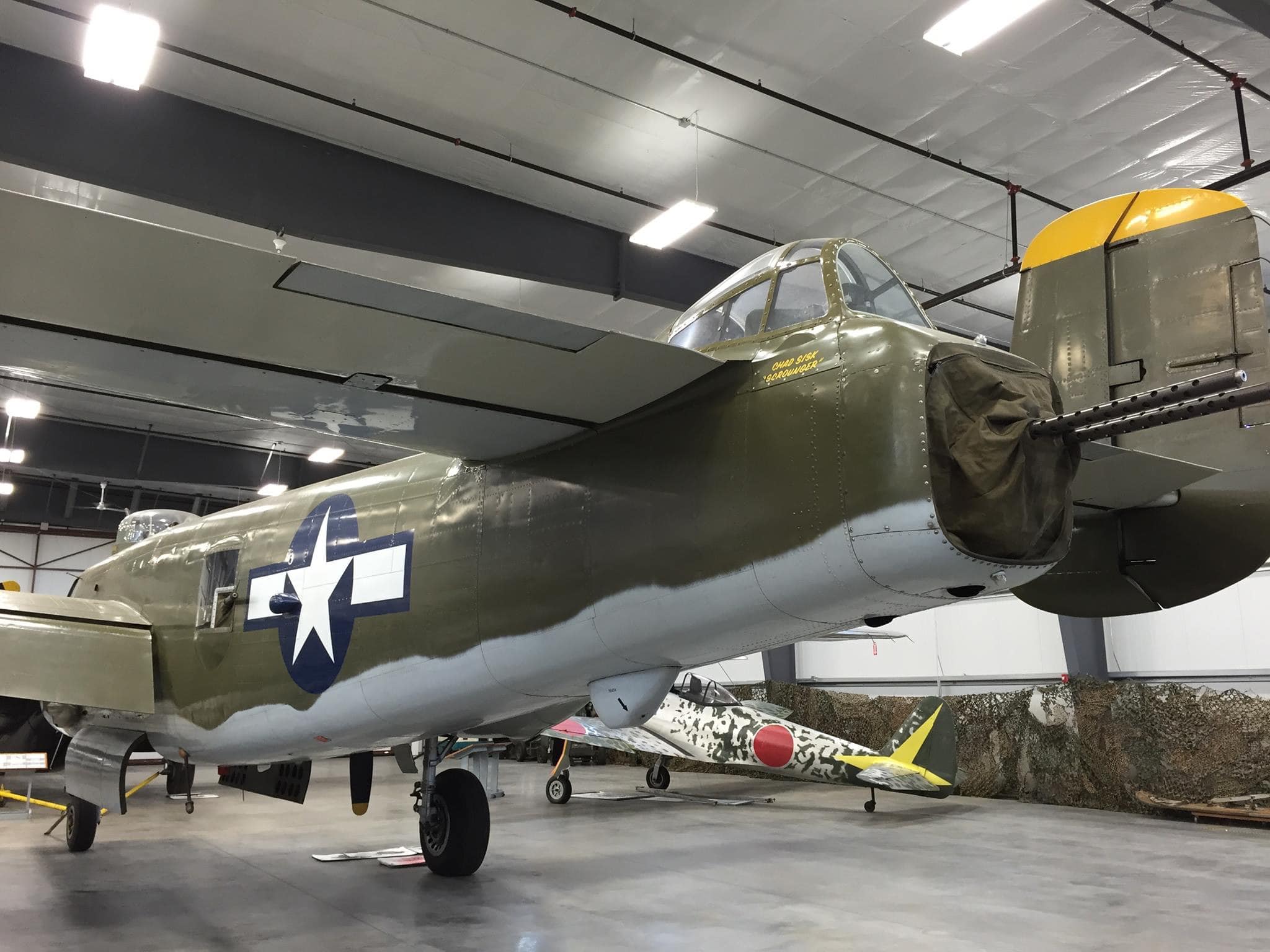
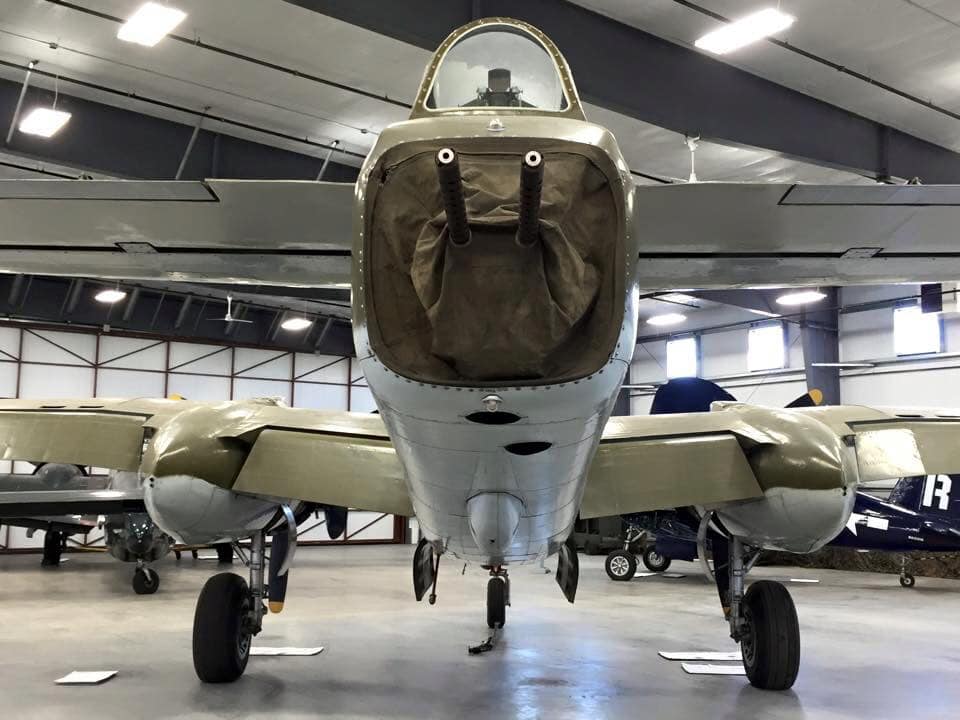
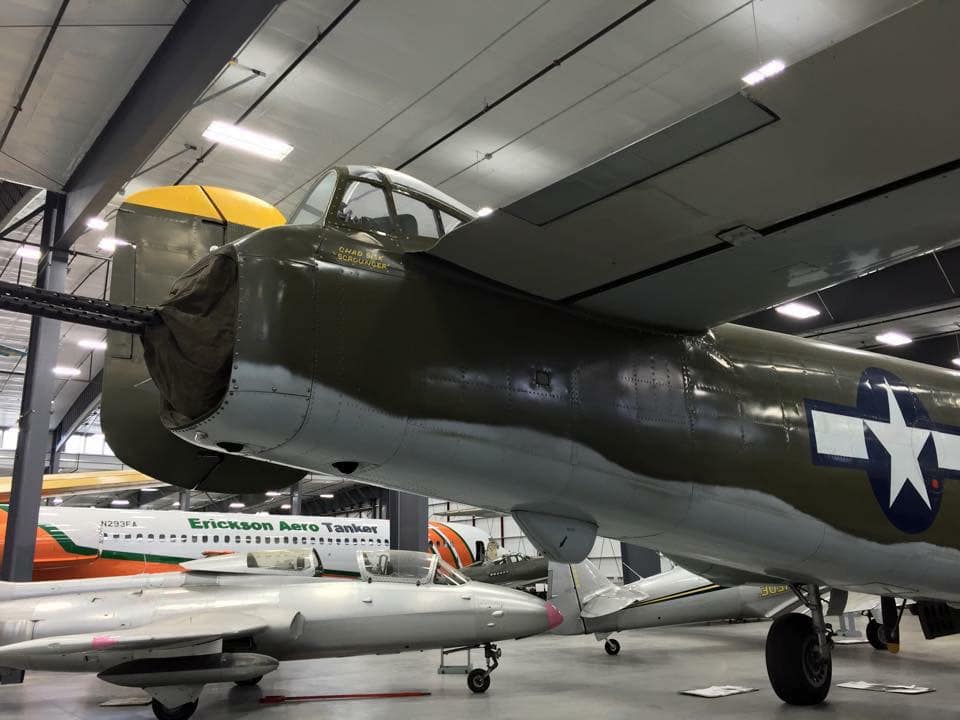
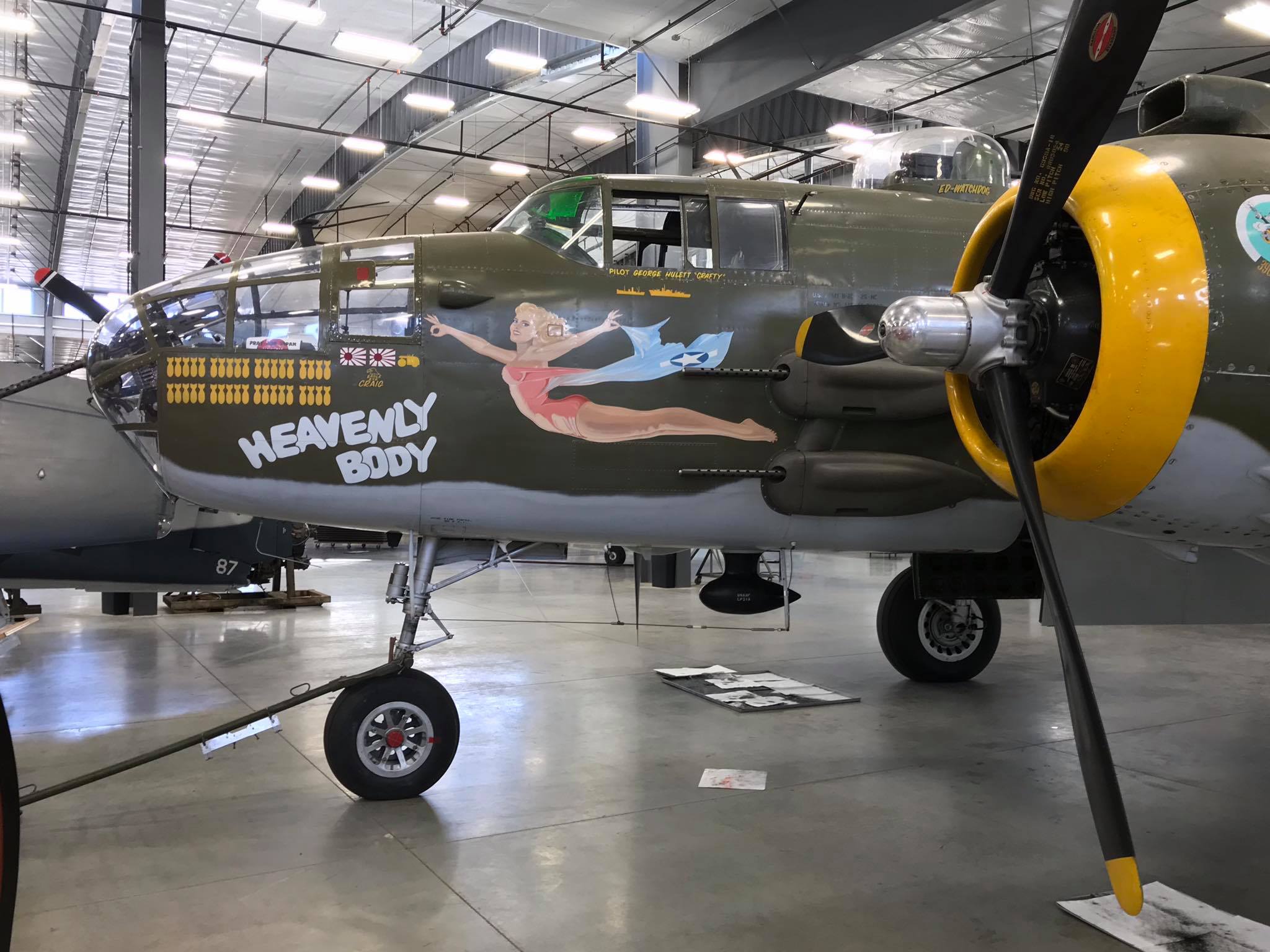
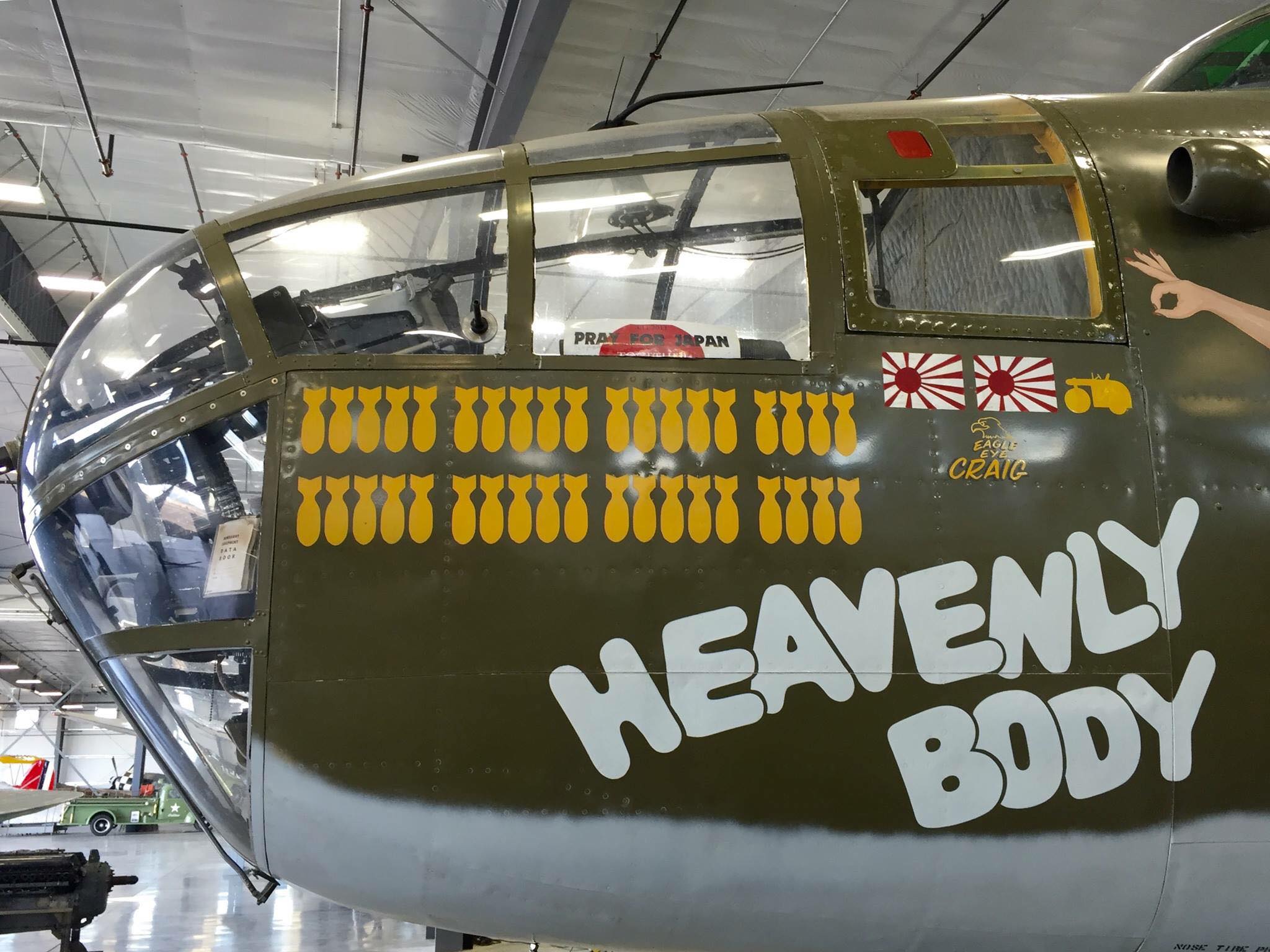
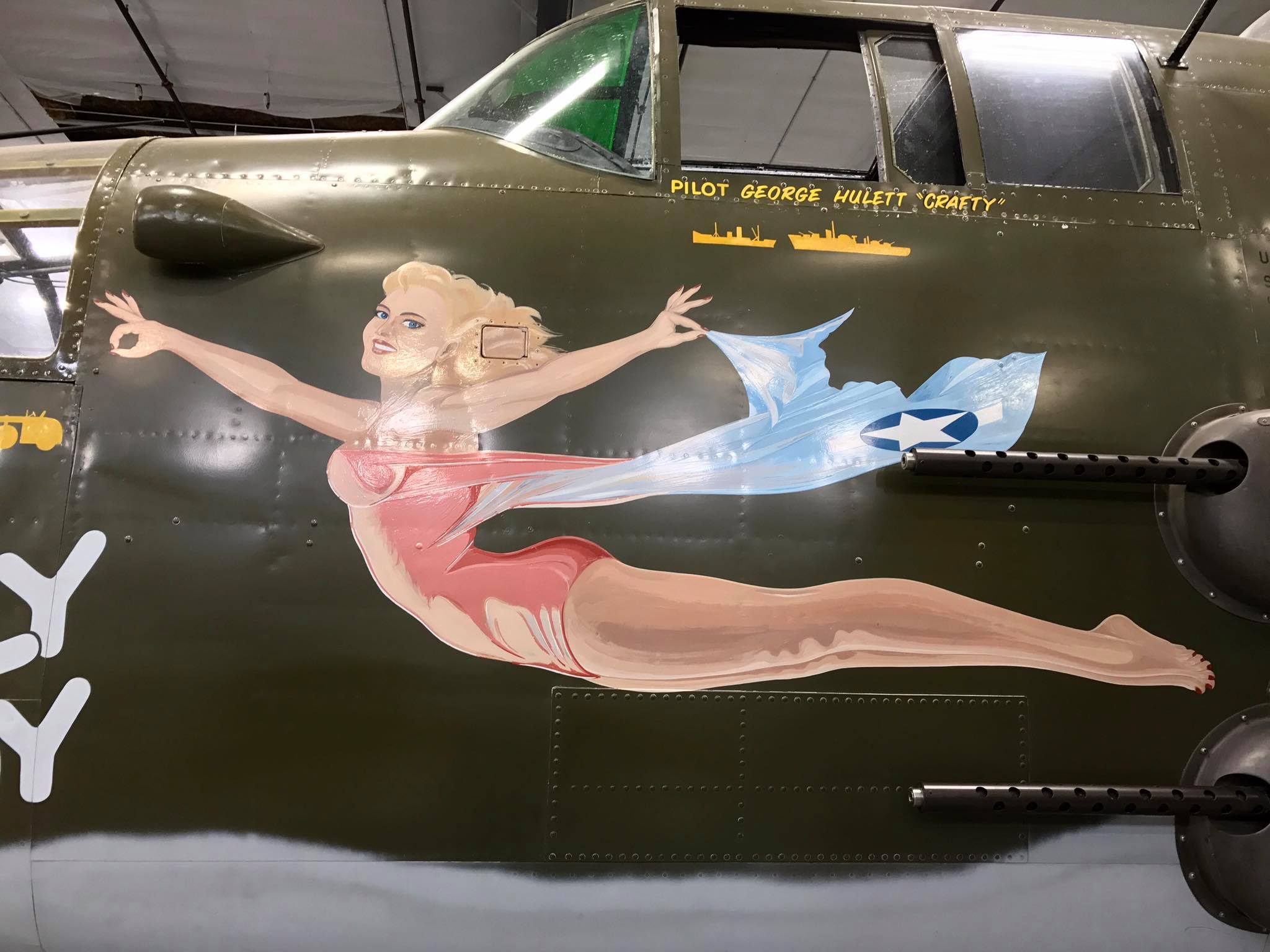
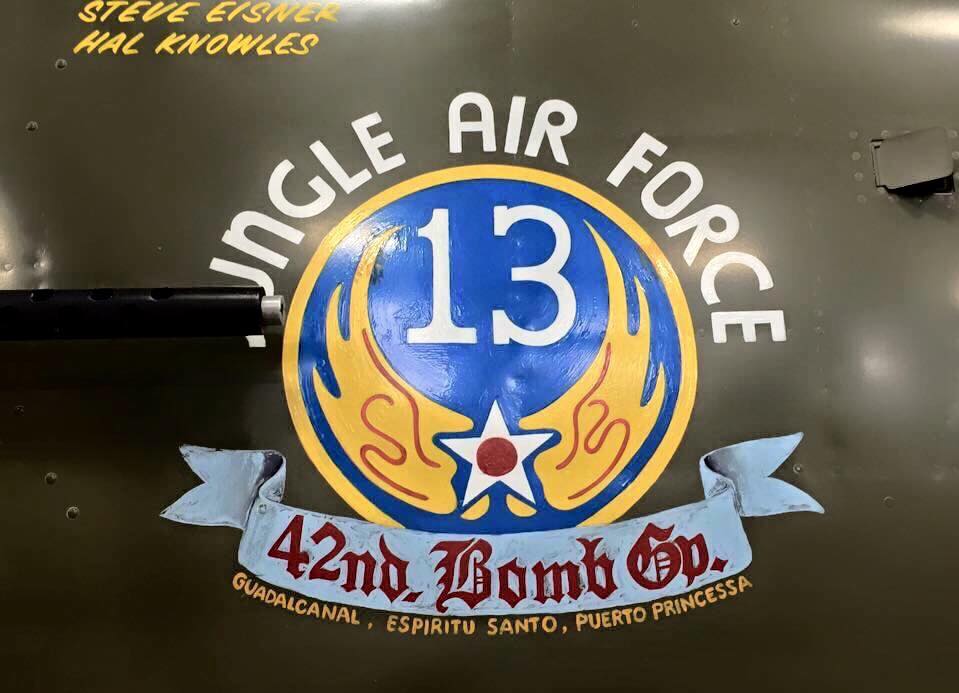
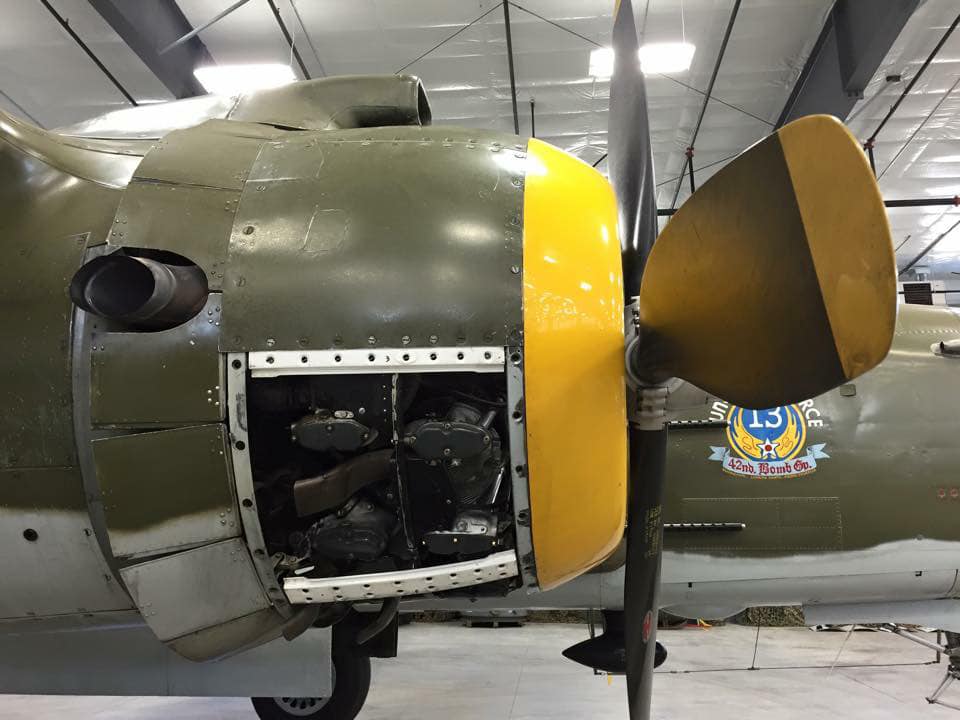
On April 21, 1992, it was the first of two B-25s craned onto and launched off the aircraft carrier U.S.S. Ranger to commemorate the 50th anniversary of the Doolittle Raid. In 2014, it was acquired to become part of the Erickson Aircraft Collection, now in Madras, Oregon, and is owned by Jack Erickson’s Avenger LLC. It is painted in the markings of “Heavenly Body” of the 13th Air Force, 42nd Bomb Group, 390th Bomb Squadron “Crusaders” of the “Jungle Air Force” that was based, among other places in the Pacific Theater of operations, at Mar Airstrip near Sansapor, New Guinea.

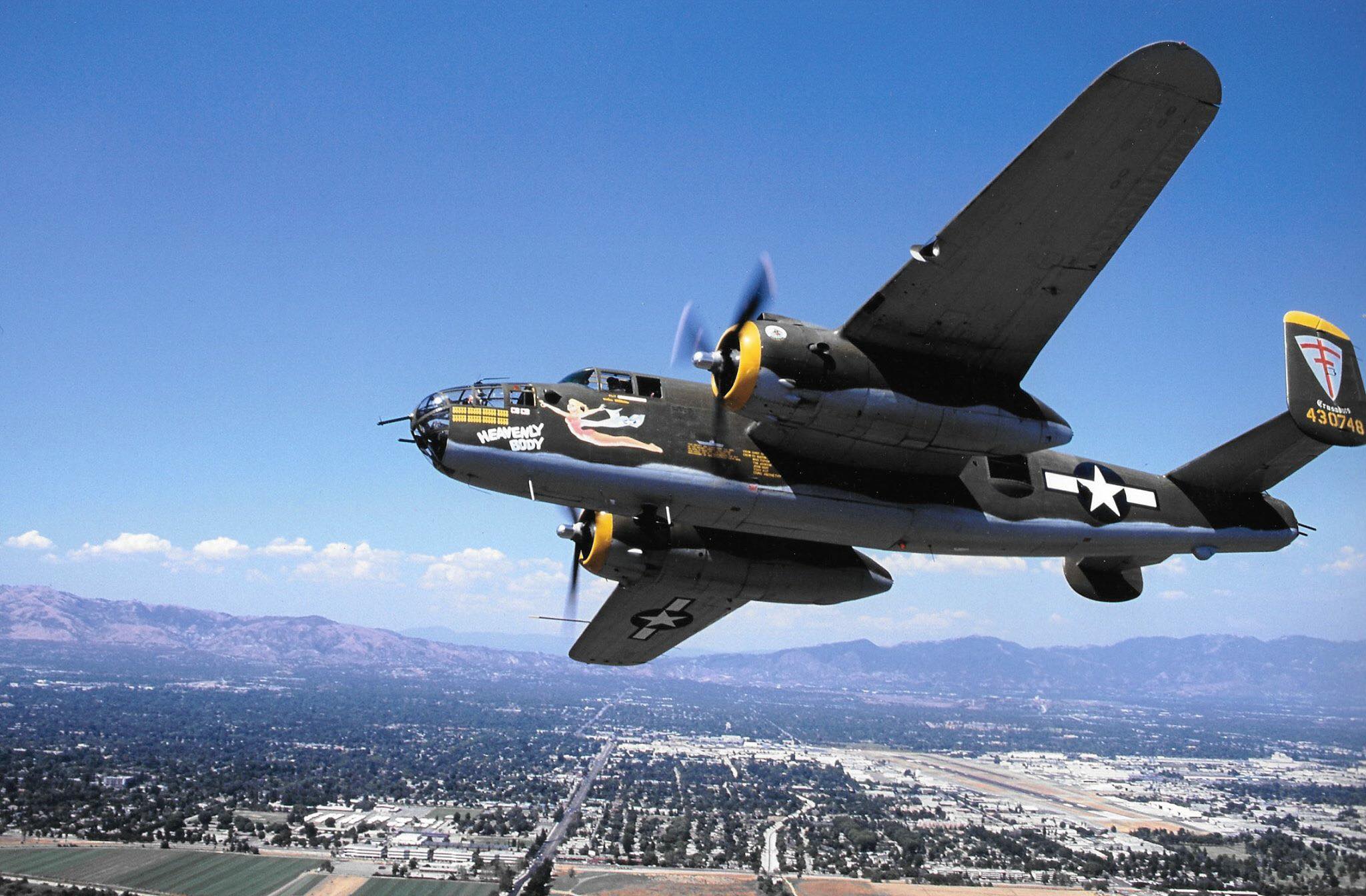
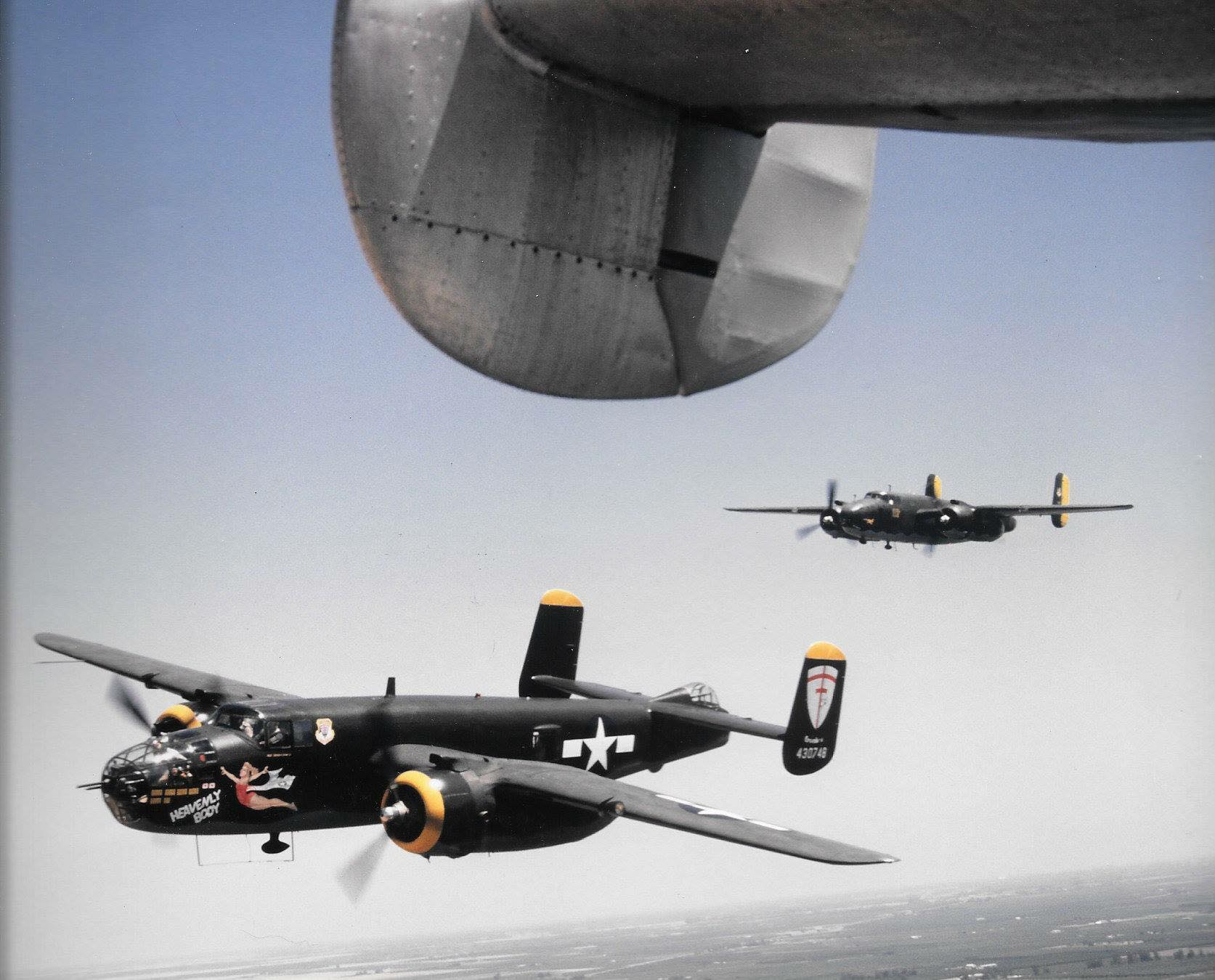
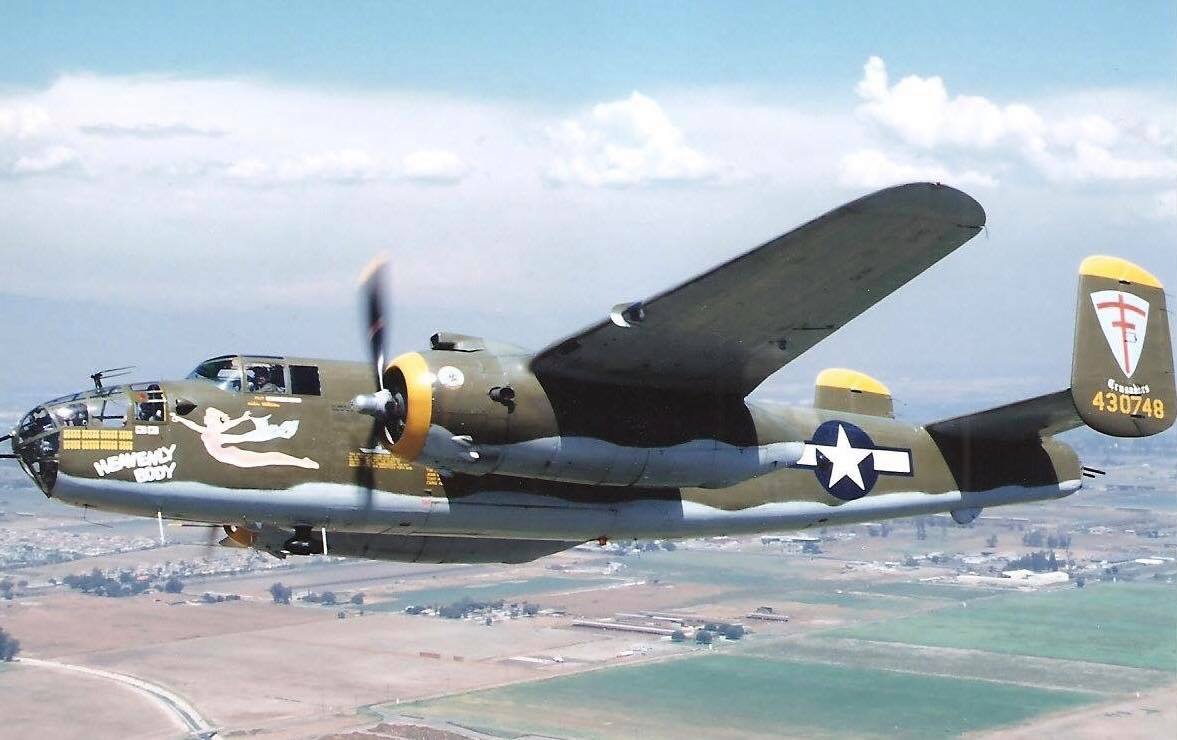
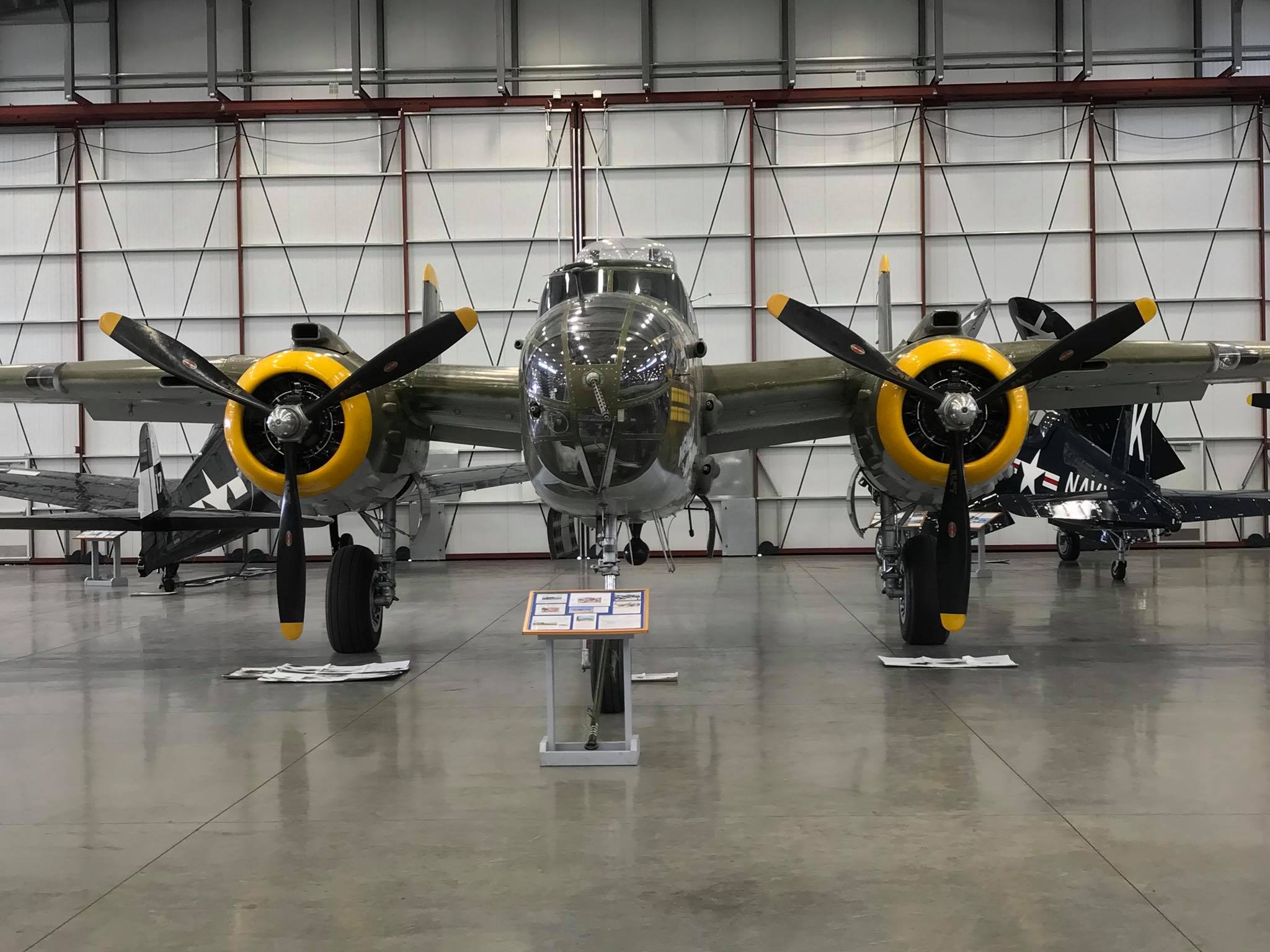
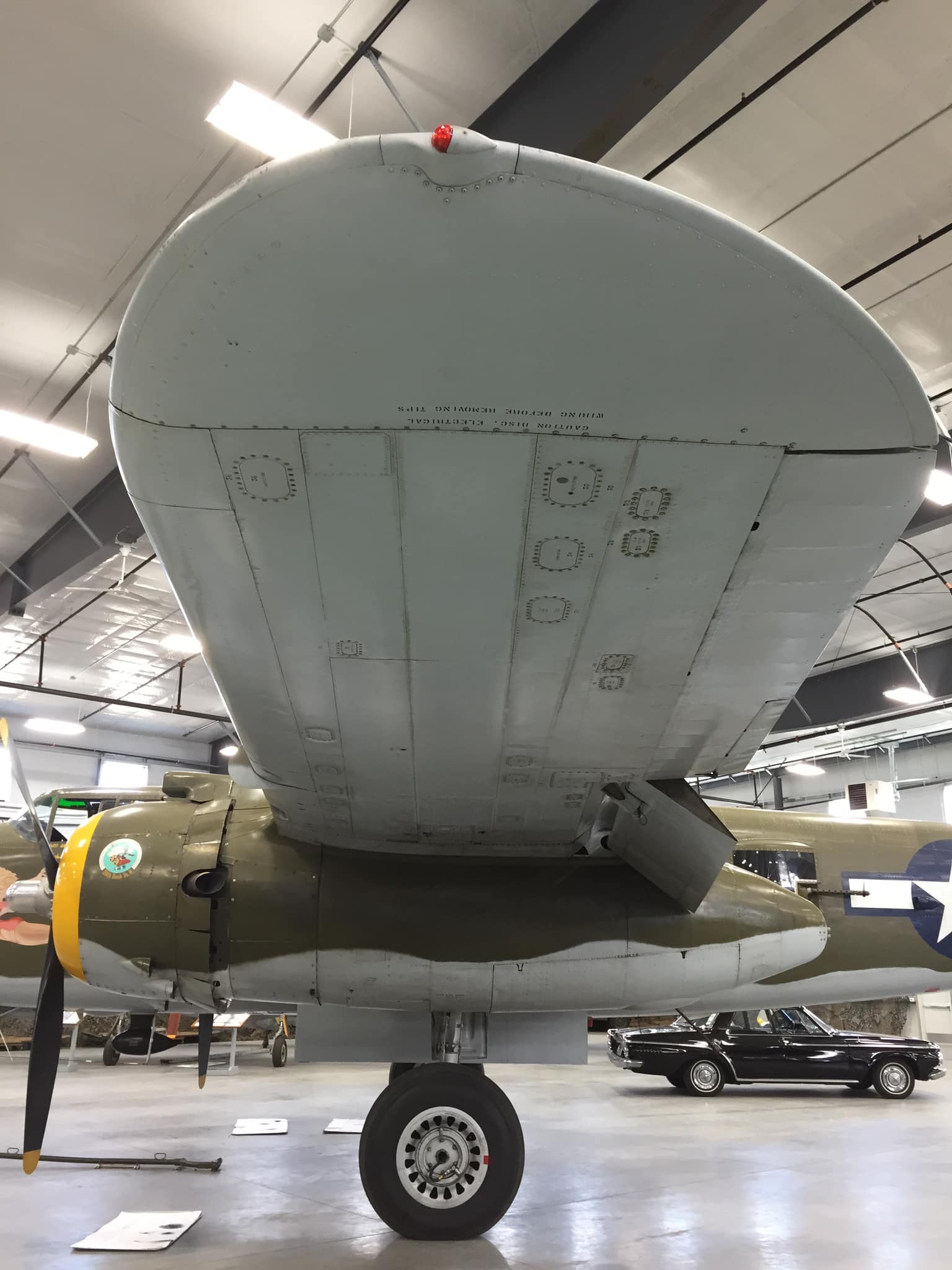
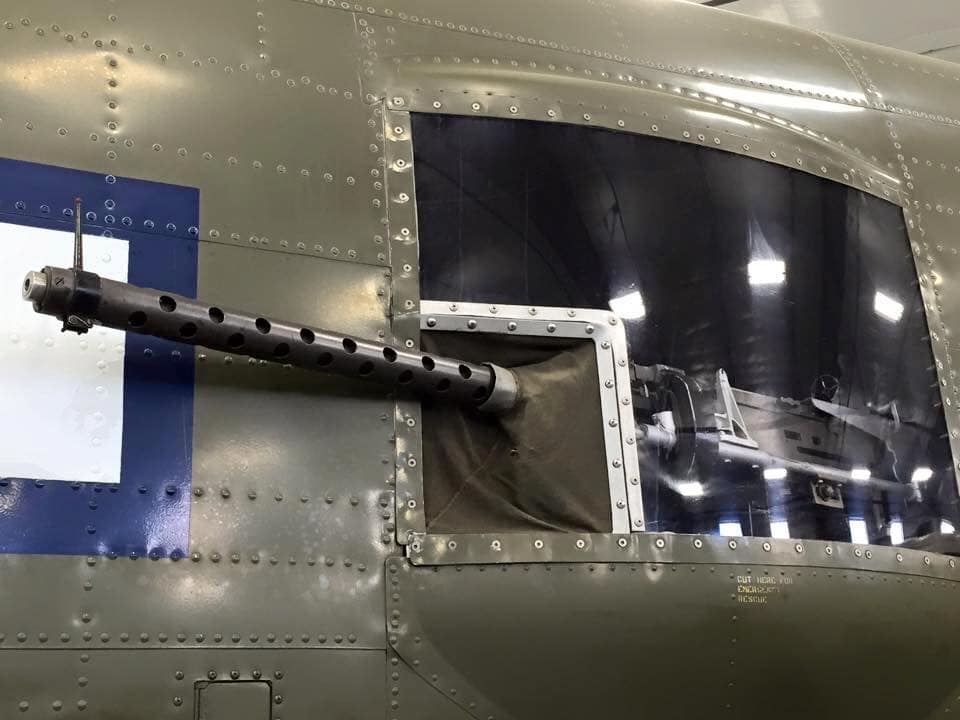
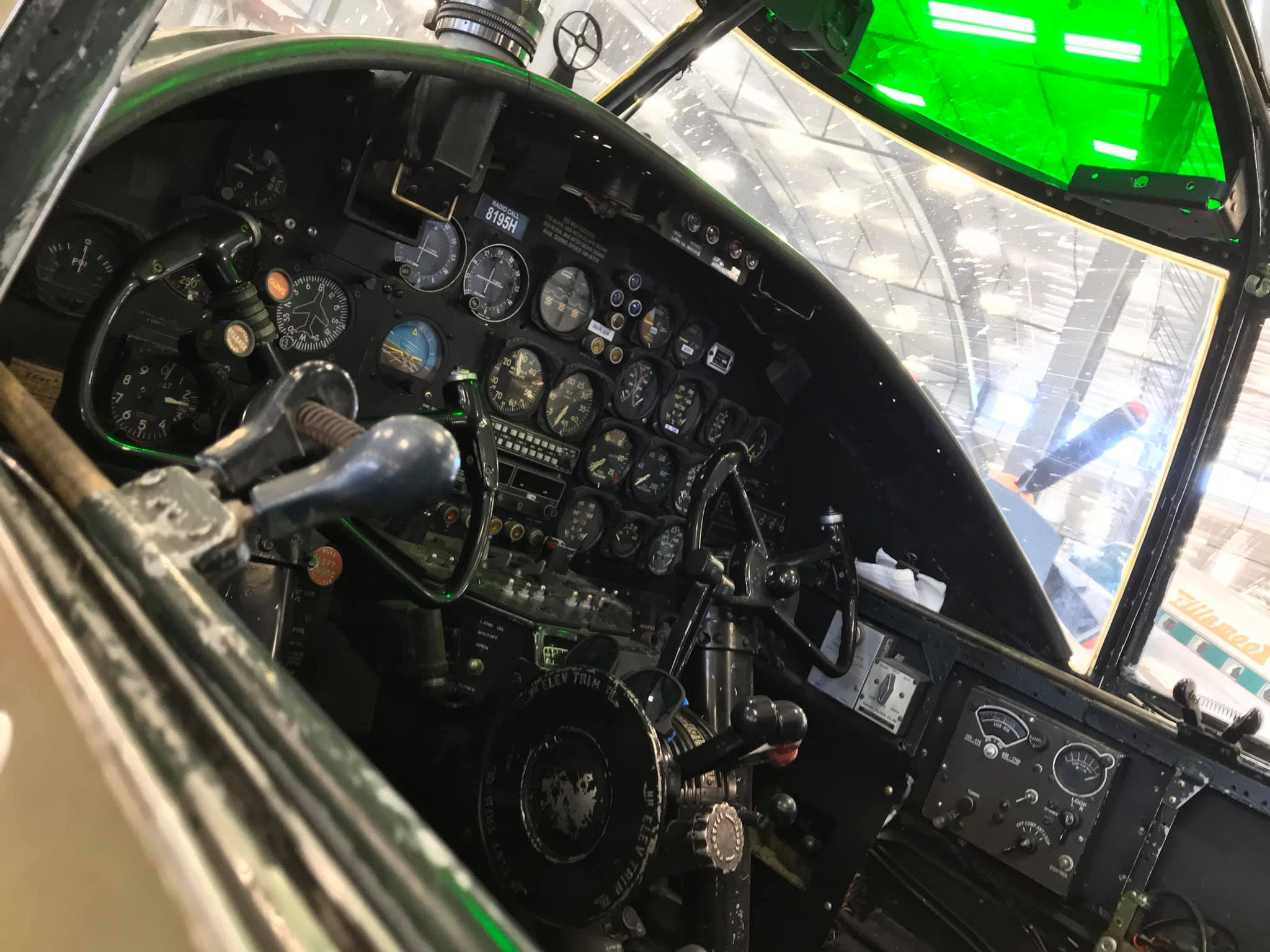
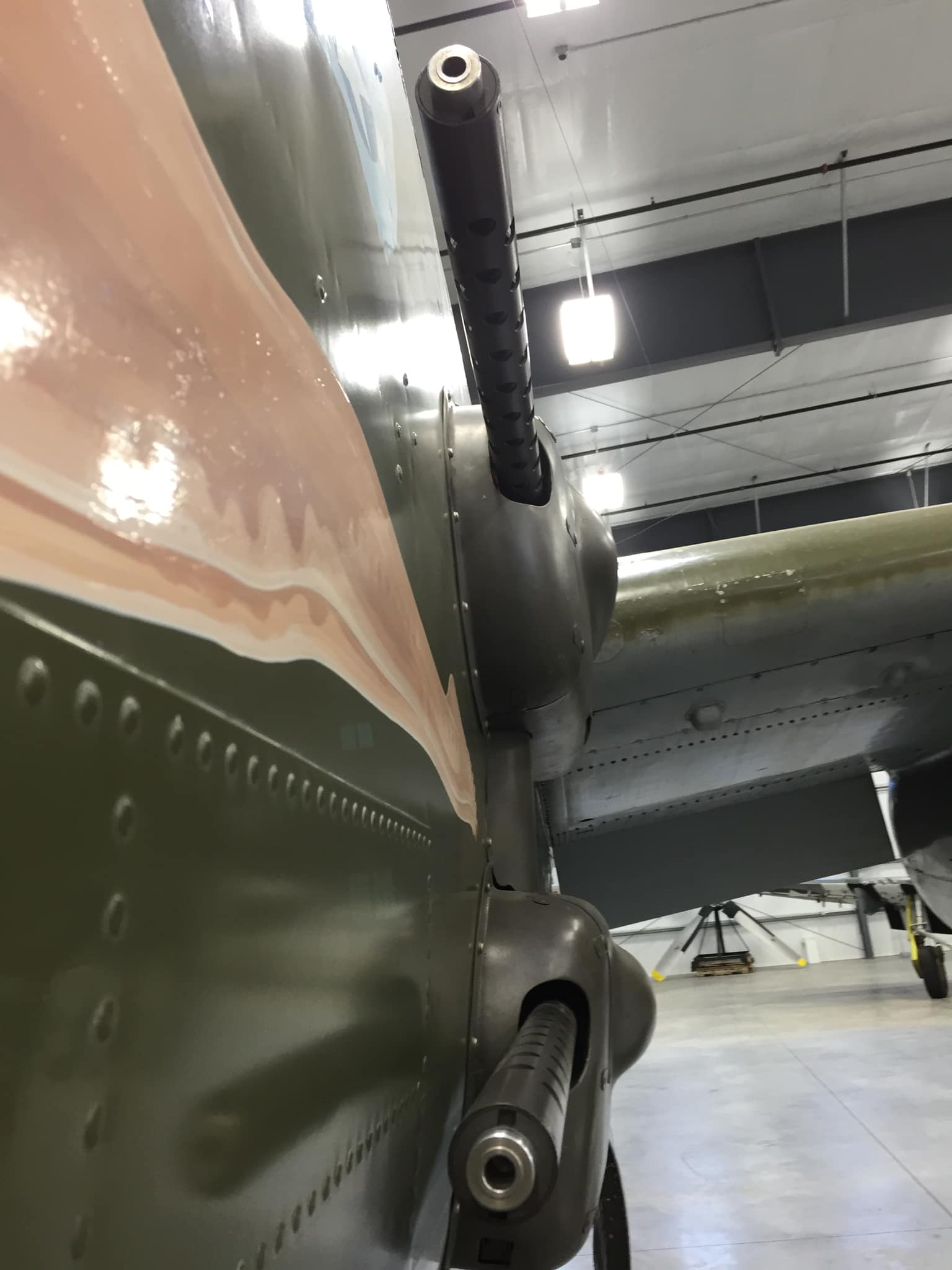
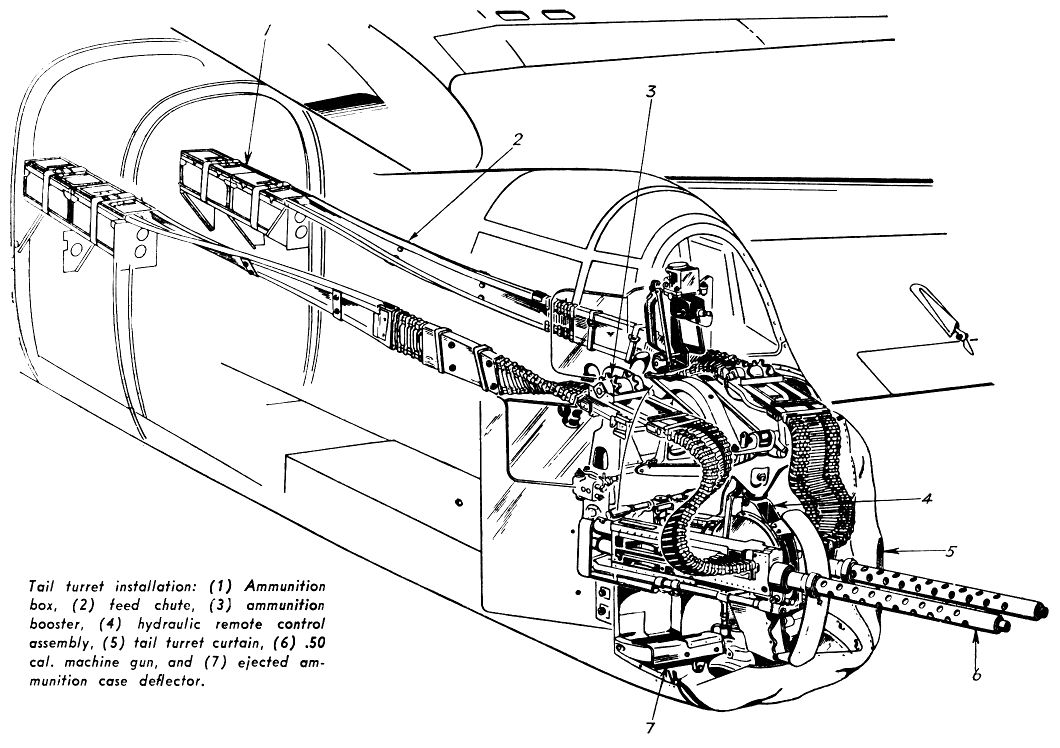
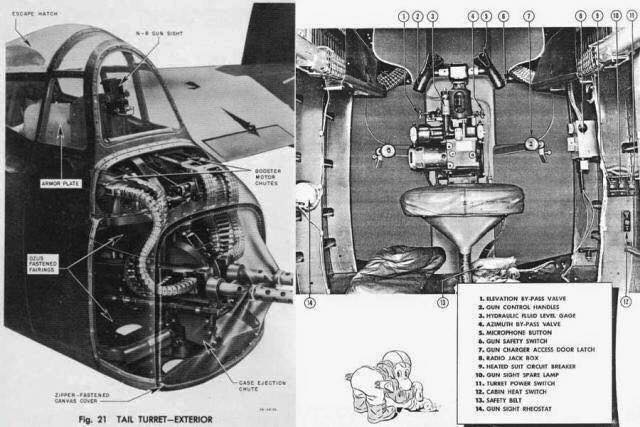
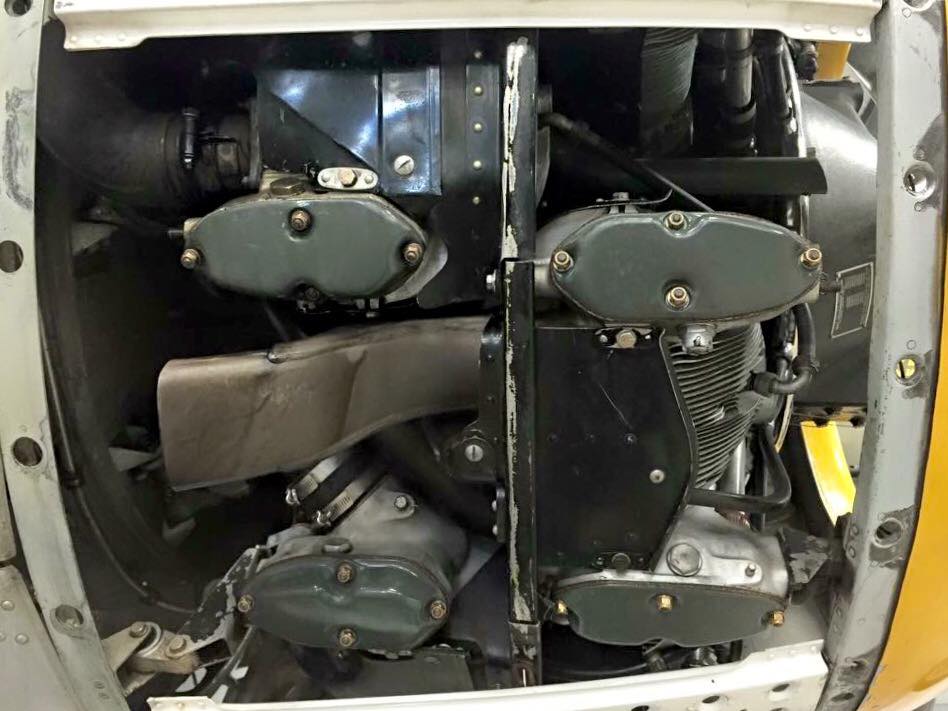
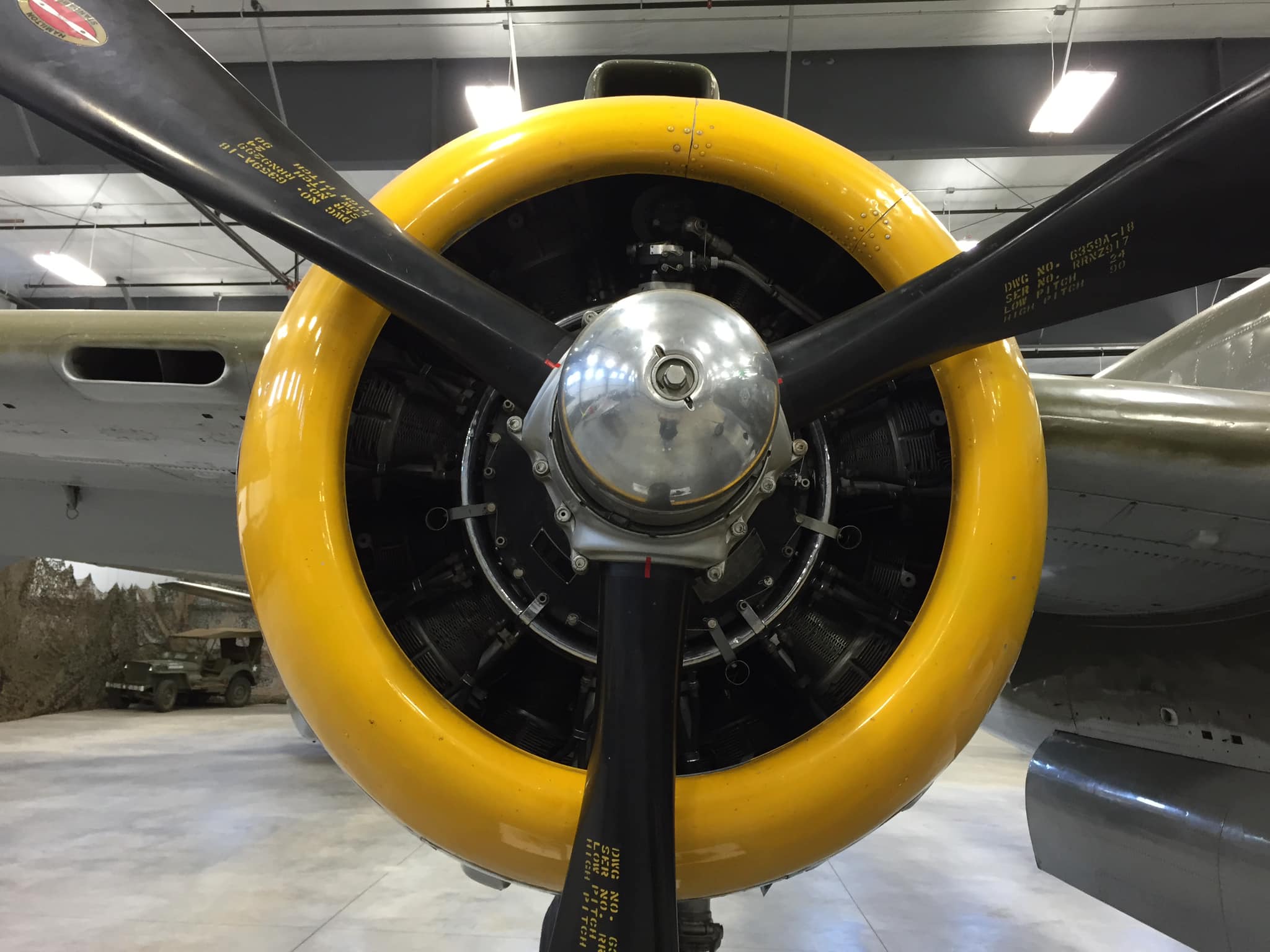
My photos, except as noted. The J versions were produced at North American’s Kansas City, Kansas, plant (aircraft manufacturers were encouraged to build or move their plants inland during the war in an effort to avert attack along coastal areas). Powered by two Wright R-2600-92 Twin Cyclone 14-cylinder air-cooled radial engines, the J had a crew of 6: pilot, co-pilot, navigator/bombardier/nose gunner (in a greenhouse nose), engineer/top turret gunner, radio operator/waist gunner, tail gunner. Armament consisted of four forward-facing Browning .50 cal. machine guns in pairs of cheek blister packs (these were initially placed too far forward, disturbing the plane’s center of gravity, but were moved behind the cockpit to offset the weight); an additional forward-facing .50 cal. which could either be aimed and fired by the bombardier/nose gunner (with a clothesline tether) or attached to a monopod and fired by the pilot; a single-mount .50 cal. in waist positions; twin-mounted .50 cal. machine guns in a ventral electrically powered turret (with automatic cut-off of cams and switches and to prevent shooting through the propeller arcs or the twin vertical fins); and a pair of .50 cal. machine guns in a hydraulically powered tail mount.

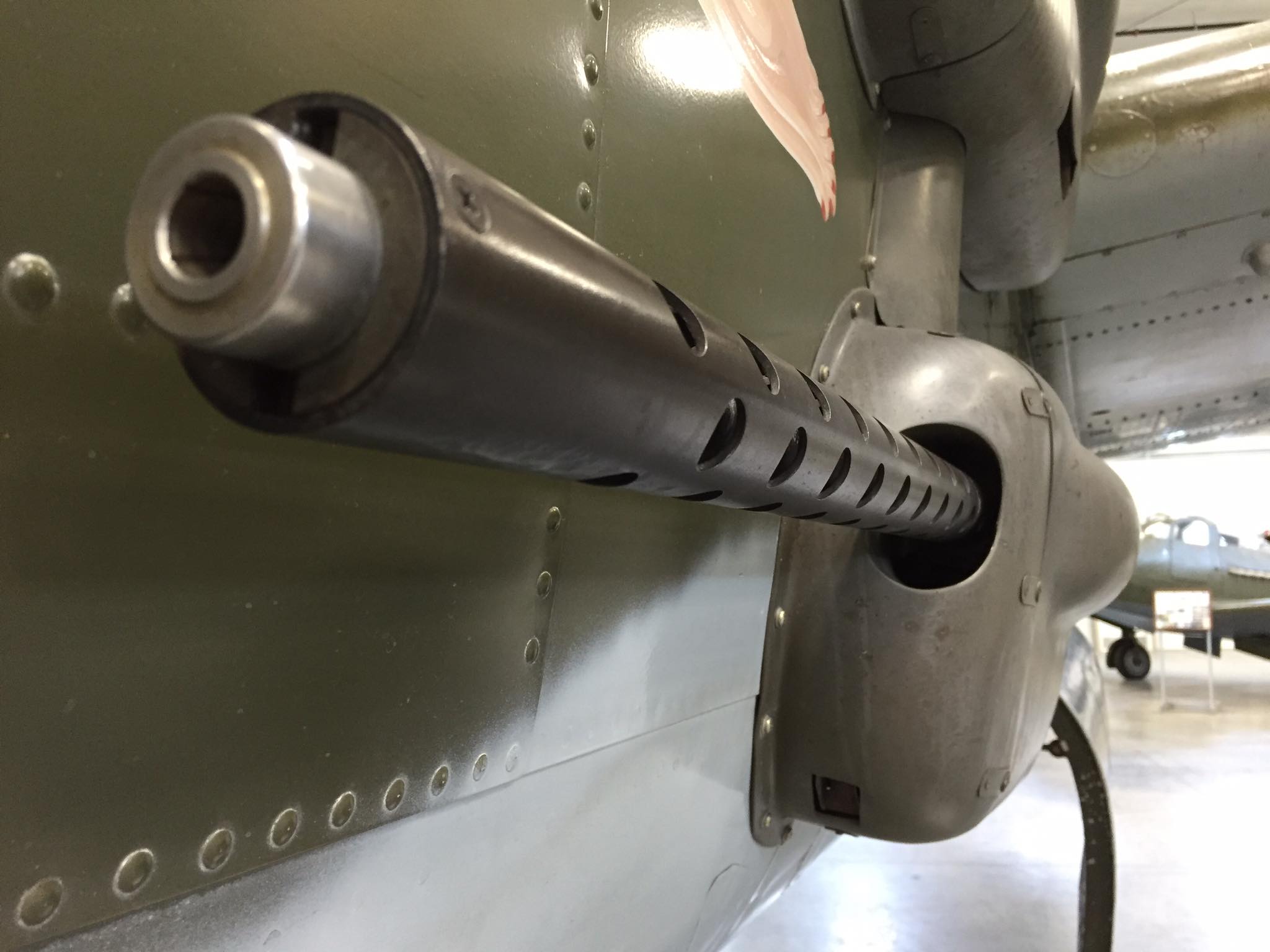
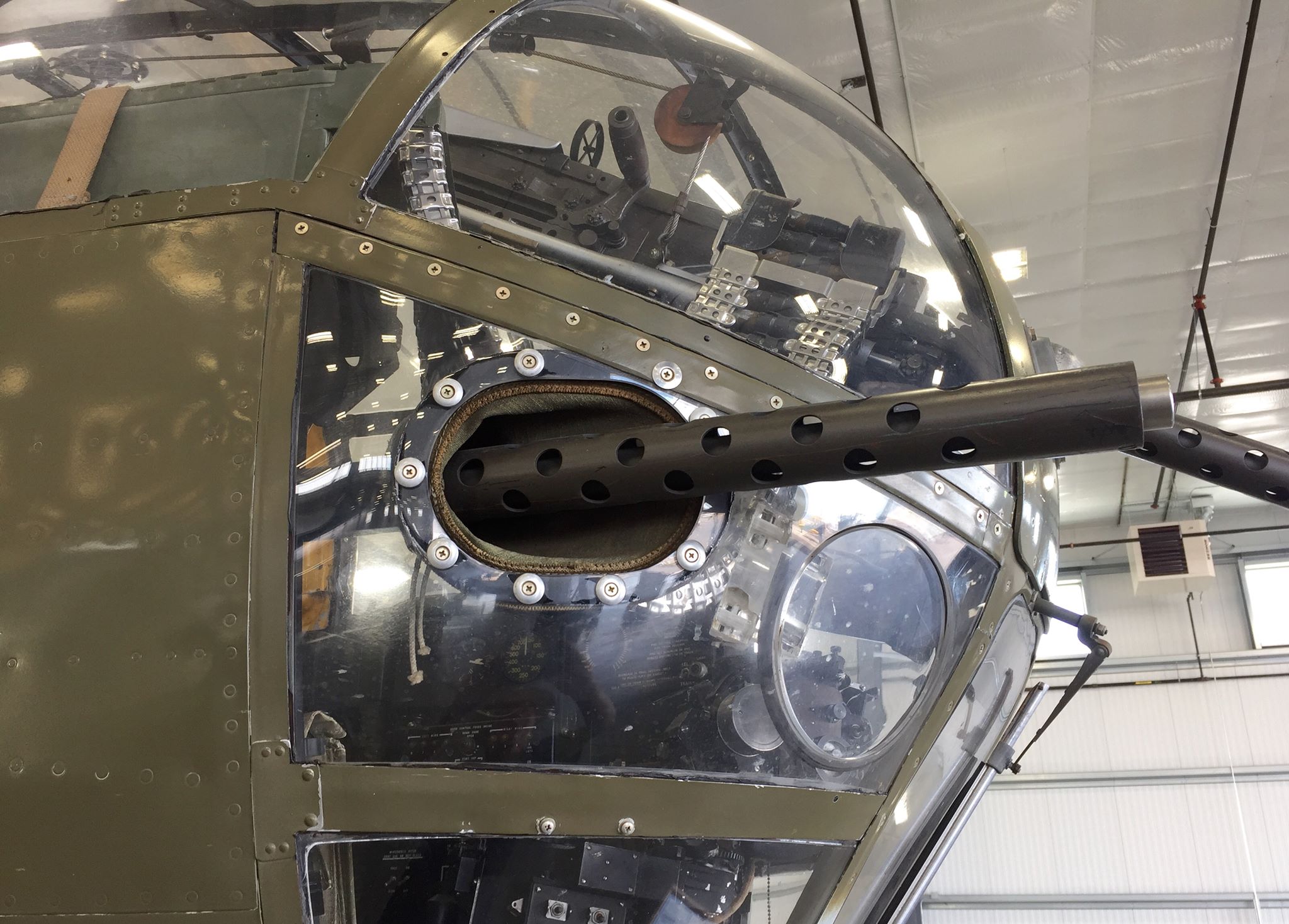
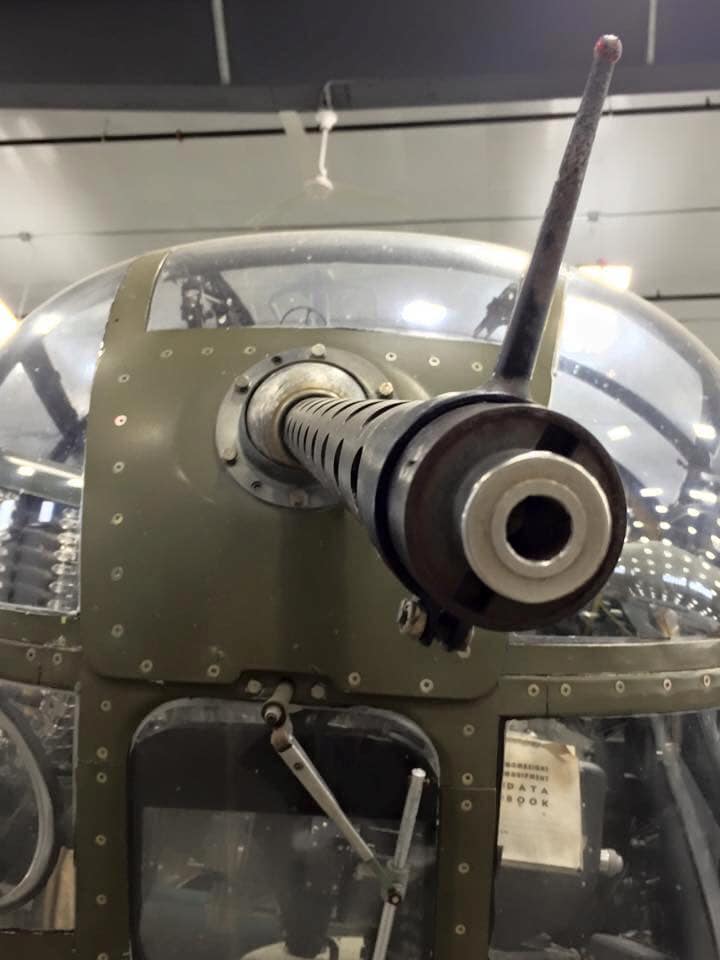
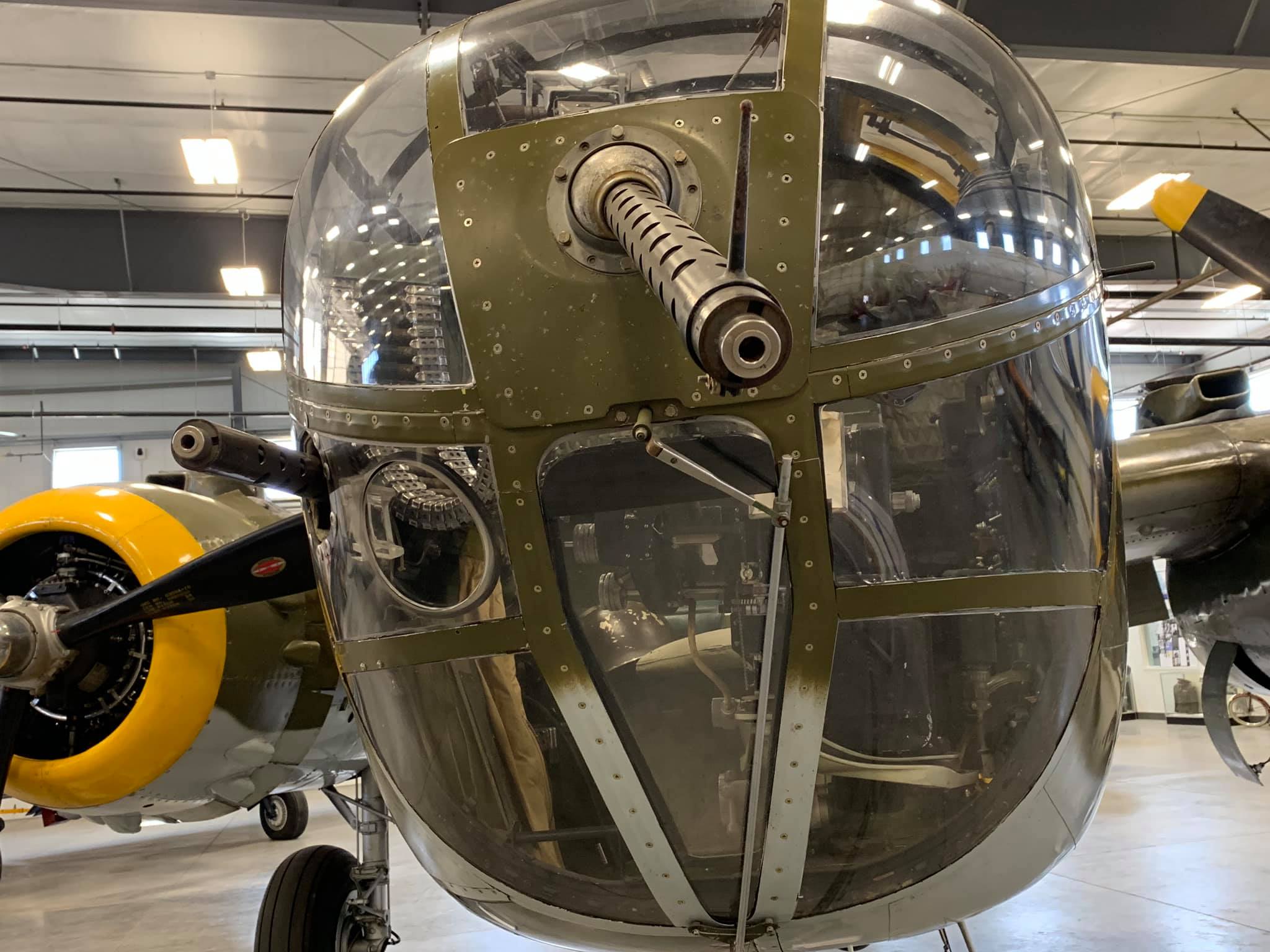
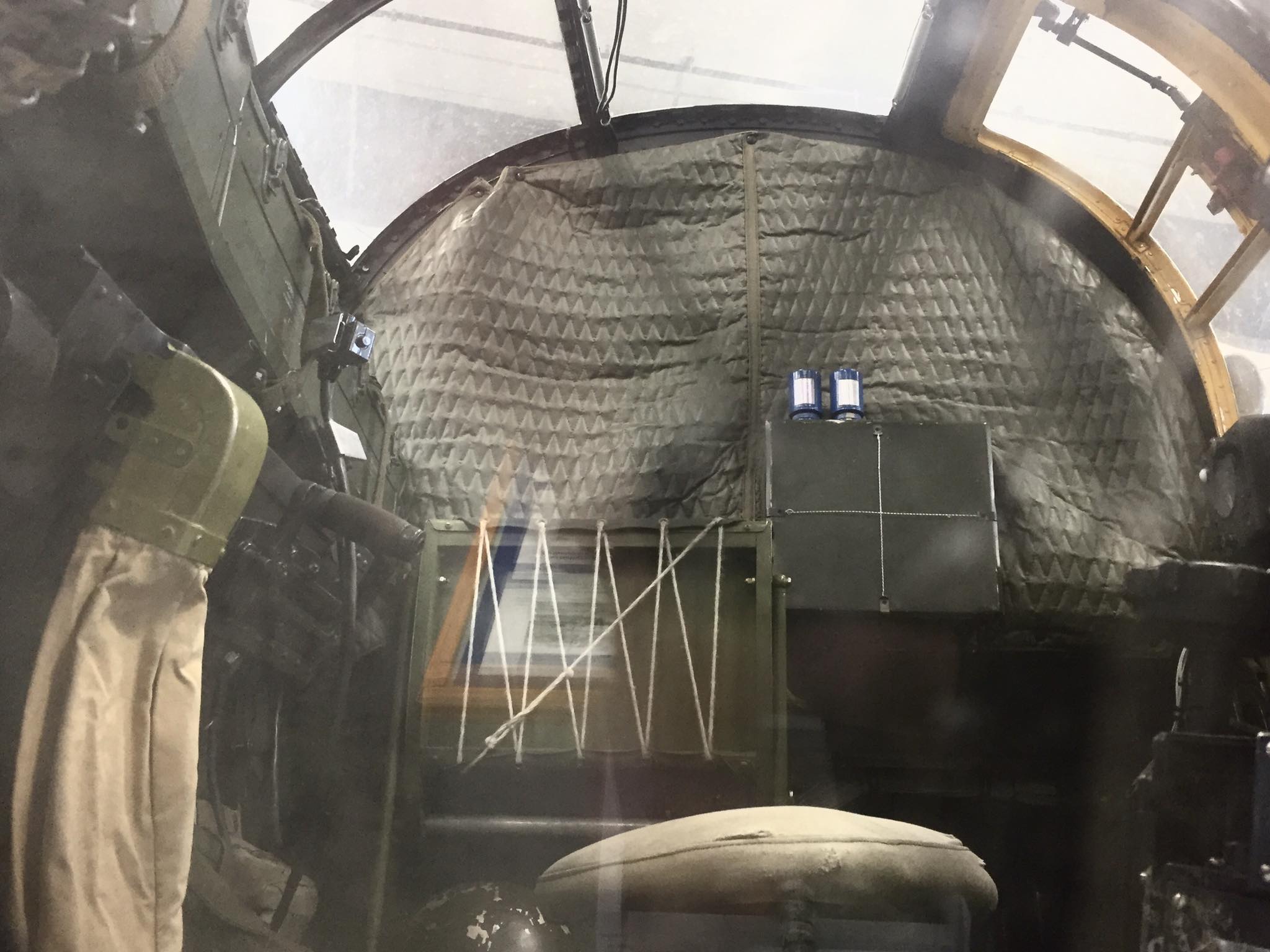
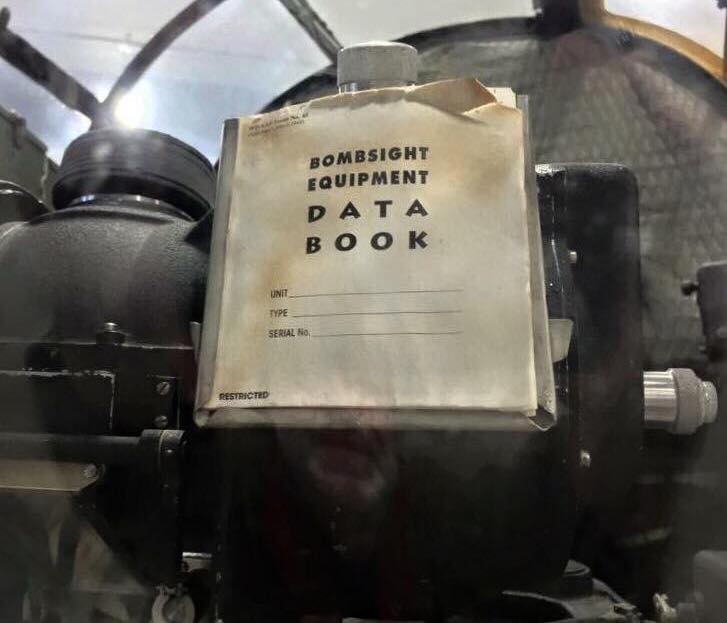
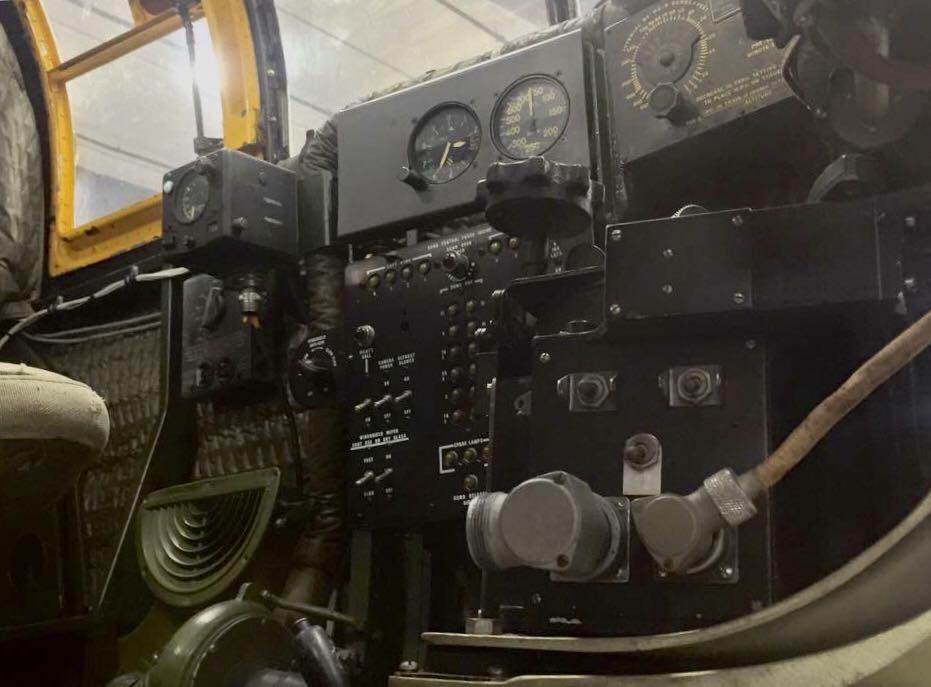
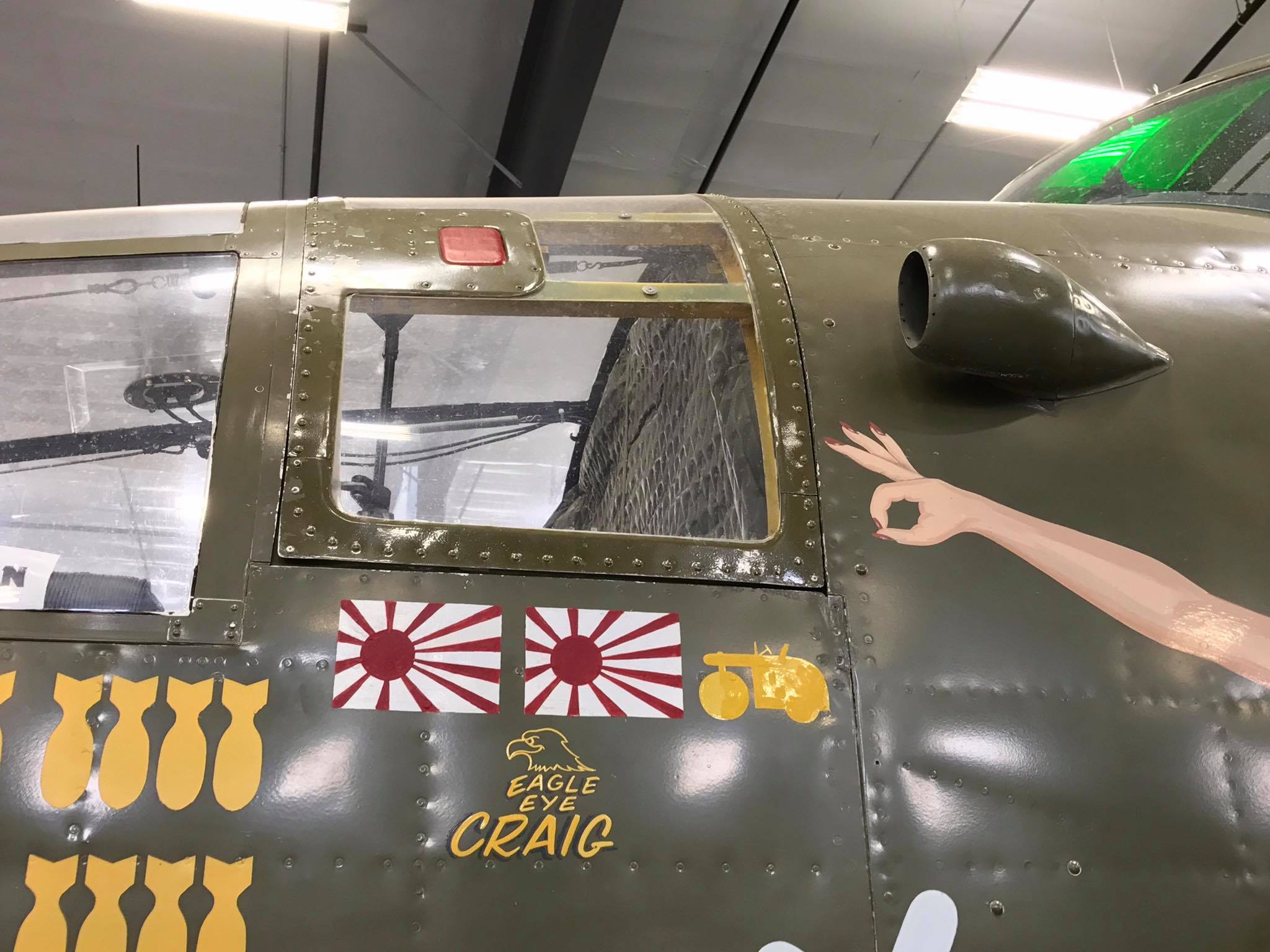
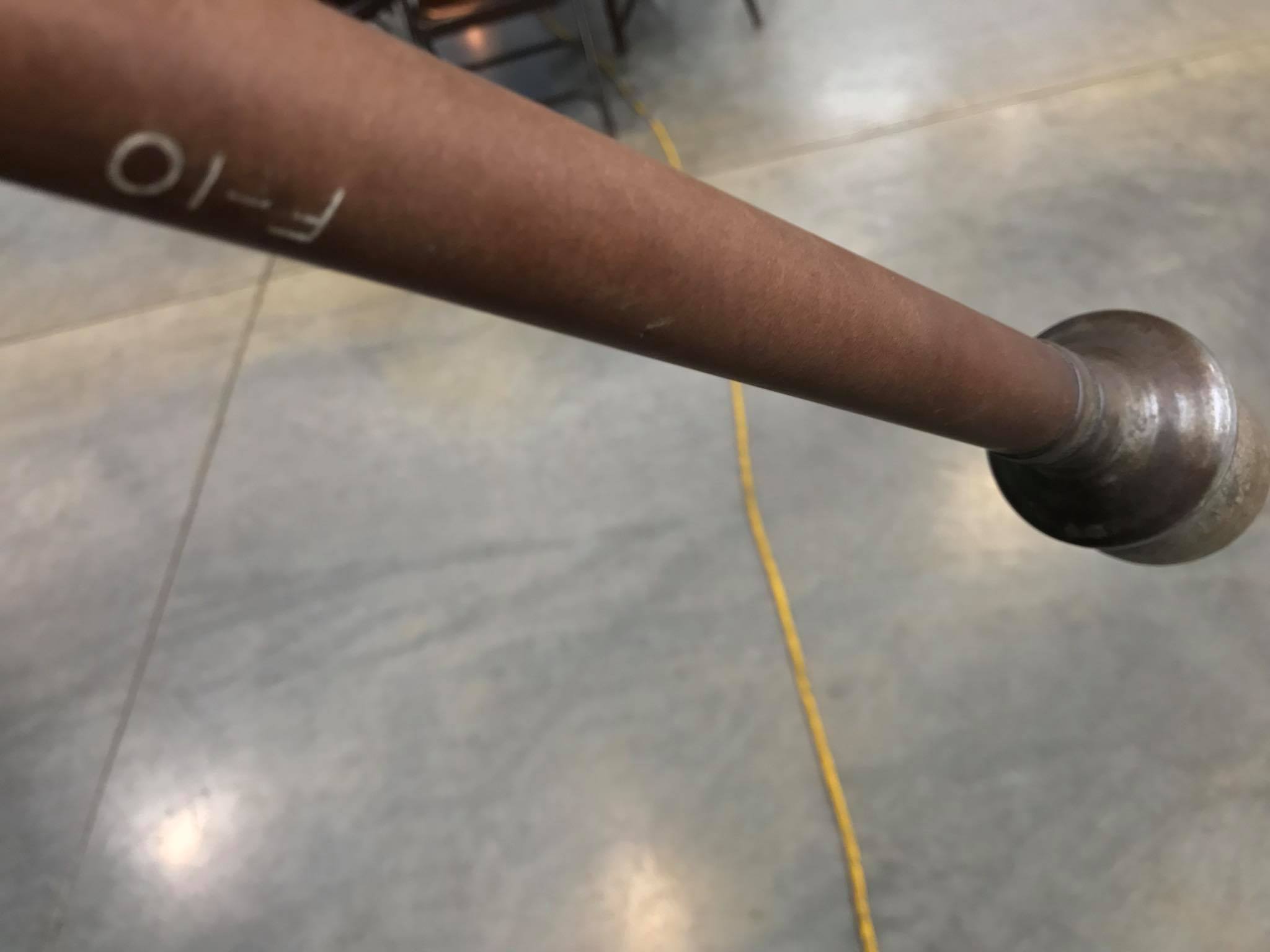
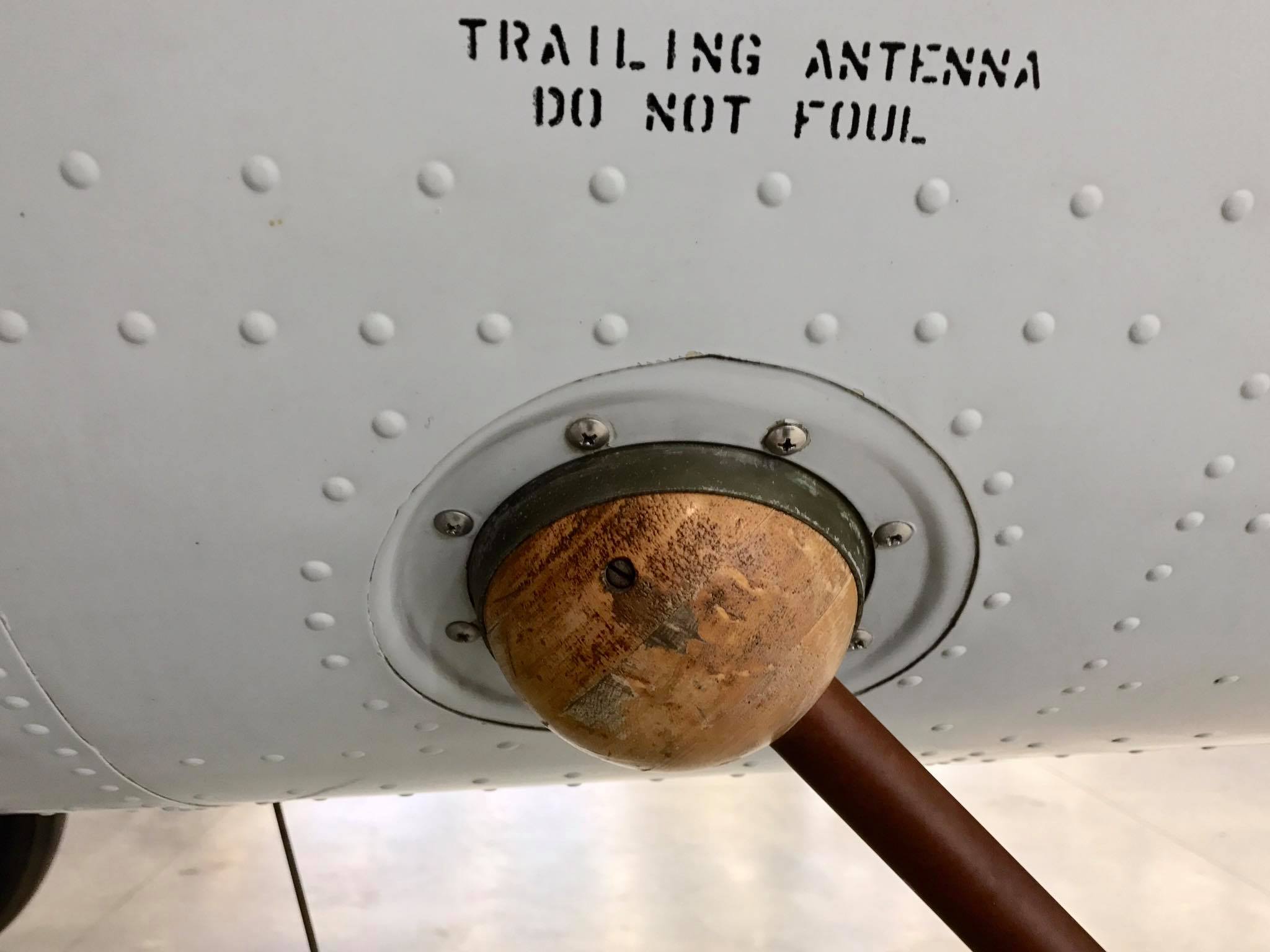
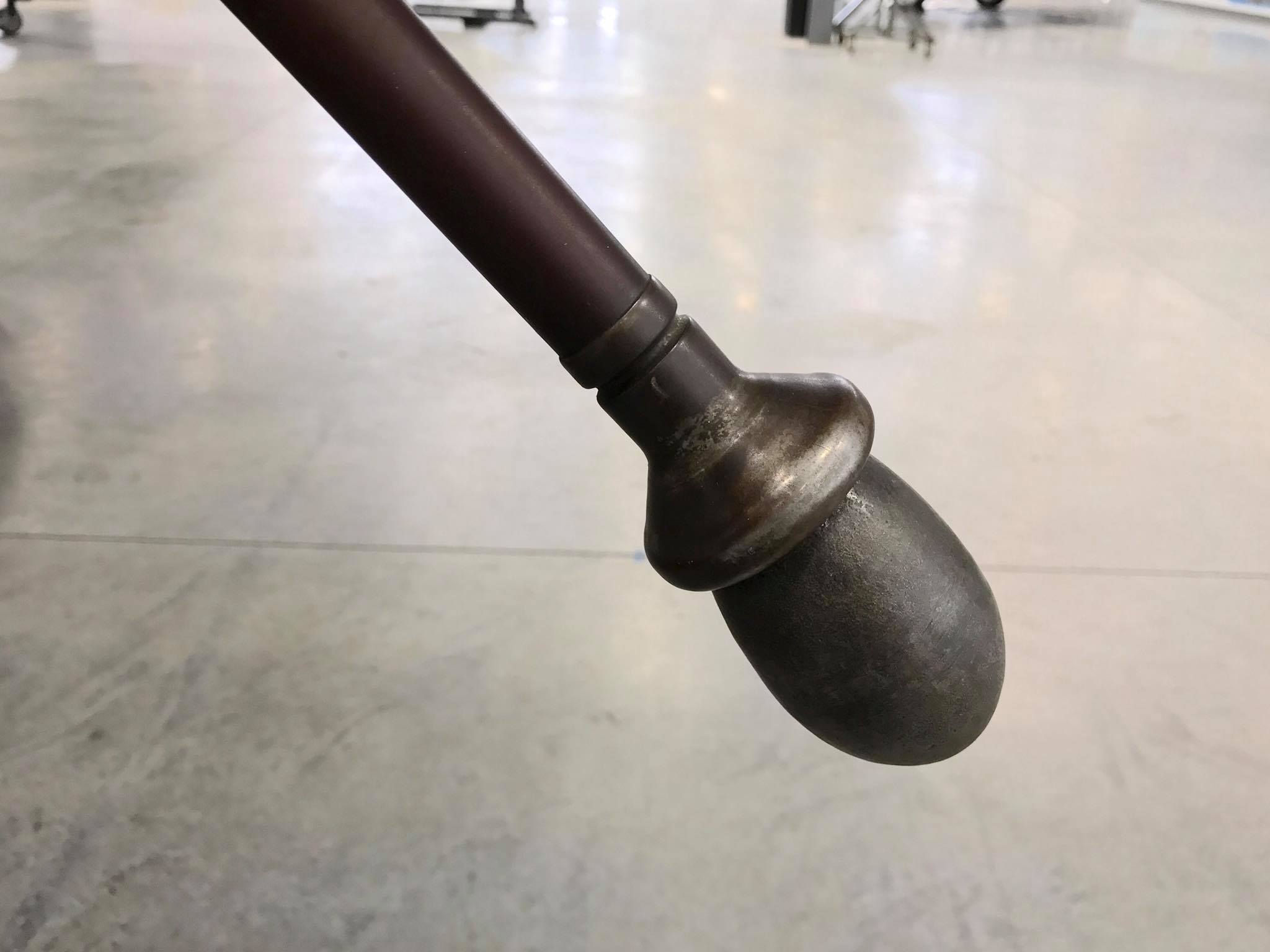
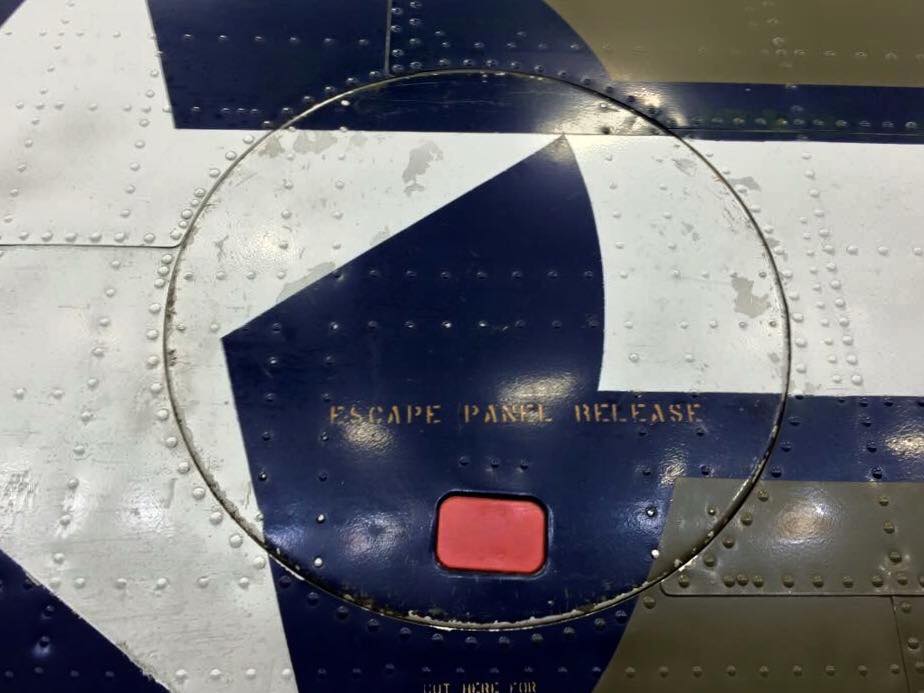
The greenhouse bombardier’s nose has an emergency escape panel on the port side (note the red release handle), but this is only practical on the ground since the left propeller is right there. The J model included armored seats for the pilot and co-pilot (nicknamed “coffin seats“) surrounded by 24-ST Dural Burst Plates, an N-3C reflector gunsight (as well as a backup ring and post gunsight) for the pilot, an astro-compass for the copilot/navigator – the gun camera was also to his right. Aircraft large enough to carry a navigator had trailing antenna wires; the wire was attached to an antenna mast with an “avocado” weight on the end, protruding out of the fuselage behind the bomb bay and was attached to a spool or reel inside the aircraft. The antenna was deployed as needed while the aircraft was in the air, anywhere from 50- 300 ft., for radio communications (the pilot’s pre-flight checklist included making sure the antenna was retracted). This is one of several aircraft I have seen with the mast in place.
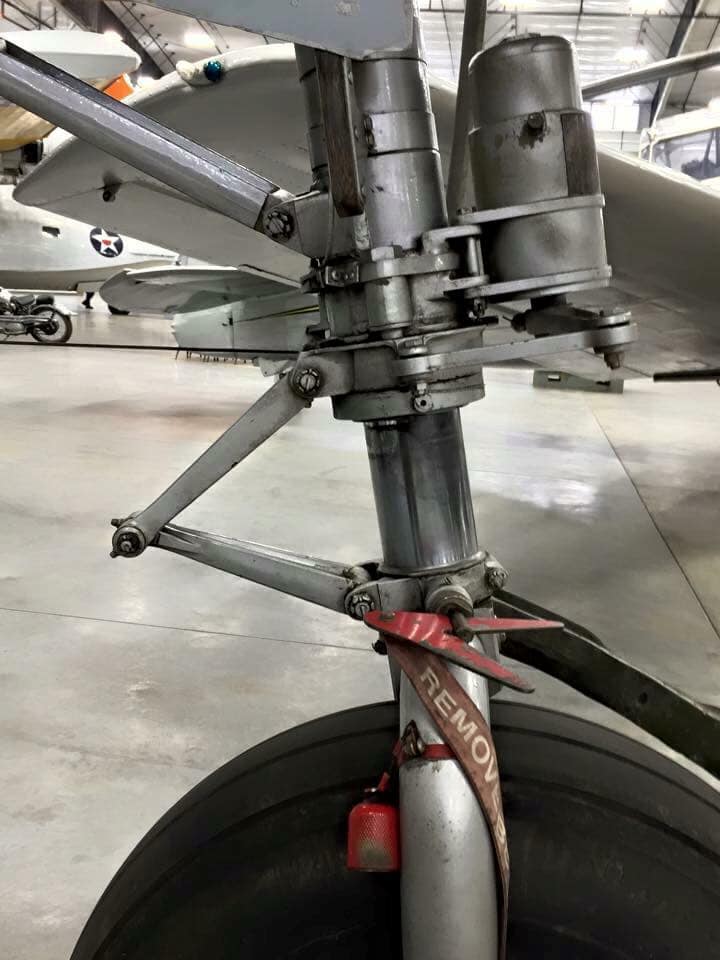
Editor’s note: The pilot’s name on the side of the cockpit, George “Crafty“ Hulett, who was the chief pilot for the aircraft when it was based at Van Nuys Airport, California, with Milo Pupich.
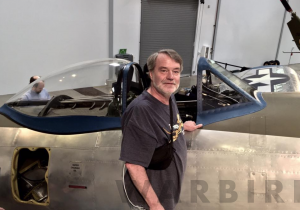 About the author: Randy Malmstrom grew up in a family steeped in aviation culture. His father, Bob, was still a cadet in training with the USAAF at the end of WWII but did serve in Germany during the U.S. occupation in the immediate post-war period, where he had the opportunity to fly in a wide variety of types that flew in WWII. After returning to the States, Bob became a multi-engine aircraft sales manager and, as such, flew a wide variety of aircraft; Randy frequently accompanied him on these flights. Furthermore, Randy’s cousin, Einar Axel Malmstrom, flew P-47 Thunderbolts with the 356th FG from RAF Martlesham Heath. He was commanding this unit at the time he was shot down over France on April 24th, 1944, and spent the rest of the war as a prisoner of war. Following his repatriation at war’s end, Einar continued his military service, attaining the rank of Colonel. He was serving as Deputy Wing Commander of the 407th Strategic Fighter Wing at Great Falls AFB, MT, at the time of his death in a T-33 training accident on August 21, 1954. The base was renamed in his honor in October 1955 and continues to serve in the present USAF as home to the 341st Missile Wing. Randy’s innate interest in history in general, and aviation history in particular, plus his educational background and passion for WWII warbirds, led him down his current path of capturing detailed aircraft walk-around photos and in-depth airframe histories, recording a precise description of a particular aircraft in all aspects.