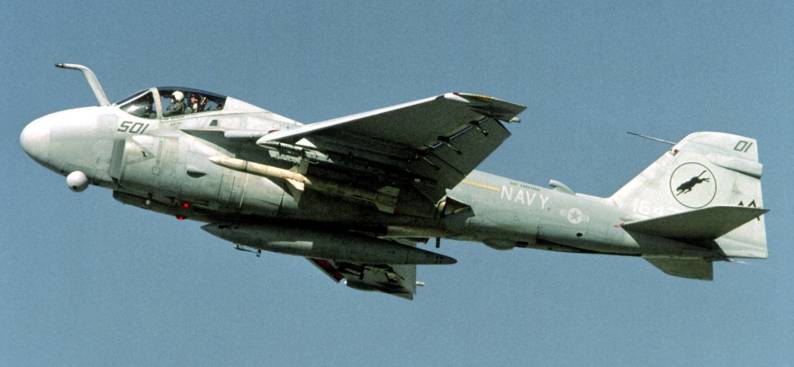

As naval aviation evolved, the US Navy created many aviation squadrons. One such unit was Attack Squadron 35 (VA-35). It started as a torpedo squadron in the 1920s and later fought in key battles during World War II. VA-35 was established as Torpedo and Bombing Squadron 2 (VT-2) on July 6, 1925, aboard the aircraft tender USS Aroostook at Pearl Harbor. As naval aviation developed, the squadron was renamed several times, including VT-2B in 1927, VT-3 in 1937, VA-4A in 1946, and finally as Attack Squadron 35 (VA-35) on August 7, 1948. In its first ten years, the squadron played an important role in the development of carrier aviation. In 1926, it tested signal lights to improve communication between aircraft and warships. Two years later, it switched from floatplanes to land-based carrier aircraft. First, it used the Martin T3M-2, and then it upgraded to the better Martin T4M-1. The aircraft specialized in bombing but could also carry torpedoes and lay smoke screens. The squadron regularly participated in the Navy’s annual Fleet Problems exercises, which helped develop American naval strategies before WWII. Fleet Problem IX in 1929 was the first drill with both USS Saratoga and USS Lexington. In the 1930s, the squadron participated in Fleet Problems X to XXI, took part in President Franklin D. Roosevelt’s Fleet Review in New York Harbor in 1934, and joined the celebrations for the opening of the Golden Gate Bridge in 1937.
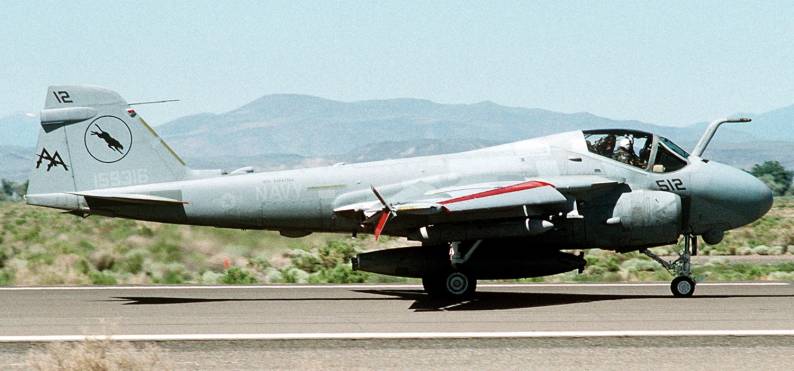
The squadron, known as VT-3, joined WWII as one of the Navy’s main torpedo units. Like other American torpedo squadrons at Midway, VT-3 faced heavy losses. Only two of its aircraft survived the mission, and the unit’s head, Lieutenant Commander Lance E. Massey, along with many of his crew, was killed. Their sacrifice helped bring Japanese fighter planes down to lower altitudes, which allowed American dive bombers to destroy four Japanese fleet carriers. Massey received the Navy Cross posthumously, and eleven other pilots from the squadron also were awarded this honor for their bravery. Later that year, while operating from the USS Enterprise, VT-3 took part in the Battle of the Eastern Solomons. From late 1942 to mid-1943, the squadron flew combat missions from the USS Saratoga and also operated from bases in Fiji, New Hebrides, New Caledonia, and Guadalcanal. During this time, the squadron supported Allied operations in the South Pacific and worked with the British carrier HMS Victorious, which joined Saratoga’s task force for a short period. After returning to the United States, the squadron reformed at Naval Air Station Seattle in September 1943 as part of Carrier Air Group Three (CVG-3). In late 1944, Torpedo Squadron 3 (VT-3) returned to combat on the USS Yorktown (CV-10) during the fight for the Philippines. The squadron helped in the Battle of Leyte and later attacked Japanese positions on Luzon to prepare for the Allied invasion. During these operations, Task Force 38 encountered Typhoon Cobra, which sank three destroyers and badly damaged many other ships.
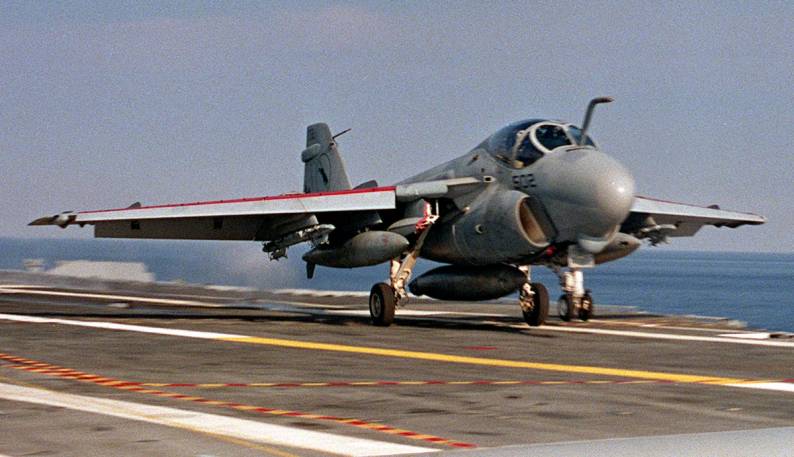
The squadron continued to carry out offensive operations in 1945, targeting Japanese positions in Formosa, French Indochina, Hong Kong, Canton, Okinawa, and the South China Sea. Lieutenant Frank F. Frazier earned the Silver Star for his bravery in Formosa. In February 1945, VT-3 was part of the first aircraft carrier strikes against Tokyo, focusing on the Tachikawa Engine Factory. They also provided close air support during the invasion of Iwo Jima. These missions were VT-3’s last combat actions in WWII before the squadron returned to the United States aboard the USS Lexington. After the war, the squadron changed from combat missions to peacetime duties. In November 1946, it became VA-4A. By August 1948, it received its final name, Attack Squadron 35 (VA-35). That same year, the Attack Squadron 35 deployed to the Mediterranean with the Sixth Fleet during the start of the 1948 Arab-Israeli War and stayed on alert as tensions rose in the region. Soon after, it took part in cold-weather operations in the North Atlantic. Attack Squadron 35 was disestablished on November 7, 1949, ending nearly twenty-five years of continuous service. During its existence, Attack Squadron 35 saw the change in US naval aviation from biplane torpedo bombers to carrier-based attack planes that were key in the Pacific during WWII. Its efforts at Midway and its many combat missions across the Pacific secured its place in US naval aviation history.