
By Randy Malmstrom
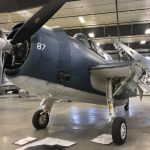
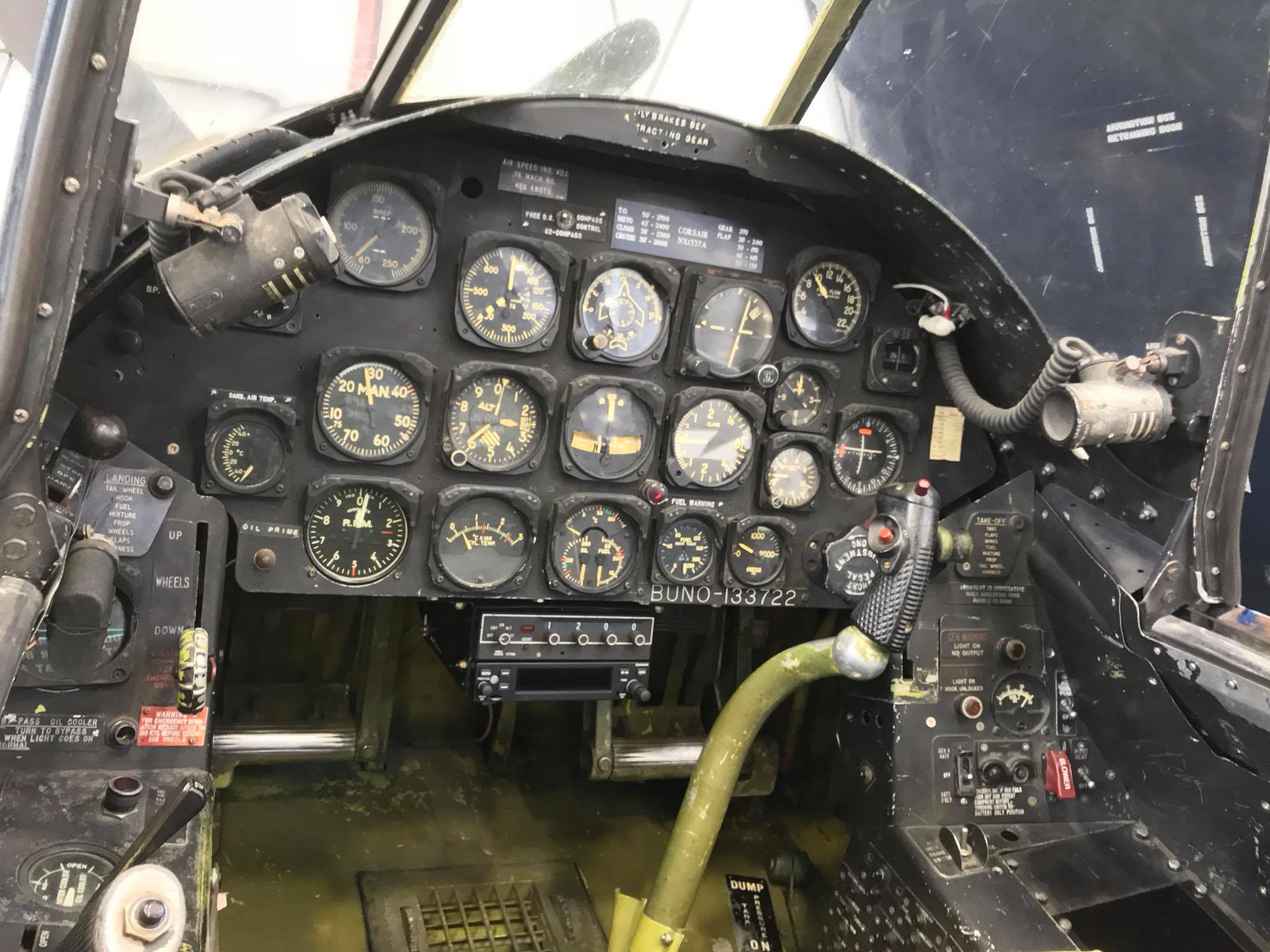
Vought F4U-7 Corsair, BuNo 133722, N1337A. This particular aircraft came off the Vought assembly line in Dallas, Texas, as an F4U-7 on December 14, 1952, and it was accepted by the French Aéronavale in February 1953 at NAS Oceana, Virginia. It was assigned to the 15F Flotille and flew combat missions off the French aircraft carrier Arromanches during the Suez Crisis of 1956-57. After serving with multiple squadrons, including the 15F and 14F Flotille, it was flown as a trainer and then put into storage at Toulon Naval Base until it was found by airline pilot Gary Harris, who had it brought to Half Moon Bay Airport in California in early 1973.
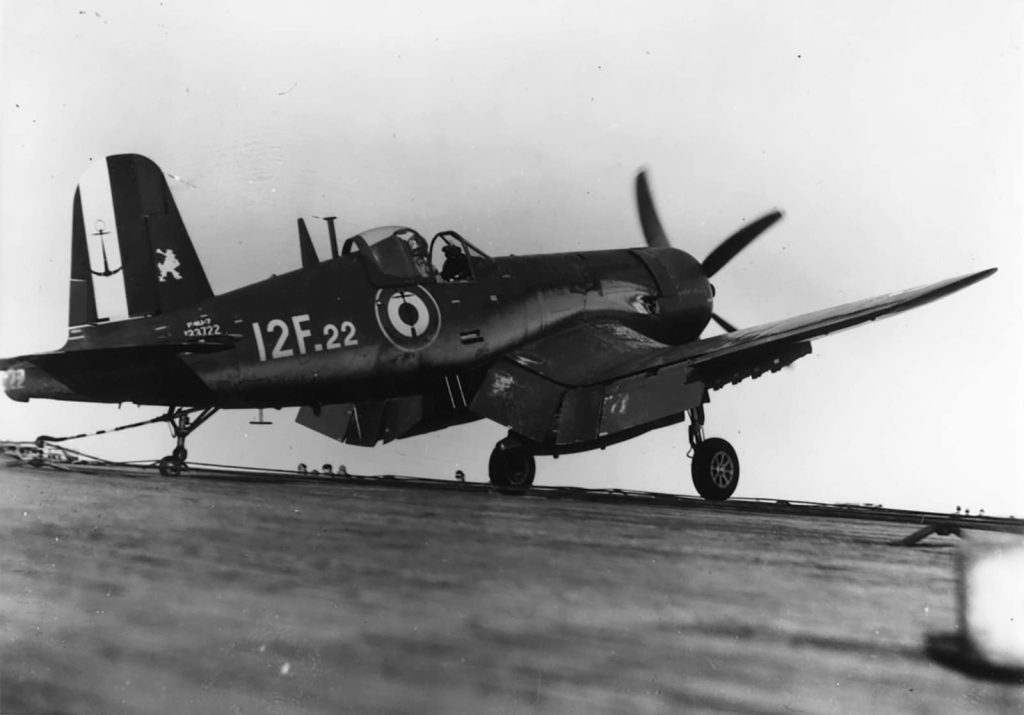
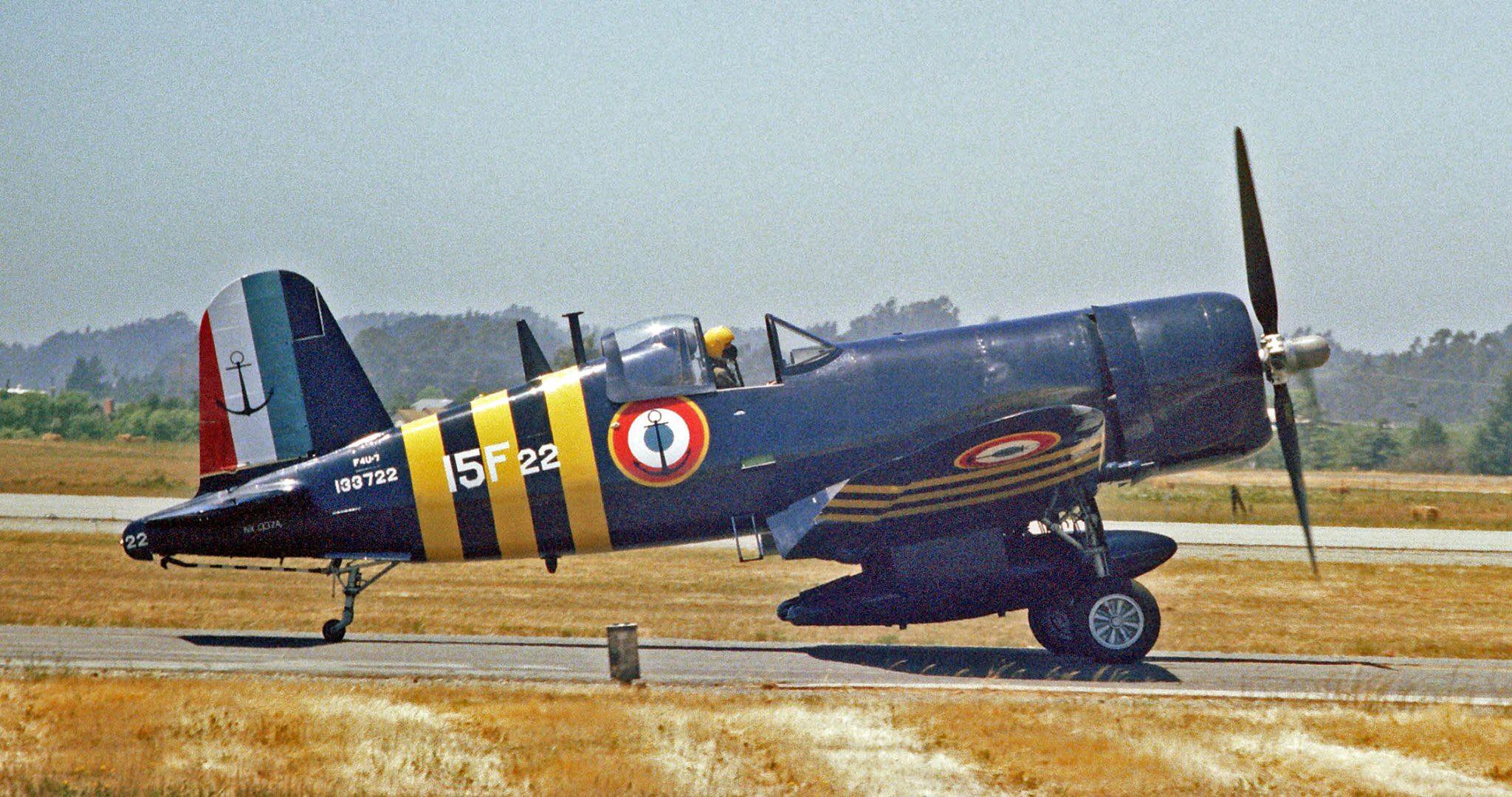
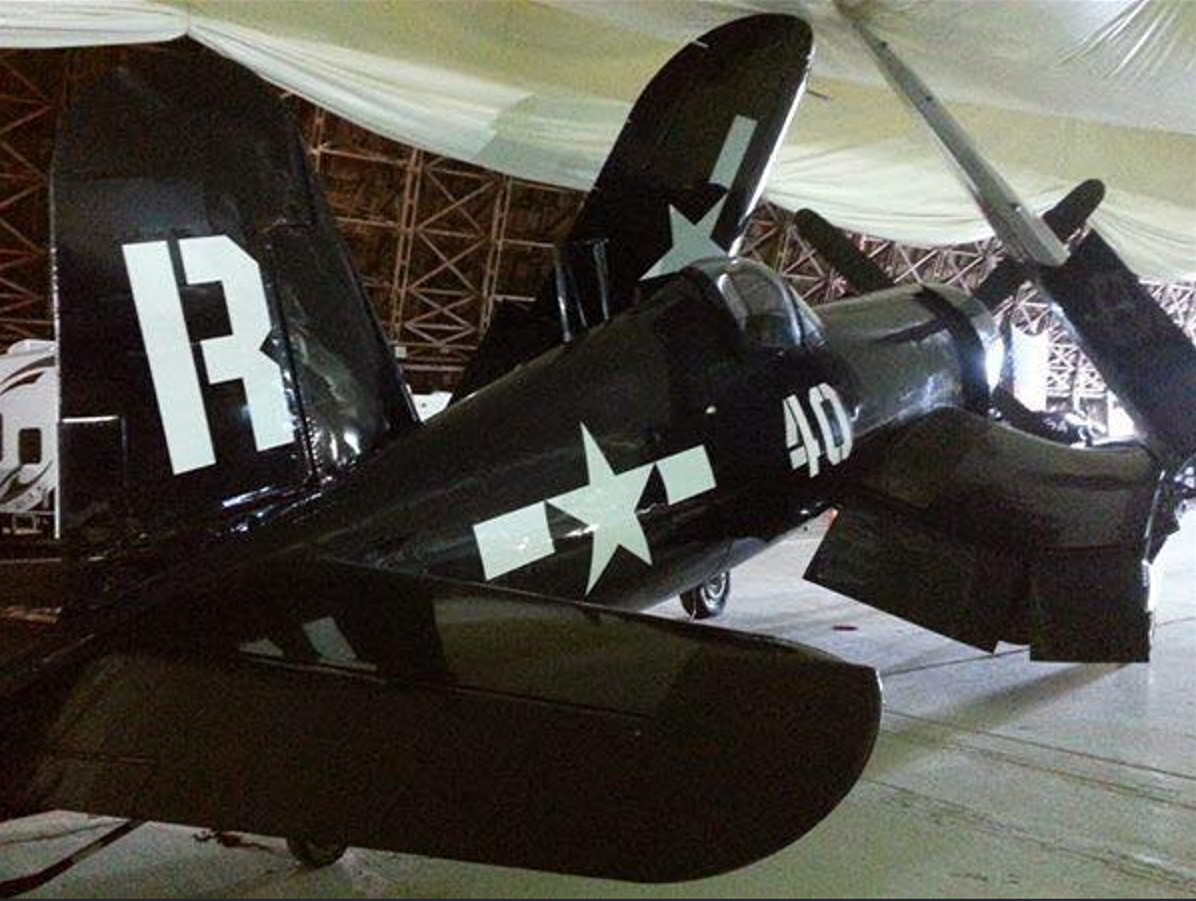
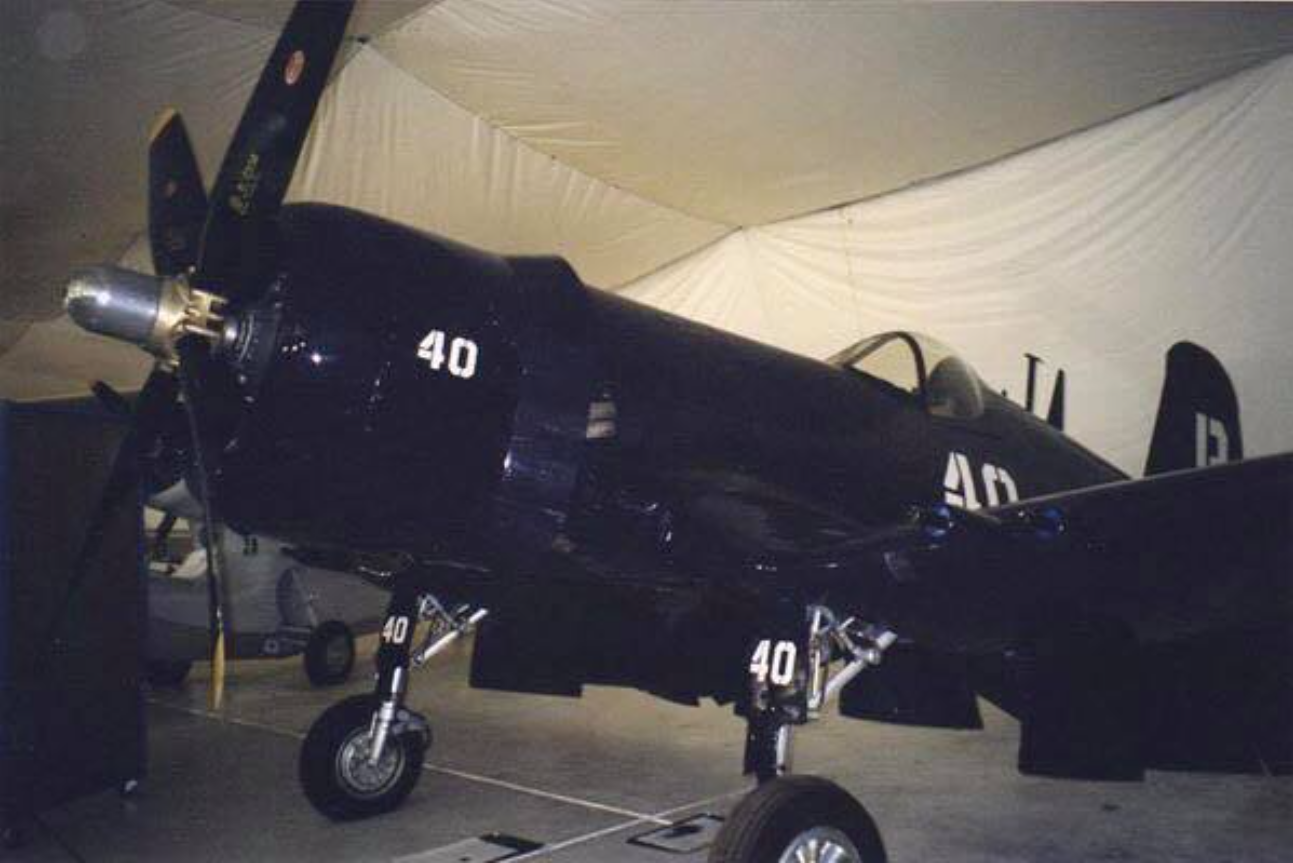
Harris had been given permission to acquire the aircraft by the French government under the condition that it would remain with French Aeronavale colors. The airplane had been stripped and painted in service, and had been cocooned in paint, so that there was no corrosion anywhere. Restoration occurred between 1973-76. Three layers down into the paint, the Suez markings were discovered, and its paint scheme was restored using slides taken of the markings that were measured and then projected onto the skin to reproduce them. The aircraft was sold and went to Lindsey Walton at Duxford, England, in 1982, and then went to Harold Kindsvoter in Clovis, California, and for many years, both in the U.S. and U.K., it was the only restored warbird carrying operational markings that the specific aircraft had been used. The engine and cowling were those of an F4U-4, but those were removed in France when the aircraft was retired from operations. A good deal of effort went into matching the F4U-4 cowling with the F4U-7 airframe. The aircraft is now owned by Jack Erickson’s Corsair N1337A LLC and is part of the Erickson Aircraft Collection located in Madras, Oregon.
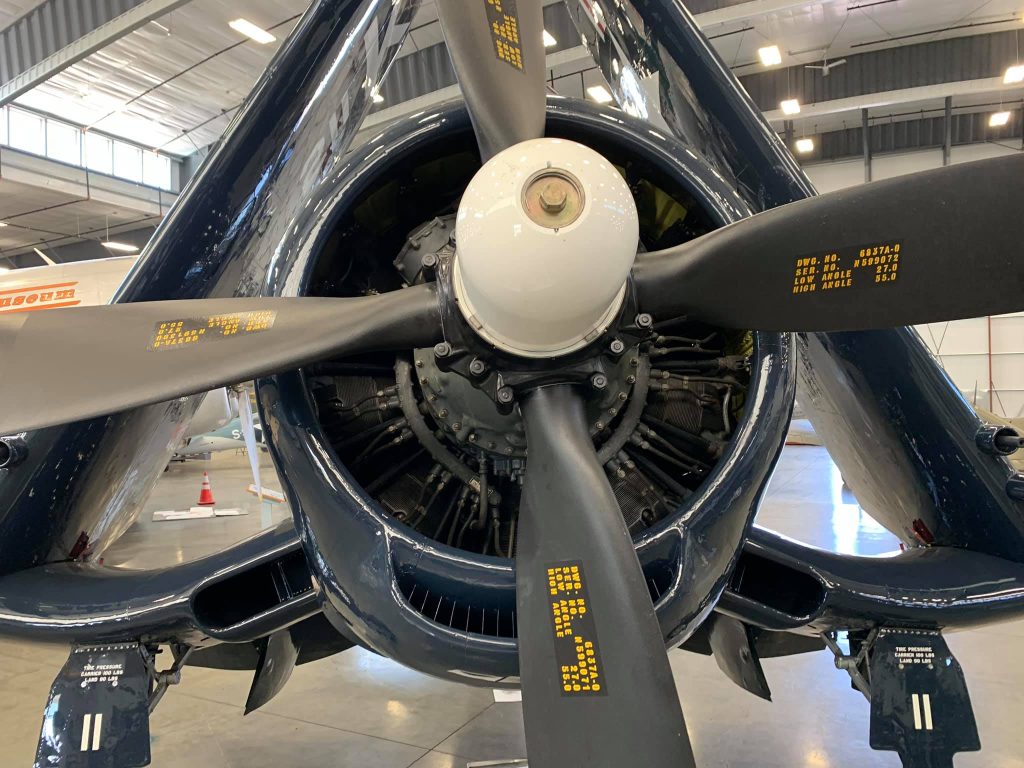
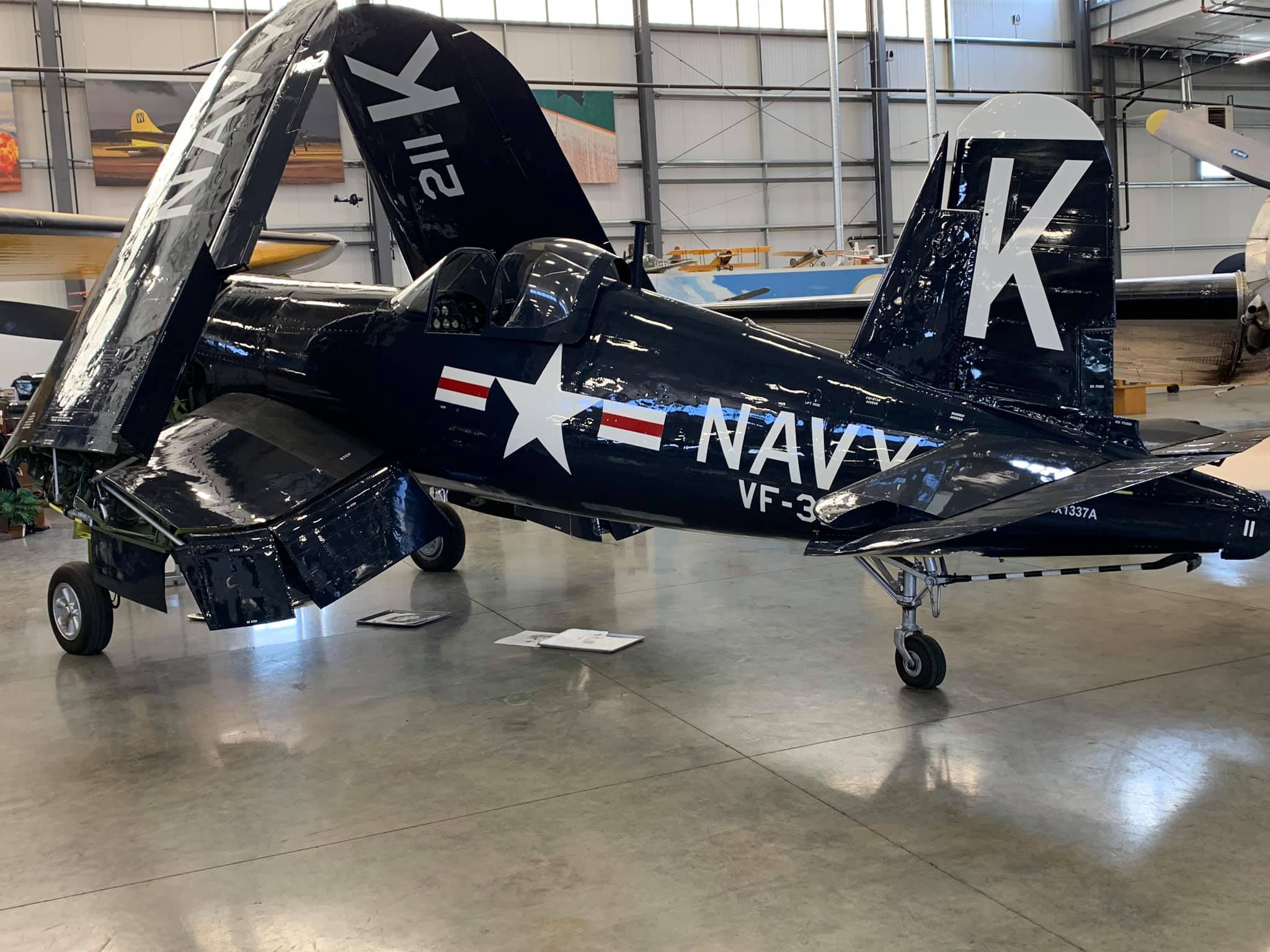
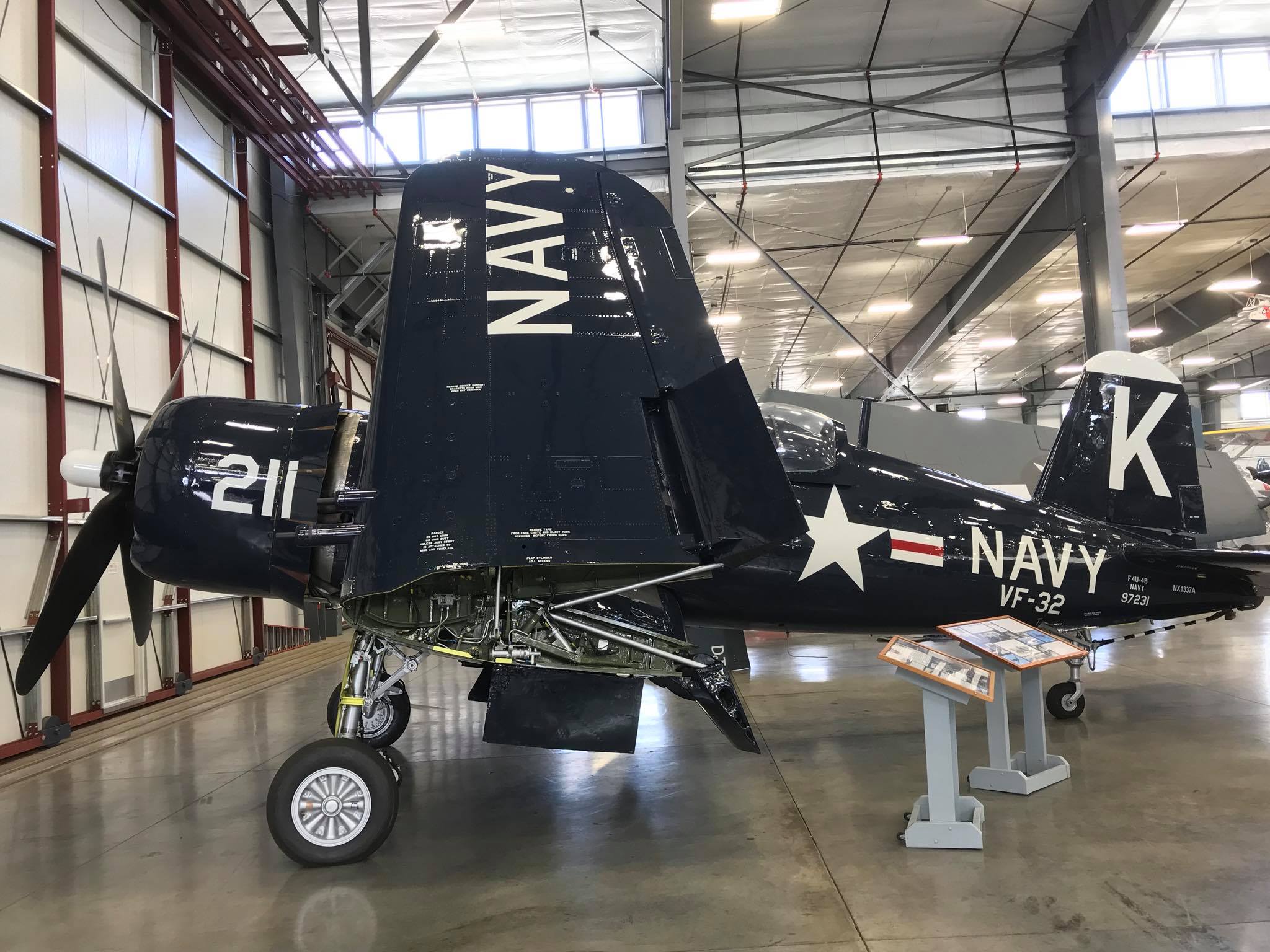
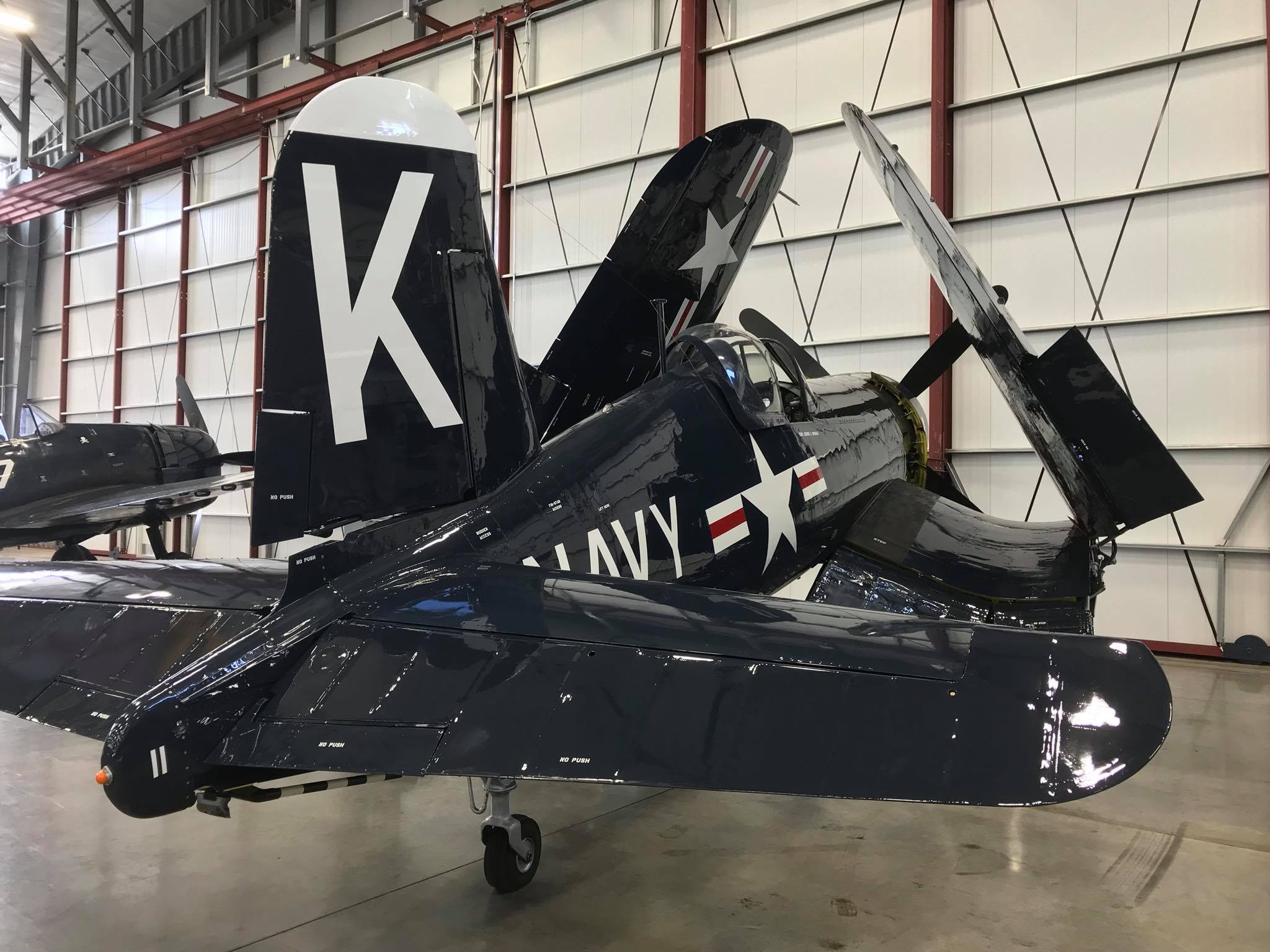
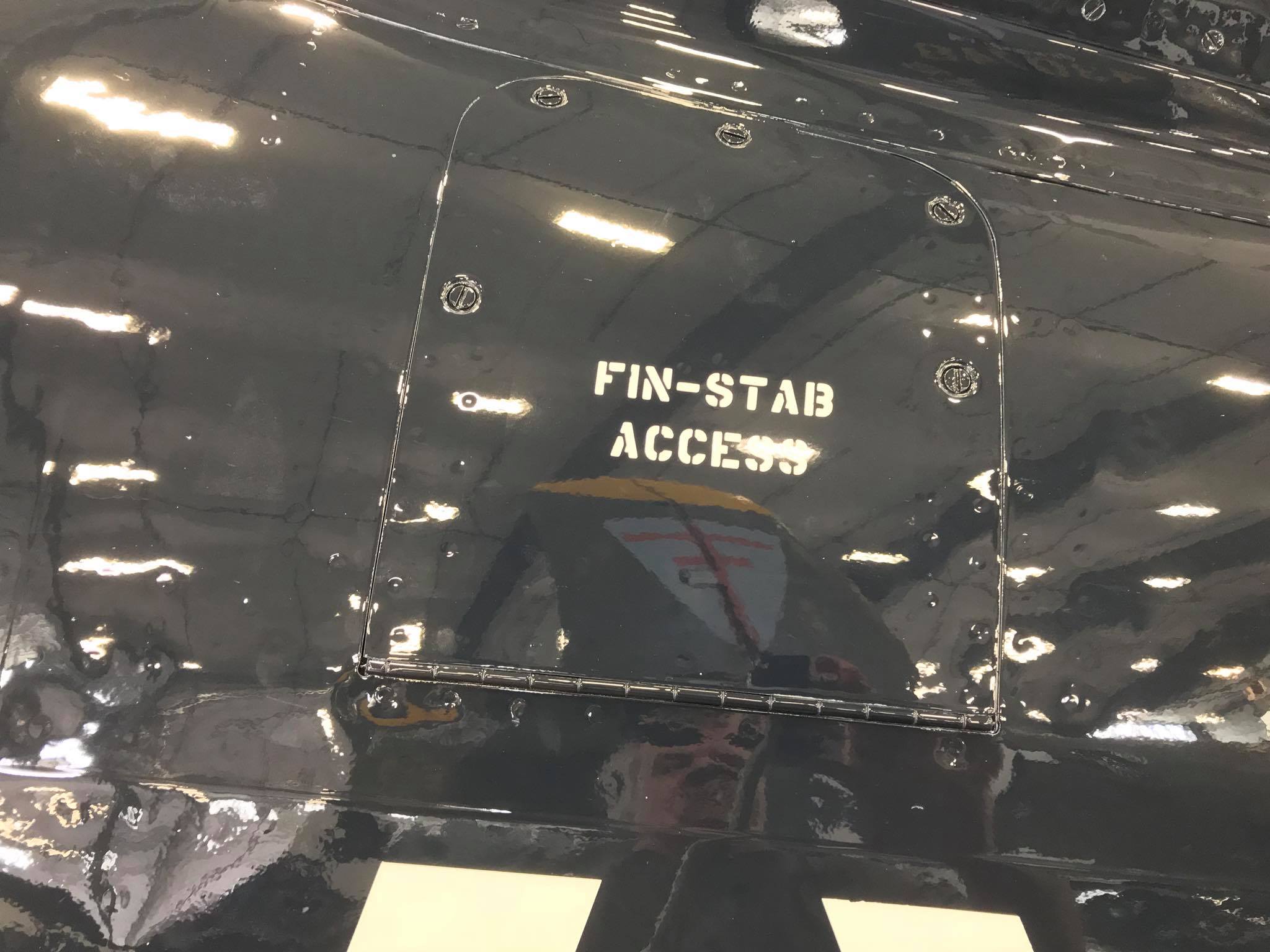
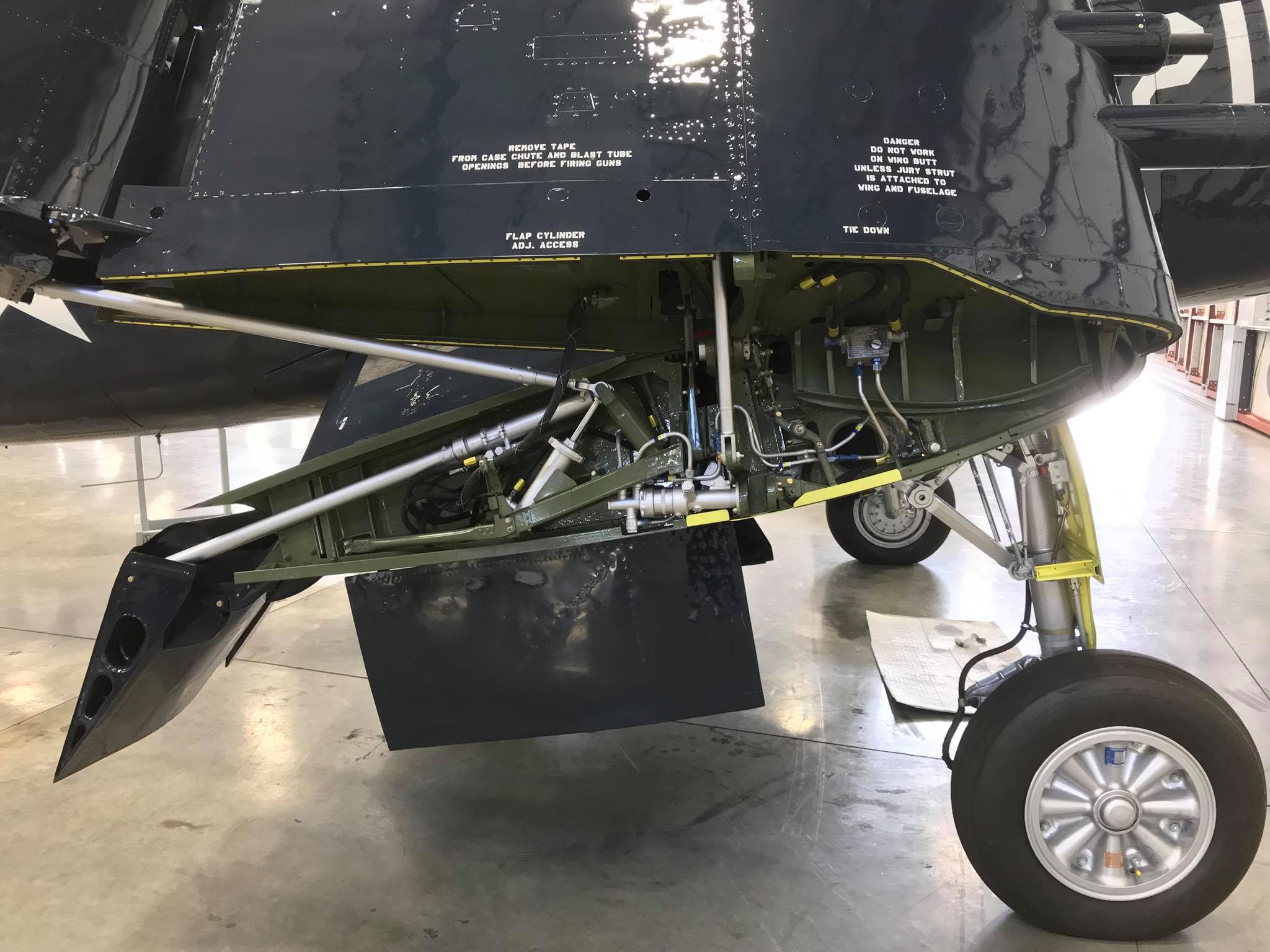
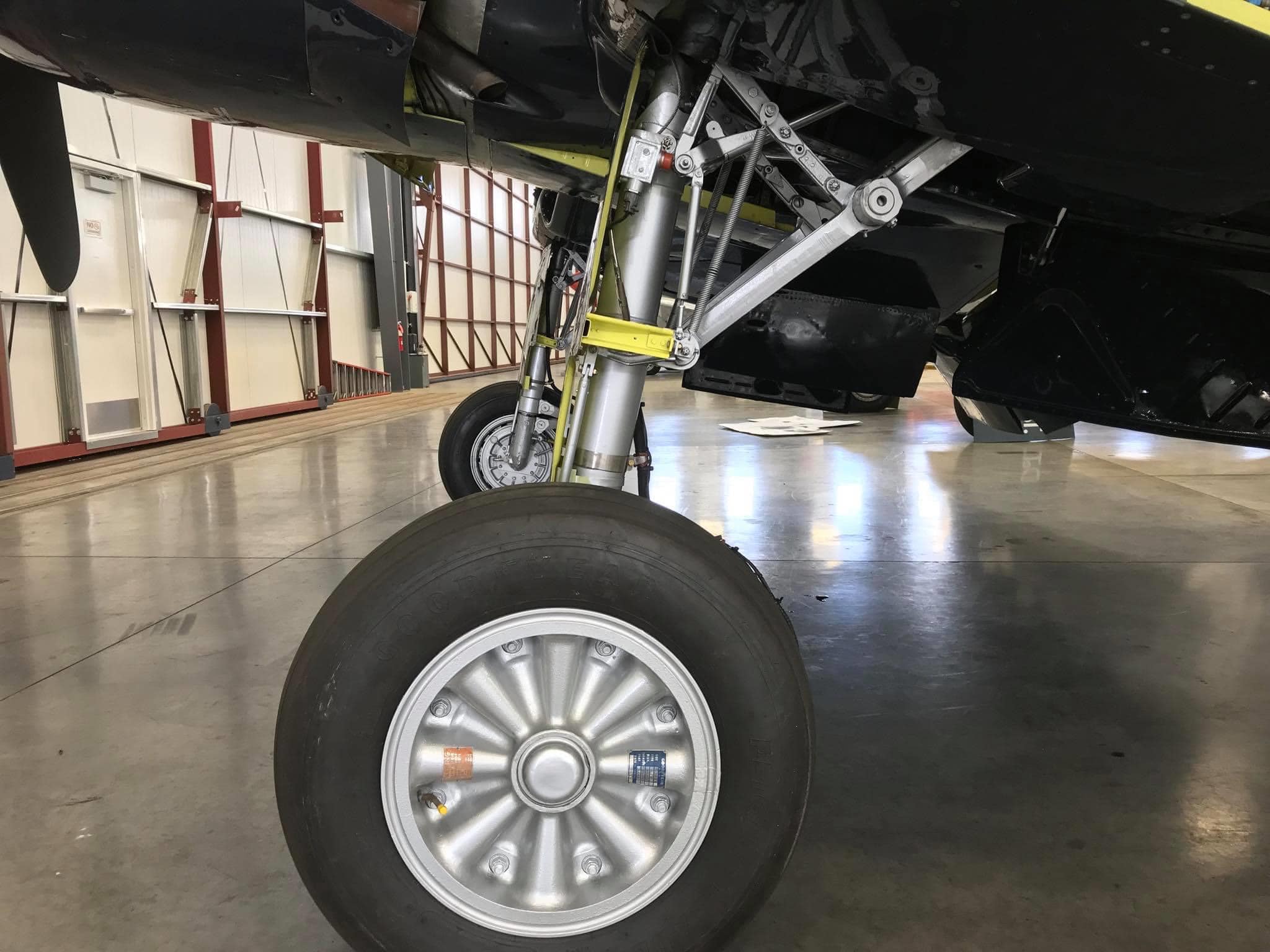
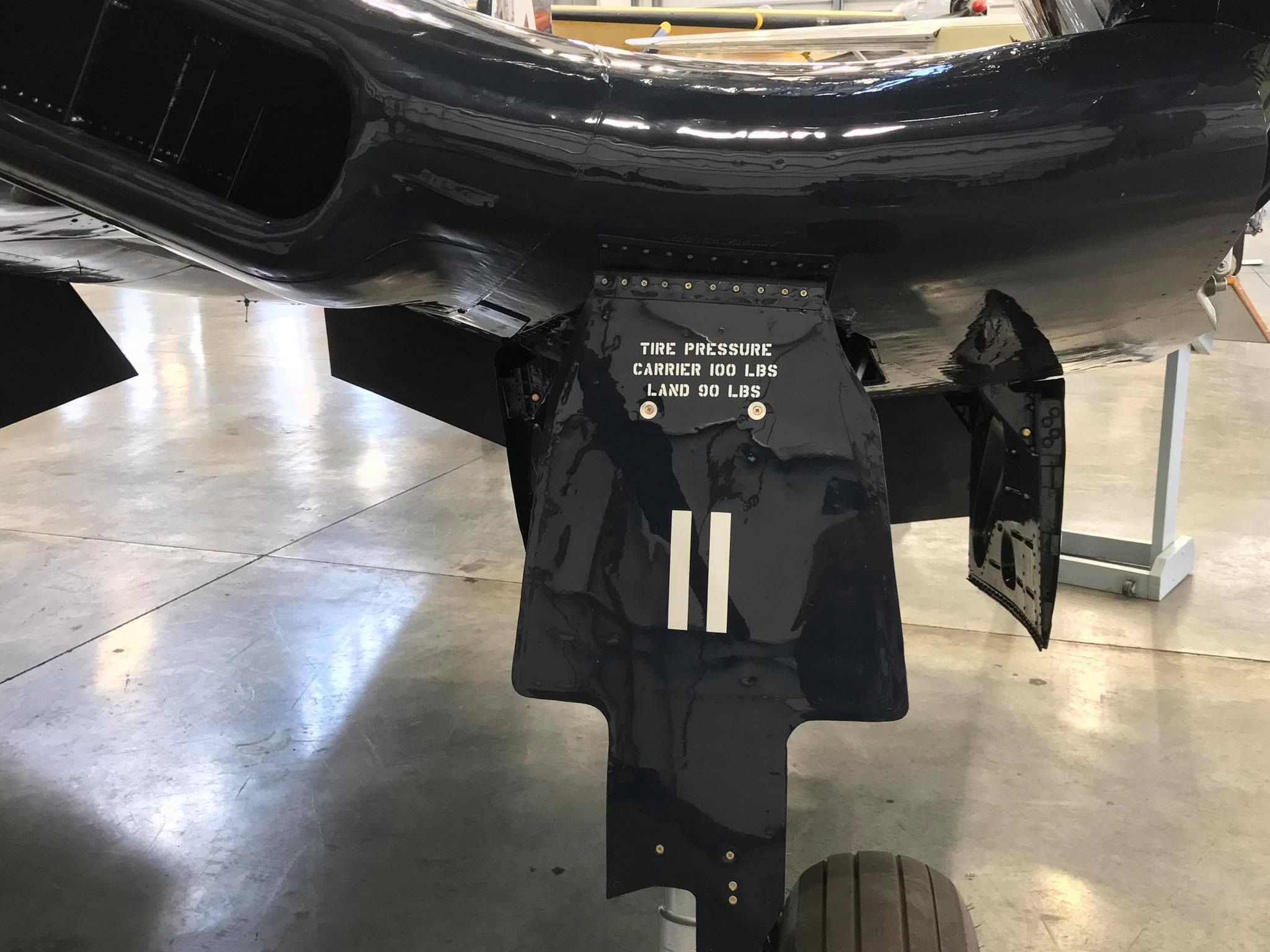
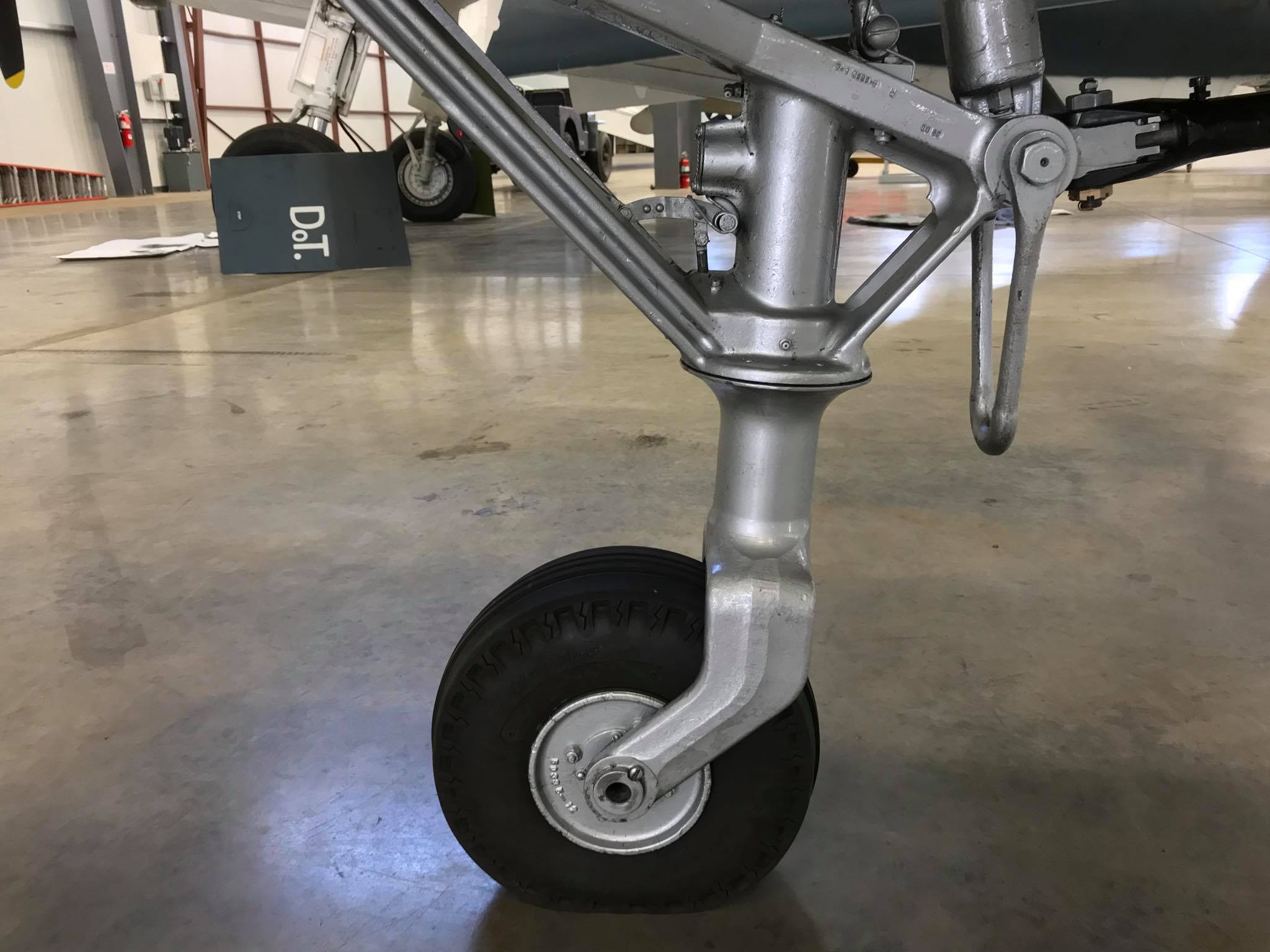
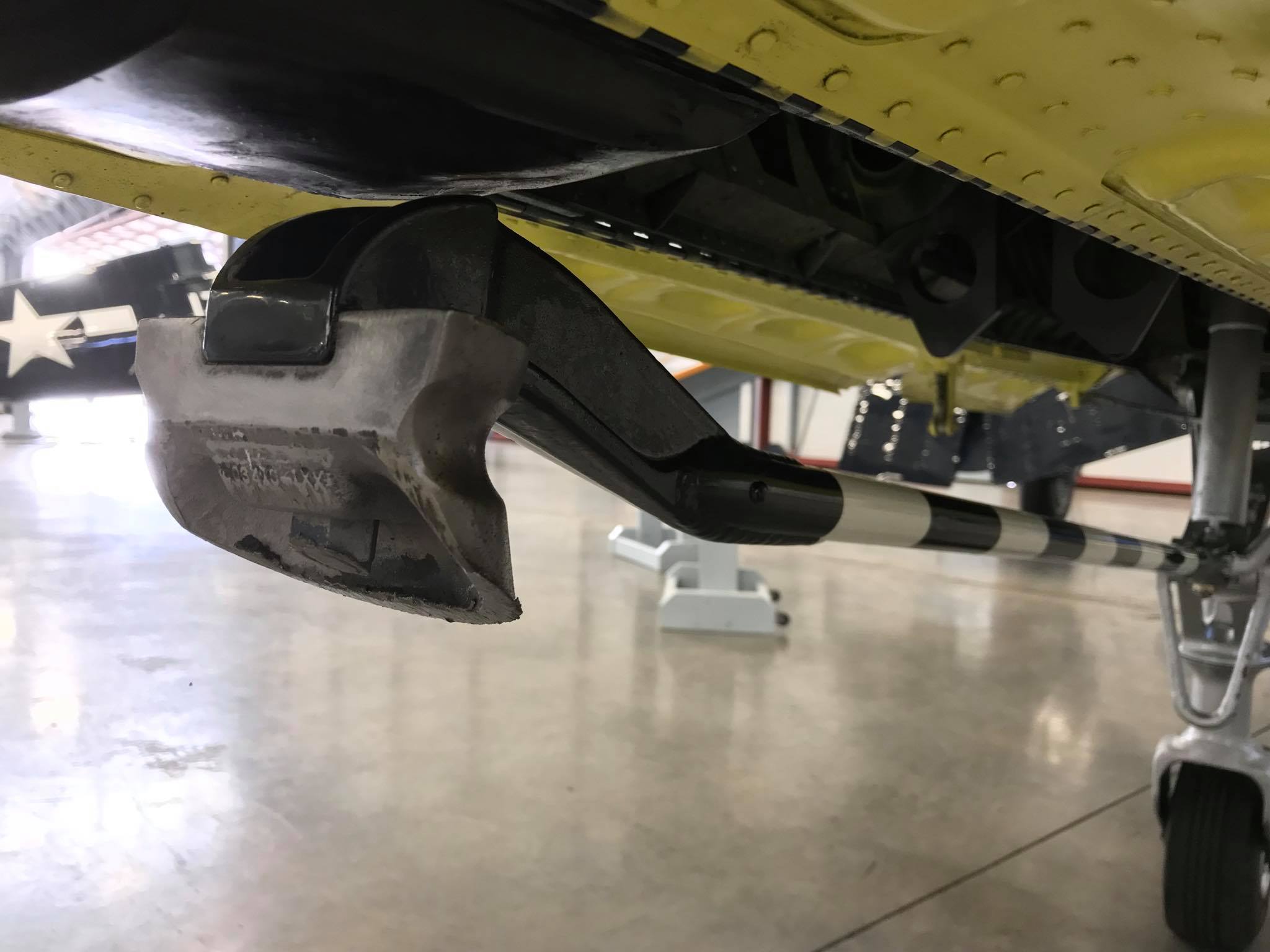
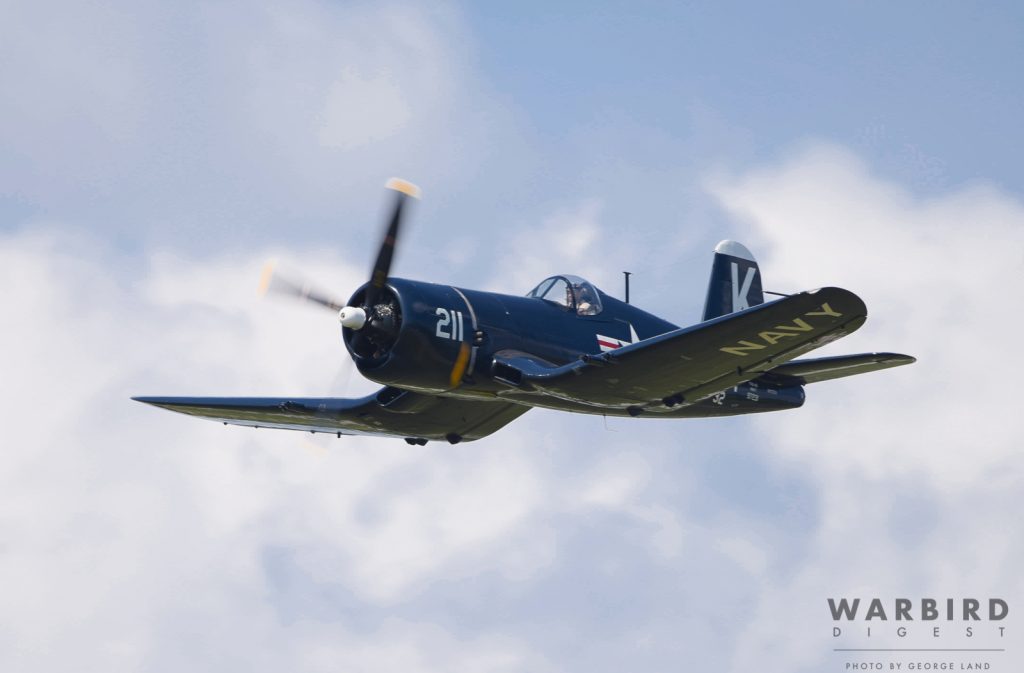
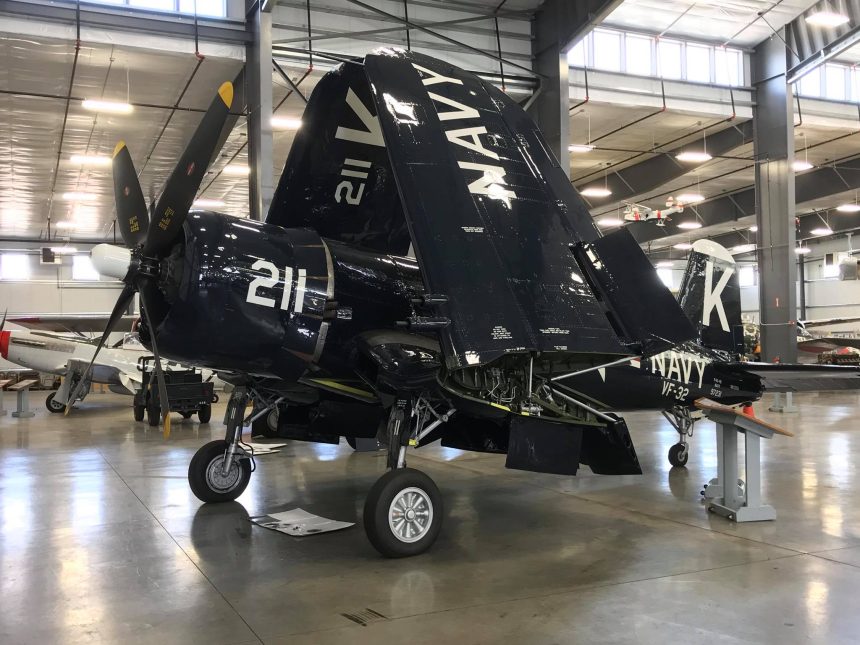
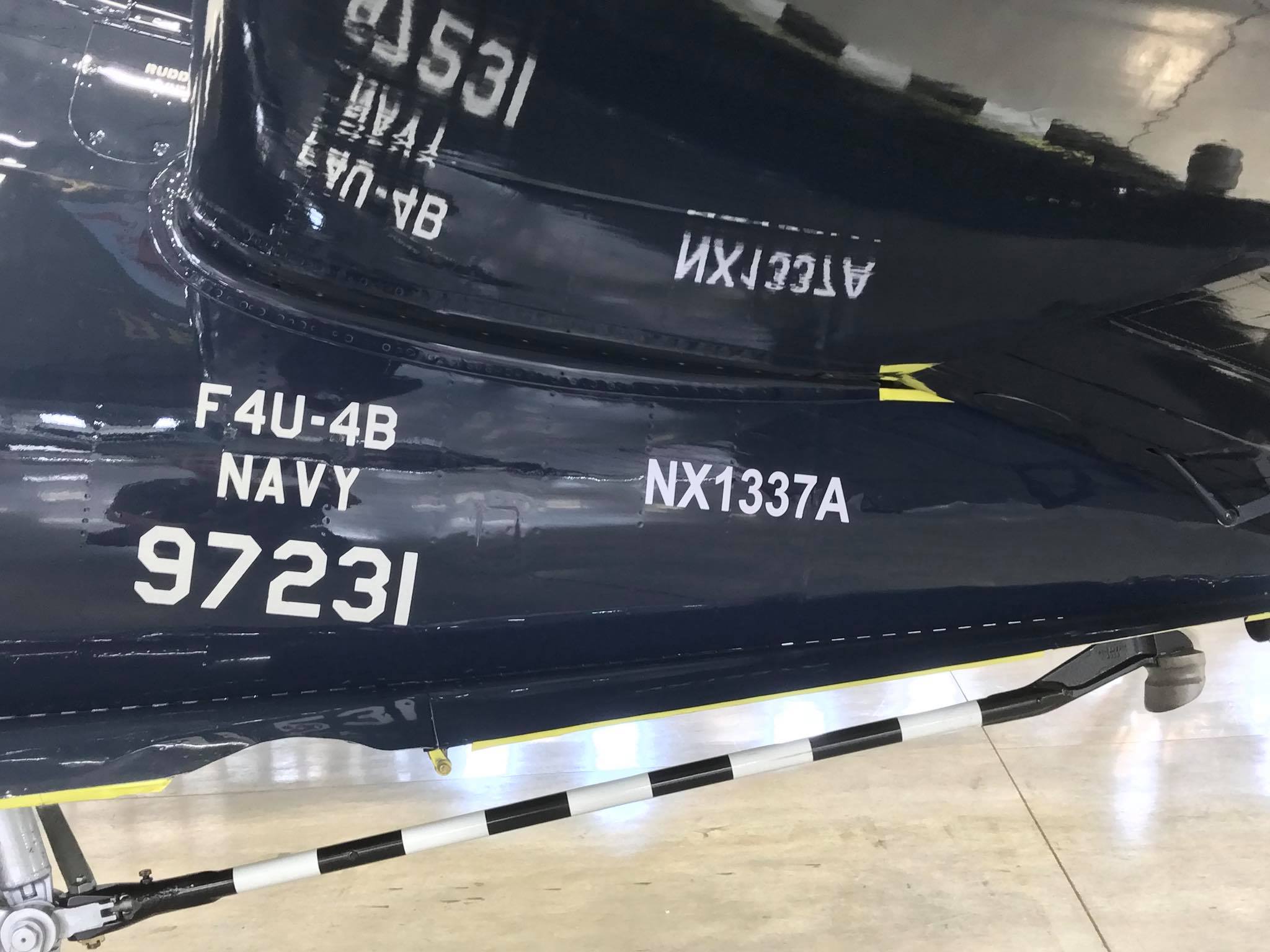
In 2018, it was repainted as F4U-4B BuNo 97231, contract no. 2720, built by the Chance Vought Aircraft Division in Stratford, Connecticut. That aircraft was assigned to VF-32 (Fighter Squadron) “Swordsmen” with tail code K (nose number possibly 203, although this aircraft is painted as number 211). VF-32 was assigned to the U.S.S. Leyte (CV-32) and flew Corsairs from September 6, 1950, until February 3, 1951, for action in Korea. VF-32 began as VBF-3 on February 1, 1945, and became VF-32 with the transition to the F4U-4 Corsair. On December 4, 1950, Ensign Jesse L. Brown, the first African American to be trained by the U.S. Navy as a Naval Aviator and who suffered from hazing and harassment during his pioneering career, took off from the U.S.S. Leyte in 972321 on a ground attack mission over Kot’o-ri near the Chosin Reservoir in North Korea.
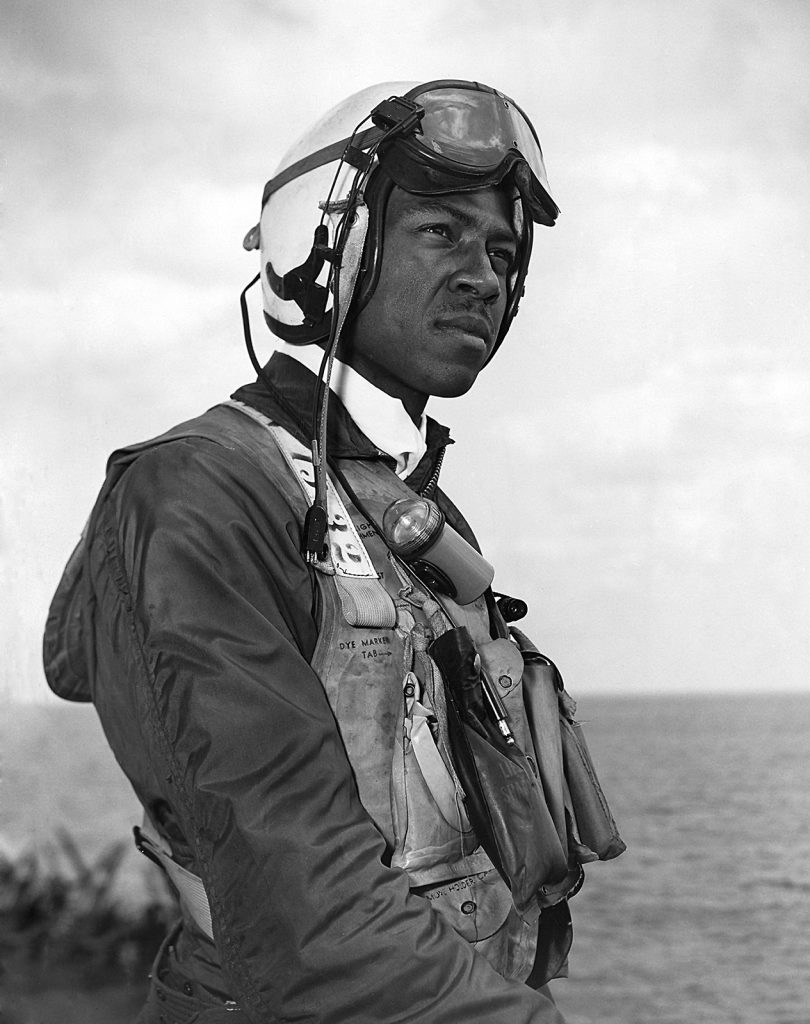
While flying in formation at 1,000 feet, one of the pilots in his squadron radioed Brown that his engine was bleeding fuel. He then reported that he was losing power and his engine was seizing up; this was presumably as a result of ground fire. He made a wheels-up, dead stick landing on a snow-covered flat west of the reservoir, crumpling his aircraft and setting the engine on fire. Brown sustained injuries to the lower half of his body and was trapped in the cockpit. Flight Leader Richard L. Cevoli radioed “Mayday” and called for helicopter rescue, and a Sikorsky HO3S-1 was dispatched. Wingman Lt.(jg) Thomas J. Hudner, Jr. and the other VF-32 pilots circled over, studying the situation on the ground, and could see Brown waving from his cockpit without his helmet or goggles. Hudner made one last tree-top pass, dumping his remaining ordnance and fuel, lowered his flaps and tailhook, and made a forced landing of his own about 100 yards from Brown to try and help him (the ground being at 6,000 ft. elevation, his airspeed indicator had underestimated his speed and he landed hard), hoping that they could then both be picked up by the helicopter. Hudner stated that he also called in a helicopter pickup and told them to be sure to bring an ax and fire extinguisher and then packed snow around the smoking cowling. Brown’s right leg was crushed and entangled in the wreckage.
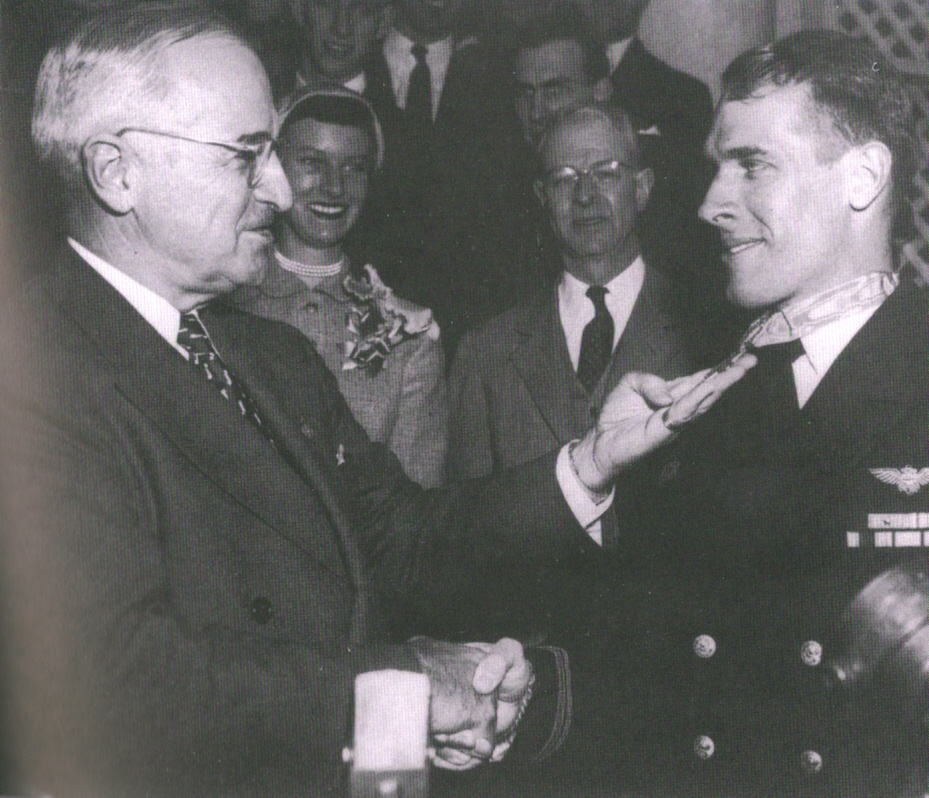
A two-man helicopter arrived with only its pilot (and friend of Brown), Charlie Ward, and he and Hudner spent 45 minutes trying to cut away the wreckage with the ax, but it merely bounced off the surface; they then considered trying to cut Brown’s leg off with a knife as the light of day faded. The pilot indicated it was time to go (since the helicopter had no night-flying instrument capability), and they had to leave him in the wreckage as he went in and out of consciousness and with his parting words “Just tell Daisy how much I love her” (referring to his wife); the last time Hudner looked back at Brown, he didn’t appear to be breathing. On December 6, 1950, a lone F4U-4 from VF-32 returned to the crash site and was able to see Brown’s body in his cockpit. On December 7, seven F4U-4’s returned and dropped napalm on the wreckage of both aircraft to destroy them so as not to allow Brown’s body or the aircraft to get into enemy hands. One of the aircraft accelerated into a vertical climb as the remaining six dropped the napalm bombs (the voice of one of the pilots could be heard over the radio reciting the Lord’s Prayer). Ensign Brown was declared officially dead as of the date of his crash, has remained listed as Missing in Action, and was posthumously awarded the Distinguished Flying Cross, Purple Heart, and the Republic of Korea Service Medal. On February 17, 1973, the Knox-class frigate U.S.S. Jesse L. Brown was commissioned, having been named in his honor. Lt. Hudner was awarded the Medal of Honor. My photos and video clips at Erickson.
Nicknames for the Corsair included: U-Bird, Hog-Nose, Horseshoe, Great Iron Bird, Sweetheart of Okinawa, Super Stuka, The Hog, Bent Wing Bird, Ensign Eliminator, Hosenose, and Whistling Death. The F4U-7’s (dubbed “For French Only”) were built by the Vought Dallas, Texas, plant expressly for the French Aéronautique Navale (French Navy) between 1952-53 under the Mutual Defense Assistance Program and, as such, were the last piston-engine fighter design produced in the U.S. This particular aircraft was one of the last of a total of 94 built. The French Flottille 11F, 12F, 14F, 15F and 17F fighter squadrons flew Corsairs from land bases in Tunisia and the French aircraft carriers Arromanches, Bois-Belleau, Lafayette, Clemenceau and Foch. Based on the low-level attack F4U-4 in an AU-1 (initially called the F4U-6) airframe with an R-2800-18W Double Wasp engine powering a 13 ft. Hamilton propeller (as I recall, there is 9 inches of clearance between the ends of the propeller blades and the ground, or carrier deck, on takeoff), inlets in the lower lip of the cowling and under-wing pylons.
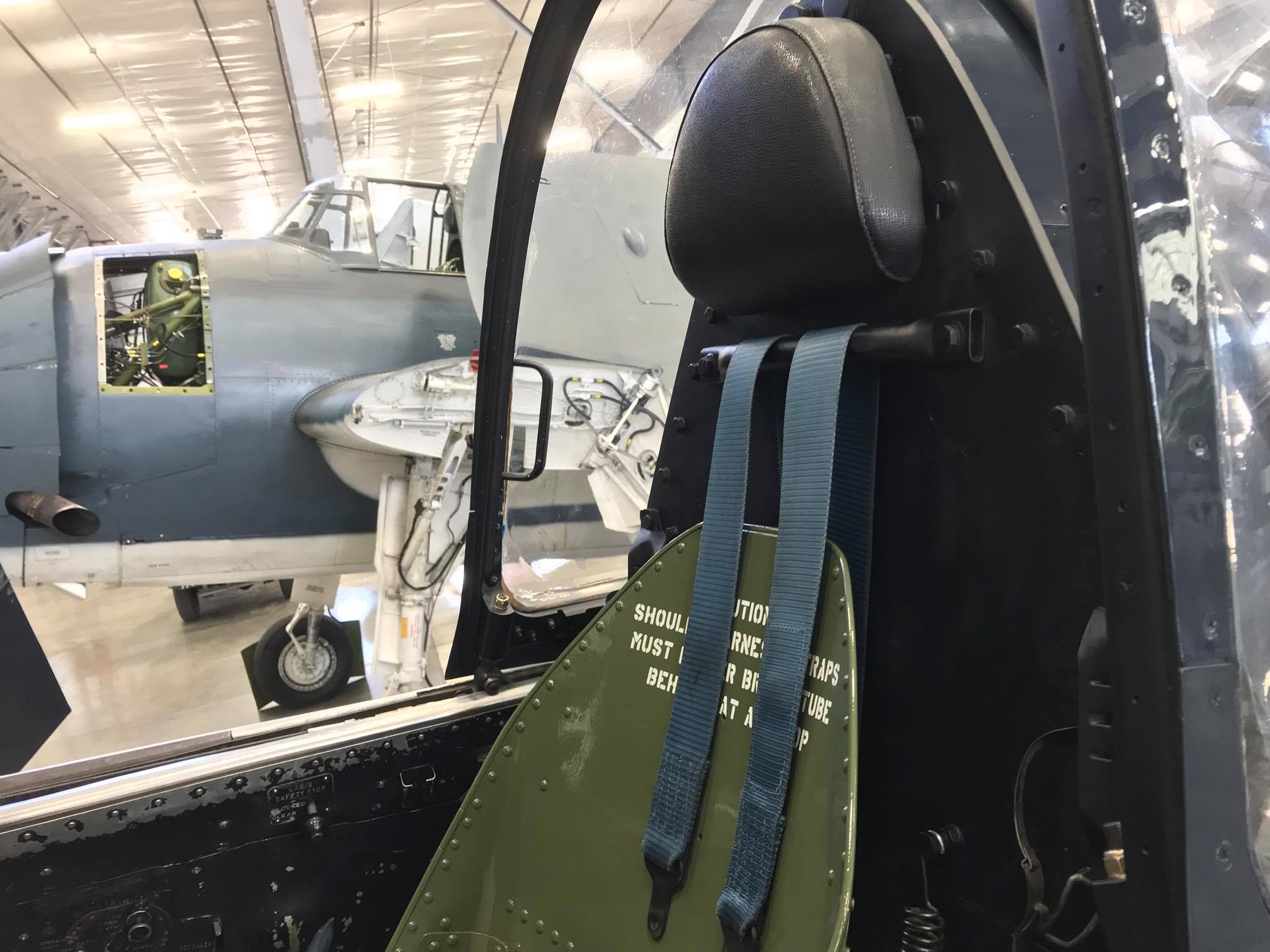
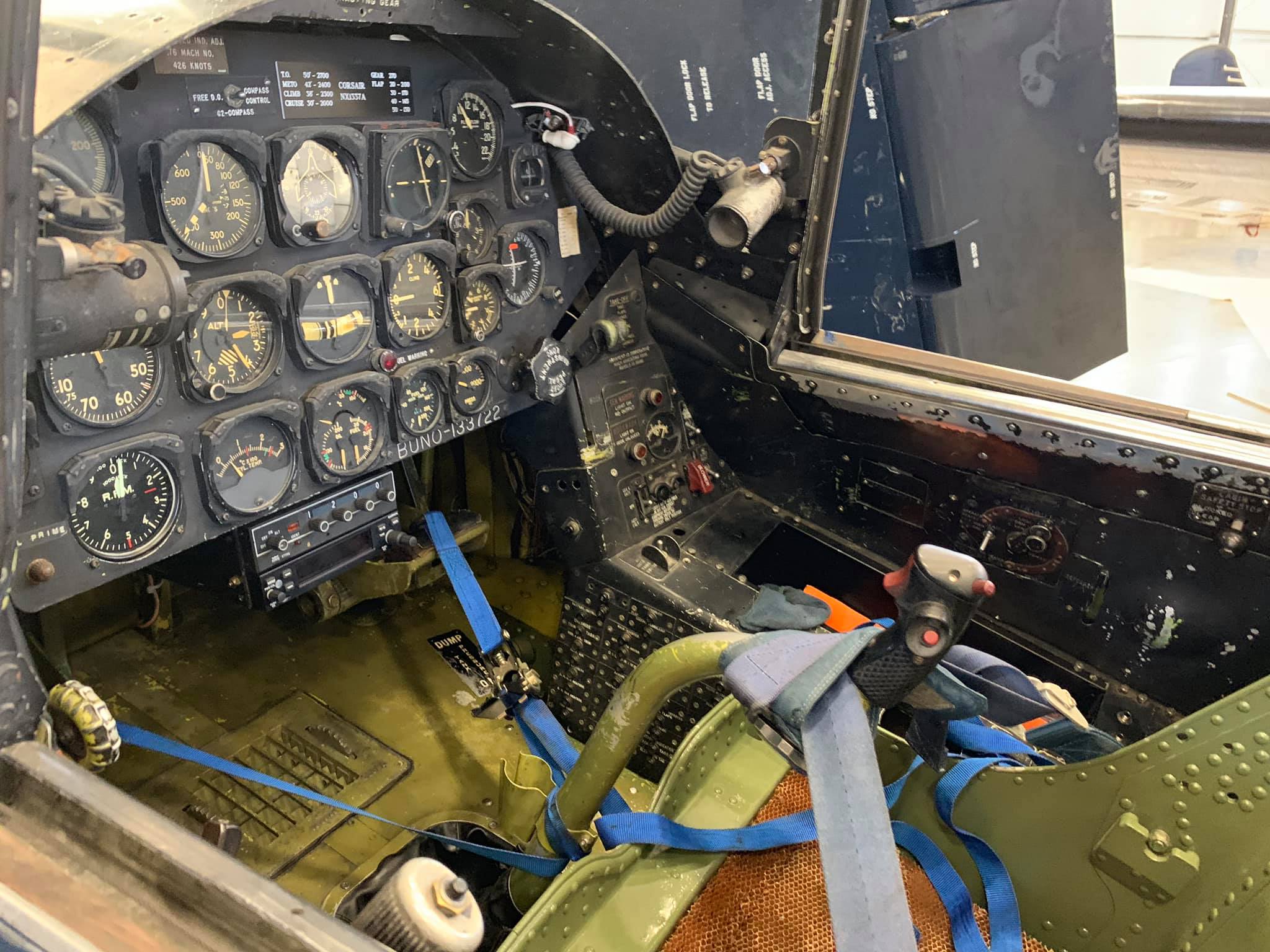
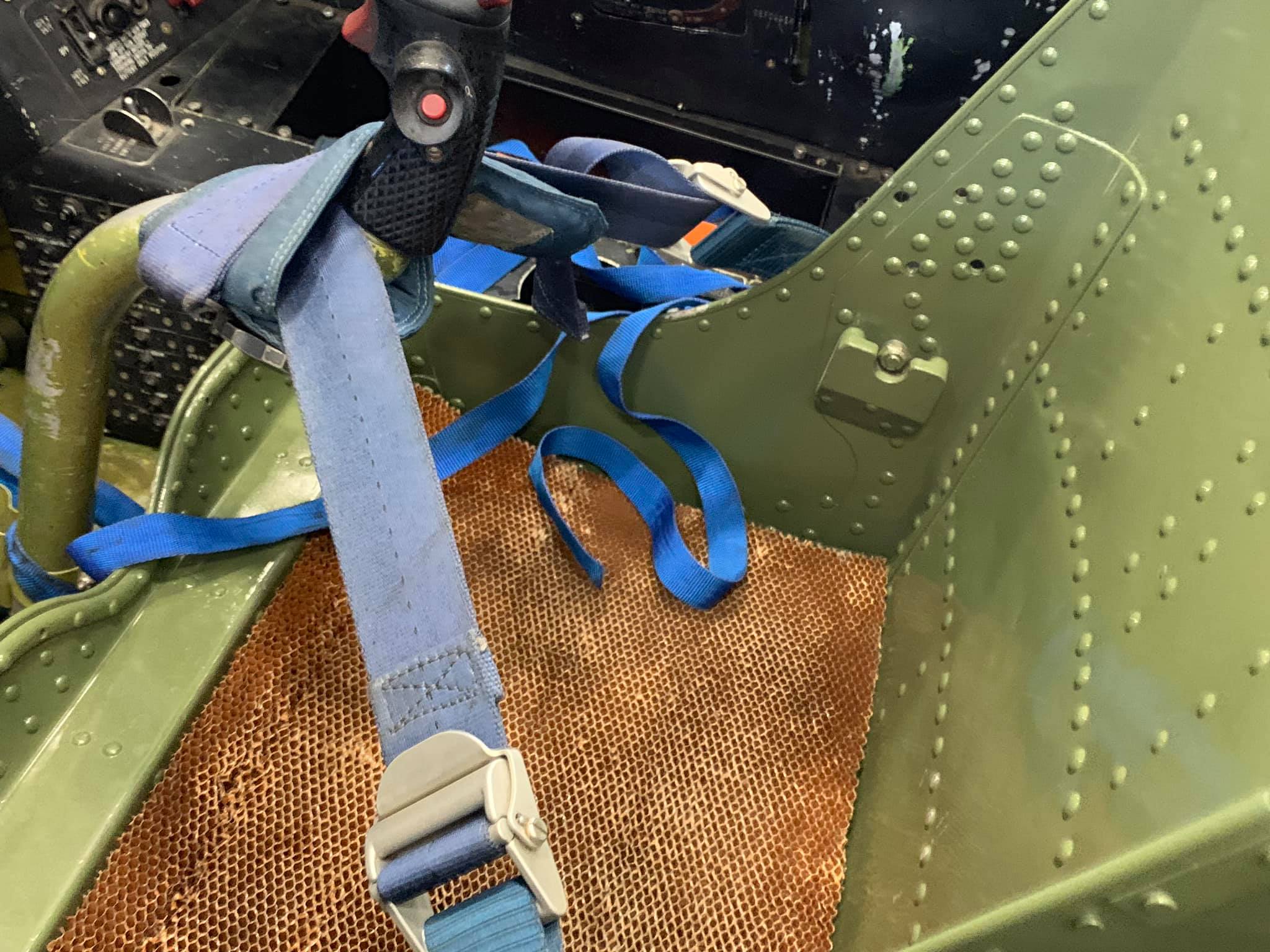
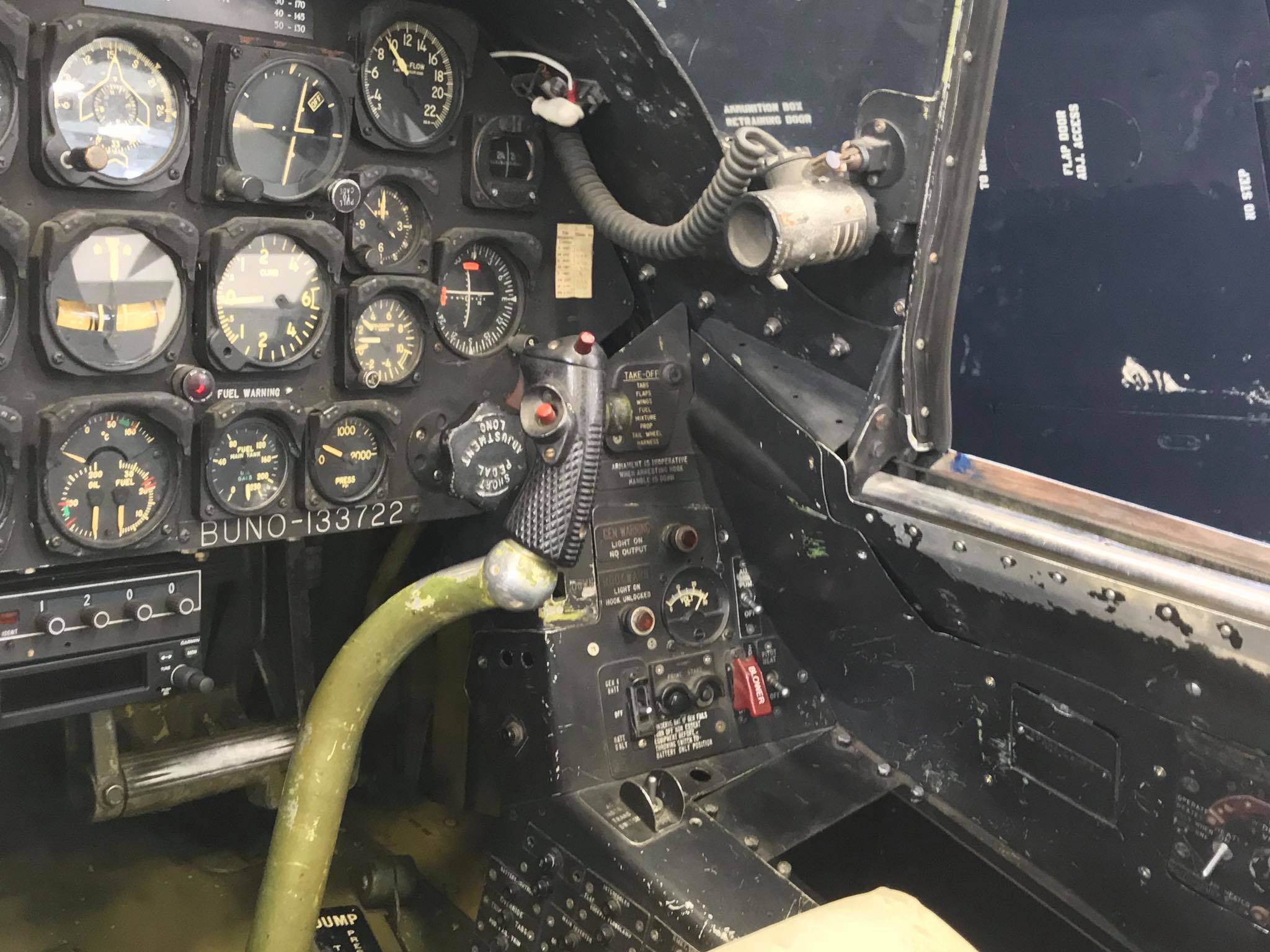
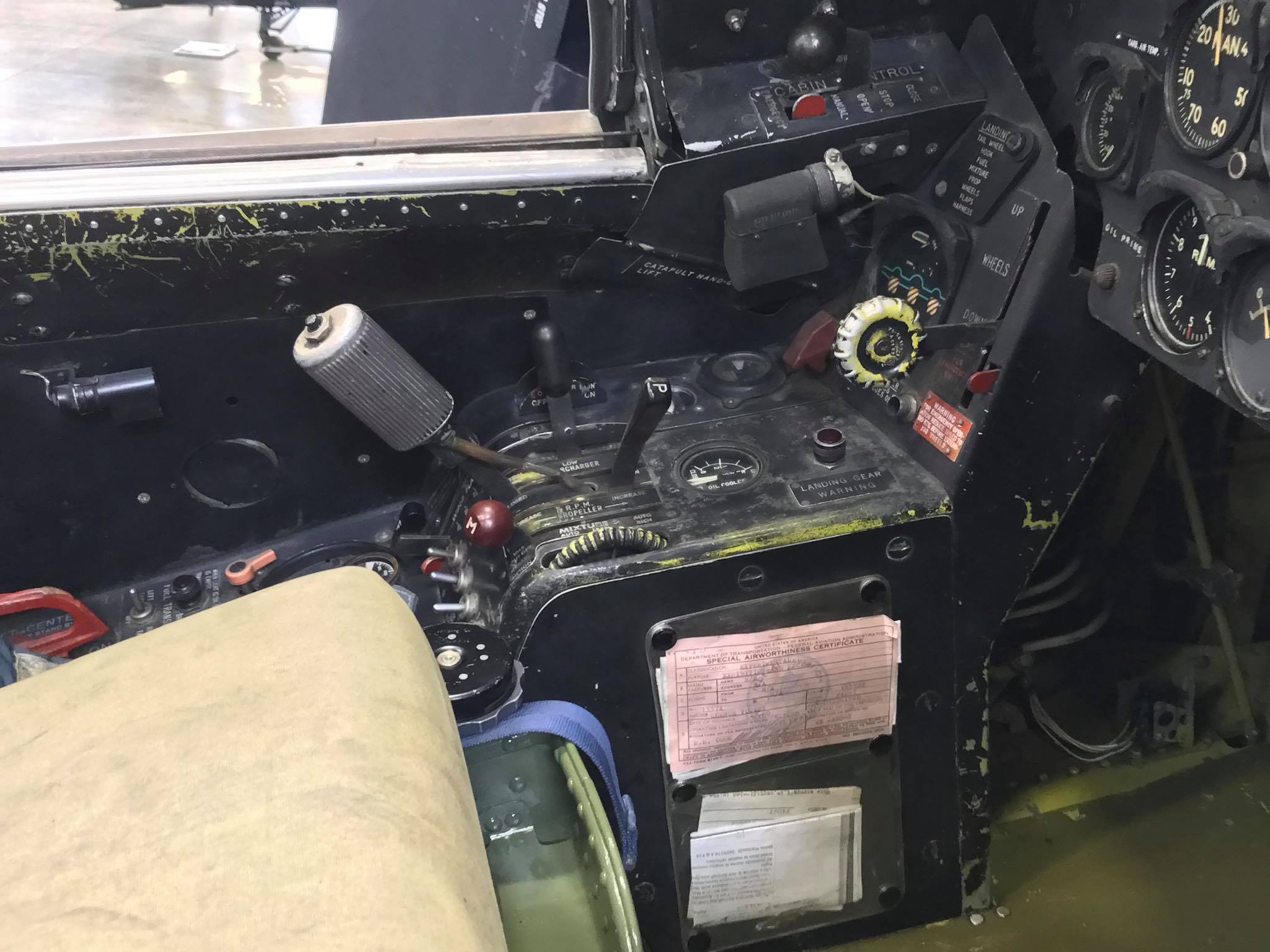
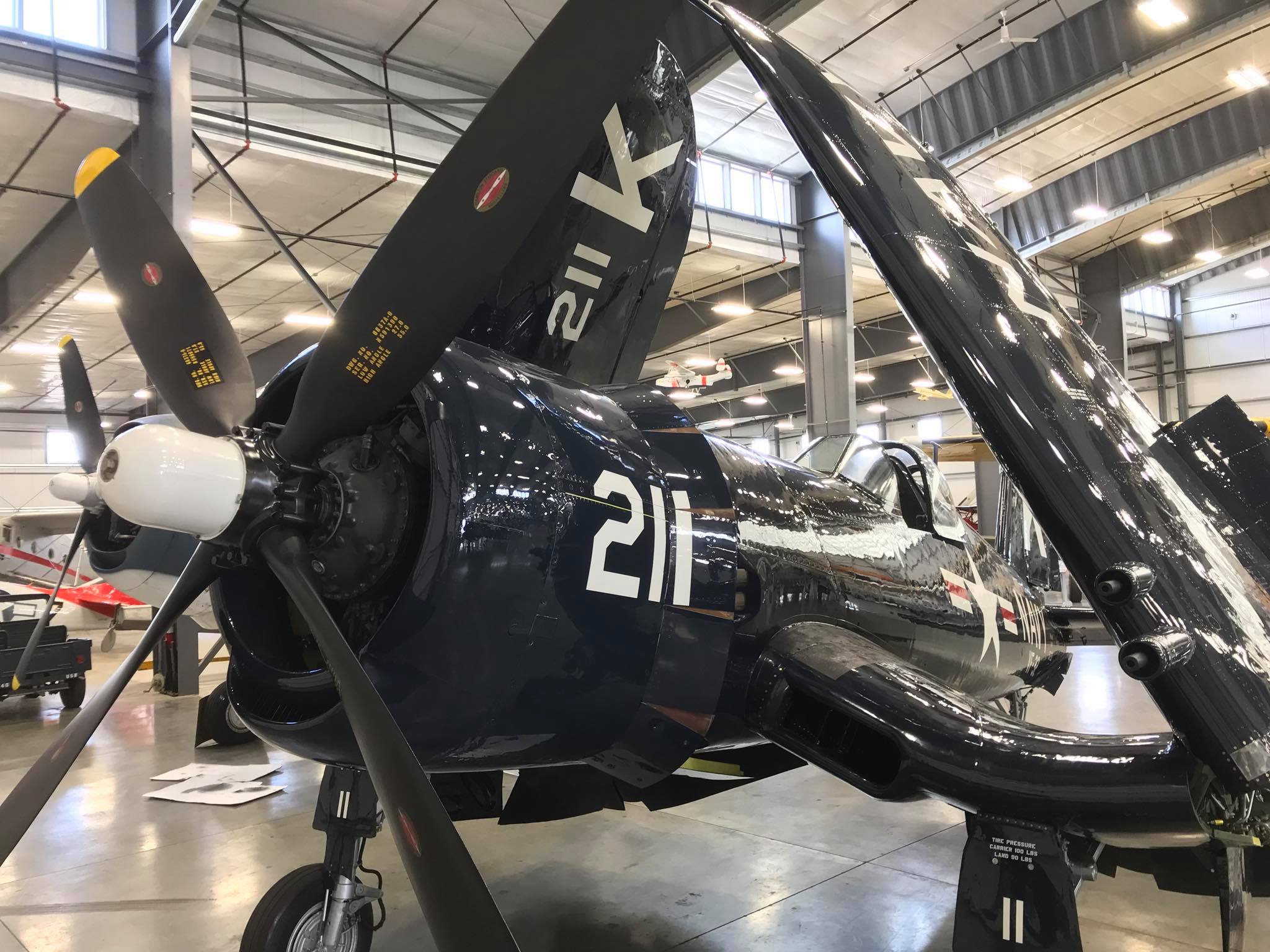
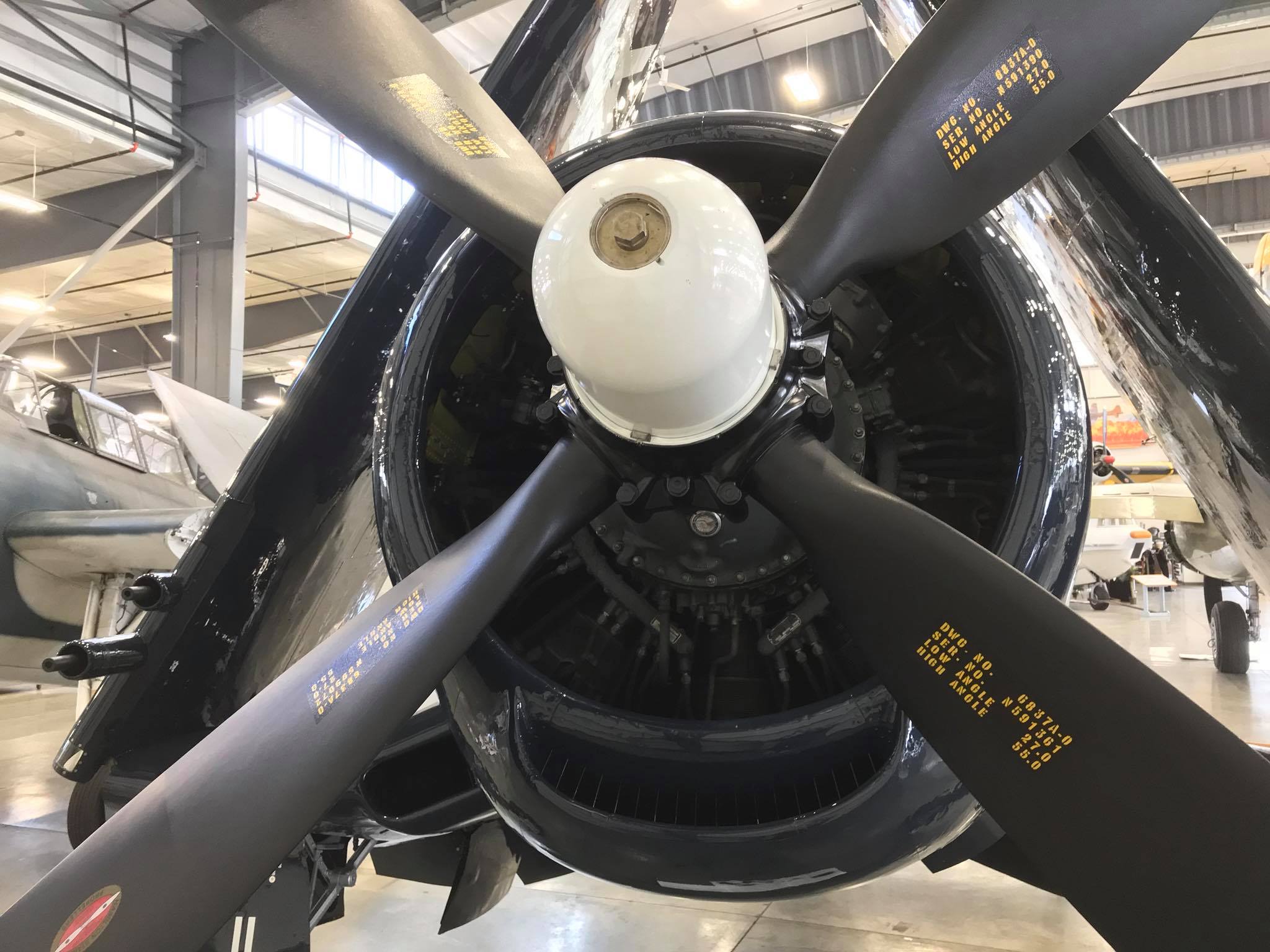
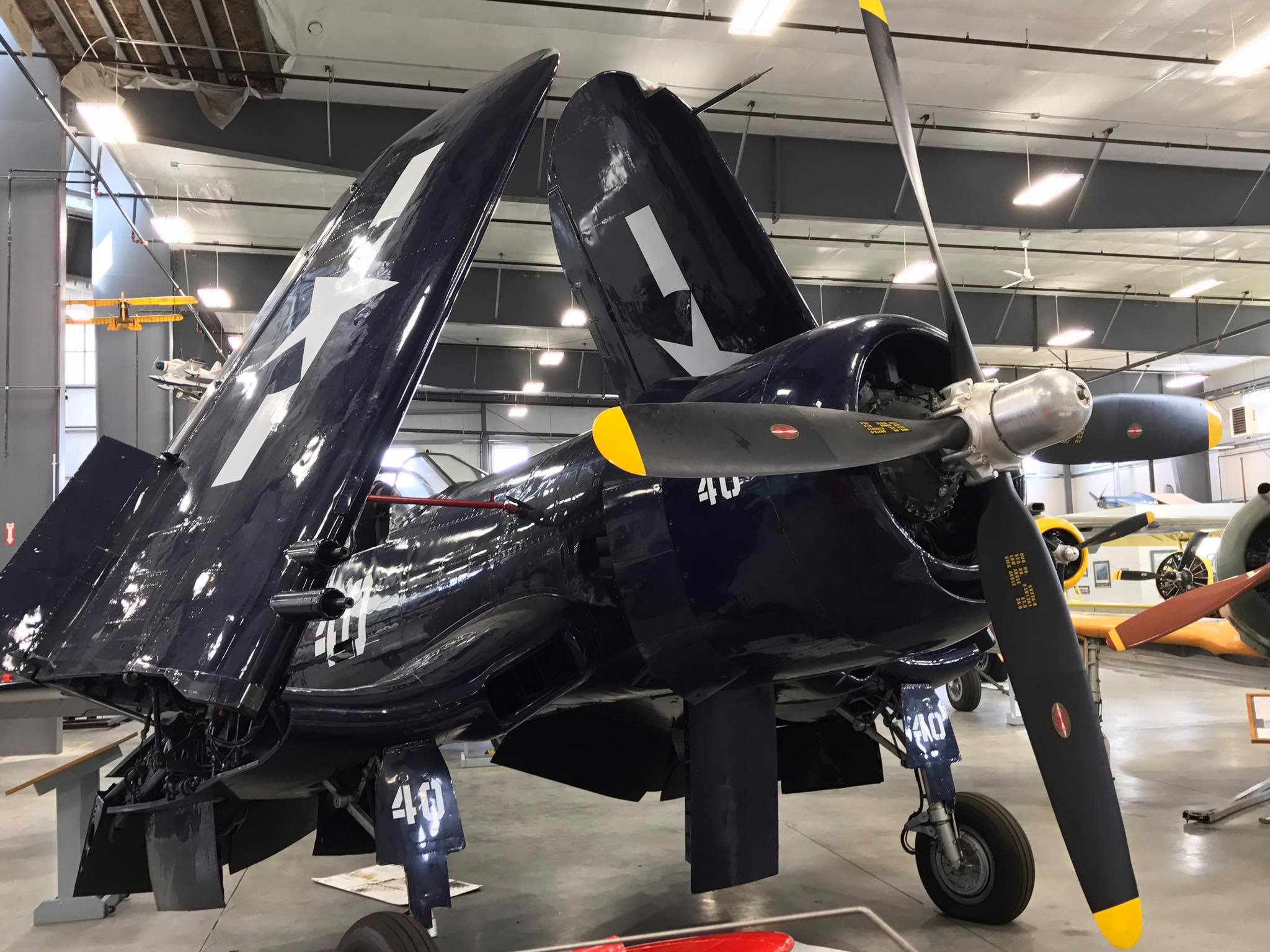
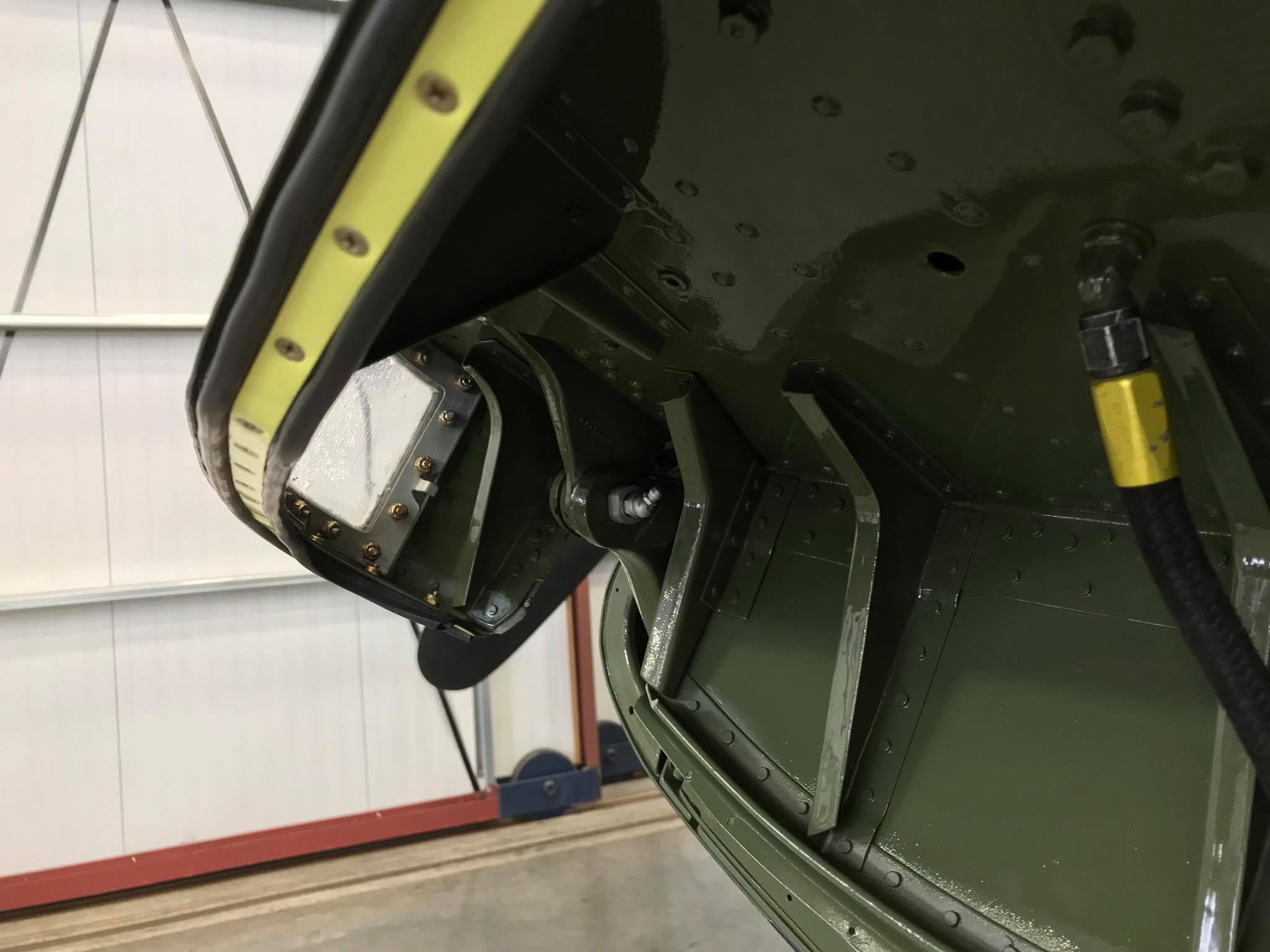
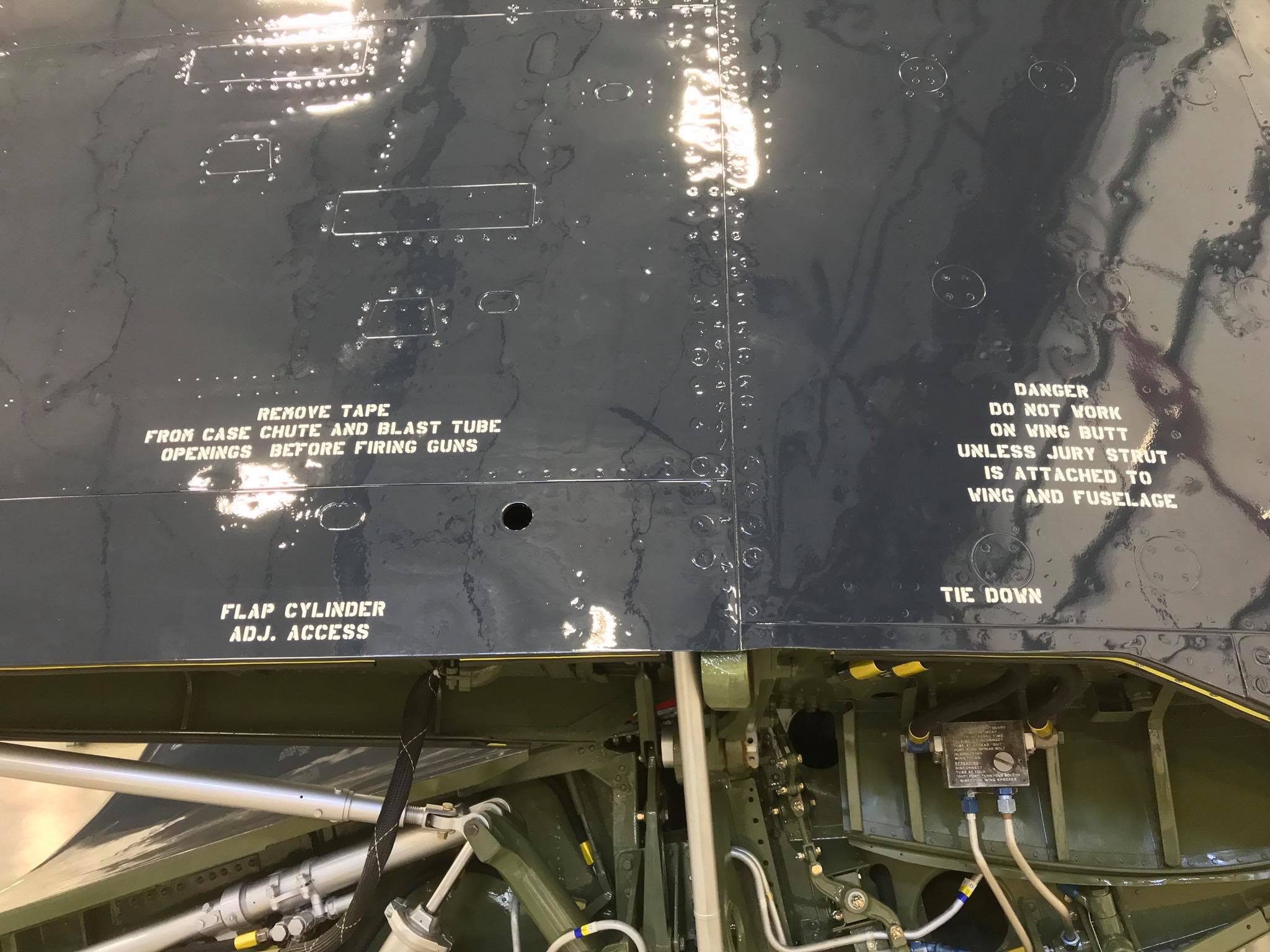
Armament for the F4U-7 included: four 20 mm cannons, ten 5-in. rockets, or, in some cases, SS-11 wire-guided missiles which required the pilot to aim the missiles with a joystick while watching the tail flare, a 1,000-lb. bomb on a centerline rack or a 500-lb. bomb in each under-wing pylon. The F4U-4B was armed with four 20-mm cannons (instead of 50-caliber machine guns of the older F4U-4 production) and eight 5-inch rockets under the wings or up to 4,000 pounds of bombs on centerline and pylon racks. The Corsair was fitted with a small window on the leading edge of each wing. The one on the right wing contains the gun camera. The leading edge on the left wing contained an “Approach Light” with a regular light bulb situated behind a multi-colored filter.
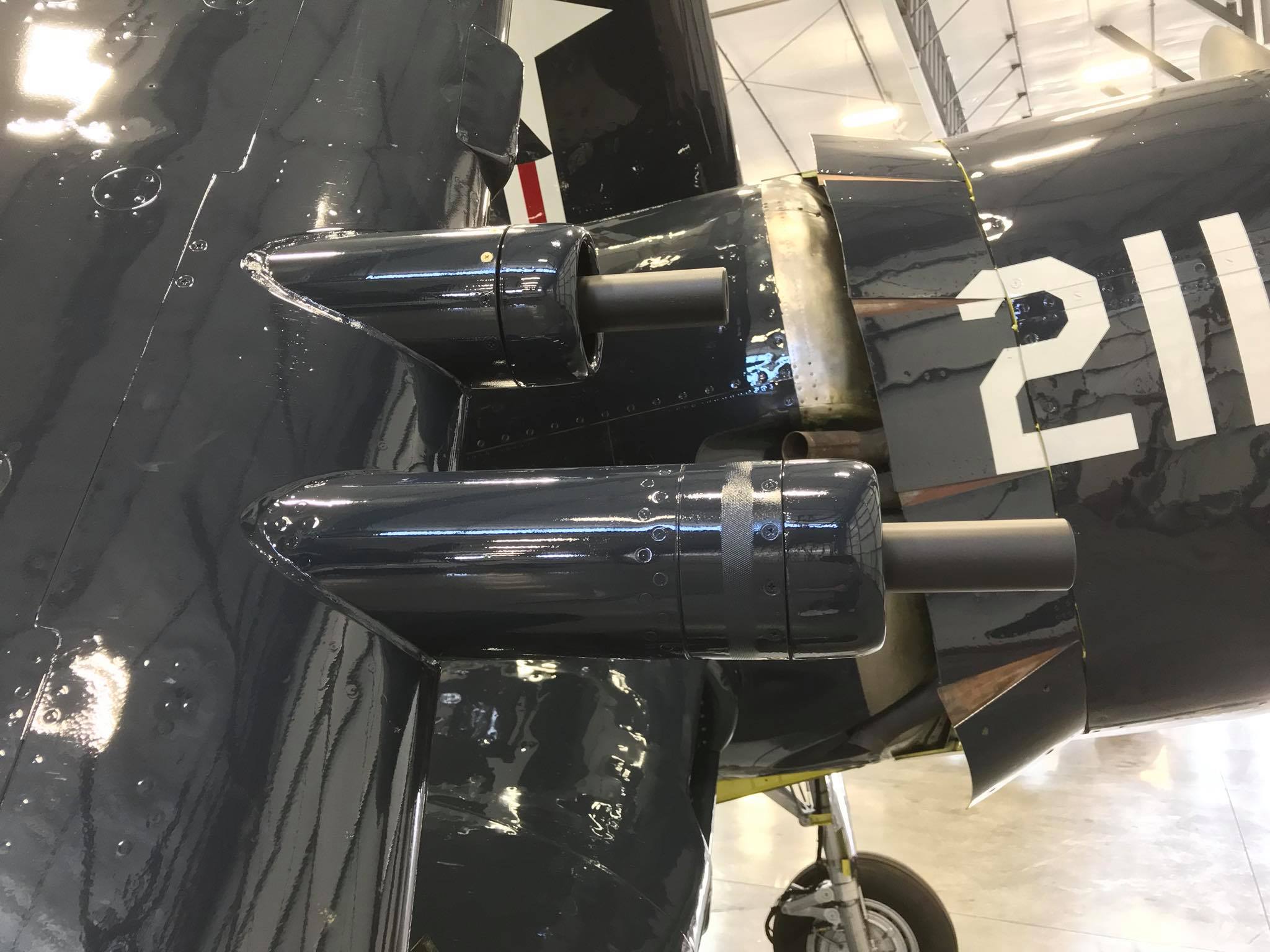
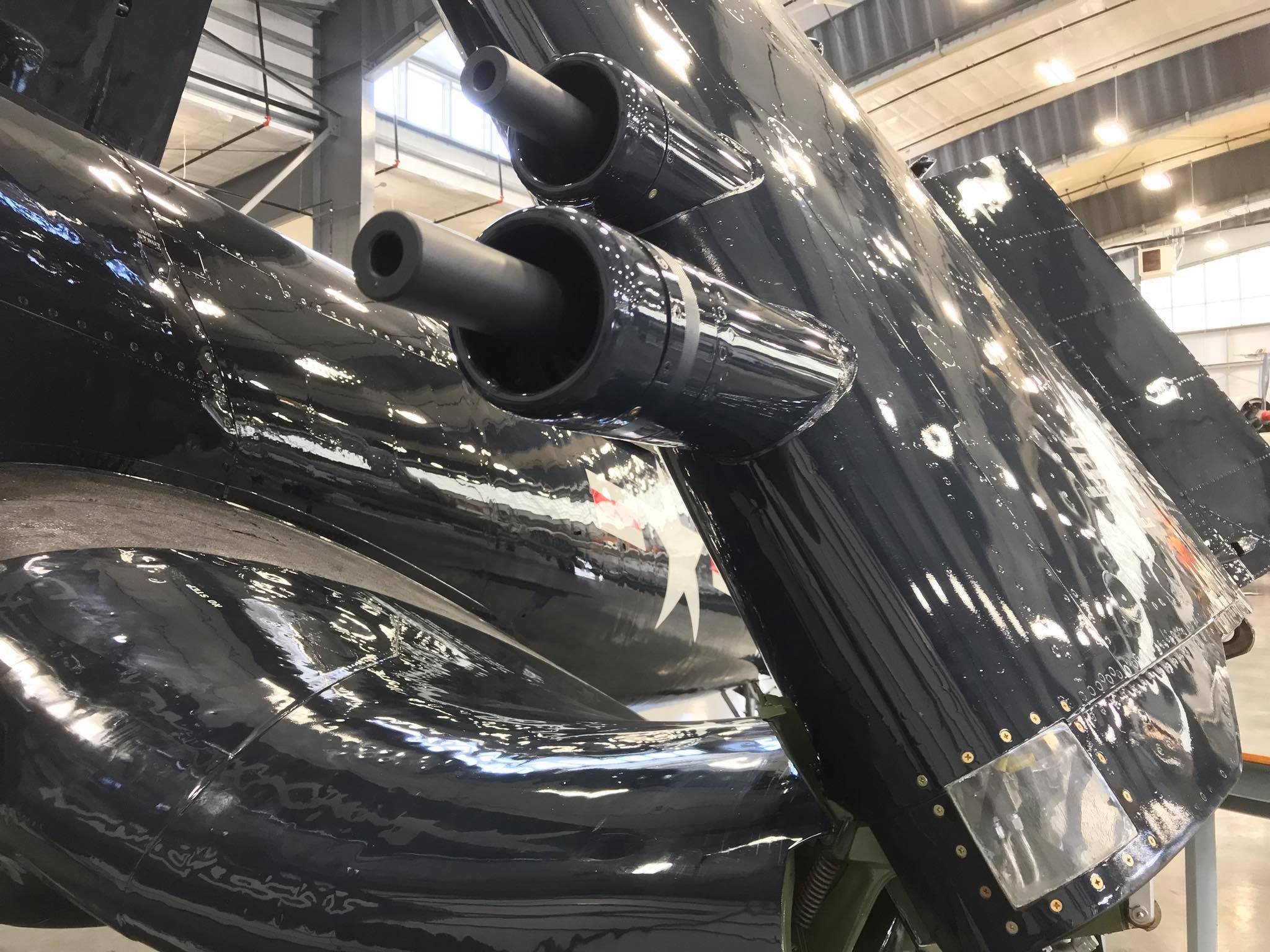
The filter had horizontal bands from top to bottom as follows: green, a thinner line of amber, and then red at the bottom. While not visible to the pilot, it was meant to be very visible to the LSO (Landing Signal Officer) on an aircraft carrier deck, providing him with information as to the attitude of the aircraft. If the plane is nose-high, the LSO sees red, meaning the Corsair is approaching too slowly. If the plane is nose-down, coming in fast, he sees green. If the pilot has the aircraft in the correct attitude for landing (to intersect with the deck right in front of the arresting wires), the LSO sees amber. The large propeller on Corsairs caused a lot of torque at slow speeds, which caused the port wing to drop at stalling speeds and created a tendency for the aircraft to go into a spin. The problem was solved by the addition of this small device (it causes the starboard wing to stall symmetrically with the port wing). The oldest Corsairs had home-made wooden blocks; later, aircraft came from the factory with an aluminum strip already in place.
 About the author: Randy Malmstrom grew up in a family steeped in aviation culture. His father, Bob, was still a cadet in training with the USAAF at the end of WWII but did serve in Germany during the U.S. occupation in the immediate post-war period, where he had the opportunity to fly a wide variety of types that flew in WWII. After returning to the States, Bob became a multi-engine aircraft sales manager and, as such, flew a wide variety of aircraft; Randy frequently accompanied him on these flights. Furthermore, Randy’s cousin, Einar Axel Malmstrom, flew P-47 Thunderbolts with the 356th FG from RAF Martlesham Heath. He was commanding this unit at the time he was shot down over France on April 24th, 1944, and spent the rest of the war as a prisoner of war. Following his repatriation at war’s end, Einar continued his military service, attaining the rank of Colonel. He was serving as Deputy Wing Commander of the 407th Strategic Fighter Wing at Great Falls AFB, MT, at the time of his death in a T-33 training accident on August 21, 1954. The base was renamed in his honor in October 1955 and continues to serve in the present USAF as home to the 341st Missile Wing. Randy’s innate interest in history in general, and aviation history in particular, plus his educational background and passion for WWII warbirds, led him down his current path of capturing detailed aircraft walk-around photos and in-depth airframe histories, recording a precise description of a particular aircraft in all aspects.