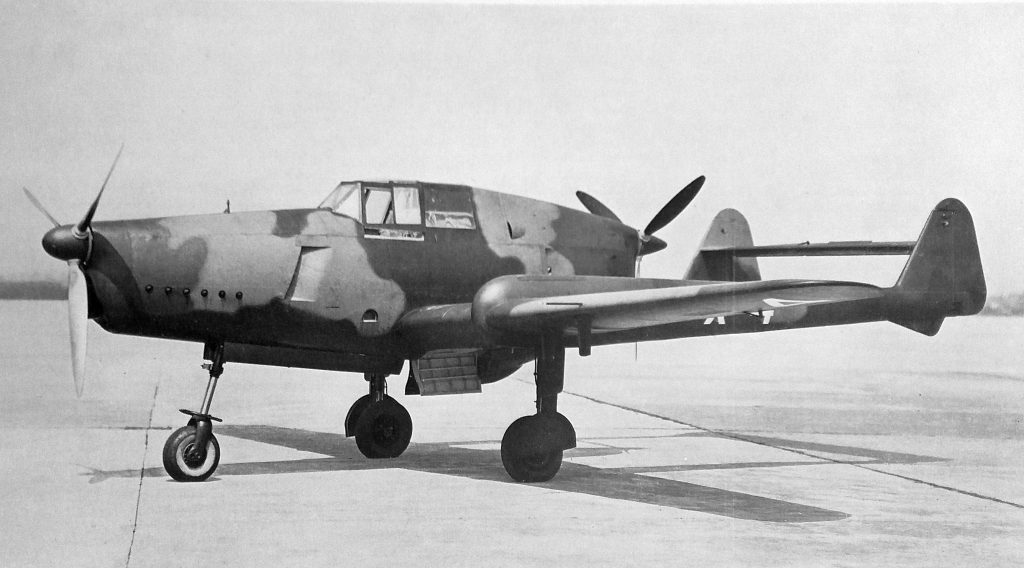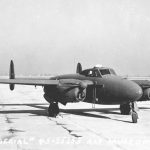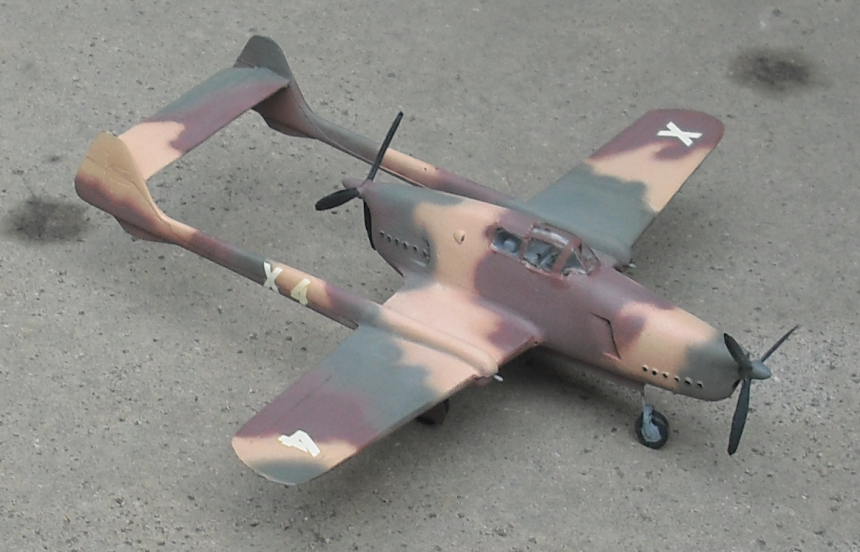


In the 1930s, Dutch aircraft manufacturer Fokker designed a single-seat fighter called the Fokker D.XXIII. It was a two-engine aircraft, with a tractor engine at the front and a pusher engine at the rear to avoid uneven flight. The Fokker D.XXIII was a single-wing design with twin tail sections on long supports. The pilot sat in an enclosed cockpit between the two engines, and the aircraft had retractable tricycle landing gear. The detailed mock-up, including engines, was completed in time to attract attention at the 16th Paris Air Show in 1938. The prototype made its first flight on May 30, 1939.
Design of Fokker D XXIII
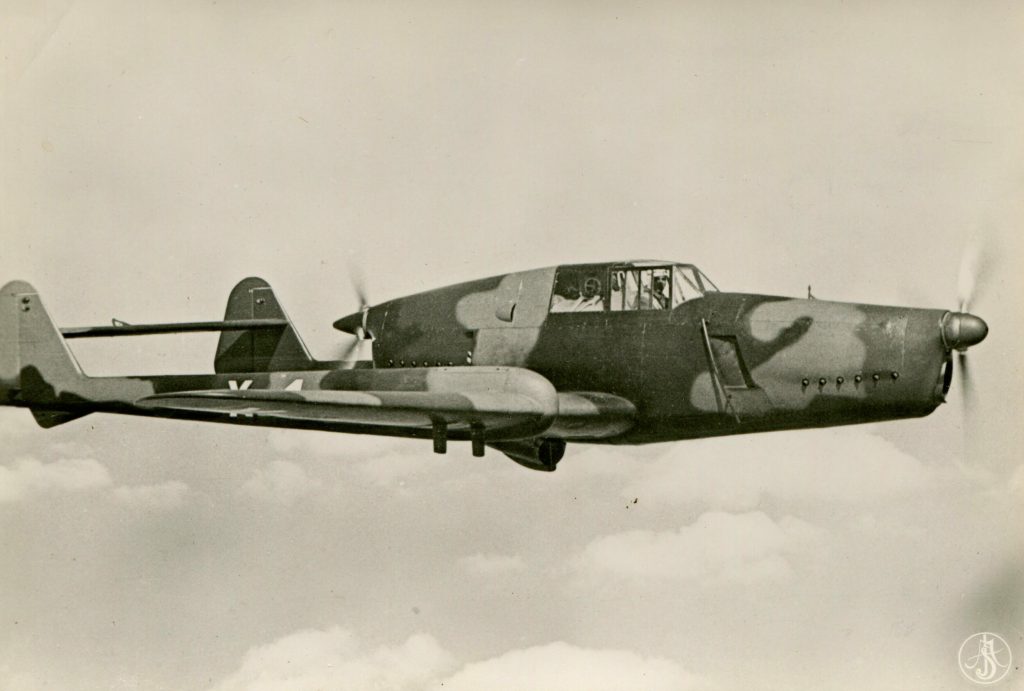
Fokker D XXIII was powered by two Walter Sagitta I-SR air-cooled vee piston engines, each producing 530 horsepower. The aircraft was 33.6 feet long, 12.6 feet high, with a wingspan of 37.9 feet and a wing area of 199 square feet. The empty weight was 4,806 pounds, and the maximum takeoff weight was 6,504 pounds. Its maximum speed was estimated at 326 mph, with a range of 520 miles and a service ceiling of 30,000 feet. The Fokker D.XXIII could be armed with two 7.9 mm machine guns and two 13.2 mm machine guns, which were not fitted to the prototype. The test flights revealed issues with cooling the rear engine and the overall engine performance. It was suggested that Rolls-Royce or Daimler-Benz engines be used in the final aircraft. There were concerns about how the pilot would avoid the rear propeller if he had to bail out, so an ejection seat was considered.
The Cancellation
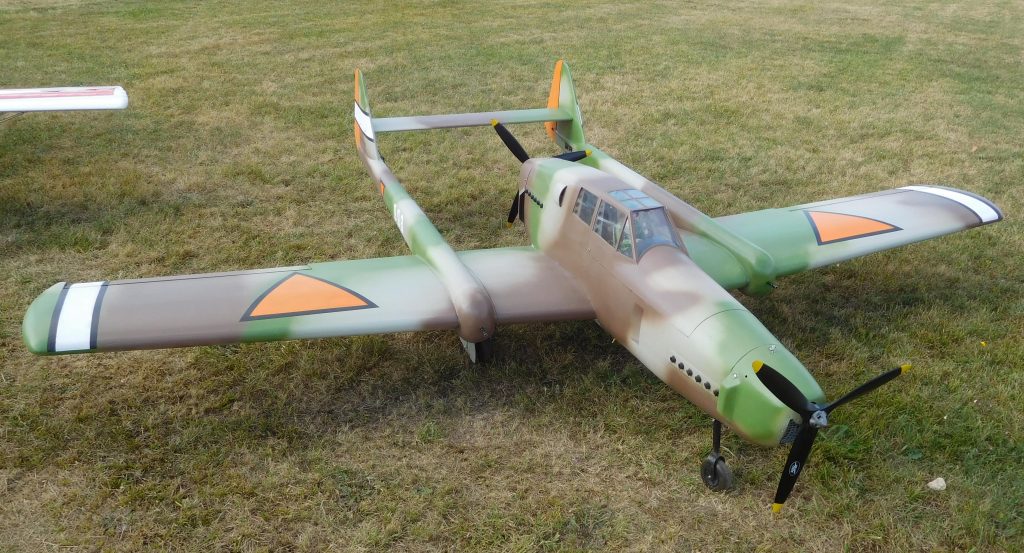
As a temporary solution, rails were added on both sides of the front fuselage for the Fokker test pilot, Gerben Sonderman, to use in an emergency. The aircraft had 11 flights totaling less than four hours. The rear fuselage was modified before the last few flights to address ongoing cooling problems. During the 11th flight in April, the landing gear was damaged, leading to the program’s abandonment in May 1940, when German forces invaded the Netherlands. Later, the Germans captured the Fokker D.XXIII aircraft but chose not to restore it. Instead, they studied its unique engine design and nose landing gear. They scrapped the fighter on May 10, 1941, after losing interest in it. In the Grounded Dreams series, the Fokker D.XXIII could not buy enough time to prove itself amid the outbreak of WWII and the German aggression, which placed the Netherlands under a Nazi civilian administration. Read more Grounded Dreams articles HERE.