






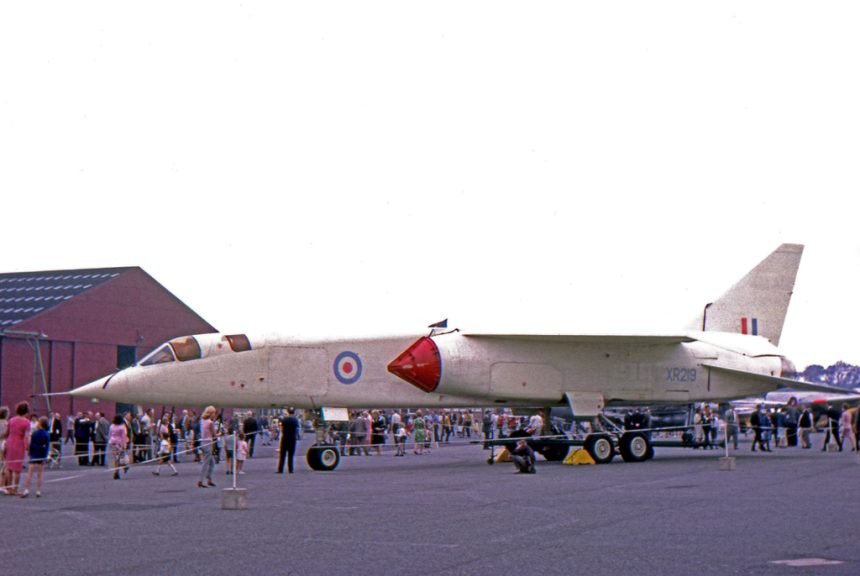

On this day in aviation history, 62 years ago (September 27, 1964), the British Aircraft Corporation TSR-2 took flight for the first time. Flown by test pilot Roland Beamont, prototype XR219 began flight testing of one of Britain’s most ambitious Cold War combat aircraft, designed for high-speed strike and reconnaissance missions. The TSR-2 originated from a Royal Air Force requirement for a successor to the English Electric Canberra. Its name stood for Tactical Strike and Reconnaissance, Mach 2, reflecting a demanding mission that called for the aircraft to penetrate enemy defenses at very low altitude and high speed while carrying conventional or tactical nuclear weapons. The aircraft incorporated advanced navigation, terrain-following radar, and attack systems intended to allow all-weather operations.
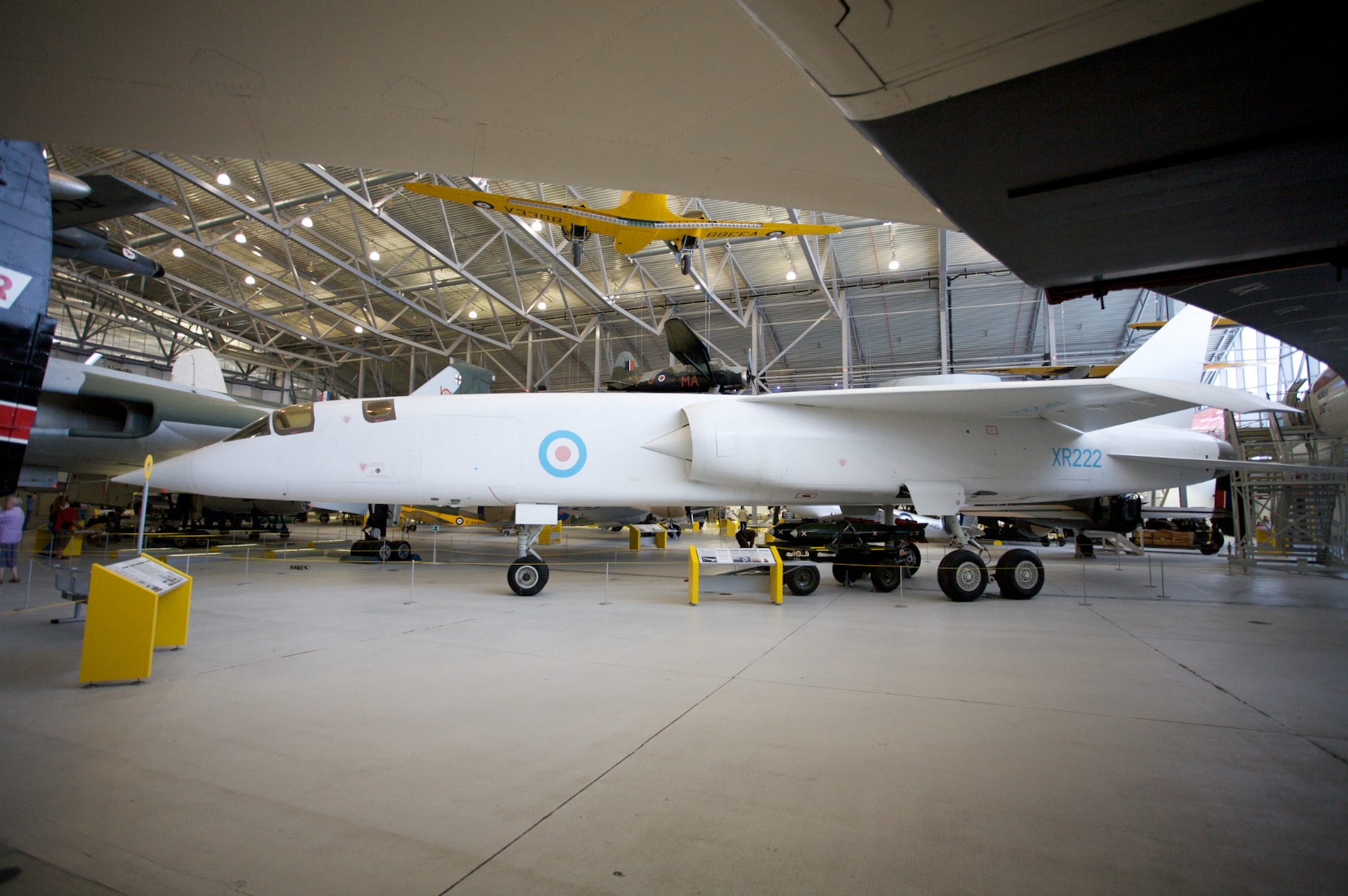
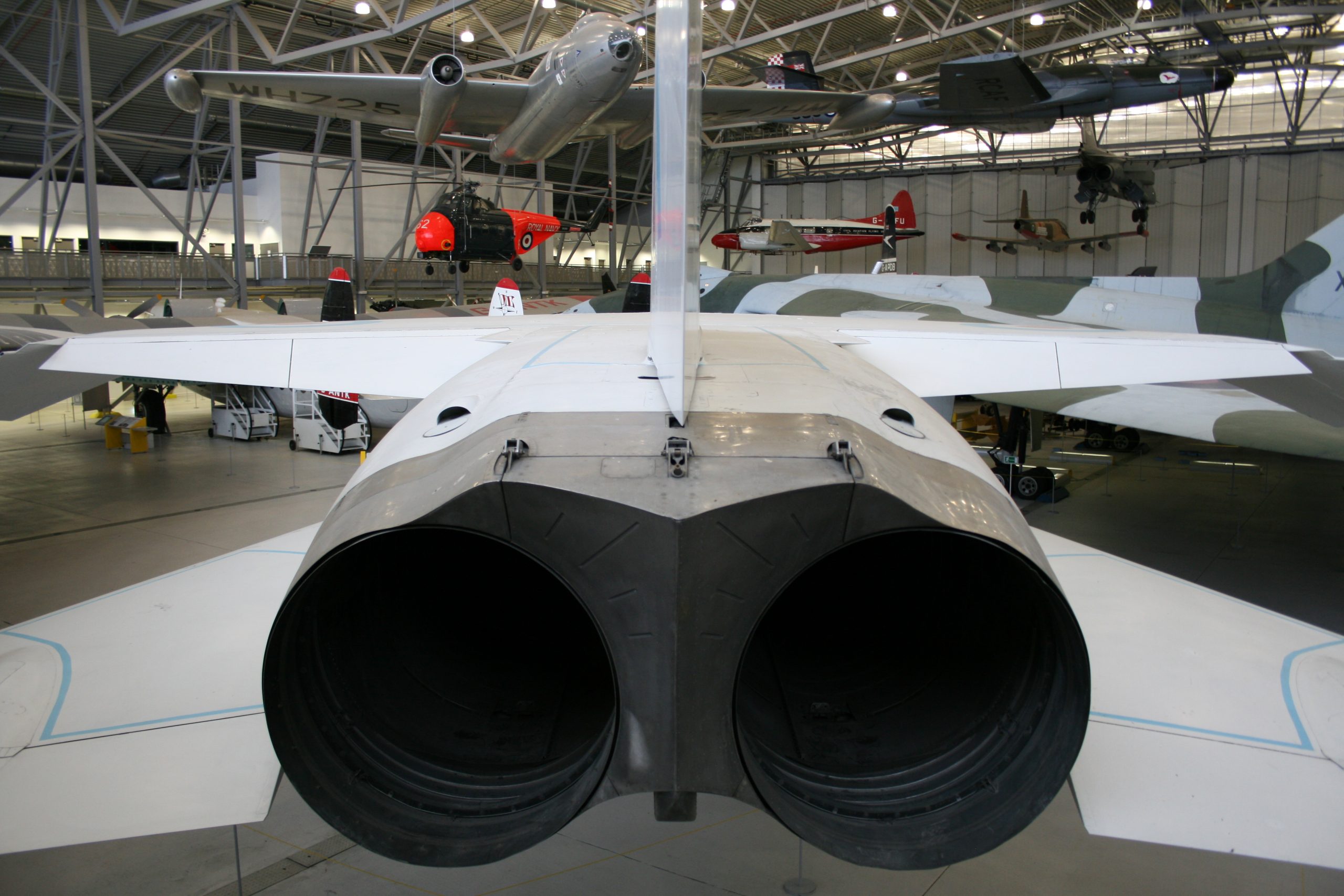
XR219 was the only TSR-2 to fly, accumulating approximately 14 hours of flight testing before the program was cancelled in April 1965. Rising costs, changing defense priorities, and debate over alternative aircraft contributed to the decision. Much of the TSR-2 program was subsequently dismantled, although two complete airframes, XR220 and XR222, survive today at museums in Britain. The TSR-2 measured 89 feet in length with a wingspan of 37 feet 2 inches and was powered by two Bristol Siddeley Olympus Mk.320 afterburning turbojets producing 30,610 pounds of thrust each. It was designed for a maximum speed of Mach 2.15 at 40,000 feet and Mach 1.1 at sea level, with a range of approximately 2,900 miles and a combat radius of 860 miles. Its planned weapons capacity was 10,000 pounds, carried internally and on external pylons.




Typical short sighted Wilson government. This plane would have sold thousands to other countries and naturally made millions of £s for the Uk
I firmly believe this aircraft would, with the relative updates and modifications, still be in service today. Rather like the B52 .Sadly due to lack of foresight on behalf of the Wilson government and warped Socialist priorities at the time (sound familiar) they made sure, by destroying all the production jigs and partially completed airframes that resurrecting the project would be virtually impossible. Fortunately, we are able to view the sole survivor at Duxford, thanks to some people at Cranfield, convincing someone in the administration, that it would be a useful tool for future generations to learn from. Certainly, one of Britain’s darkest days, in terms of losing our place in the world of aeronautical excellence.
Disgraceful u turn by Wilson on the TSR2. My dad worked on it at strand road and would have echoed all of the above comments
This aircraft is was way ahead of its time. The last 70 years a number of governments, have, either closed projects, or given to other countries. Like the H O T E L jet engine,
Sold it off! The Harrier jump jet, stopped manufacturing and scrap them, and sold them off to the American navy. This so they didn’t up date them for super sonic.
As a avonices engineer we have given away lots of our aviation technologies, instead of of investing in them. We would be still top of Aviation technology if the governments have bottle to invest in it,or giving it away.
The tory government would have scrapped it (like the harrier) long before now. We are only now getting a government that understands defence spending needs to improve.
Also a TSR2 on exhibit at RAF Cosford museum. A superb looking aircraft and still is. Like all prototypes it had its teething problems but the Labour government never replaced it with American as they were going to.
I was a schoolboy aged 12 in 1966. I remember making an artistic drawing of this plane which was displayed in the school corridor. Very disappointed when they scrapped the project!
Hi there,,the TSR 2,,,was cancelled by a Labour Government,,plain and simple,, And now they are at it again..
Ant Star,,,
Duncan Sandys wants a word….
Thanks for the information regarding the second survivor Bruce. I am hoping to visit Cosford soon, an extra incentive for sure. Will be my first visit.
Sounds a lot like the avro arrow story.. what could have been!
I worked on TSR2 instrumentation at Weybridge. I also did such exotic things as calculate from specs how long the production airplane would take to become operational under different circumstances
It was an immensely strong and capable aircraft which would have had the capability to be updated electronically as more sophisticated kit became available. As it was it could do terrain follow at 200ft.
When it was cancelled we all stood around feeling lost
Cancelled as our globalist, common-market obsessed ruling junta ( Labour of course – our home-grown communists by any other name ) wanted to buy anything and everything European in order to ease our way into membership of the then EEC. This move failed as nothing suitable was available but Britain then joined forces with European plane-makers to build the Tornado. Which was an inferior plane to the TSR2 but that didn’t matter to the traitors running the UK ( any more than the Brexit vote matters to the traitors running Britain today ) – all that mattered was they were on their way to helping form the European Soviet Socialist Republics ( aka the EU). The 2016 Brexit vote put a temporary stop to that although Burnham and his motley crew are once again sucking up to Brussels. And China of course – because Labour politicians LOVE a communist dictatorship – it’s Fantasy Island for them.
Also – Rolls-Royce, Bentley and Mini were sold to the Germans. This dirty deed was done to enable the Germans to own the companies that had help defeat Germany in WW2 ( Rolls-Royce with the Merlin engine ), beaten Mercedes and Auto- Union ( Audi ) in 1930s GPs ( Bentley ) and as the Mini was the symbol of the “ Swinging “ 1960s the Germans had to own that too because England beat Germany in the 1966 World Cup.
Nobody despises Britain more than the vermin who run it.
The leap in technology that the TSR2 represented was like comparing a WW1biplane to a Phantom jet. It was that far ahead of anything else at that time. My father who worked at Boscombe Down at the time, was told this by one of the engineers on the project. Dad himself worked on fuel filtration systems, sad to think of what could have been.
I was serving in the Royal Air Force at the time and we’ll remember all this happening, and just how stupid Wilson and Cohorts were. This was the start of the death of our aircraft industry, and that is something that should have never been allowed to happen. We could defend ourselves, with our own equipment. Now we are dependent on others, and just who at that. Pure vandalism!