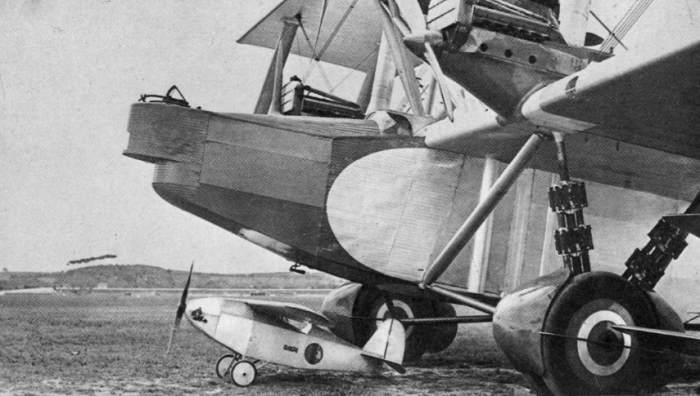
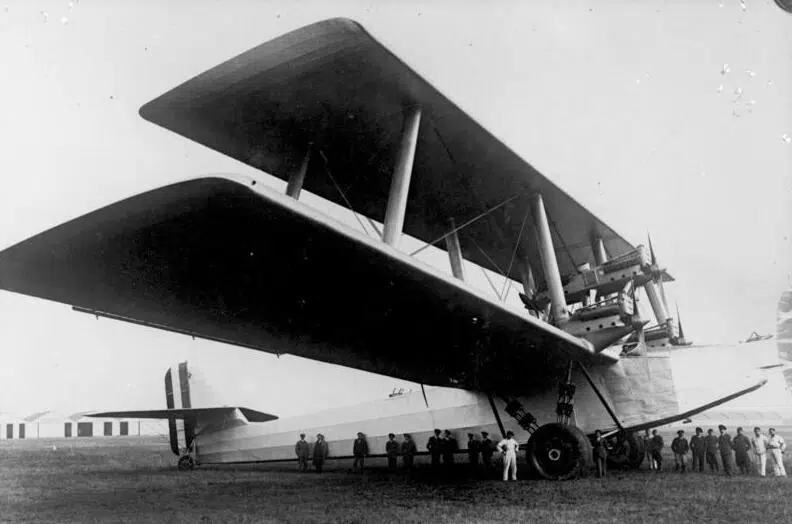

On this day in aviation history, 97 years ago (October 13, 1929), the massive Caproni Ca.90 took flight for the first time. Designed and built in Italy as an experimental heavy bomber, the six-engine aircraft was the largest land-based airplane in the world at the time of its maiden flight. Only one example of the remarkable aircraft was ever constructed.
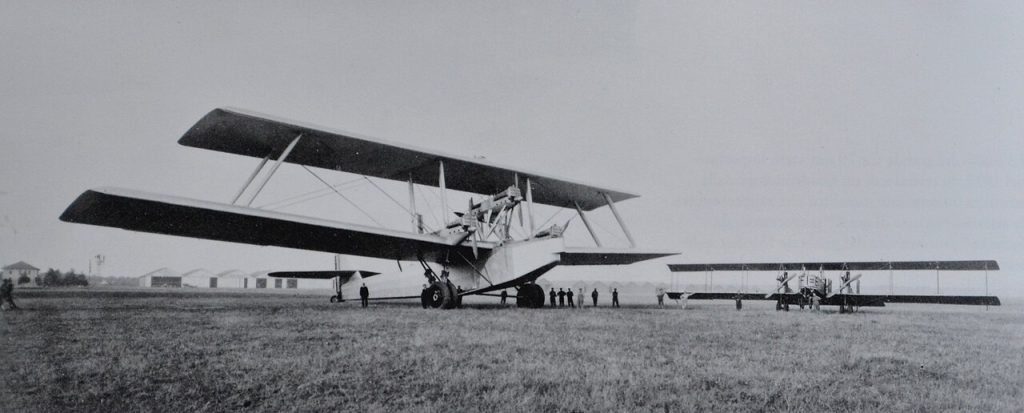
The Ca.90 was an inverted sesquiplane of mixed construction, using a steel-tube structure covered largely with fabric. Six Isotta Fraschini Asso 1000 engines were installed in three tandem pairs, with each pair driving both tractor and pusher propellers. Despite its immense size, careful balancing of the flight controls reportedly allowed the aircraft to be flown without substantially greater difficulty than much smaller aircraft. Caproni intended the Ca.90 to serve as a long-range heavy bomber capable of carrying an enormous bomb load while defending itself with multiple machine-gun positions. The aircraft demonstrated that very large landplanes could be practical, but it never progressed beyond the prototype stage. Only a single Ca.90 was completed, and the design was ultimately overtaken by changing military requirements and rapidly advancing aircraft technology.
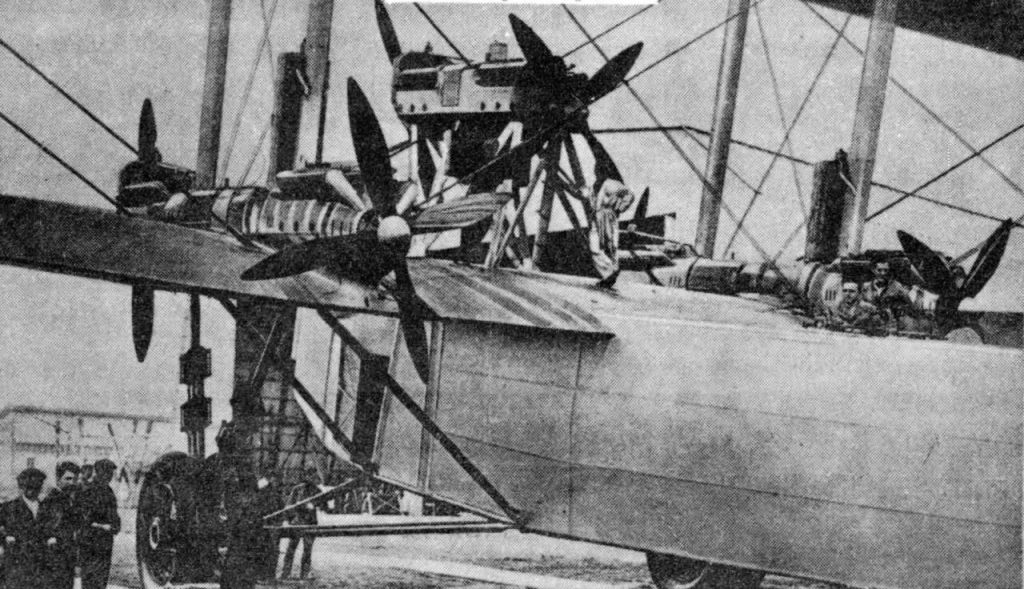
The Caproni Ca.90 measured 88 feet 7 inches in length with a wingspan of 152 feet 6 inches and was powered by six 1,000-horsepower Isotta Fraschini Asso 1000 W-18 engines. The aircraft could reach approximately 127 mph and had a range of around 1,240 miles while carrying an 17,600-pound bomb load. Defensive armament consisted of seven machine guns. With a maximum takeoff weight exceeding 97,000 pounds, the Ca.90 was an extraordinary demonstration of how rapidly aircraft size and capability had grown barely two decades after the dawn of powered flight.