

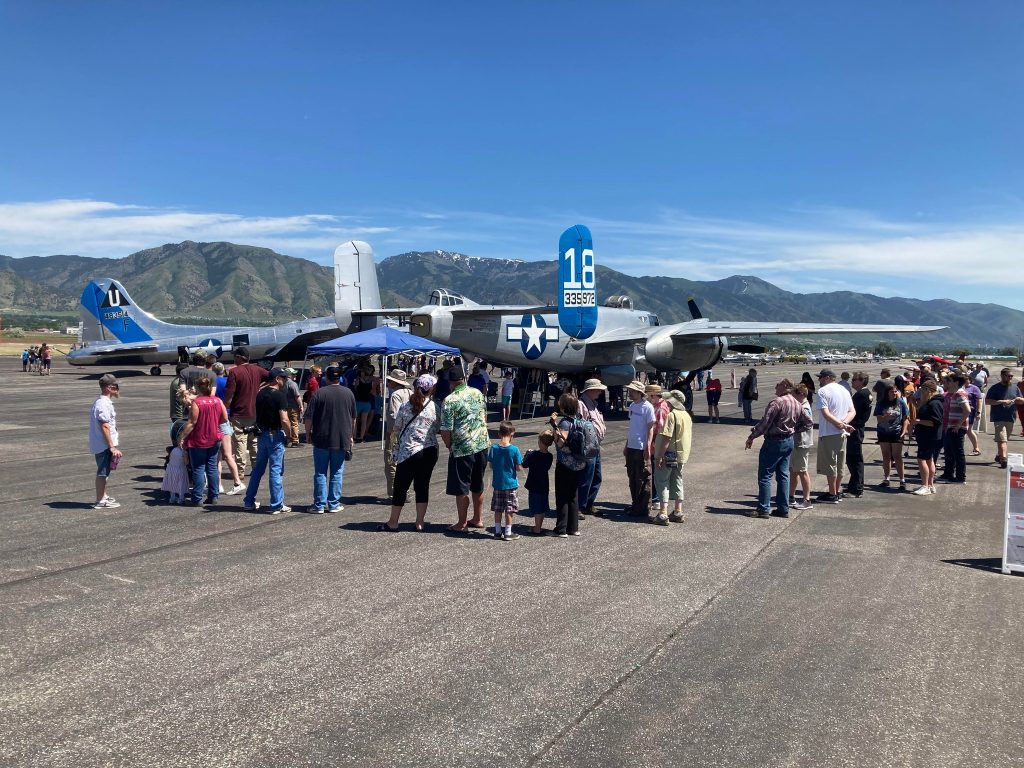
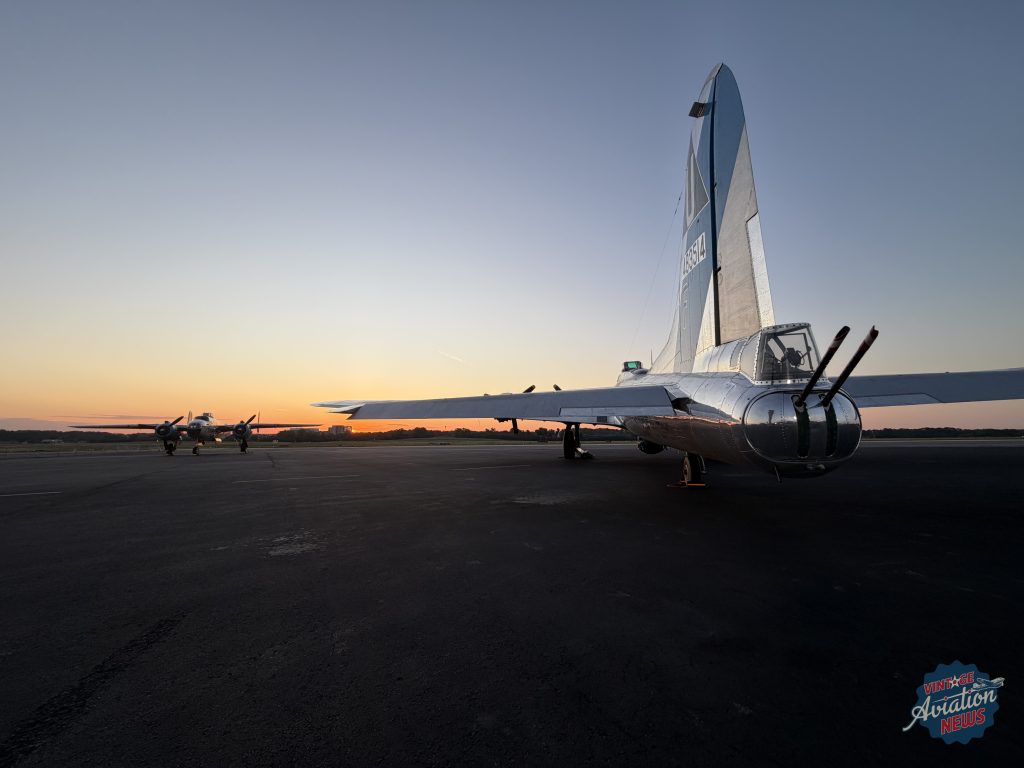
When the Boeing B-17 Flying Fortress Sentimental Journey and North American B-25 Mitchell Maid in the Shade arrive at an airport, the aircraft naturally command attention. Visitors gather to watch their arrival, explore their interiors, and experience flight aboard two of WWII’s most recognizable bombers. Behind each visit, however, is a volunteer effort that begins long before the engines start and continues after the last visitor leaves.
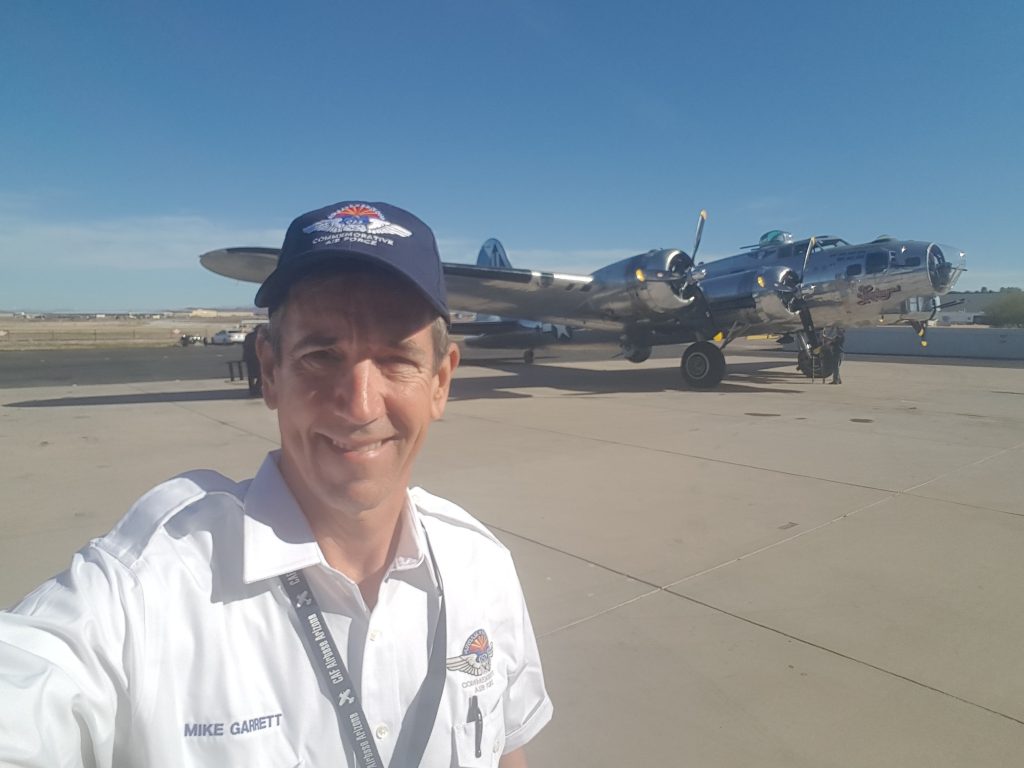
(Image credit: Mike Garrett)
For Mike Garrett, director of the CAF Airbase Arizona Flying Museum’s Flying Legends of Victory Tour, those volunteers are the driving force behind an operation that brings aviation history to communities across the country. Through aircraft tours and Living History Flight Experiences, the nonprofit organization gives the public an opportunity to encounter historic aircraft firsthand—and learn about the people who built, maintained, and flew them.

Speaking with Vintage Aviation News, Garrett described a mission sustained by people willing to step away from their jobs, families, and daily routines to keep these aircraft traveling. Some are retired. Others arrange their participation around active careers. They come from across the United States, Canada, and Europe, united by an interest in preserving history and sharing it with others. Asked how important that volunteer community is to the tour’s survival, Garrett’s answer was immediate: “It’s everything.” According to Garrett, Airbase Arizona has approximately 500 members, with roughly 150 participating in the tour as pilots, crew chiefs, and ground support personnel. At the time of the interview, he said the airbase had just one paid employee. Its officers, pilots, and the people handling the tour’s daily responsibilities were volunteers.

That distinction sometimes surprises visitors. The operation involves two large historic aircraft, passenger flights, advance reservations, merchandise sales, support vehicles, and a succession of airport hosts. Its success depends on volunteers performing those responsibilities consistently, often through long days on the ramp. “We are out here because we enjoy the mission,” Garrett said. His own involvement grew from a lifelong interest in aviation and a 36-year engineering career with Boeing and its predecessor companies. Early in that career, he worked at the Douglas Aircraft facilities in Long Beach, California, surrounded by the industrial history of aircraft such as the DC-3, A-20, A-26, and B-17. After retiring, Garrett became a volunteer docent at Seattle’s Museum of Flight. A fellow docent introduced him to Airbase Arizona, where he began volunteering after purchasing a second home in the area in 2016. Museum work led to touring as a loadmaster, additional responsibilities, and eventually leadership of the tour. His progression reflects one of the organization’s strengths: people can enter through an interest in aviation and find a role that grows with their experience.
The tour needs far more than pilots and mechanics. At each stop, a ground operations coordinator manages local arrangements, including hotels, transportation, fuel, and communication with the host airport or fixed-base operator. Ride coordinators handle reservations, passenger paperwork, manifests, and check-in. Qualified drivers move the support truck and trailer between destinations. Loadmasters provide passenger safety briefings and assist visitors aboard the aircraft. During flights, they serve as the crew’s eyes in the cabin, including watching for signs of problems around the engines. Other volunteers welcome visitors, support ground tours, sell merchandise, and help set up and pack away the equipment needed at each location. All tour participants attend training appropriate to their responsibilities. Garrett described separate ground schools for pilots, crew chiefs, and ground support staff, with instruction covering both specialized duties and the practical work of operating a tour stop. A technical aviation background is essential for some positions, but there are also opportunities for people whose strengths lie in organization, customer service, or simply being dependable and willing to help. “The most important thing is attitude,” Garrett said.

He values volunteers who recognize what needs doing and step forward: collecting an arriving crewmember from the airport, helping prepare the trailer, assisting with check-in, or making sure a busy crew has lunch available between flights. Positive interaction with the public, he explained, is among the most important qualities a volunteer can bring. Those apparently small tasks help keep the operation moving. On a day with several passenger flights, even arranging sandwiches and stocking a cooler requires someone to take responsibility. By the end of a successful stop, Garrett said, the team is working smoothly enough that he rarely needs to direct each activity. The commitment extends beyond the hours visitors see. Garrett explained that volunteers commonly join the tour for two-week periods, with hotel accommodation and airfare covered for those assignments. Many use time away from work to participate. Others travel considerable distances to spend their days introducing strangers to aircraft and history. They also return for one another. Training brings the group together, and the tour renews friendships among people who may otherwise live hundreds or thousands of miles apart. Some volunteers first encountered the aircraft as visitors, then decided they wanted to help deliver the same experience to others. Coordinating that community is a substantial undertaking. Garrett begins planning approximately a year ahead, supported by a team of five people who help organize the stops. Airshow dates establish fixed points in the route; airport visits fill the gaps between them. The schedule must balance demand, travel distances, maintenance requirements, crew availability, and the museum’s flying activities at home in Mesa. Garrett described the process as “a big jigsaw puzzle.”
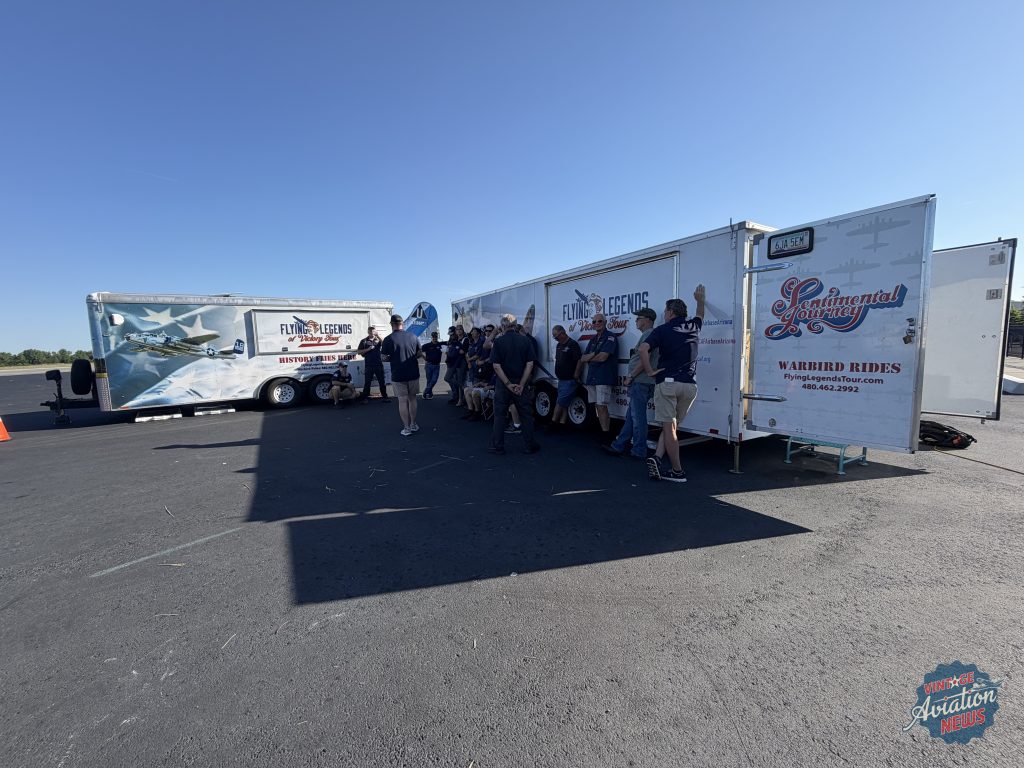
Volunteers submit their preferred assignments, while pilots, crew chiefs, and ground personnel are scheduled to ensure each stop has the people it needs. Hotel rooms, airline travel, rental vehicles, and crew changes must align with the aircraft’s movements. Weather can quickly disrupt that arrangement. Many volunteer pilots also fly professionally for airlines, and a delayed departure may conflict with their return to work. If an aircraft cannot move before its crew must leave, the next available crew may have to reposition it later in the week. Meanwhile, ground volunteers may already be traveling to the next destination. Passenger schedules require similar attention. Ride coordinators communicate delays, reorganize flights, and help passengers find another opportunity when conditions prevent flying. Garrett recalled occasions when visitors transferred their reservations to a later tour stop rather than give up their planned experience. Mechanical problems demand another kind of flexibility. The organization keeps spare engines prepared in Mesa, and Garrett described a B-17 engine replacement completed on the road in Sacramento. Such work requires transportation, equipment, parts, and people with the knowledge to perform it away from the home maintenance facility. Keeping the two bombers together also provides options. When one aircraft becomes unavailable, some passengers choose to fly in the other. Garrett said the decision to tour the B-17 and B-25 together has proved valuable over the years.

The financial demands remain significant. Passenger flights help support the aircraft, but fuel, hotels, transportation, and maintenance all draw on that revenue. Local sponsorships, discounted fuel, and assistance with accommodation can make a stop viable, particularly in smaller communities. Volunteer labor is fundamental to the operation, but it does not eliminate the expense of keeping historic bombers flying. For Garrett and his fellow volunteers, the reward comes through the people they meet.
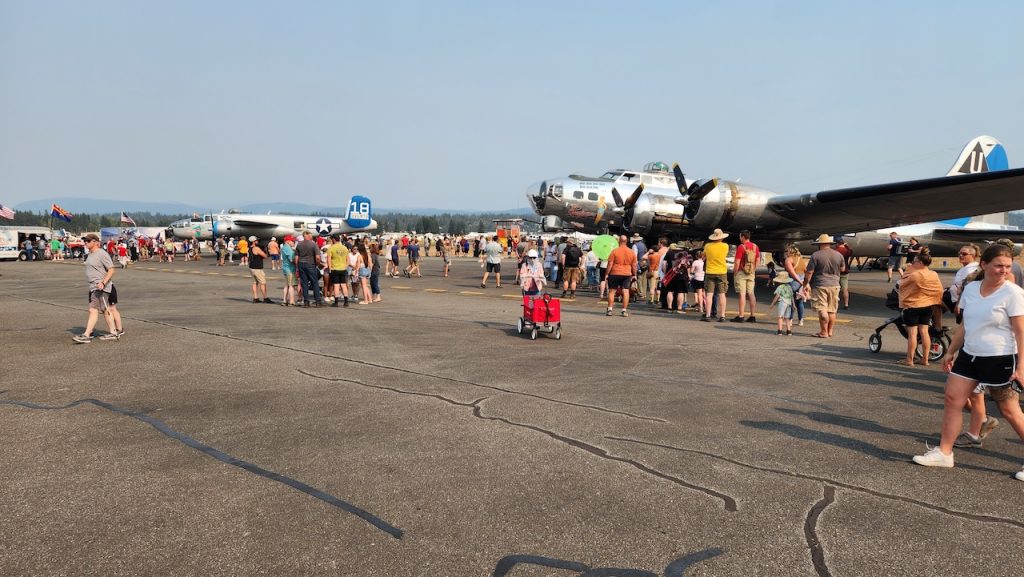
(Image credit: Mike Garrett)
Some visitors arrive knowing little about WWII aviation. Others carry a deeply personal connection: a father’s flight jacket, a grandfather’s equipment, or questions about a relative who rarely discussed wartime service. Walking through a bomber—or flying aboard one—can give those families a new understanding of that person’s experience. The B-17’s interior frequently changes visitors’ impressions. An aircraft that appears large from the ramp feels remarkably confined inside. Volunteers use that experience to explain the conditions wartime crews faced: long missions, extreme cold, oxygen equipment, and the threat of attack. Garrett recalled meeting a 99-year-old former B-17 pilot in Modesto whose daughter said he seldom spoke about the war. Sitting beneath the bomb bay, Garrett began asking about his service. The veteran started recalling crewmembers and missions in vivid detail, including a return flight with failing engines and German fighters attacking. As he spoke, the gathering around him became emotional. For his family, the encounter offered an opportunity to hear memories that had remained largely unspoken.


Garrett has witnessed that response repeatedly. Familiar surroundings and informed questions sometimes allow veterans to discuss experiences they had kept private for decades. For relatives, those conversations can become an irreplaceable part of their family history. “It’s like a door opens,” he said. Those moments explain why volunteers return despite the travel, heat, uncertainty, and exhaustion. They are helping preserve the aircraft while also creating opportunities to remember the people whose lives were connected to them. Garrett’s goal is to keep Sentimental Journey and Maid in the Shade flying and carrying passengers for as long as possible. That requires continued maintenance, access to parts and engine overhaul expertise, careful operations, and public support. It also requires the next crew of volunteers to arrive ready to work. At the end of a busy day, Garrett said, “You’re exhausted, but you’re satisfied.”
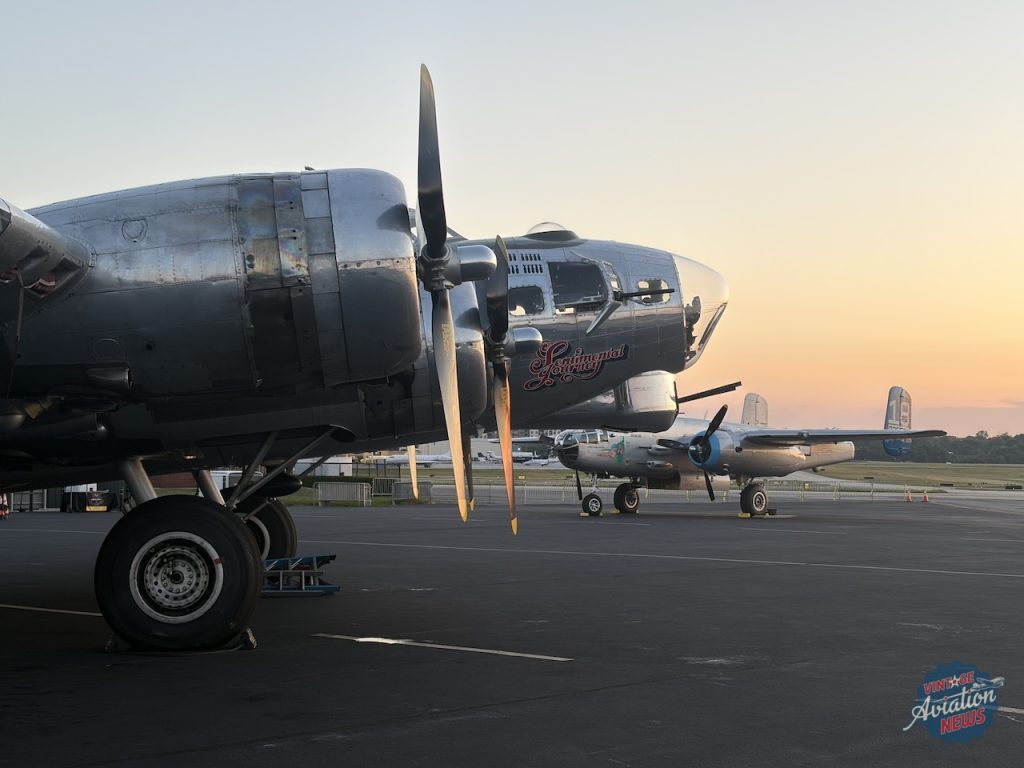
(Image credit: VAN)
The bombers bring visitors to the airport. The volunteers make the encounter possible—welcoming families, answering questions, preparing flights, solving problems, and carrying the mission from one community to the next. Their contribution is measured in the hours they give, the responsibilities they accept, and the history they help others understand. For more information about the Flying Legends of Victory Tour and CAF Airbase Arizona, visit www.azcaf.org.
(Image credit: VAN)