





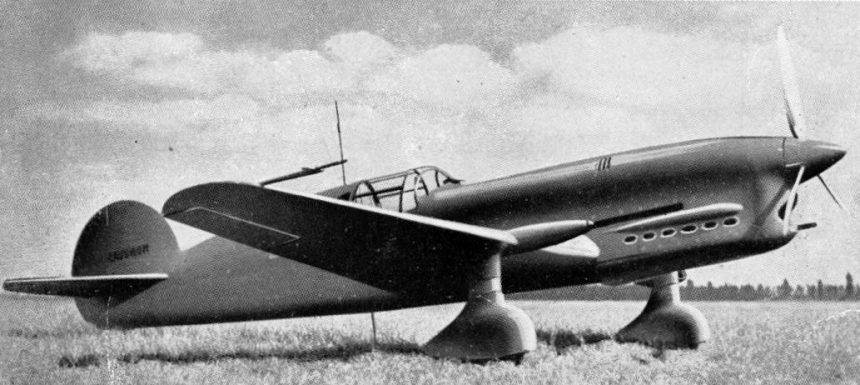


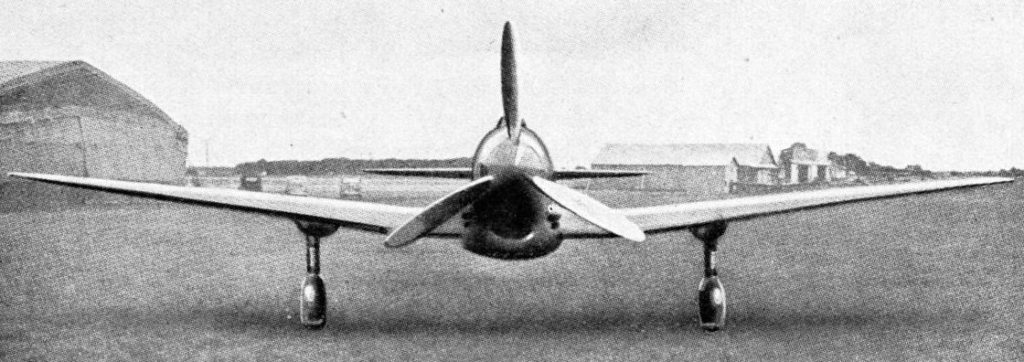
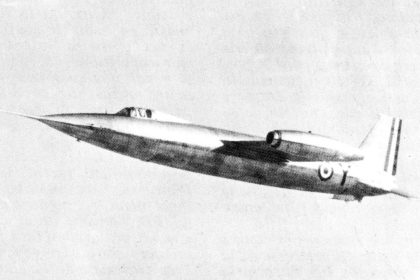
On this day in aviation history, 90 years ago (June 18, 1936), the first flight of the Caudron C.710 took place. A prototype for an entire series of fighters, the C.710 was developed by Caudron-Renault just prior to the onset of WWII. The C.710 was created with the intent of the aircraft being operated by the French Air Force. Prototype C.710 s/n 01 – f/n 7536 was the first in this fighter series to take flight. Developed from a lineage of air racers, the C.710 was of all-wood construction. Like the racers that came before it, the C.710 featured a long nose with a far-back seated cockpit. Caudron equipped the fighter prototype with fixed landing gear, which was fitted with spats to reduce drag. A 450-hp Renault 12R-01 supercharged inverted air-cooled V-12 engine powered the C.710, which proved to have a maximum airspeed of 283 mph at 13,000 ft. On February 1, 1938, the C.710 prototype was lost in a crash.
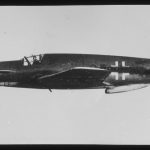
After more trial and error, the C.714 Cyclone was created by Renault. The C.714 featured a new airfoil, a more robust fuselage, and four 7.5 mm MAC 1934 machine guns in the wings. A new, higher-powered Renault 12R-03 engine was fitted to the fighter, equipped with a carburetor that allowed for negative G operations. Twenty C.714s were ordered by the French Air Force on November 5, 1938, with an option for 180 more aircraft down the line. Production began in the summer of 1939, and deliveries started showing up in January of 1940.
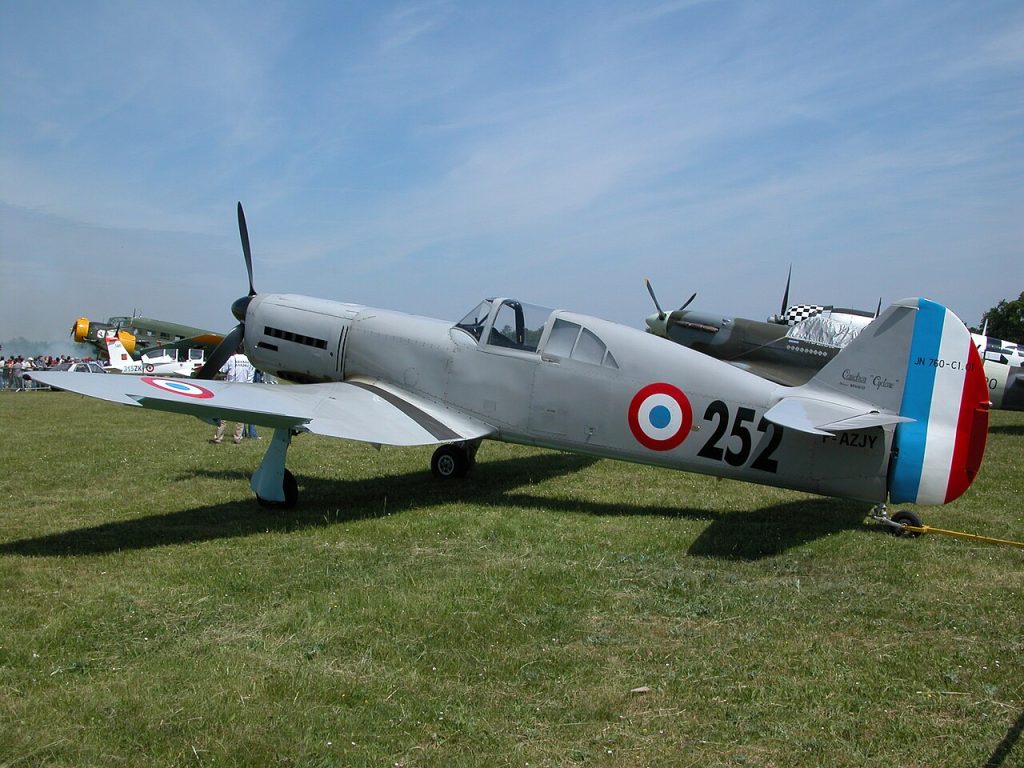
Flight testing on the initial production C.714s exposed the fighter as underpowered despite being light and fast. The wooden construction meant that the C.714 could not be fitted with a more powerful engine, so it would be unable to match contemporary German fighters of the time. Eighty C.714s were diverted to Finland, with the intent to be used in the Winter War. Here, the fighters proved not only underpowered, but also unreliable. Thirty-five C.714s were delivered to the Polish Warsaw Squadron Groupe de Chasse polonais I/145. The Caudron fared no better here, and on May 25, 1940, French Minister of War Guy La Chambre ordered all C.714s to be pulled from duty. The French had no other aircraft to offer the Polish, so the order was ignored, and the C.714 continued to fly. Despite being outclassed by German fighters, Polish pilots managed to down four Dornier Do 17s, three Messerschmitt Bf 109s, and five Messerschmitt Bf 110s. In the process, eighteen C.714s were lost – nine in the air and nine on the ground.
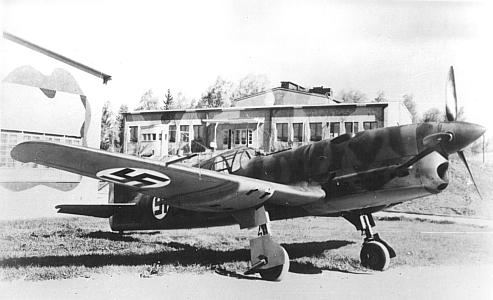





Finland received six Caudron-Renault C.714 Cyclones instead of eighty. The rest were never delivered.