

In 1948, the US Navy wanted an aircraft capable of vertical takeoff and landing for operation from the aft decks of conventional ships. Both Lockheed and Convair were competing in the program. However, in 1950, the requirement changed, and the Navy was now looking for a research aircraft that could eventually become a vertical takeoff and landing fighter to escort ships in a convoy. As a result, Lockheed developed an experimental tailsitter design, and on April 19, 1951, the Navy ordered two prototypes, designated XFO-1. After the order was placed, the project name changed to Lockheed XFV because the Navy updated its code for Lockheed from O to V.
Design of Lockheed XFV
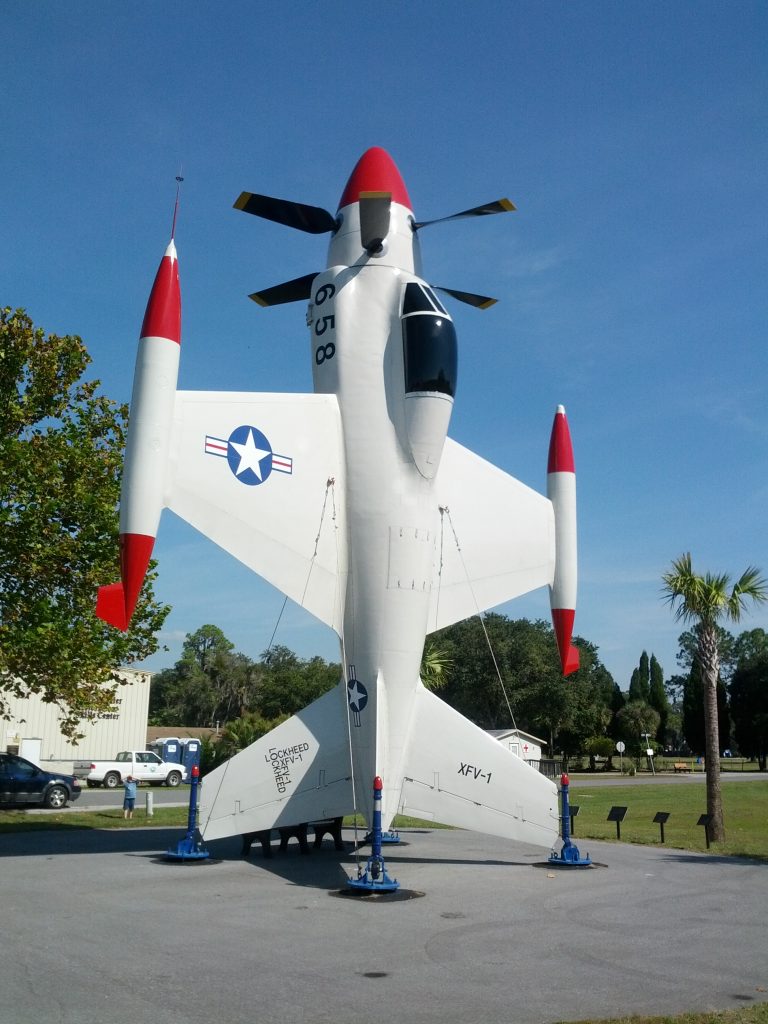
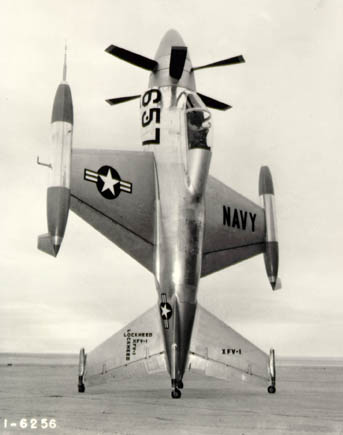
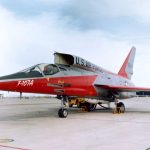
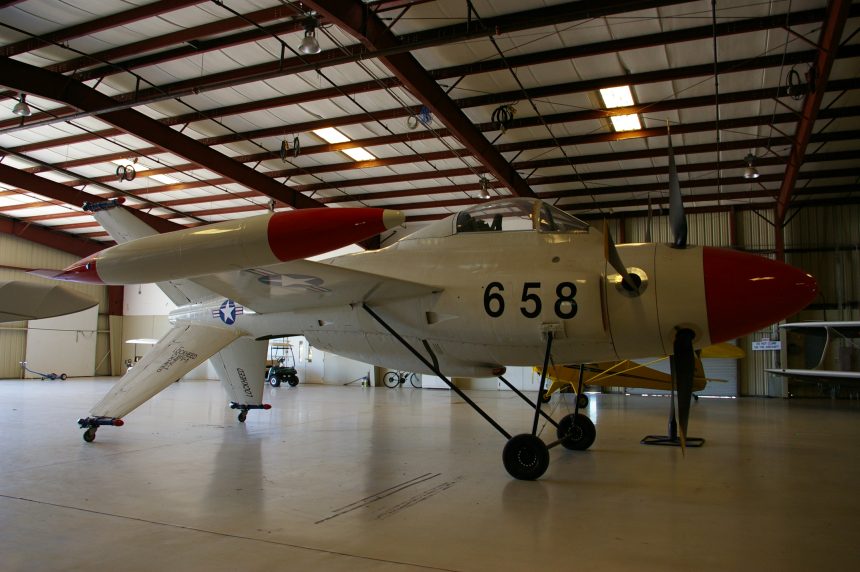
The single-seat Lockheed XFV was 36.10 feet long, 15.6 feet high, with a wingspan of 30 feet and a wing area of 246 square feet. The empty weight of the aircraft was 11,599 pounds, and the maximum takeoff weight was 16,221 pounds. The aircraft was powered by an Allison XT40-A-14 turboprop engine, producing 5,100 shaft horsepower. The aircraft was envisioned to have a maximum speed of 580 mph, a cruise speed of 410 mph, a service ceiling of 43,300 feet, and a rate of climb of 10,820 feet per minute. It could be armed with four 20 mm cannons or 48 rockets of 2.75-inch each. The Lockheed XFV had a unique shape with a V-tail that looked like an X, extending both above and below the body. On the ground, the aircraft looked awkward with its basic, fixed landing gear. Lockheed employees jokingly called it the “pogo stick,” after a competing aircraft called the Convair XFY. To start flight testing, the team added a temporary undercarriage to the aircraft. This undercarriage had long, braced V-legs and fixed tail wheels on the lower fins. With this setup, the aircraft was taken to Edwards Air Force Base in November 1953 for ground testing and taxi trials. During one of these tests, before the aft section of the spinner was attached, Lockheed’s chief test pilot, Herman Salmon, managed to taxi the aircraft faster than the liftoff speed. The Lockheed XFV made a brief hop on December 22, 1953, and the official first flight occurred on June 16, 1954.
The Cancellation
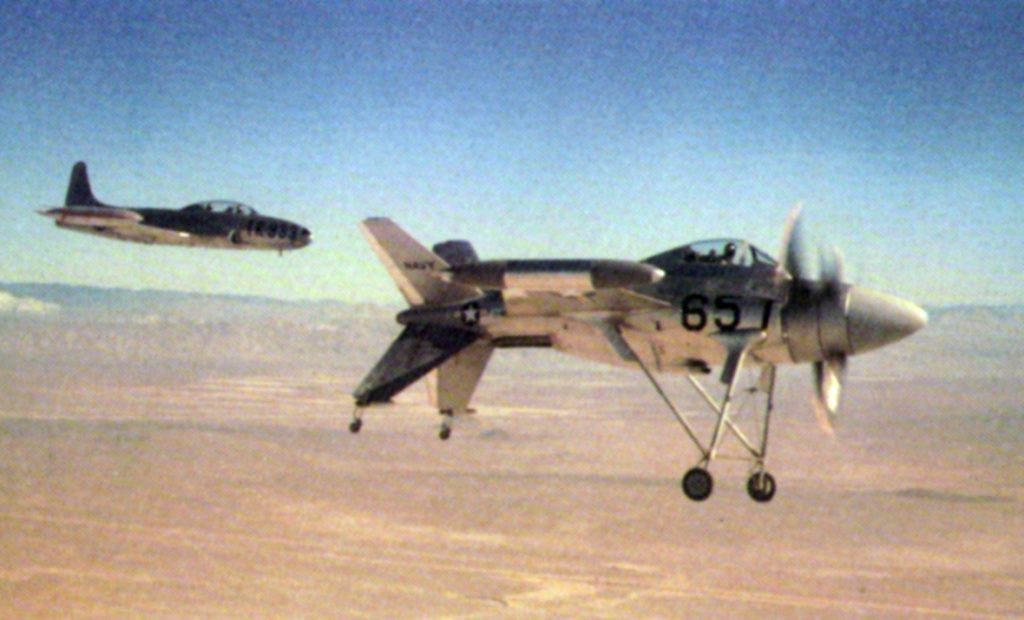
The tests of the VTOL aircraft at Edwards Air Force Base were postponed because the necessary 7,100-horsepower Allison T54 engine was not available. After a short, unintentional liftoff, the aircraft completed a total of 32 flights. None of the later flights involved vertical takeoffs or landings. The Lockheed XFV could transition between conventional and vertical flight and briefly hover at altitude. However, its performance was limited by the flight test conditions. As it became clear that the XFV’s top speeds would not compare to those of modern fighters and that only very experienced pilots could operate it, the project was canceled in June 1955. The single flying prototype is now on display at the Sun ‘n Fun Campus Museum in Lakeland, Florida. It was restored at the museum’s Buehler Restoration Center and is currently shown outside. This aircraft has the USN/USMC Bureau Number 138657, but it is marked as 658 after restoration. The second prototype was never finished and is on display at Los Alamitos Army Airfield in California. In the Grounded Dreams series, the Lockheed XFV was a challenging aircraft to build in the 1950s and still delivered good results. Lockheed’s chief test pilot, Salmon, taxied the XFV-1 on its temporary gear. He accelerated from a stop to 175 mph and then came to a complete stop without using the brakes, all within a distance of one mile. But the early VTOL era was not in this aircraft’s favor. Read more Grounded Dreams articles HERE.