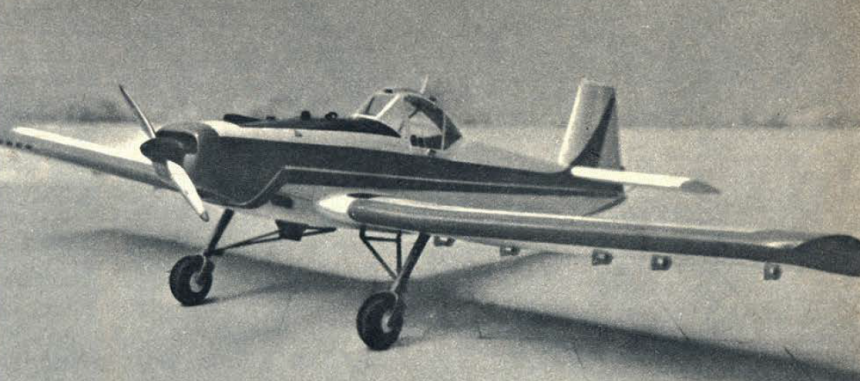


(Image credit: VAN)
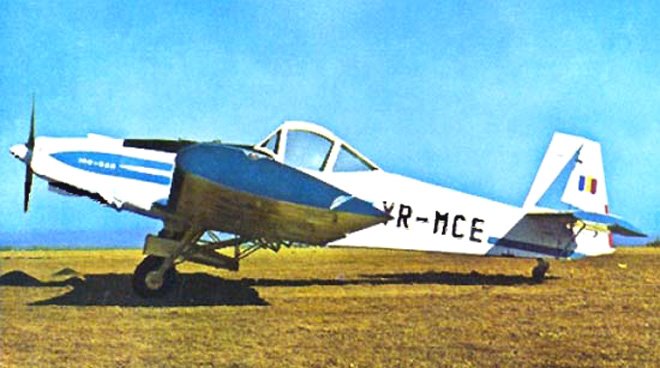
On this day in aviation history, 56 years ago (March 20, 1970), the first flight of the IAR-822 took place. The IAR-822 was a Romanian agricultural aircraft, built by Întreprinderea de Reparații Material Aeronautic (IRMA) in the 1960s. This aircraft was based on the IAR-821, also an agricultural aircraft design. The main difference between the two aircraft was the use of a horizontally opposed engine in the IAR-822, versus the radial engine of the IAR-821. The IAR-822 was a low-wing monoplane with conventional fixed landing gear. The first IAR-822 prototype, registered YR-MCA, was flown by noted Romanian aerobatics and civilian test pilot Constantin “Titi” Manolache.
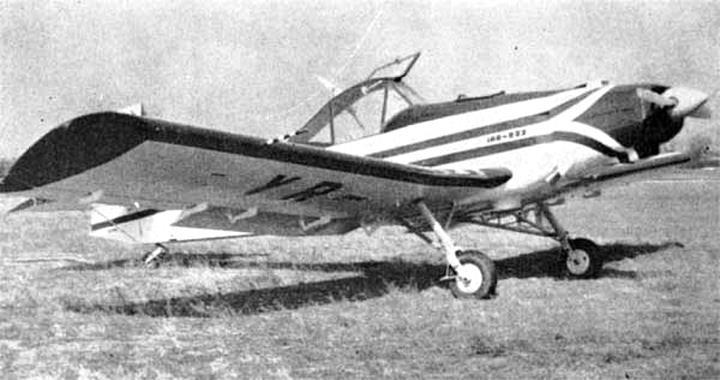
The IAR-822 retains the same fuselage as the IAR-821 and serves the same purpose of agricultural crop spraying and dusting. In 1970, Radu Manicatide led the aircraft’s development at IMFCA Bucharest (Institutul de Mecanica Fluidelor si Cercetari Aerospatiale – Institute of Fluid Mechanics and Aerospace Research). The resulting aircraft features a mix of wood and metal construction. The fuselage and wing roots were made from welded chrome-molybdenum tubing. The outer wings and tail units were made of wood. The front fuselage was covered in aluminium skin, while the rest of the airframe was plywood covered with fabric.
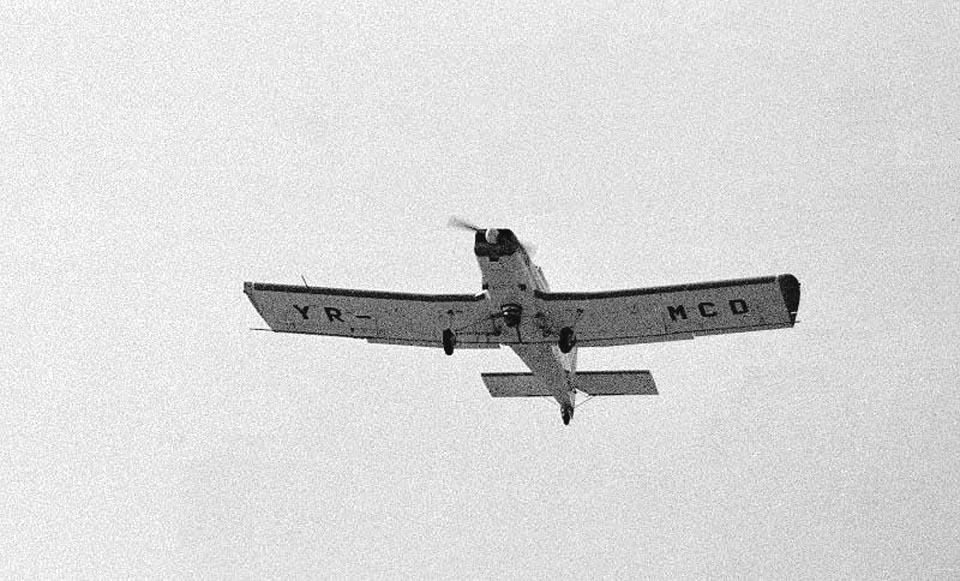
A trainer variant, the IAR-822B, was developed as a means to provide instruction to future agricultural pilots. The 822B first flew on November 12, 1973, with Constantin Manolache at the controls. In lieu of a chemical tank, a second pilot’s seat was installed for the student. The IAR-822B not only served as an ag pilot trainer, but it was also employed by the Air Force school at Boboc as a military training aircraft. Though underpowered, the IAR-822 saw an average of 400 flight hours per year/per airframe during its service life, up until the early 1980s. In addition to agricultural and military service, the IAR-822 was also used for pipeline patrol.
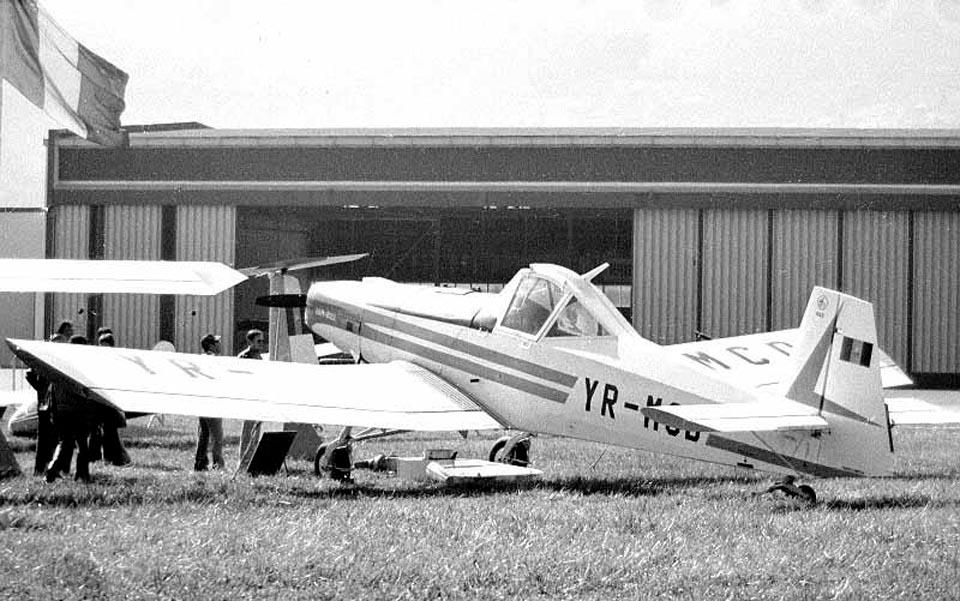
The IAR-822A was powered by a 290-horsepower Lycoming IO-540-G1-D5 air-cooled flat-six engine. The aircraft could cruise between 75 and 99 mph and attain a maximum airspeed of 110 mph. With no reserves, the 822A had a range of 240 nautical miles, or 3 hours of flight endurance. A total of 30 IAR-822s were manufactured in the 1970s: 20 IAR-822As and 10 IAR-822Bs.