





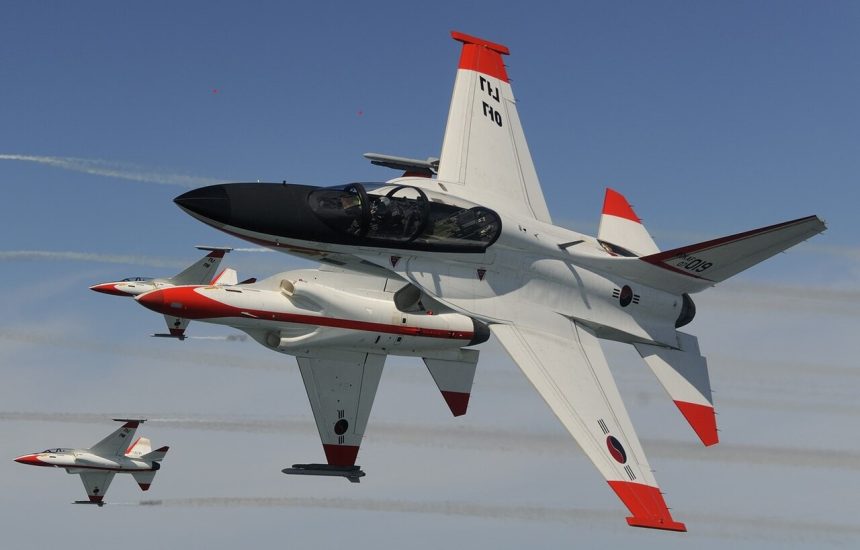

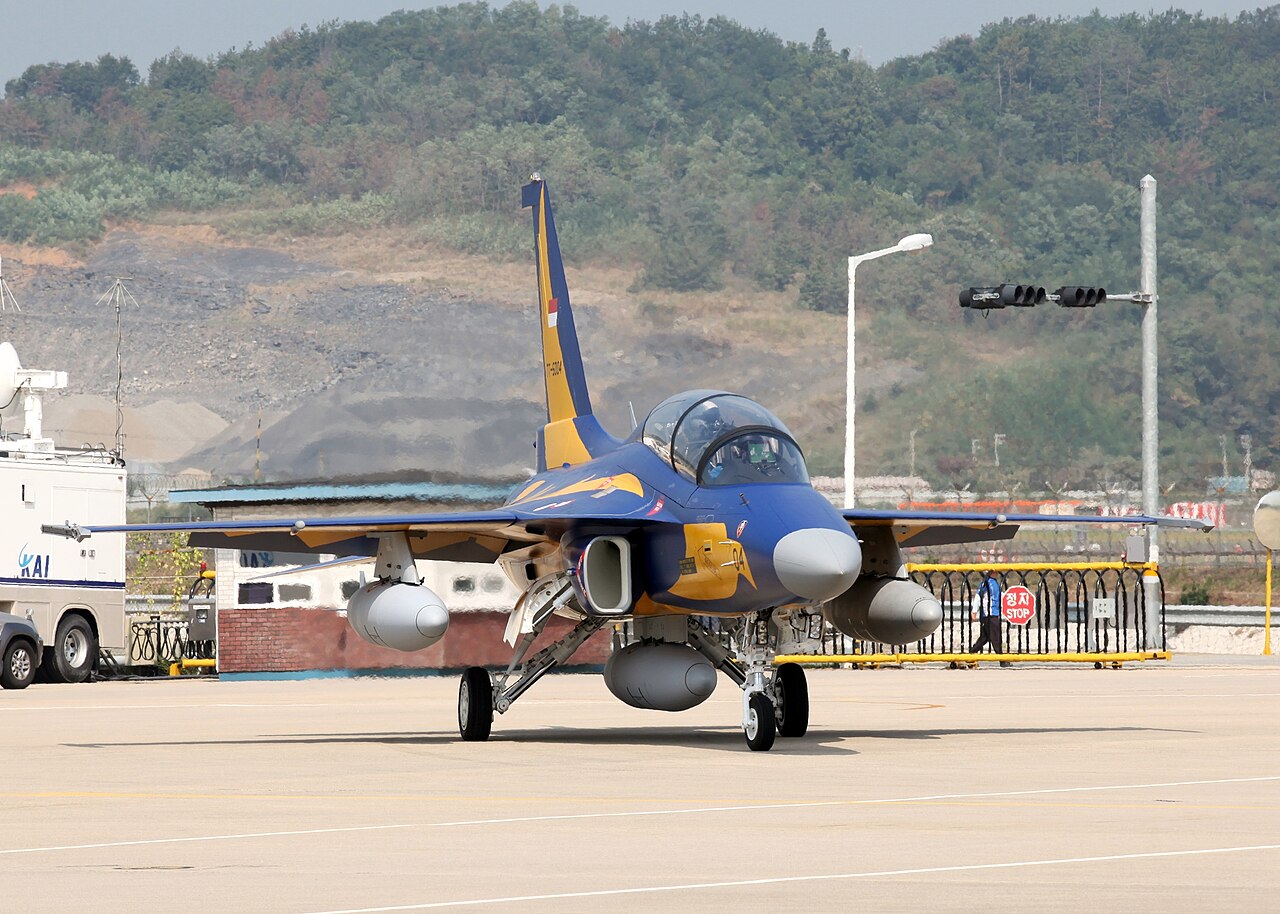
On this day in aviation history, 24 years ago (August 20, 2002), the first flight of the KAI T-50 Golden Eagle took place. Developed by Korea Aerospace Industries (KAI) with assistance from Lockheed Martin, the T-50 was designed as an advanced jet trainer for the Republic of Korea Air Force. The aircraft became South Korea’s first indigenous supersonic aircraft and one of the relatively few supersonic trainers developed worldwide. Development originated with the KTX-2 program in 1992, which sought a new trainer capable of preparing South Korean pilots for aircraft such as the KF-16 and F-15K. Financial constraints temporarily halted the program in 1995, but development later resumed, with the basic design finalized by 1999. The aircraft was formally named the T-50 Golden Eagle in February 2000.
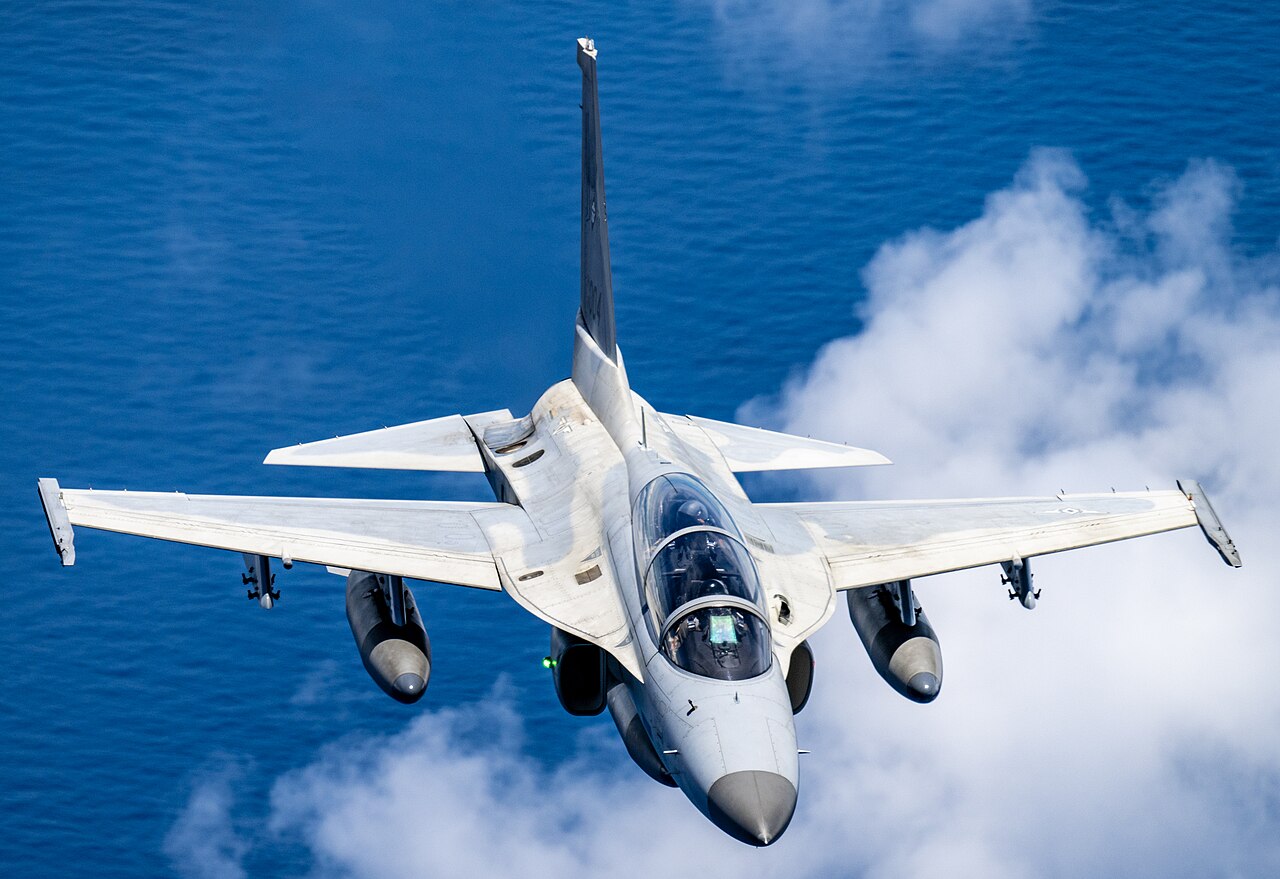
The T-50 entered Republic of Korea Air Force service in 2005 and subsequently spawned several specialized variants. These include the T-50B flown by the Black Eagles aerobatic team, the TA-50 lead-in fighter trainer, and the FA-50 light combat aircraft. The Golden Eagle family has also achieved considerable export success, with variants selected by countries including Indonesia, Iraq, the Philippines, Thailand, Poland, and Malaysia. The T-50 measures 43 feet 1 inch in length with a wingspan of 31 feet and is powered by a single General Electric F404-GE-102 afterburning turbofan producing 17,700 pounds of thrust. The aircraft can reach Mach 1.5, has a range of approximately 1,150 miles, and a service ceiling of 48,000 feet. The T-50 can climb at approximately 39,000 feet per minute, while armed derivatives can carry a variety of air-to-air and air-to-ground weapons.





According to Lou Drendel’s 2nd Edition F-16 Fighting Falcon In Action book, the T-50 is an F-16 derivative,