






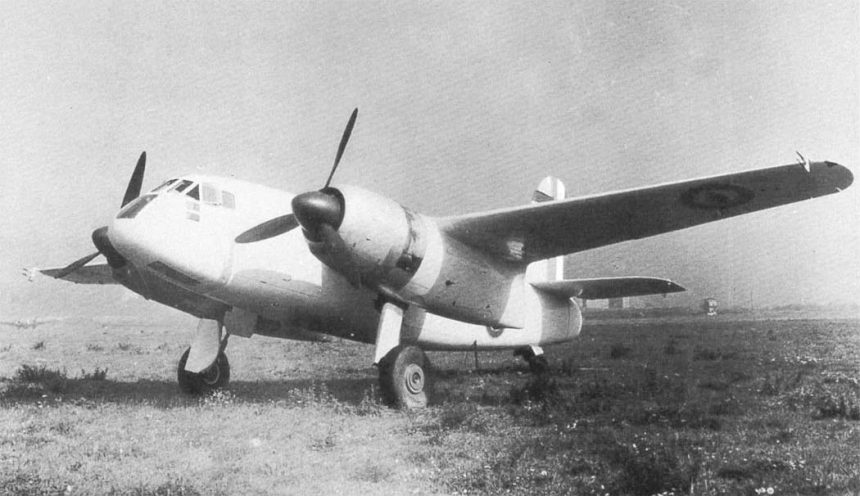


On this day in aviation history, 79 years ago (August 29, 1947), the Nord 1500 Noréclair took flight for the first time. Developed in France as a twin-engine naval attack aircraft, the Noréclair was designed to perform dive-bombing, anti-submarine, and anti-shipping missions. The aircraft was intended to operate from both land bases and aircraft carriers, but only a single prototype was ultimately completed. Development of the Noréclair originated with a clandestine French Navy requirement issued during the German occupation in 1943. Nord and SNCAC responded with competing designs, with the latter developing the NC.1070. Following the liberation of France, three Noréclair prototypes were ordered in September 1945, with the possibility of a much larger production order for the winning design. Flight testing soon revealed problems with engine reliability, insufficient power, yaw instability, and the landing gear.
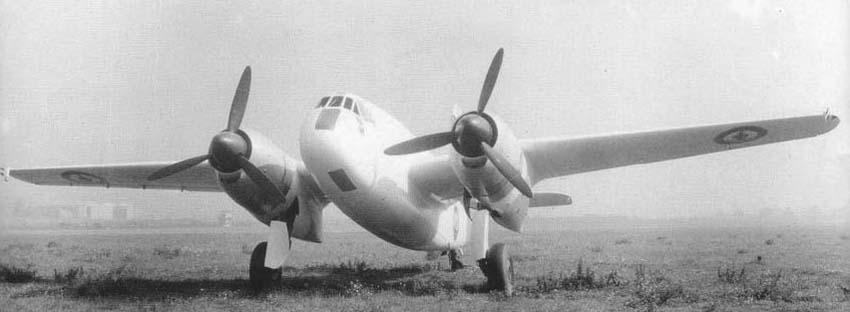
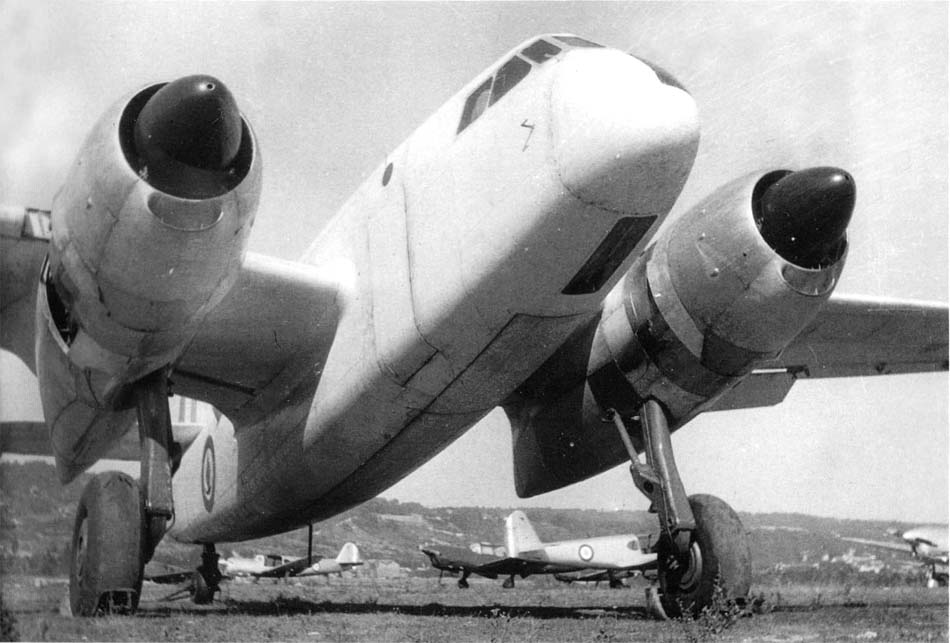
Nord attempted to improve the prototype by enlarging its vertical stabilizer, while a production version was expected to receive more powerful Bristol Hercules engines. A jet-powered development was also considered. Continued problems delayed testing, however, and the aircraft was not submitted for qualification until 1949. Rapid advances in jet aircraft, combined with continued criticism of the design, ultimately led to cancellation. The second prototype was never completed, and only one Noréclair ever flew. The Nord 1500 measured 46 feet 9 inches in length with a wingspan of 64 feet 8 inches and was powered by two 1,600-horsepower Gnome-Rhône 14R-25 radial engines. The aircraft could reach 340 mph, had a range of approximately 2,140 miles, and a service ceiling of 33,000 feet. Planned armament included 20 mm cannons, rockets, and either a 450 mm torpedo or up to 4,400 pounds of bombs and anti-submarine charges.











The French knew what wanted which is quarter of the problem solve.