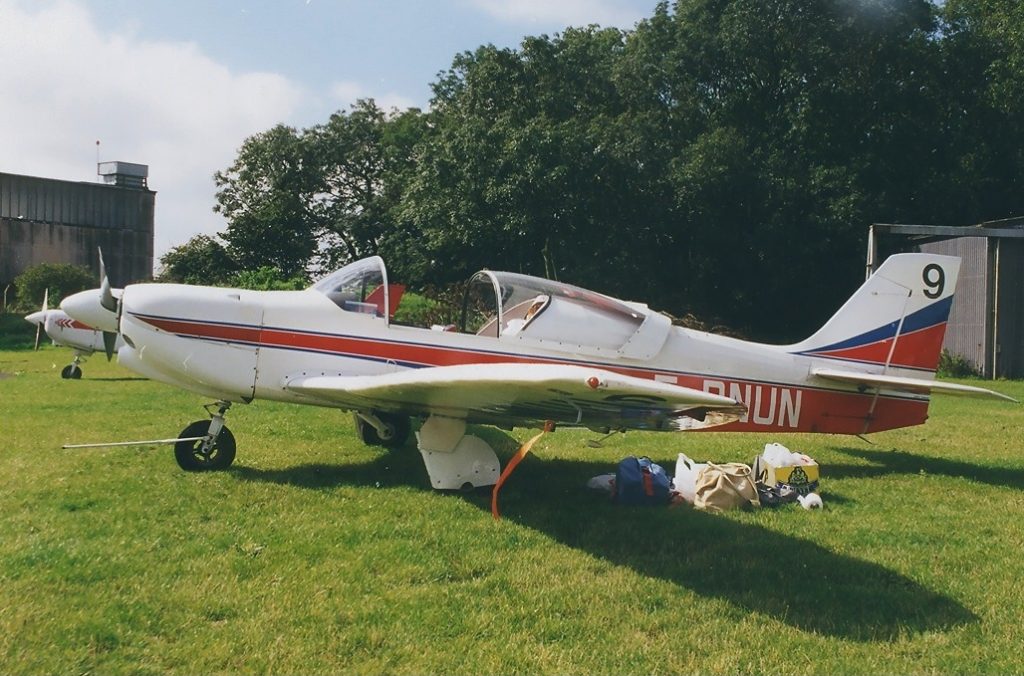
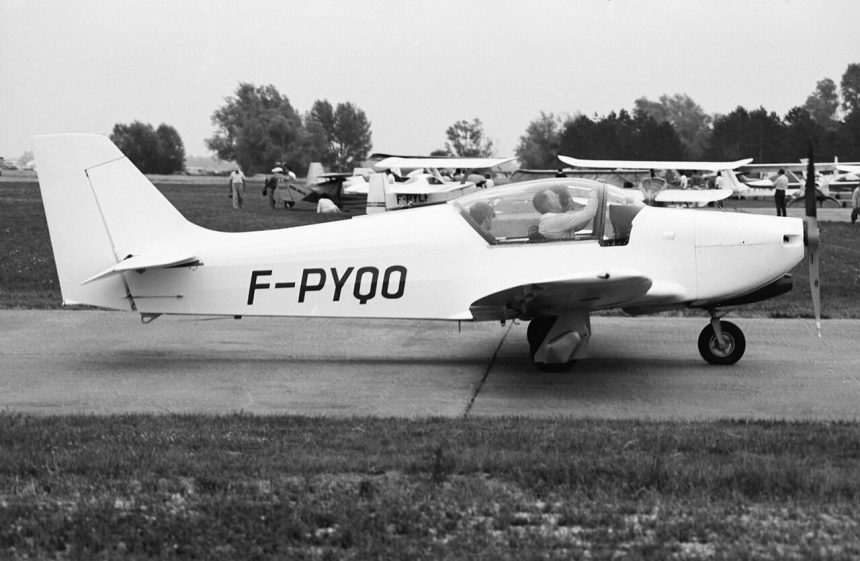


On this day in aviation history, 59 years ago (June 29, 1967), the first flight of the Piel CP.605 Super Diamant took place. The CP.605 was a variant of the CP.60 Diamant that was developed by French aerospace manufacturer Piel. A single-engine general aviation aircraft, the CP.60, was pitched during the 1960s as a home-built aircraft option. Piel upscaled their previous CP.30 Emeraude as a basis for the CP.60. The main difference between the two is a larger fuselage, allowing for two more occupants on a rear-bench seat. Wingspan on the CP.60 was also larger than the CP.30, which allowed for a higher takeoff weight.
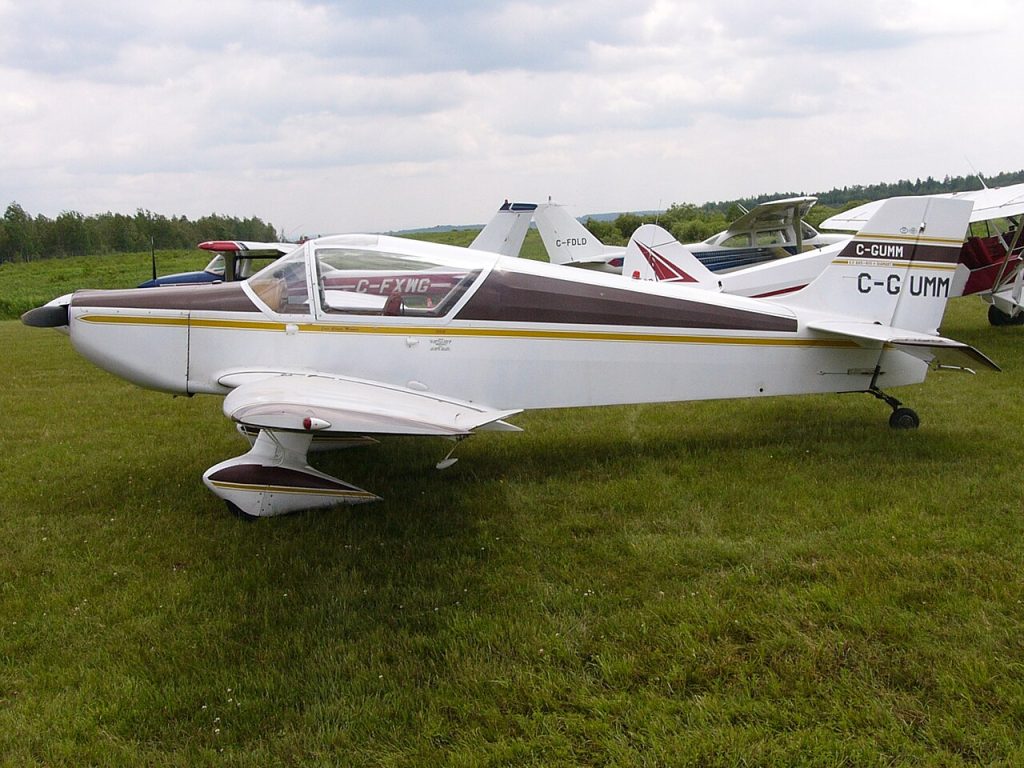
Piel offered the CP.60 as a set of plans, which was 110 pages in length. Initially designed with fixed conventional landing gear, modifications were offered for both retractable and tricycle undercarriages. Wing-mounted fuel tanks were another option for those interested in extra range. The Diamant was never sold from the factory as an airworthy aircraft, only as sets of plans. The CP.605 Super Diamant supplanted the CP.60 as Piel’s main offering in the 1970s. A more powerful 201-hp Lycoming O-320-E2A engine was used, and the tail surfaces were improved on the CP.605 variant. The Piel CP.605B Super Diamant had a maximum airspeed of 160 mph, and would typically cruise at 140 mph. Stall speed was 51 mph, while range for the CP.605B was 620 nmi. The Super Diamant had a service ceiling of 16,000 ft, and the aircraft could climb at 1,082 fpm. Piel’s homebuilt design was no giant, measuring in at 23 ft long, 6 ft 7 in tall, and owning a wingspan of 30 ft 2 in.