
By Lorenzo Baer
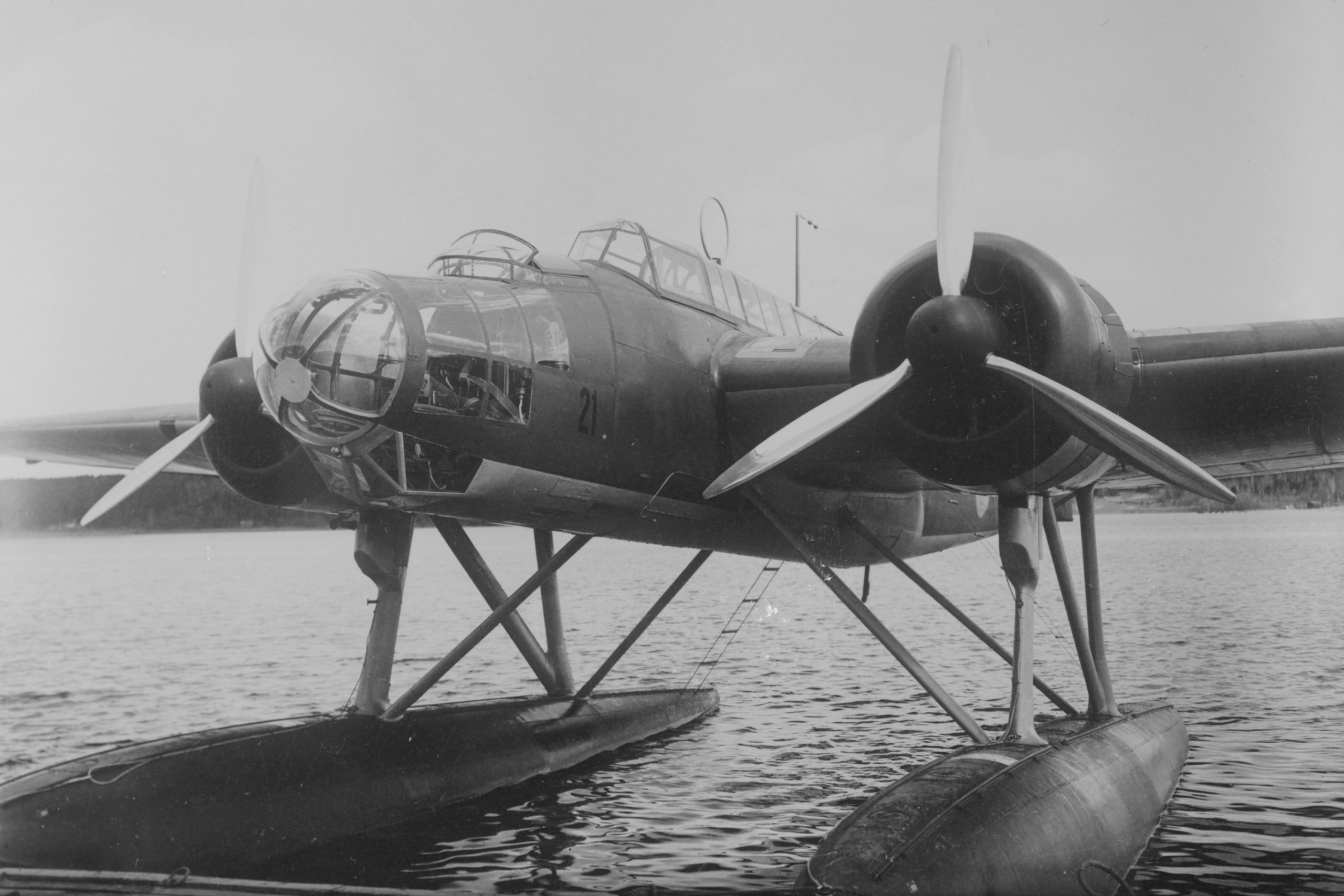
One of the silent warriors of WWII, the Heinkel He 115 enjoyed a solid reputation as a robust, reliable, and docile aircraft—despite its somewhat odd design. Today, aviation enthusiasts in Norway are attempting to revive the legacy of one of these machines. Let’s start with a little imagination game: What is the first German aircraft from World War II that comes to mind? Perhaps it’s a fighter, like the Messerschmitt Bf 109 or the Focke-Wulf Fw 190; or maybe it’s a bomber, like the Junkers Ju 87 or even the Heinkel He 111. Whatever the answer, I’m almost certain it won’t involve a reconnaissance plane, nor a seaplane. Though relegated to the sidelines of aerial warfare in WWII, it’s worth remembering, however, the pivotal role this type of aircraft played in the conflict, projecting the Luftwaffe’s air power in some of the most inhospitable environments on the planet.
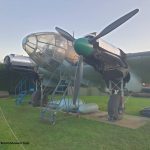
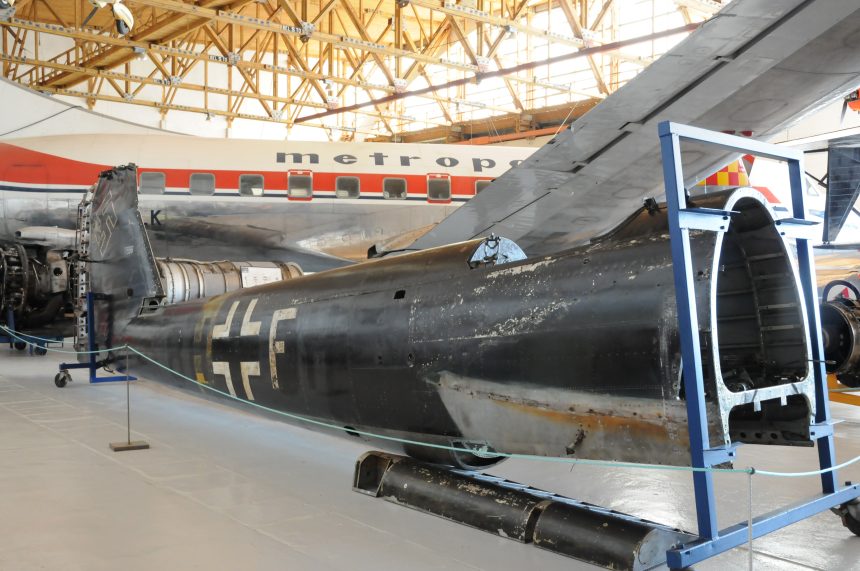
One of the leading representatives of this segment is certainly the twin-engine Heinkel He 115, a giant for several reasons—ranging from its size, which, at 17.3 m (56 ft 9 in) in length, was larger than aircraft such as the He 111 and Do 17—to its profile, as multi-purpose long-range floatplane, which operated as a reconnaissance aircraft, torpedo bomber, convoy escort, minelayer, submarine hunter, and even in intruder operations! Given its extensive use during the conflict through the Luftwaffe and other air forces, it is no surprise that not a single He 115 has survived to the present day—but a group of Norwegian enthusiasts and restorers wants to change that, with the aim of bringing one of these legendary aircraft back to life.
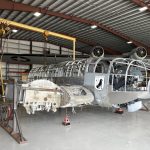
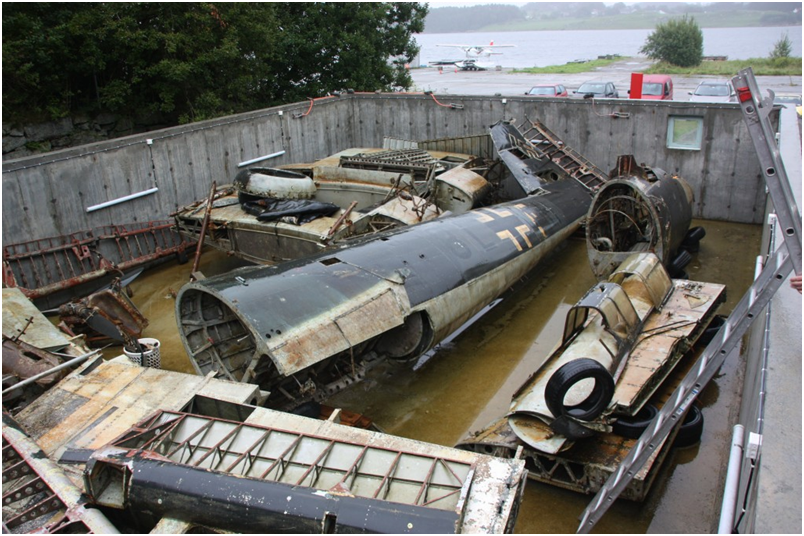
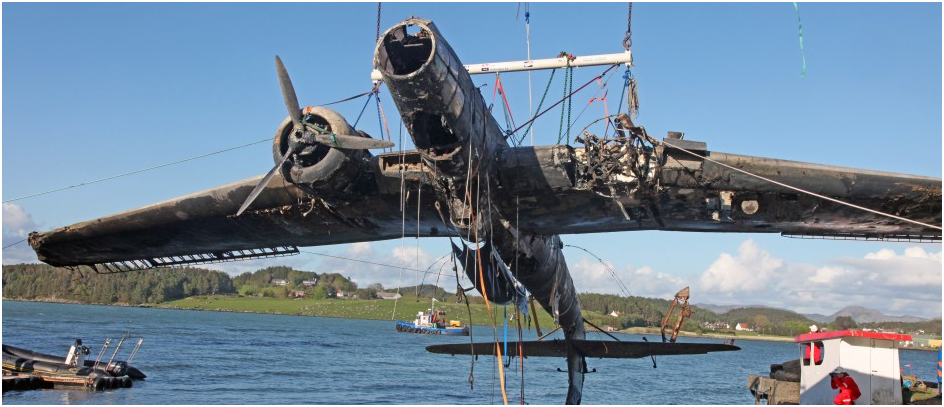
The idea had a curious origin: in August 2005, the Sjøkartverket (Swedish Maritime Administration) contacted the Venneforeningen Flyhistorisk Museum Sola (Friends of the Sola Aviation Historical Museum) regarding tests of new sonar equipment in the Hafrsfjord area, just a few kilometers from the museum. The zone was known to contain several wrecks from the WWII era, including aircraft that could be of interest to the institution. An initial scan, however, revealed nothing in the sector previously expected to contain such wrecks, but subsequent analyses showed a large anomaly in another area of the fjord. In September 2005, the first dives were conducted in the designated area, with the team quickly identifying the remains of a seaplane, later identified as a He 115. Yet, it would not be until mid-2012, with the approval of the Norwegian Armed Forces, that the aircraft would be raised from the seabed, with the process of decontaminating and stabilizing the fuselage taking up a large part of the project’s subsequent years. Since 2024, the efforts of the restoration team have been focused on three main segments of the aircraft: the nose, the cockpit, and the center section.
The History of the Aircraft Under Restoration
One of the most intriguing challenges the team faced during the initial phase of analyzing the wreckage was identifying the aircraft itself. The first details that allowed for progress in this area were images collected by the team of divers, which revealed in the aircraft the fuselage markings 8L+FH. With this simple piece of information, the team set out to analyze the Luftwaffe’s operational registers in Norway from 1940–45, linking this identification to He 115B/C No. 2398, which had been part of the 1. Staffel der Küstenfliegergruppe 906. Although the unit’s headquarters was based in Billefjord at the time, an advanced detachment of the group was stationed in Stavanger–Sola–See, operating primarily in mine-laying and convoy protection missions along the southern coast of Norway. According to the Luftflotte 5 logbooks, the 8L+FH, along with another He 115, had been dispatched on December 28, 1942, for a close-escort mission to German shipping between 8:35 a.m. and 9:55 a.m. off the coast of Stavanger. Although both planes took off, the mission was aborted halfway through due to bad weather. Returning to its base, the first Heinkel managed to execute a difficult landing in unfavorable wind conditions; but the crew of the 8L+FH was not so lucky: upon landing, the aircraft struck the water heavily, causing the port-side float to give way under the impact and the aircraft to capsize in the harbor. Despite the severity of the crash, the crew emerged unharmed, while the He 115 sank to its fate.
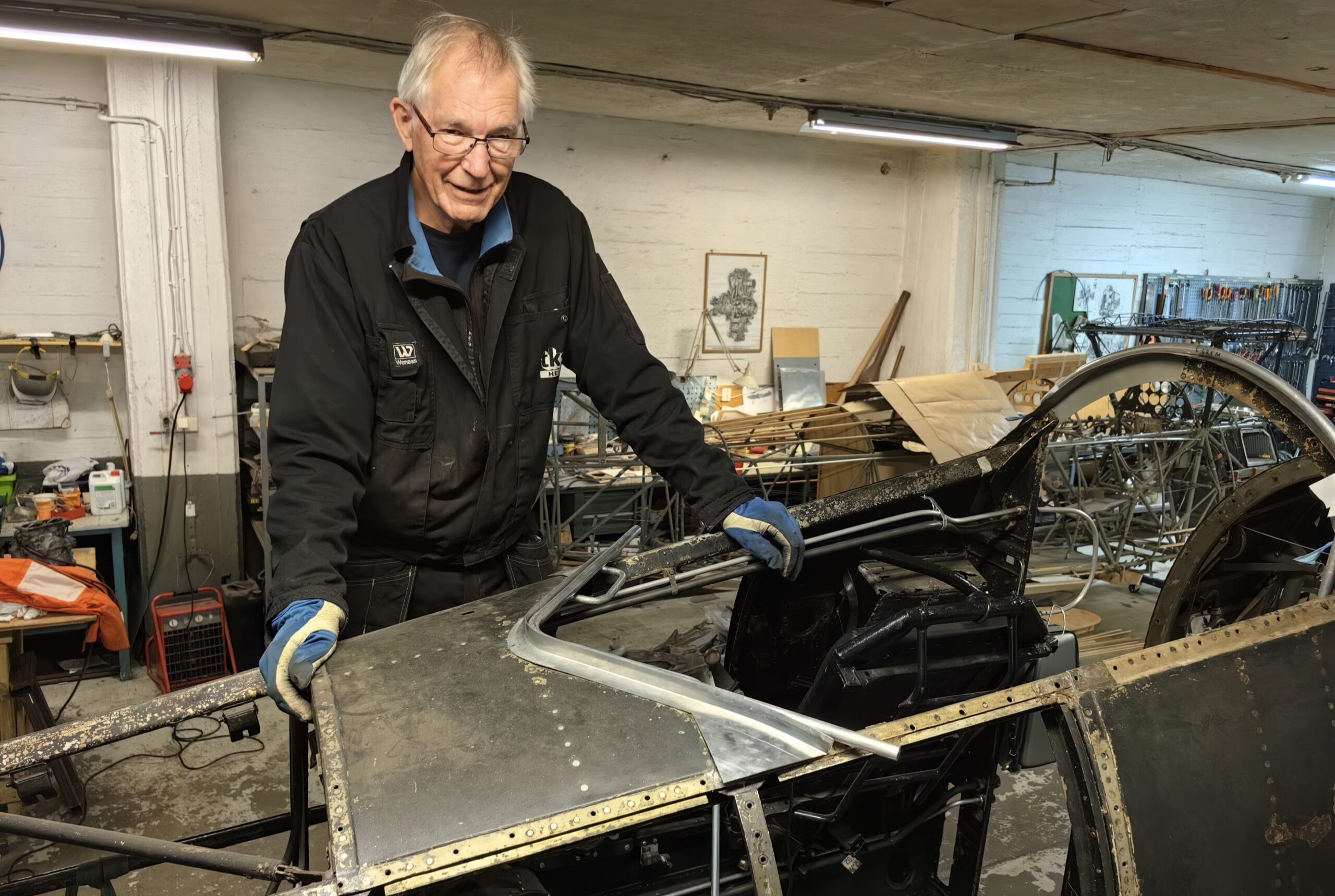
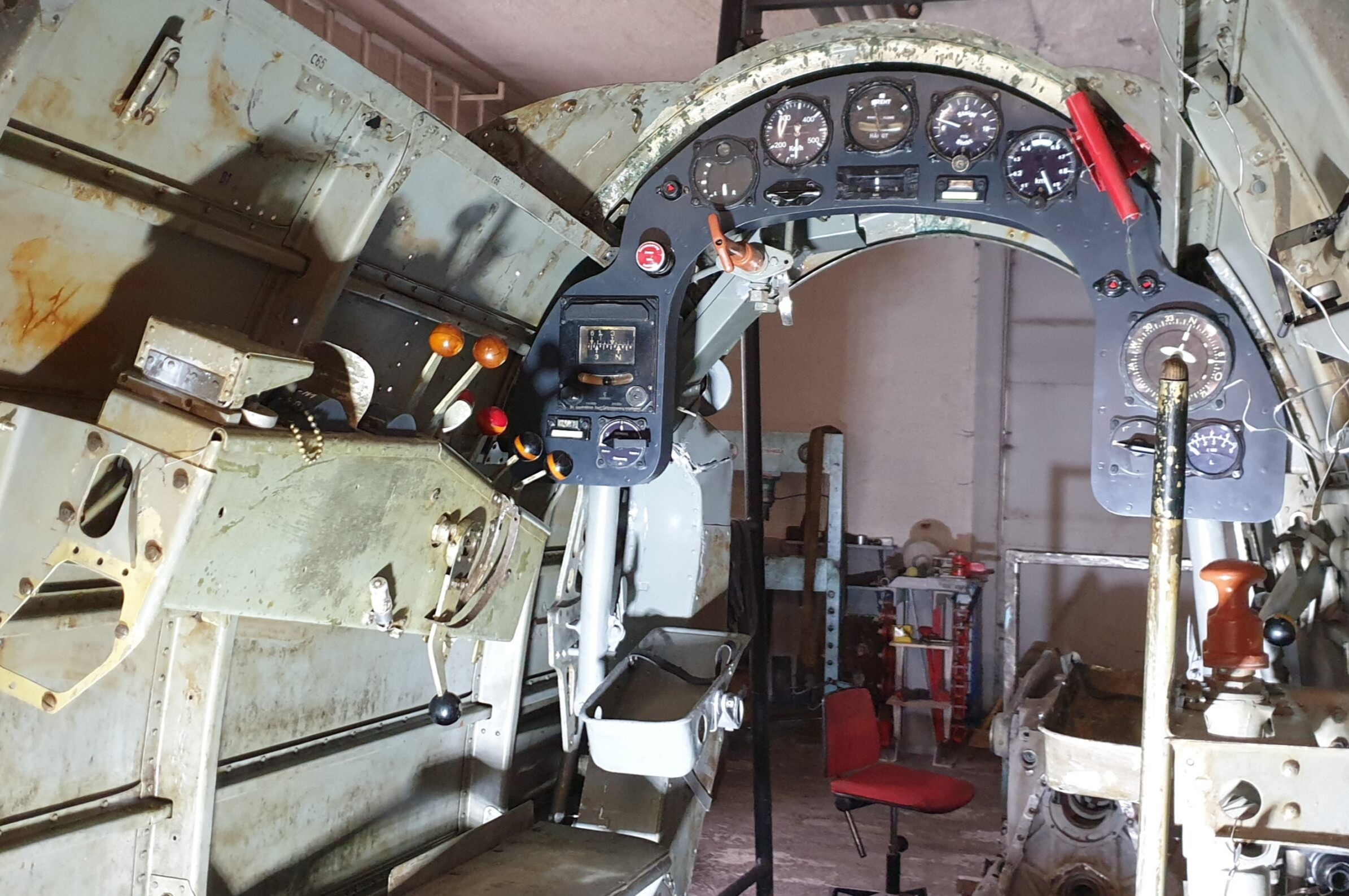
In the nose, work is currently underway to restore the observer/navigator’s battlestation. According to Stein Rosengren, coordinator of the He 115 restoration project, it has been decided that the large hatch/glass structure above the navigator’s seating position will be built from scratch using aluminum, with metal pipes serving as templates for the final structure. Stein continues, stating that this option proved to be the most feasible and historically accurate solution, based on practices originally used by Heinkel in the construction of the section. Work is also underway to produce a new sliding hatch above the original navigator’s seat, as only a few hinges, locks, and an opening/closing rail remain of the original window. Fortunately, the team behind the restoration effort was able to salvage all the glass windows from the wreckage, along with their corresponding clamping strips.
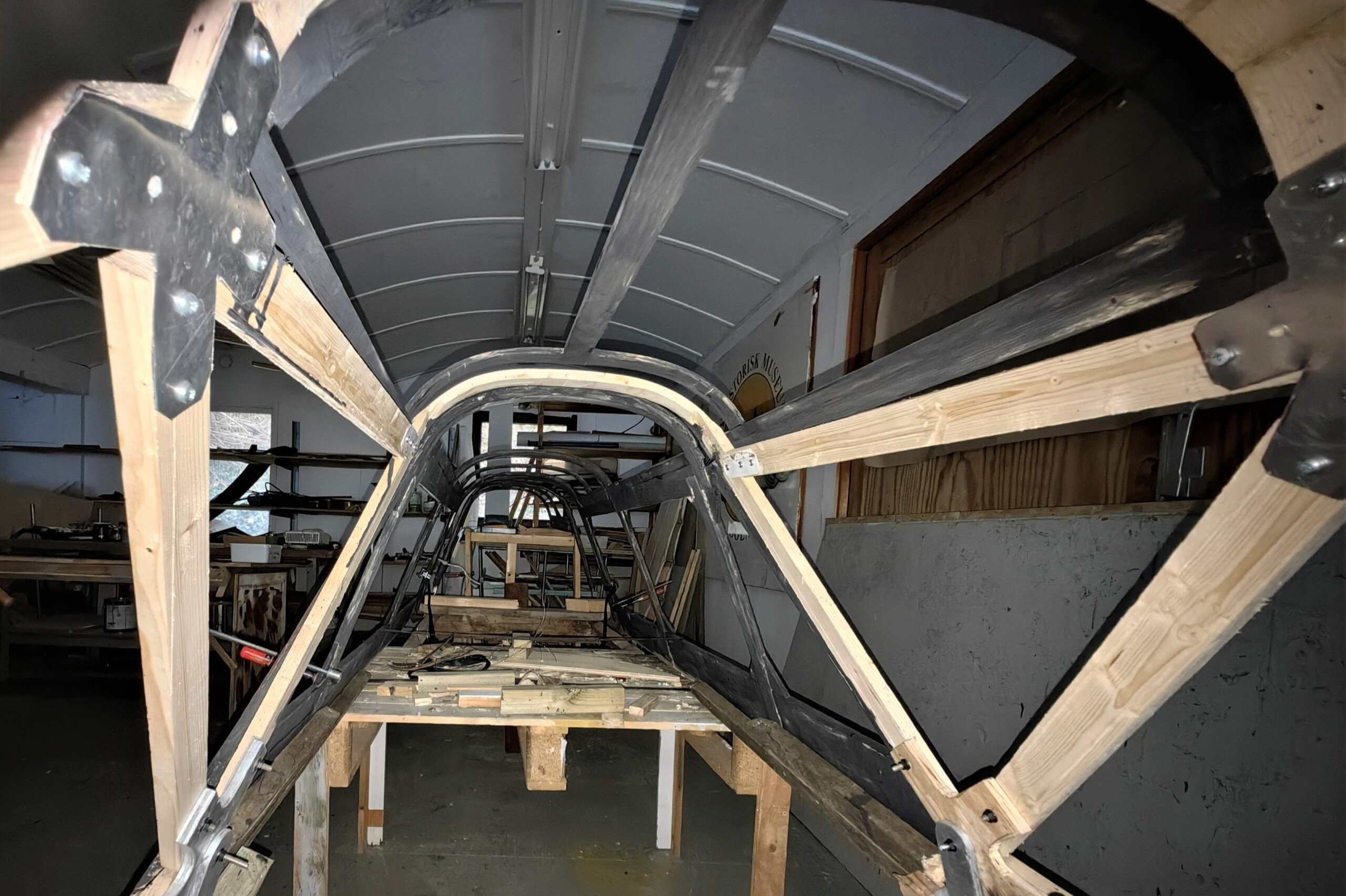
Unfortunately, a major setback faced by the team in this section is related to the Iberiakuppelen, where the aircraft’s forward-firing MG15 was mounted. The team assumes that this equipment is still at the bottom of Hafrsfjorden, in an unknown preservation state. Moving on to the cockpit, the team has spent the last few months building a new crew canopy for the aircraft. This part of the aircraft has proven to be one of the most complex and time-consuming aspects of the restoration so far, due to the fact that this five-meter-long wooden structure had to be almost entirely handcrafted by the team’s artisans. As Rosengren reiterates, “there are no original He 115 drawings that we could use to rebuild this section, having in our hands only simple sketches and a few photos from the time the aircraft was in service. Based on this flimsy information, we did our best to create a design that would come as close as possible to the one originally proposed by Heinkel, with most of the hood being built from laminated wooden brackets and aluminum strips. Since we wanted to preserve as much of the aircraft’s originality as possible, we tried to salvage some of the original woodwork, building new parts only when necessary.”
Another key area of the restoration is the central section, which raises concerns among the Friends of the Sola Aviation Historical Museum team due to severe corrosion contamination. Currently, the center wing section, mounts, and float are being carefully treated to remove all signs of corrosion using an electrolysis bath, a less aggressive cleaning process that yields excellent results on the aircraft’s sensitive structure. However, certain parts of the aircraft were beyond salvage, such as the webbing just inside the wing attachments. Because of this, the only solution found by the team was to remove the damaged part, replacing it with new plates and rivets. In this process, the forward port float attachment has been dismantled and is now waiting to be reassembled.
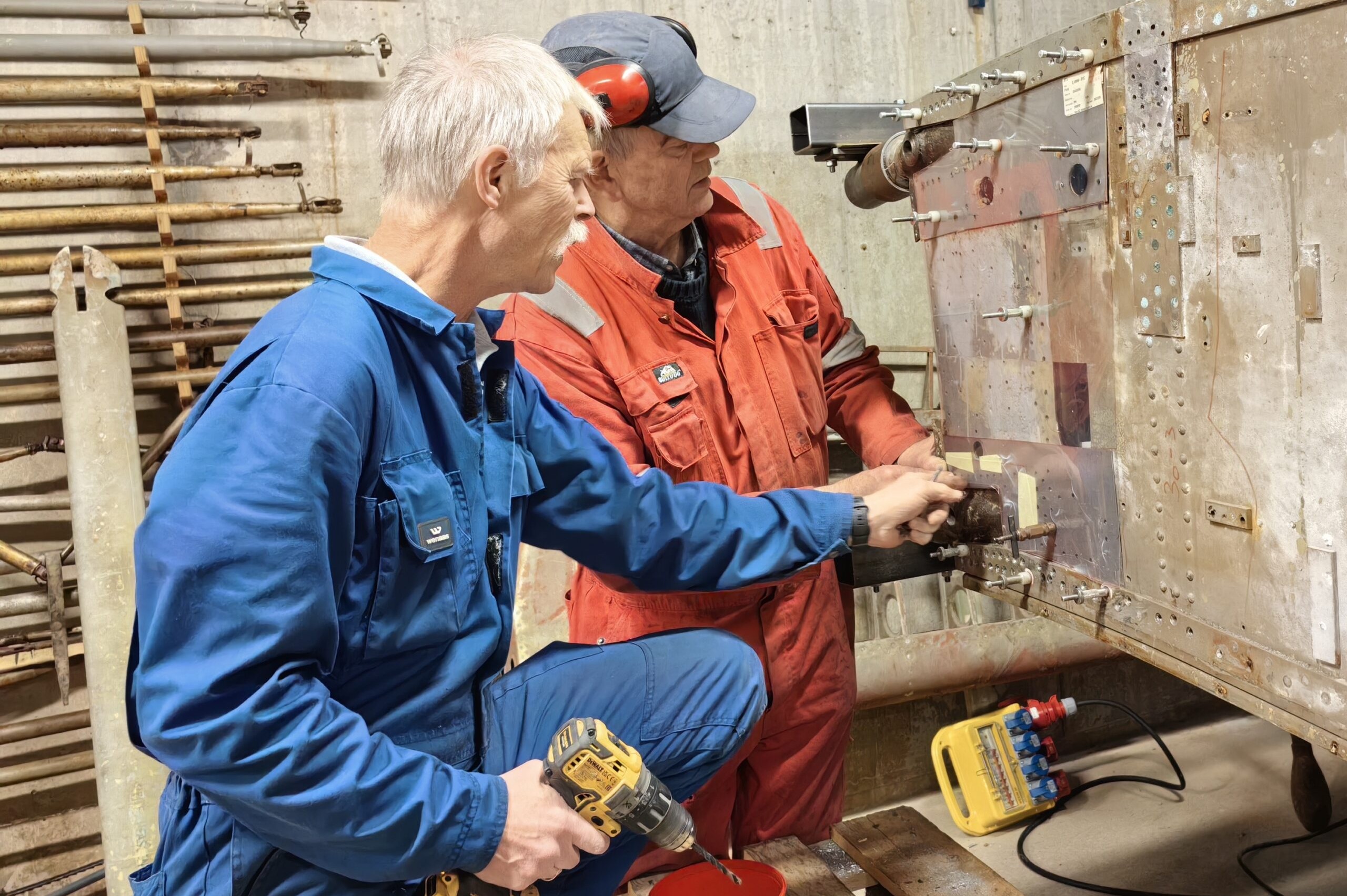
In contrast, Rosengren reports that the restoration team was surprised that certain sections of the aircraft had escaped rust and corrosion unscathed, especially closely riveted plates where the joints looked as though they had been put together recently by Heinkel. According to the coordinator of the restoration effort, this is due to a combination of factors, including the extensive use of aluminum in the fuselage, the use of a liquid sealant in the plate joining process, and the high-quality finish originally applied by Heinkel. However, despite encouraging progress on the project, Rosengren makes it clear that there are still major gaps to be filled in the restoration, for example, in the case of the aircraft’s starboard engine: “We already have a complete BMW 132K that is currently on display and enough parts in our possession to build the other necessary engine. However, what we are missing is a gear housing for it. So, in the future, we might have to dismantle the gears on the engine that is now on display to make a mold, in order to produce that missing part ourselves.” Lorenzo Baer and Vintage Aviation News will continue to follow this important restoration and provide updates in the coming months. For more information about this project, visit www.heinkel115.com.