






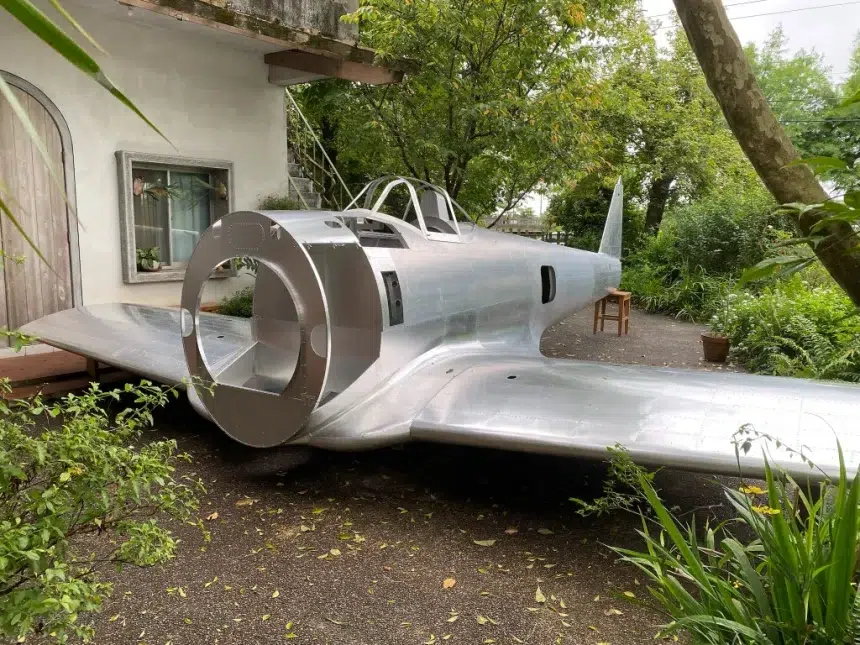

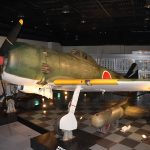
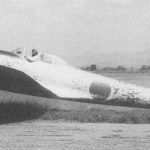
At a quiet guesthouse near the Annong River in Yilan County, Taiwan, an unusual project is taking shape: a handcrafted, full-scale replica of a Japanese WWII Nakajima Ki-43 Hayabusa fighter. Its unfinished aluminum fuselage represents the work of Chen Shih-chu, a former shipyard worker who has combined his professional skills with a lifelong fascination with aviation. According to an April 11, 2026, report by Liberty Times journalist Wang Chun-chi, Chen had spent two years on the project, installing more than 30,000 so far. At the time of that report, he estimated the replica was approximately 80 percent complete. His eventual ambition is to see aircraft replicas displayed inside Yilan’s surviving WWII aircraft shelters, giving visitors a clearer understanding of the airplanes that once operated from the area.
(Image credit: Flyingbirdhouse)
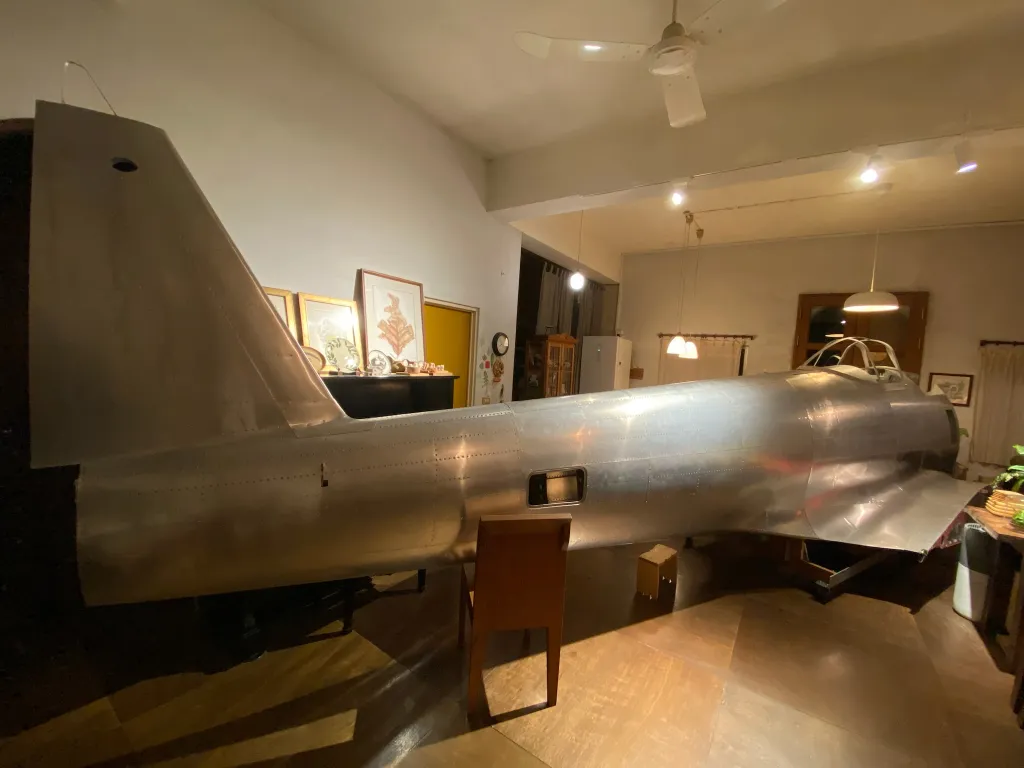
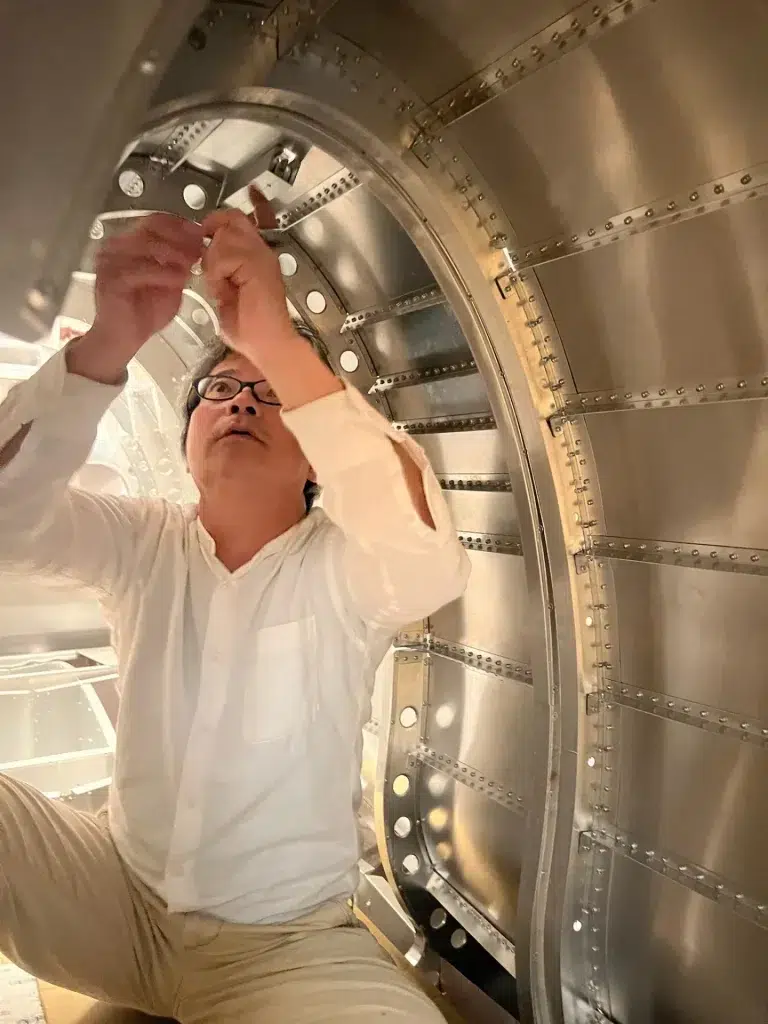
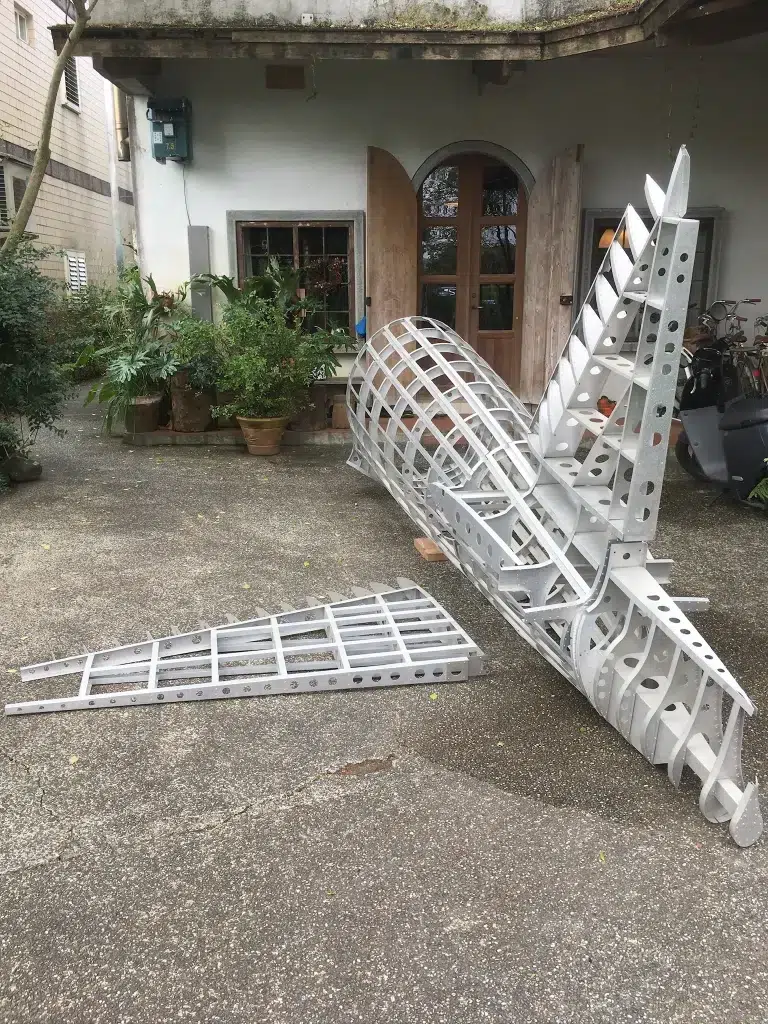
Chen’s interest in flight began long before the first aluminum panel took shape. As a child, he was fascinated by birds, dragonflies, and other flying creatures. Aircraft model kits from Japanese manufacturers such as Tamiya and Hasegawa provided another outlet for that curiosity. Over the years, his collection grew to nearly 300 model aircraft. Building at full scale, however, required him to draw on experience gained in a different industry. His shipyard background helped him recognize the relationship between an aircraft’s longitudinal structural members, transverse frames, and outer skin. Although he had no formal aerospace training, those familiar construction principles gave him a starting point. Chen taught himself AutoCAD to develop engineering drawings from three-view aircraft plans, then arranged for components to be laser-cut. The subsequent assembly and sheet-metal shaping became a hands-on exercise in adapting his existing skills to a much more demanding model.
(Image credit: Flyingbirdhouse)
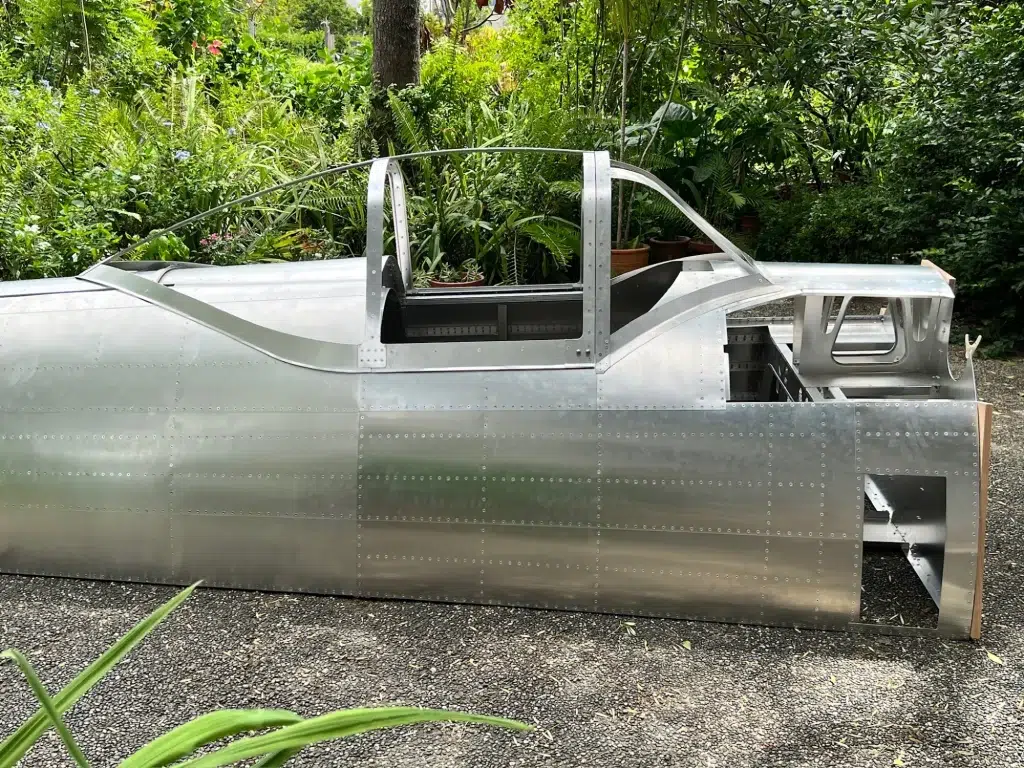
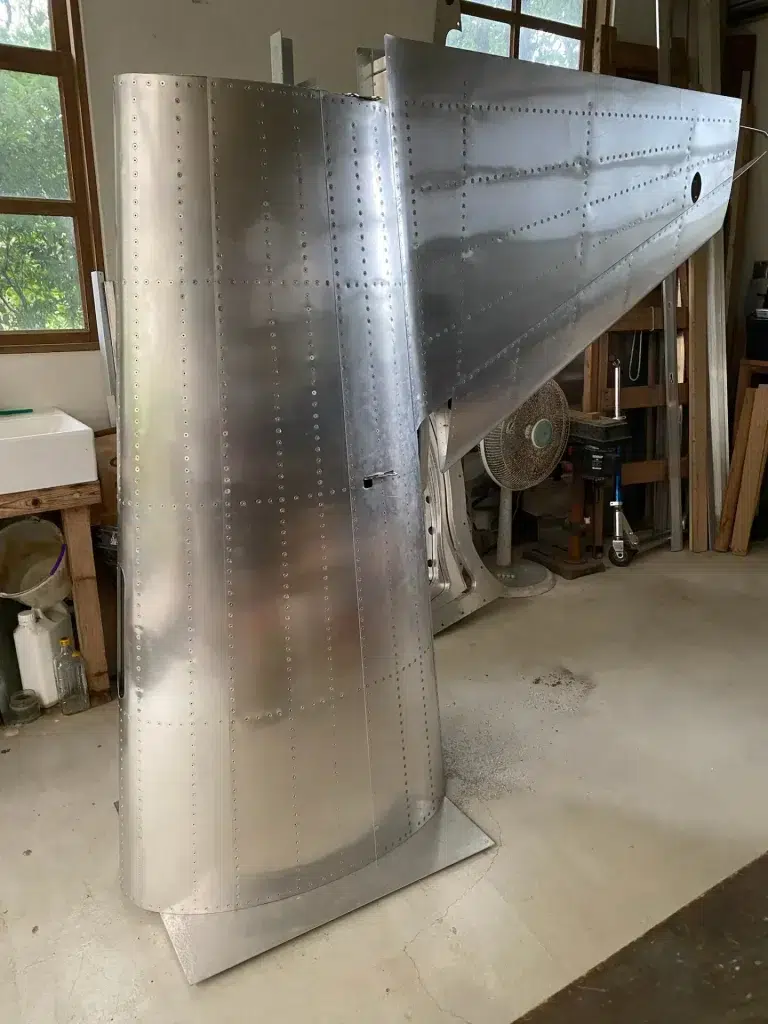
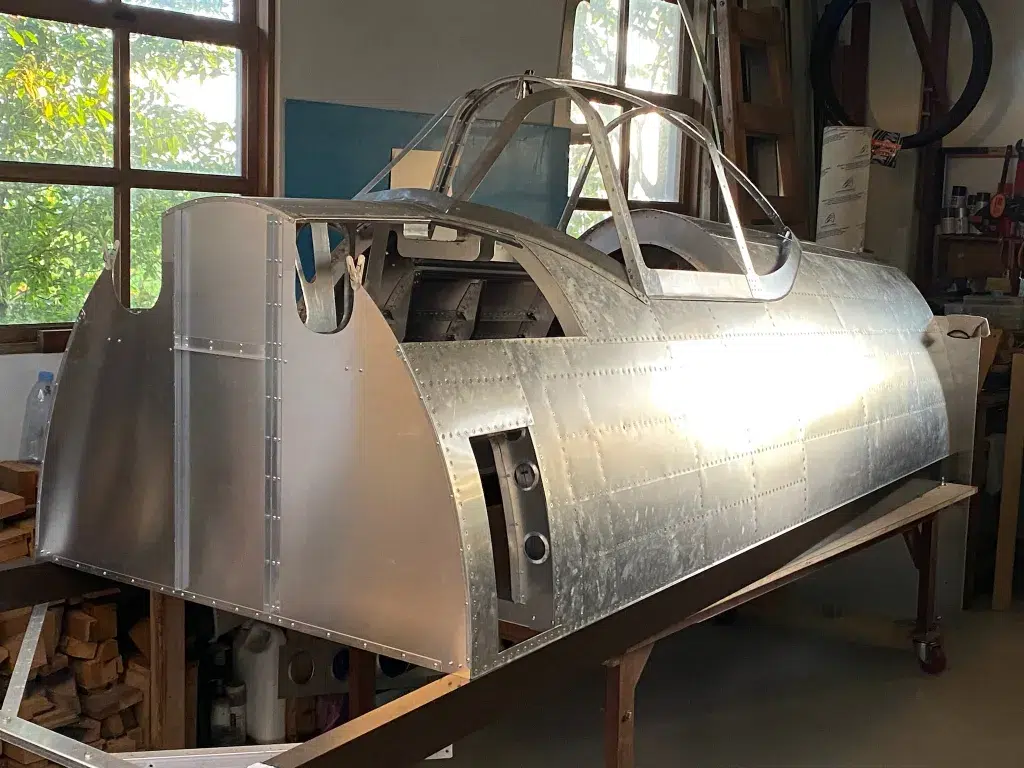
The builder’s own project page on the Flyingbirdhouse guesthouse website documents the work through construction photographs and descriptions. Chen began with the tail section to test fabrication methods before progressing through the rear and forward fuselage. The fuselage is divided into three sections for storage, and the page identifies the aircraft’s overall length as 8.92 meters. Aluminum alloy is used for both the structure and skin. Among the greatest challenges has been reproducing the fighter’s curved surfaces. While relatively flat panels are easier to fabricate, areas with compound curvature require careful shaping. Chen uses a rubber mallet and leather sandbag to work the metal, followed by an English wheel to refine the contours. His construction account singles out the curved area near the wing attachment as particularly demanding.
(Image credit: Flyingbirdhouse)
Liberty Times reported that even a small mistake during shaping could force Chen to discard a panel and begin again. The same attention extends to the placement of overlapping skin panels, which he has arranged to follow the construction logic of the original aircraft. The replica also incorporates cockpit details that go beyond its external appearance. According to the newspaper, Chen has fabricated sliding canopy rails and an adjustable seat, along with a concealed boarding step inspired by the Japanese Type 4 fighter. His own website describes the sliding rear portion of the canopy and the closely spaced rivets securing the lightweight skin to the underlying structure.
(Image credit: Flyingbirdhouse)
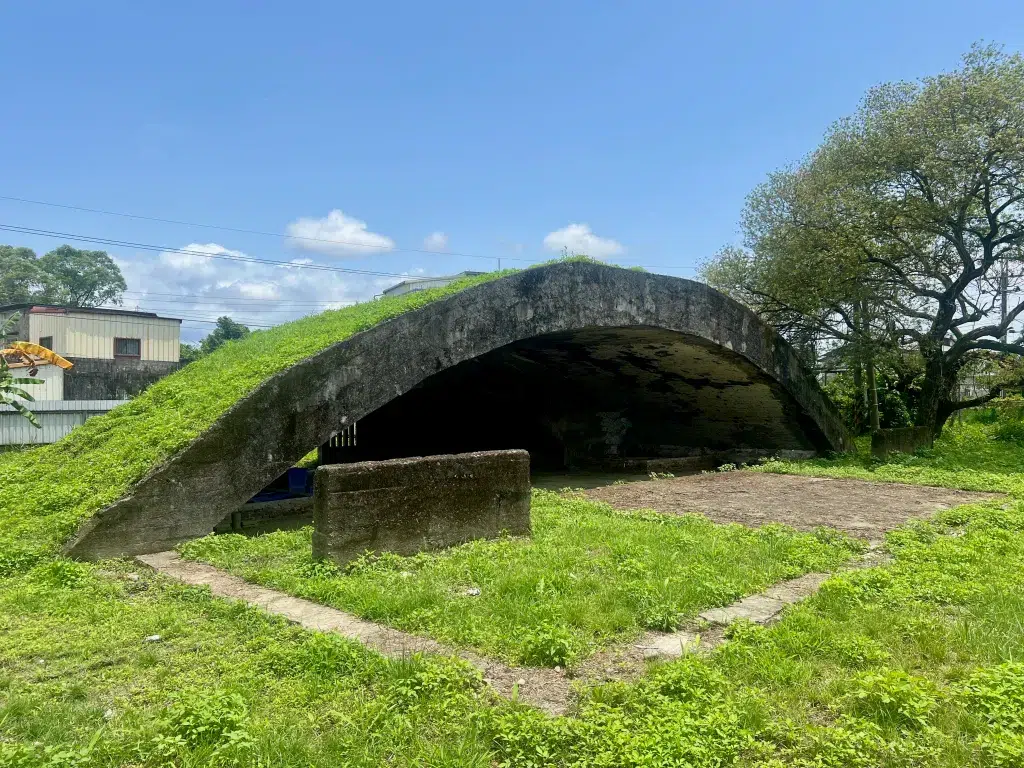
The choice of the Hayabusa reflects Chen’s interest in local aviation history. In his account of the project’s historical inspiration, he explains that aircraft associated with Yilan’s wartime airfields would be appropriate subjects for displays inside the surviving shelters. He identifies the Type 1 fighter operated by the 24th Sentai at Yilan’s southern airfield as one such aircraft. That historical connection helped give the replica a purpose beyond satisfying his own enthusiasm for warbirds.
(Image credit: Flyingbirdhouse)
For now, the project remains at Flyingbirdhouse, where visitors can encounter the work in progress. An independent guest account published in April 2025 described aircraft-replica construction at the property and included photographs of the replica and the owner’s workshop, documenting the activity a year before the Liberty Times feature appeared. Chen’s stated goal is an exhibition aircraft. The available project documentation does not establish plans to make the replica airworthy; instead, it presents the work as a way to bring the appearance and construction of a historic fighter into a public display setting. Speaking to Liberty Times, Chen expressed his hope that visitors could enter a historic shelter and encounter a full-scale aircraft, creating a sense of immersion in the site’s past. For a craftsman whose aviation interests began with small plastic models, the aluminum Hayabusa marks a considerable step forward. Its value may ultimately lie in the opportunity it offers visitors to connect Yilan’s surviving wartime structures with the aircraft—and the history—they were built to shelter. More information and construction photographs are available on Flyingbirdhouse’s Ki-43 project page.
(Image credit: Flyingbirdhouse)









Who cares about old military propeller planes? Time is now ultra sonic stealth planes
They are already there, can’t you see them?
Nothing from the F-16/F-18 technology forward will ever be seen in private hands at public air shows.