







By Randy Malmstrom
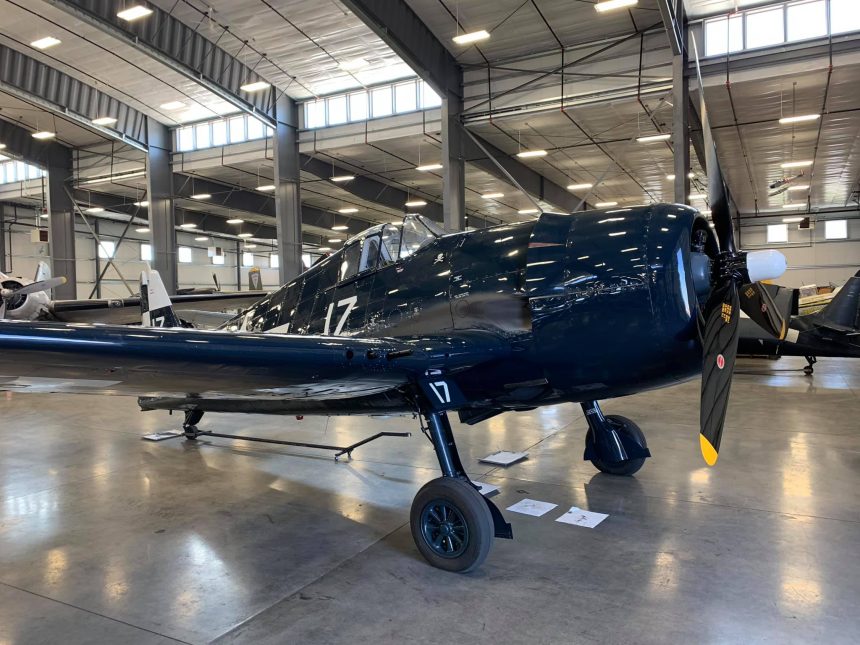
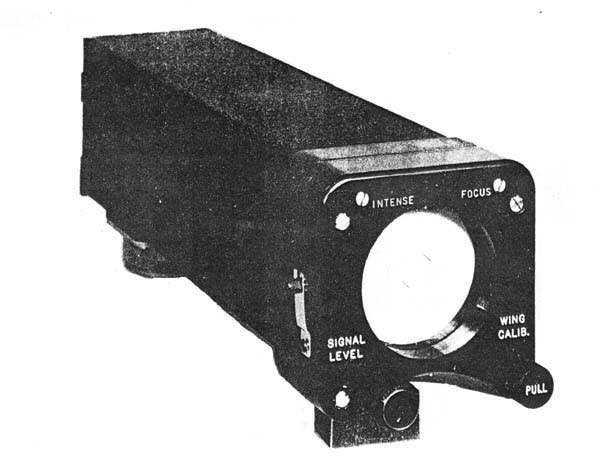
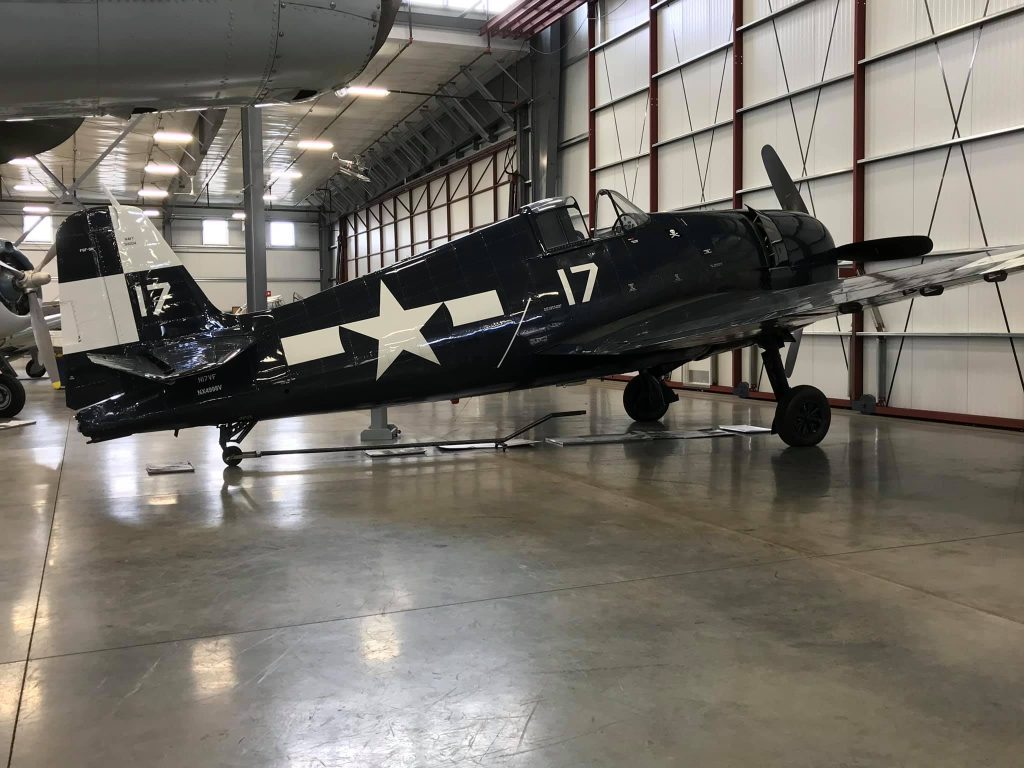
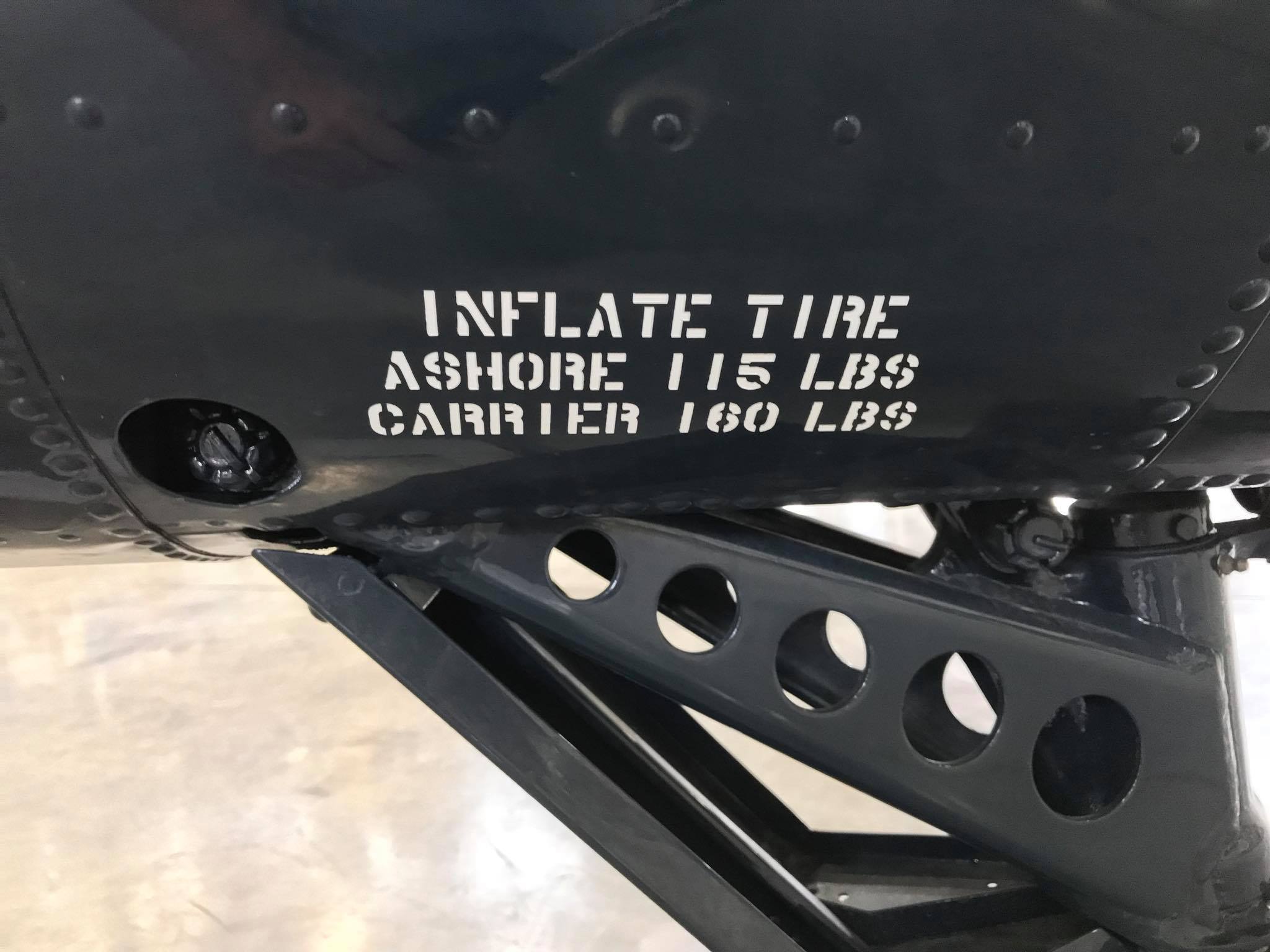
Grumman F6F-5N/5 Hellcat, b/n 94204, Construction No. A-11956, N4998V. This particular aircraft was accepted by the U.S. Navy on July 27, 1945. It never saw combat in WWII but remained in service until the 1950s, when it was declared surplus (I have not found the service records). It was converted to an F6F-5N night fighter with AN/APS-6 radar. In 1986, it was acquired by the Lone Star Flight Museum in Galveston, Texas. It was restored by Steve Picatti of Hayward, California, and certified airworthy in May of 1989. In September 2017, this aircraft was acquired by Jack Erickson’s F6F Hellcat LLC and became part of the Erickson Aircraft Collection in Madras, Oregon. Here are my photos of the Hellcat.
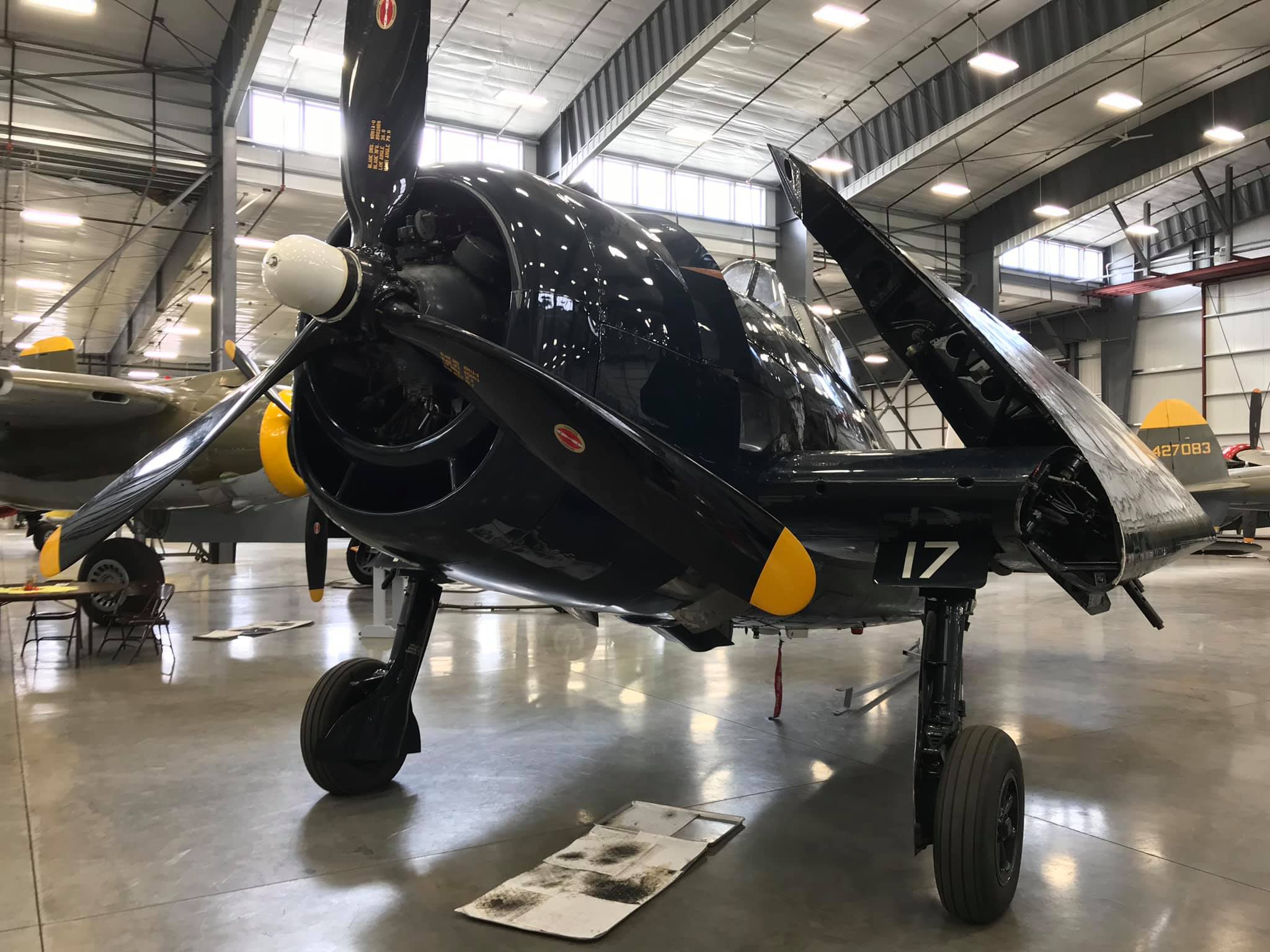
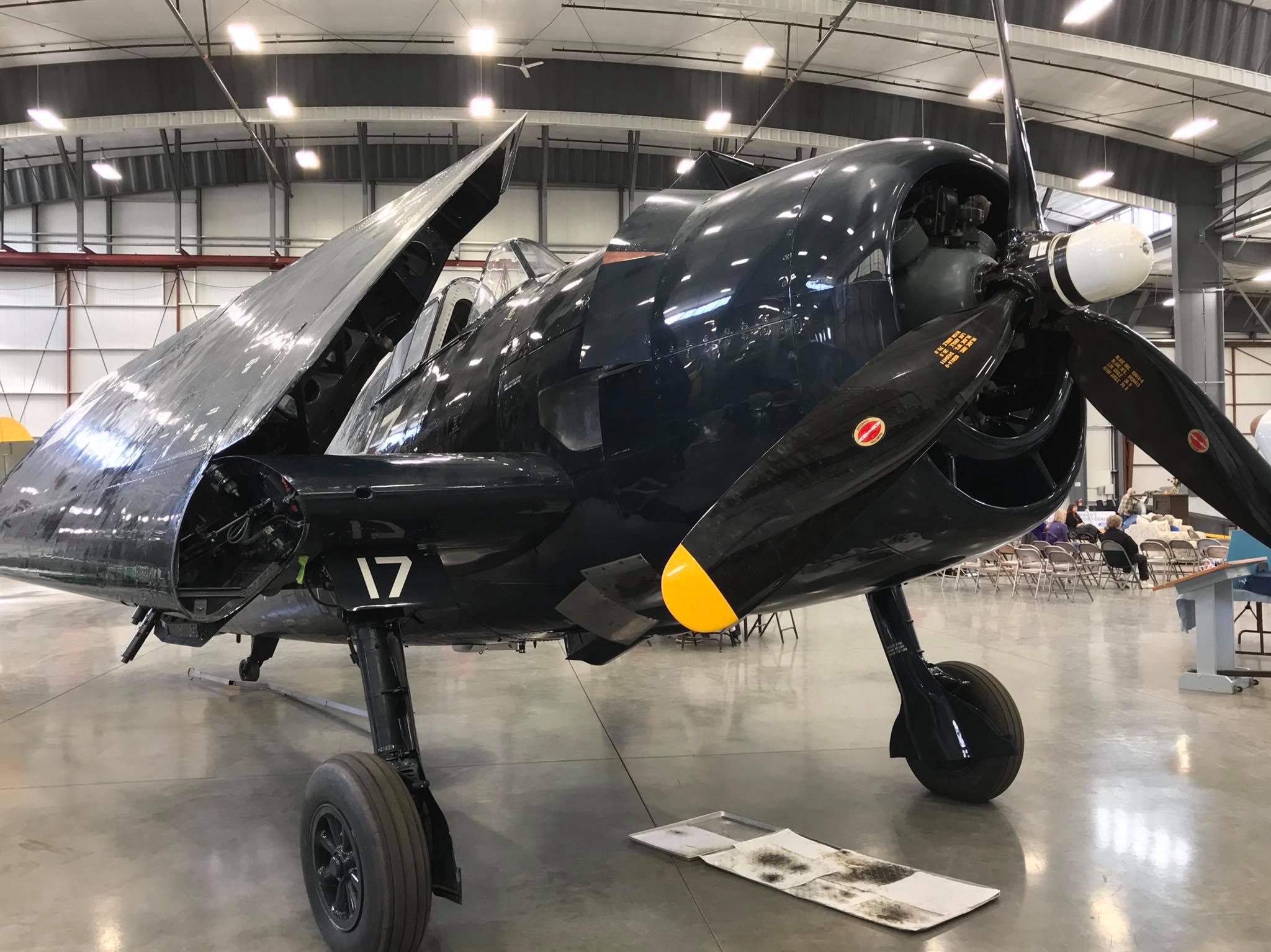
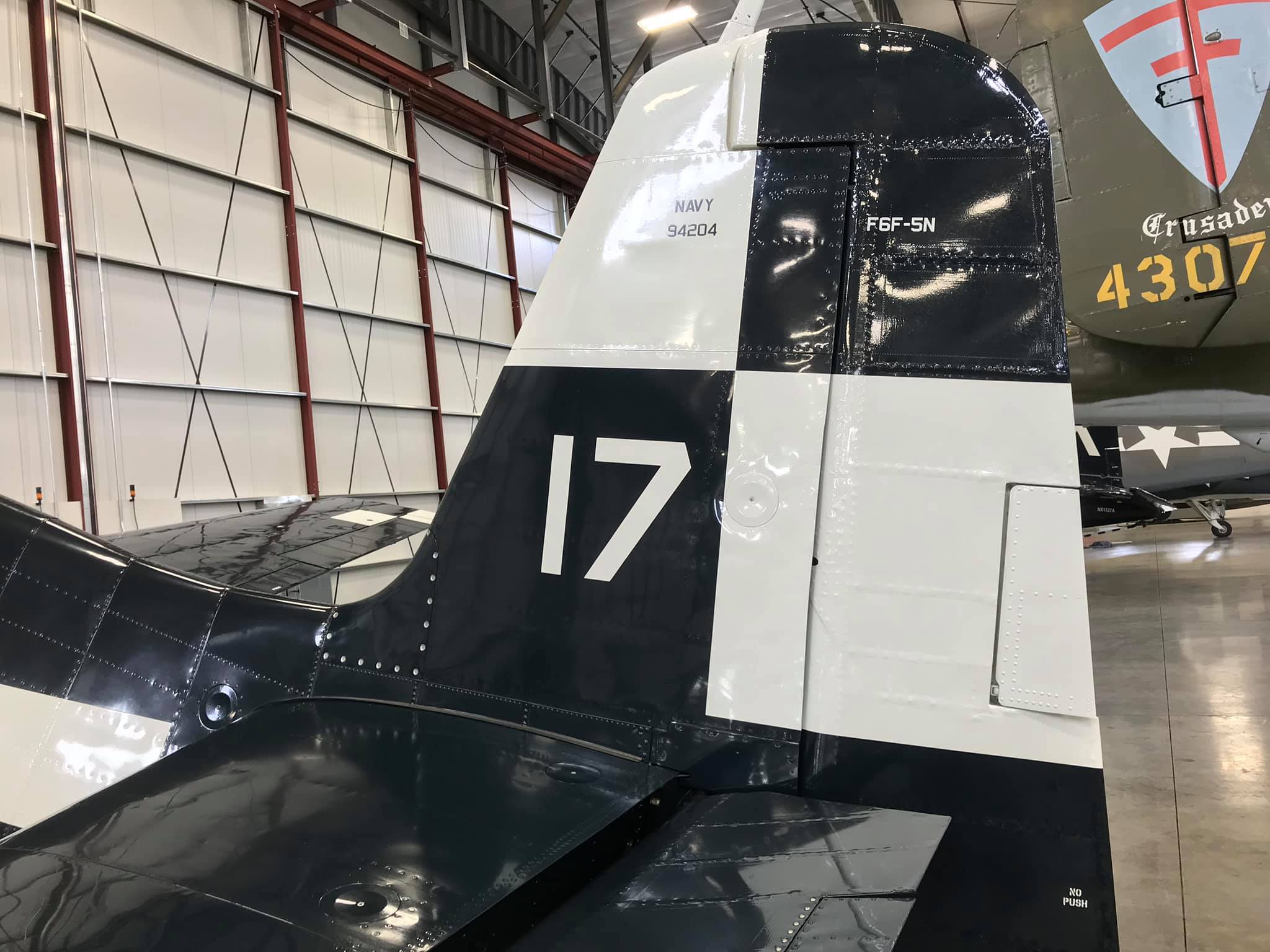
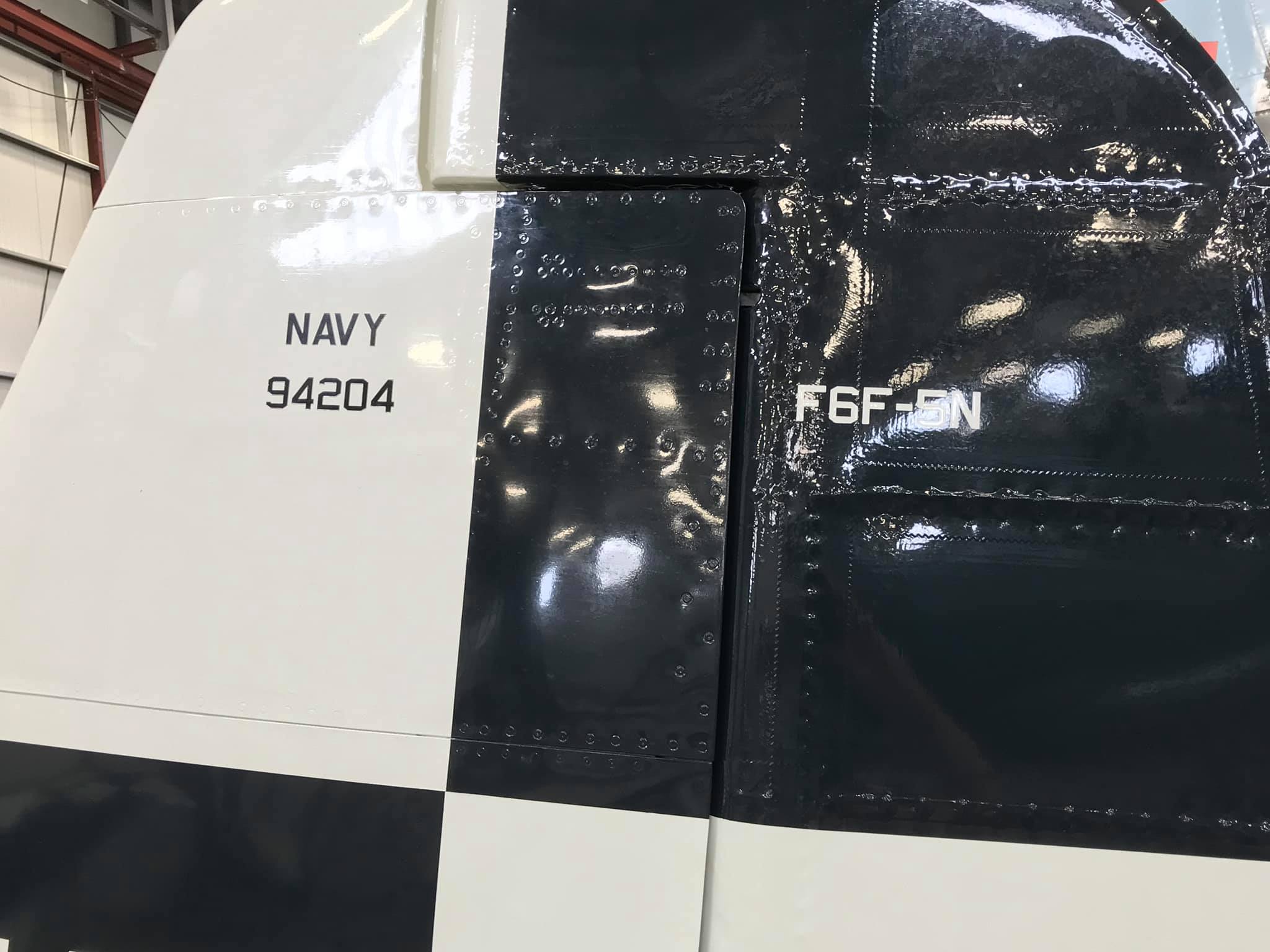
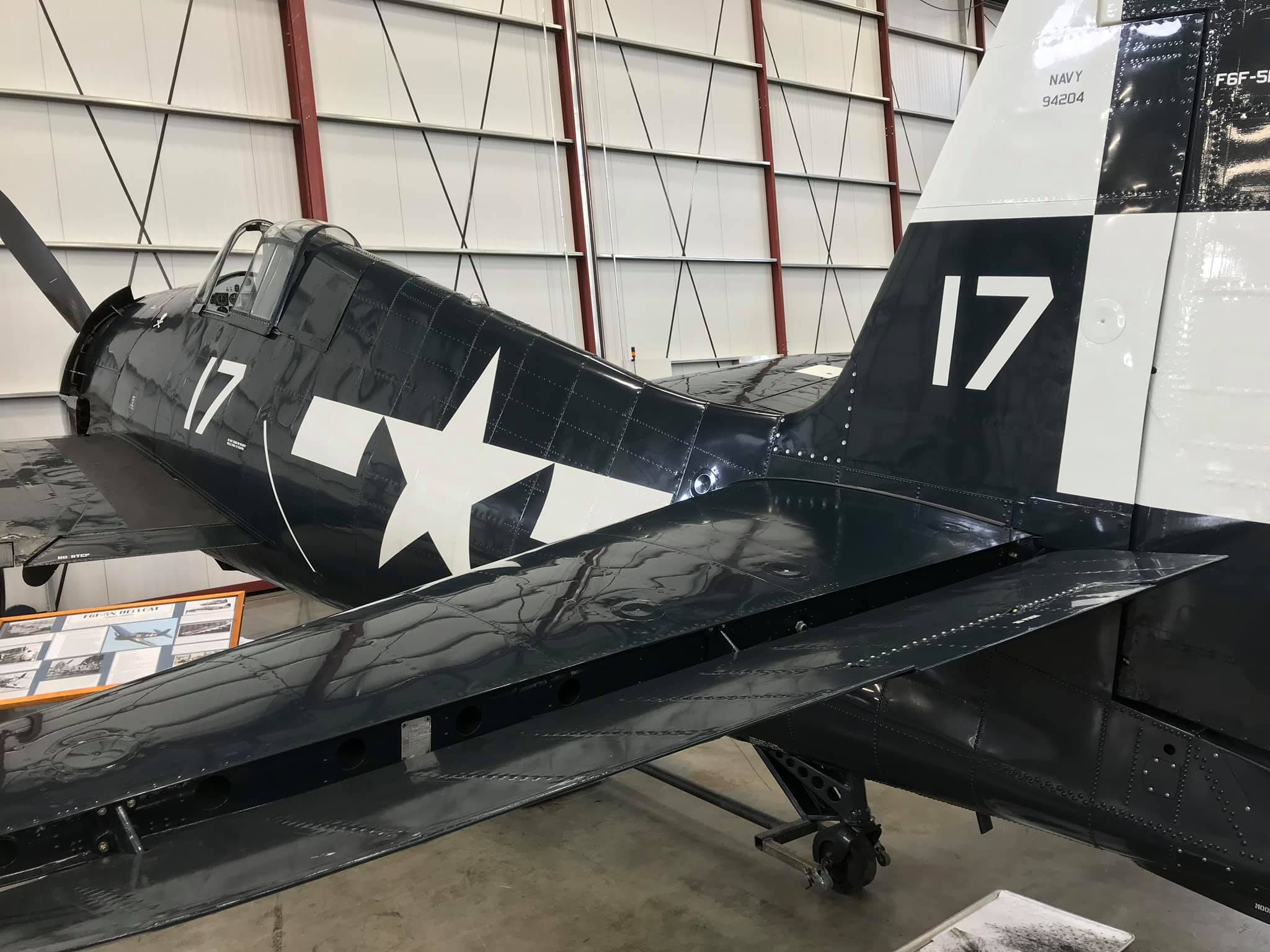
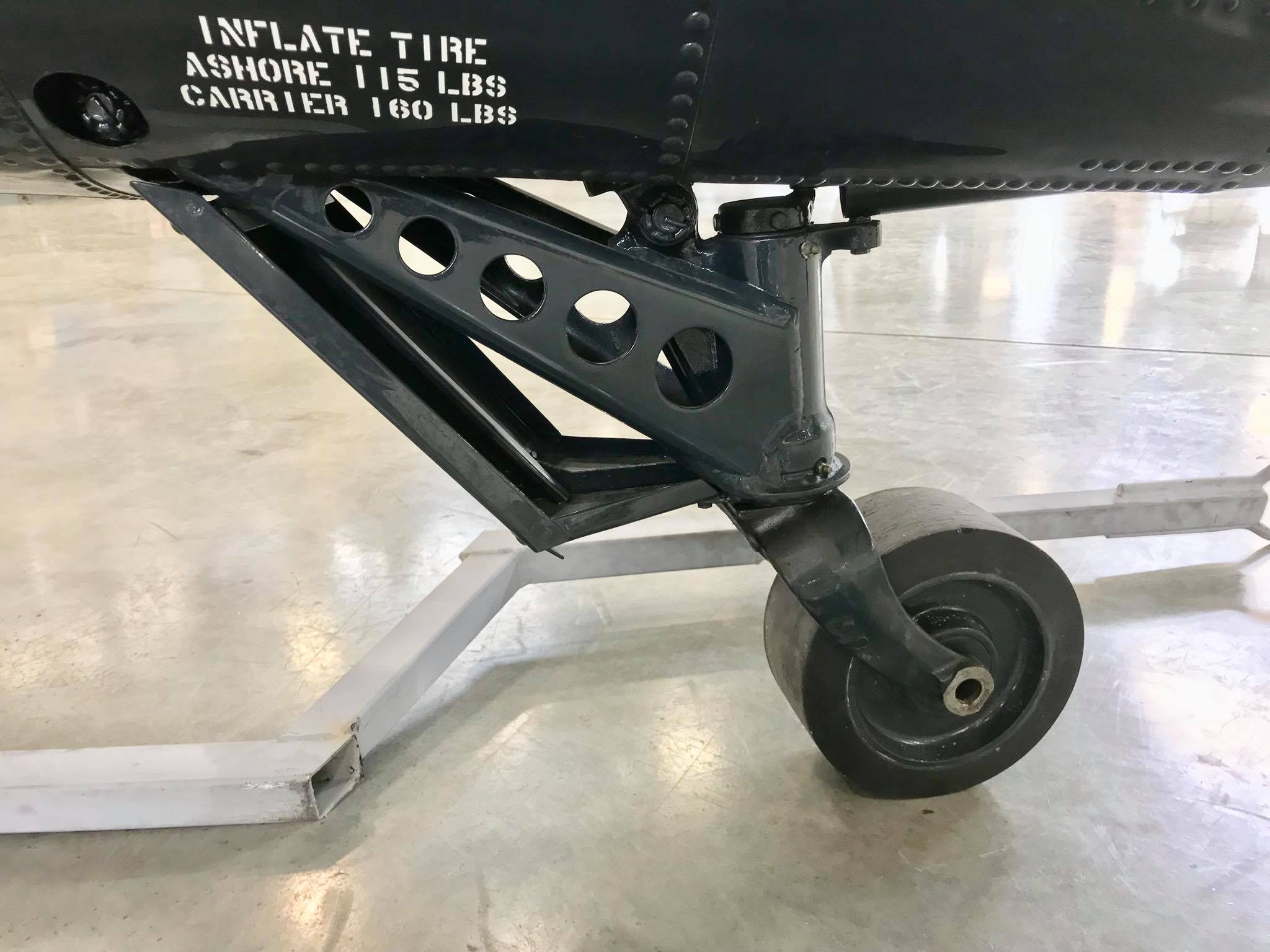
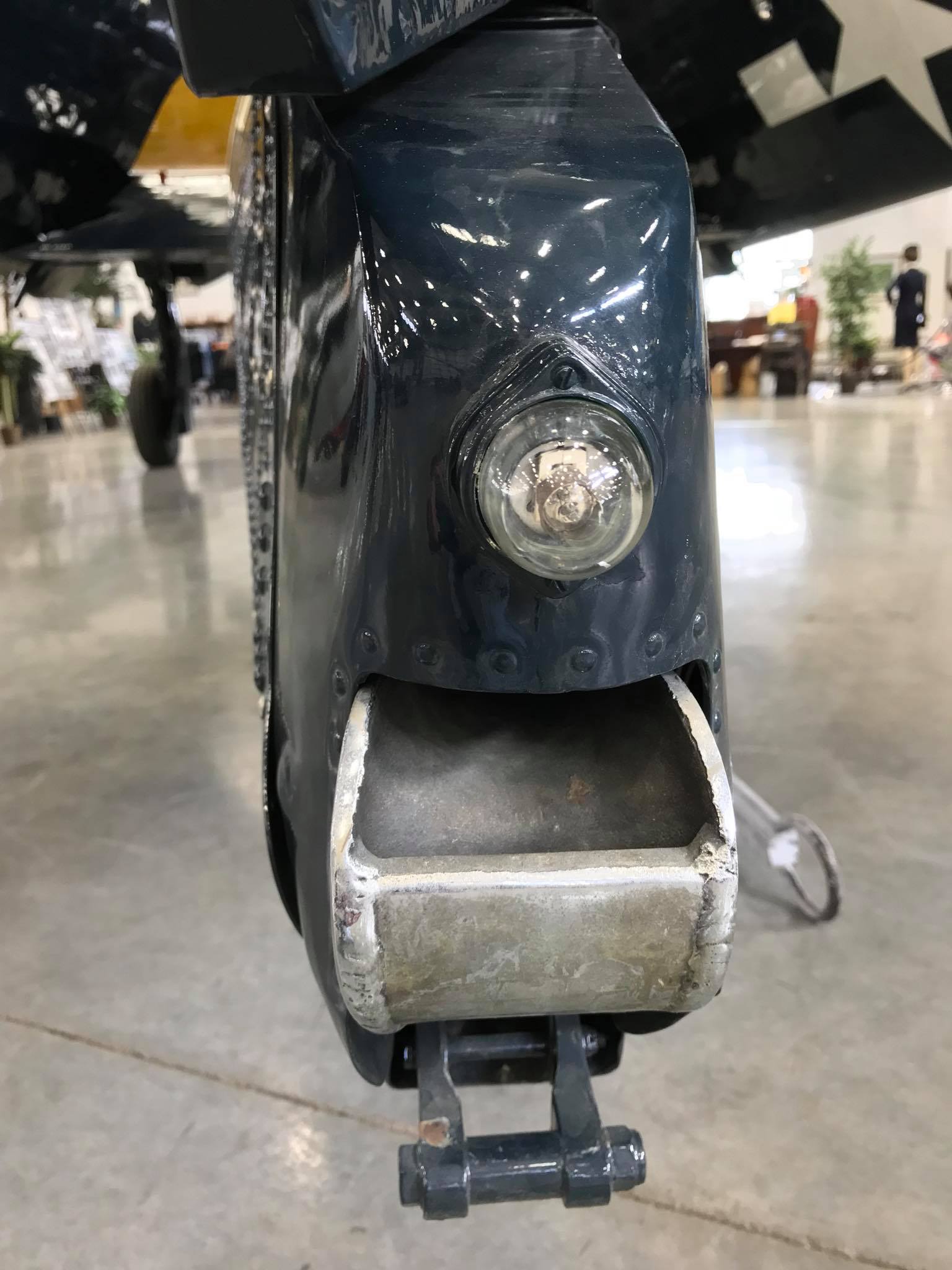
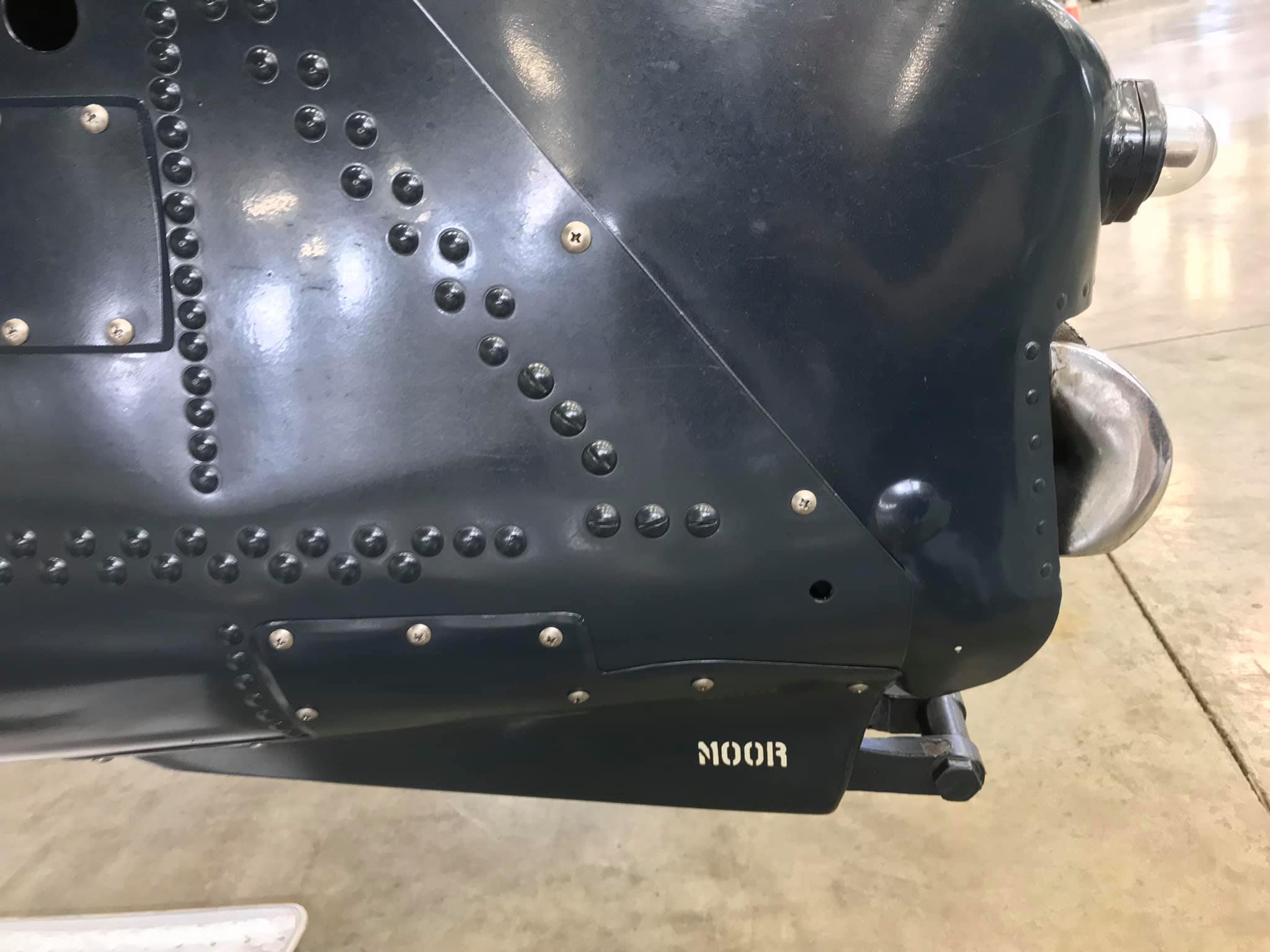
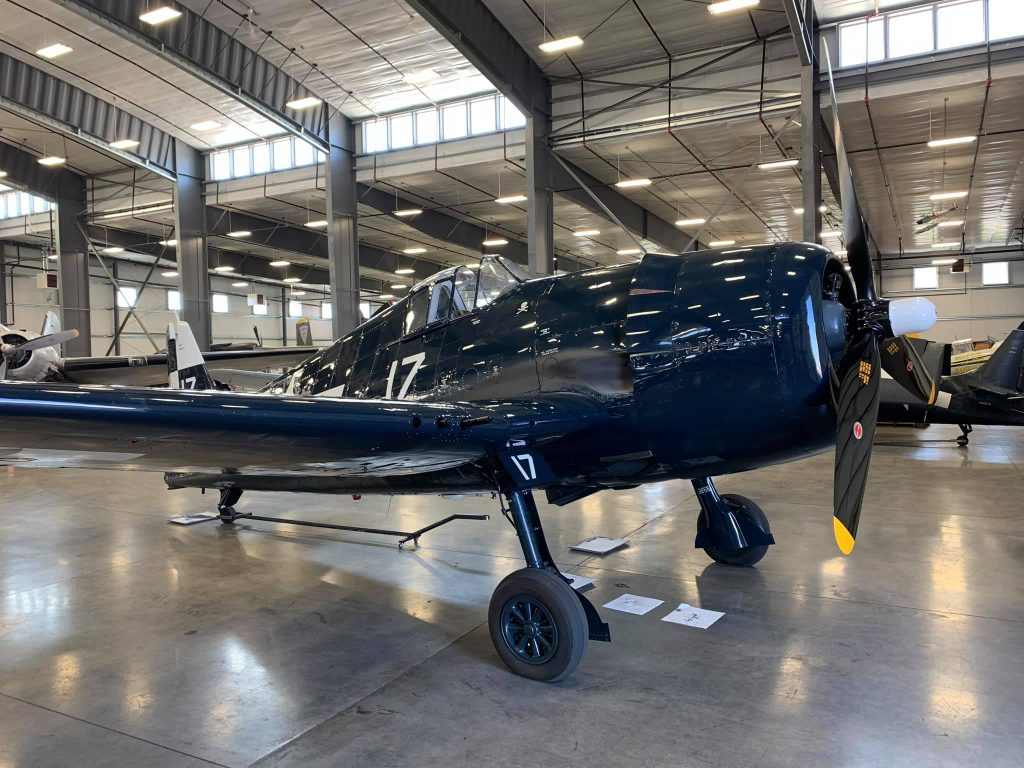
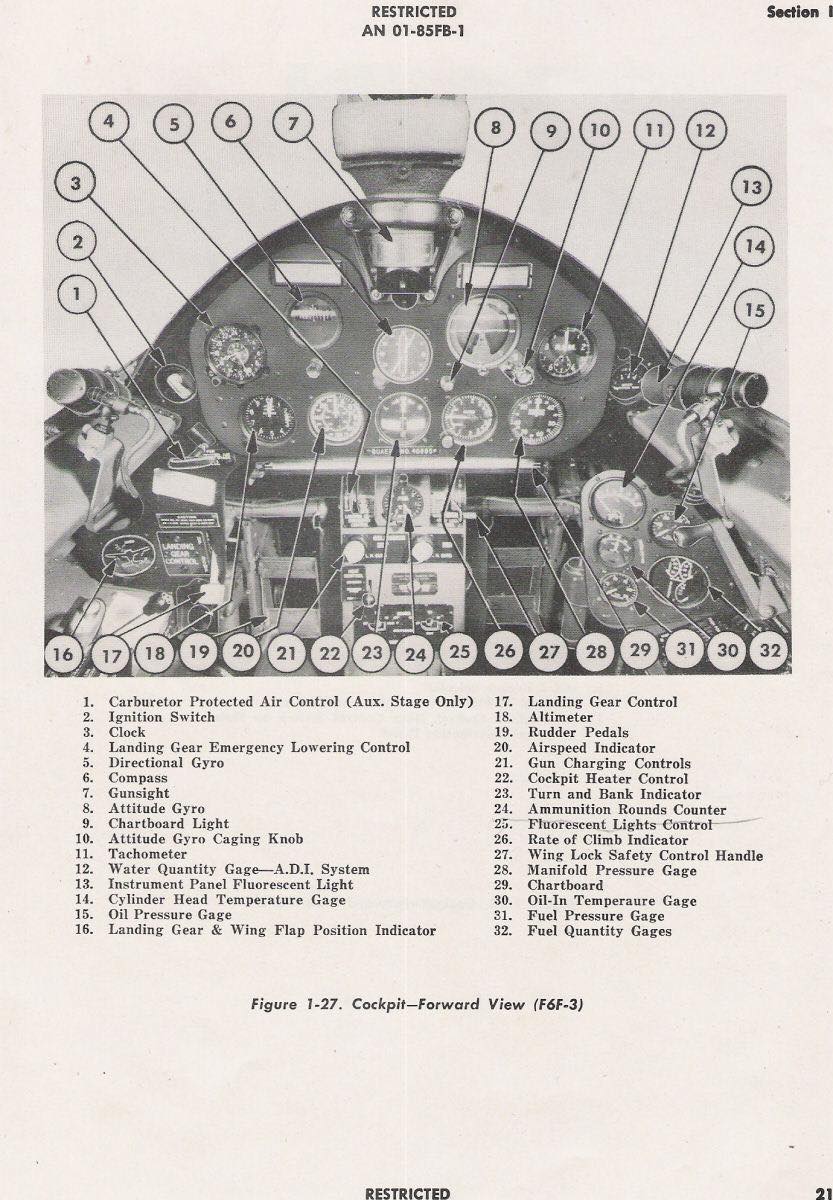
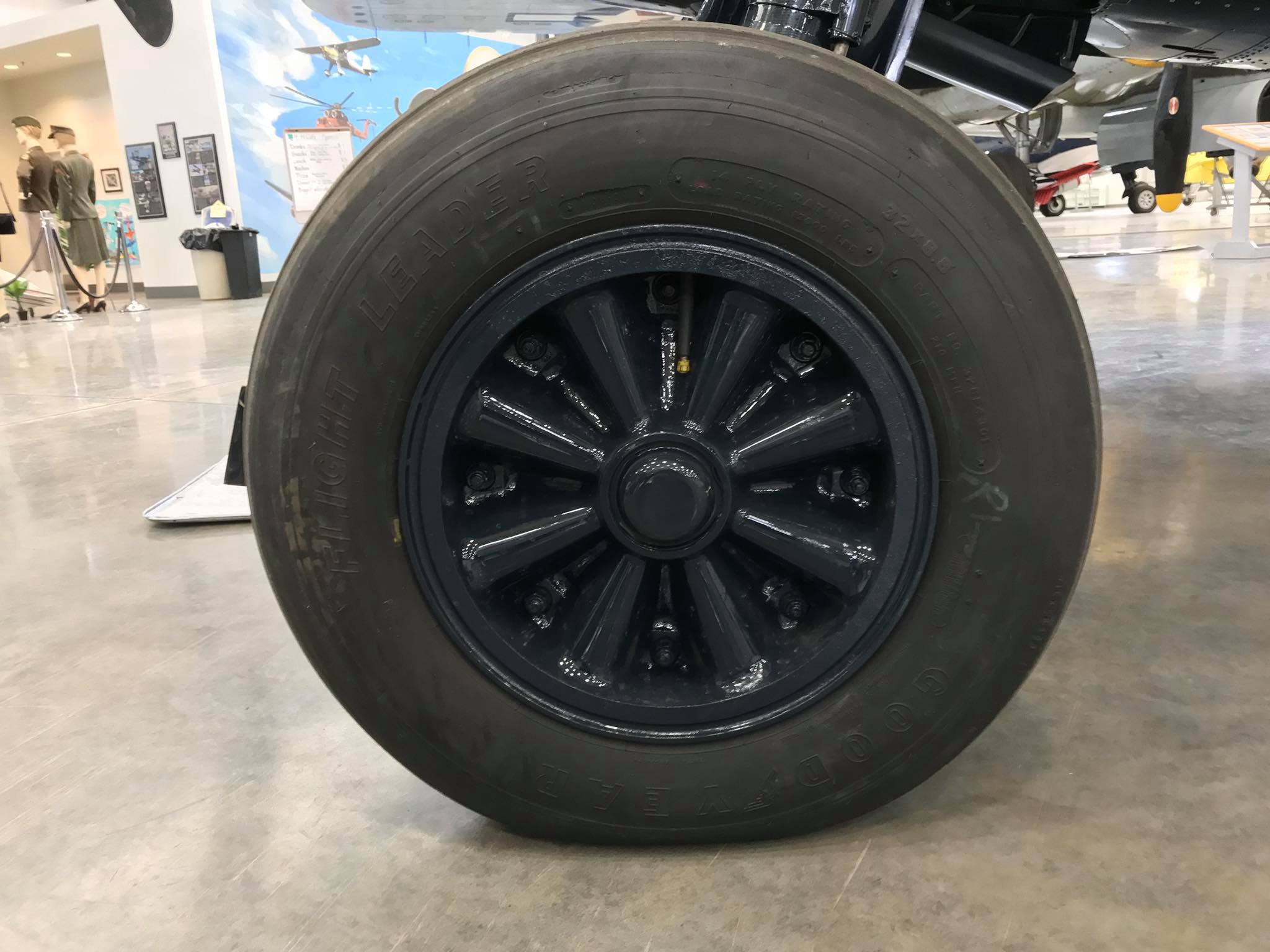
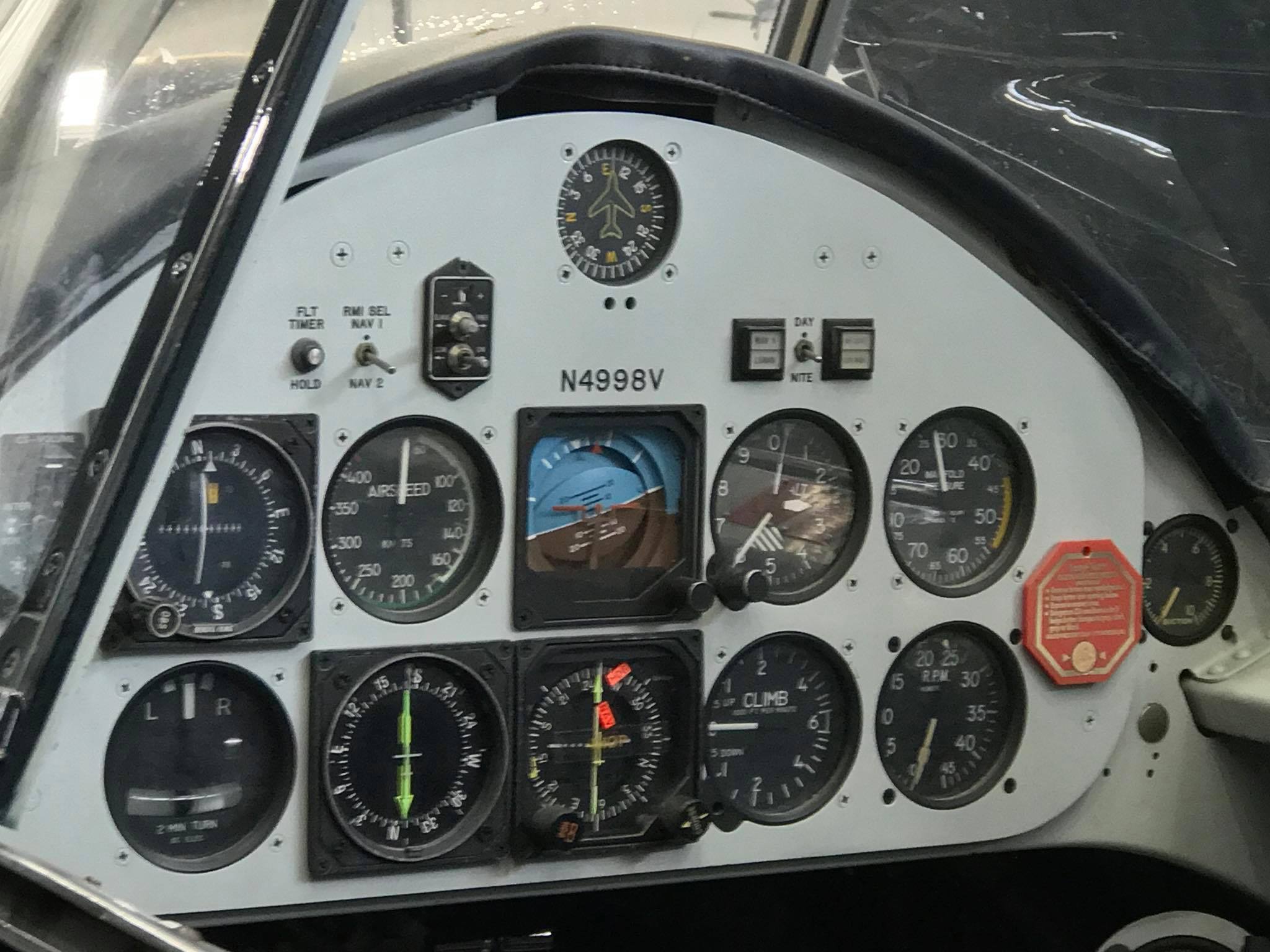
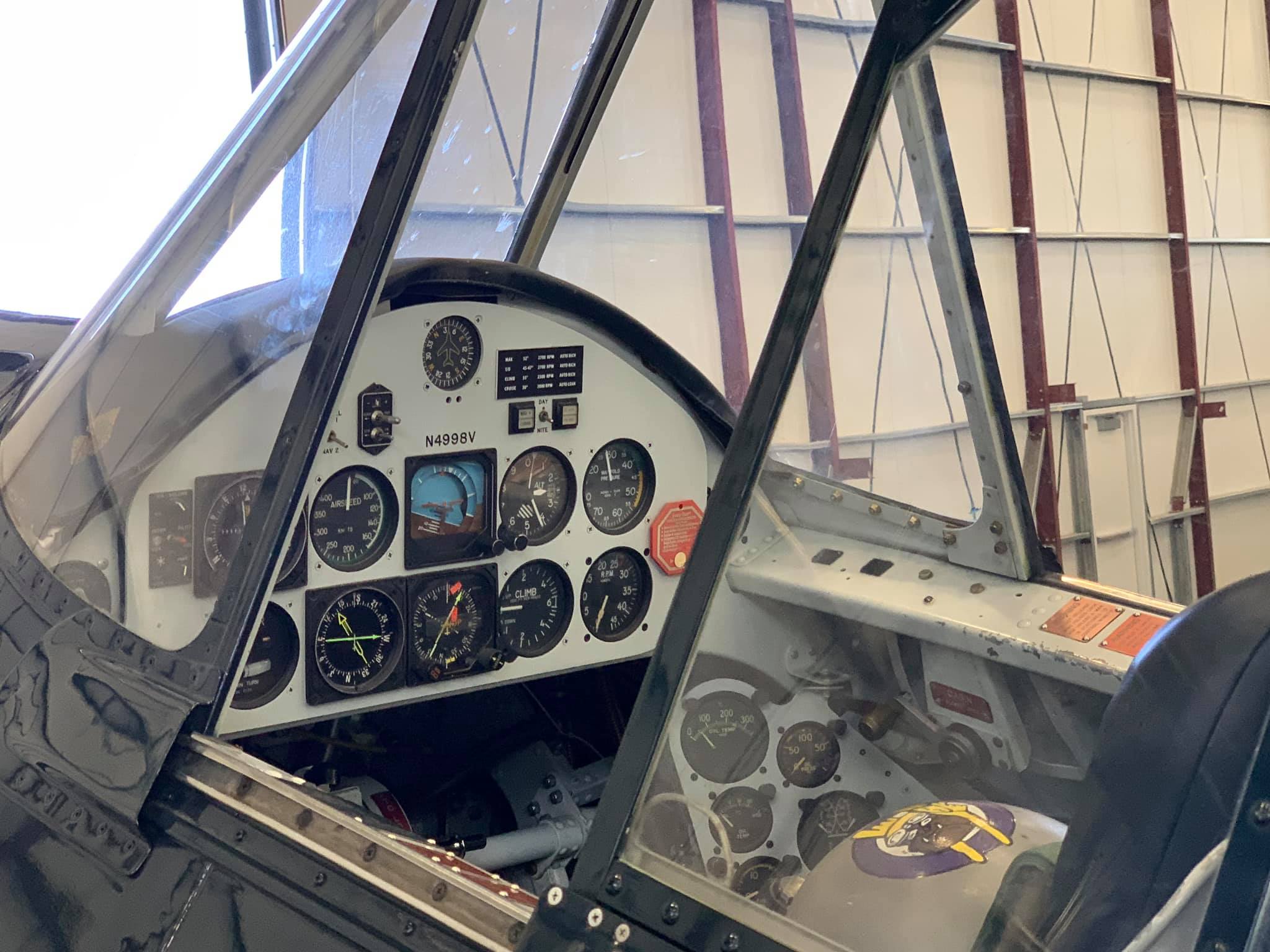
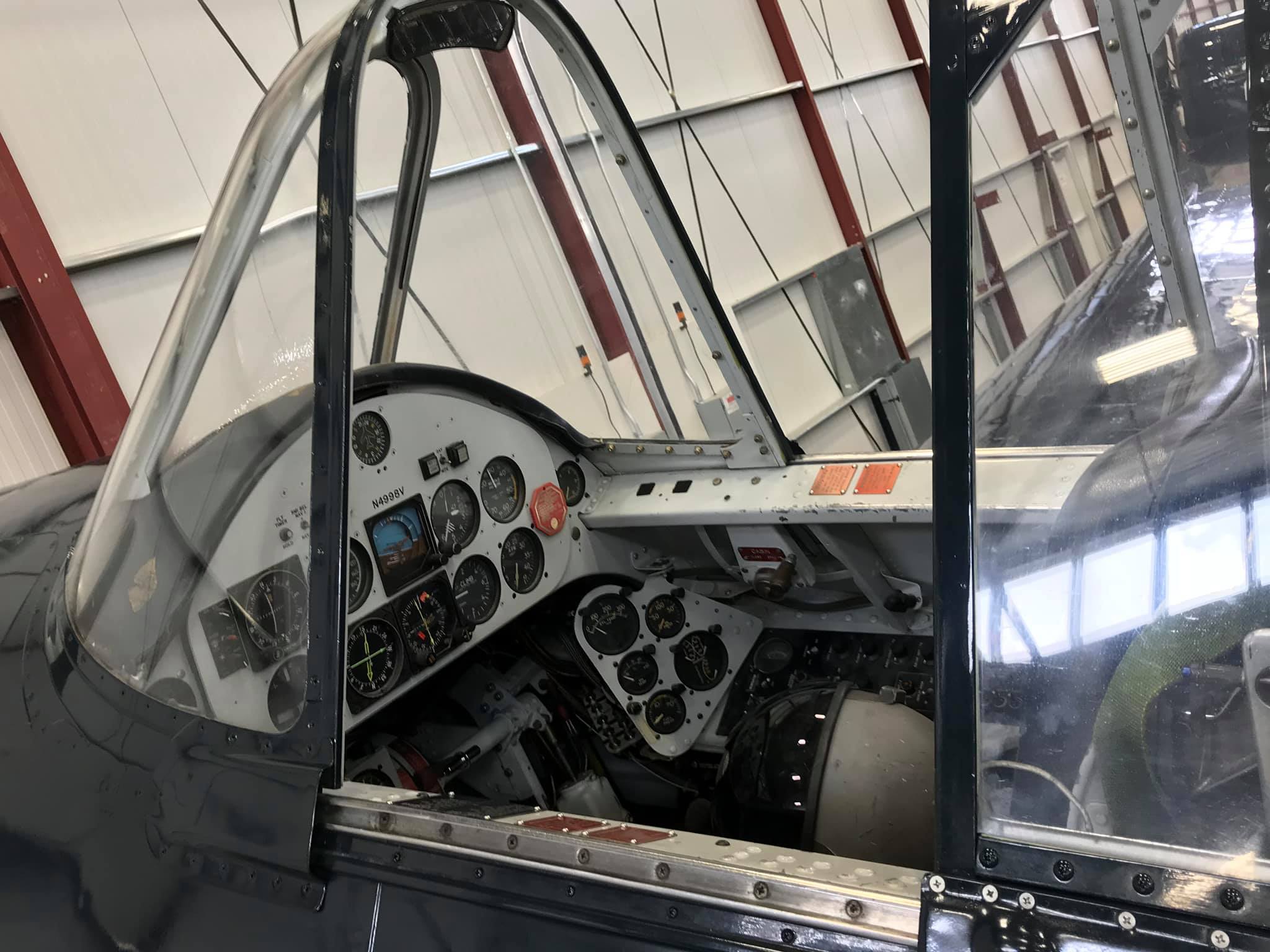
It is painted in the markings similar to those of Hellcats of Fighting Squadron 17 (VF-17), the “Jolly Rogers” after the original squadron of Corsairs was broken up and a new “Jolly Rogers” squadron of Hellcats was assigned to the USS Hornet (CV-12) by Texas natives LTJG Tilman Ellison “Tilly” Pool (6 victories and one probable and one damaged and decorated with the Distinguished Flying Cross with 3 Gold Stars, and the Air Medal with 4 Gold Stars) and LTJG Charles Edward “Billy” Watts (Watts was initially assigned to VF-18 aboard the USS Bunker Hill [CV-17] before being transferred to CV-12 and had 8.75 confirmed victories including 2 Georges, 1.25 Bettys, 1.5 Vals, 1 Dave, 1 Zeke, 1 Jake and 1 Frances, and was decorated with the Navy Cross, Distinguished Flying Cross with two Gold Stars, Purple Heart, and the Air Medal with seven Gold Stars). As you can see, it has a solid rather than pneumatic tail wheel (since it operates on pavement land airfields). Armament varied in the F6F-5, and in this case, it is not fitted with a 20 mm cannon in each wing nor wing hardpoints. It seems clear that the instrument panel is not that of an F6F-5 aircraft.
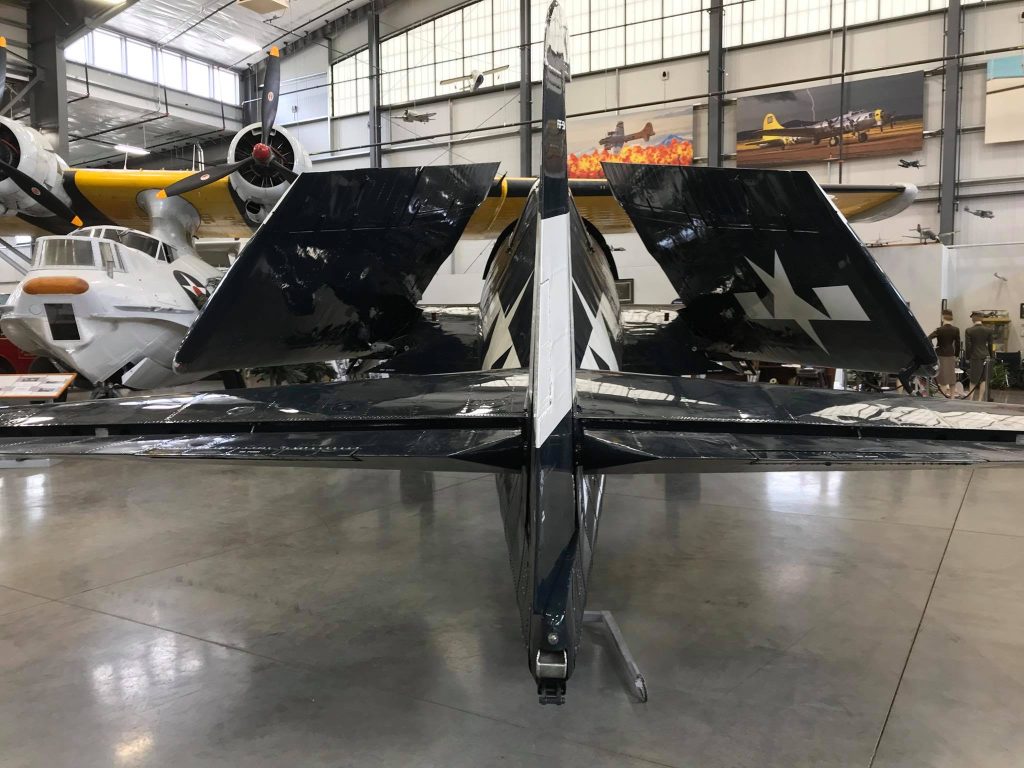
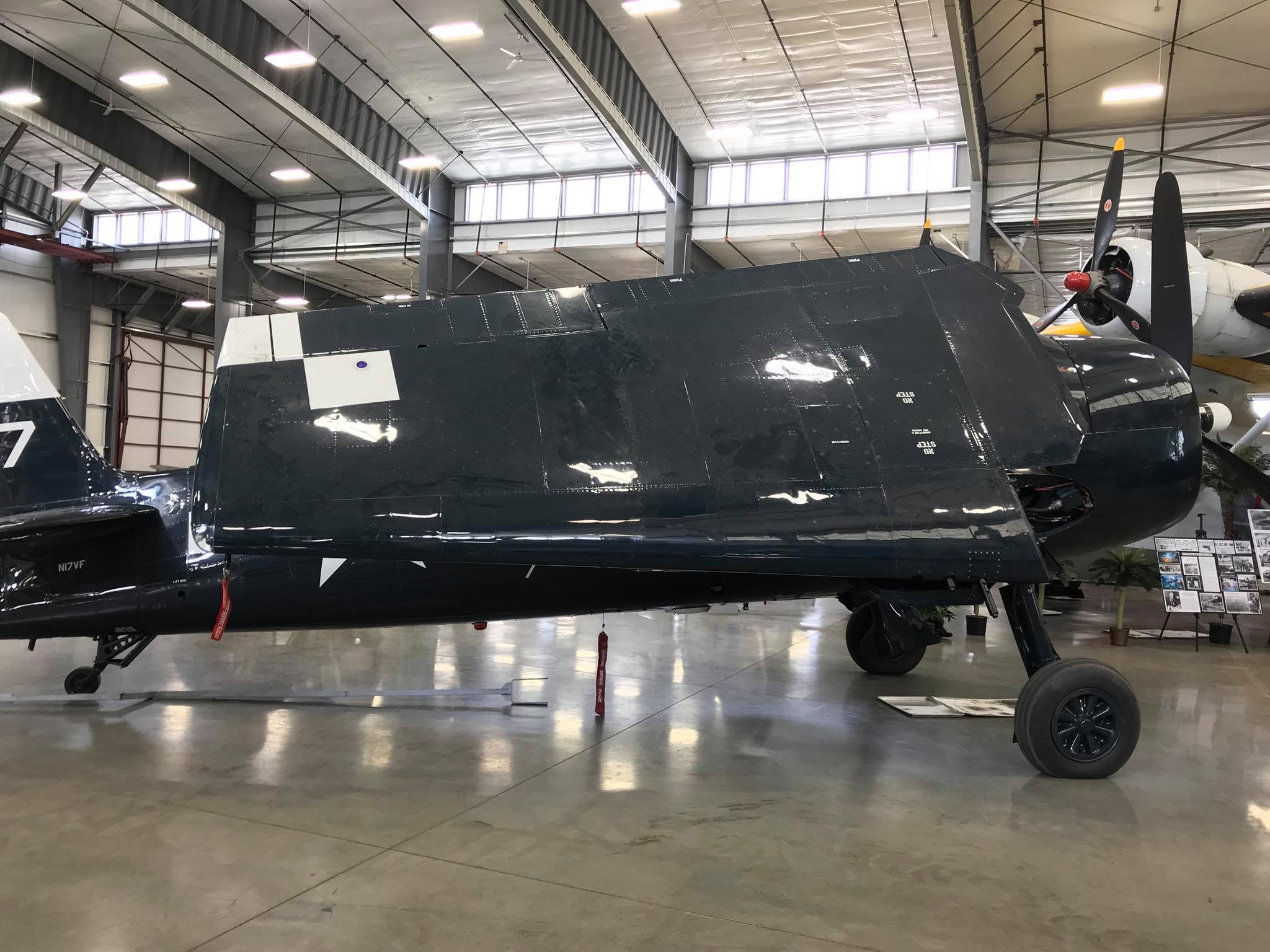
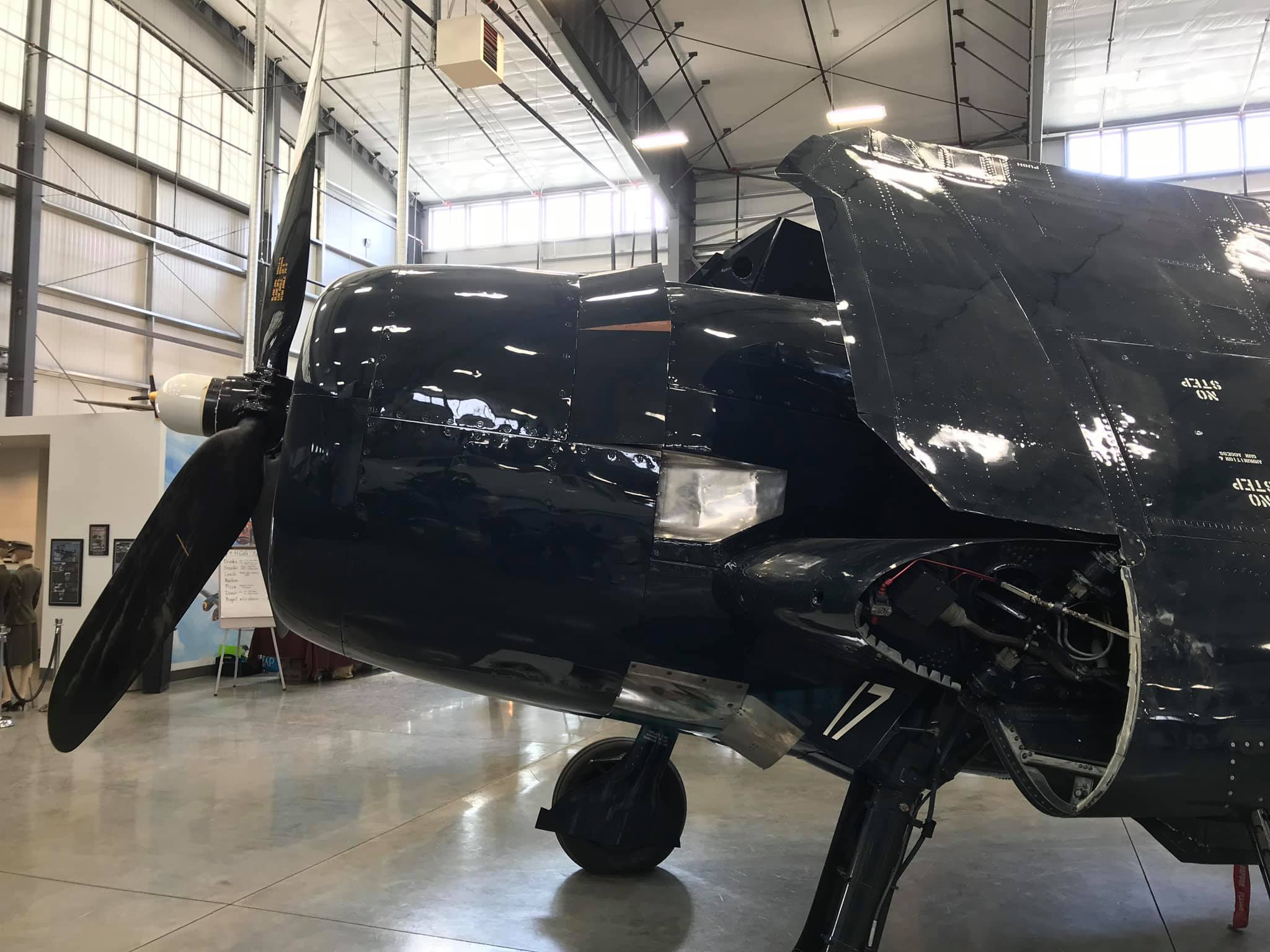
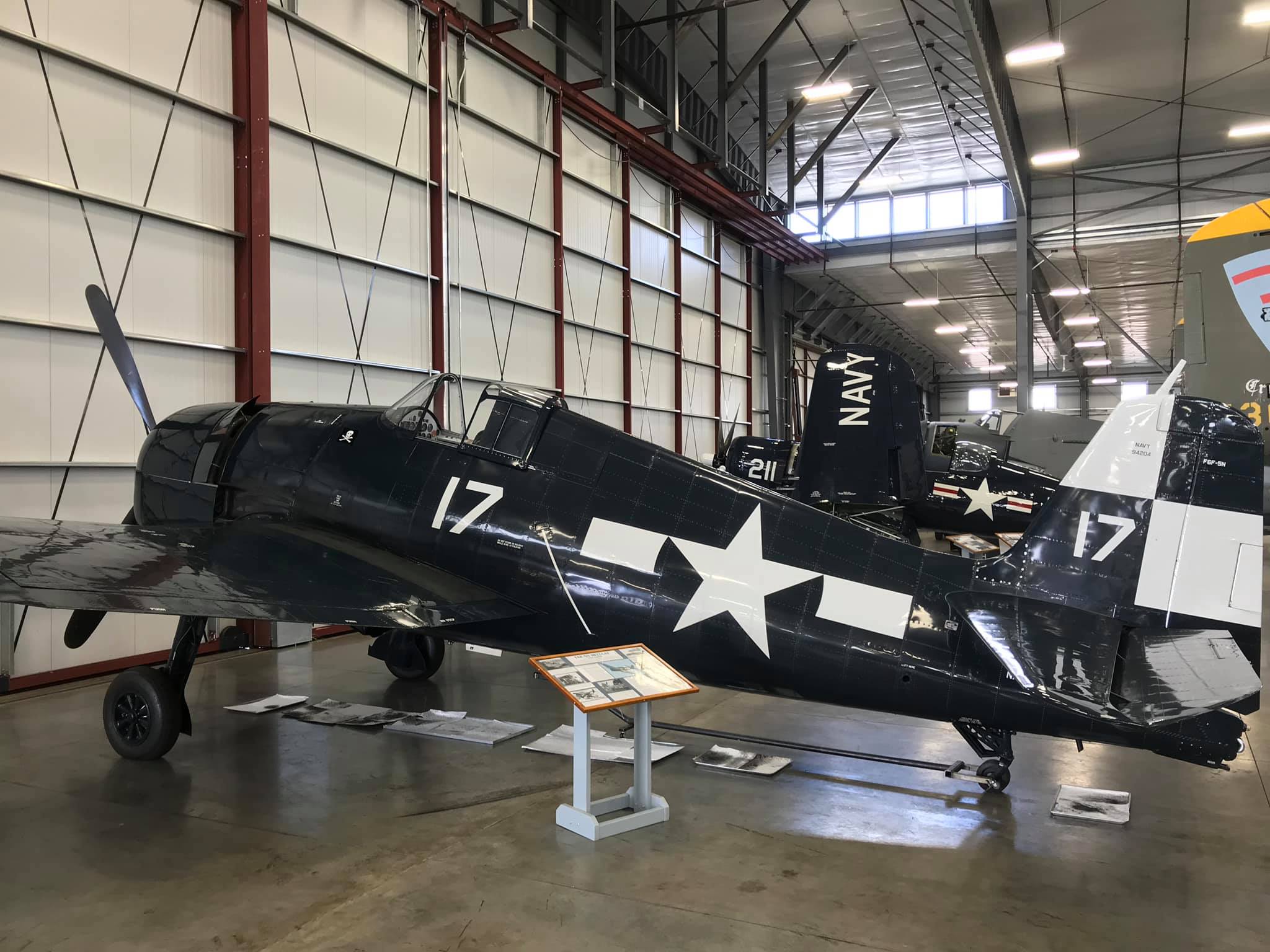
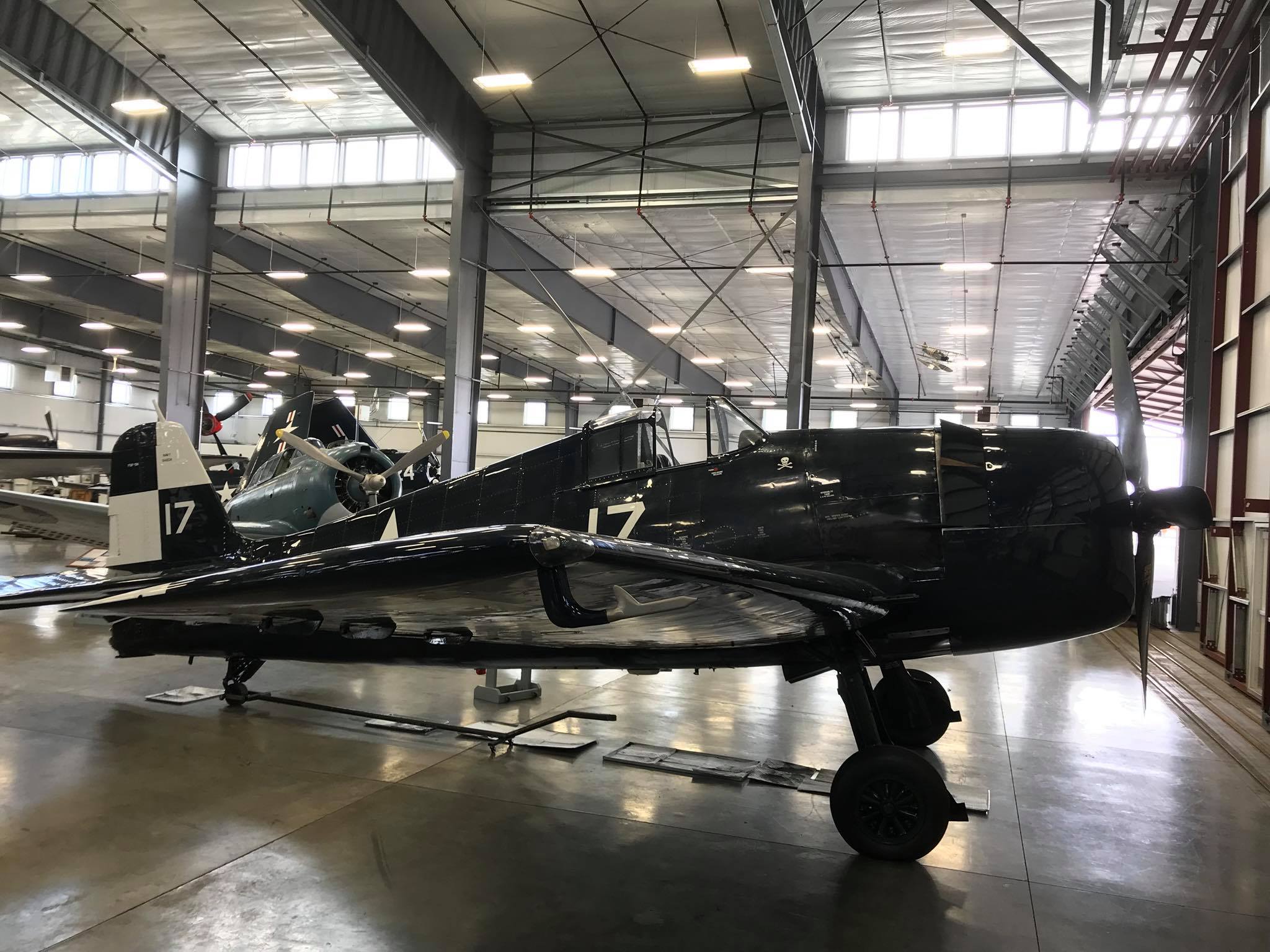
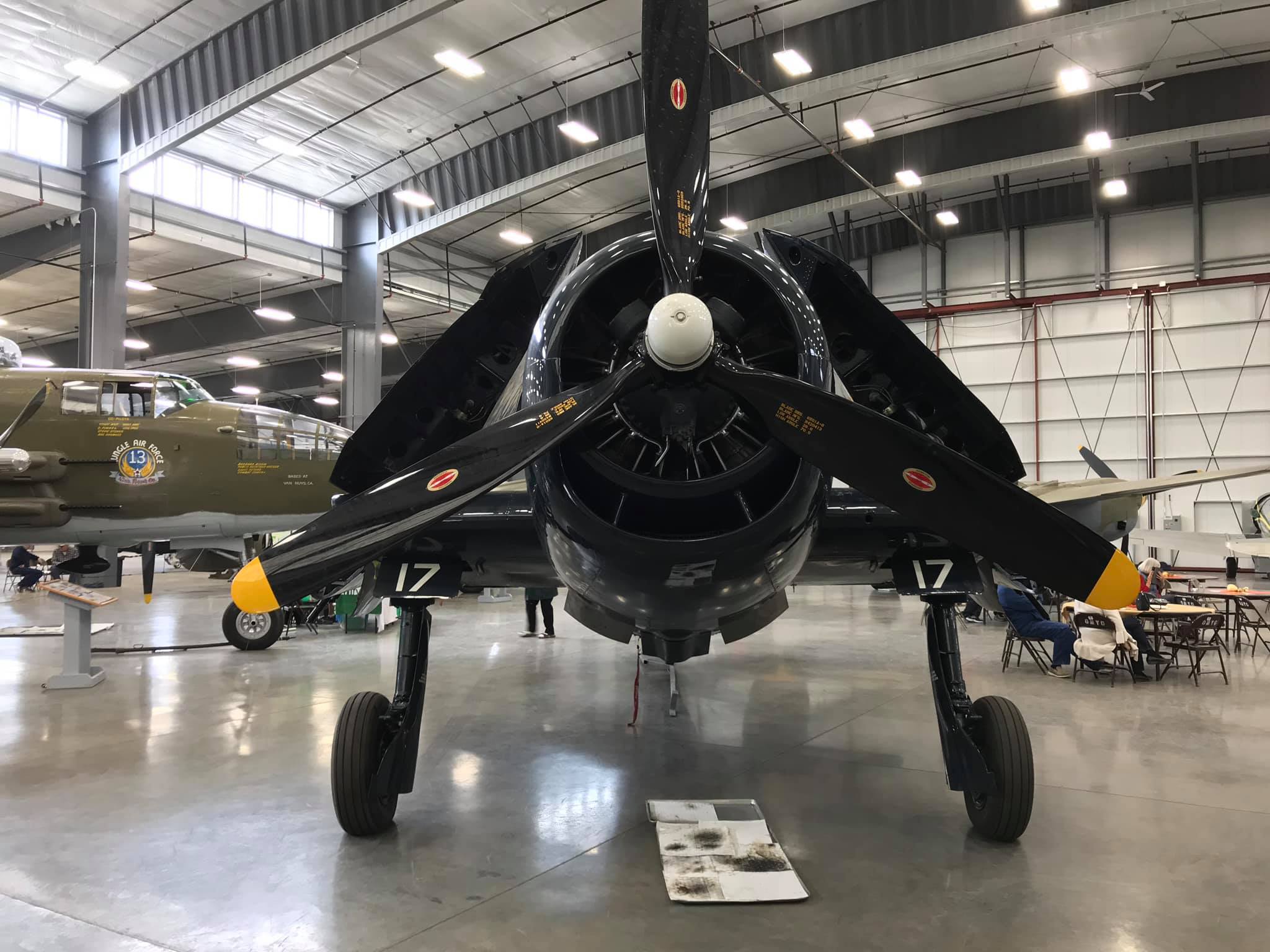
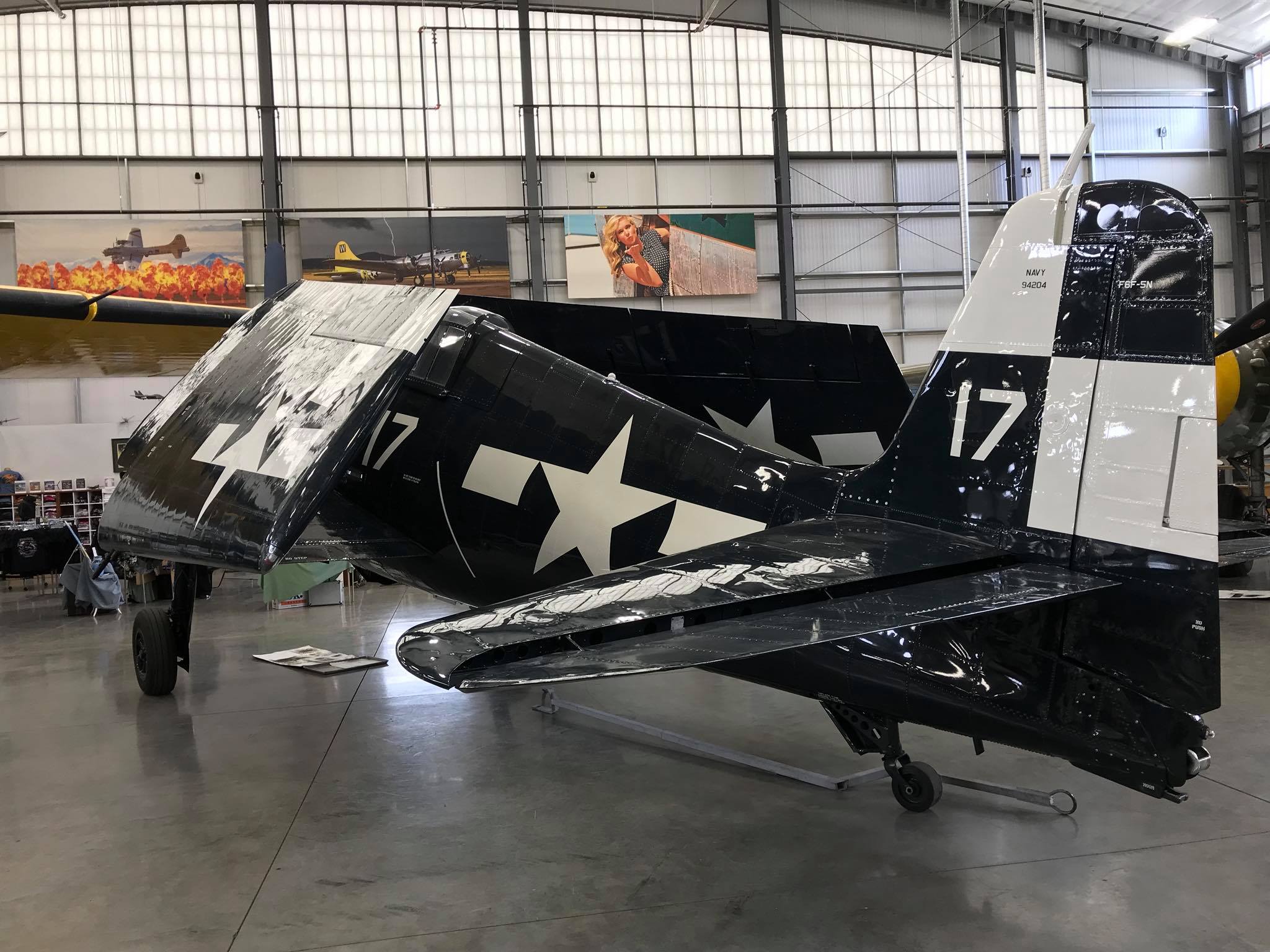
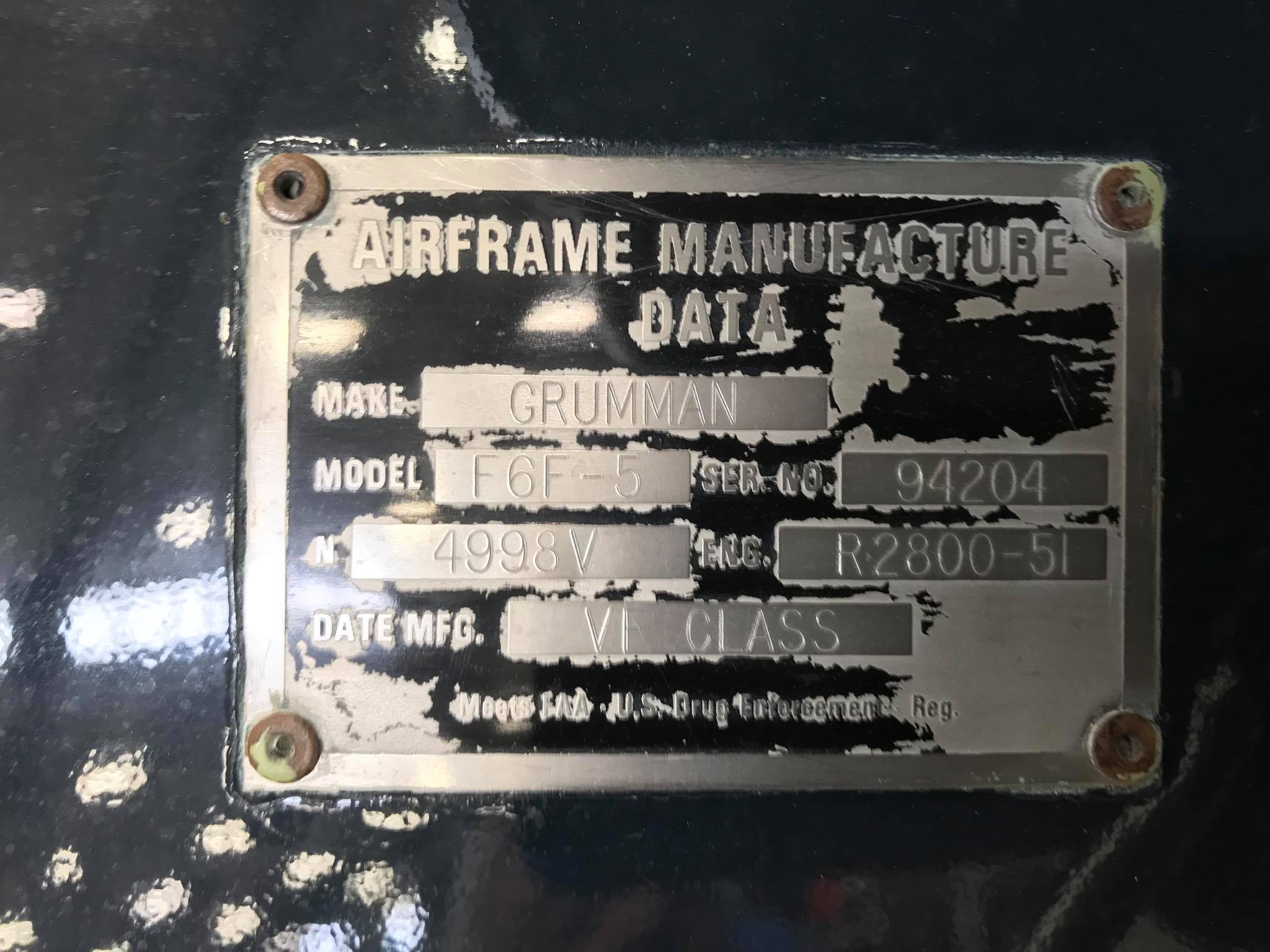
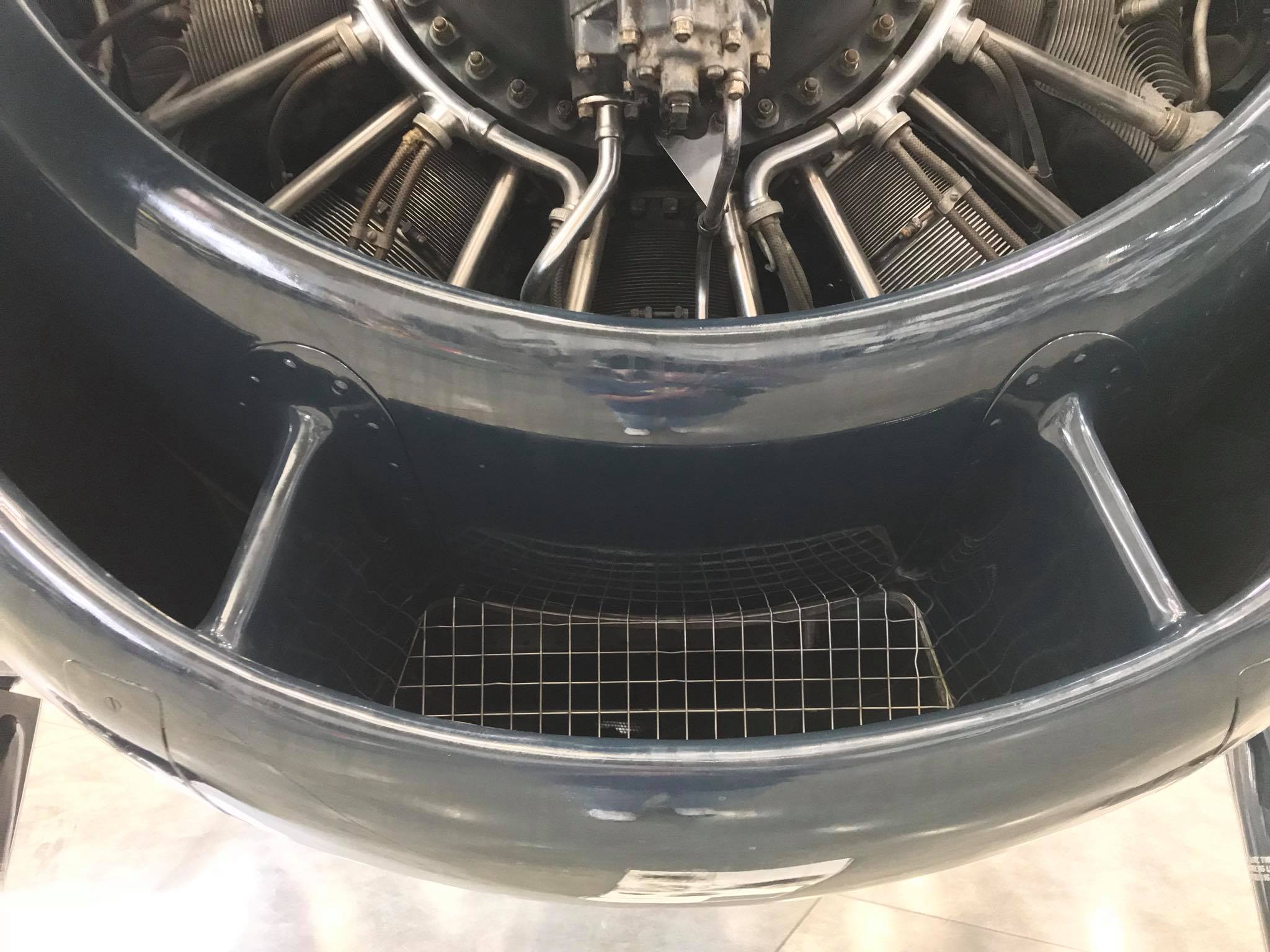
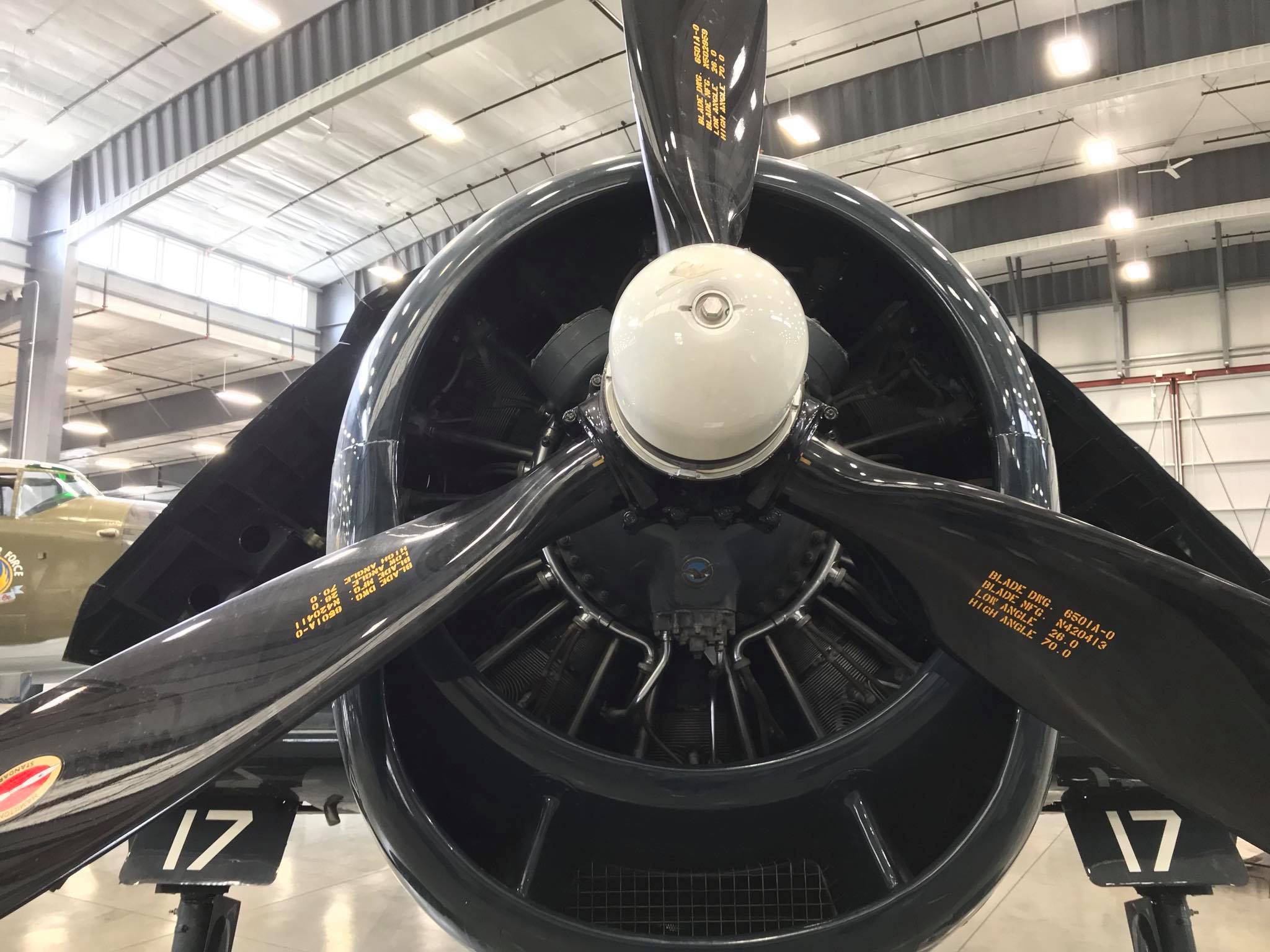
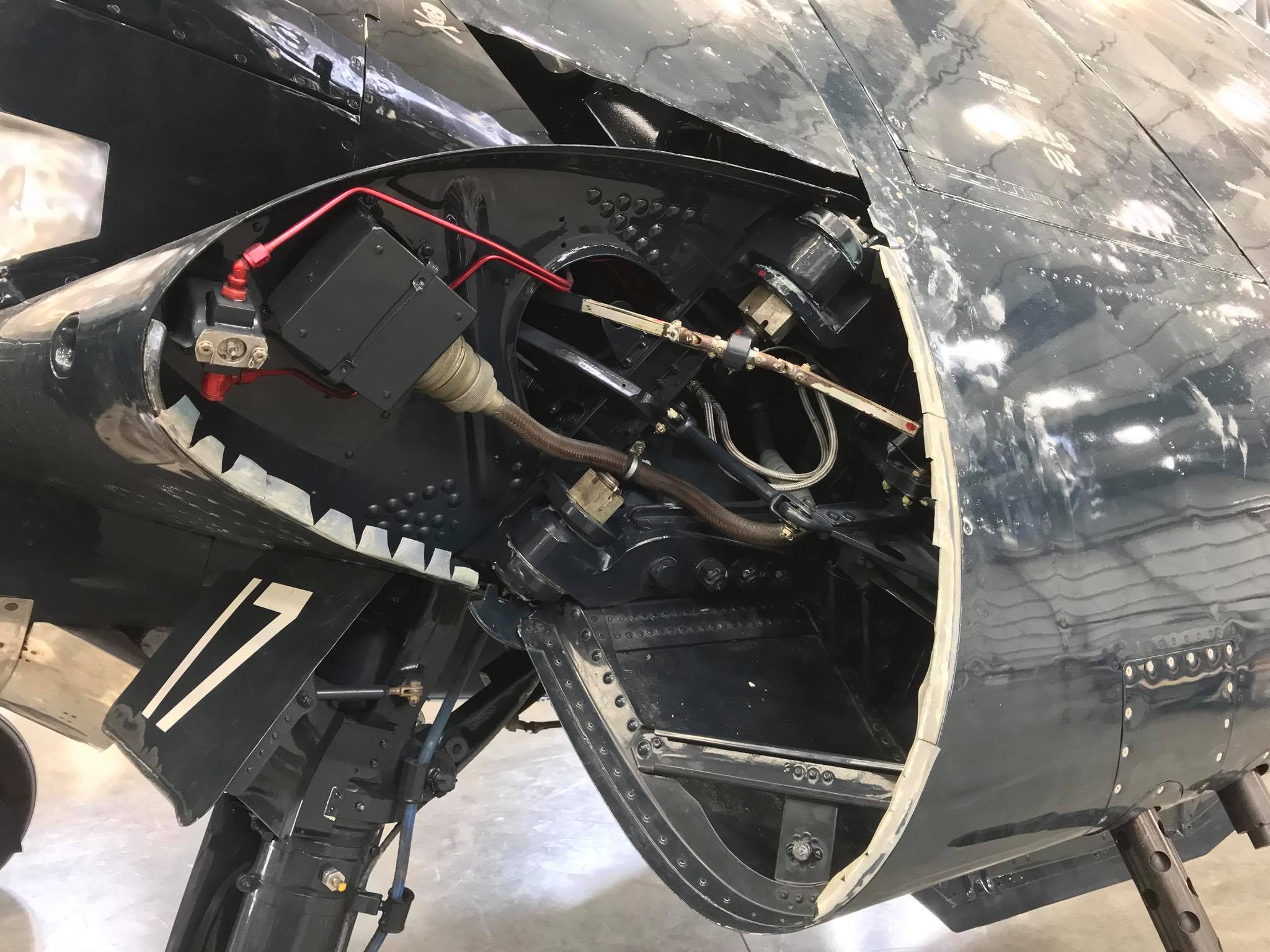
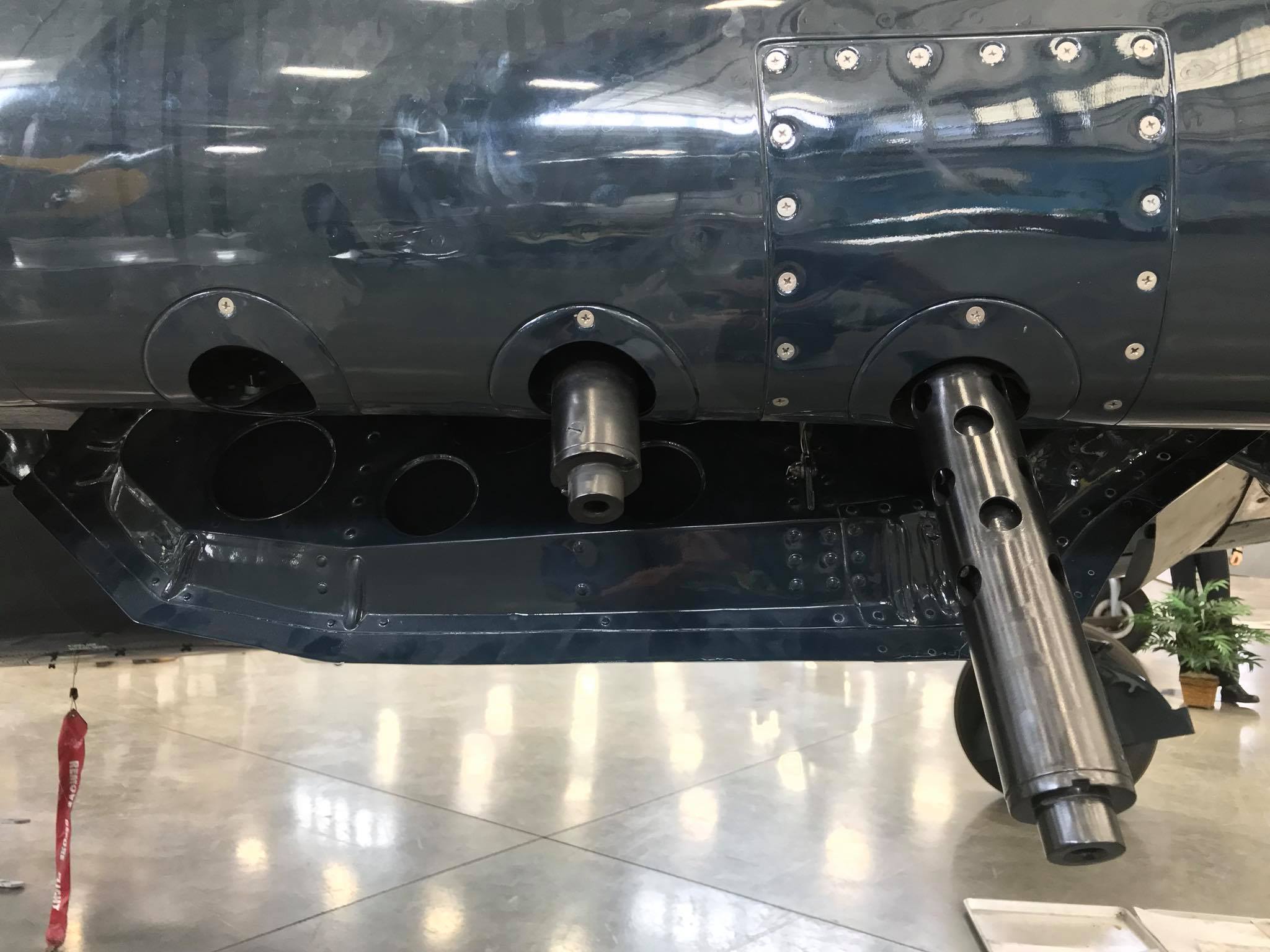
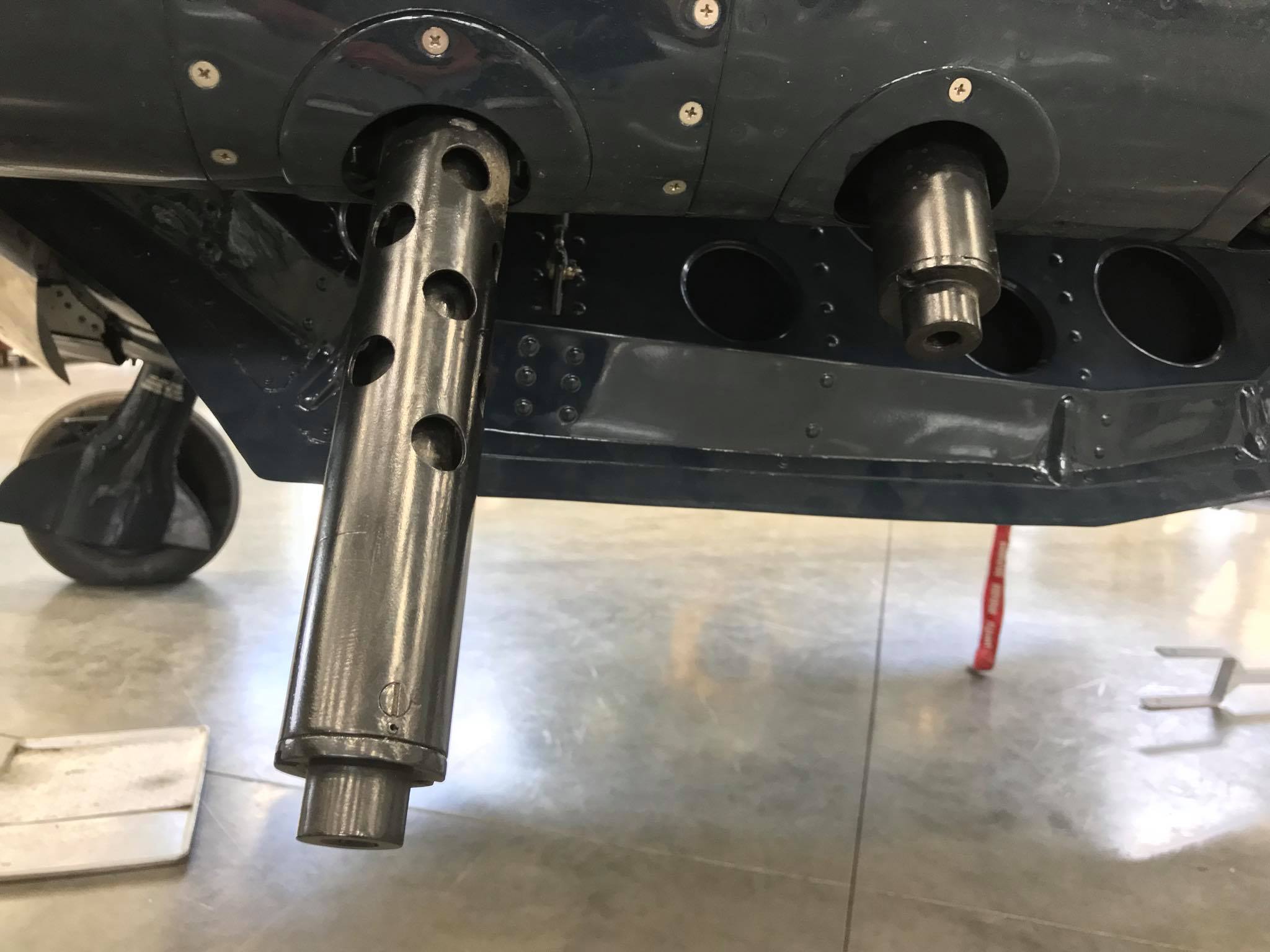
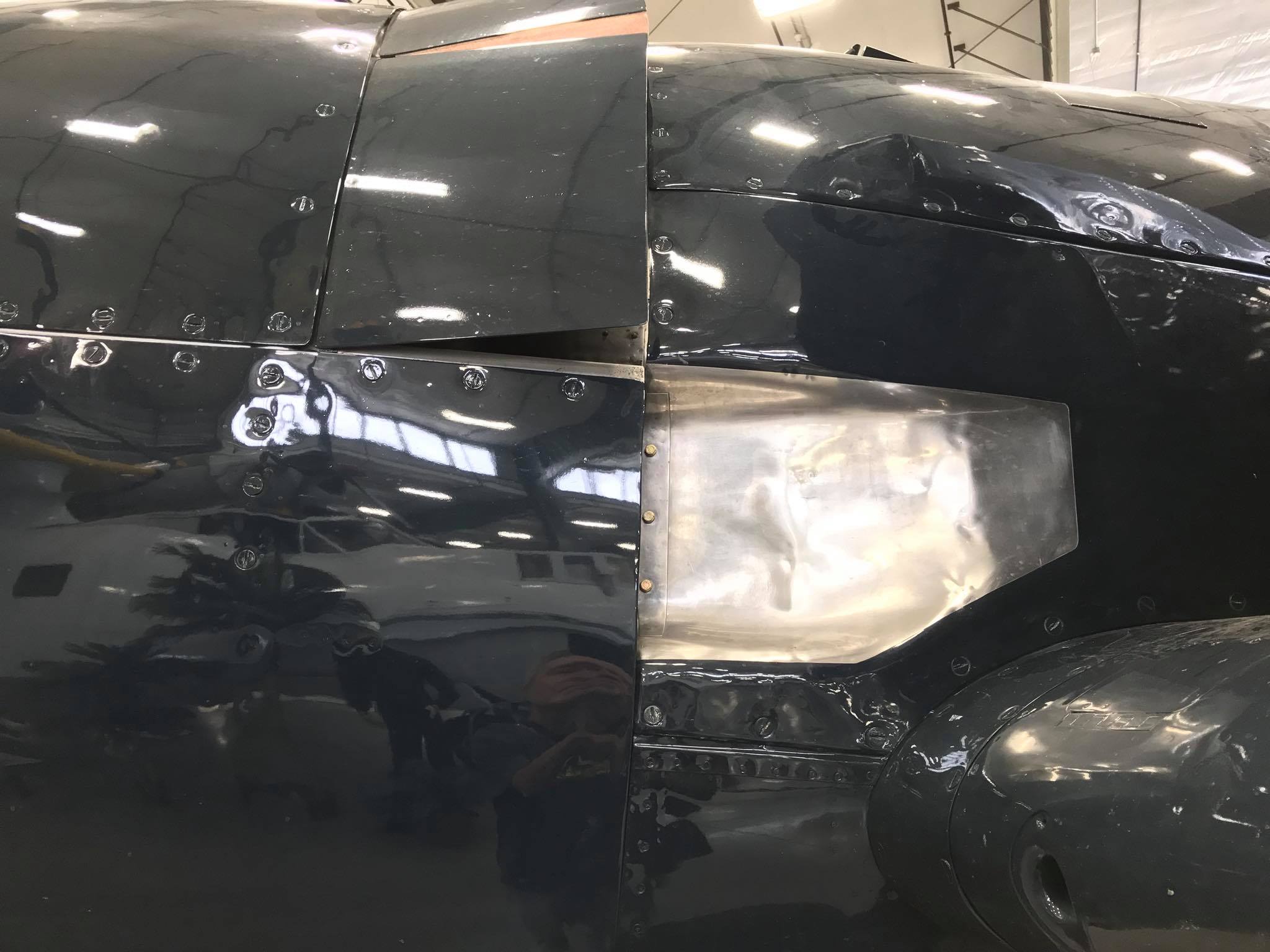
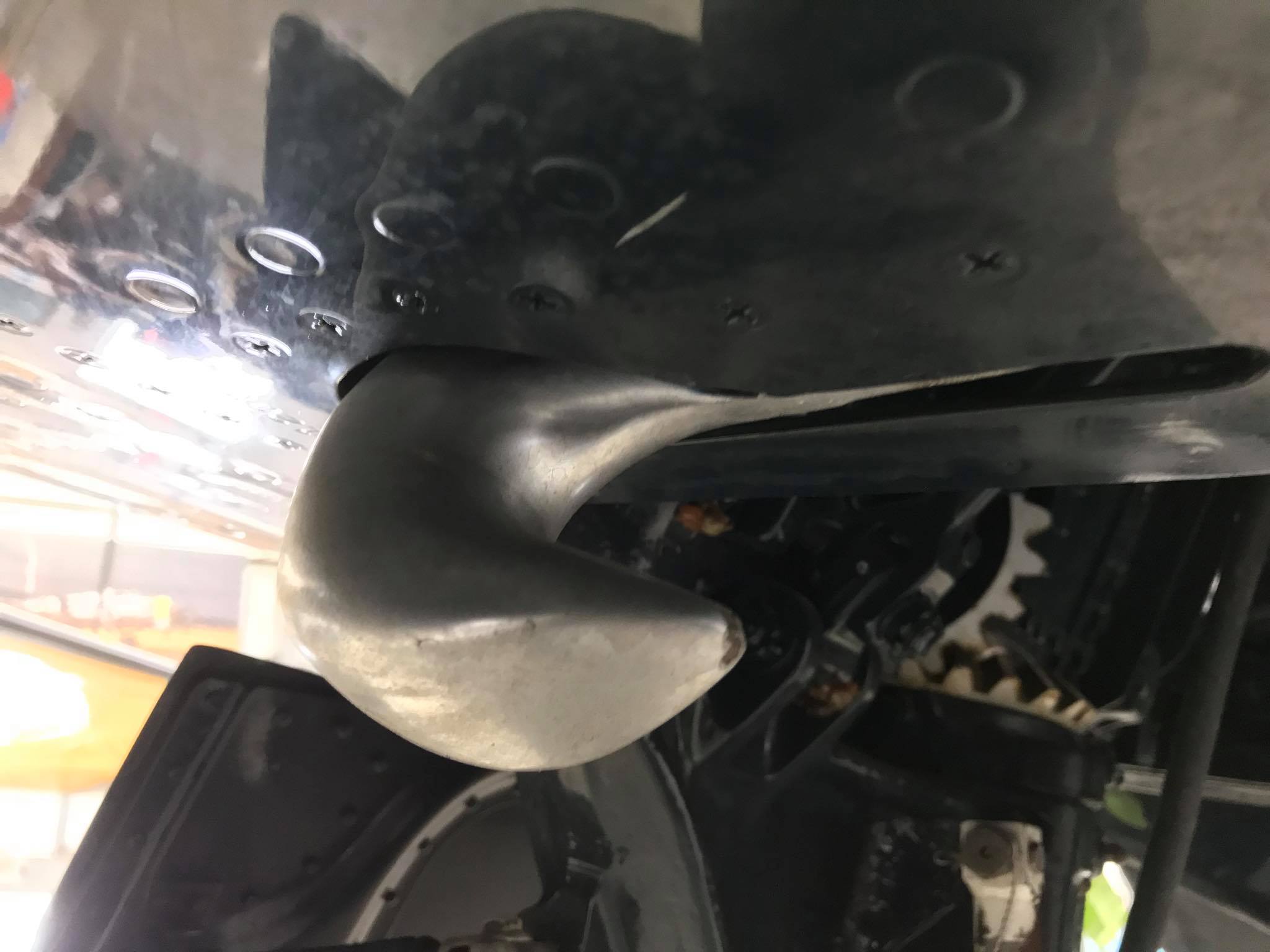
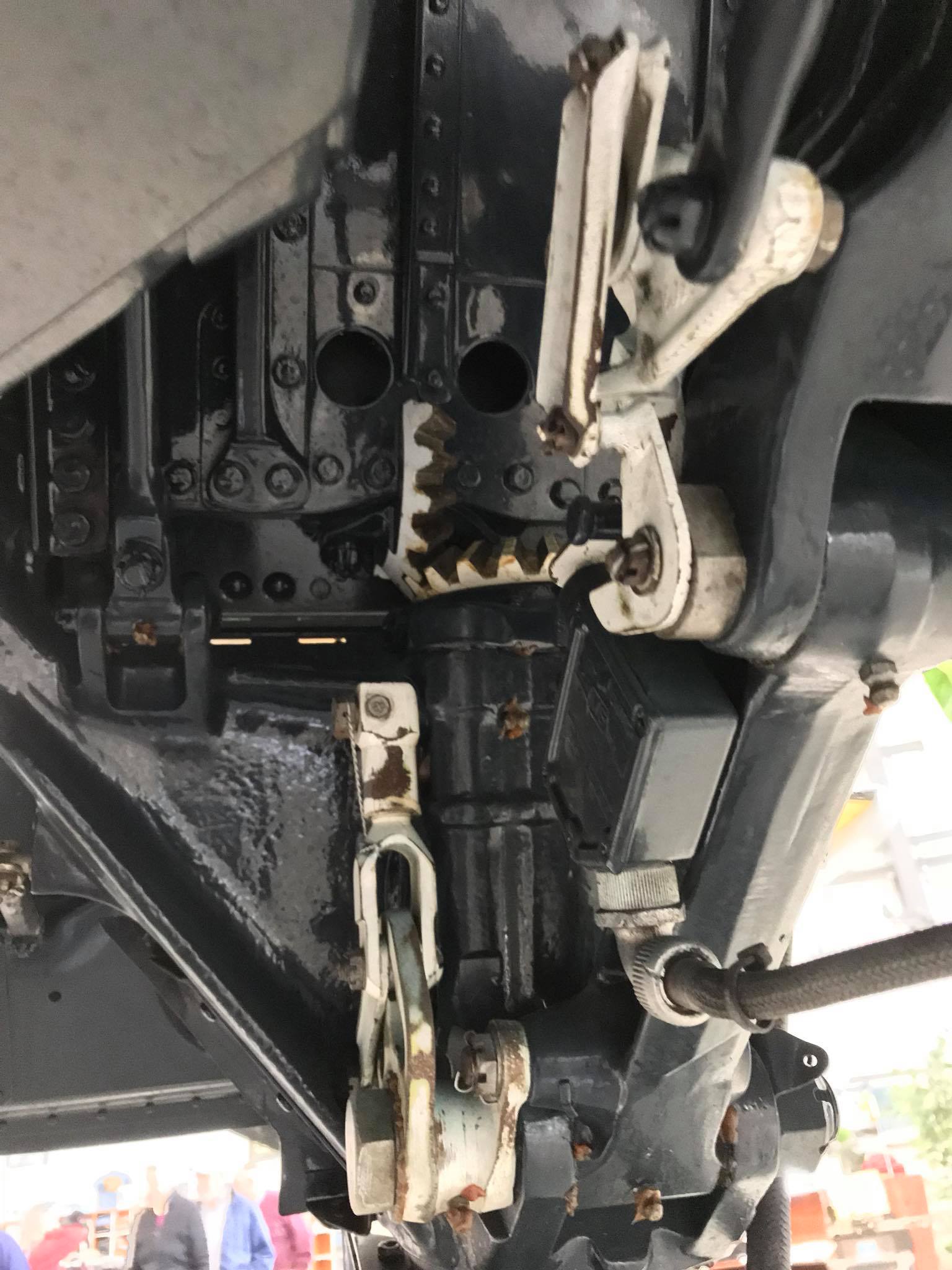
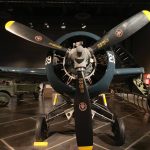
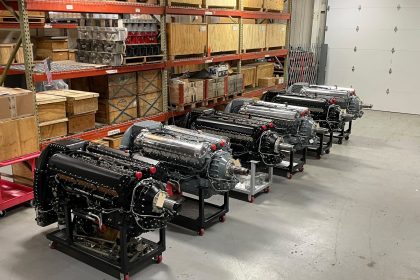
Hellcats appeared in October 1942 and were nicknamed the “Aluminum Tank.” The U.S. Navy had specified a survivability of a carrier landing of 19 feet per second. Powered by a Pratt & Whitney R-2800-51 Double Wasp 18-cylinder radial engine (“W” denotes water Injection). You can see the propeller governor with its speeder spring atop the engine case, which is pilot-controlled with the propeller control lever (as with the P-47, it controls the blade pitch to maintain a constant rpm speed). Armament varied but could be fitted with three Browning .50 cal. machine guns in each wing (each weighing about 83 lbs.), and could carry six 5-inch HVAR rockets (or two Tiny Tim unguided rockets and up to 4,000 lbs. of bombs on wing hardpoints. On the F6F-5N nightfighter model, a pair of two 20 mm AN/M2 cannon was installed with one in each wing. Leroy Grumman pondered how to make more room on the hangar decks with folding wings and took an eraser and two paper clips and showed the engineers what he had in mind in what became the “Sto-Wing” design for the Wildcat, Avenger and Hellcat.
About the author 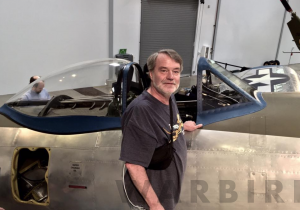
Randy Malmstrom grew up in a family steeped in aviation culture. His father, Bob, was still a cadet in training with the USAAF at the end of WWII but did serve in Germany during the U.S. occupation in the immediate post-war period, where he had the opportunity to fly in a wide variety of types that flew in WWII. After returning to the States, Bob became a multi-engine aircraft sales manager and, as such, flew a wide variety of aircraft; Randy frequently accompanied him on these flights. Furthermore, Randy’s cousin, Einar Axel Malmstrom, flew P-47 Thunderbolts with the 356th FG from RAF Martlesham Heath. He was commanding this unit at the time he was shot down over France on April 24th, 1944, and spent the rest of the war as a prisoner of war. Following his repatriation at war’s end, Einar continued his military service, attaining the rank of Colonel. He was serving as Deputy Wing Commander of the 407th Strategic Fighter Wing at Great Falls AFB, MT, at the time of his death in a T-33 training accident on August 21, 1954. The base was renamed in his honor in October 1955 and continues to serve in the present USAF as home to the 341st Missile Wing. Randy’s innate interest in history in general, and aviation history in particular, plus his educational background and passion for WWII warbirds, led him down his current path of capturing detailed aircraft walk-around photos and in-depth airframe histories, recording a precise description of a particular aircraft in all aspects.







The two 20mm cannons were only fitted to the F6F-5N variant only.
FWIW, I was secretary of the American Fighter Aces Assn and wrote two Hellcat books. NOBODY EVER MENTIONED “THE ALUMINUM TANK.” Neither did anyone at the Grumman history shop during my research visits.
Anyway:
Evidently the museum’s Hellcat was ordered/built as a -5N but the museum produced a “vanilla” straight dash five. Appears a meticulous restoration.