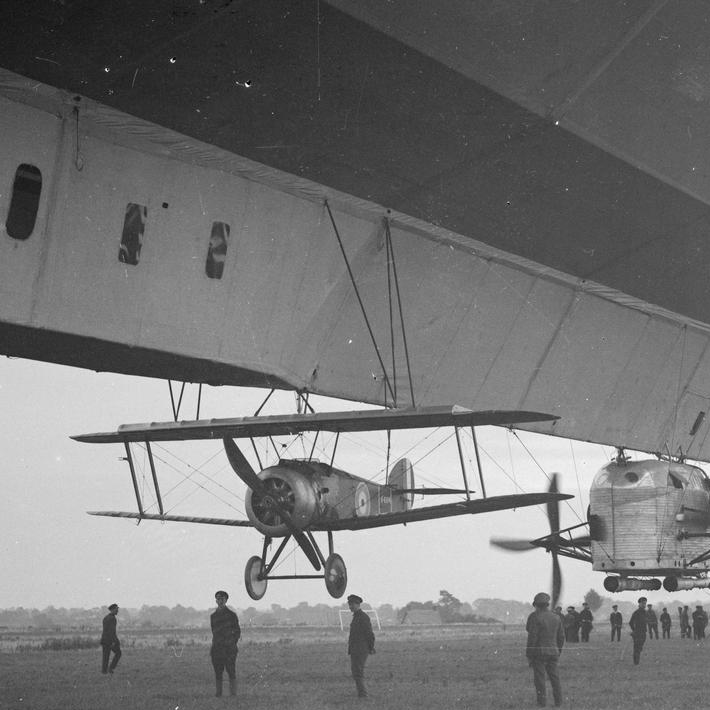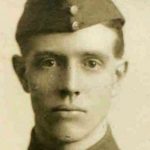
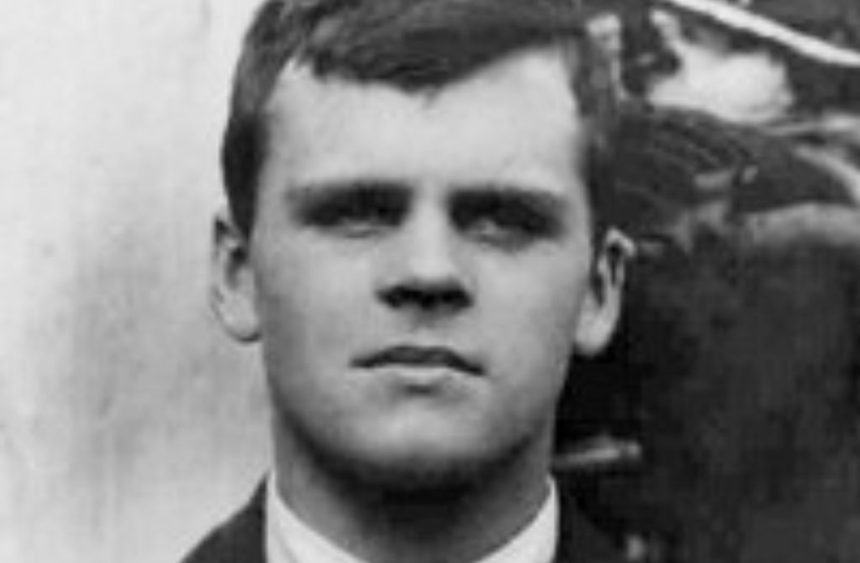

During WWI, flying was new, and many pilots learned to fly at the military aviation training centers. However, some of them learned to fly, putting their own money in private training clubs just for the love of flying. One such individual was Leonard Rochford. Born on November 10, 1896, in Enfield town in north London, he was rejected when he attempted to join the Royal Naval Air Service at the outbreak of the war, due to his age. As a result, he learned to fly privately and received his license on October 7, 1915. He was finally accepted into the Royal Naval Air Service in 1916. He joined the No. 3 Naval Squadron in January 1917, initially flying a Sopwith Pup airplane. On March 4, 1917, he scored his first victory when he shot down a German Albatros D.I, followed by a second victory on March 20. His third victory came on July 7, and with this, he was promoted to flight lieutenant on July 30.
Ace Journey of Leonard Rochford

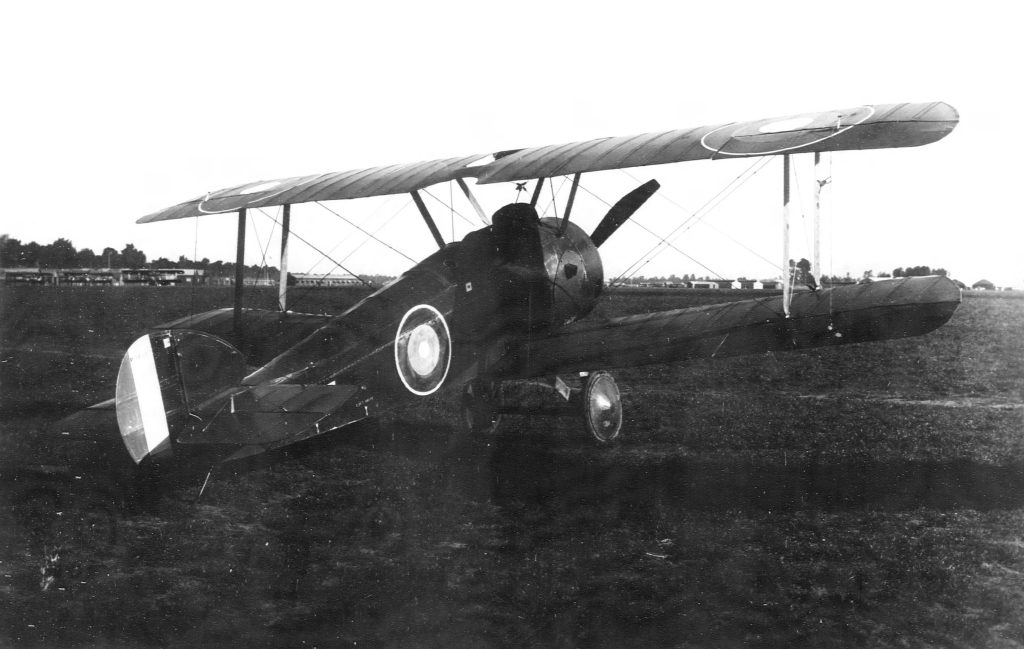
As the No. 3 Naval Squadron reequipped with a new airplane, Leonard Rochford received a Sopwith Camel. On September 5, he destroyed an Albatros D.III, followed by another victory on September 11, to reach five victories and officially become an ace. He did not score more victories in 1917, and his personal score remained five. He started 1918 on a high note, killing three aerial targets in January and six in March, to reach a personal score of 14. In April 1918, the Royal Naval Air Service and Royal Flying Corps merged to form the Royal Air Force (RAF), and Leonard Rochford’s unit was renamed No. 203 Squadron RAF. On April 20, he was awarded the Distinguished Service Cross, with a citation, “For consistent determination, bravery and skill as a fighting pilot and flight commander. He has destroyed and driven down out of control many enemy machines.” In May, he scored five victories and two more in June to reach a personal score of 21. With this, on June 7, 1918, Leonard Rochford was awarded the Distinguished Service Cross Bar, with a citation, “As a flight commander, he has shown considerable ability, and has always set a fine example when dealing with enemy aircraft. On March 21, 1918, when on an offensive patrol, he attacked one of nine Albatross scouts. Enemy aircraft was seen to go down in the mist out of control. He has destroyed or driven down out of control many other enemy machines.”
The Legacy
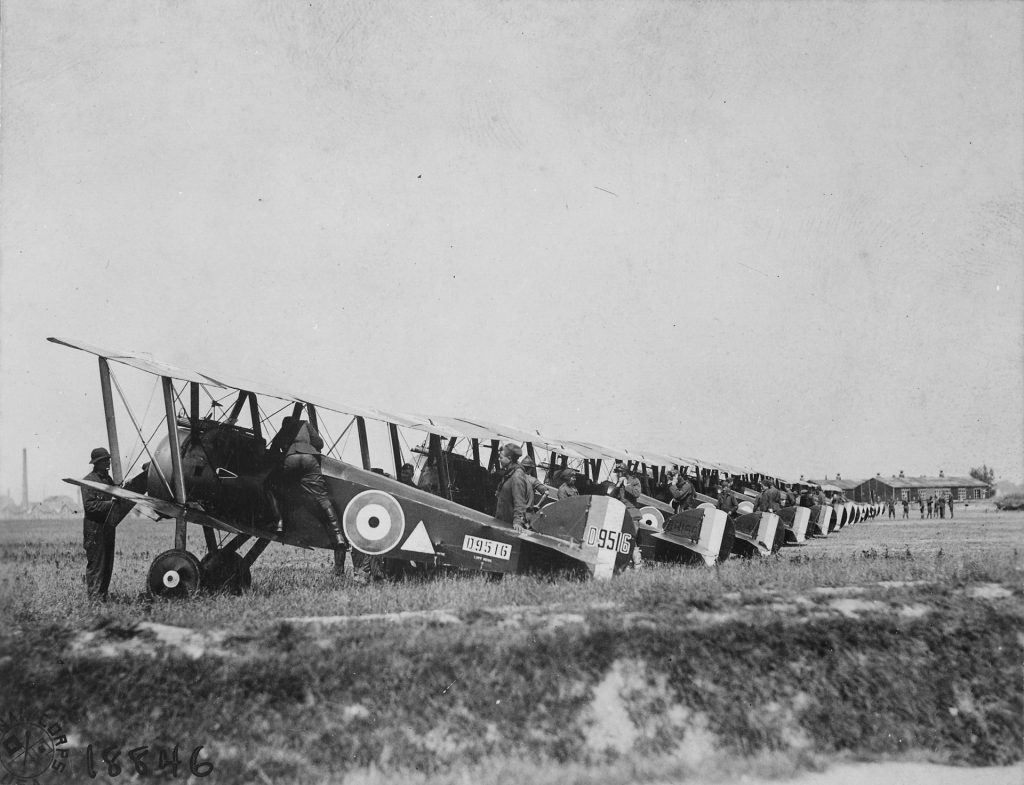
Leonard Rochford continued his successful run by killing four aerial targets in July, one each in August and September, and two in October, ending the war with a personal score of 29. In November 1918, Leonard Rochford was awarded the Distinguished Flying Cross, with a citation, “This officer has already been awarded the Distinguished Service Cross and Bar for gallantry and devotion to duty—qualities in which he revels. Since the award, he has accounted for twelve enemy aircraft—six destroyed and six driven down out of control.” After WWI, he spent time on and off duty before receiving a commission in the Reserve of Air Force Officers (RAFO) as a flying officer on May 9, 1939. On September 1, 1939, the day Germany invaded Poland, Leonard Rochford left his commission in the RAFO and became a flight lieutenant in the Royal Air Force Volunteer Reserve. He was promoted to squadron leader on March 1, 1942. After WWII, Leonard Rochford served as a reserve officer. He gave up his commission on February 10, 1954, but was allowed to keep his rank. he died on December 17, 1986. In the Aces series, Leonard Rochford stands out as an ace who served in both WWI and WWII, starting as a pilot and rising to leadership ranks. He demonstrated skills and bravery in every role assigned to him. Read stories about more flying aces HERE.