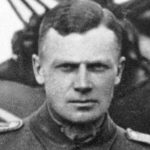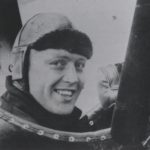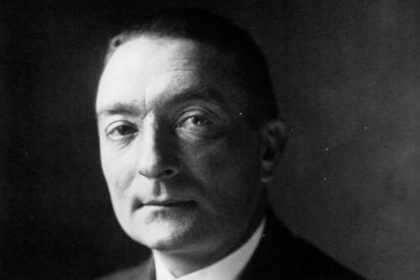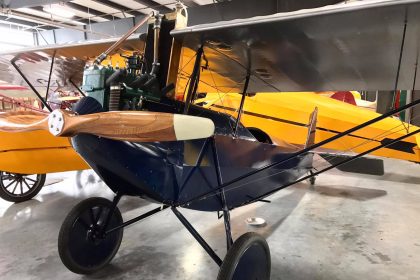
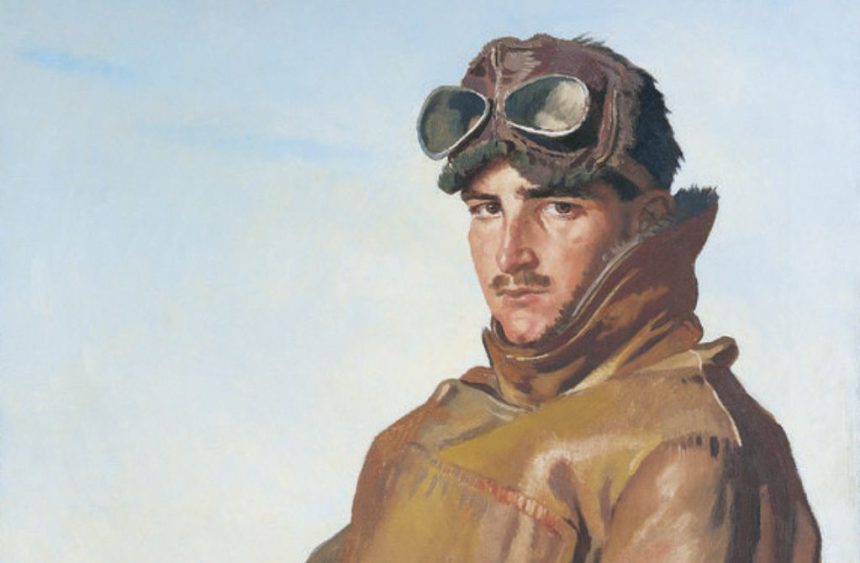

Many Canadian aces had to come a long way to become pilots in WWI. One such ace was Reginald Hoidge. Born on July 28, 1894, in Toronto, Hoidge first served with the Canadian Royal Garrison Artillery. He then joined the British Army to serve in the Royal Garrison Artillery. In late 1916, he was transferred to the Royal Flying Corps and, after training, joined the No. 56 Squadron in 1917. He flew a Royal Aircraft Factory S.E.5 fighter in this unit. His first victory came on May 5, 1917, when he shot down an Albatros D.III, followed by two more victories on May 7.
Ace Journey of Reginald Hoidge
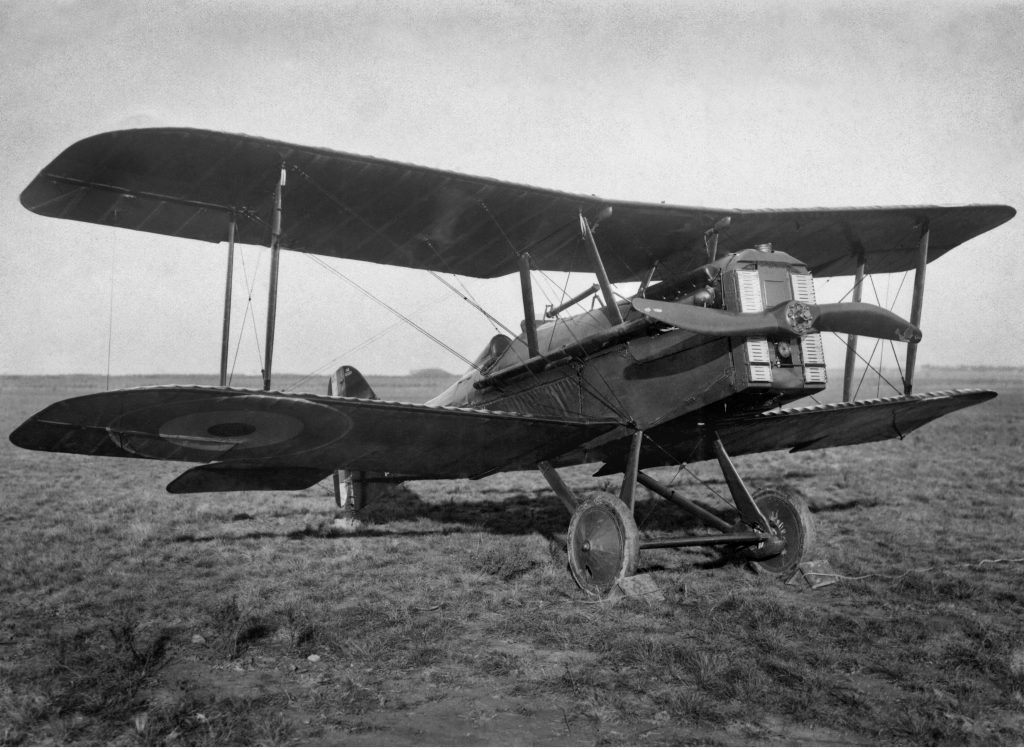
After destroying a Halberstadt D aircraft on May 20, Reginald Hoidge shot down three more aircraft on May 24 and officially became an ace. His eighth victory came on May 27. He destroyed two aircraft in June and seven in July, bringing his score to 17. In July, he was awarded the Military Cross, with a citation, “For conspicuous gallantry and devotion. On many occasions, he has attacked and destroyed, or driven down, hostile machines, and has taken part in twenty-four offensive patrols. In all combats, his bravery and skill have been most marked.” In August, his unit received new S.E.5a aircraft. He scored one victory in August and six in September. In September, he was one of seven pilots involved in Werner Voss’s last battle. Voss, flying his Fokker F.I, fought against British pilots and held them off, damaging all the attacking S.E.5s. Further, Reginald Hoidge scored three victories in October, bringing his score to 27, after which he returned to England to serve as an instructor for nearly a year. In March 1918, he was awarded the Military Cross Bar, citing, “For conspicuous gallantry and devotion to duty in shooting down fourteen enemy aircraft in three and a half months. After attacking a large formation of enemy aircraft, owing to engine trouble, he was driven down to six hundred feet at least five miles from our lines, but managed to recross the lines at a height of five hundred feet, and so saved his machine.”
The Legacy
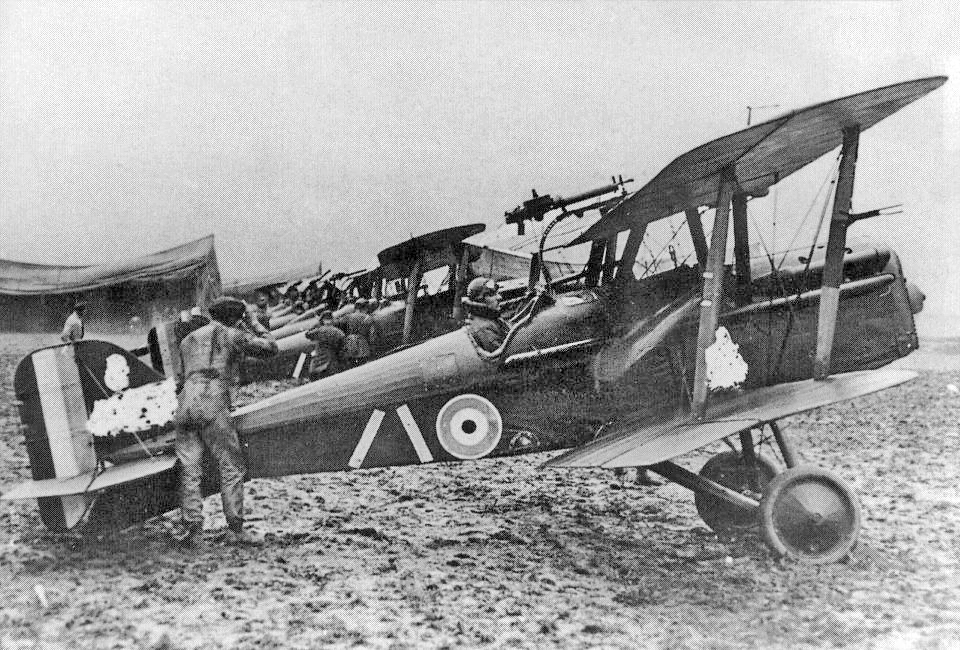
Reginald Hoidge returned to his old unit as a flight commander and achieved his last victory on October 29, 1918. Among his 28 victories, 20 were Albatros aircraft, five were C-type aircraft, and one each was Pfalz D.III, Fokker D.VII, and Halberstadt D. He left his position on April 1, 1920, but was allowed to keep the rank of lieutenant. William Orpen painted Reginald Hoidge and described in his book, An Onlooker in France (1921), that “Hoidge had also brought down a lot of Germans. His face was wonderfully fitted for a man-bird. His eyes were bird’s eyes. A good lad was Hoidge, and I became very fond of him afterwards.” While having lunch with Orpen, Hoidge once said, “I’m lucky to be here with you this morning!” Orpen asked him why, and he replied, “Oh, I made a foolish mistake this morning. I let an old German get on my tail. I didn’t see him at all. I was chasing an old two-seater, and he shot at me. If another pilot hadn’t come along to chase him off, I would have been in trouble. I felt like a fool! But the morning wasn’t wasted; I ended up shooting down two two-seaters.” The conversation explains that Reginald Hoidge was a careful ace and knew his mistakes well. He died on March 1, 1963, in New York City. In the Aces series, Reginald Hoidge was yet another Canadian pilot who showed his worth and temperament while flying. Hoidge is among the most successful aces among Canadian pilots who served in WWI. Read stories about other aces HERE.