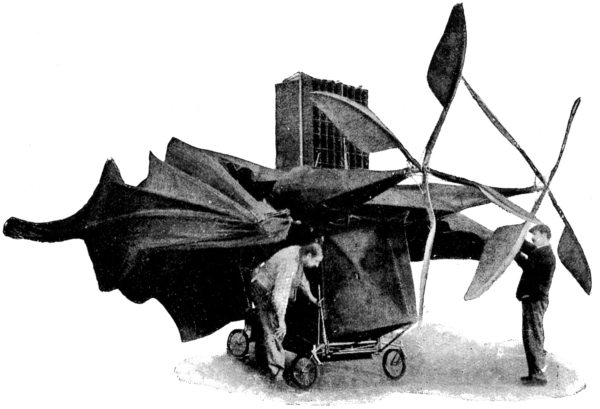

Taking off in an aircraft in the 19th Century was nothing less than a miracle. Several individuals were trying to fly machines at the time. One such individual was Clément Ader. Born near Toulouse in Muret, Haute-Garonne, France, on April 2, 1841, he was among the world’s earliest aviation pioneers. Ader studied electrical engineering and, in 1878, improved the telephone invented by Alexander Graham Bell. In 1880, he set up the telephone network in Paris. In 1881, he invented the théâtrophone, which allowed listeners to hear sound separately in each ear. This invention enabled the first stereo broadcast of opera performances over a distance of 2 miles. After that, Clément Ader started focusing on mechanical flight for the rest of his life. In 1886, he built his first flying machine, the Ader Éole, based on ideas of Louis Pierre Mouillard, who studied birds in flight. The Éole was bat-like in design and powered by a lightweight steam engine he developed. This engine, which weighed 112 pounds, had four cylinders and produced 20 horsepower.
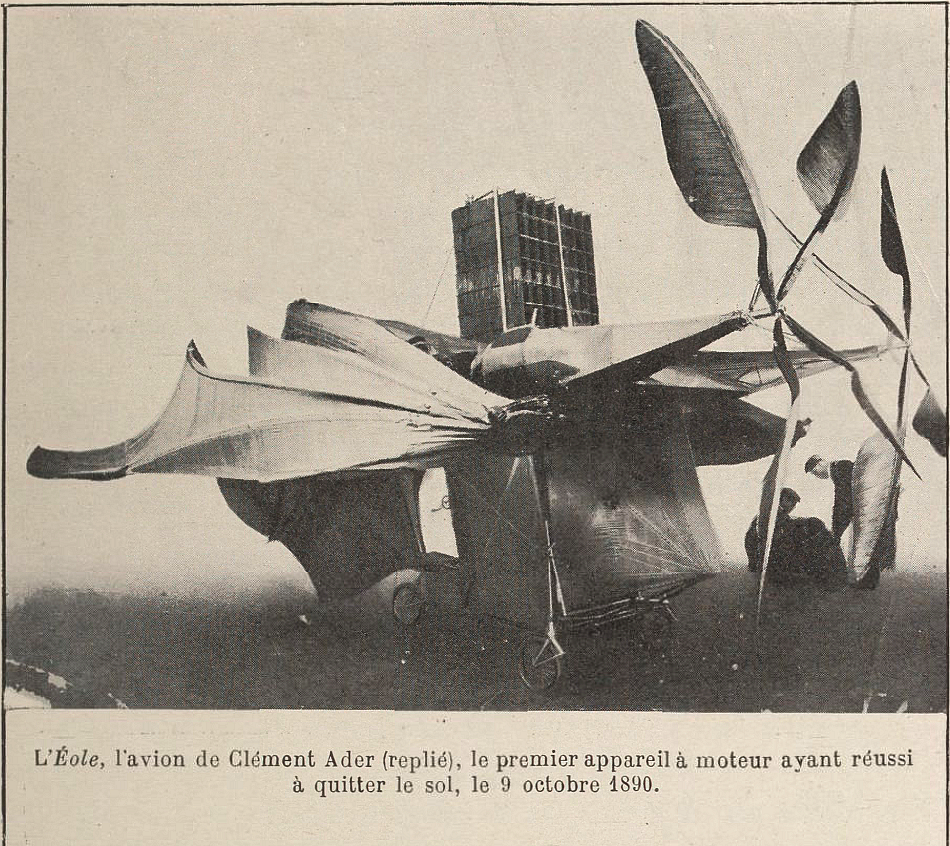
The aircraft had a wingspan of 46 feet and a total weight of 660 pounds. On October 9, 1890, Clément Ader tried to fly the Éole. Aviation historians recognize this attempt as a powered takeoff and an uncontrolled flight close to the ground, covering about 160 feet at an altitude of around 8 inches. Ader also claimed that the Éole took off the ground during this flight. Ader then started building a second aircraft called the Avion II, also known as the Zephyr or Éole II. Most sources claim that he never finished this aircraft and left it behind to focus on the Avion III. Clément Ader, however, claimed that he flew the Avion II for 330 feet in Satory near Paris in August 1892, but this claim was never widely accepted. Ader’s work caught the attention of Charles de Freycinet, the French minister of war. With support from the French War Office, Ader built the Avion III. The aircraft was like a big bat of linen and wood, with a wingspan of 48 feet. It was powered by a steam engine producing 30 horsepower and had two four-bladed propellers. Ader tested the aircraft on a circular track at Satory on October 12, 1897. Two days later, Clément Ader tried to fly it, but a gust of wind unsettled the machine, causing it to come off the track and stop.
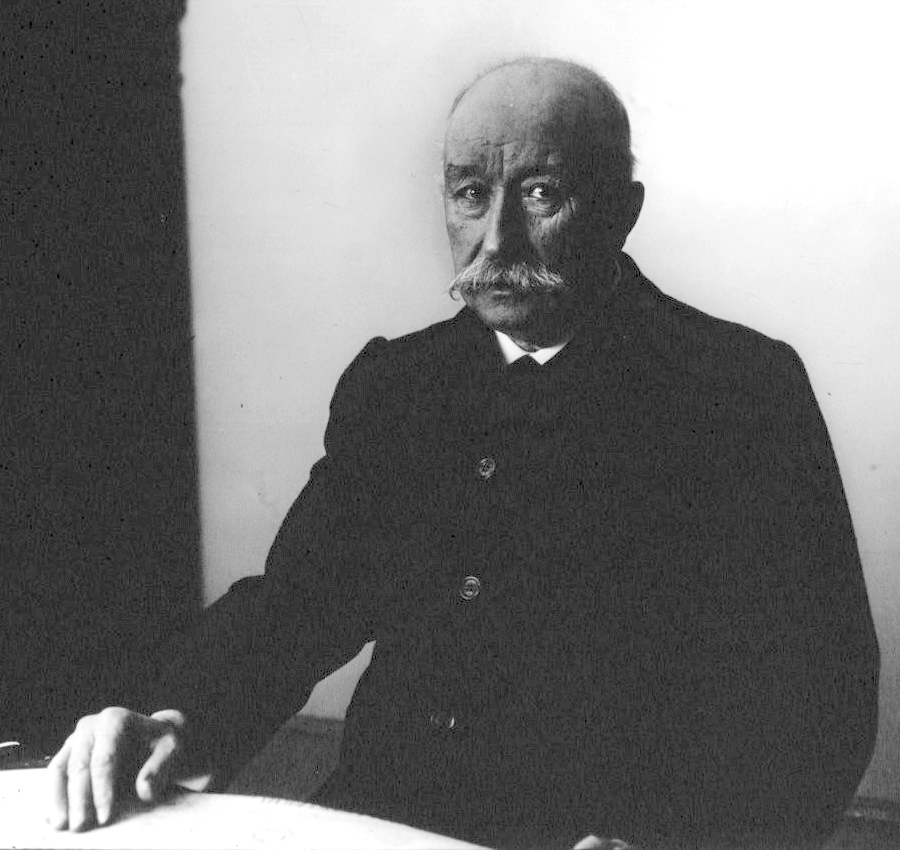
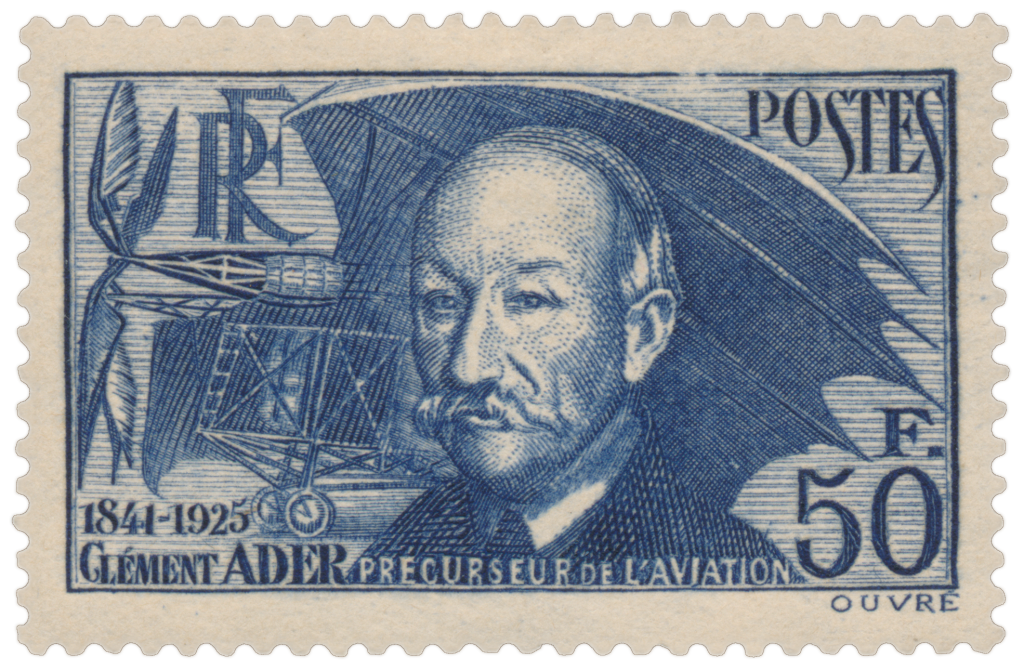
After this, the French army stopped funding Clément Ader’s work but kept the results secret. In November 1910, a committee reported that Ader’s flight attempts did not succeed. But Clément Ader continued to support the progress of aviation. In 1909, he published a book, “L’Aviation Militaire”, reprinted 10 times. This book is important for its ideas on aerial warfare and its early concept of the modern aircraft carrier. This carrier included a flat flight deck, deck elevators, an island superstructure, and a hangar bay. The US naval attaché in Paris shared his aircraft carrier idea, which led to the first trials in the United States in November 1910. Clément Ader is still remembered for his early work in powered flight. His aircraft contributed to the French language by introducing the word “avion,” meaning “heavier-than-air aircraft.” In 1938, France honored him by issuing a postage stamp in his name. Airbus honored him by naming one of its aircraft assembly sites in Toulouse after him. Many people refer to Clément Ader as “the father of aviation.” As one of the Pioneers of Aeronautical Engineering, Ader’s work didn’t receive as much attention as the Wright brothers’, but his work was in no manner less than theirs. Read more such stories HERE.