
By Randy Malmstrom
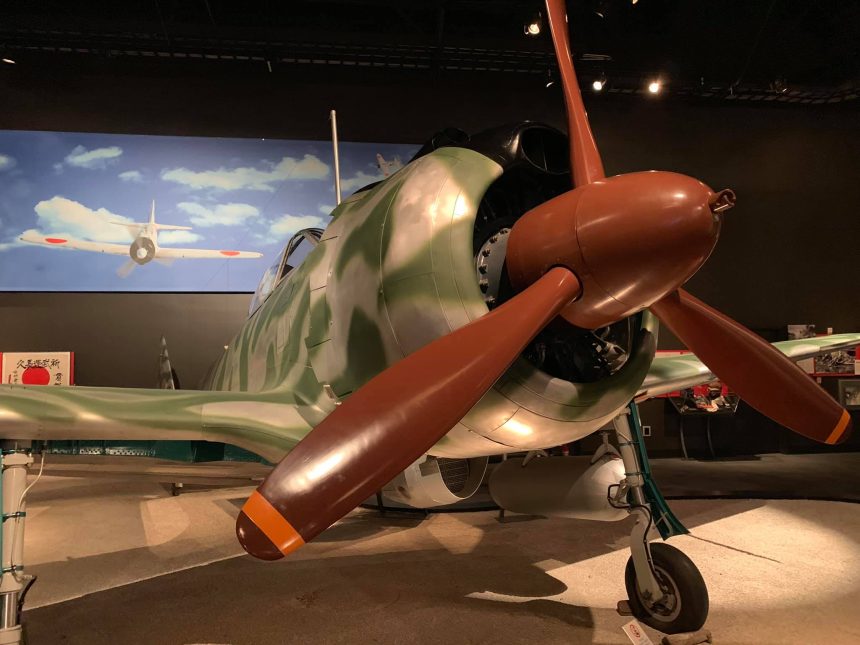
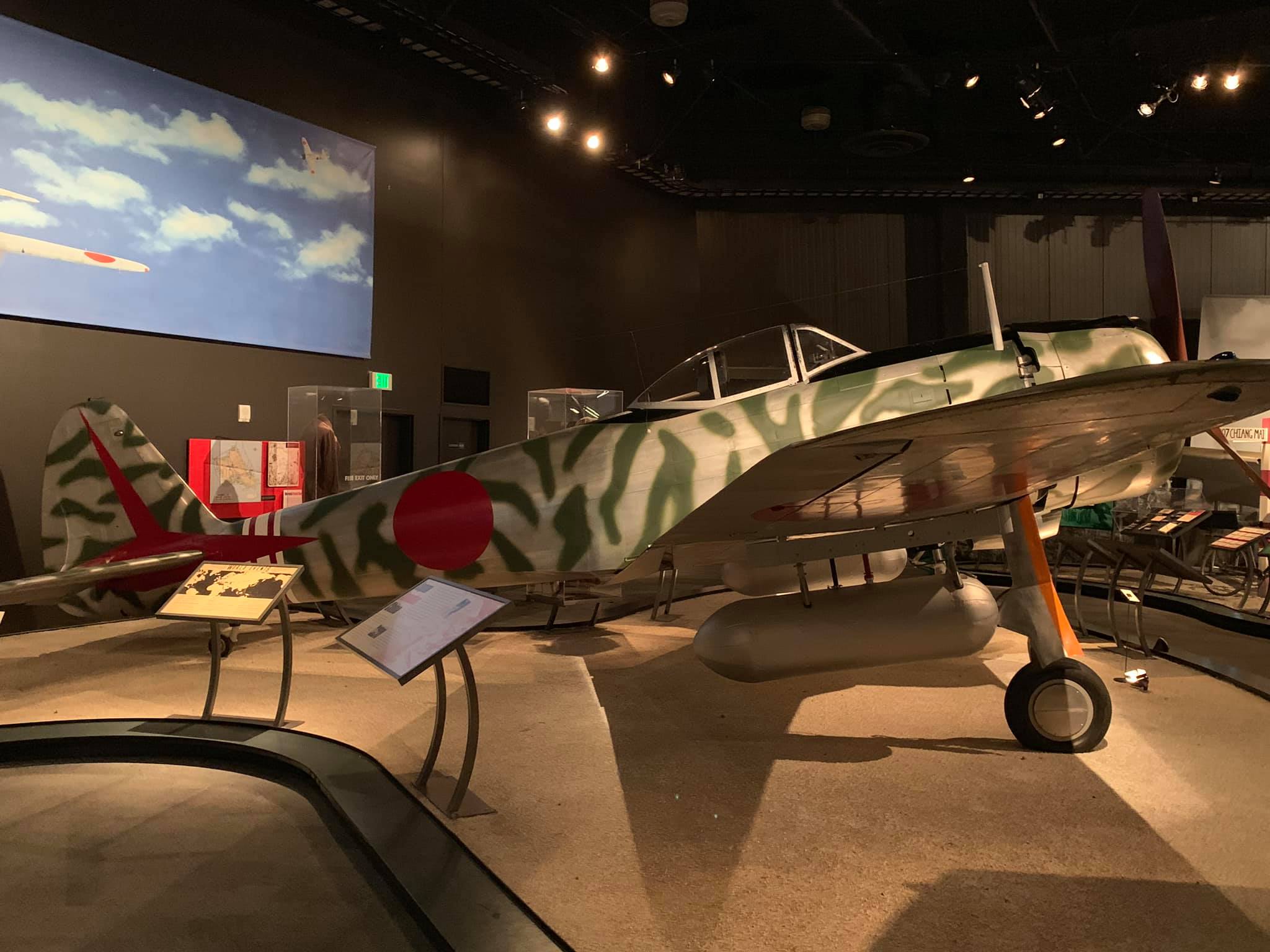
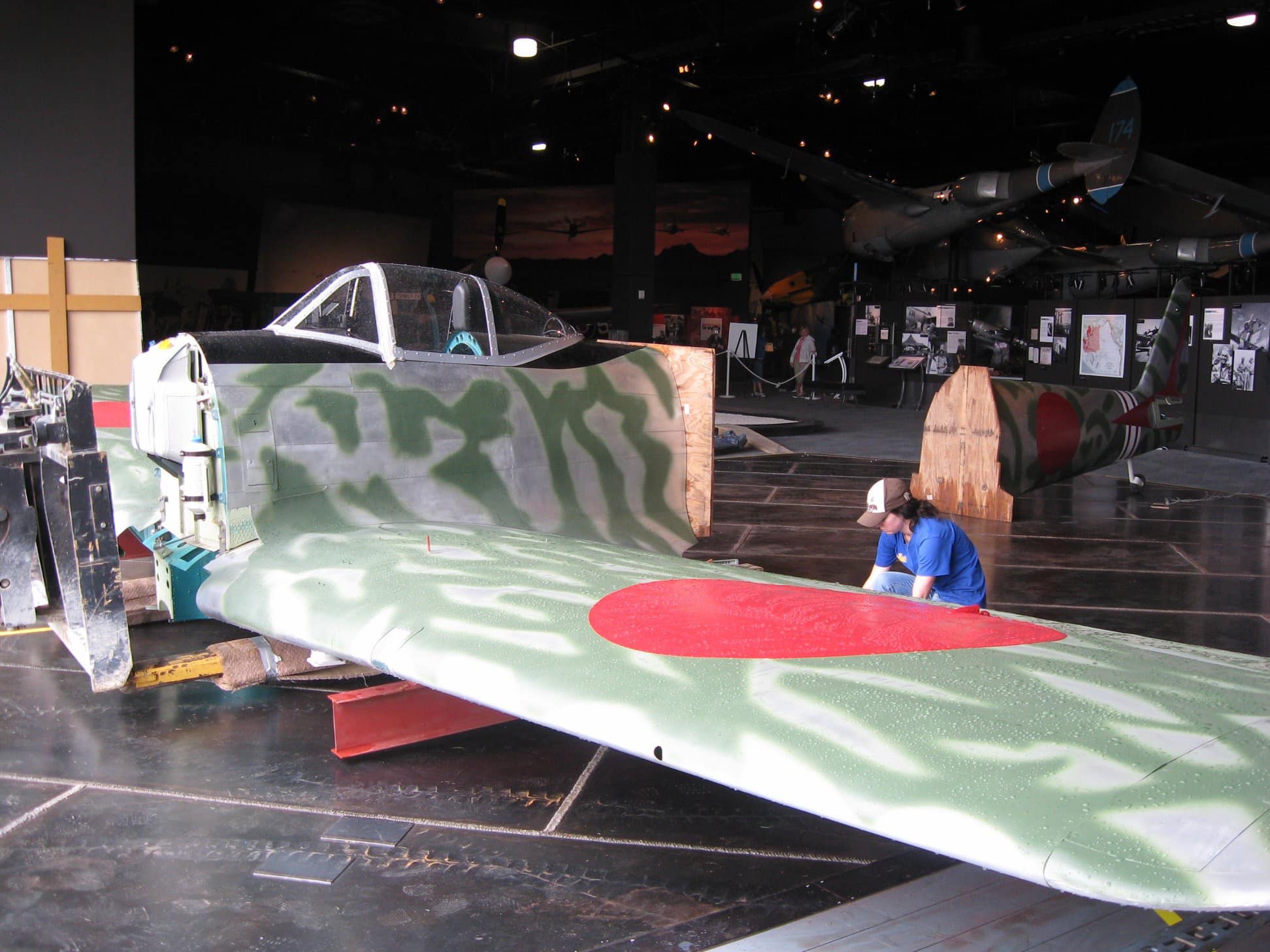
Nakajima Ki-43-IIIa Hayabusa 一式戦闘機 (Peregrine Falcon), Army Type 1 Fighter, Allied reporting name “Oscar.” This particular aircraft is a composite of 4 found in the Kuril Islands by Doug Champlin in the 1990’s. Gosshawk Unlimited completed the rebuild in 2008 with the technical assistance from Col. Hiroo Murata of the Japan Air Self-Defense Force (Ret.). It is painted as a Tachikawa Hikoki KK built KI-43-IIIA (under license) with the 3rd Chutai, 54th Sentai. My photos, as well as some courtesy of Don England (thanks), are of this static example at the Museum of Flight in Seattle, Washington. I don’t know that there are any known current cockpit photos. I was unable to get any myself. The design of the aircraft type was led by Nakajima Hikoki K.K. chief designer Yasumi Koyama and Prof. Hideo Itokawa (who, incidentally, was later opposed to the “Special Attack” or Kamikaze program, but rather, he proposed a version of the German Fieseler Fi-103 “V-1” – not the manned Okha).
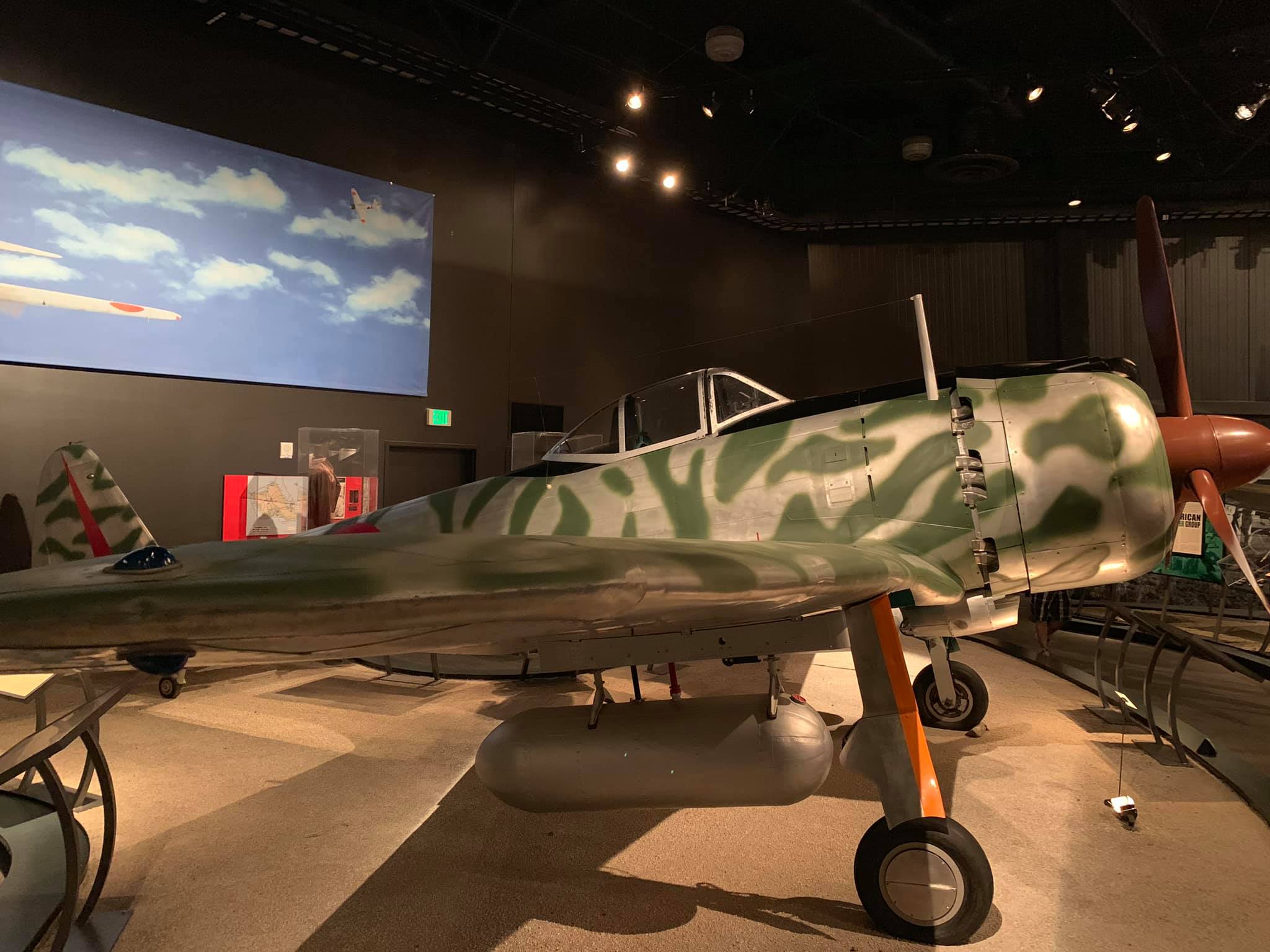
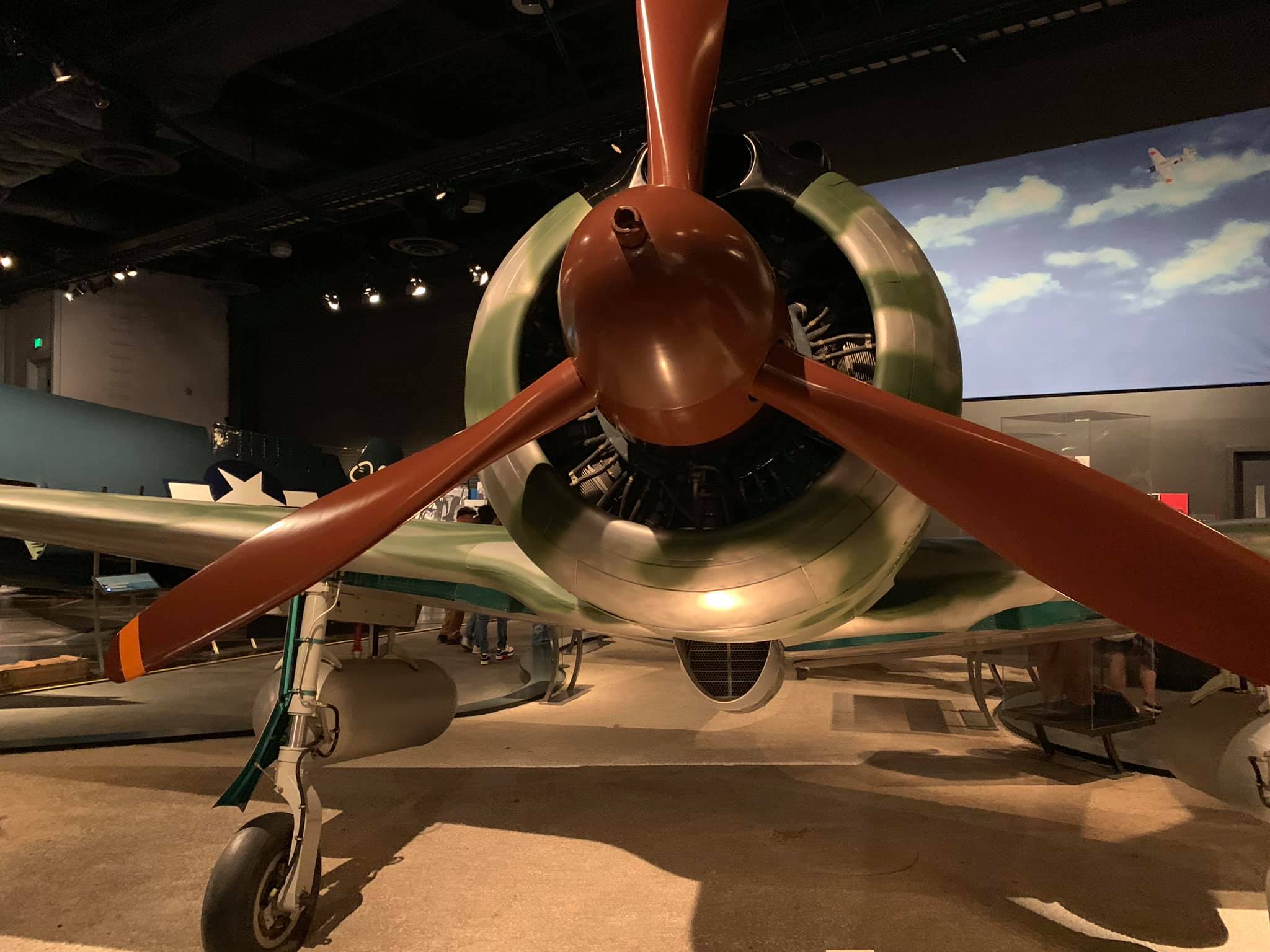
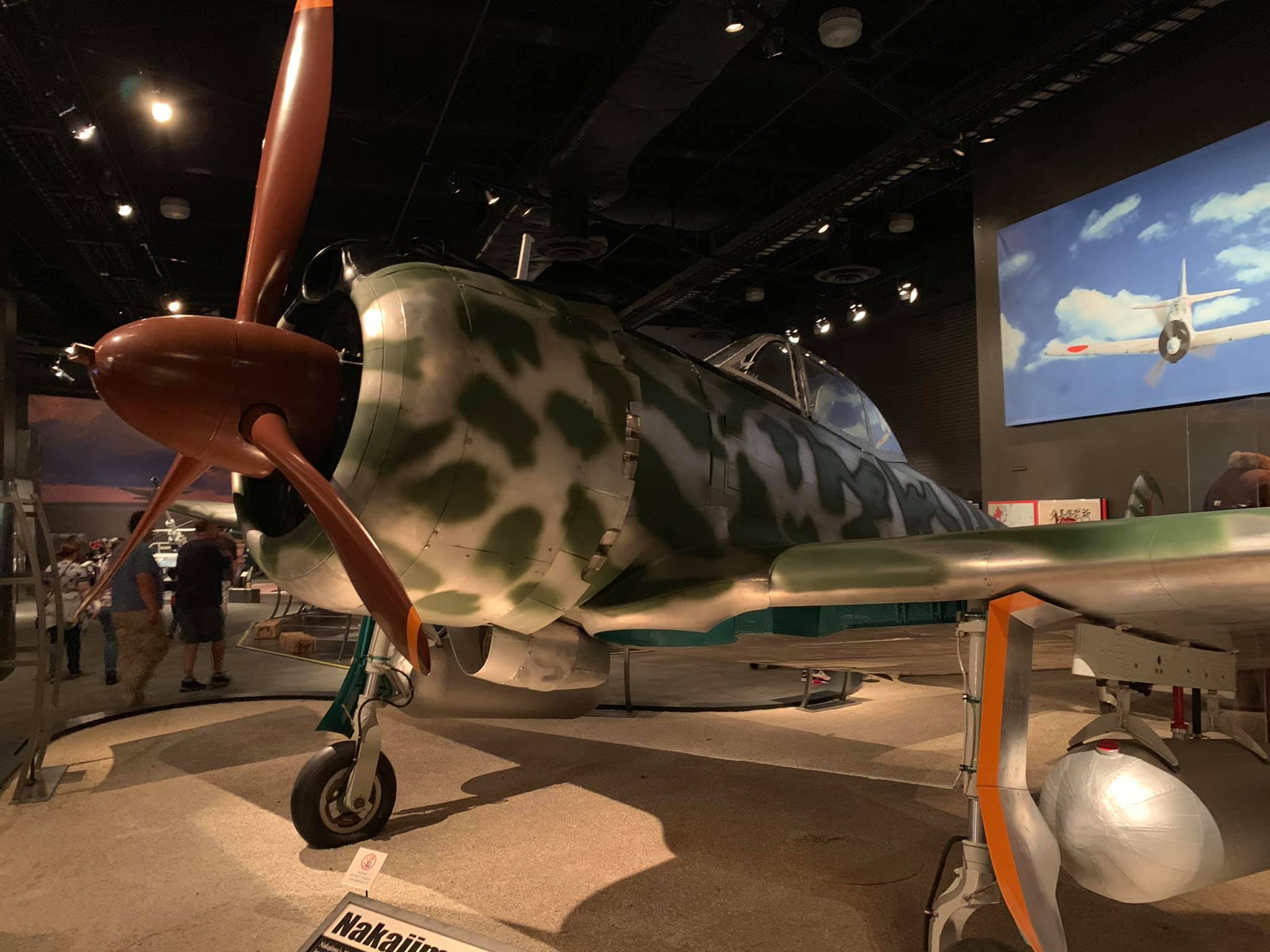
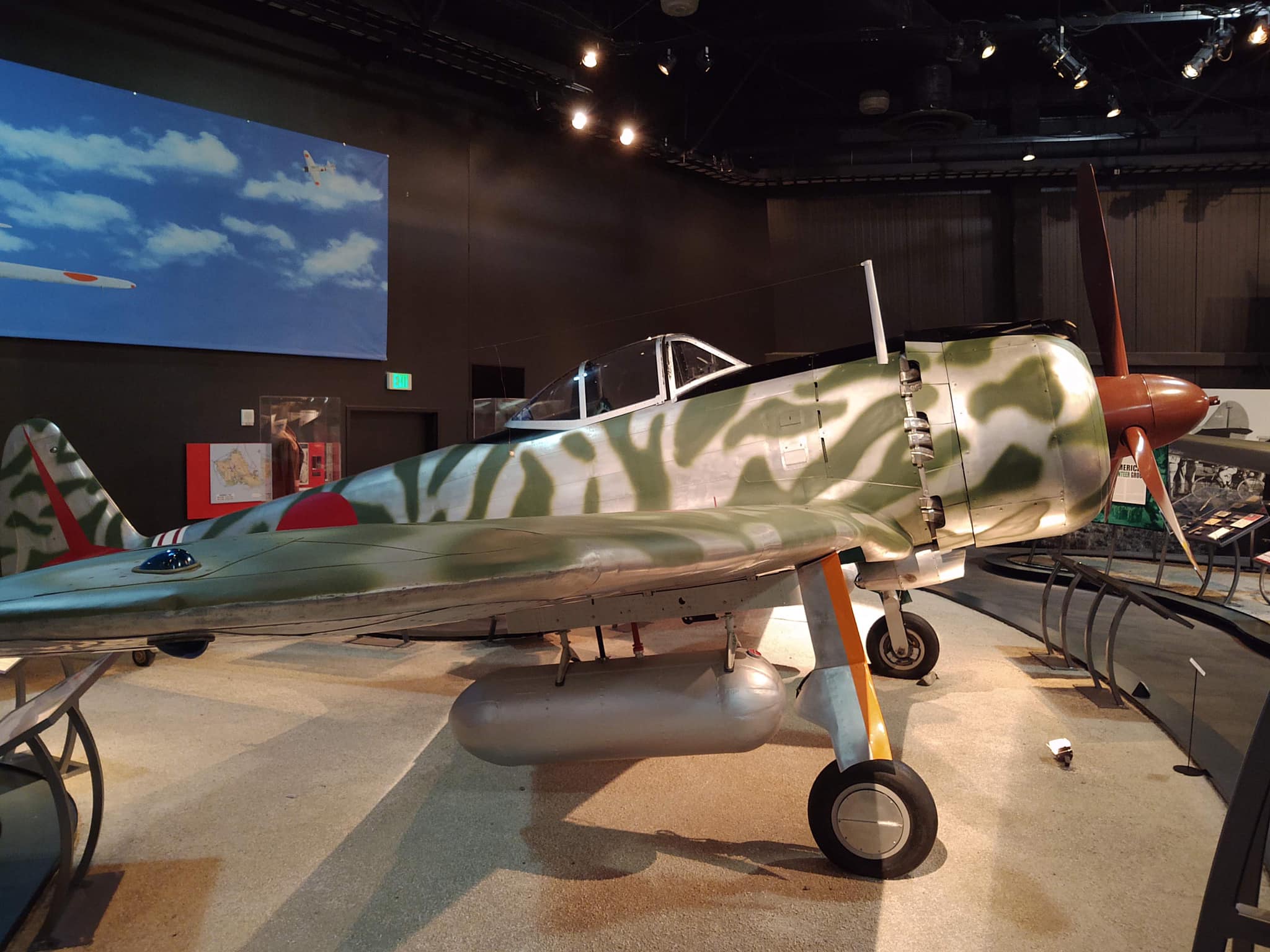
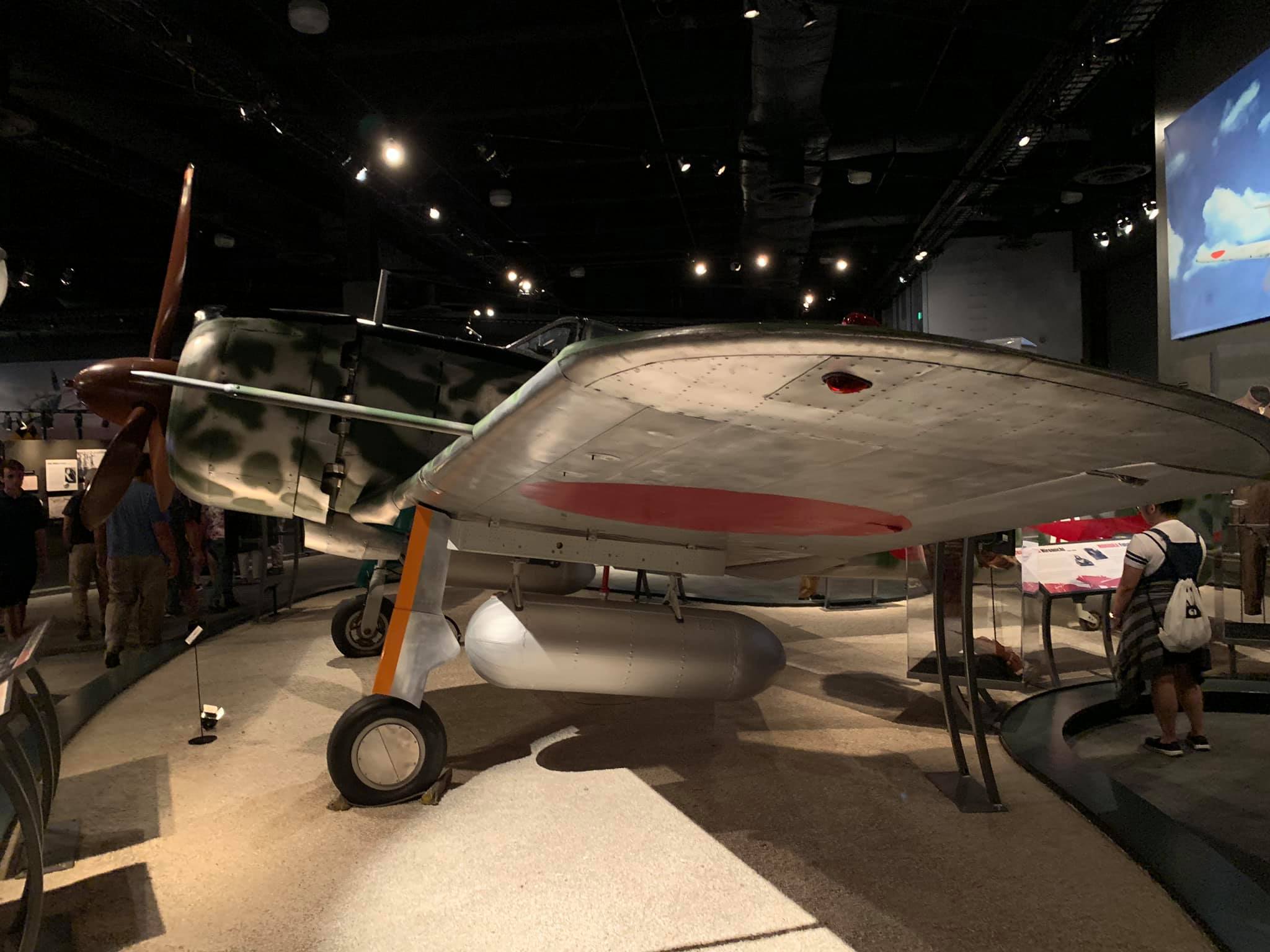
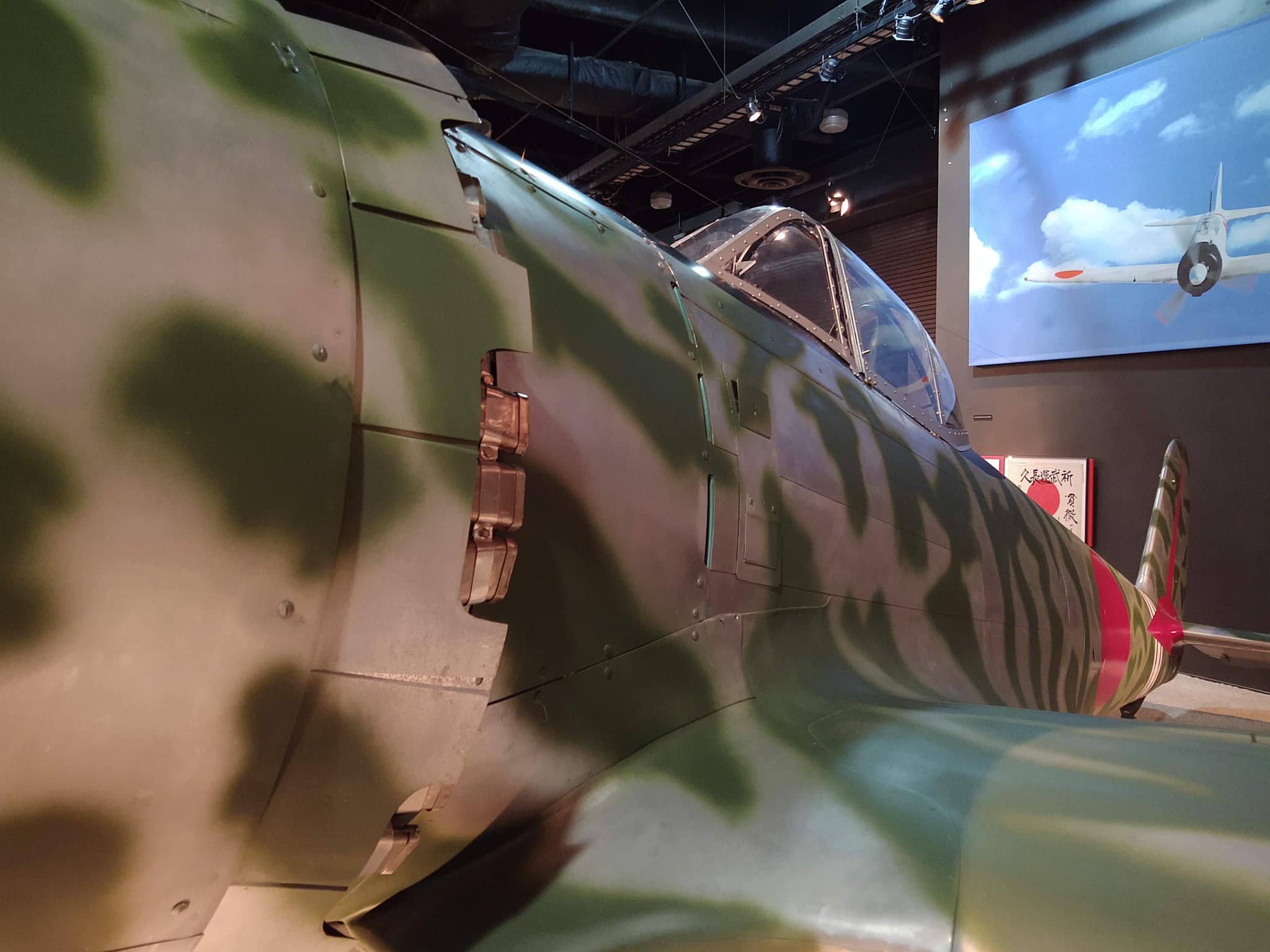
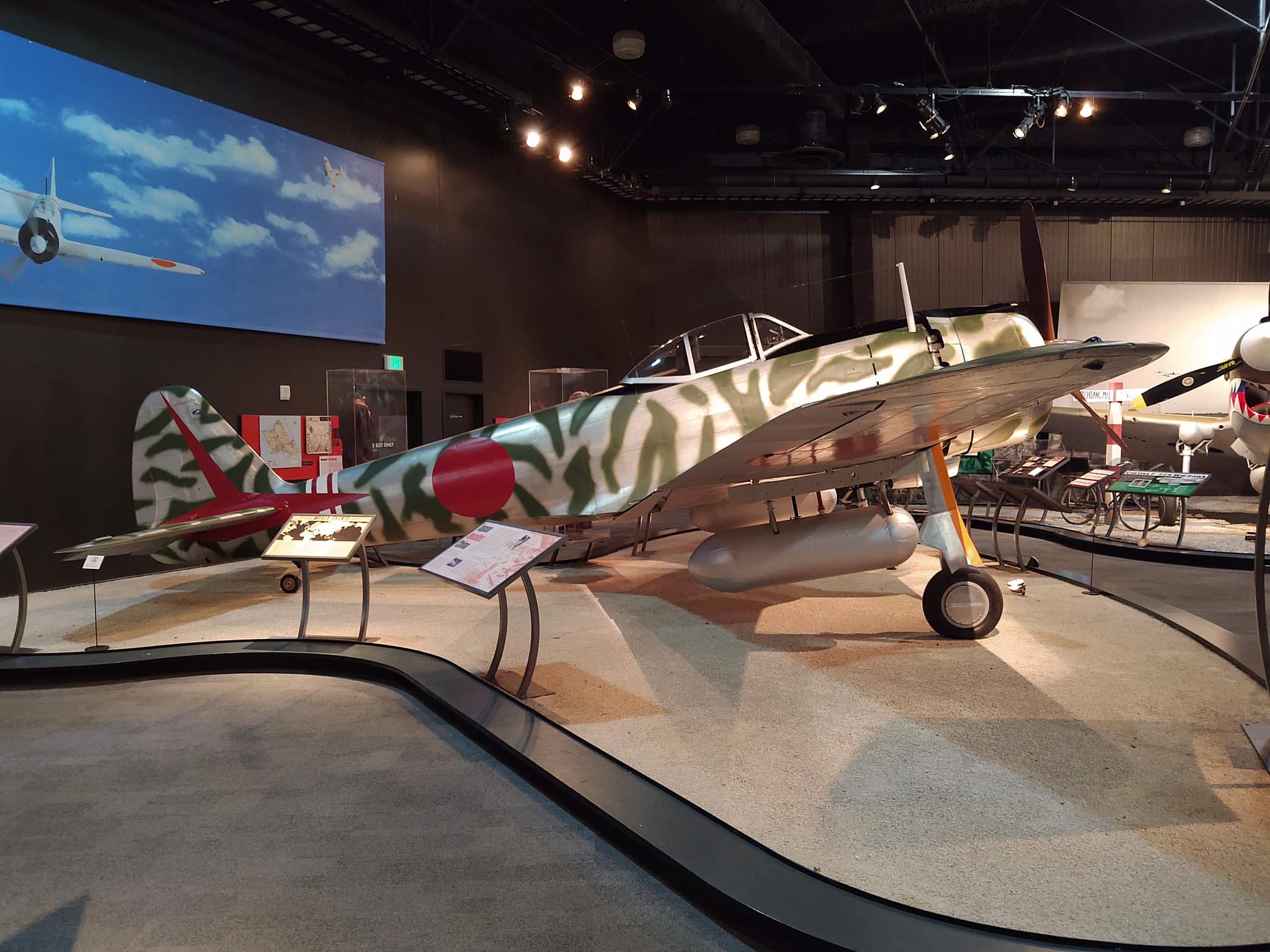
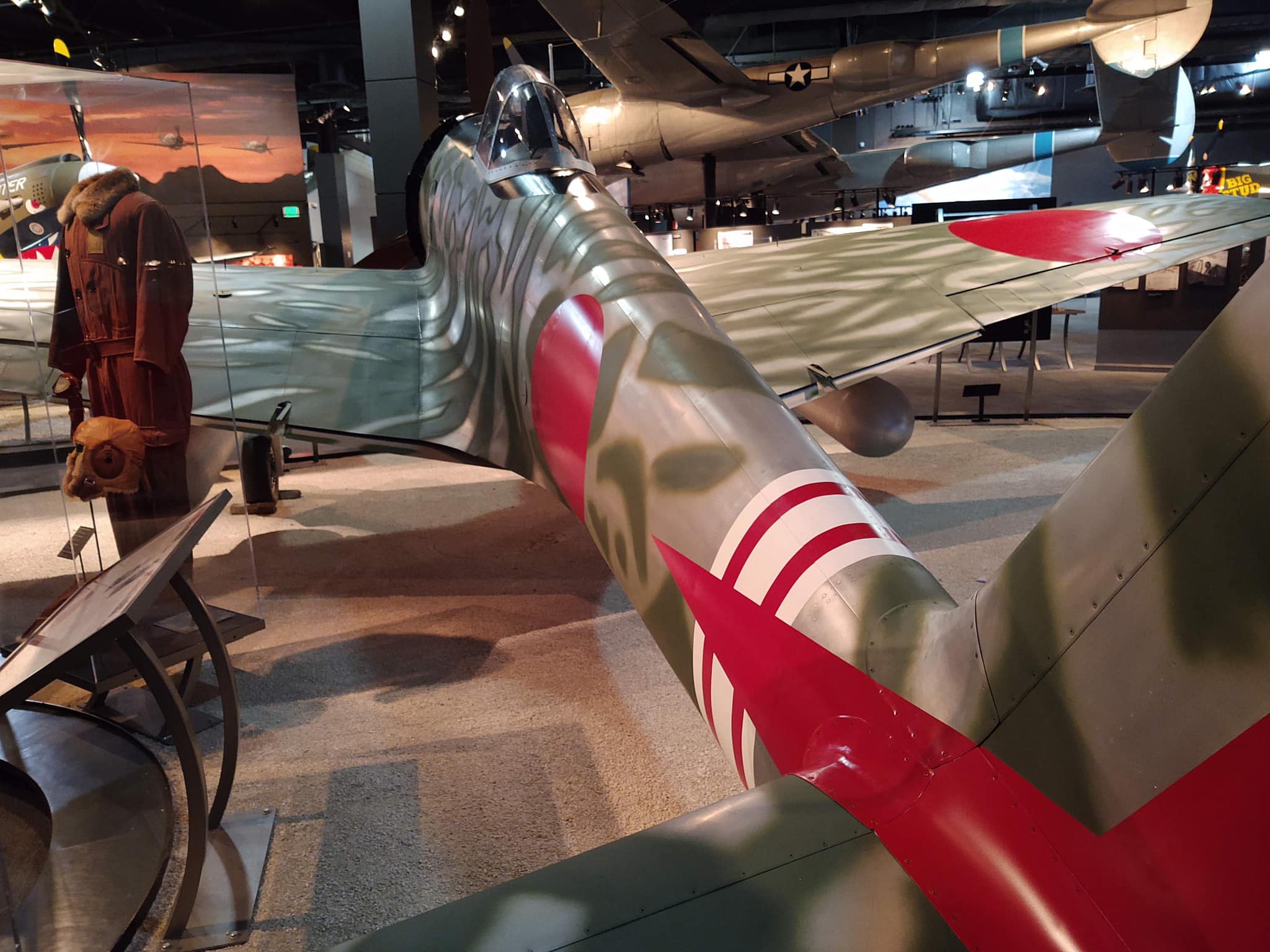
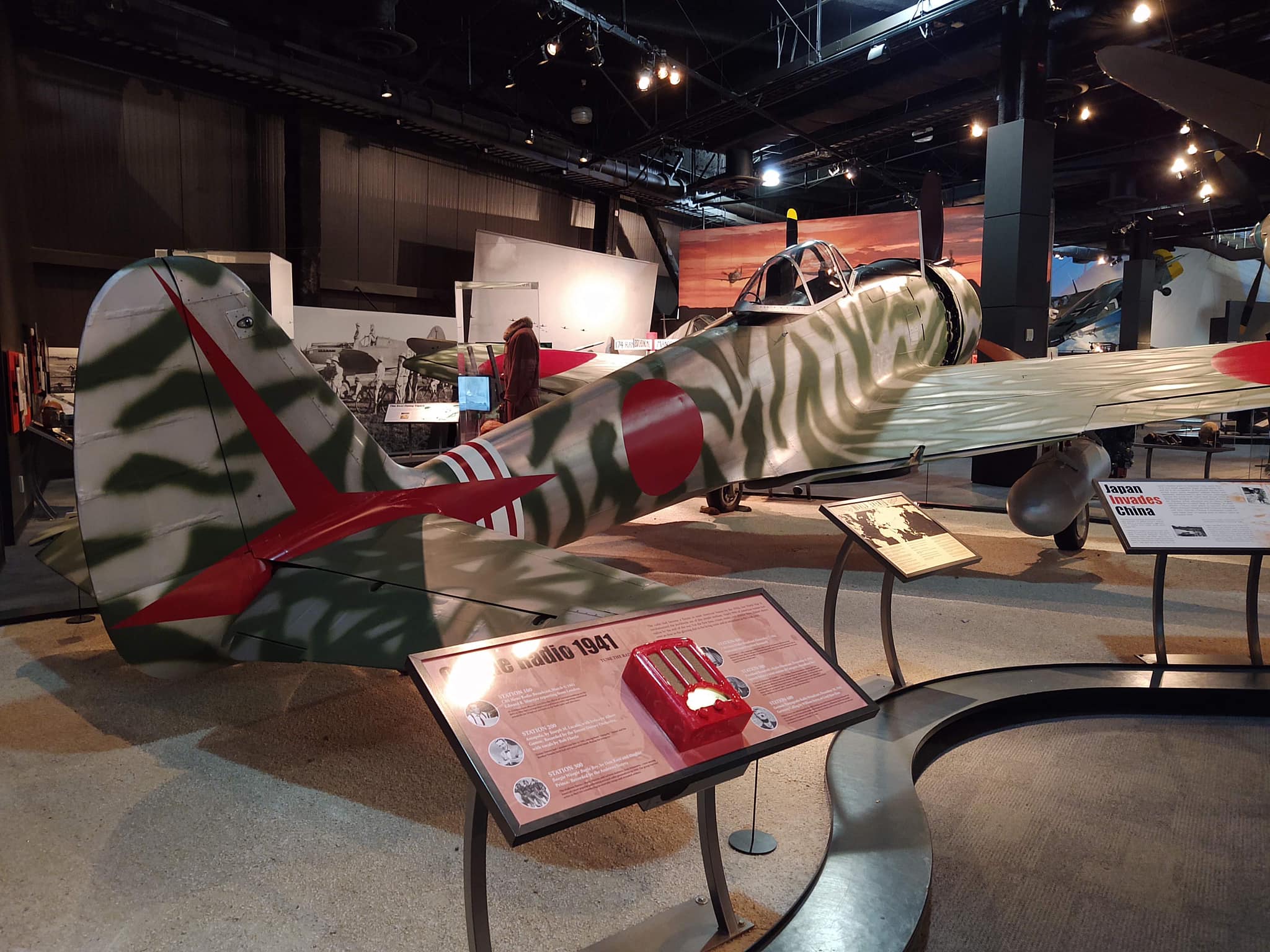
The Hayabusa was an all-metal construction except for fabric control surfaces. Its original design did not provide for pilot armor or self-sealing fuel tanks (later variants provided for both to some extent). It is powered by a Nakajima Ha-25 14-cylinder radial engine (later variants were fitted with the more powerful engines) with an annular air cooler located in front of the engine (this was later replaced by a honeycomb unit under the cowling). The IB was armed with a 7.7 mm Type 91 machine gun and a 12.7 mm Ho-103 heavy machine gun (similar to the Browning .50 cal.), both fitted to the top of the cowling and fired through the propeller. It is my understanding that the Ho-103’s slower rate of fire and tendency to jam led some pilots to replace it with a second Type 91 in the field. It could carry two 33 kg. bombs.
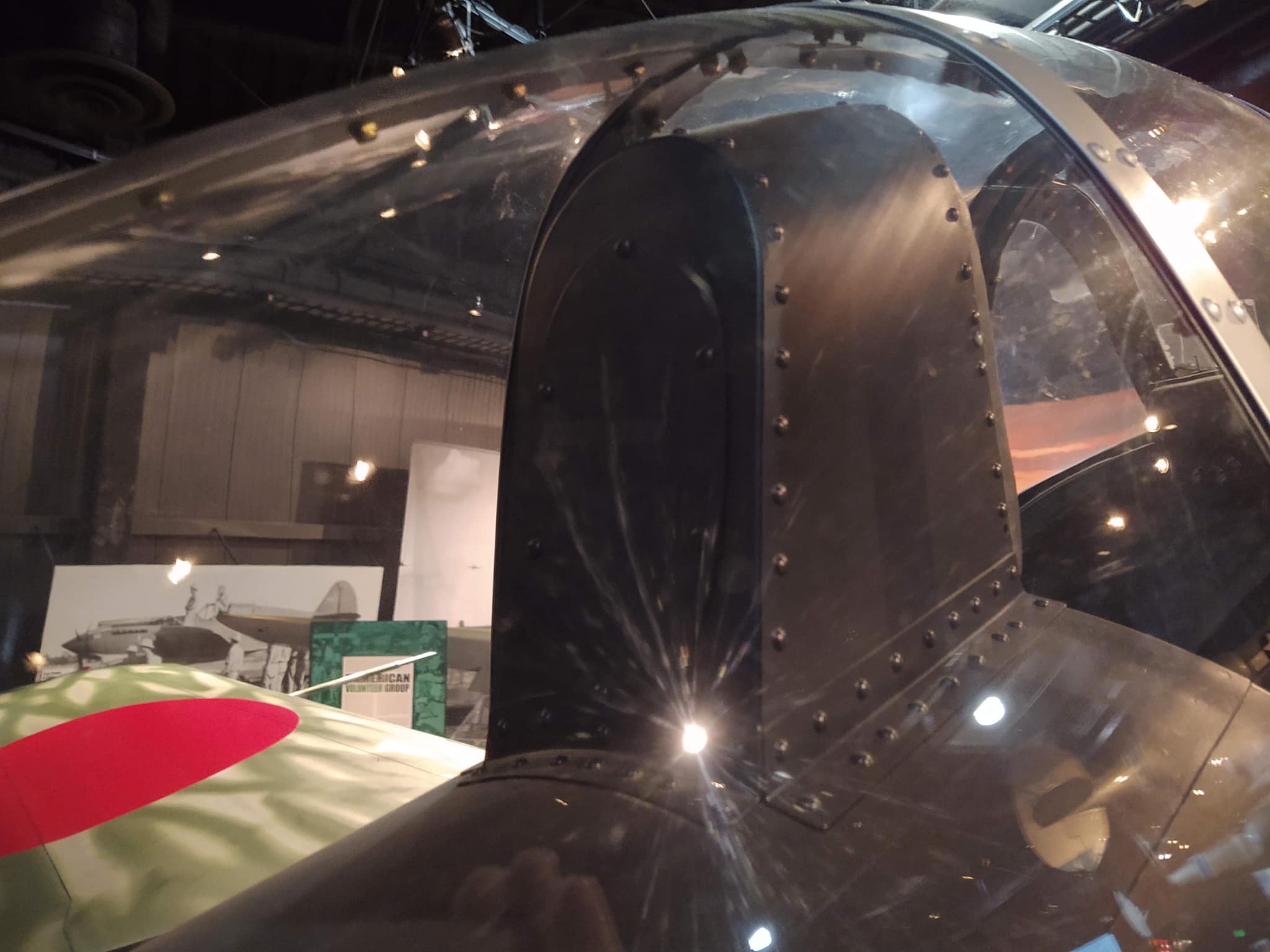
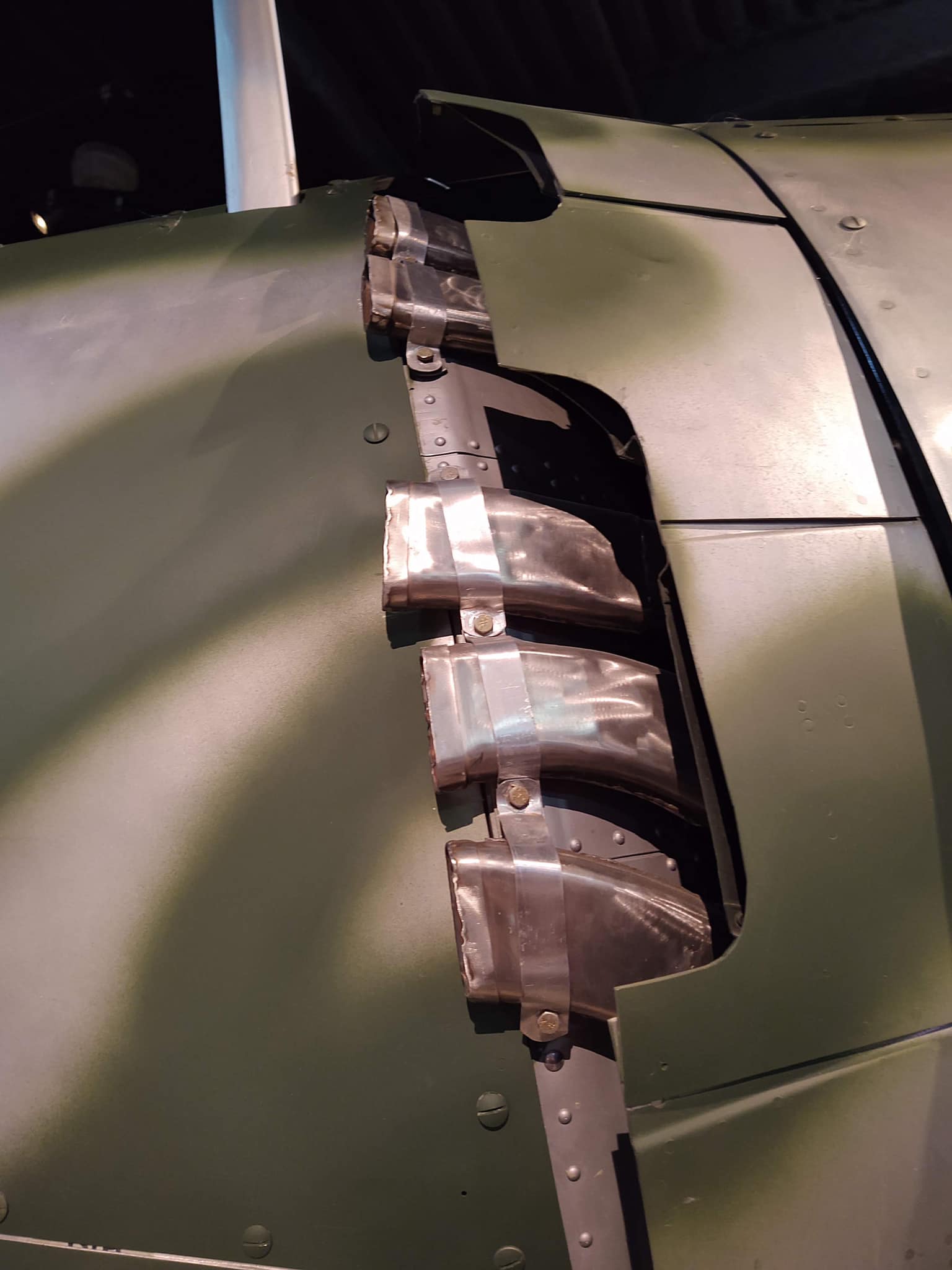
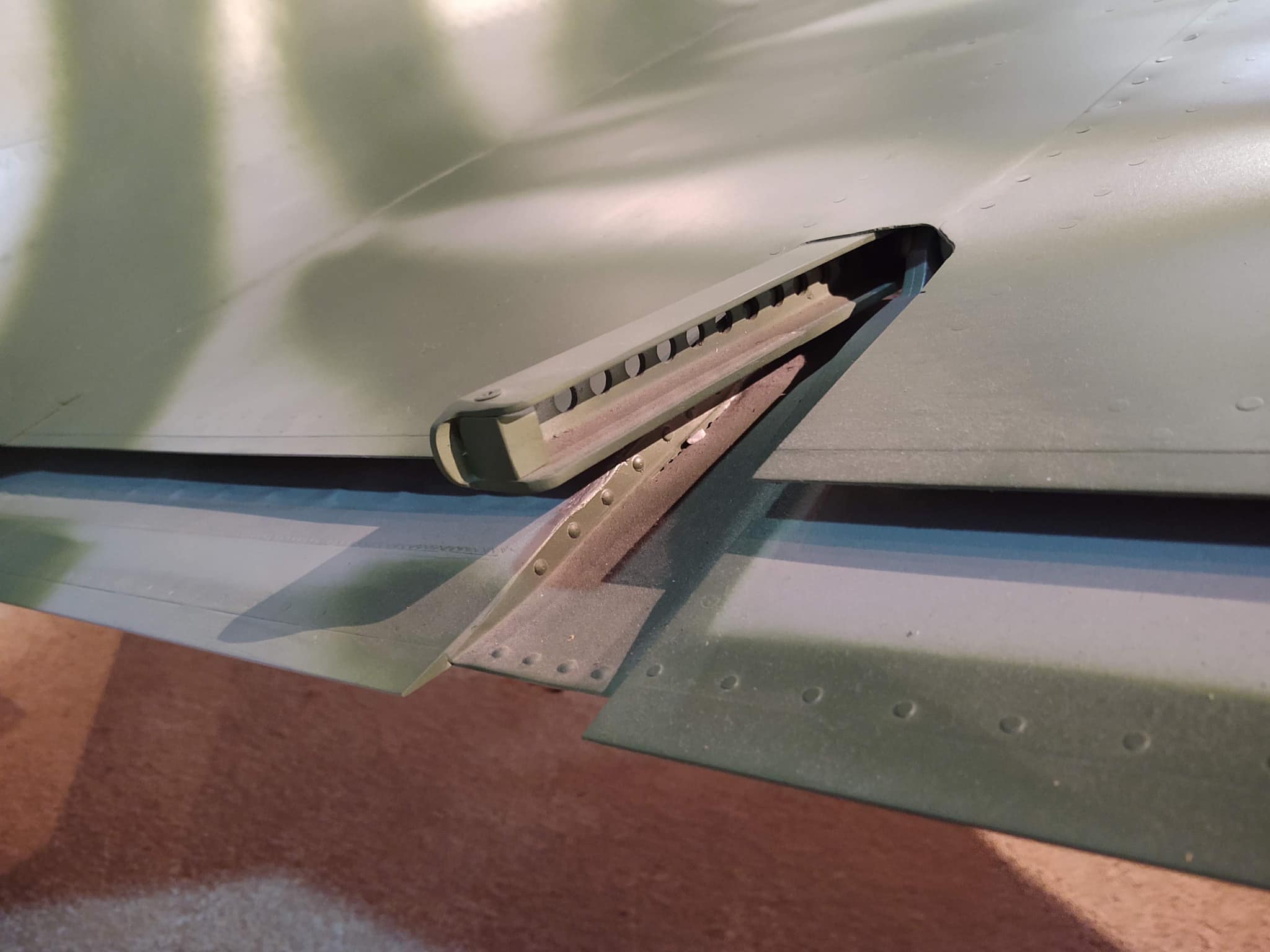
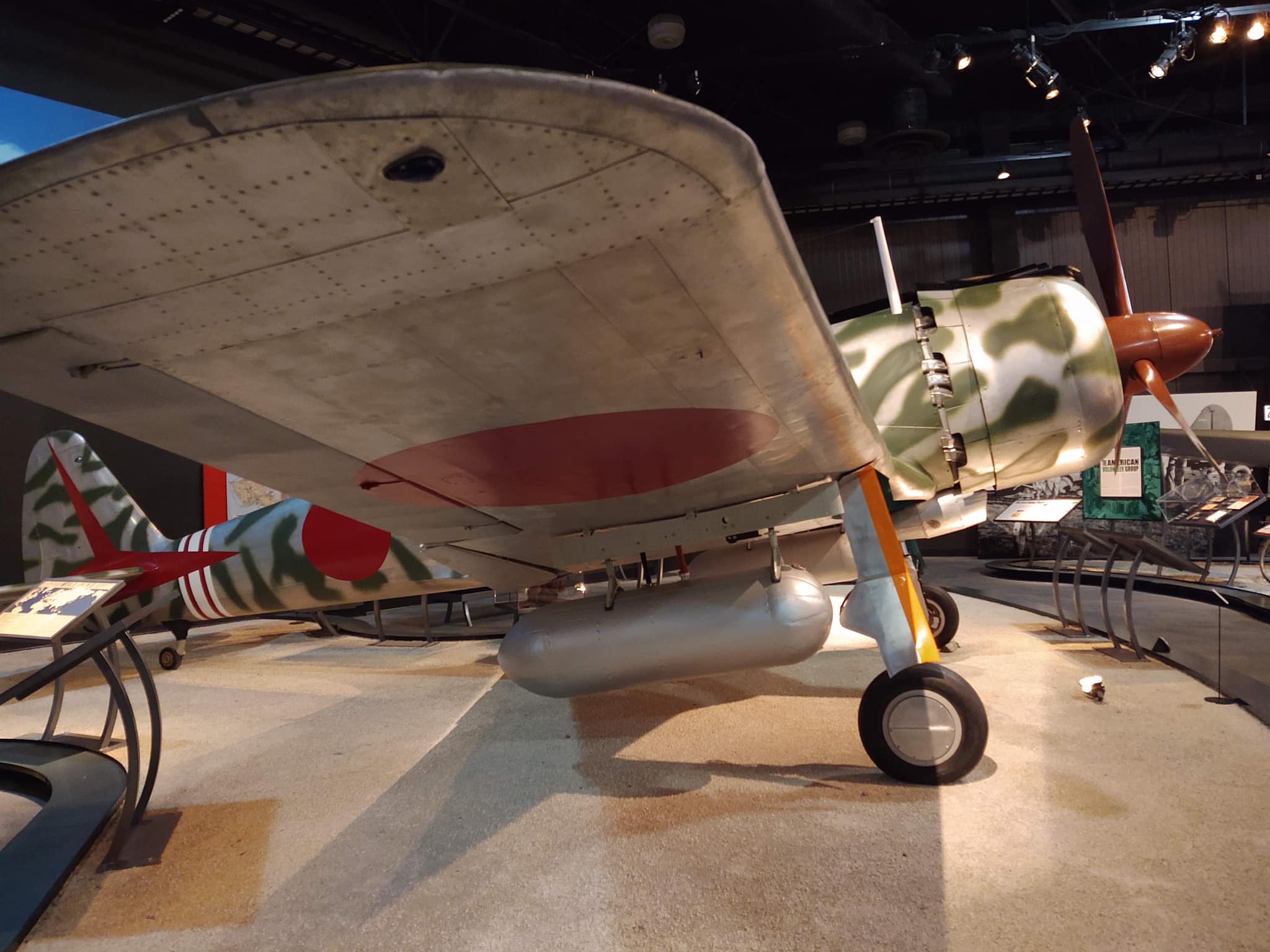
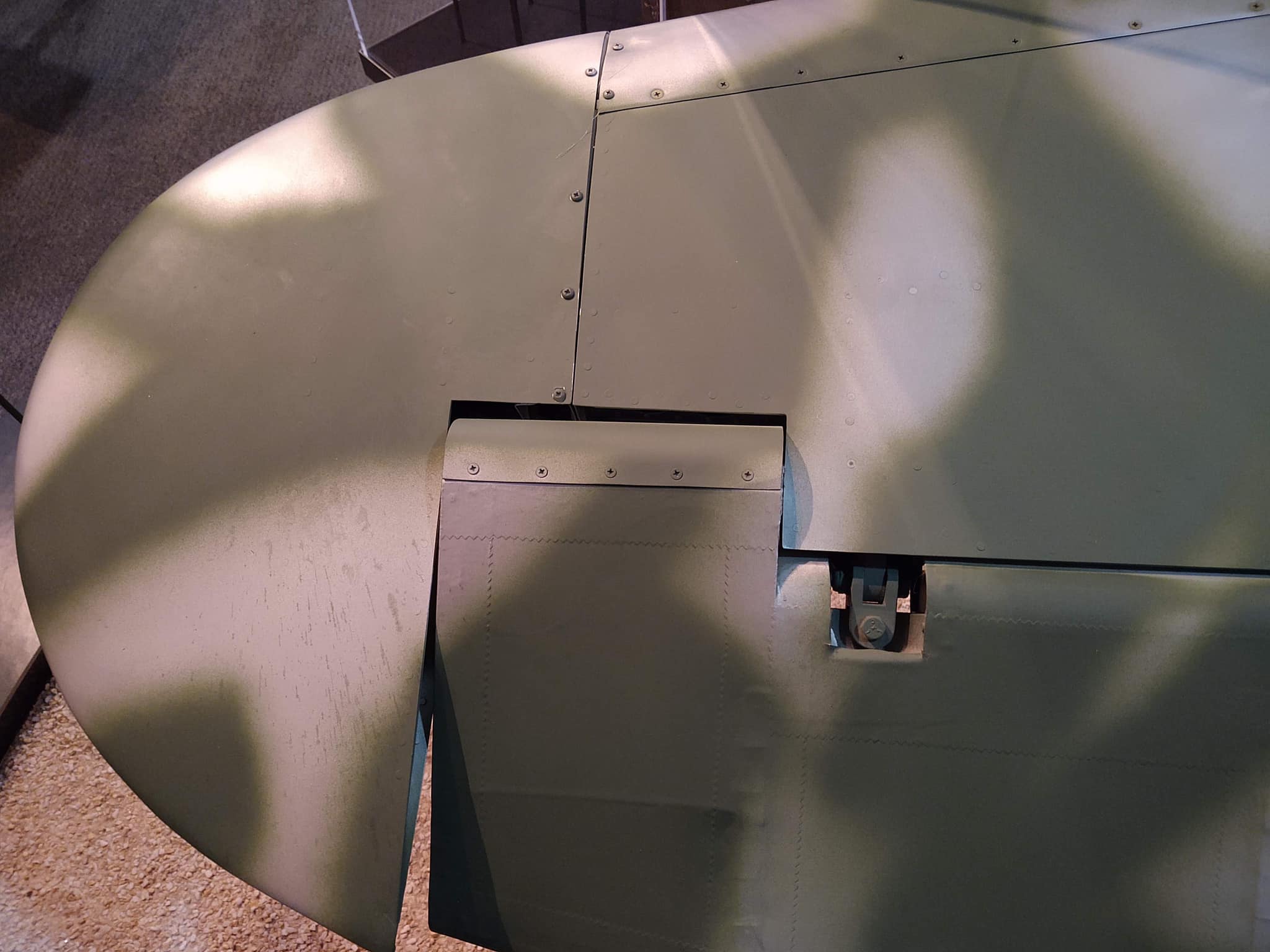
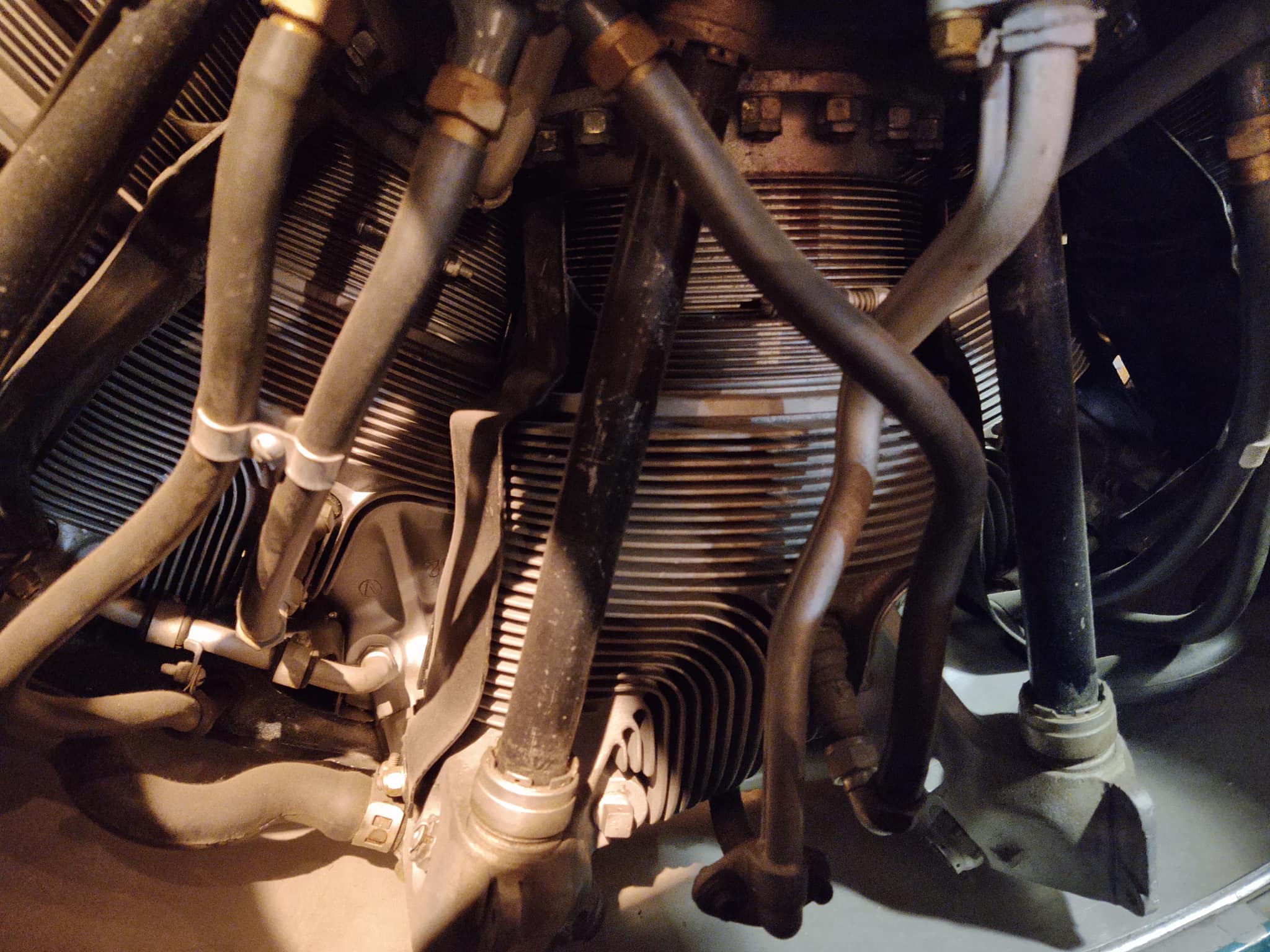
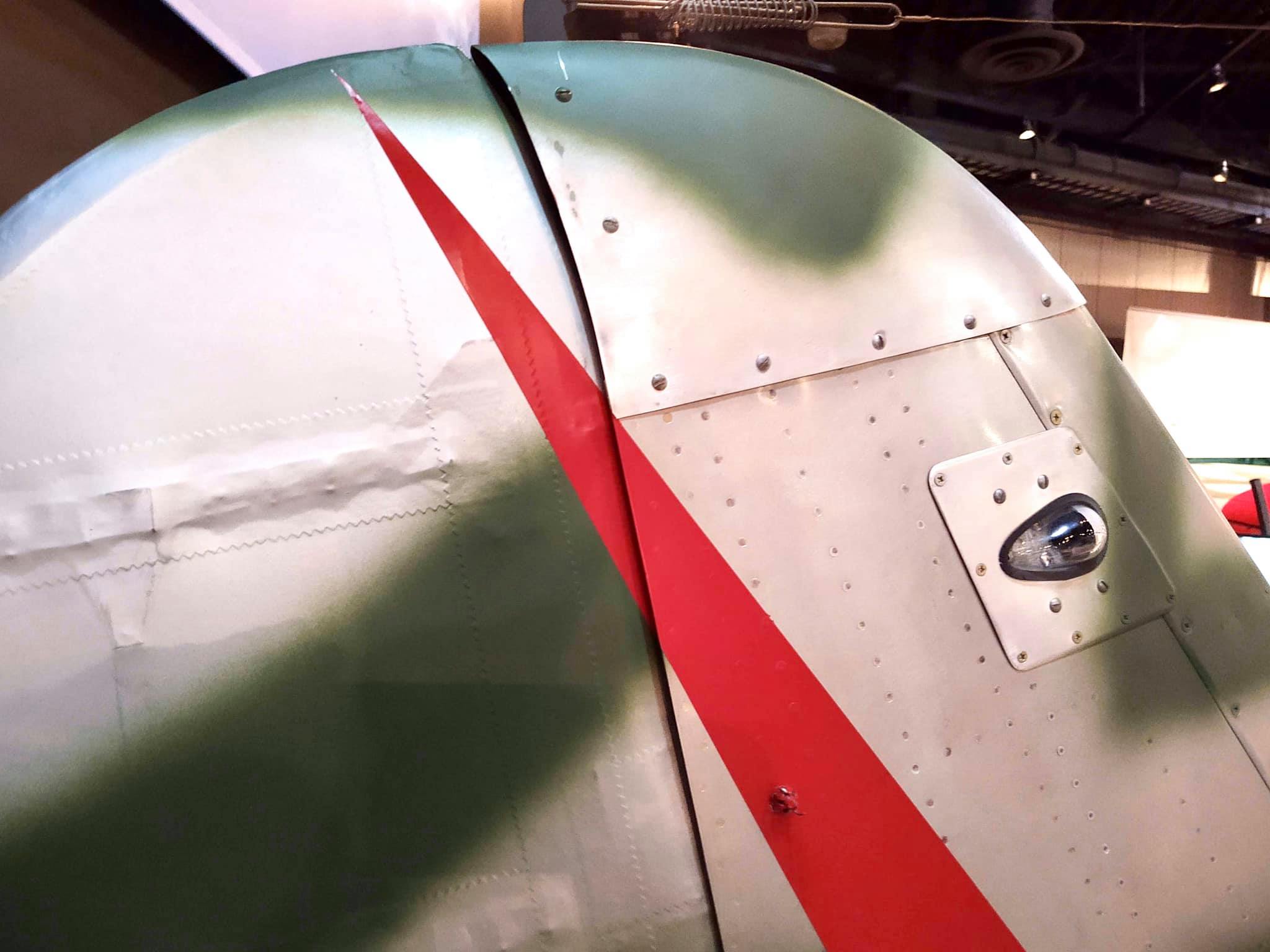
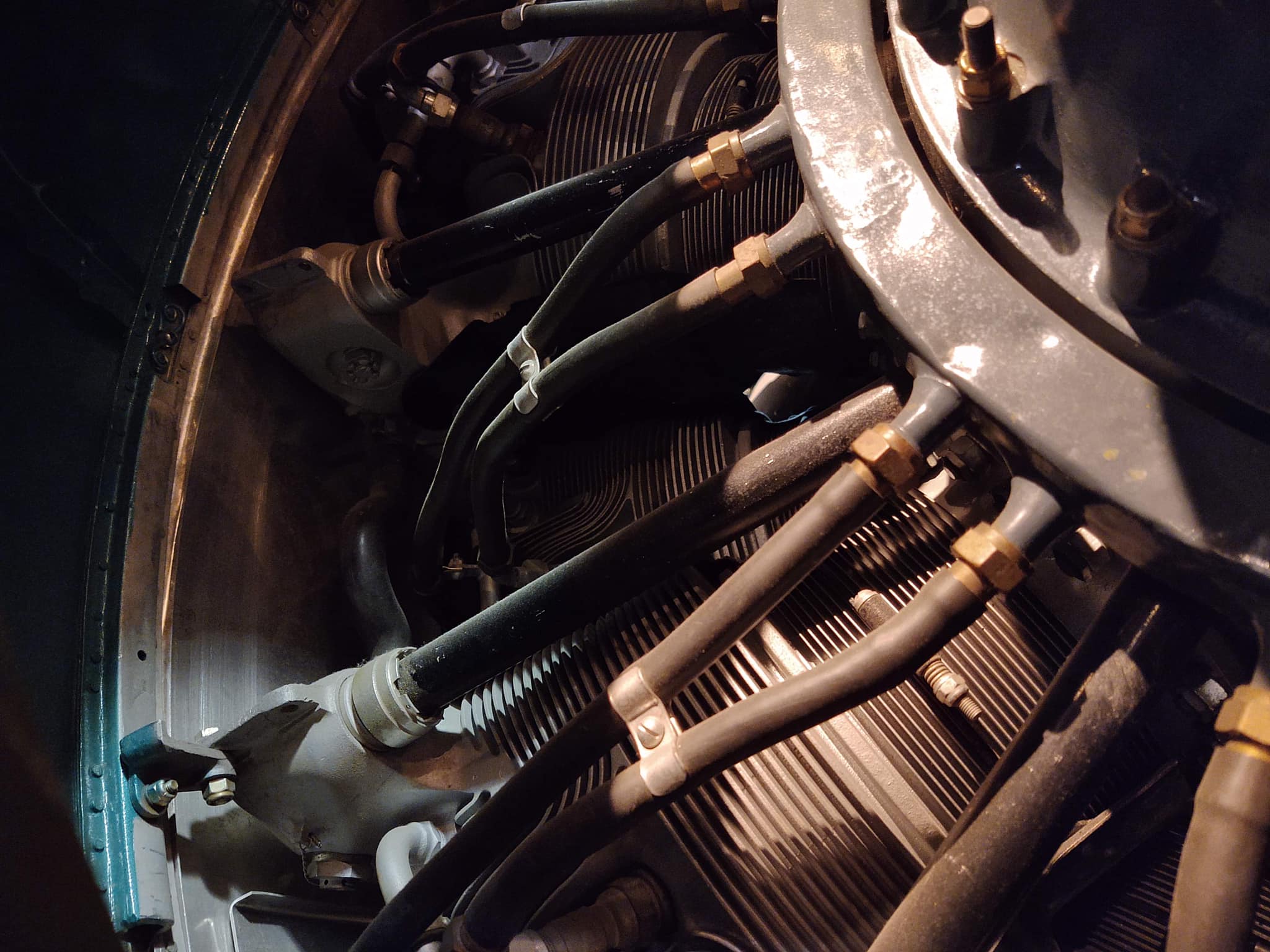
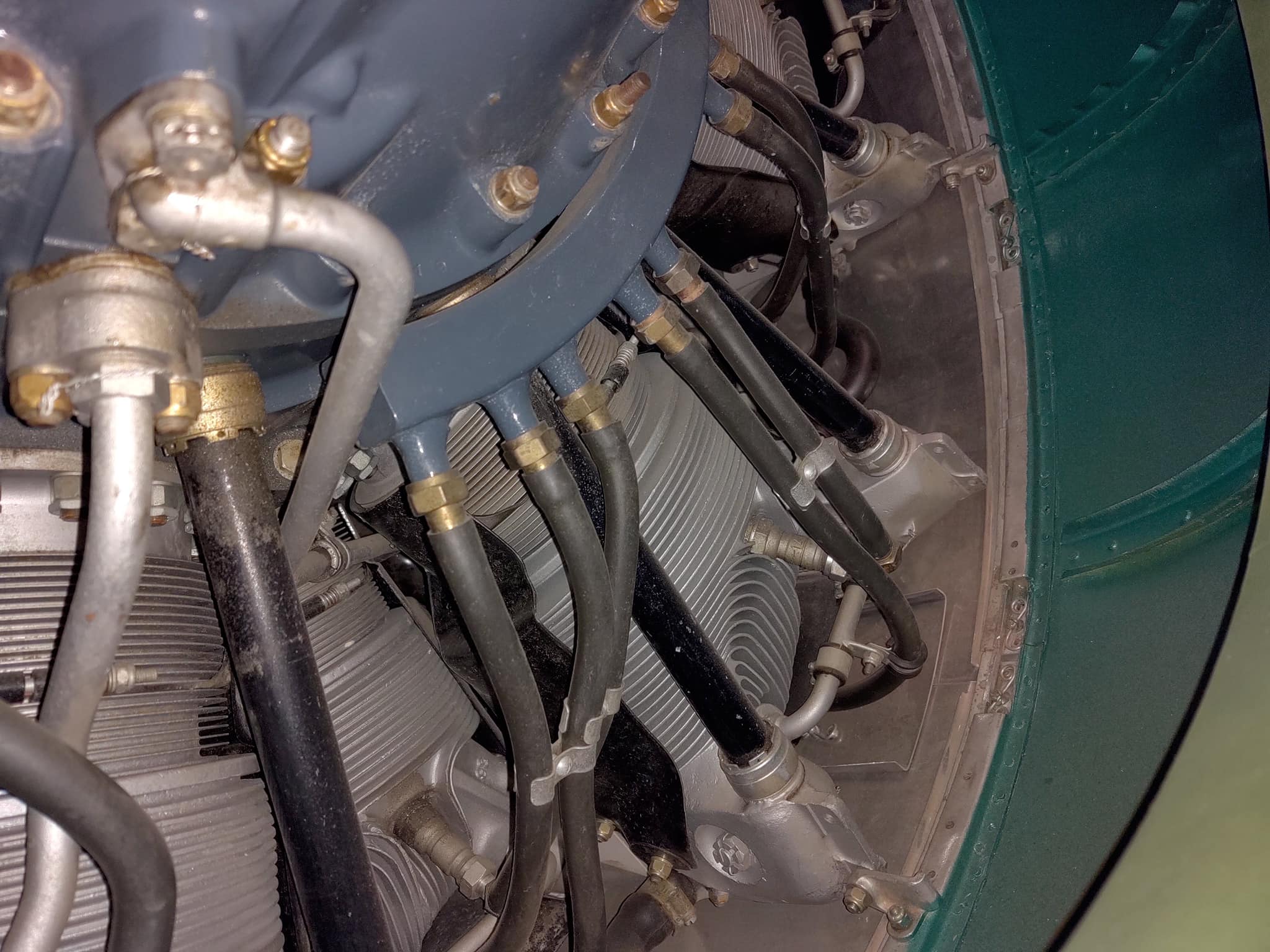
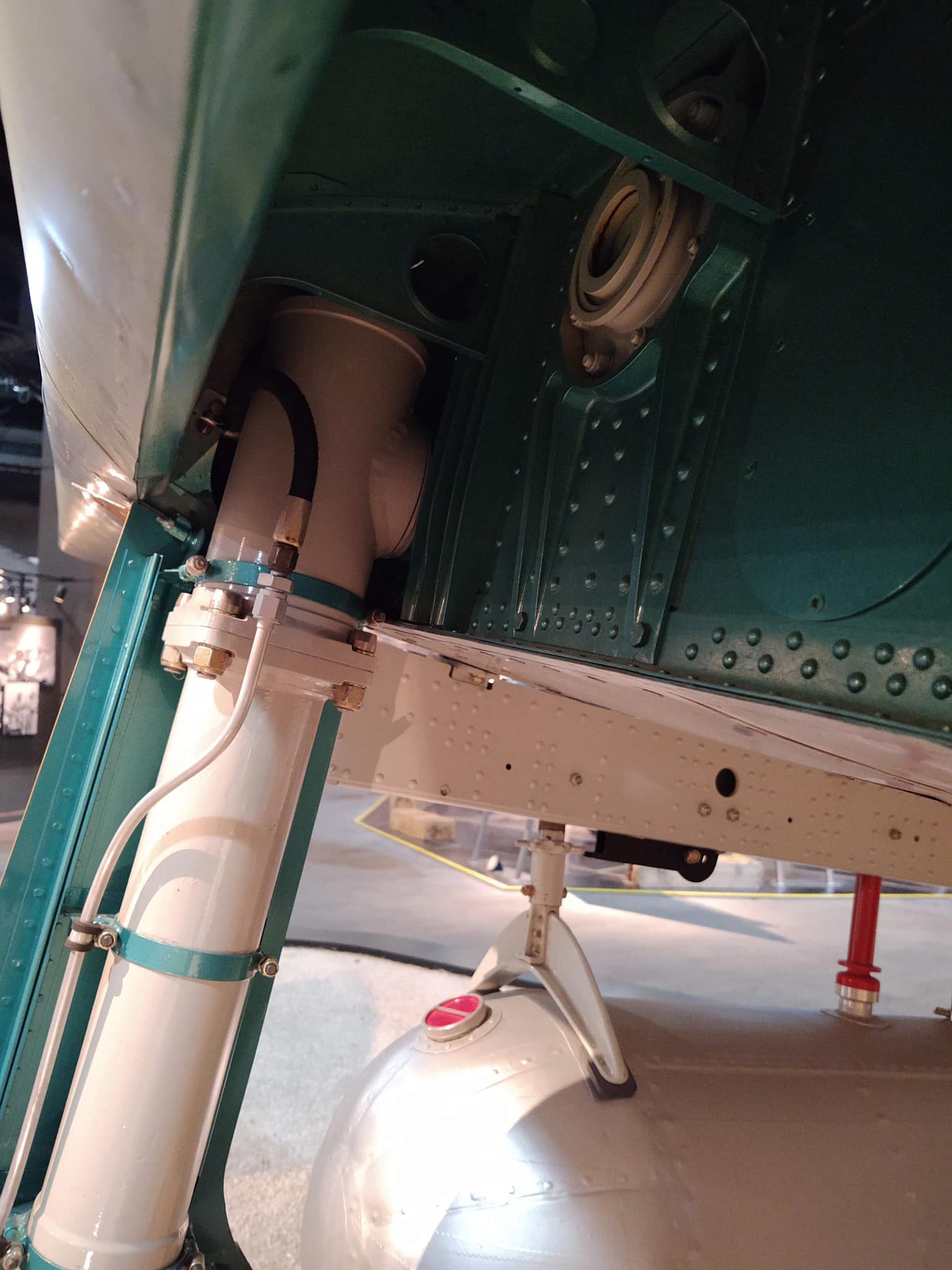
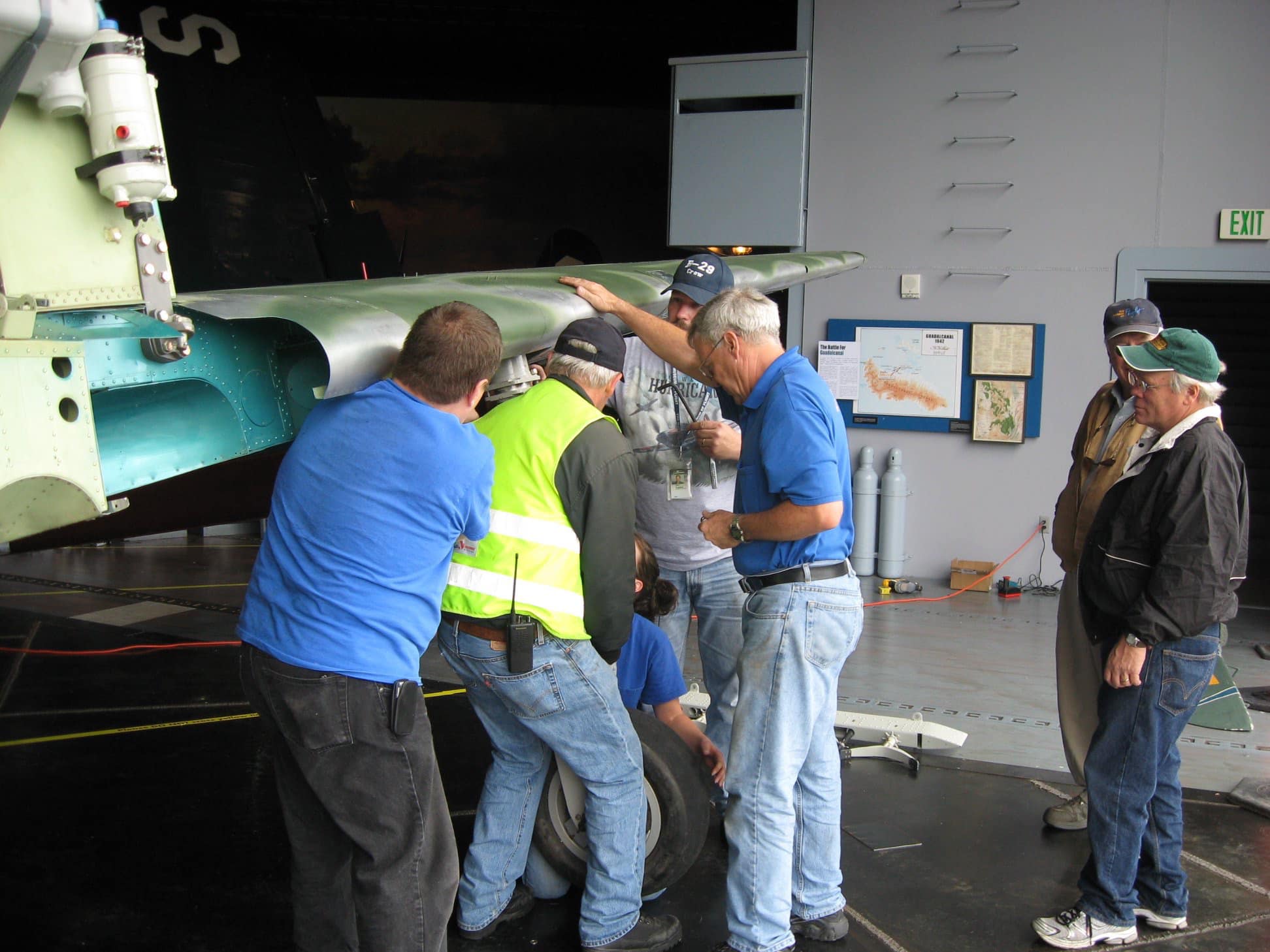
To further the lightness and agility of the aircraft by omitting a battery and engine starter, it was fitted with a Hucks Starter hub or dog in the nose so that the engine was started externally by a ground vehicle. It also had “combat” or “butterfly” flaps on the wings’ inner trailing edges that added wing surface for improved maneuverability. There was a leather-covered metal pilot’s pull rather than a foot stirrup and hand hold. The Type 89 scope gunsight had a cover to protect it from dirt and engine oil during takeoff and was removed by the pilot before combat using a connecting rod through the windscreen. It has mechanical landing gear indicator rods or bayonets attached to the gear struts and protruding through the top of the wings (you can see them in these photos). You can see the color of Aotake ( 青竹) (basically translates as “green bamboo”), an anti-corrosion paint used in the landing gear wells. It had no specific color but was often bright blue-green (U.S. tests showed it to be superior to Zinc Chromate used on U.S. aircraft).
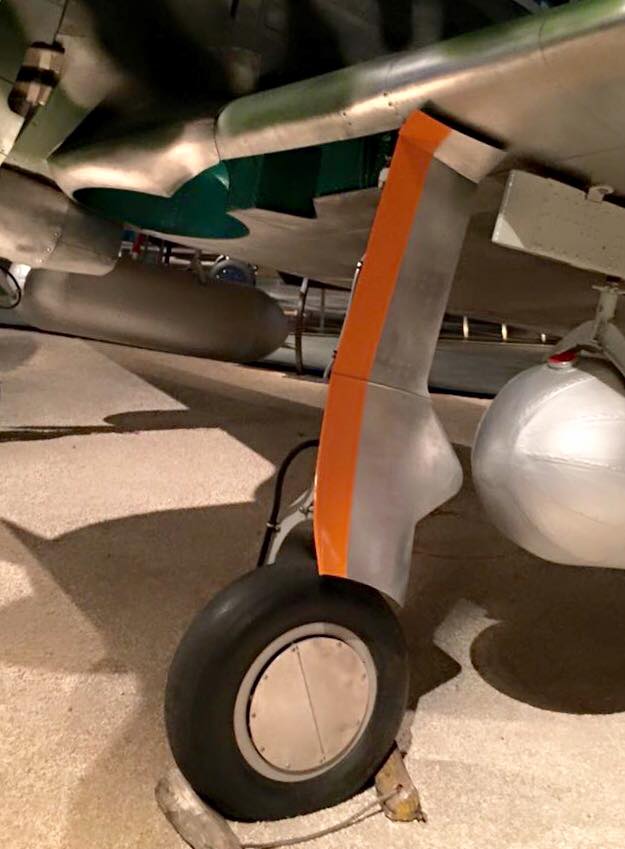
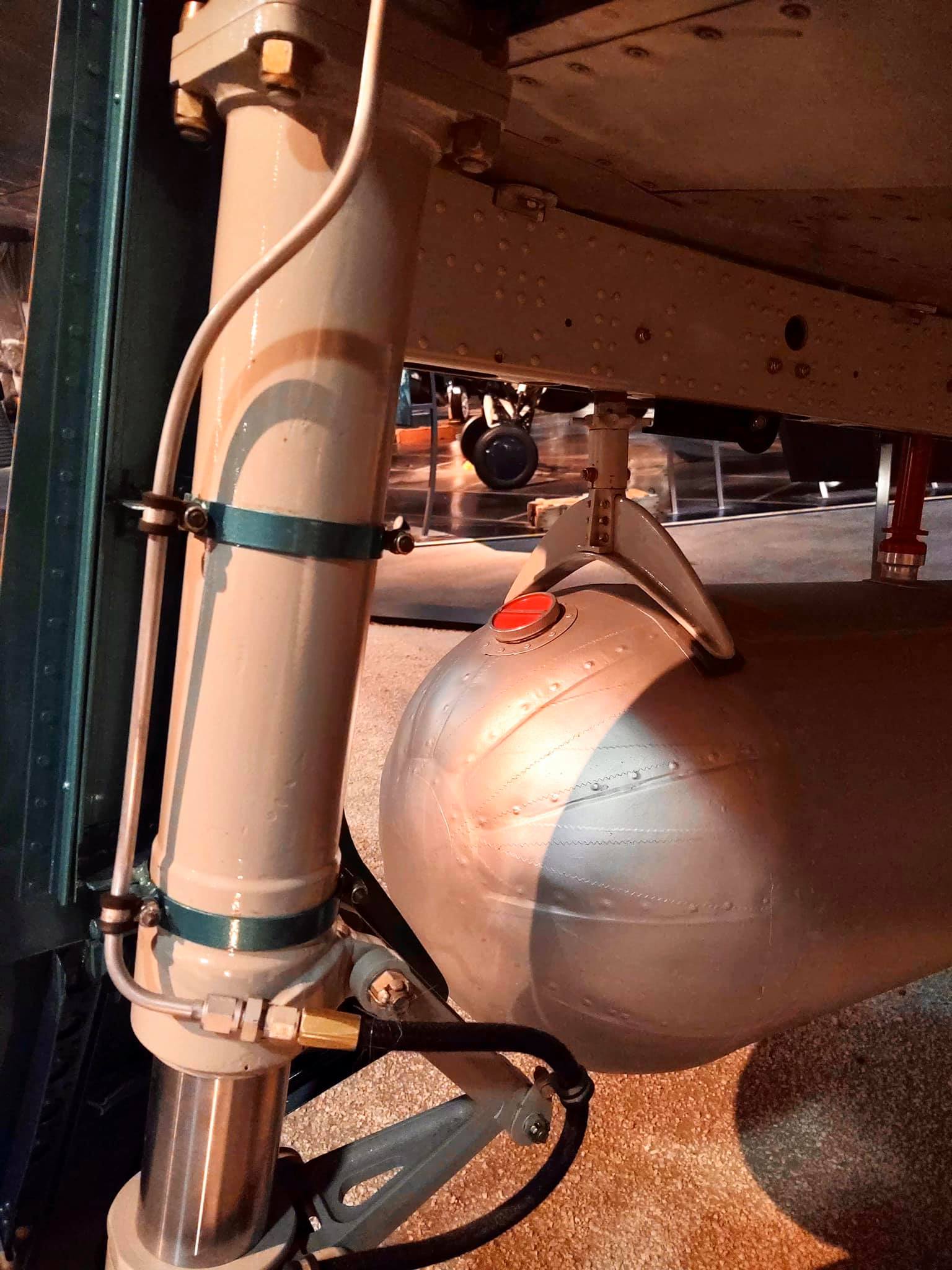
The leading edges of the wings have been painted with yellow identification panels as a way to try to avert friendly fire. There was an escape hatch on the port side of the fuselage aft of the cockpit, which allowed the pilot to remove the seat back, which was held in place by spring-loaded pins, and escape through the hatch. There was a trumpet-shaped air intake in front of the engine, similar to one found on some Republic P-47s, which, in that aircraft, provided fresh air that was warmed by the engine on its way to warm the cockpit and defrost the windscreen.

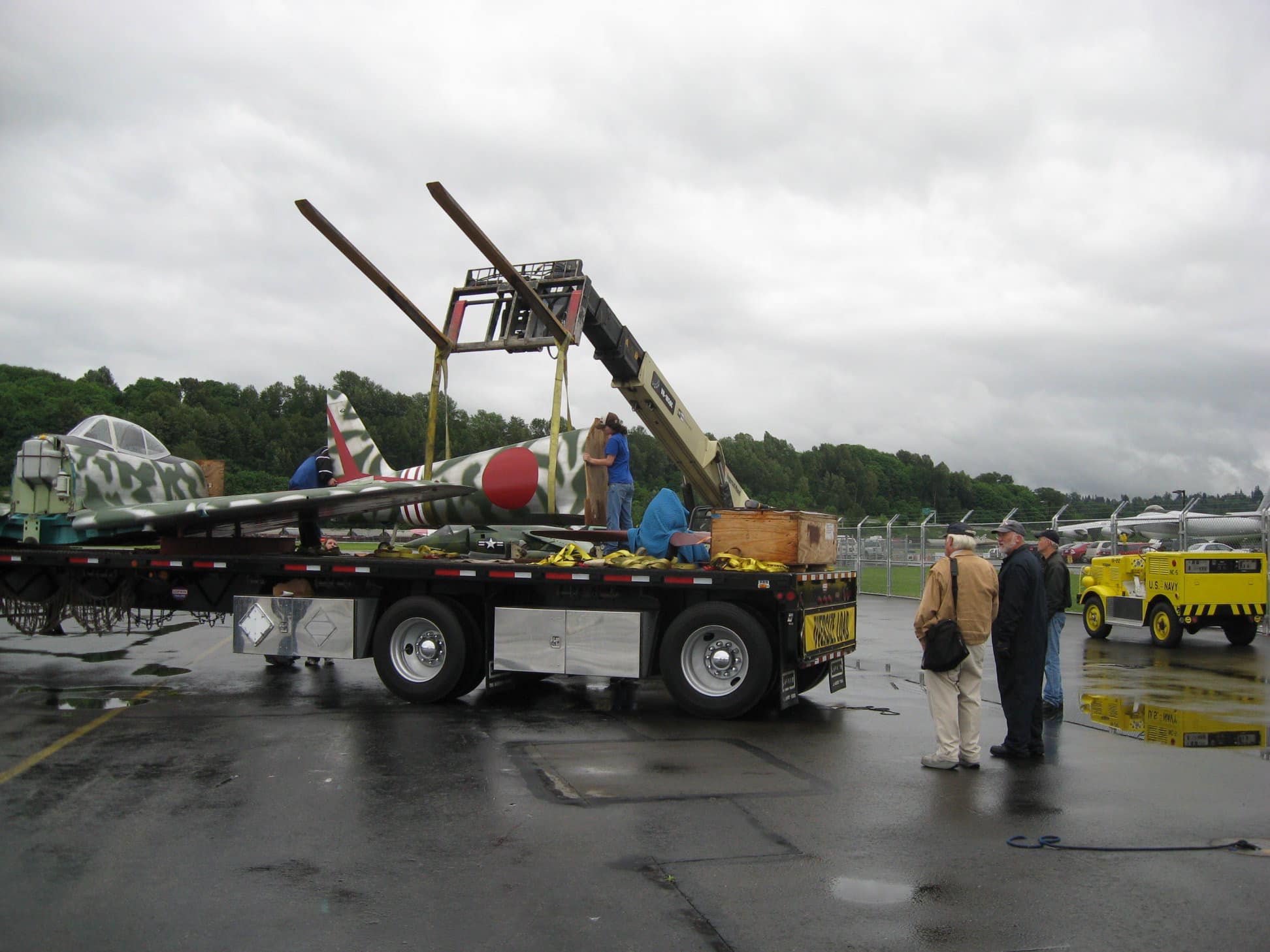
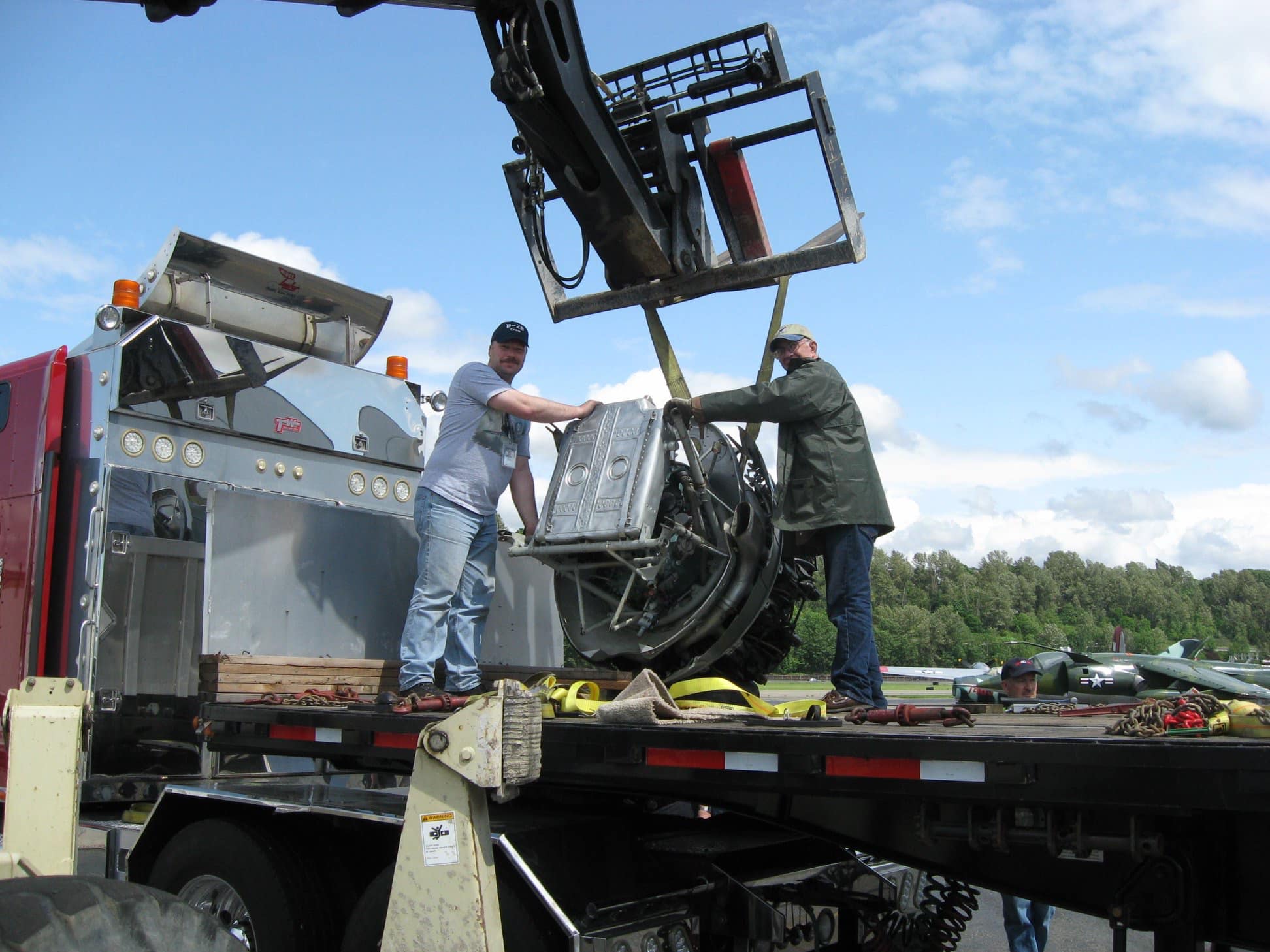
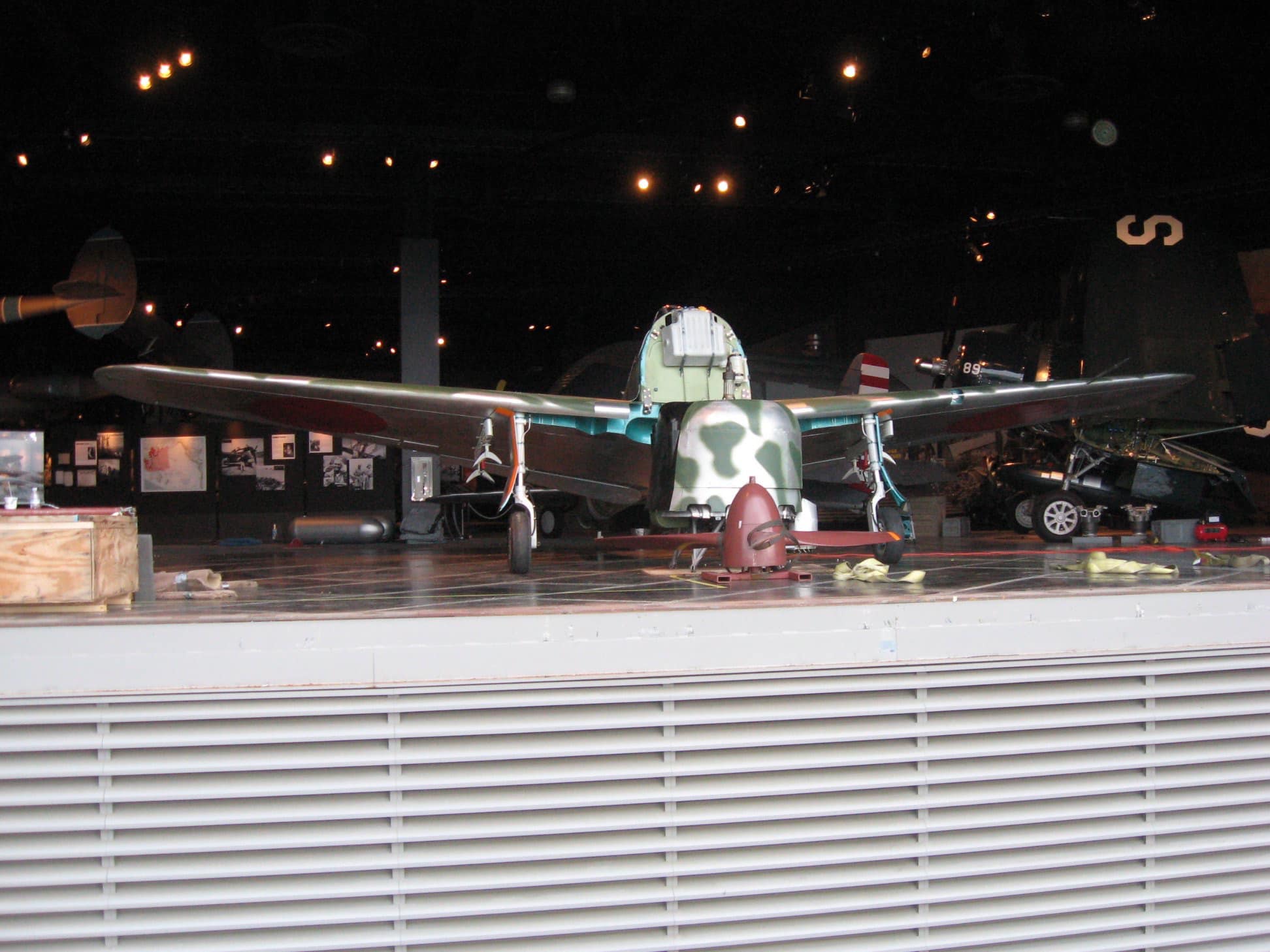
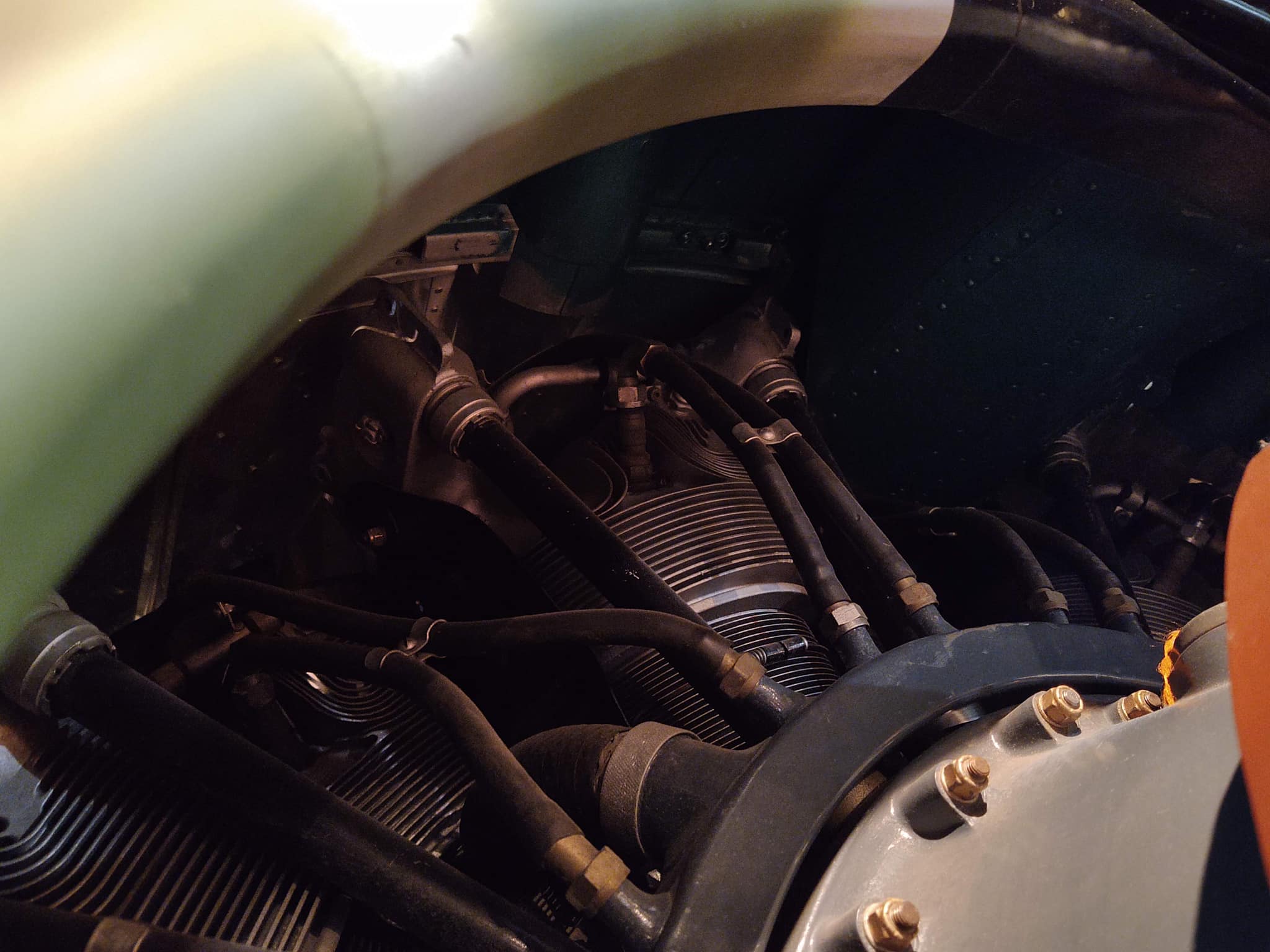
Editor’s notes: Before being completed by Gosshawk Unlimited, this reproduction, construction number 15267, had much of its fuselage and wing structure rebuilt by the Texas Airplane Factory, founded by Herbert Tischler at Meacham Field in Fort Worth, Texas. Due to the lack of an original Nakajima Sakae radial engine to install in the aircraft, the Museum of Flight’s Ki-43 Hayabusa has been fitted with a Pratt and Whitney R-1830 Twin Wasp engine, which is of similar proportions to the Sakae.
About the author
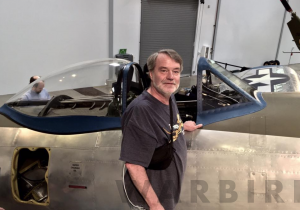 Randy Malmstrom grew up in a family steeped in aviation culture. His father, Bob, was still a cadet in training with the USAAF at the end of WWII but did serve in Germany during the U.S. occupation in the immediate post-war period, where he had the opportunity to fly in a wide variety of types that flew in WWII. After returning to the States, Bob became a multi-engine aircraft sales manager and, as such, flew a wide variety of aircraft; Randy frequently accompanied him on these flights. Furthermore, Randy’s cousin, Einar Axel Malmstrom, flew P-47 Thunderbolts with the 356th FG from RAF Martlesham Heath. He was commanding this unit at the time he was shot down over France on April 24th, 1944, and spent the rest of the war as a prisoner of war. Following his repatriation at war’s end, Einar continued his military service, attaining the rank of Colonel. He was serving as Deputy Wing Commander of the 407th Strategic Fighter Wing at Great Falls AFB, MT at the time of his death in a T-33 training accident on August 21, 1954. The base was renamed in his honor in October 1955 and continues to serve in the present USAF as home to the 341st Missile Wing. Randy’s innate interest in history in general, and aviation history in particular, plus his educational background and passion for WWII warbirds, led him down his current path of capturing detailed aircraft walk-around photos and in-depth airframe histories, recording a precise description of a particular aircraft in all aspects.