
By Randy Malmstrom
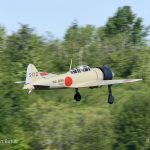
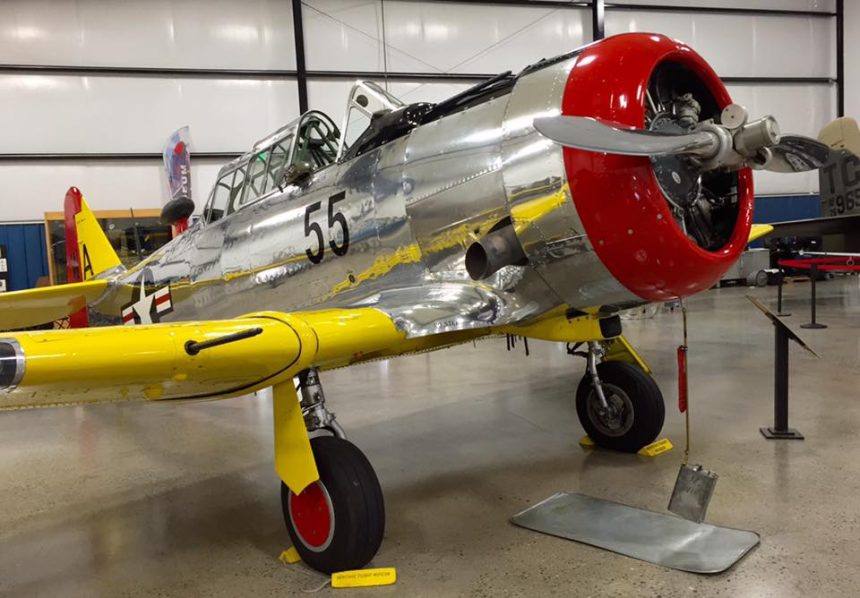
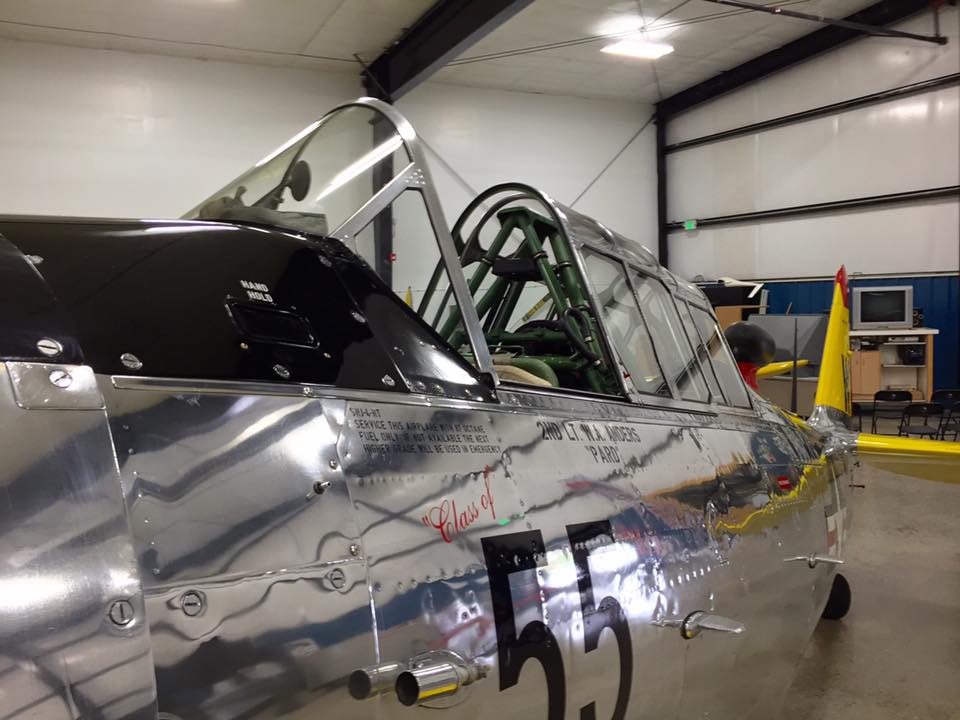
North American SNJ-4, BuNo 26991, Constr. No. 88-11850. I have yet to determine much about the early history of this particular aircraft other than that it was built in the early 1940’s and delivered to the U.S. Navy. From 1963-92 it was in the possession of H.L. Webb of Berkeley, California, then Monte Zema of Colville, Washington, between 1993-94, during which time it was restored to airworthiness, then Thomas Duzan of Kennewick, Washington. It was then acquired by Apollo 8 astronaut and Heritage Flight Museum (HFM) founder Maj. Gen. William “Bill” Anders, who donated it to HFM in 2004. It was restored as 55-WA with Gen. Anders’ name and fitted with mock .30 cal. machine guns. In 2018, it was acquired by North American Warbirds, Inc. of Wilmington, Delaware. My photos and video clips from when it was at HFM.
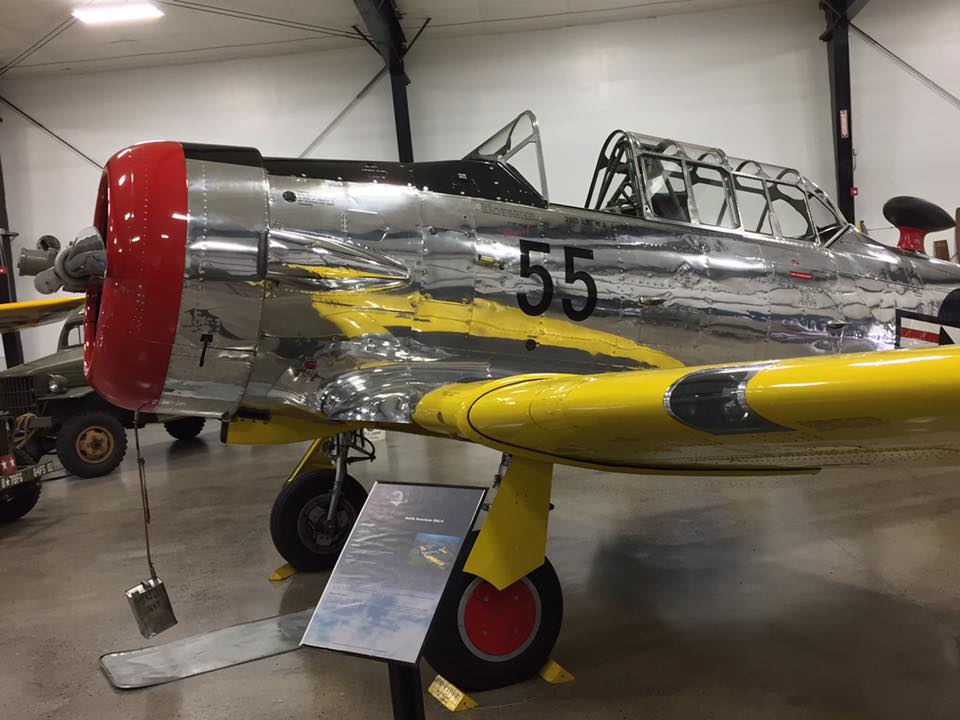
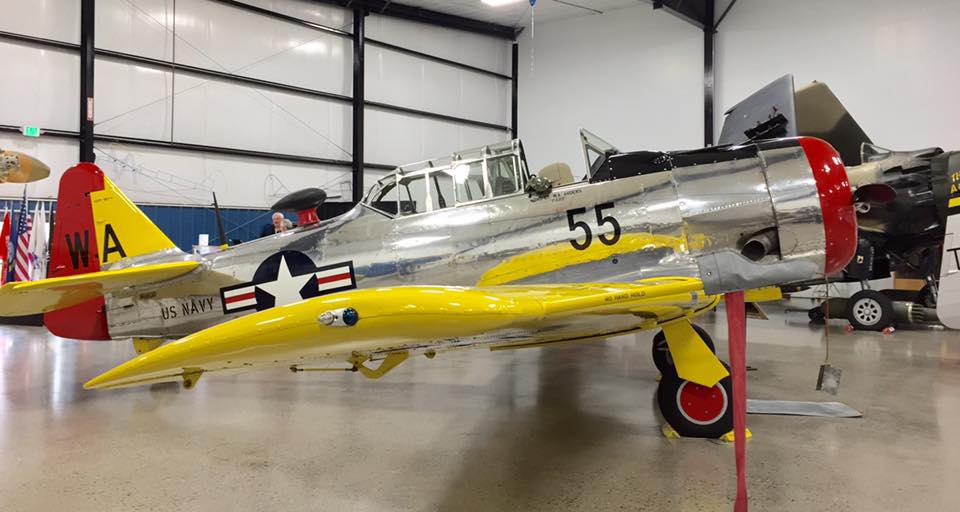
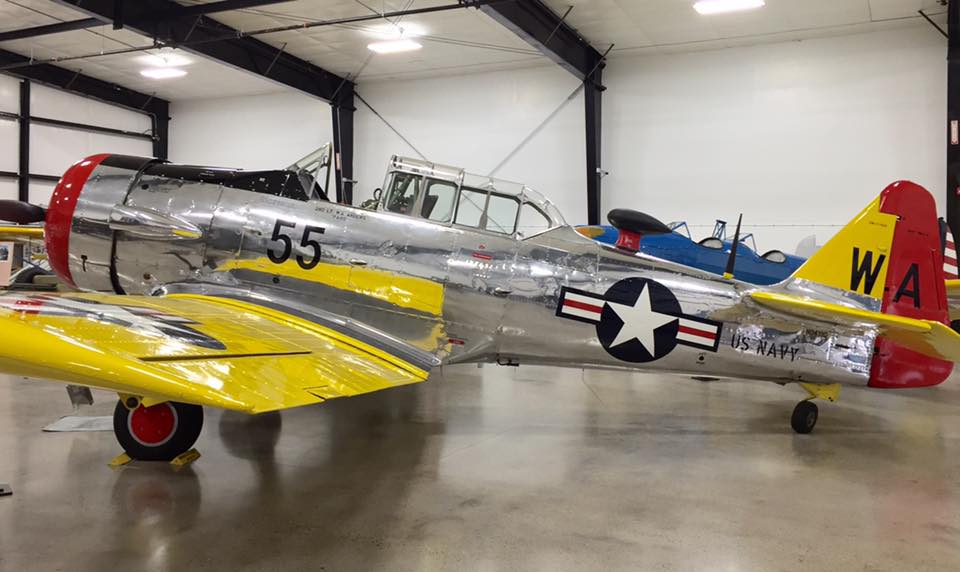
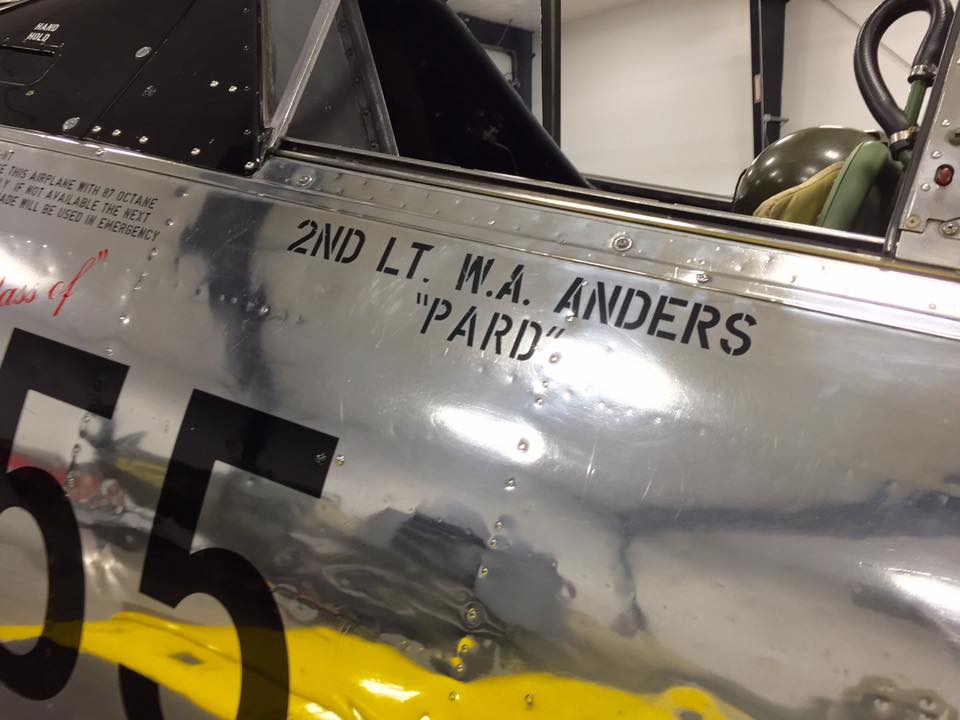
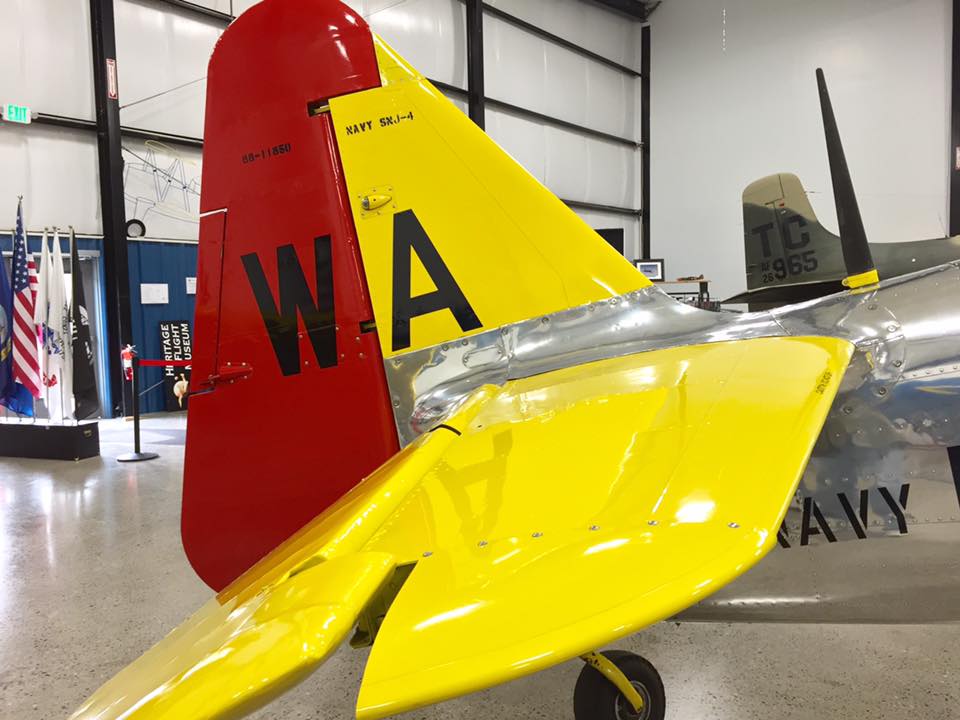
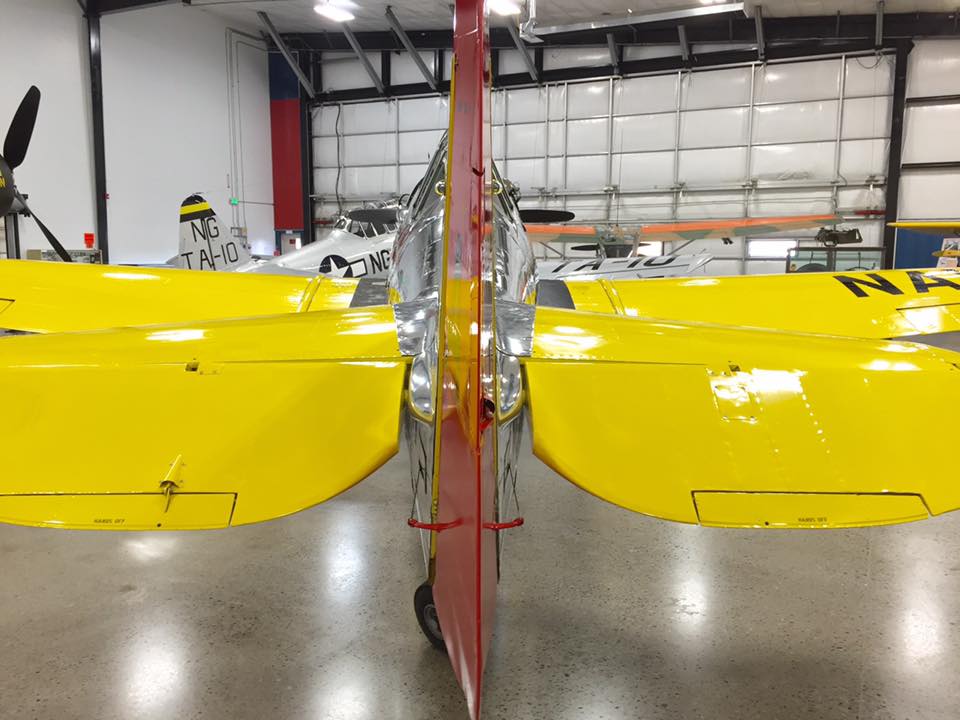
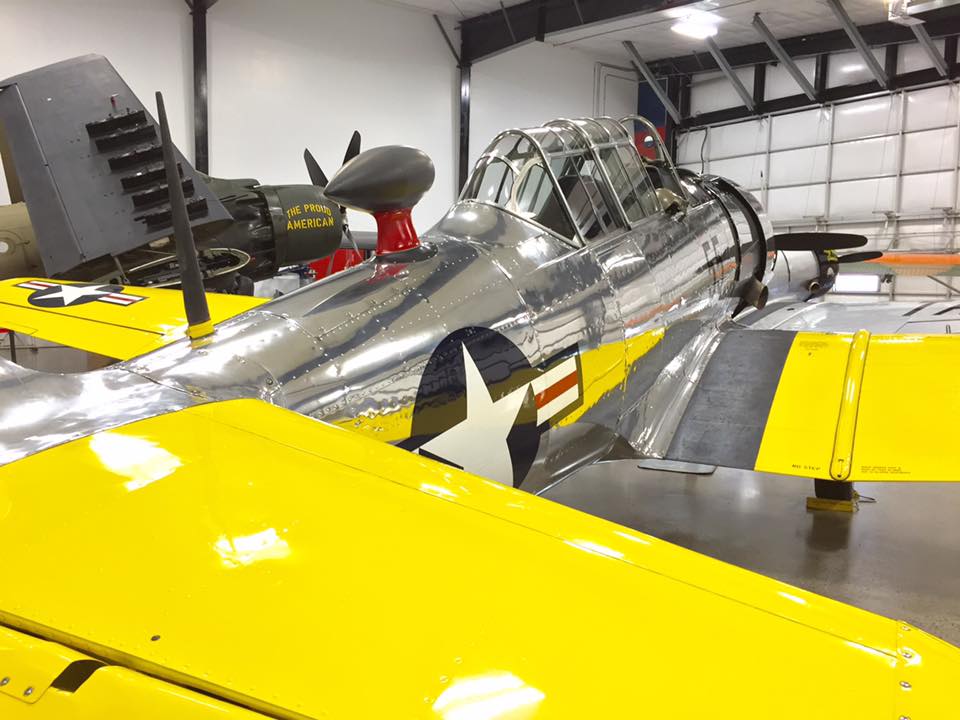
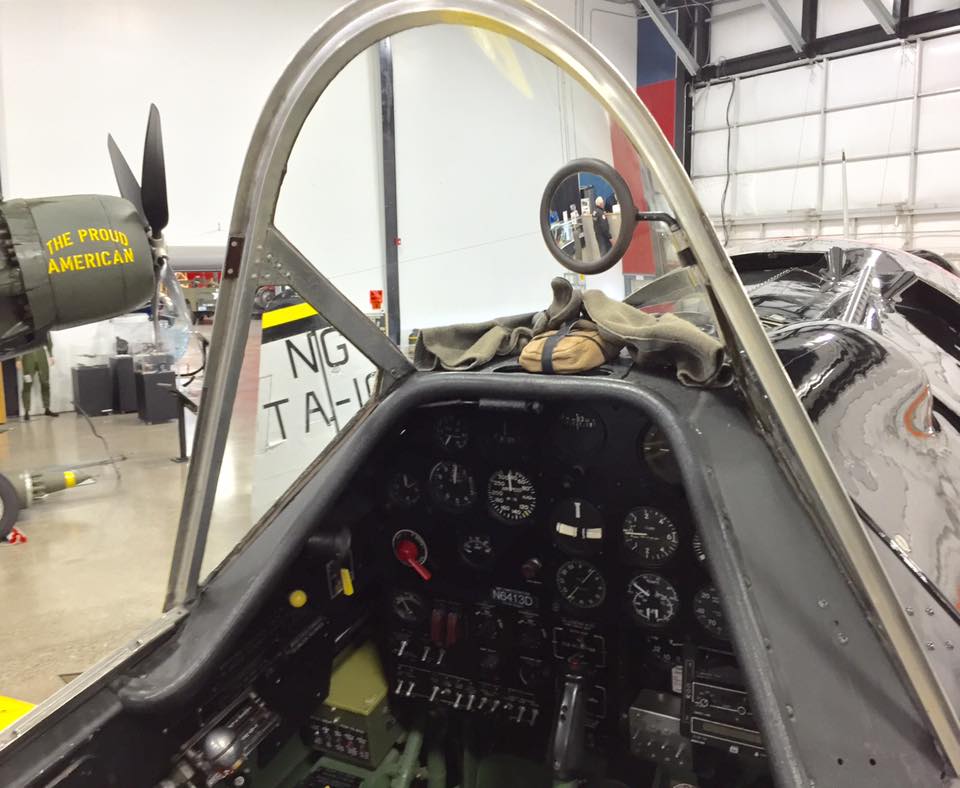
The T-6 “Texan” (U.S. Army Air Corps), SN-J (U.S. Navy) and “Harvard” & “Yale” (British Commonwealth). The U.S. Navy designation of the T-6 being S = Scout (advanced trainer), N = trainer and J = North American. These aircraft were flown by as many as 59 militaries worldwide and employed in many ways. Also known as “Pilot Maker” and “Old Growler” and “Window Breaker” and “J-Bird” (U.S. Navy SNJ), it was built with a Pratt & Whitney R-1340 Wasp engine. For gunnery practice, or use in combat by some militaries, it could be armed with up to four .30 cal. machine guns: one atop the cowl firing through the propeller arc, one in each wing, and one on a flexible rear-facing mount.
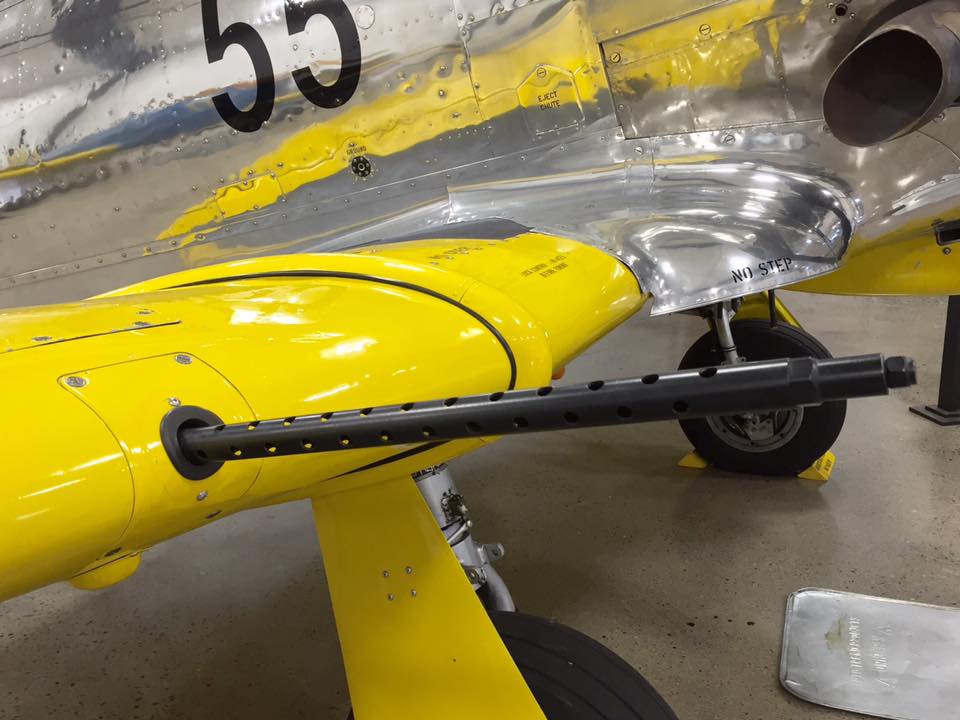
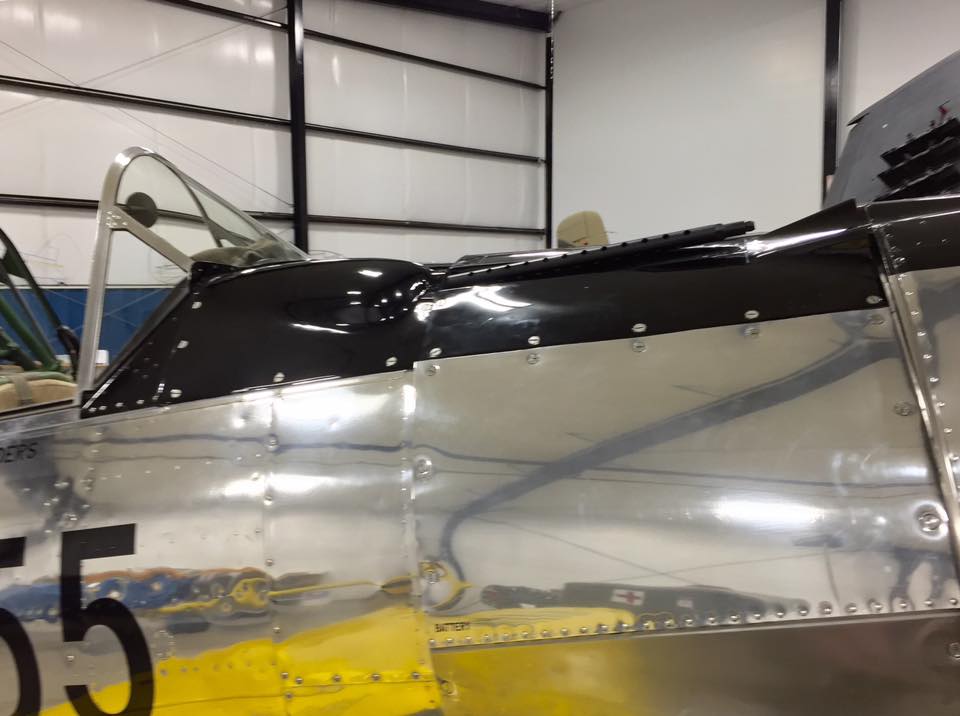
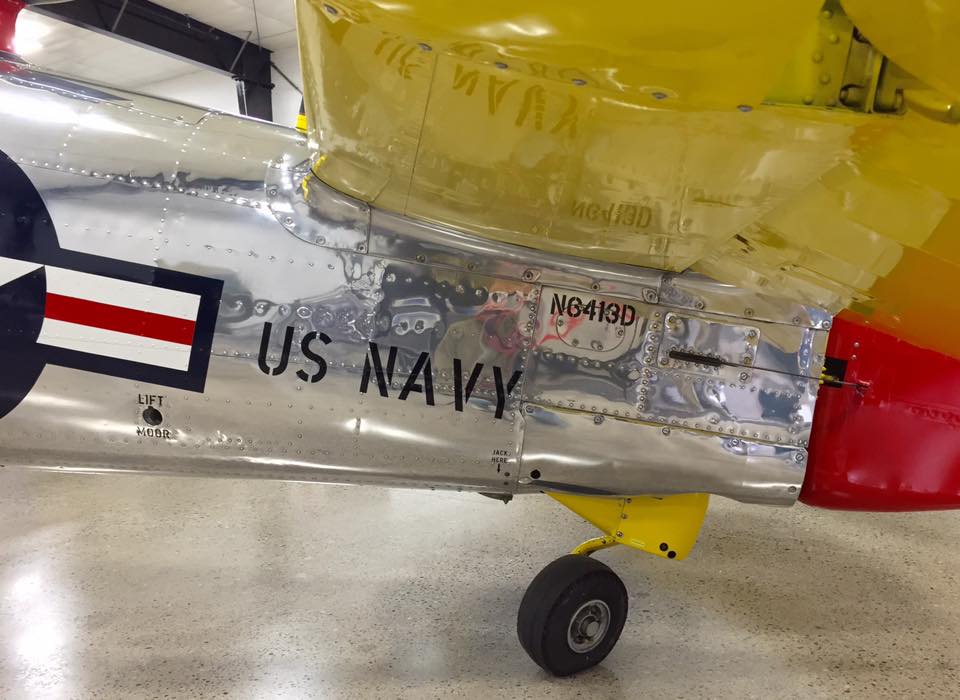
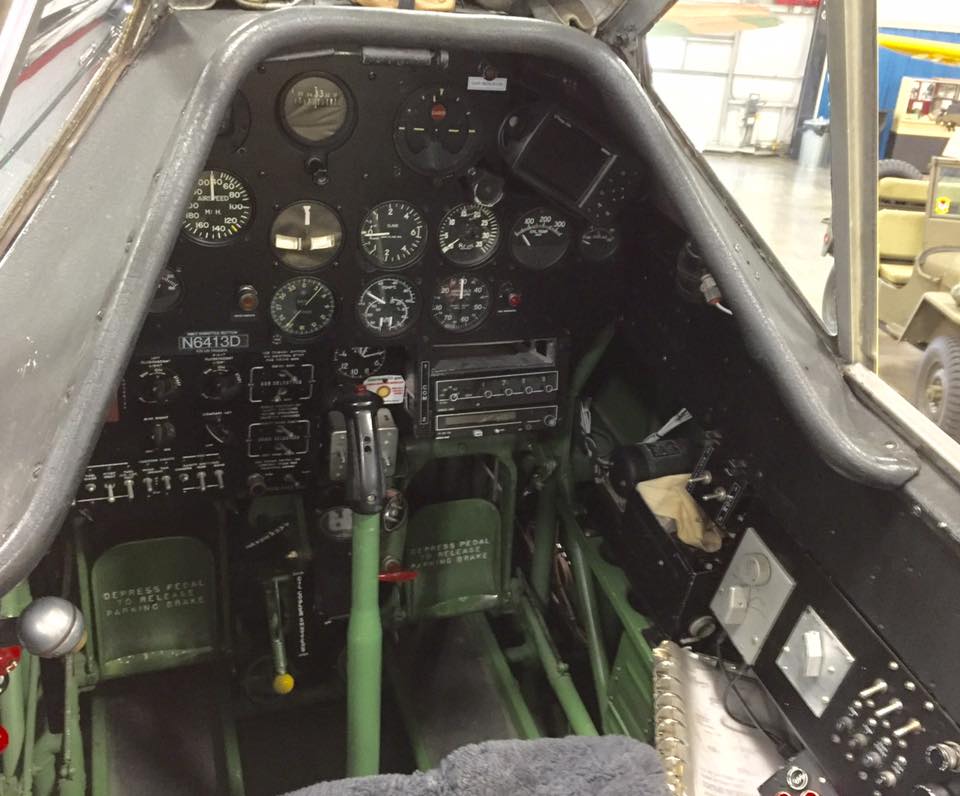
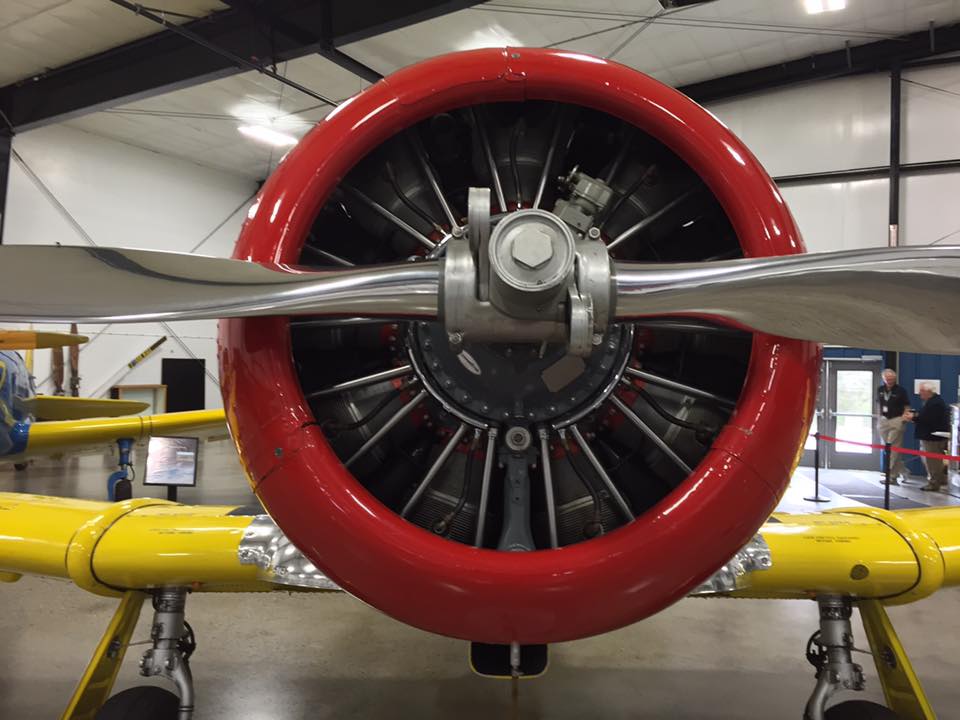
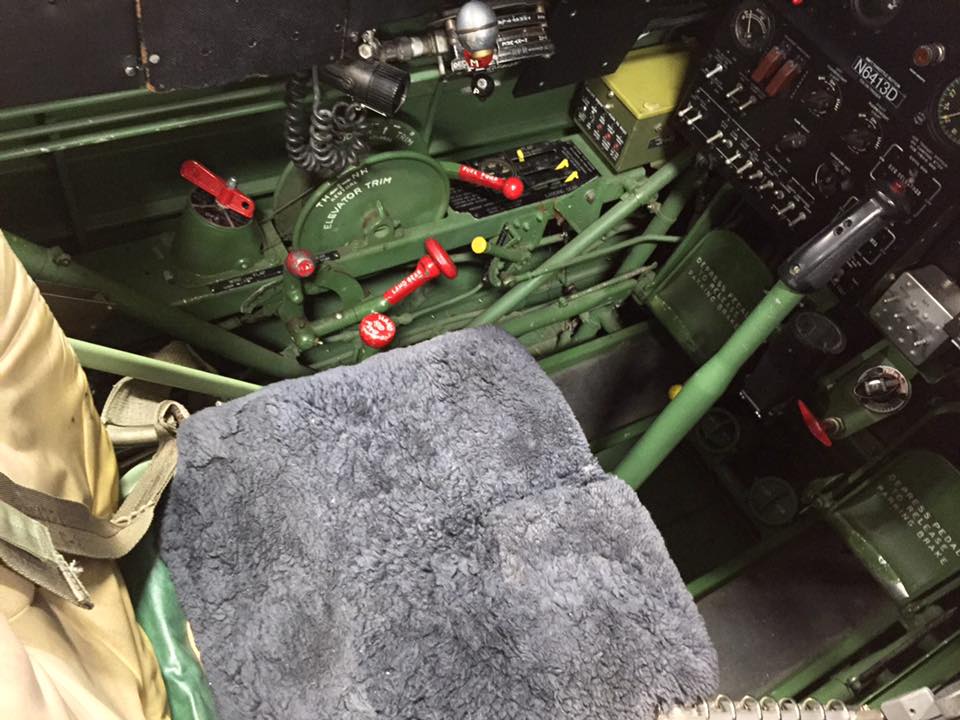
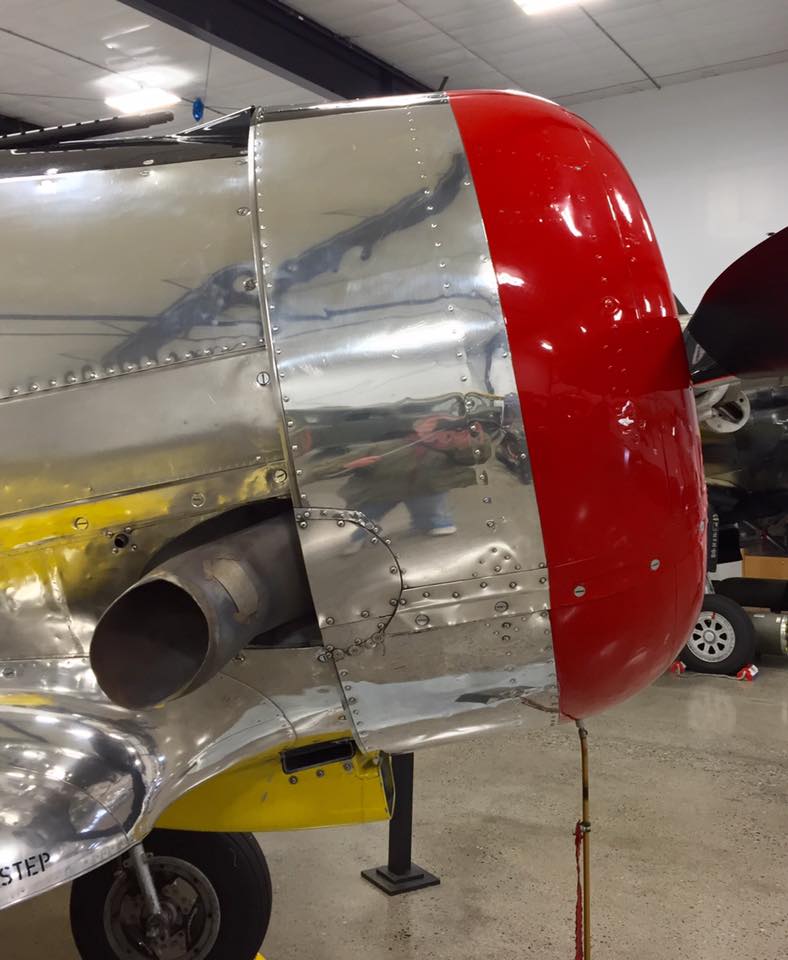
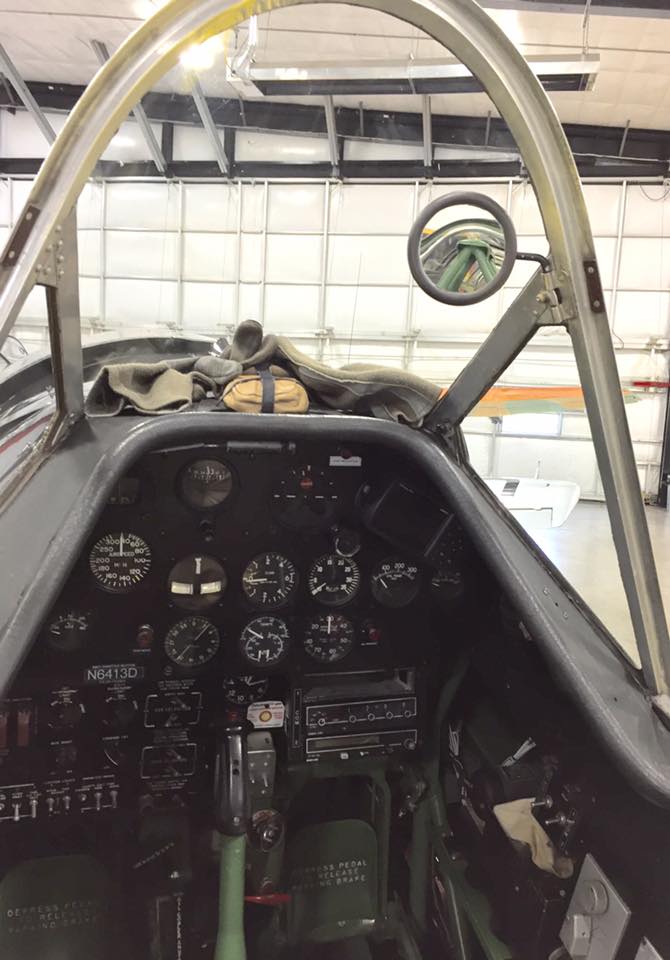
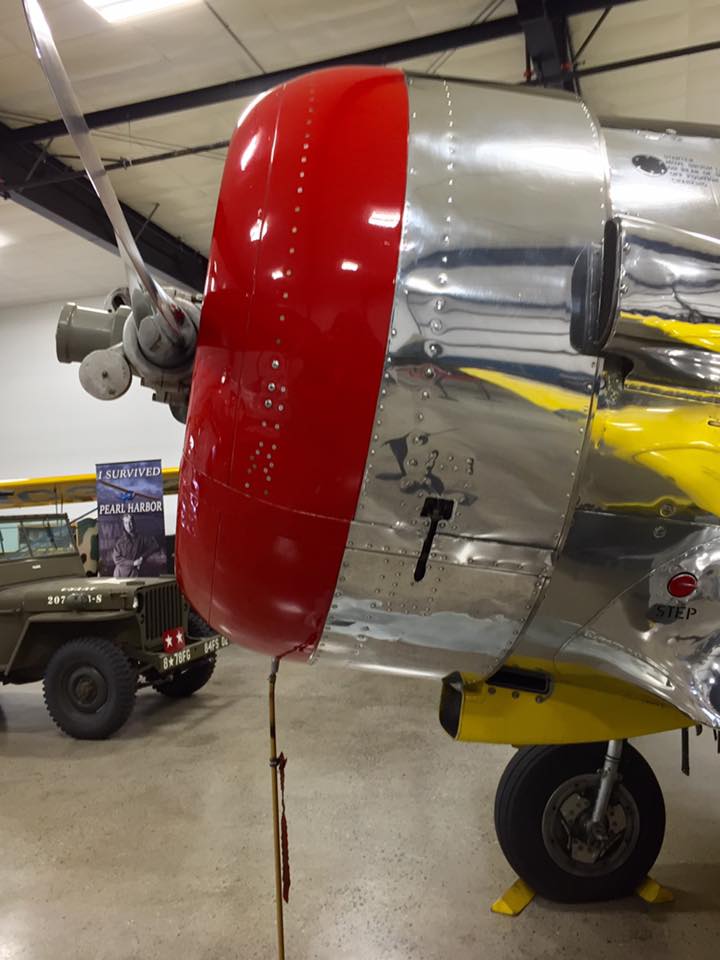
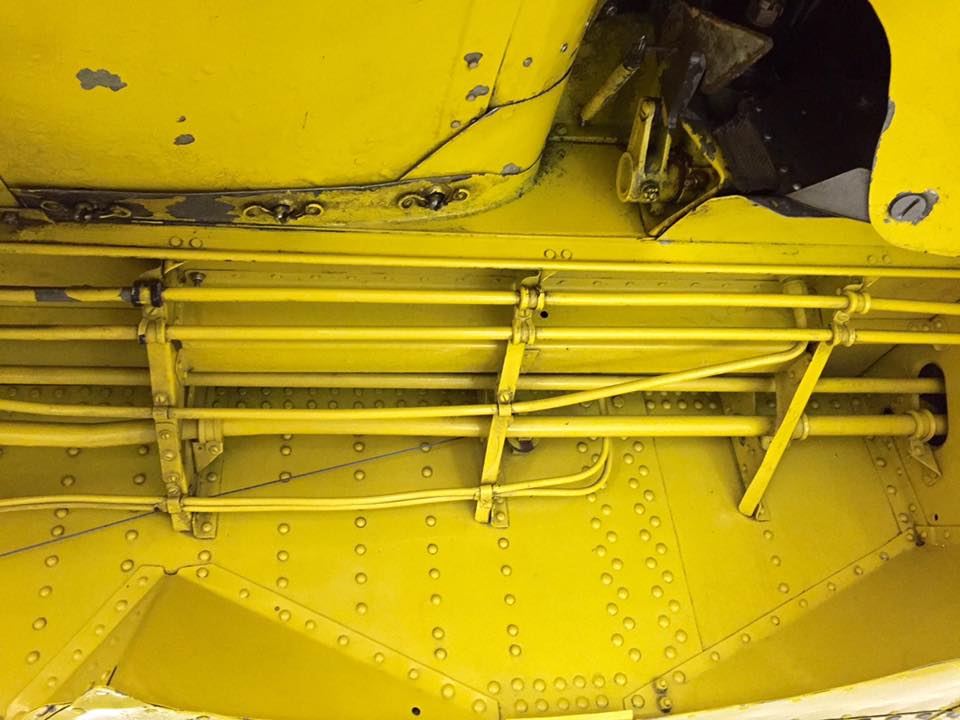
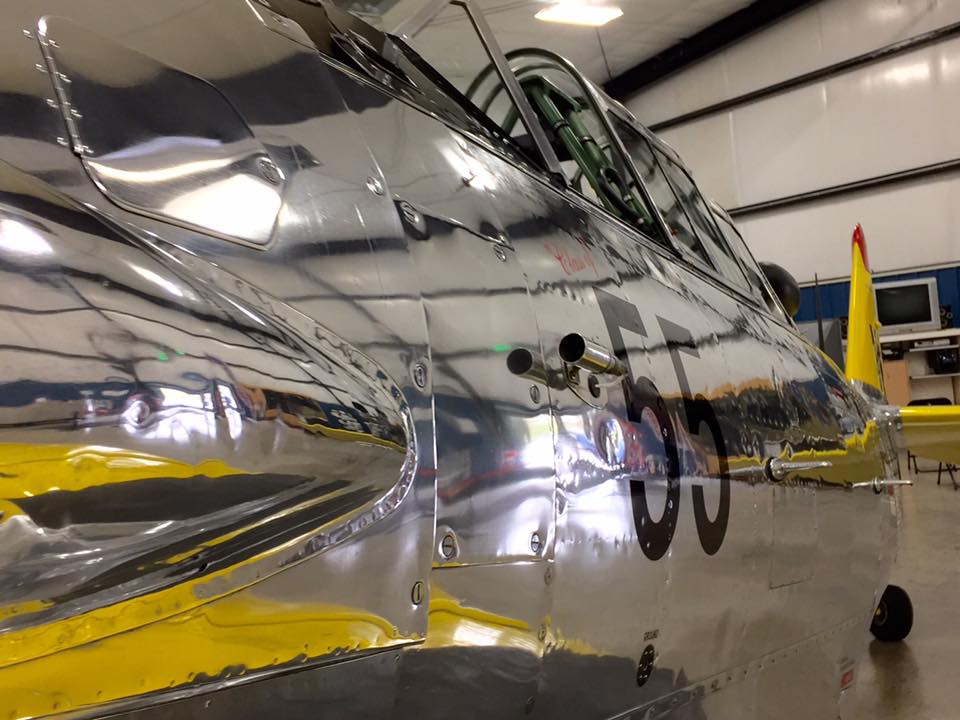
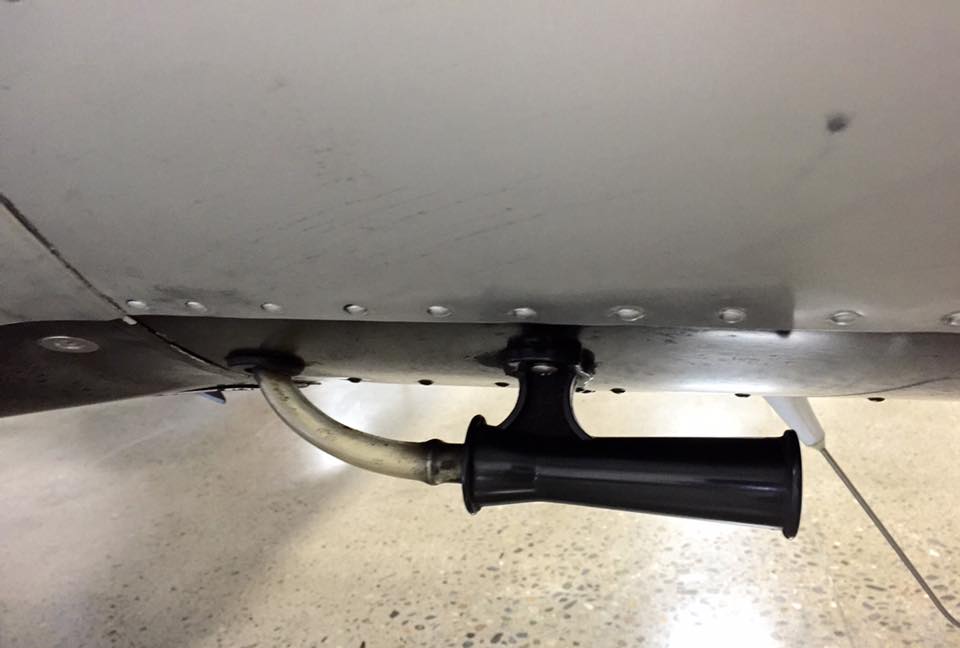
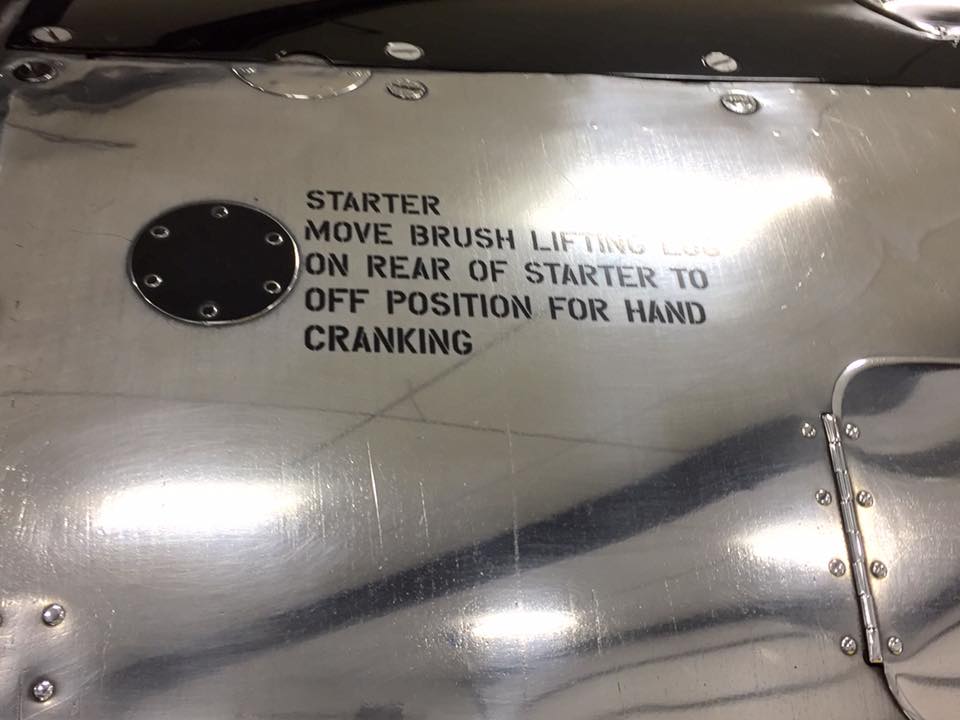
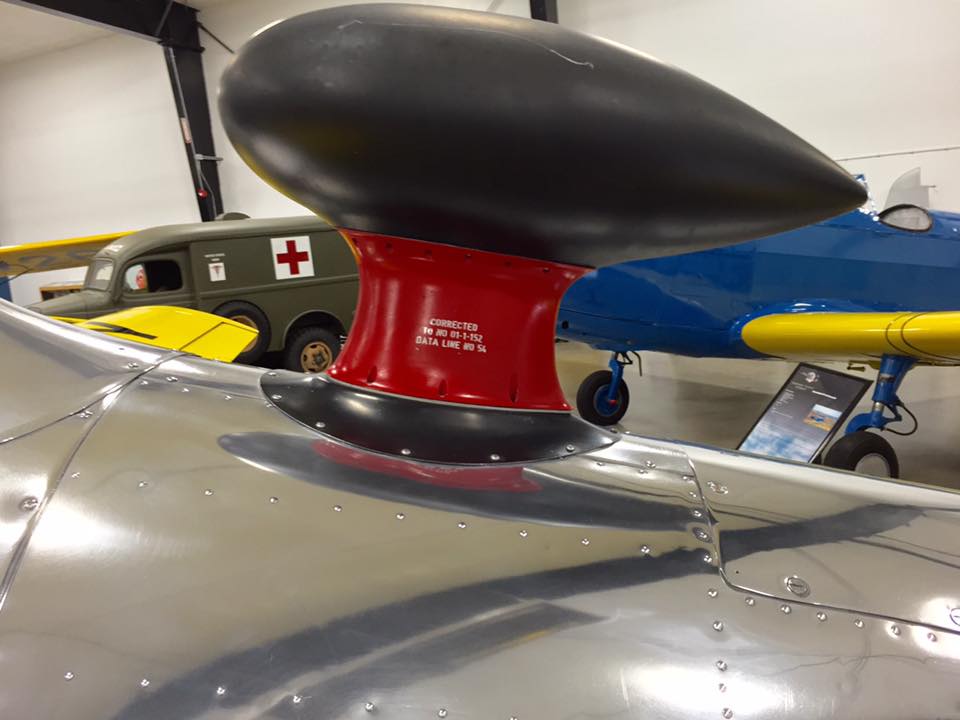
While designed as a trainer, versions of the aircraft were flown by a number of militaries in combat roles and armed with machine guns, bombs and rockets. It was flown in the Korean War and somewhat in the Vietnam War as a forward air control aircraft under designation T-6 Mosquito. Among other post-WWII uses, the British Royal Air Force flew them in the 1950’s in Kenya against the Mau Mau, and France flew them with the Escadrilles d’Aviation Légère d’Appui (EALA) in the Algerian War of the early 1950’s. It has a hand-operated emergency starter and a footstep for the ground crew on the port side of the cowling. There are plexiglass windows atop each wing above the landing gear for the red-marked mechanical landing gear indicators for the pilot. There is a vent for the pilot relief tube aft of the canopy.
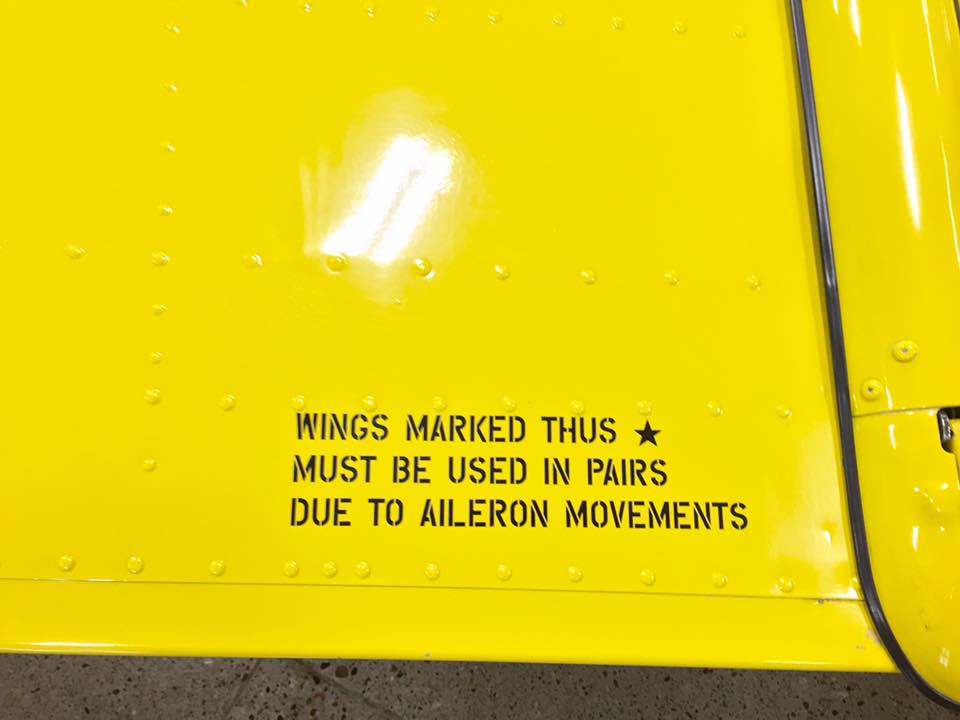
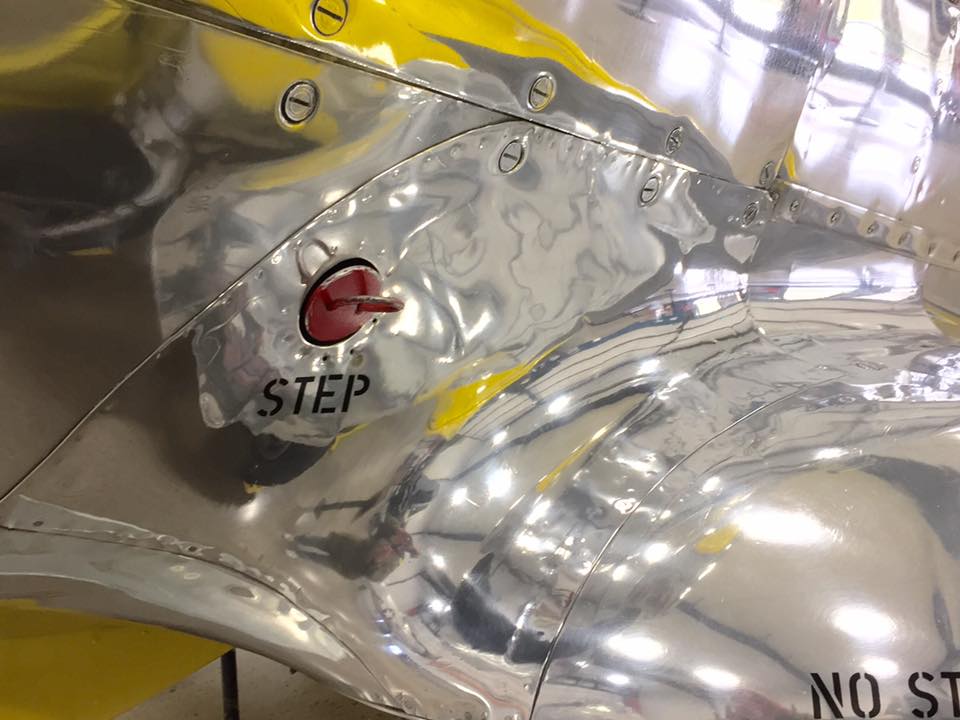
Editor’s notes: According to the aircraft’s record cards held by the National Naval Aviation Museum in Pensacola, Florida, North American SNJ-4 Texan was accepted into the United States Navy on January 27, 1943, and delivered two days later. After a brief assignment to Naval Air Station (NAS) Dallas, and later to NAS Detroit, it spent much of its operational life in the USN at Corry Field in Pensacola, Florida as well as nearby Ellyson Field. Besides flight training in Pensacola, SNJ-4 BuNo 26991 was also flown out of NAS San Diego (now NAS North Island), California, NAS Willow Grove, Pennsylvania, NAS New York, and Naval Air Station Whiting Field, Florida. On August 9, 1957, SNJ-4 Texan BuNo 26991 was officially stricken from the United States Navy’s inventory with a total of 4,944 flight hours. By September 25, 1958, the aircraft was issued with the FAA registration number N6413D and went through a couple of private owners before being acquired by the Heritage Flight Museum. As of writing, the aircraft is still registered to North American Warbirds Inc. of Wilmington, Delaware, but has been seen flying into the annual EAA Airventure show in Oshkosh, Wisconsin.
About the author 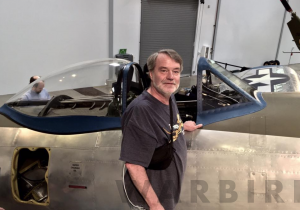
Randy Malmstrom grew up in a family steeped in aviation culture. His father, Bob, was still a cadet in training with the USAAF at the end of WWII but did serve in Germany during the U.S. occupation in the immediate post-war period, where he had the opportunity to fly in a wide variety of types that flew in WWII. After returning to the States, Bob became a multi-engine aircraft sales manager and, as such, flew a wide variety of aircraft; Randy frequently accompanied him on these flights. Furthermore, Randy’s cousin, Einar Axel Malmstrom, flew P-47 Thunderbolts with the 356th FG from RAF Martlesham Heath. He was commanding this unit at the time he was shot down over France on April 24th, 1944, and spent the rest of the war as a prisoner of war. Following his repatriation at war’s end, Einar continued his military service, attaining the rank of Colonel. He was serving as Deputy Wing Commander of the 407th Strategic Fighter Wing at Great Falls AFB, MT at the time of his death in a T-33 training accident on August 21, 1954. The base was renamed in his honor in October 1955 and continues to serve in the present USAF as home to the 341st Missile Wing. Randy’s innate interest in history in general, and aviation history in particular, plus his educational background and passion for WWII warbirds, led him down his current path of capturing detailed aircraft walk-around photos and in-depth airframe histories, recording a precise description of a particular aircraft in all aspects.