







By Randy Malmstrom
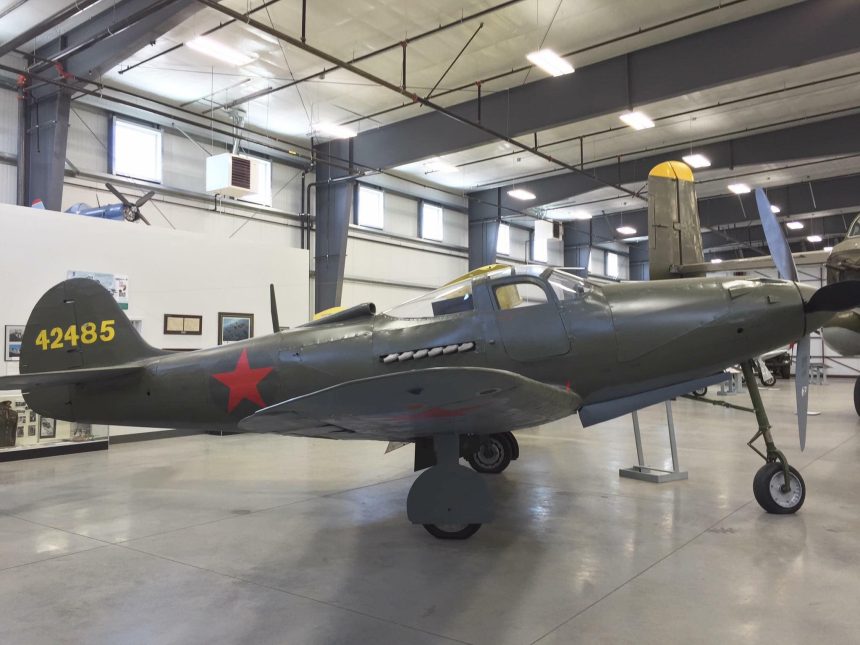
Bell P-39Q-15-BE Airacobra, s/n 44-2485. As far as I have determined, this particular aircraft was built by Bell Aircraft Co. in Buffalo, New York, under contract AC-40071. It was part of the Lend-Lease program and bound for the Soviet Union, and was assigned to Air Transport Command (ATC), 7th Ferrying Group, 25th Ferrying Squadron.
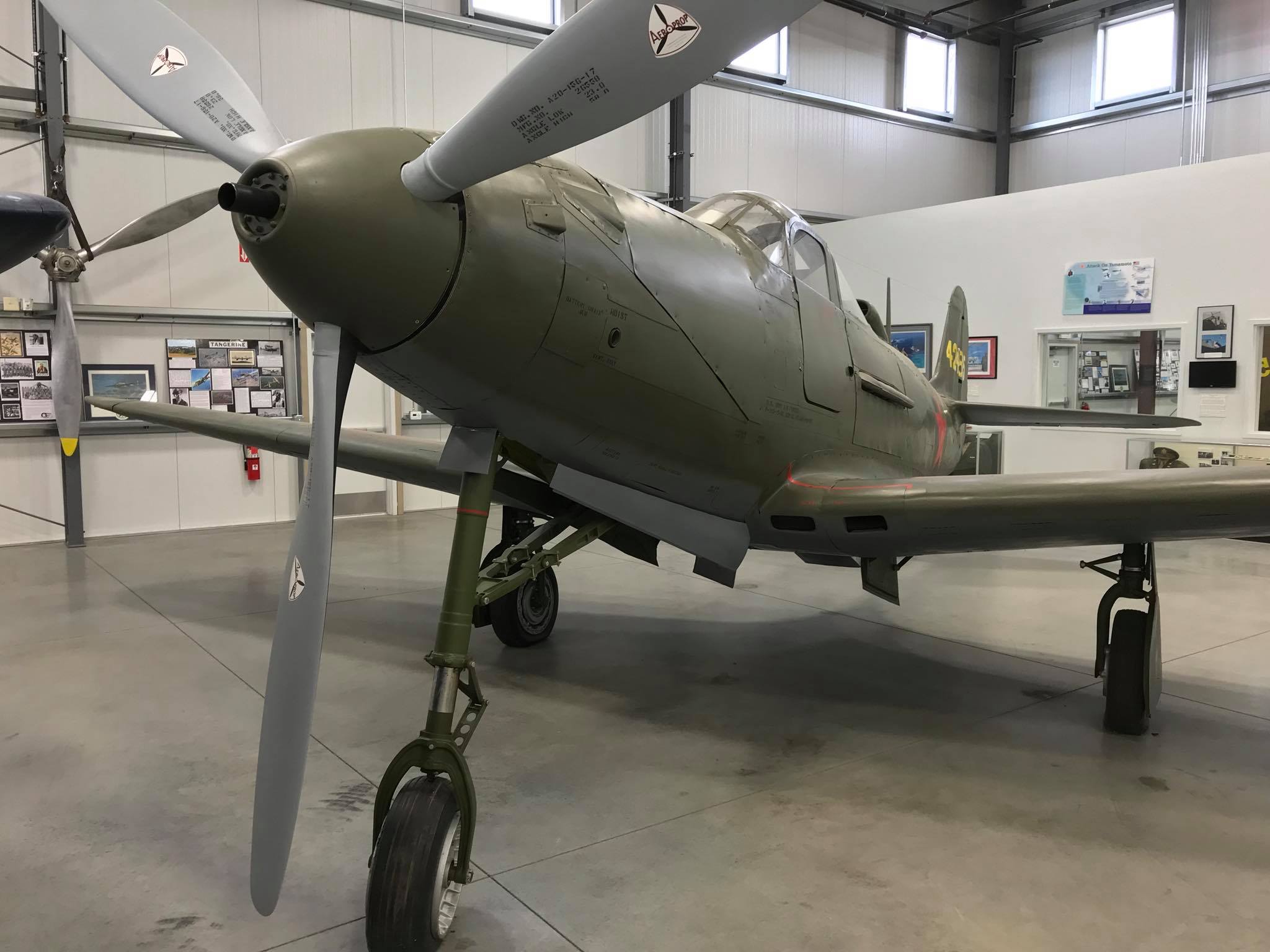
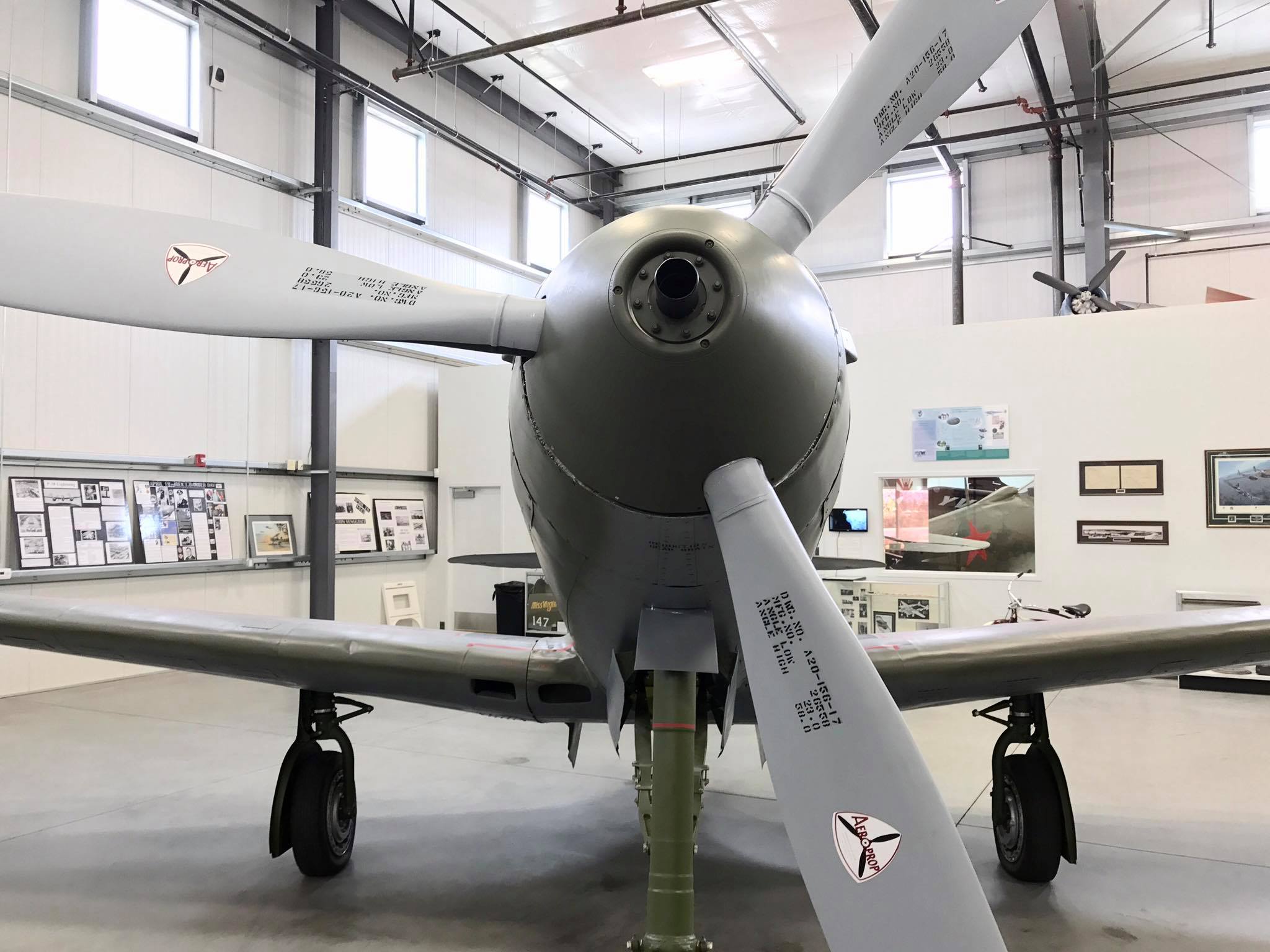
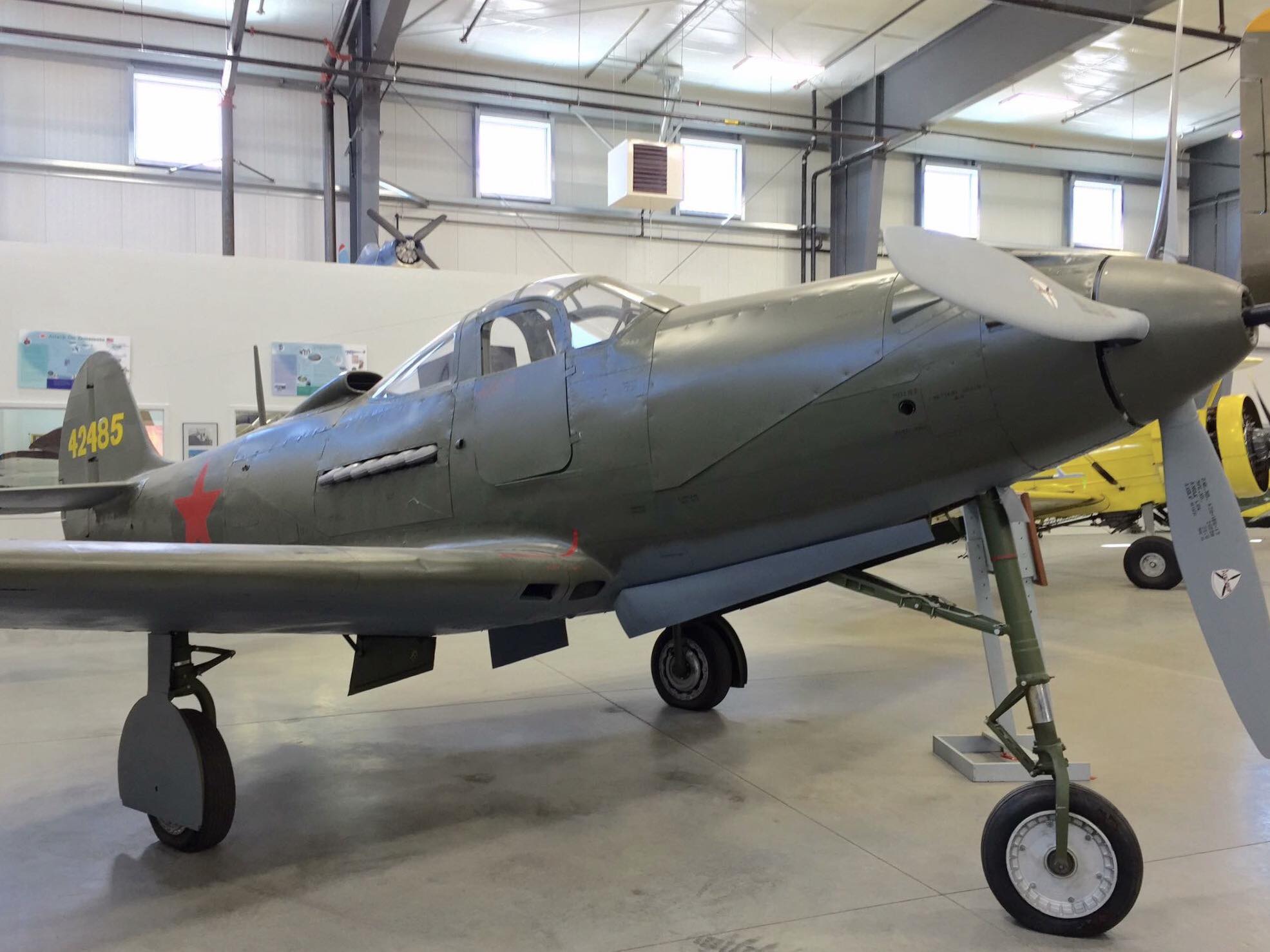
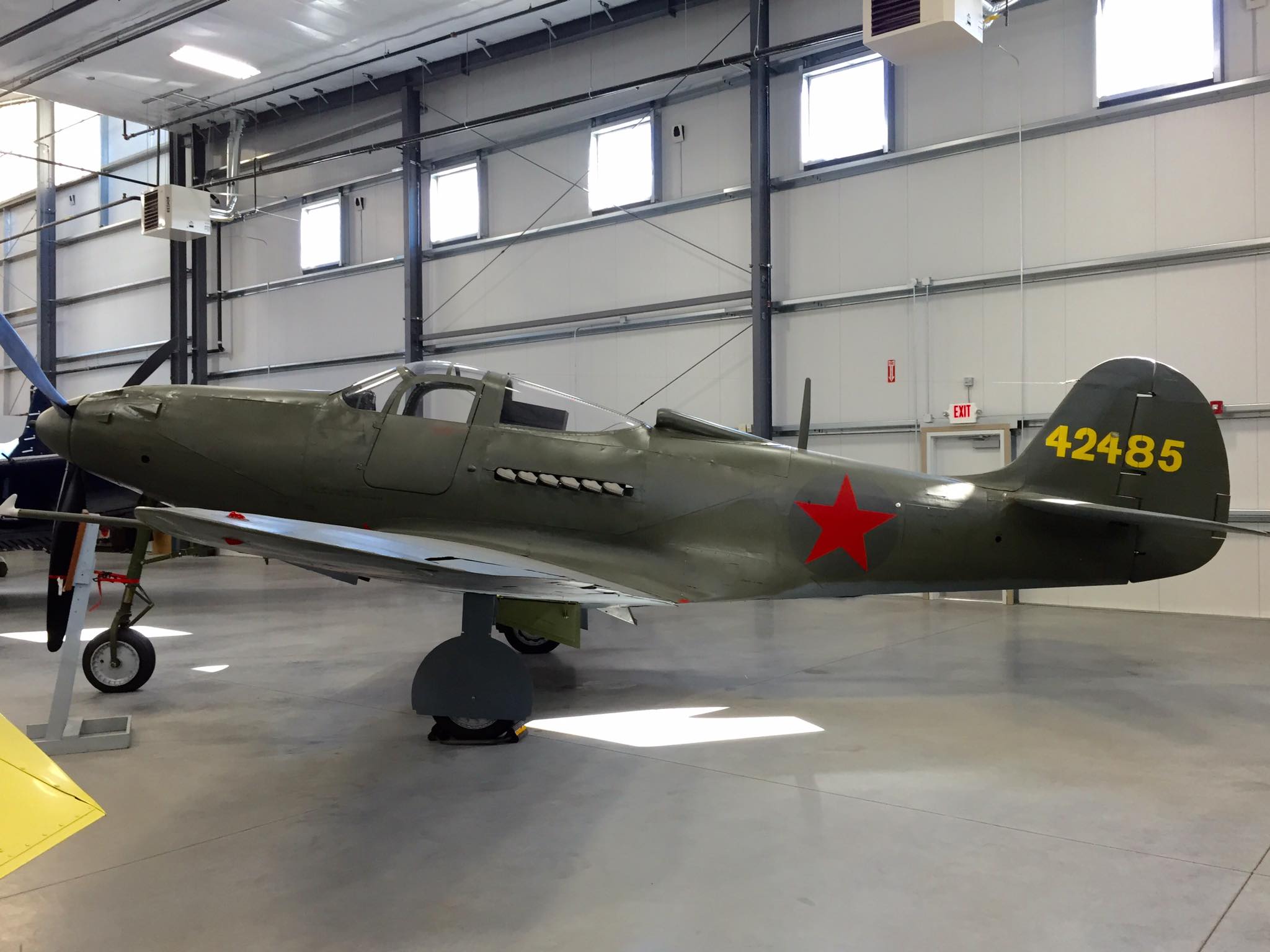
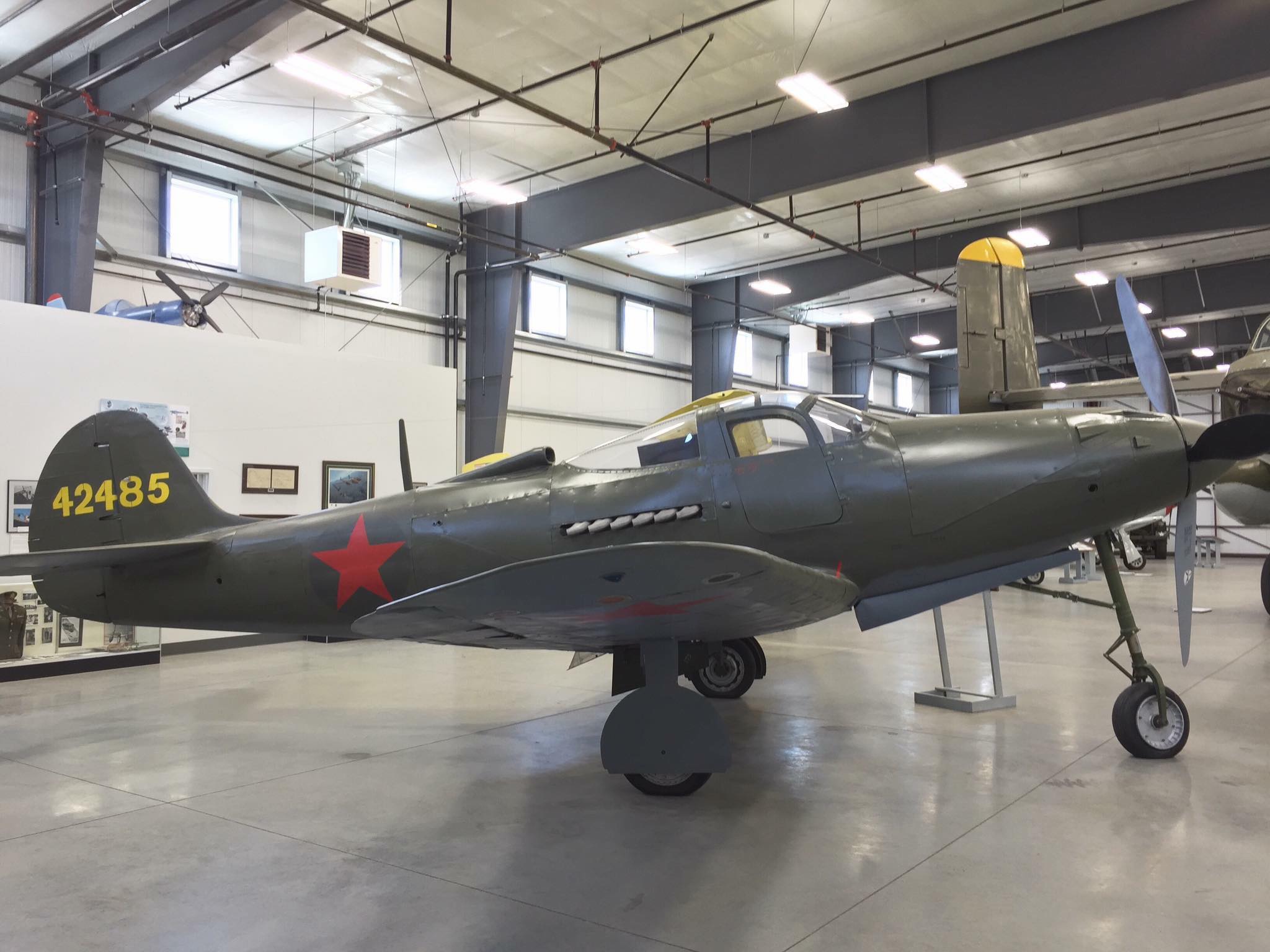
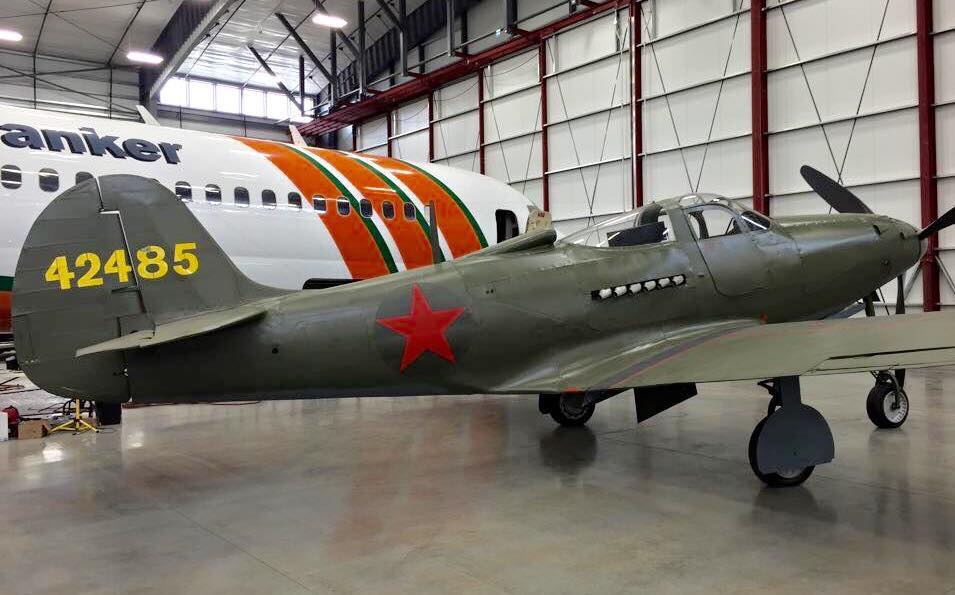
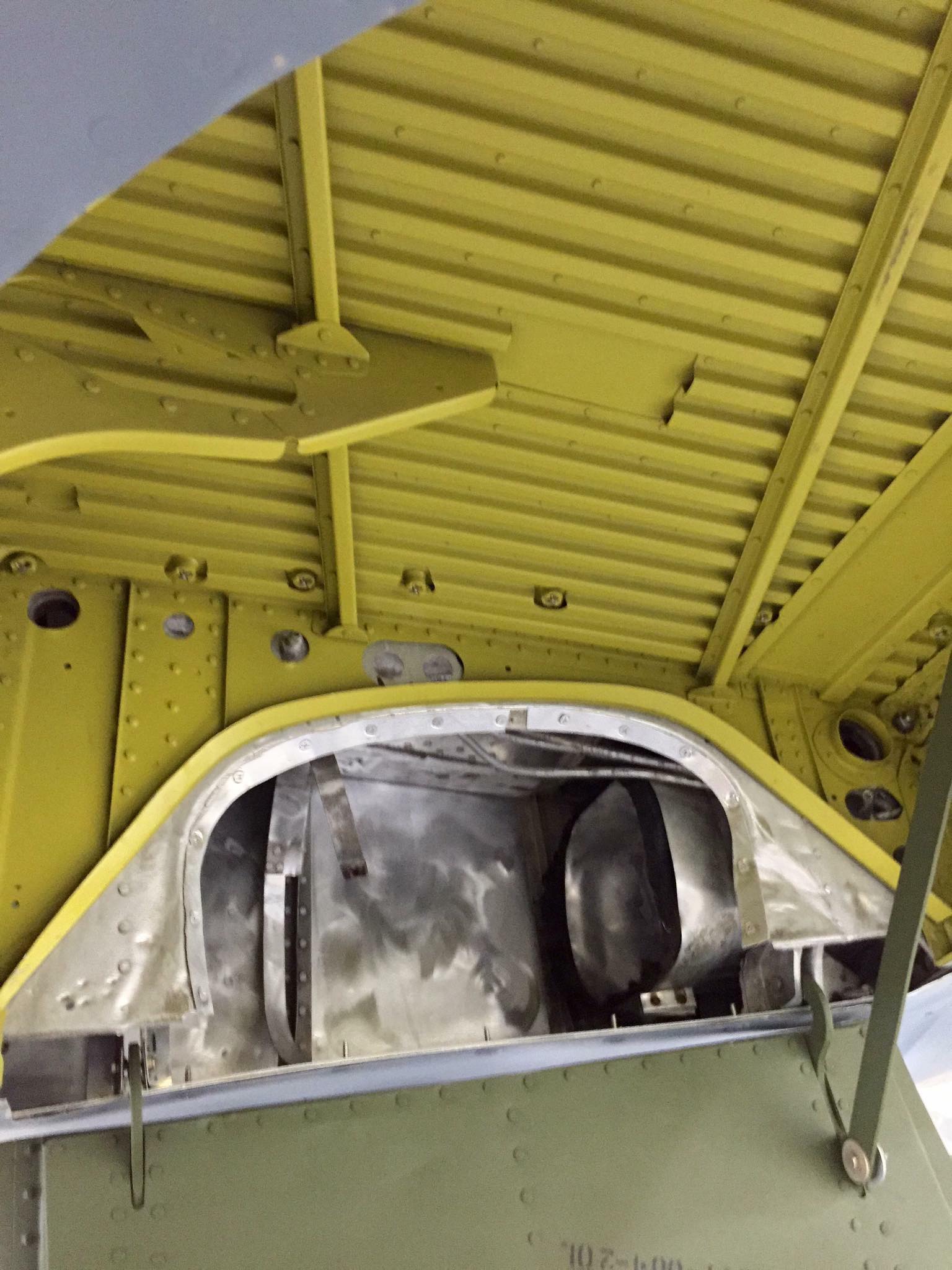
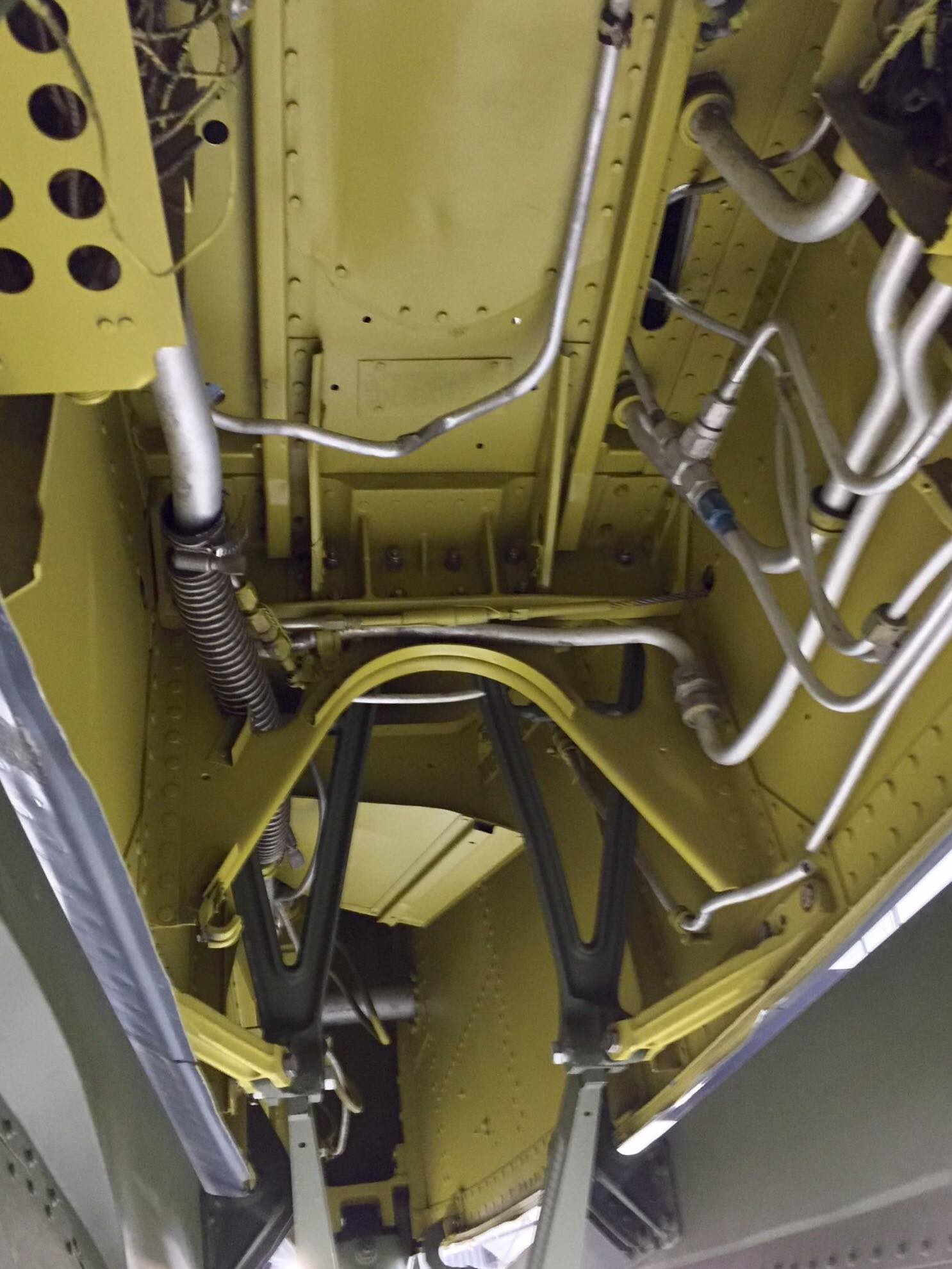
On November 29, 1943, it departed from Buffalo on a ferry flight across the United States, Canada, and Alaska. On December 6, 1943, it took off from Fort Nelson Airfield piloted by Lt. Delos R. Carpenter on a flight bound for Whitehorse Airfield, then to Ladd Field in Alaska, where it would be handed over to a Soviet pilot. During the flight, this aircraft was number two in a flight of two on a ferry flight and became lost when the lead aircraft’s compass failed, and the pair experienced bad weather; the pair became separated. It ran out of fuel, and the pilot jettisoned his drop tank and made a wheels-up belly landing atop the frozen surface of Carpenter Lake, roughly 120 miles north of Smith River in northern Canada, causing little damage aside from damaging the propeller, buckling the right wing, and tearing off one of the .50 caliber machine guns.
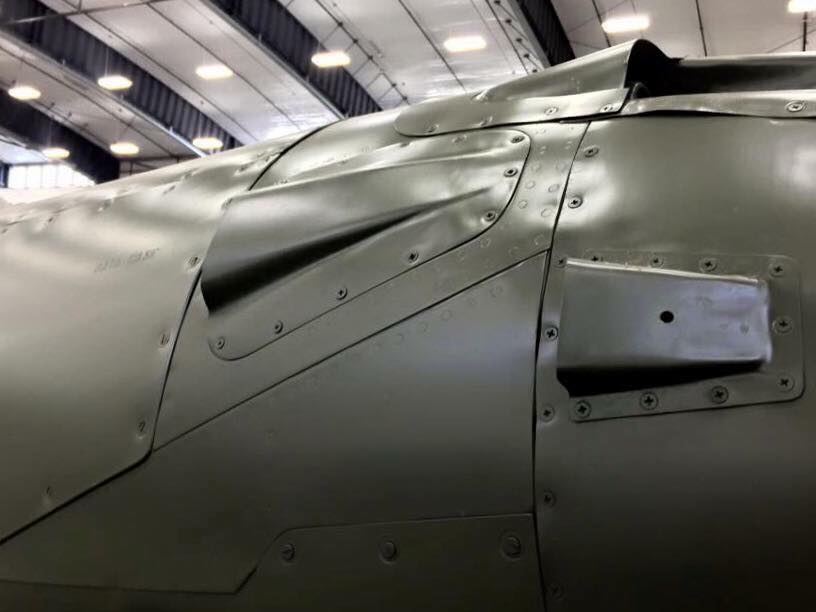
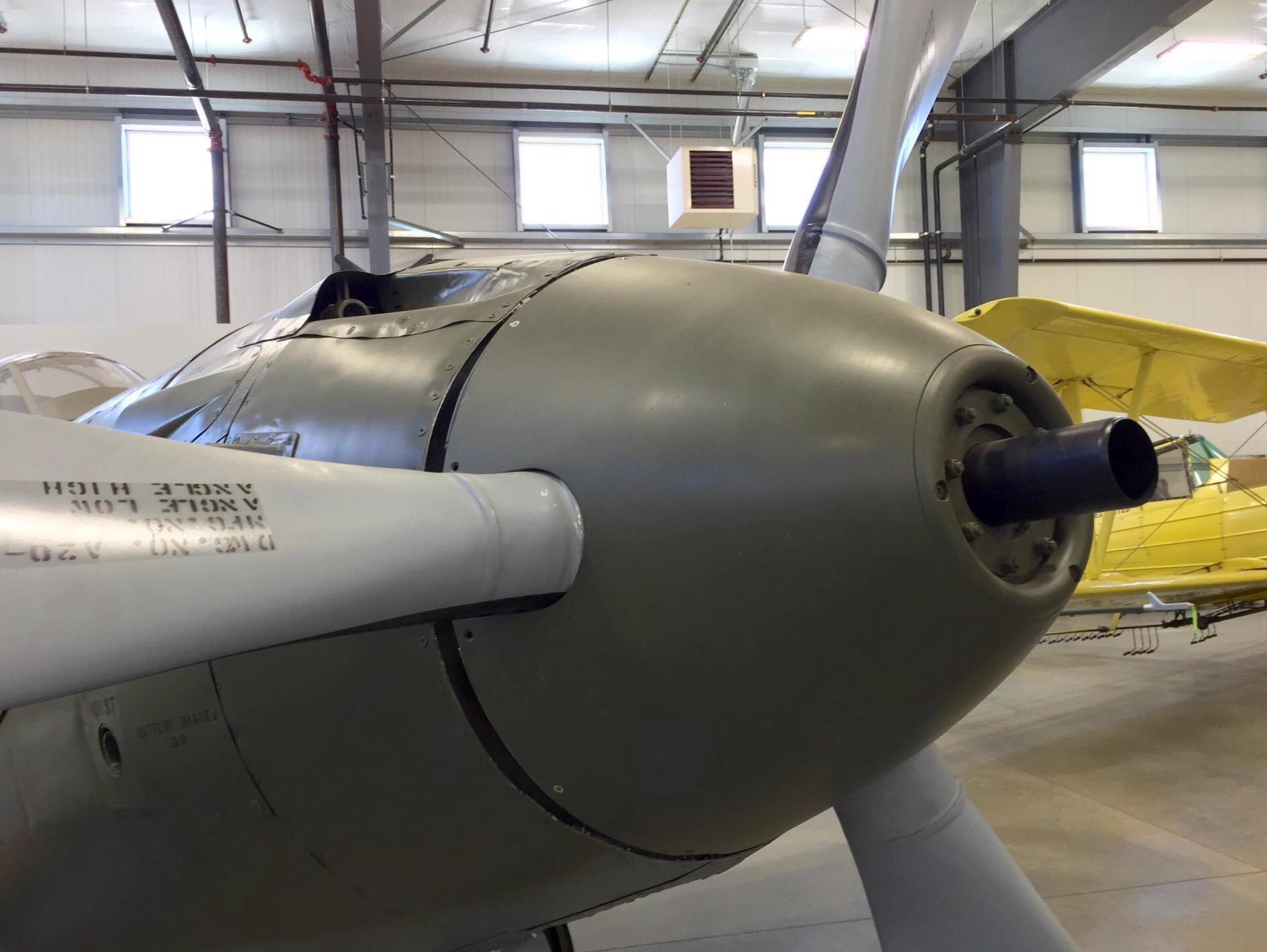
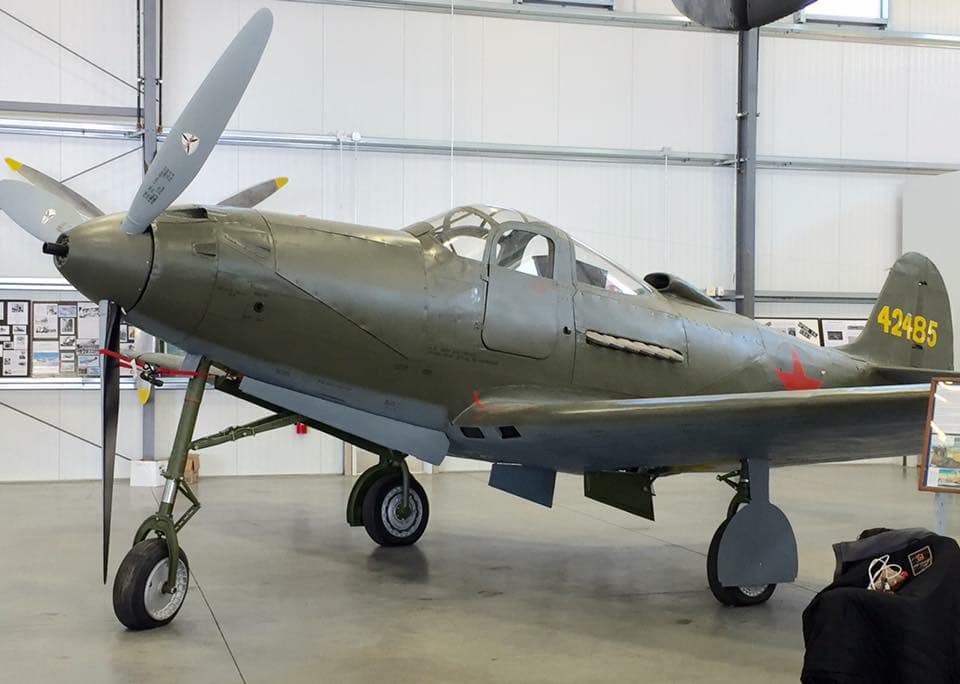
Carpenter survived unhurt. Carpenter radioed for help and made contact with Lake Army Airway. The next day at 3 p.m., he was rescued when another plane on skids landed on the frozen lake and rescued him. During February of 1944, U. S. Army personnel visited the aircraft and removed all salvageable parts, abandoned the aircraft, and camped along the shore. The personnel and parts were flown out by Norseman aircraft. During the salvage efforts, one Norseman crashed and killed the pilot and a crew member. Afterwards, the aircraft was abandoned. During the spring of 1944 thaw, the aircraft sank into the lake when the ice melted and sank to the bottom of the lake. During July 1990, it was relocated by Gary Larkins using side scan sonar at the bottom of the lake at a depth of 30′ to the tail and 60′ to the nose, encrusted in mud. During July 19-20, 1990, it was salvaged from the lake, with the tail section removed first and towed to shore. The remainder of the aircraft was lifted by a Bell 205 helicopter and placed on the shore.
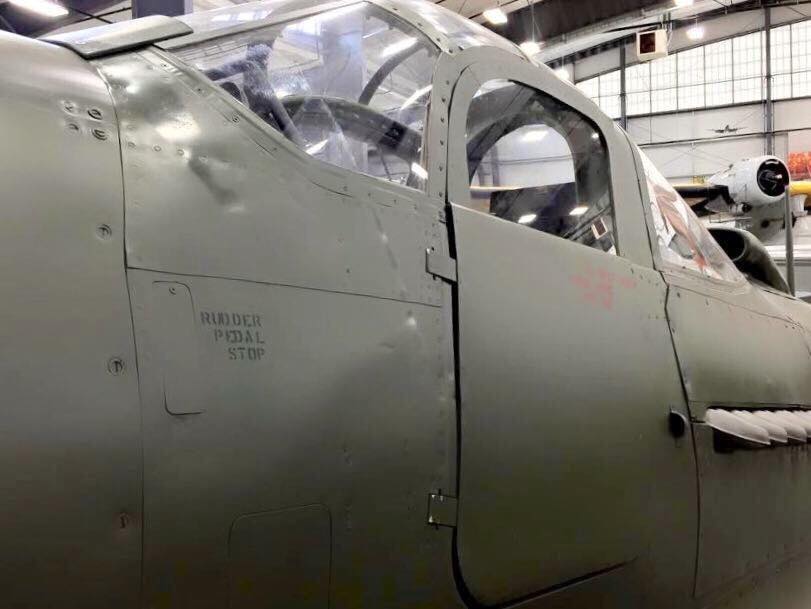
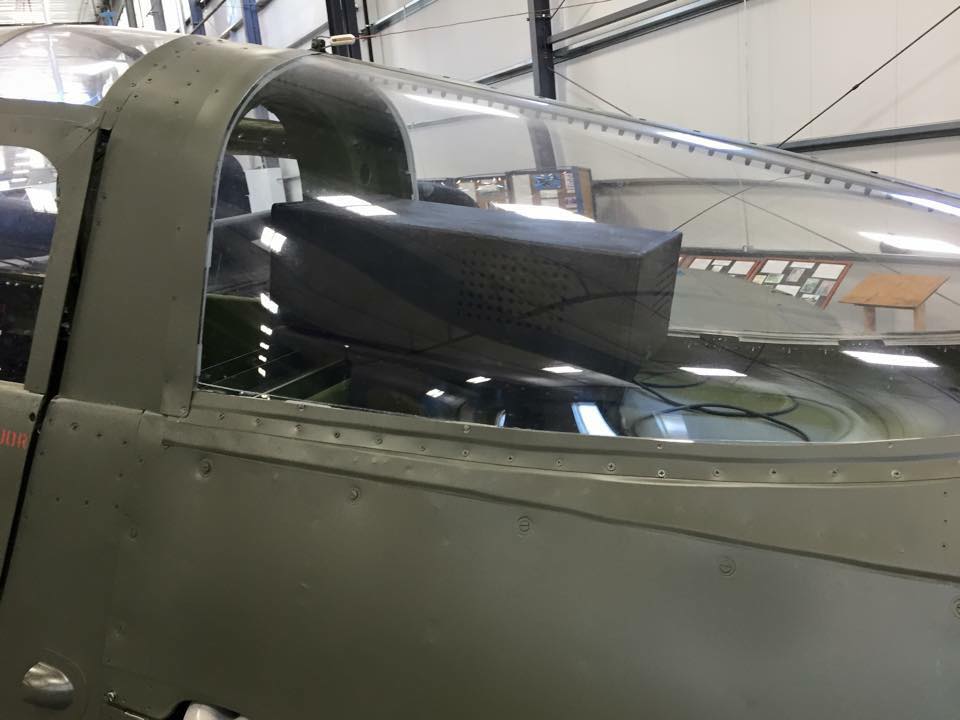
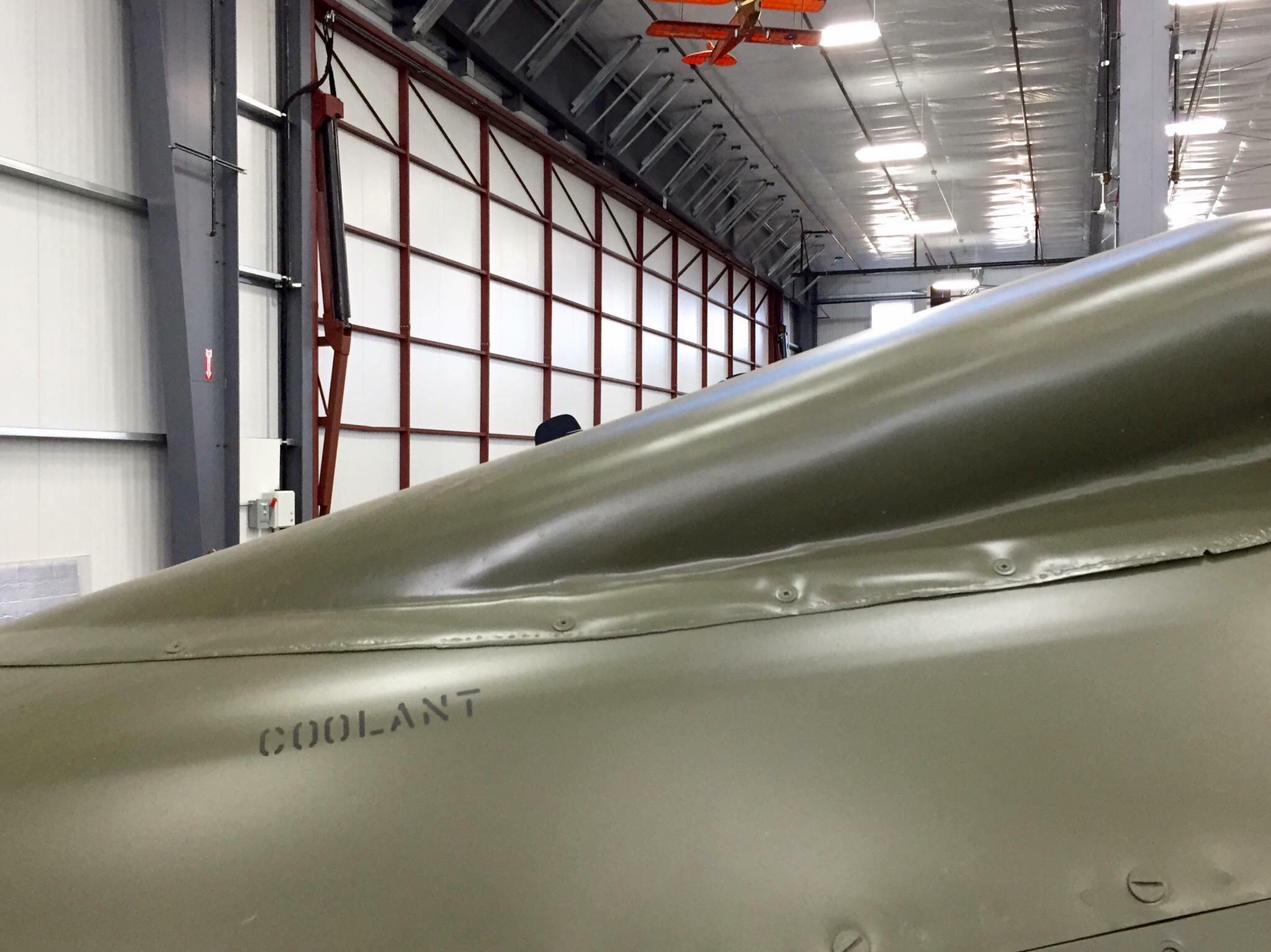
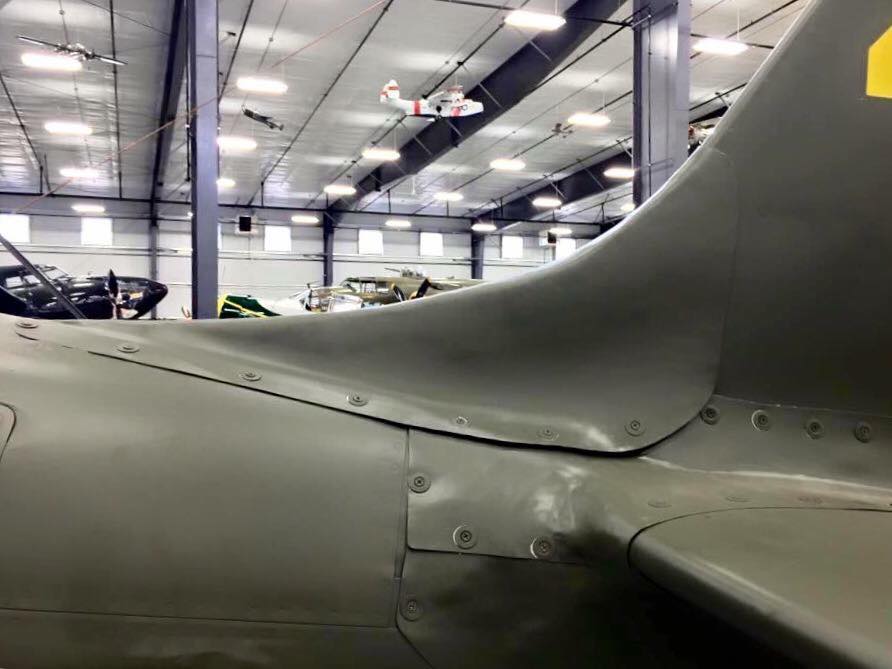
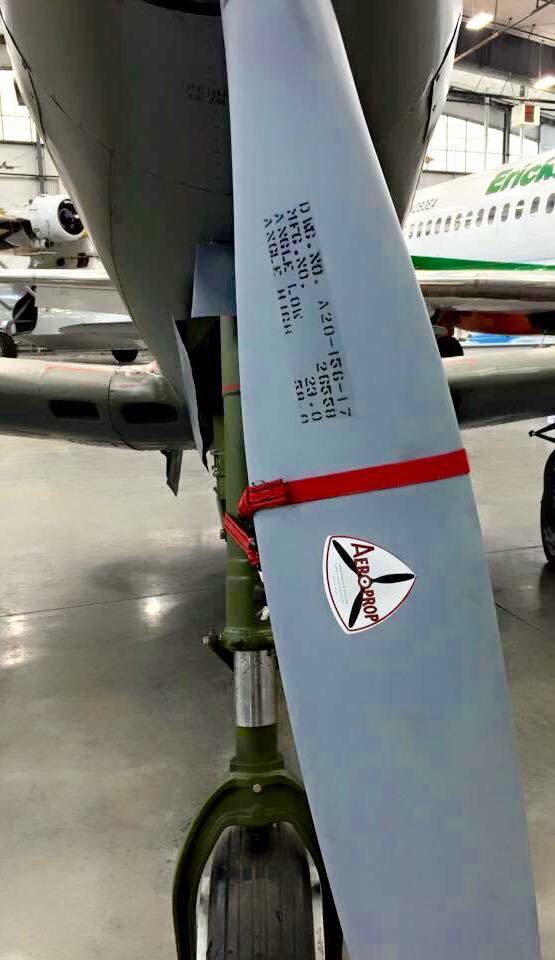
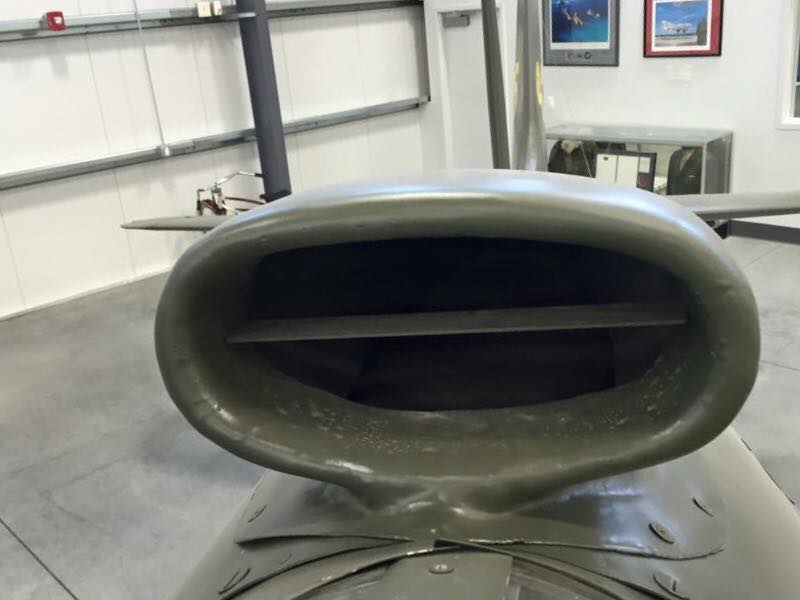
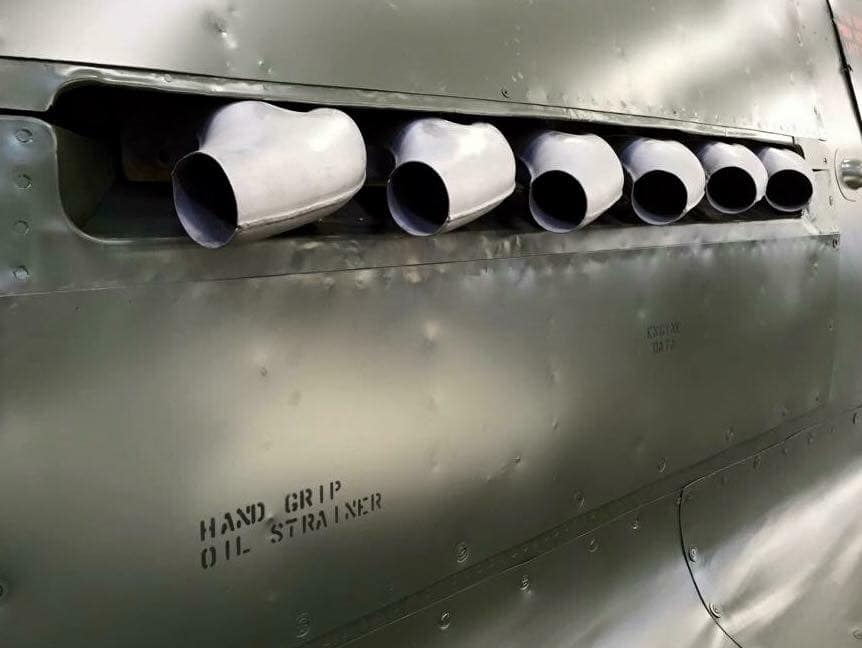
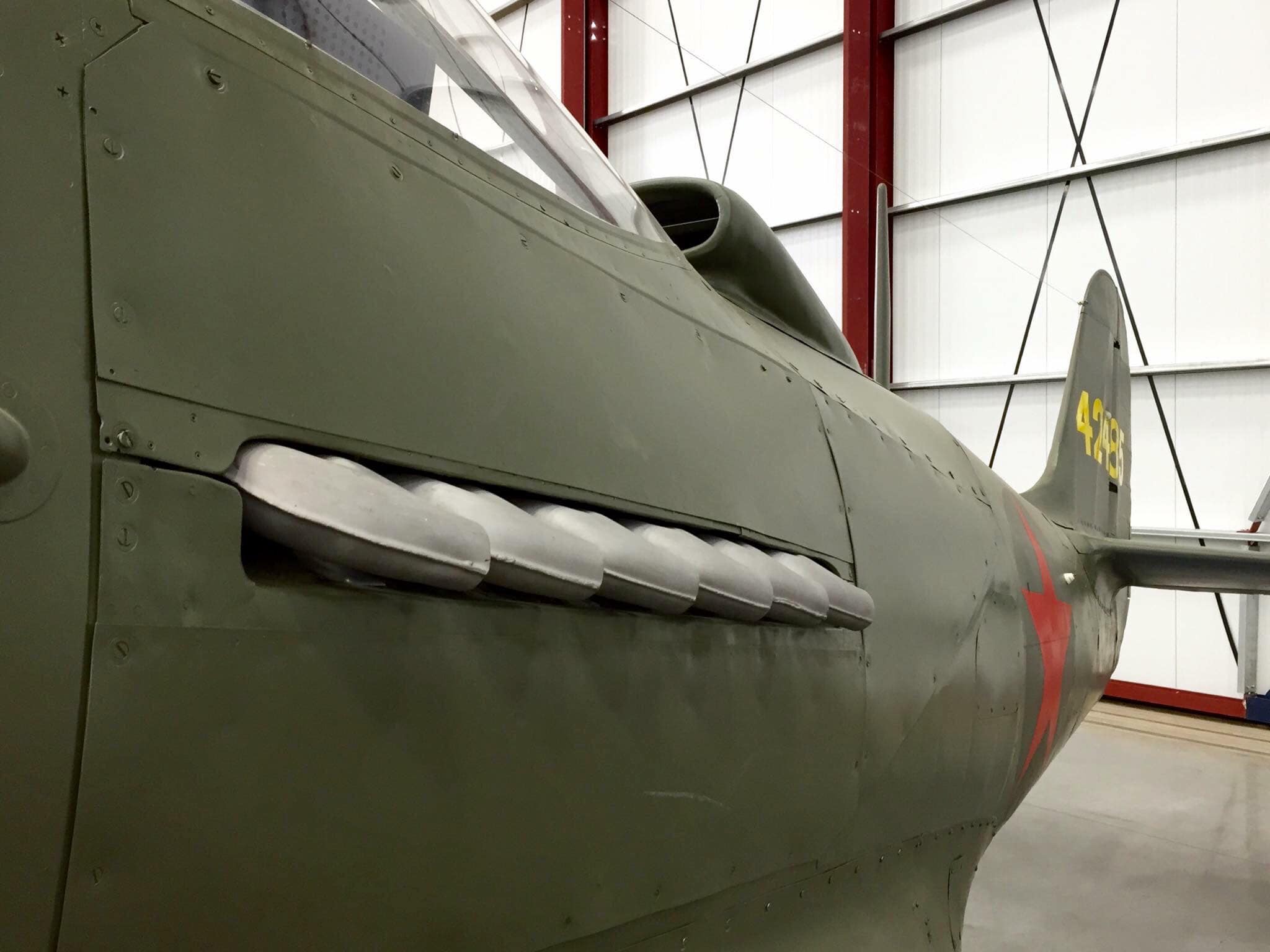
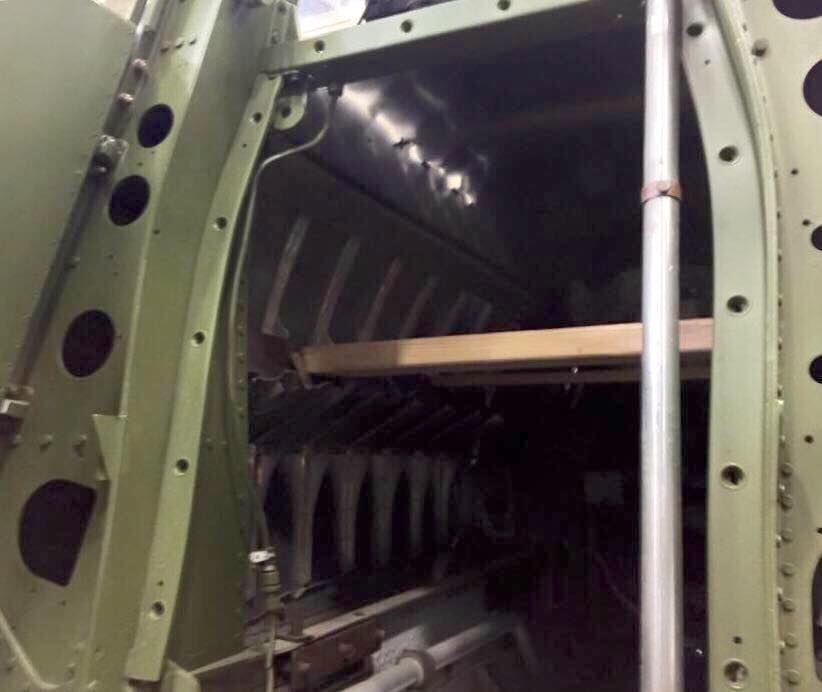
It was ultimately restored to static display without an engine by Pacific Fighters and is one of the only non-airworthy airplanes at Erickson Aircraft Collection on Madras Municipal Airport in Madras, Oregon. As an aside, during WWII, that airfield was known as Madras Army Airfield, and it served as an inland (away from the Pacific coast) training field for the pilots and crews of B-17’s (318th Squadron, 88th BG), P-38’s (432nd Army Air Force Base Unit), P-39Q’s (546th Squadron, 478th FG), P-63 King Cobra’s (432nd), and C-47’s under the Spokane Air Technical Service Command (SPATSC).
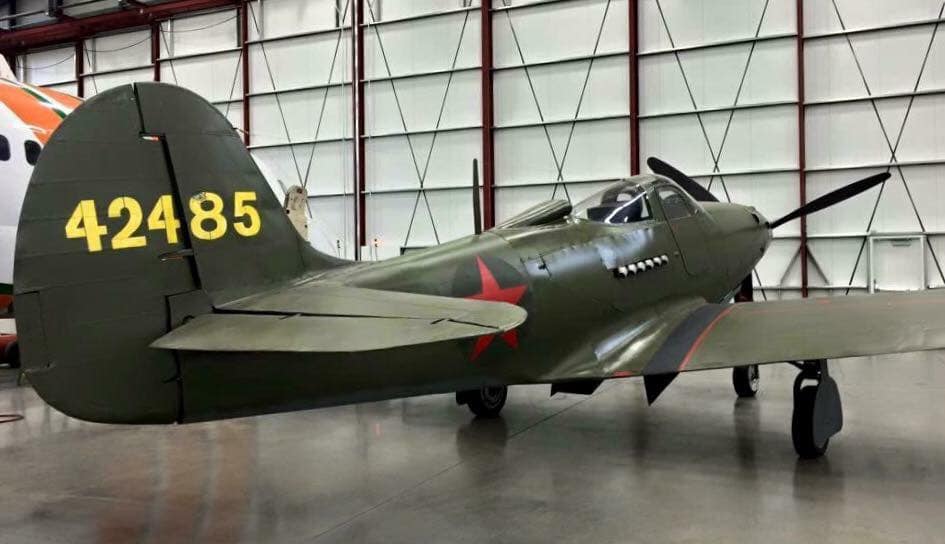
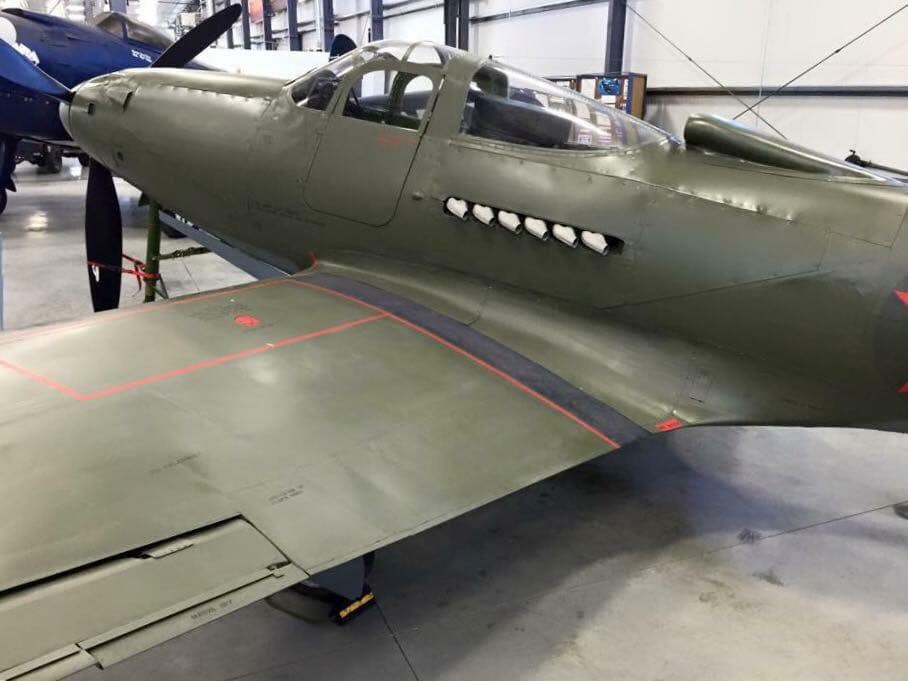
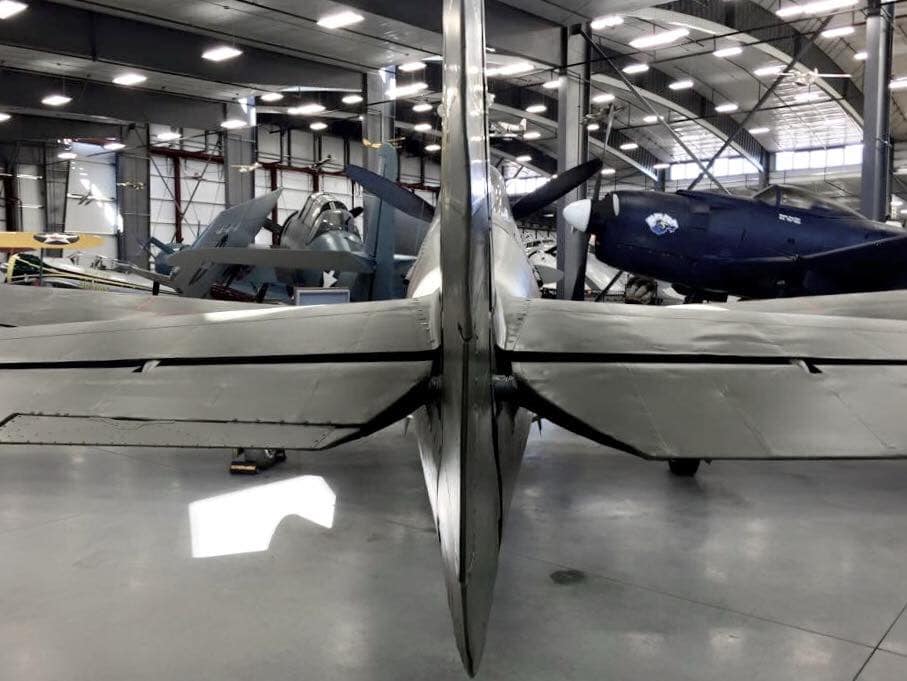
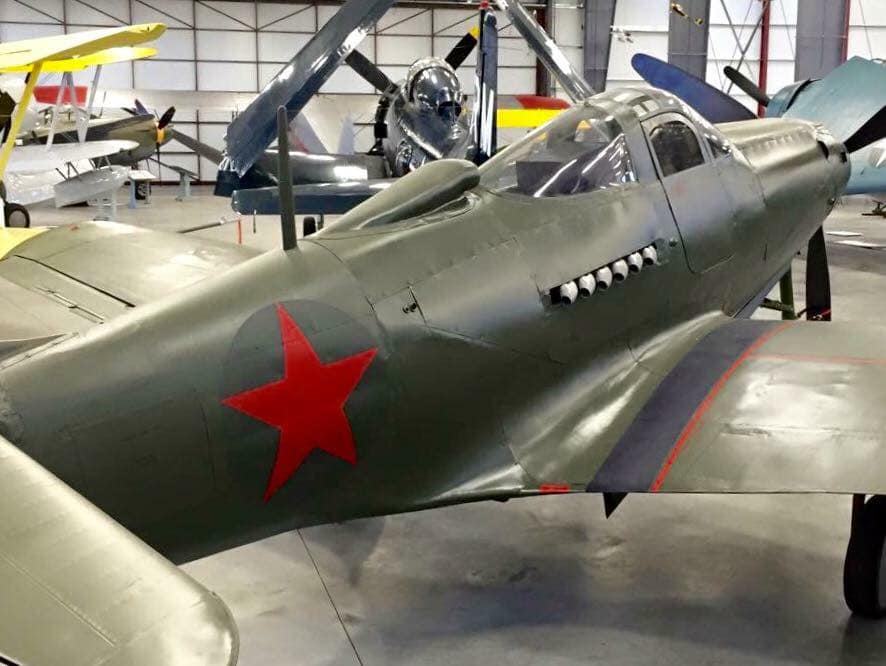
As of June 15, 2015, the north hangar became listed on the National Register of Historic Places. “Pacemaker of Aviation Progress” was the moniker Larry Bell’s company used in reference to their company. The P-39 was nicknamed “Kobruschka” (Dear little Cobra) and “Britchik” (Little Shaver – shaving being a slang term for low-level strafing) by Russian pilots, and “Caribou” by Royal Air Force pilots. The XFL-1 prototype was christened “Airabonita” (or “Airbonita” in some published sources) in Bell’s quaint and unique naming process. It was indeed the British that had suggested the “Caribou” name by 1940, but by July 1941, the American name “Airacobra” was the accepted name.
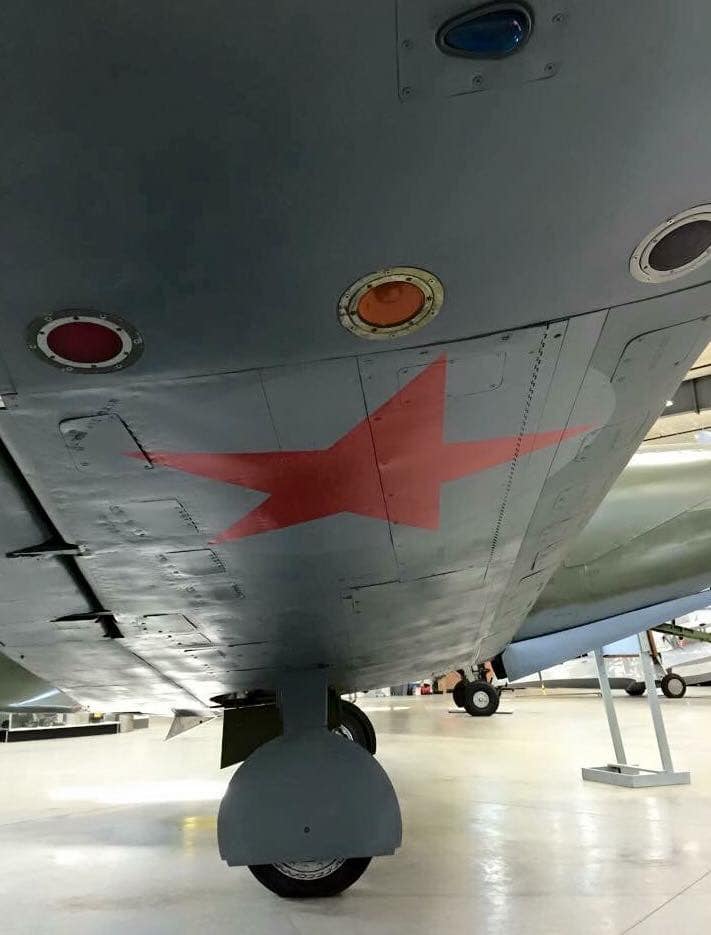
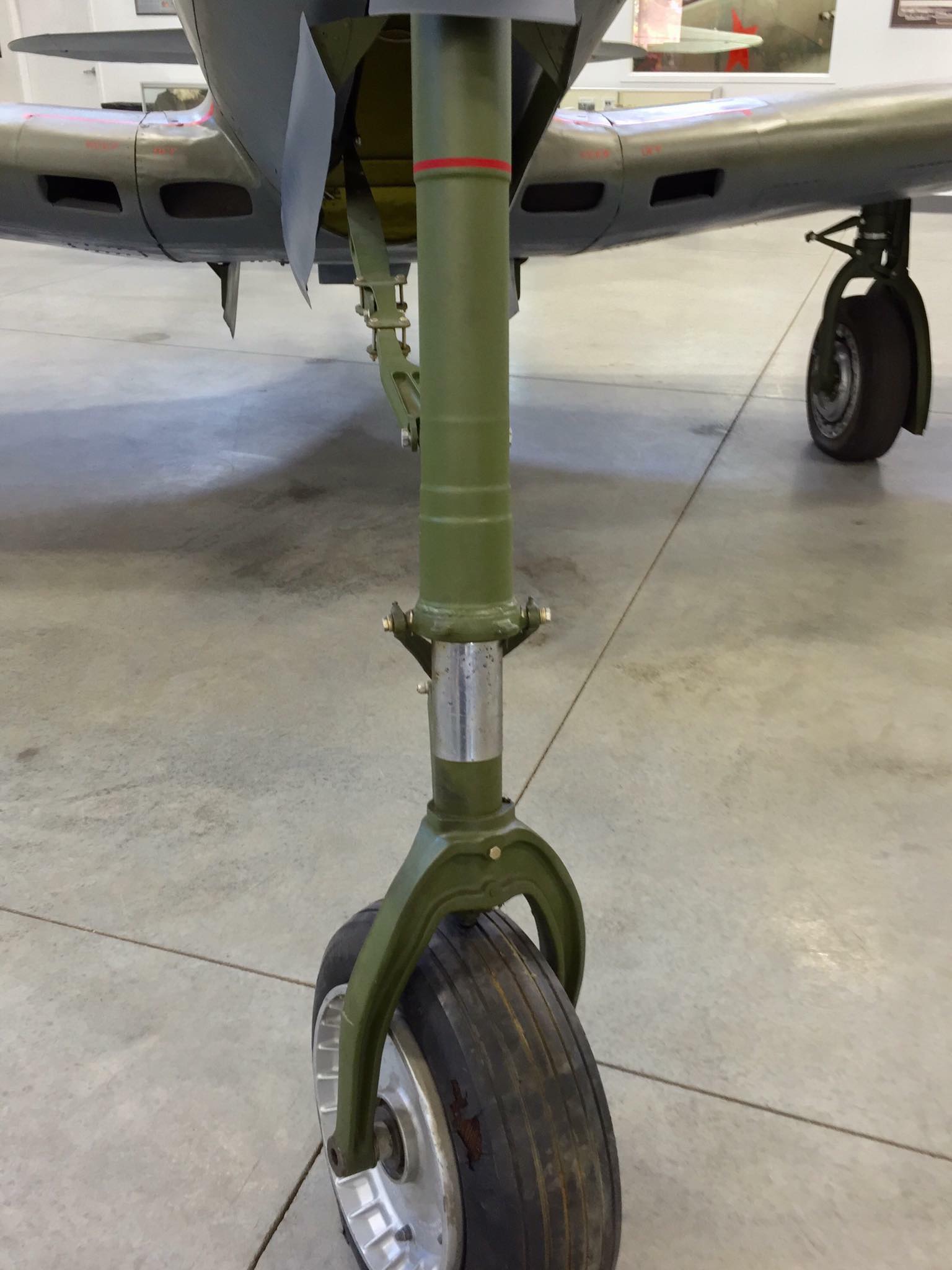
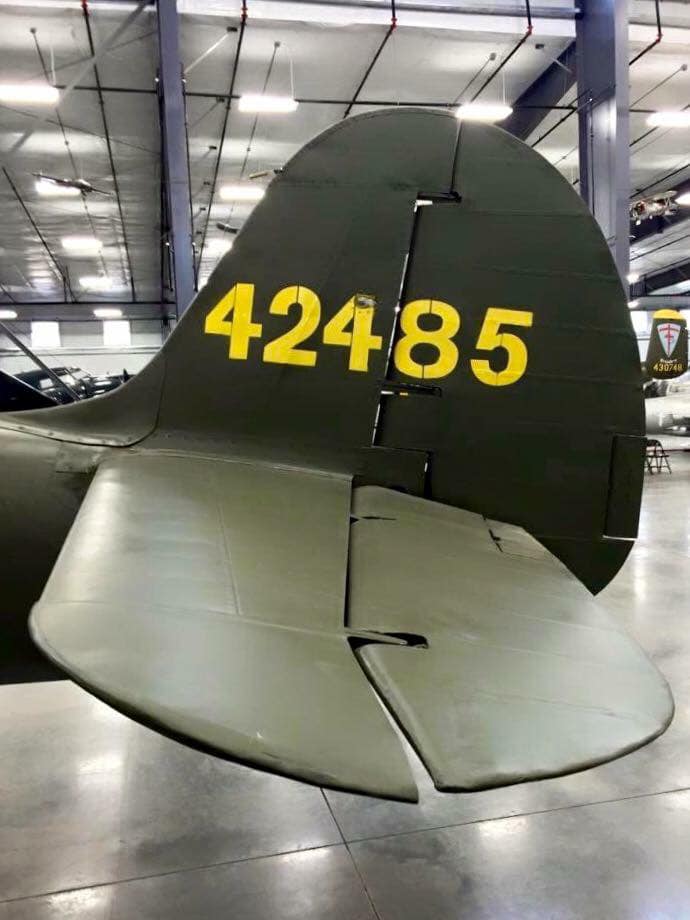
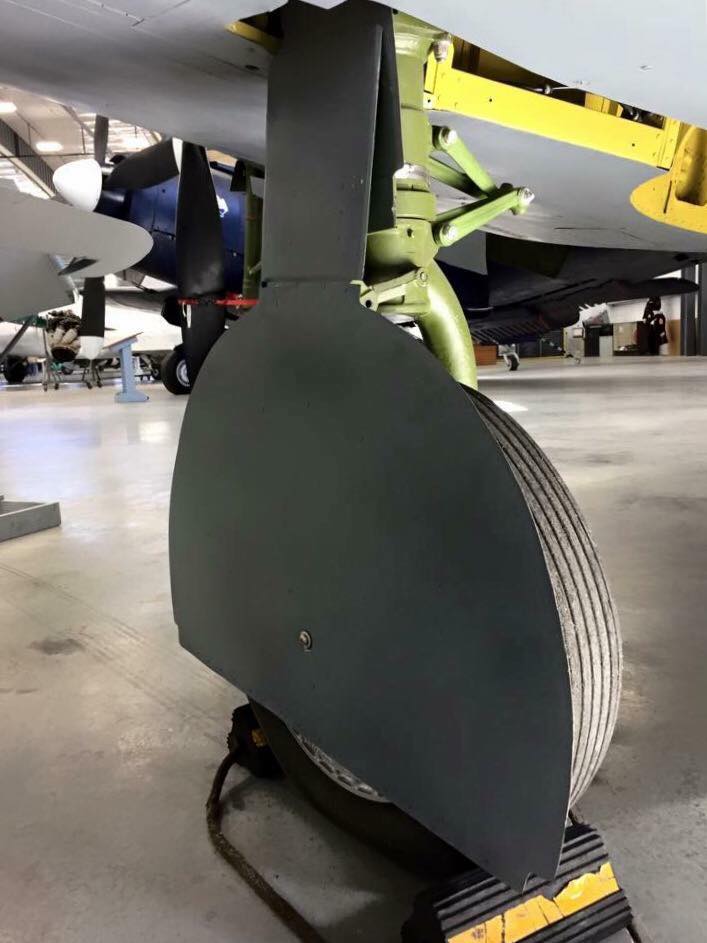
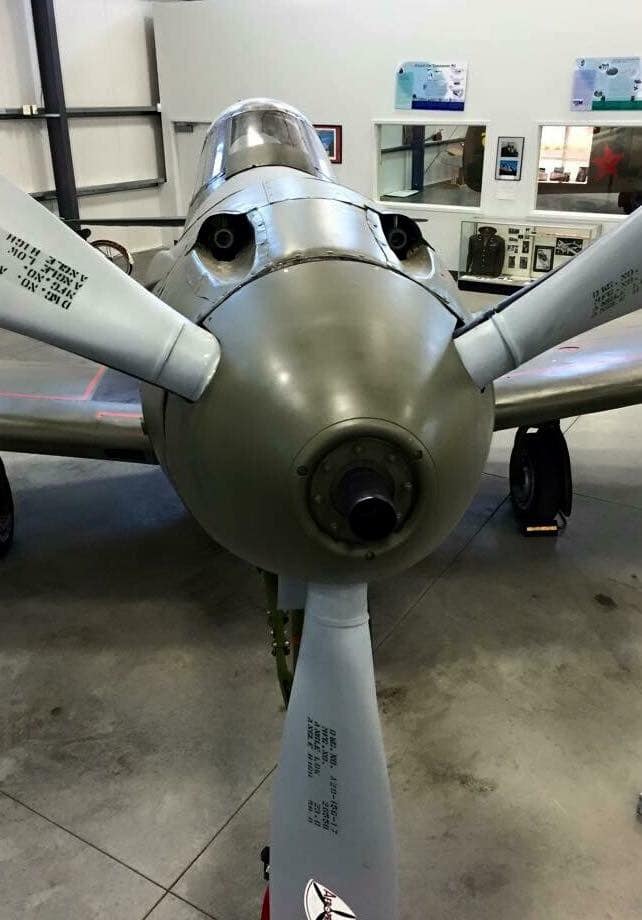
The P-39 was one of the first single-seat fighters fitted with tricycle landing gear. It is notable by the fact that its Allison V-1710-85 engine was placed behind the cockpit, with the drive shaft running under the pilot’s feet. Also, the cockpit doors were of the “swing” automobile type. Not unlike other aircraft, a tail fin fillet was added to compensate for yaw. Armament varied but fitted with a 37 mm cannon firing through the propeller hub, a pair of .50 cal. machine guns top-mounted on the cowling and firing through the propeller arc, and another in packs in each wing, and was capable of carrying 500 lbs. of bombs.
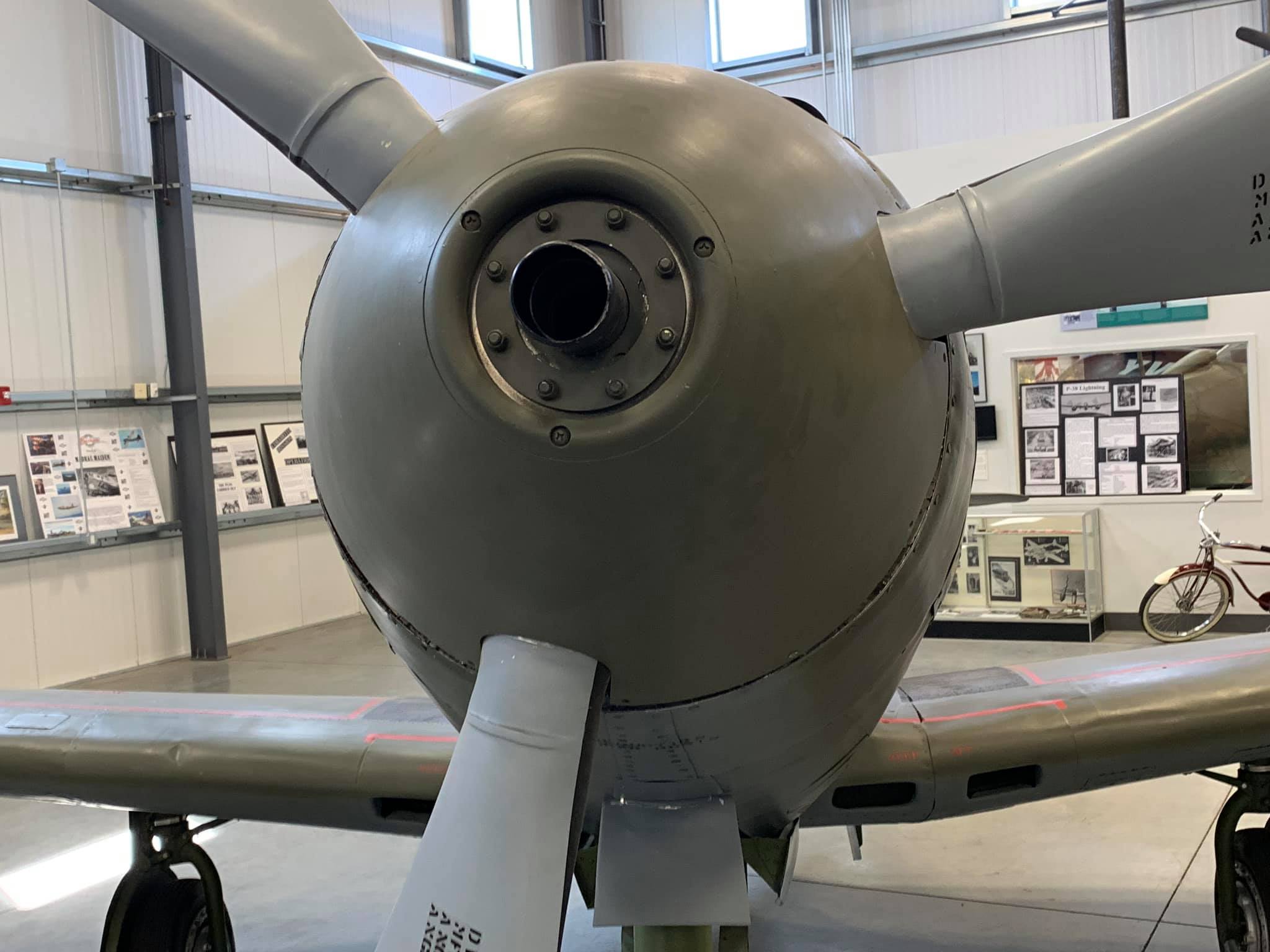
Of the over 9,500 built of this Bell Aircraft Corporation design, about half were delivered to the Soviet Air Forces to great effect via Britain initially, which had received but largely rejected the aircraft (one squadron used them operationally near Dunkirk), then via Fairbanks, Alaska, then via Iran. Russia received 4,750 P-39 aircraft, and its pilots used the aircraft very successfully in close air support as well as in air-to-air combat (in spite of the common belief that its lack of a supercharger relegated it to ground attack). U.S. and other Allied forces also used the Airacobra in the SW Pacific, Mediterranean and Eastern Fronts, the U.S. using it in Alaska against the Japanese as well. My photos.
About the author 
Randy Malmstrom grew up in a family steeped in aviation culture. His father, Bob, was still a cadet in training with the USAAF at the end of WWII but did serve in Germany during the U.S. occupation in the immediate post-war period, where he had the opportunity to fly in a wide variety of types that flew in WWII. After returning to the States, Bob became a multi-engine aircraft sales manager and, as such, flew a wide variety of aircraft; Randy frequently accompanied him on these flights. Furthermore, Randy’s cousin, Einar Axel Malmstrom, flew P-47 Thunderbolts with the 356th FG from RAF Martlesham Heath. He was commanding this unit at the time he was shot down over France on April 24th, 1944, and spent the rest of the war as a prisoner of war. Following his repatriation at war’s end, Einar continued his military service, attaining the rank of Colonel. He was serving as Deputy Wing Commander of the 407th Strategic Fighter Wing at Great Falls AFB, MT, at the time of his death in a T-33 training accident on August 21, 1954. The base was renamed in his honor in October 1955 and continues to serve in the present USAF as home to the 341st Missile Wing. Randy’s innate interest in history in general, and aviation history in particular, plus his educational background and passion for WWII warbirds, led him down his current path of capturing detailed aircraft walk-around photos and in-depth airframe histories, recording a precise description of a particular aircraft in all aspects.








Thanks mate a great article. We have a wrecked P39 at Jackson’s Airport Port Moresby, which used to be on display at the old Aero Club there, now closed.
I’m confused about the dates in your article. If the serial is 44-2485 then it was the 2,485th a/c built in 1944. So how could it have gone down in Canada in 1943?
It may have been ordered under a FY44 appropriation which if approved in time would have come into effect in October 1943. Just my guess.