
By Randy Malmstrom
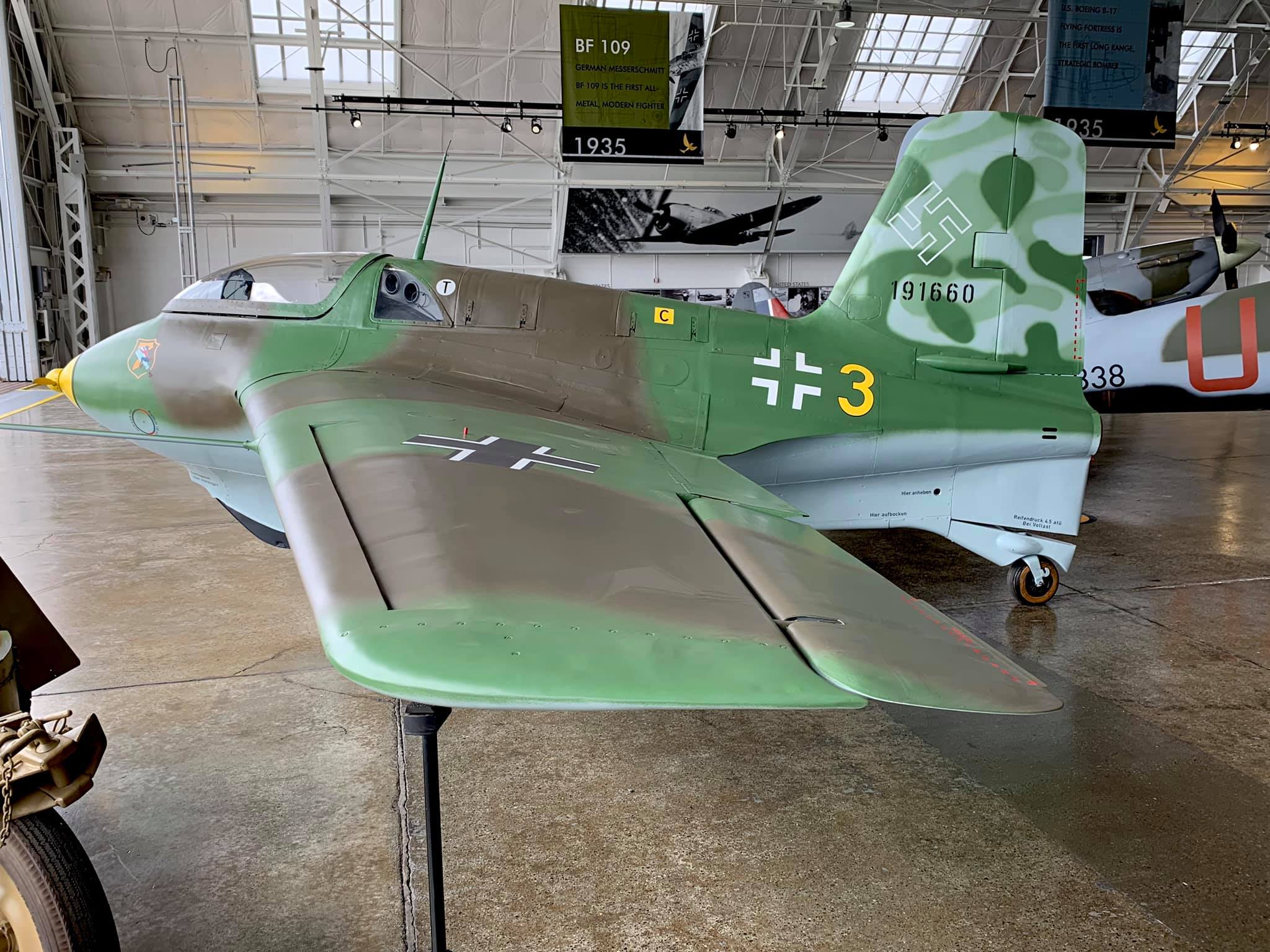
Since his childhood, Randy Malmstrom has had a passion for aviation history and historic military aircraft in particular. He has a particular penchant for documenting specific airframes with a highly detailed series of walk-around images and an in-depth exploration of their history, which have proved to be popular with many of those who have seen them, and we thought our readers would be equally fascinated too. This installment of Randy’s Warbird Profiles takes a look at Messerschmitt Me-163B-1 Komet Werknummer 191660, which is on display at the Flying Heritage and Combat Armor Museum in Everett, Washington.
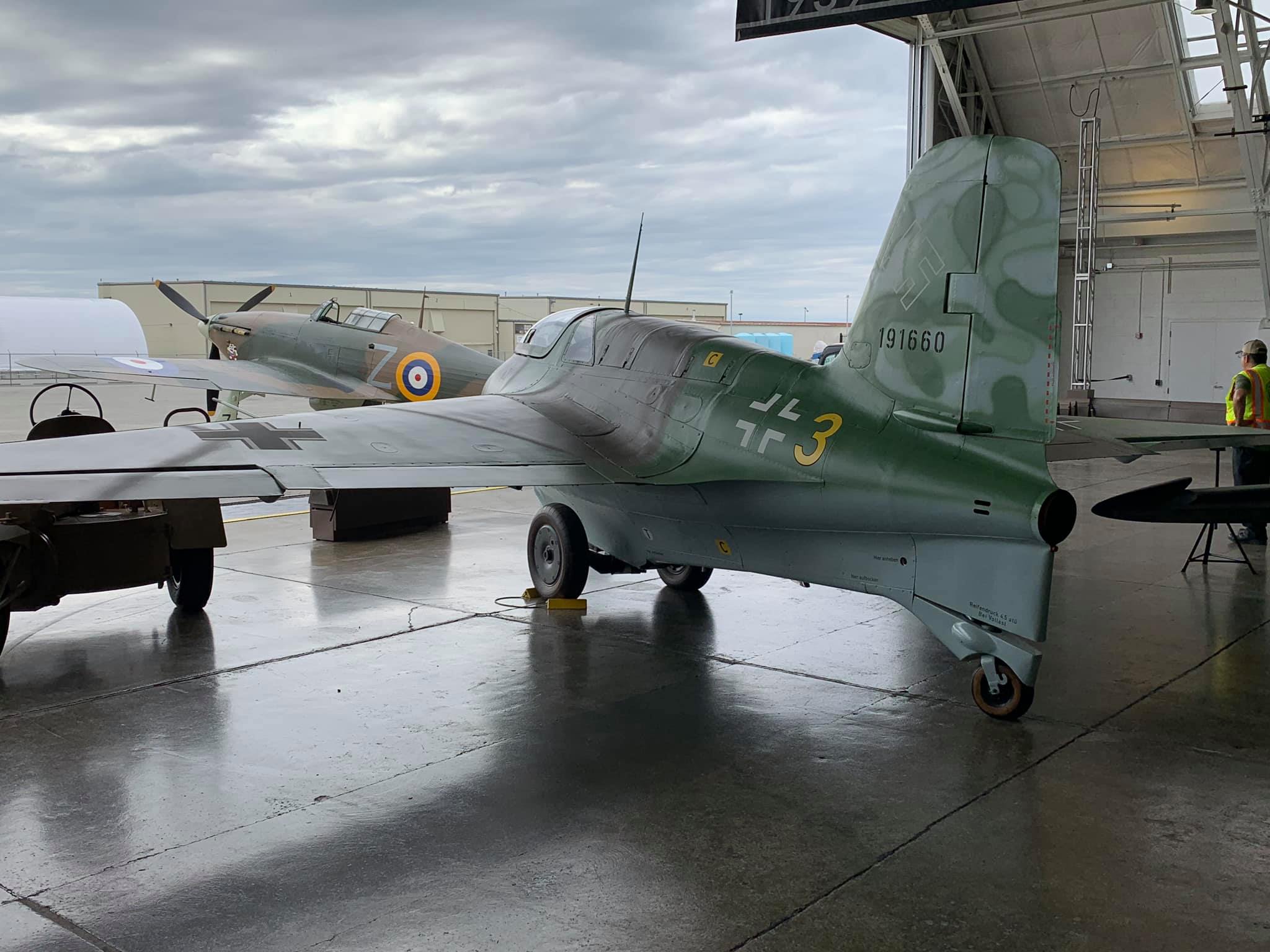
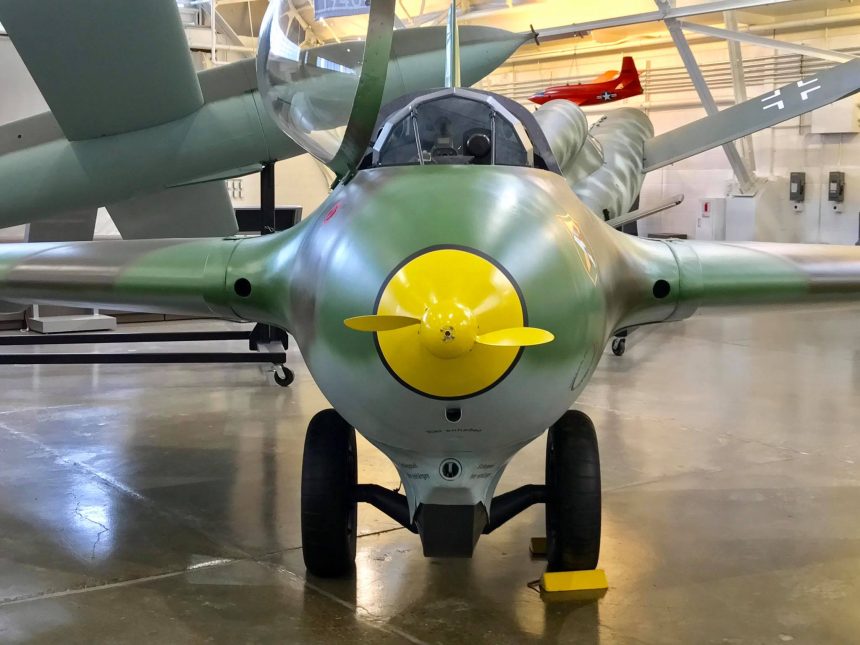
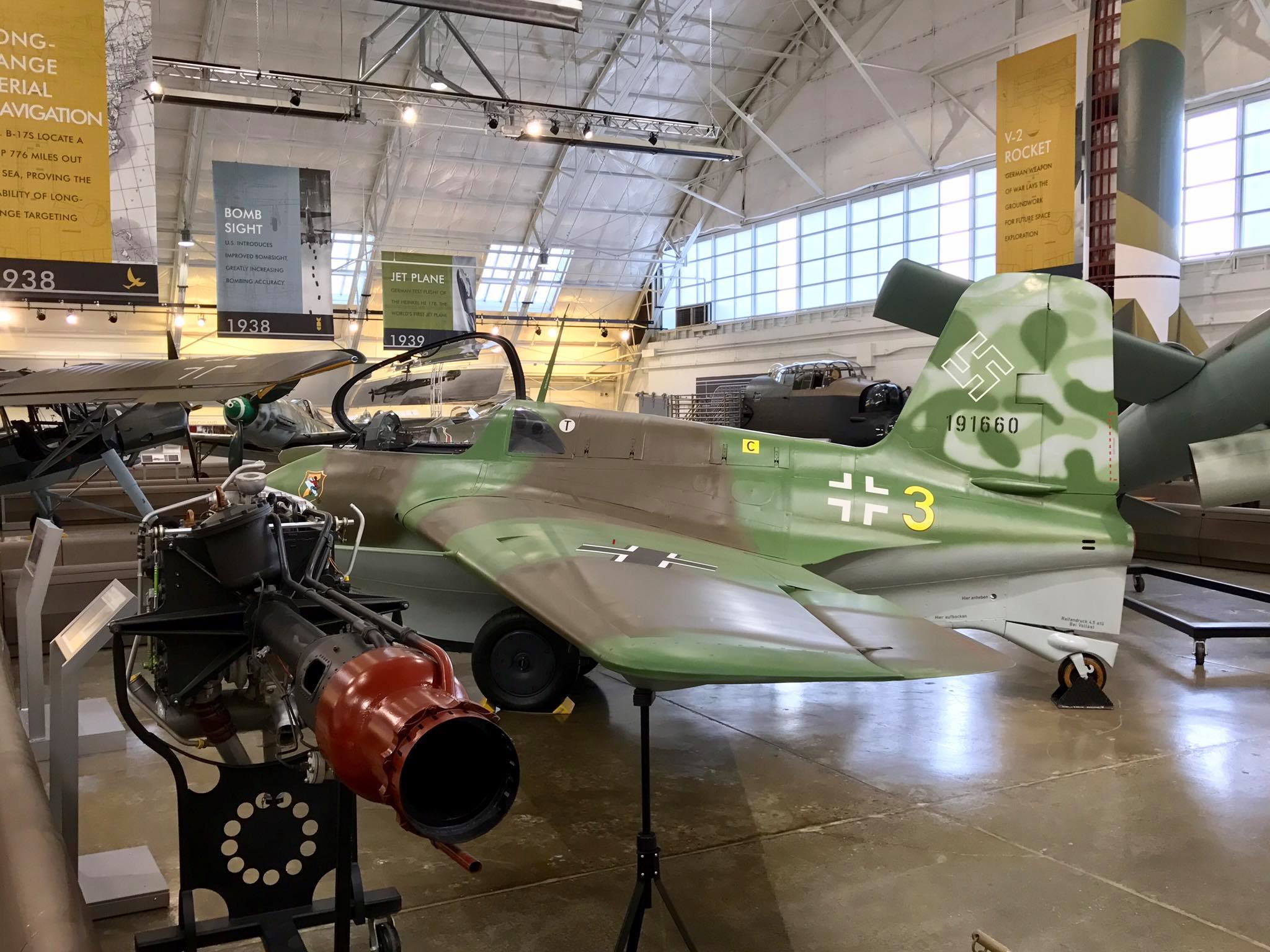
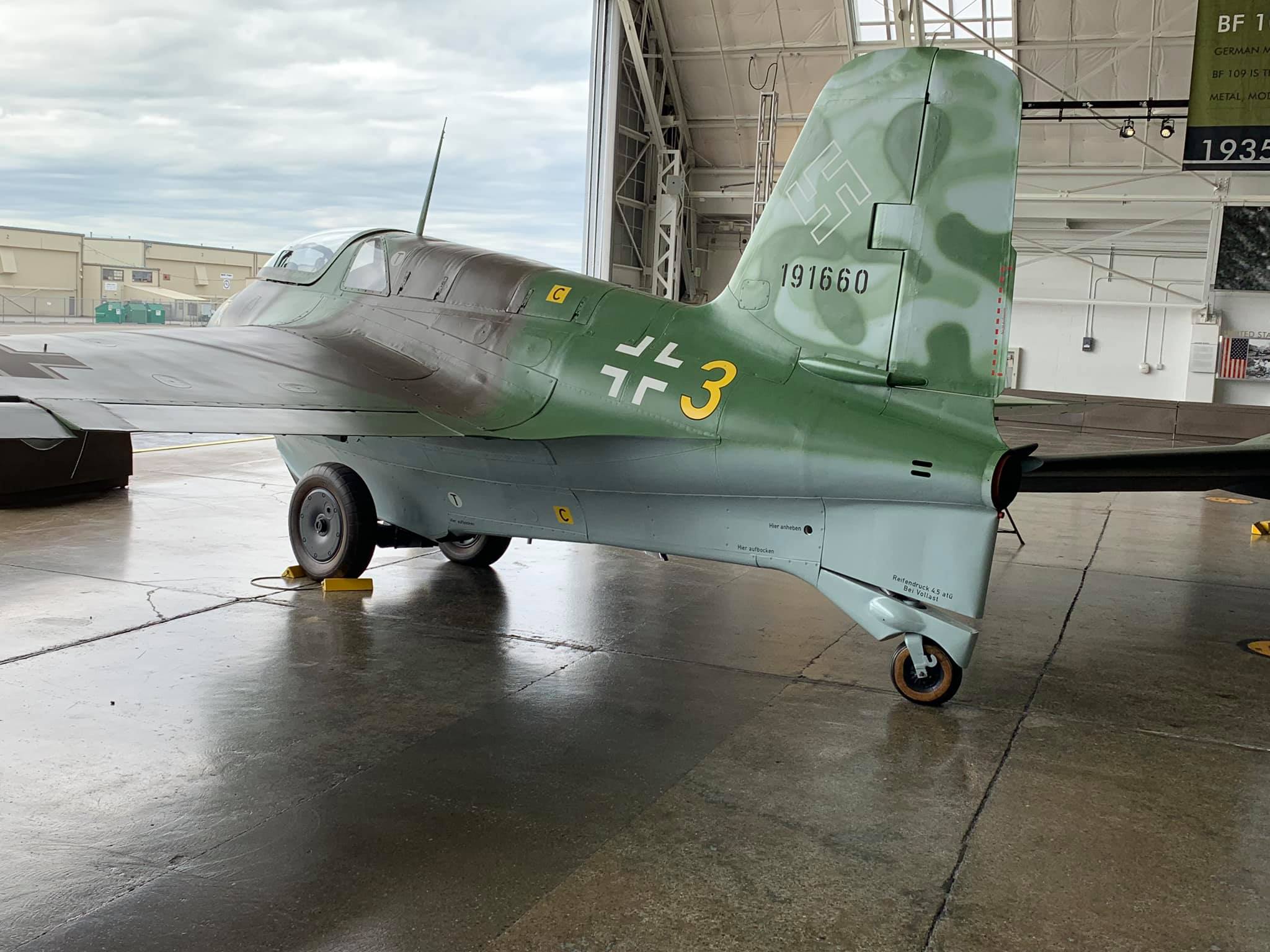
Messerschmitt Me-163B-1 Komet, Werknummer 191660, U.K. Air Ministry #214; Scheuch-Schlepper; Hellmuth Walter Kiel Kommandogesellschaft HWK 109-509 A-1 engine; and Rheinmetall Borsig MK-108 Maschinenkanone (autocannon). This aircraft is an “original” airplane by anyone’s definition and was built by Junkers in 1944 (construction of Me-163 aircraft had been transferred as noted below) and its first flight occurred on December 18, 1944 when it was towed and released by a powered aircraft and flown by Karl Voy, the chief test pilot for Klemm Leichtflugzeugbau GmbH (see more information about that company further below here) from Brandenburg-Briest to Oranienburg for final test flights.
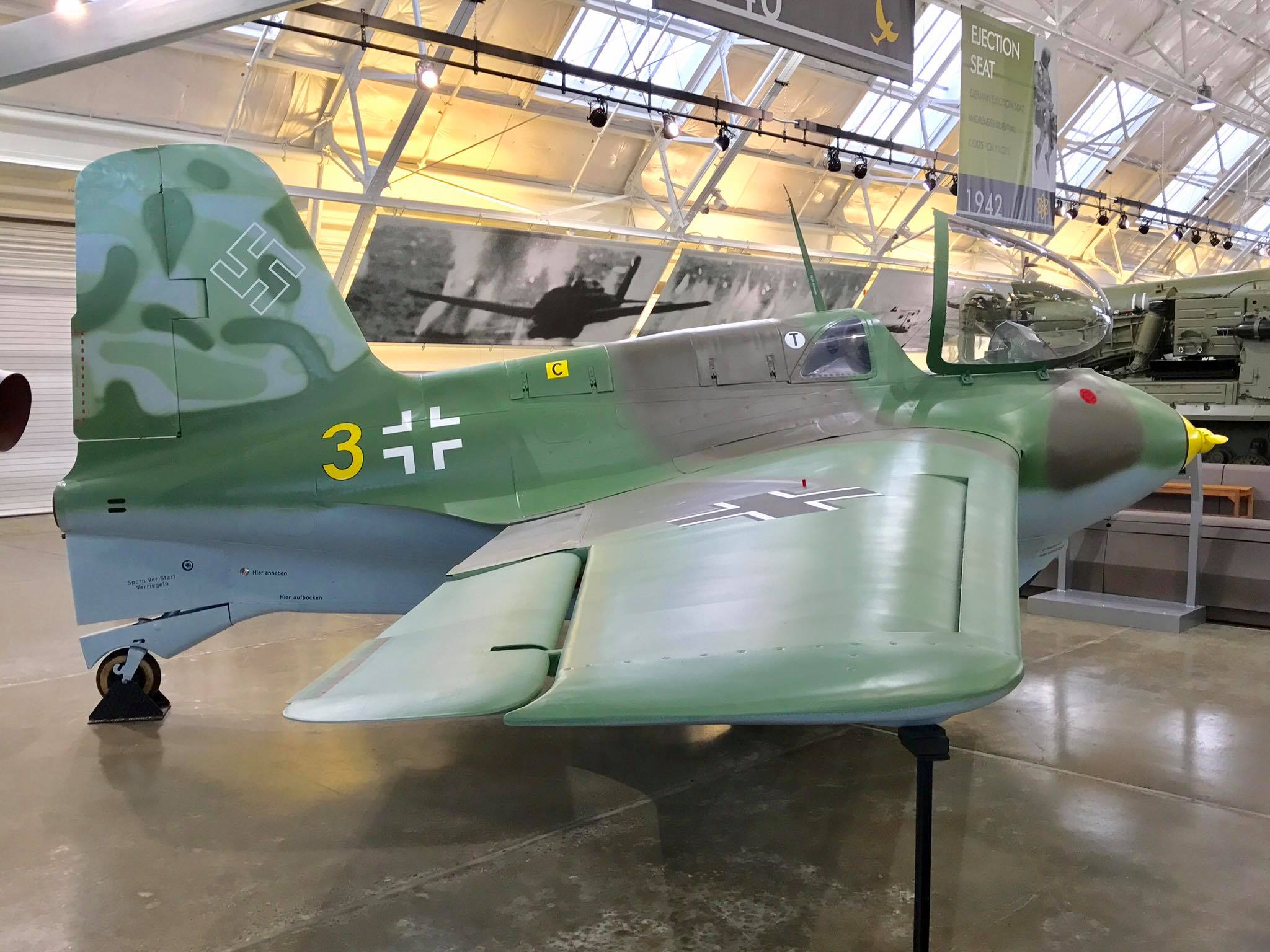
According to records of one of Voy’s colleagues, this and other Me-163’s were flown at least once under their own power before being assigned to the German Luftwaffe. This aircraft became part of I./JG 400 (Gruppe I, Jagdgeschwader 400) which had been formed in 1944 in Brandis (in Saxony near Leipzig) as a dedicated Me-163 unit. I./JG 400 was under the command of Hauptmann Wolfgang Späte, whose plan was to deploy Me-163s from a string of bases, each close enough so that the short range of the aircraft overlapped each base’s operational range. This plan was never realized in part because to the special facilities needed for the aircraft type.
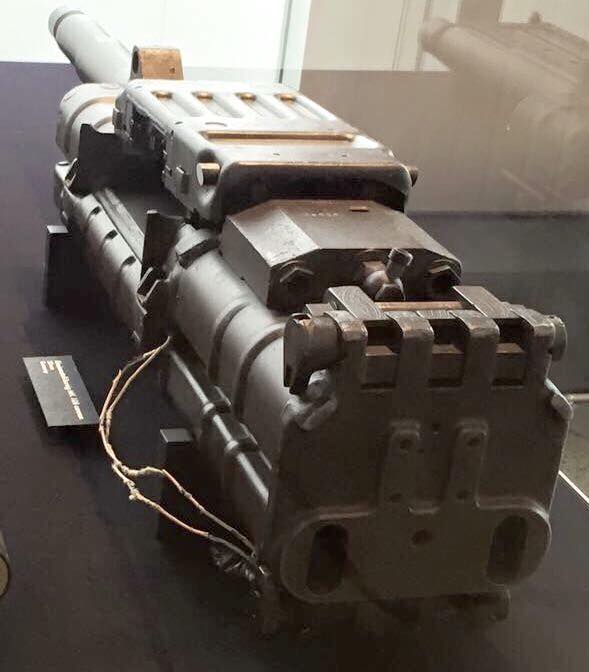
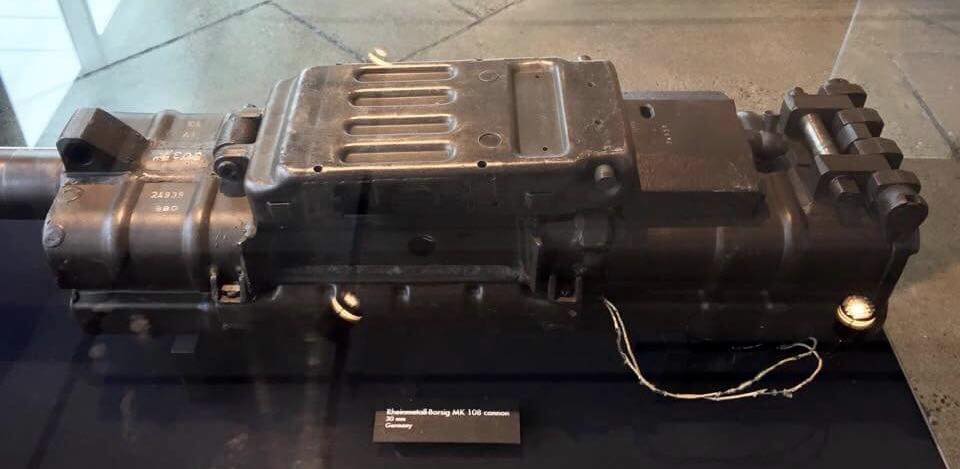
of two of these guns, one in each of the wing roots. (Randy Malmstrom)
Instead, I./JG 400 provided protection for one of the largest synthetic oil refineries at IG Farben’s “Leunawerke” (at Leuna, also in Saxony), about 90 km (55 miles) from its base at Brandis (it was a subsidiary of IG Farben that made the notorious Zyklon B used in the German WWII extermination camps). I have not found any records that this particular aircraft ever flew in combat.
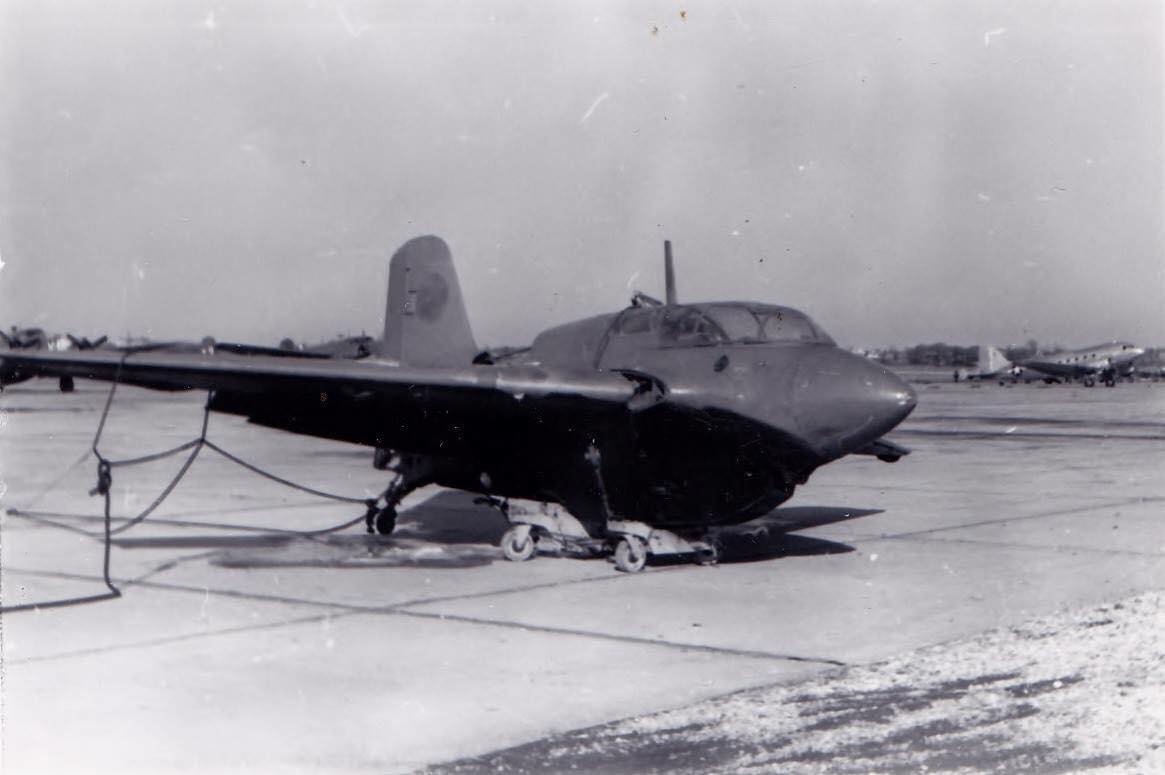
The aircraft was captured by British forces on May 8, 1945, at Husum, Germany on the North Sea coast. It was shipped to Royal Aircraft Establishment at Farnborough, England (“RAE” under the aegis of the U.K. Ministry of Defense), and then sent to No. 6 Maintenance Unit at RAF Brize Norton, Oxfordshire on July 26, 1945; from there it went to Royal Air Force College Cranwell, Lincolnshire. On September 18, 1946 where it remained until early 1961 when it was turned over to the British Imperial War Museum (IWM) for display at South Lambeth in London. When the IWM “outstation” was opened at Duxford in 1976, the aircraft was transferred there and it was there that a restoration started in 1997 (there were a number of stalls over time I’ve seen). I am informed that the Duxford restoration crew was disappointed that the original colors they discovered were not retained. The original handle on the control stick was missing and a parts dealer wanted $5,000 USD equivalent, so the Duxford crew manufactured what you see here.
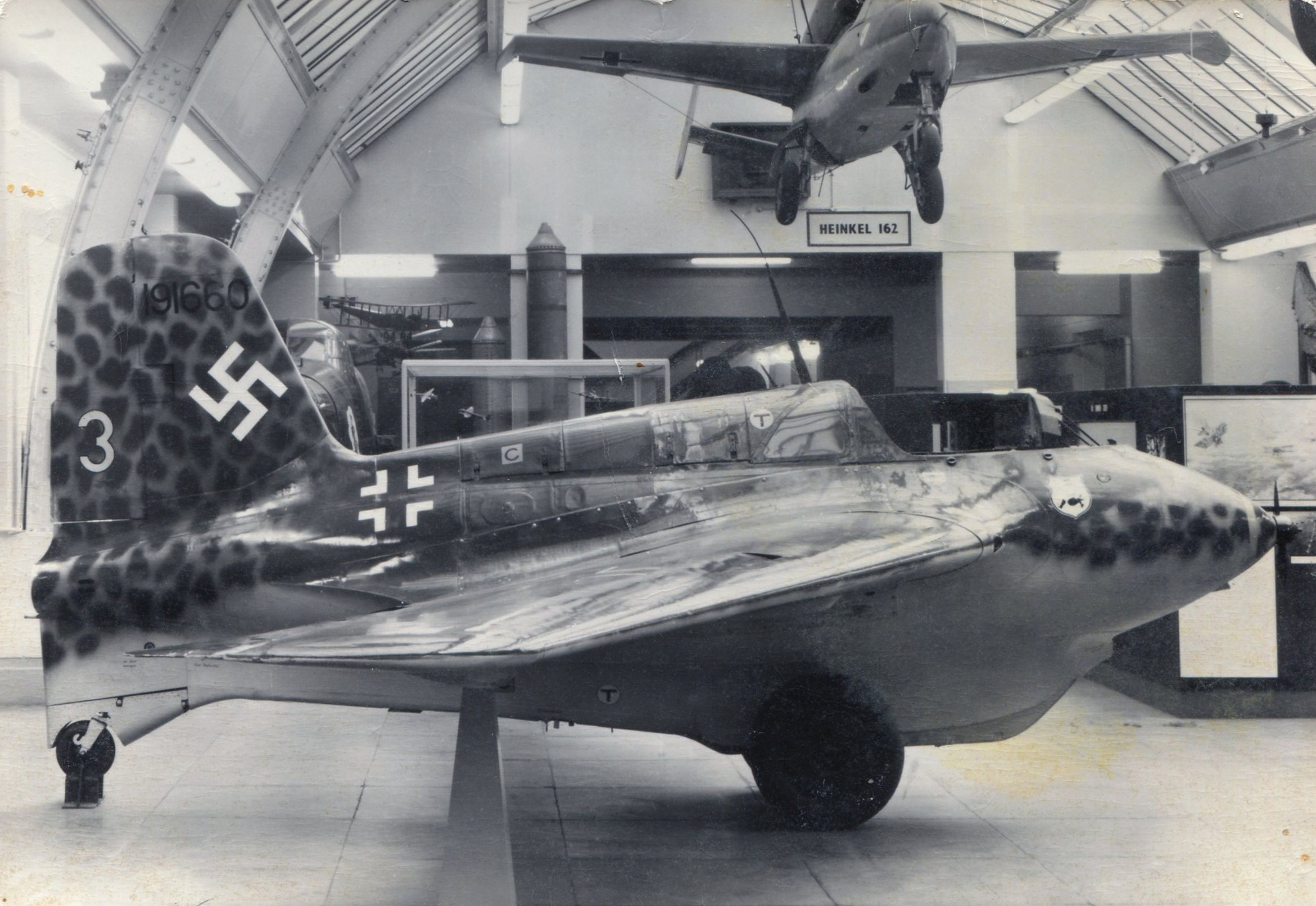
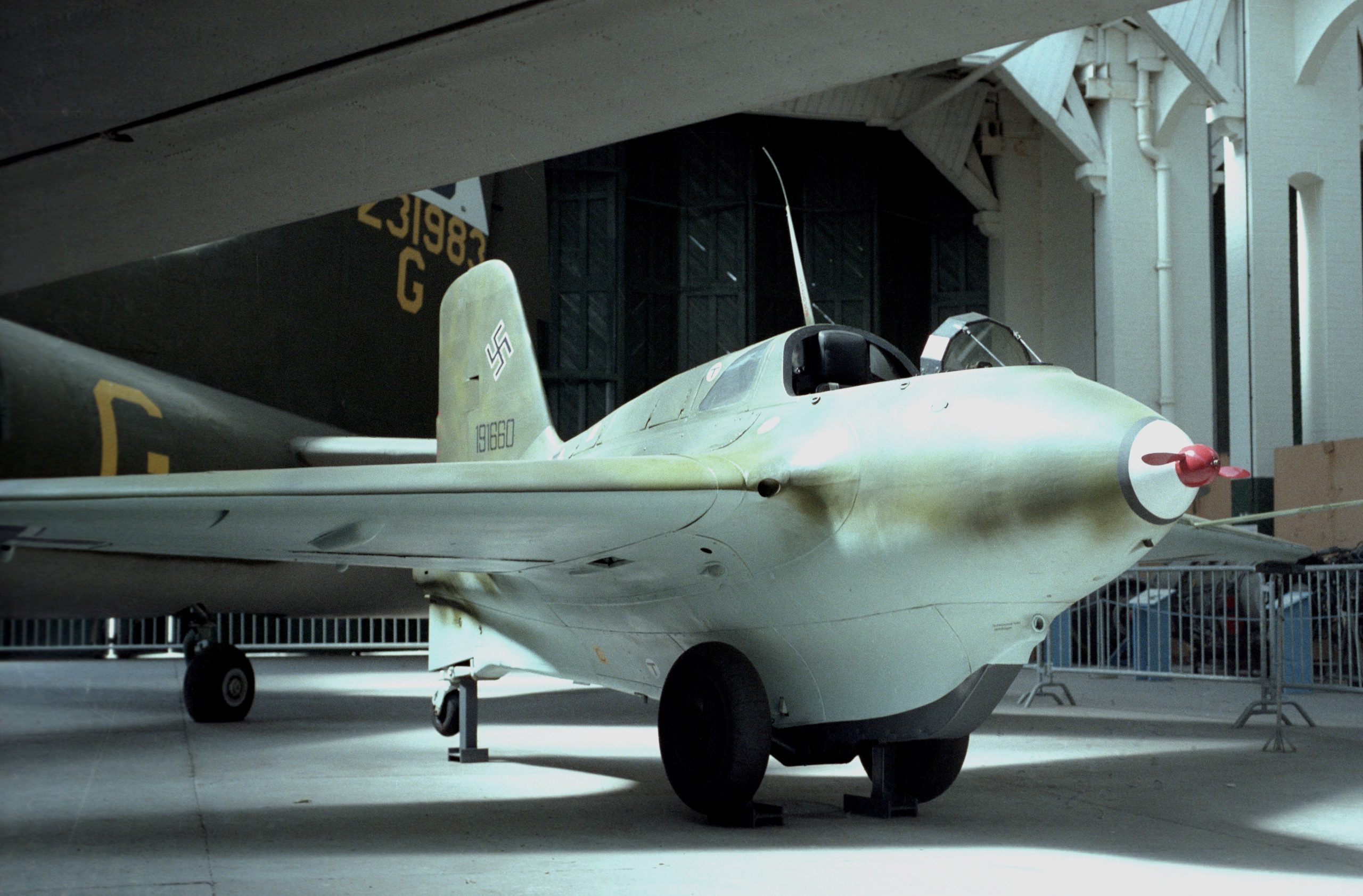
In 2005, it was acquired to become part of Paul Allen’s Flying Heritage & Combat Armor Museum on Paine Field in Everett, Washington (FHCAM) – it was reportedly sold for £800,000 to raise money to purchase a de Havilland DH.9 and the sale required the approval of the U.K. government’s Department of Culture, Media and Sport, and that of the IWM Trustees (I have read from a couple sources that FHCAM – or Vulcan Warbirds Inc. – has a second Komet somewhere but can’t confirm); and I find no FAA registration for either.
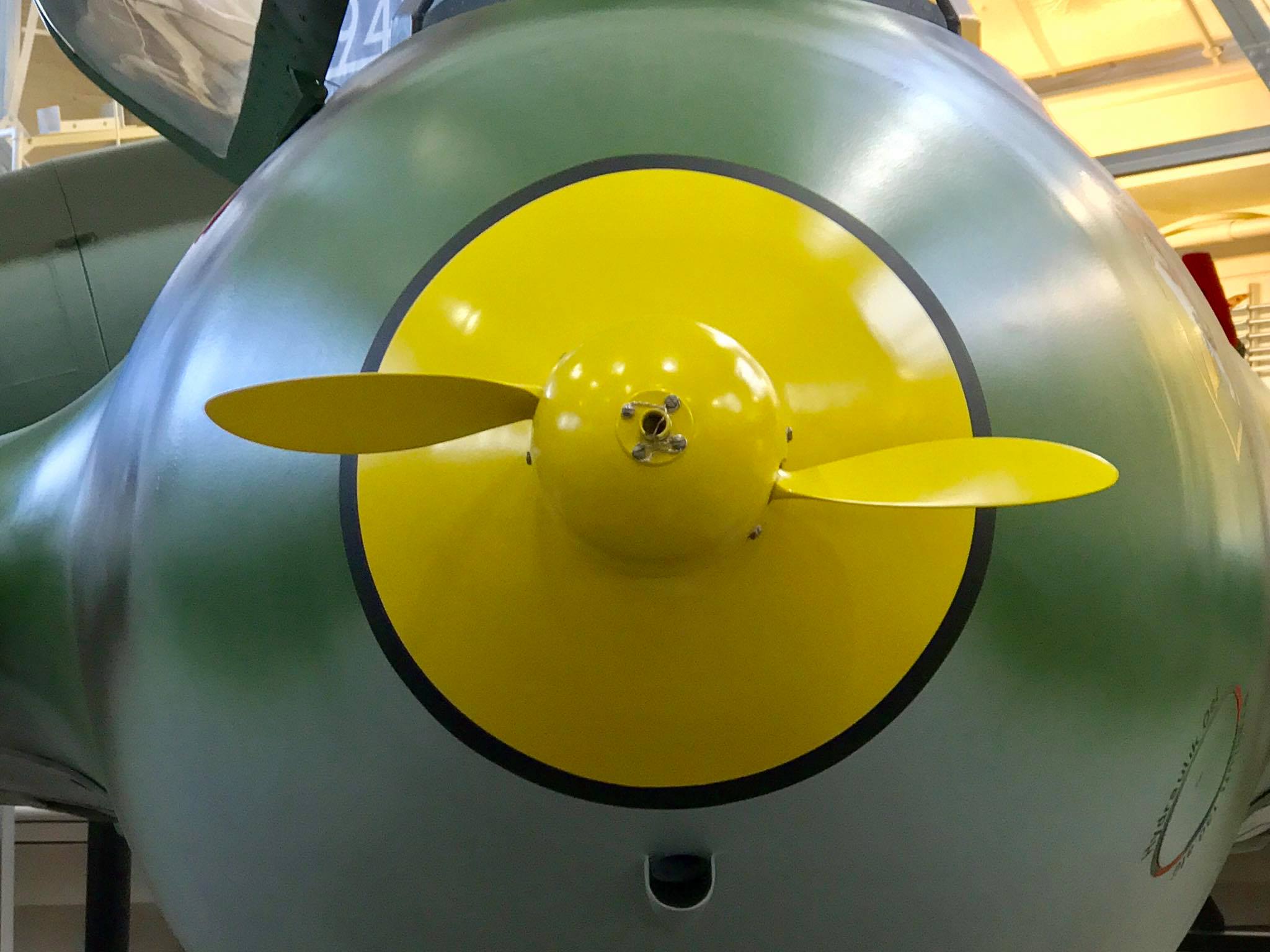
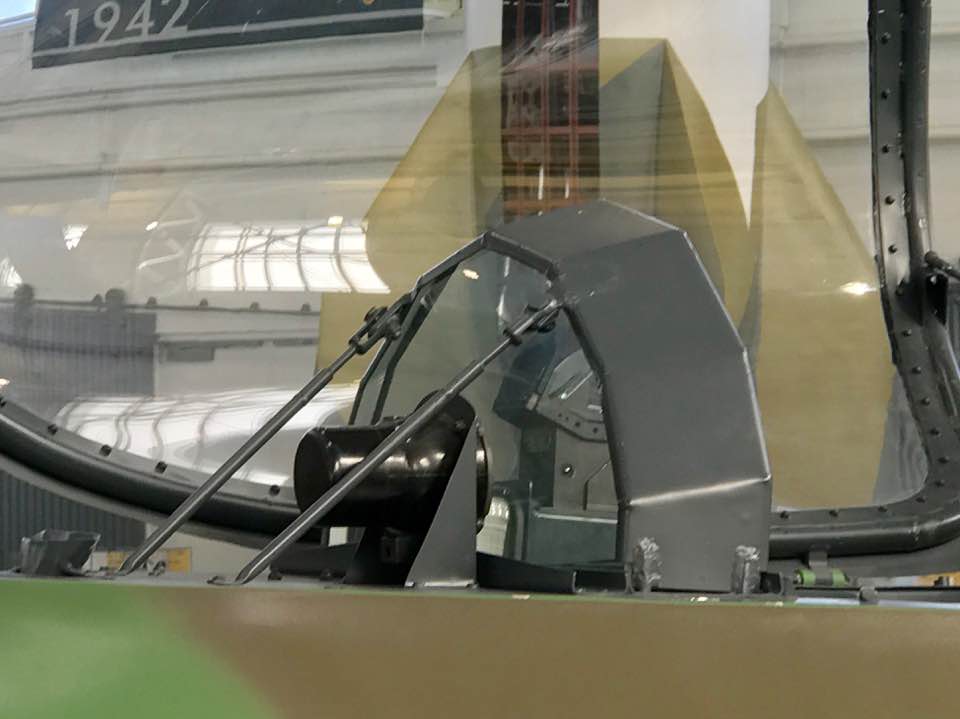
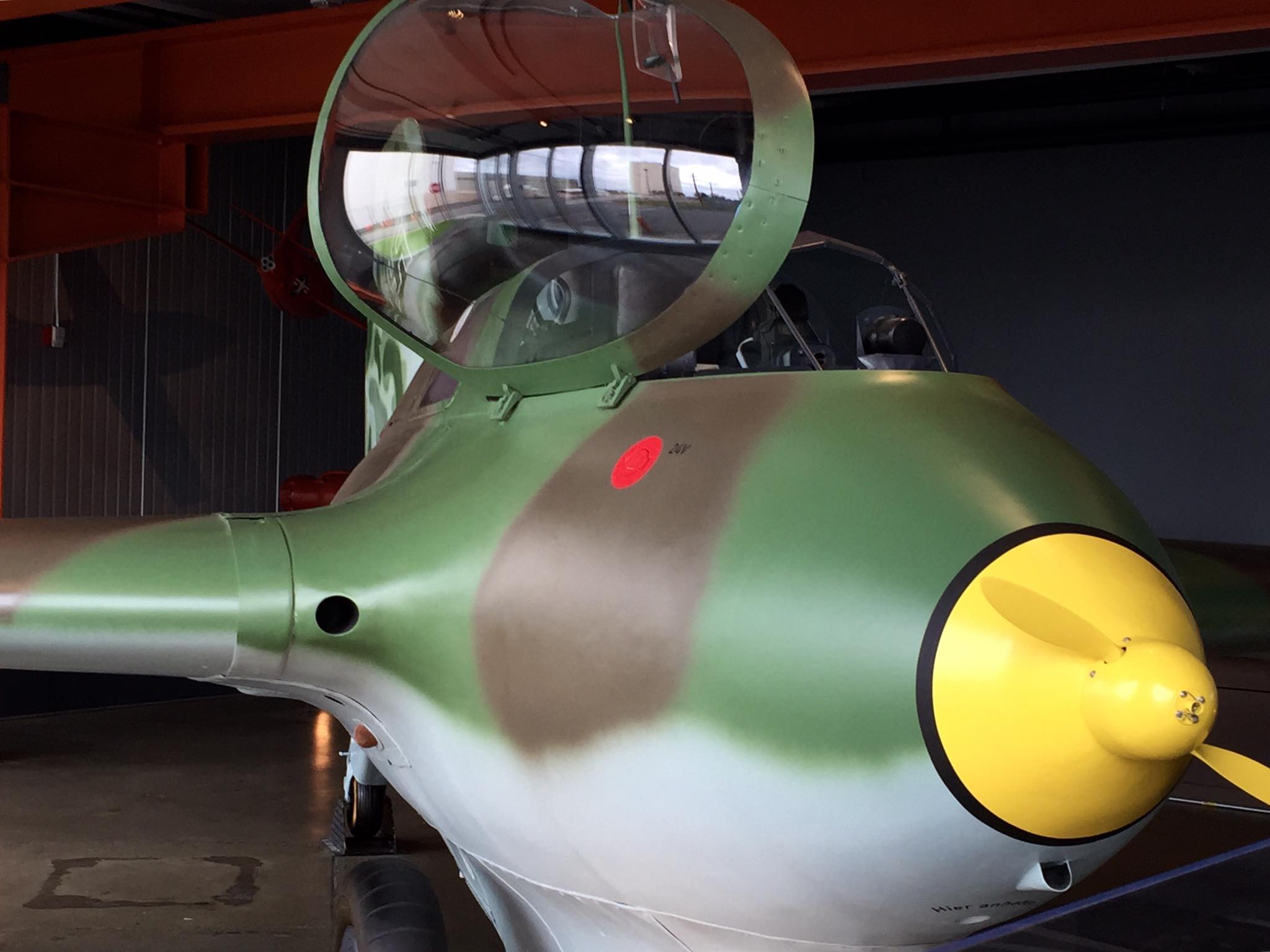
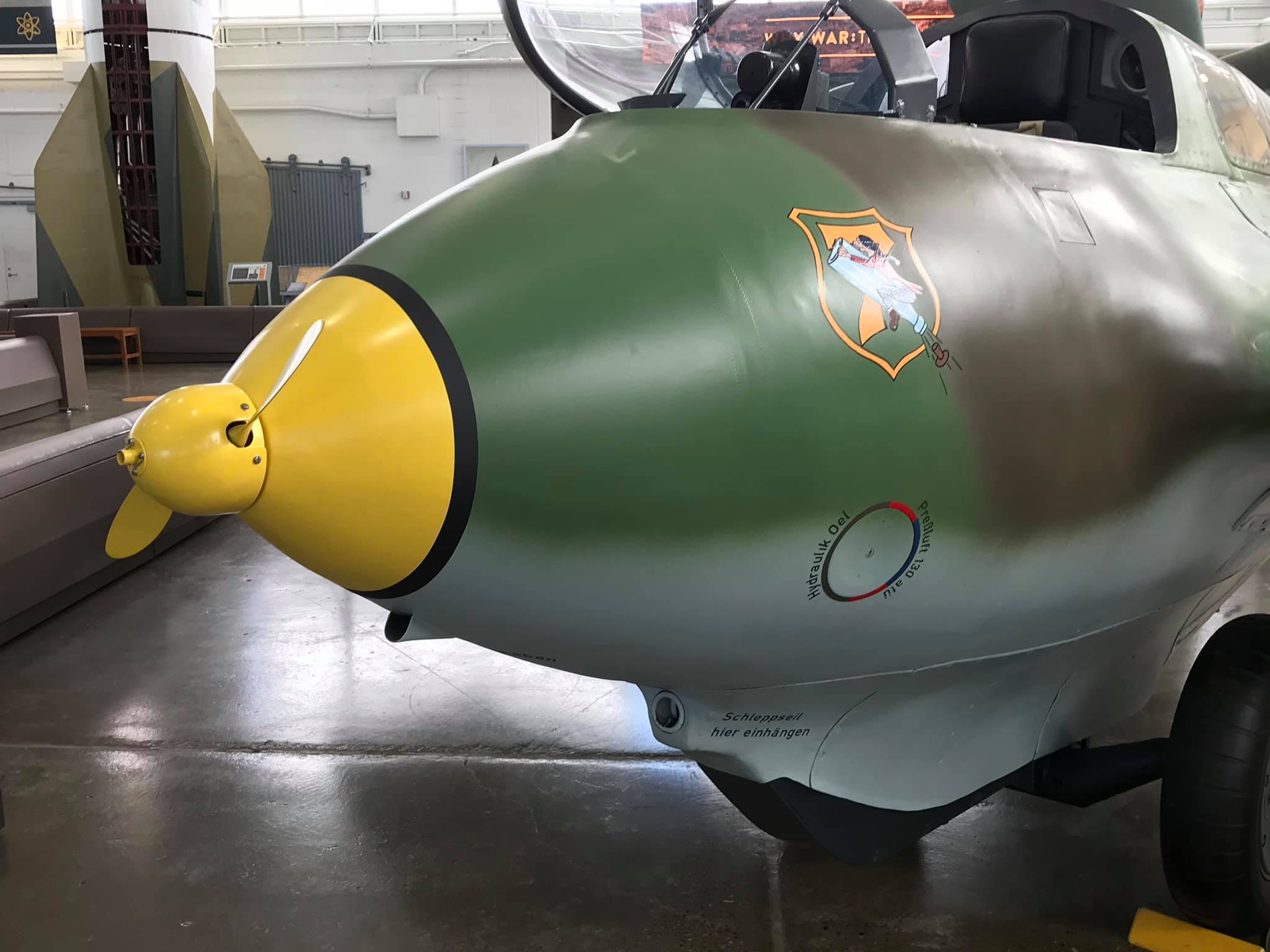
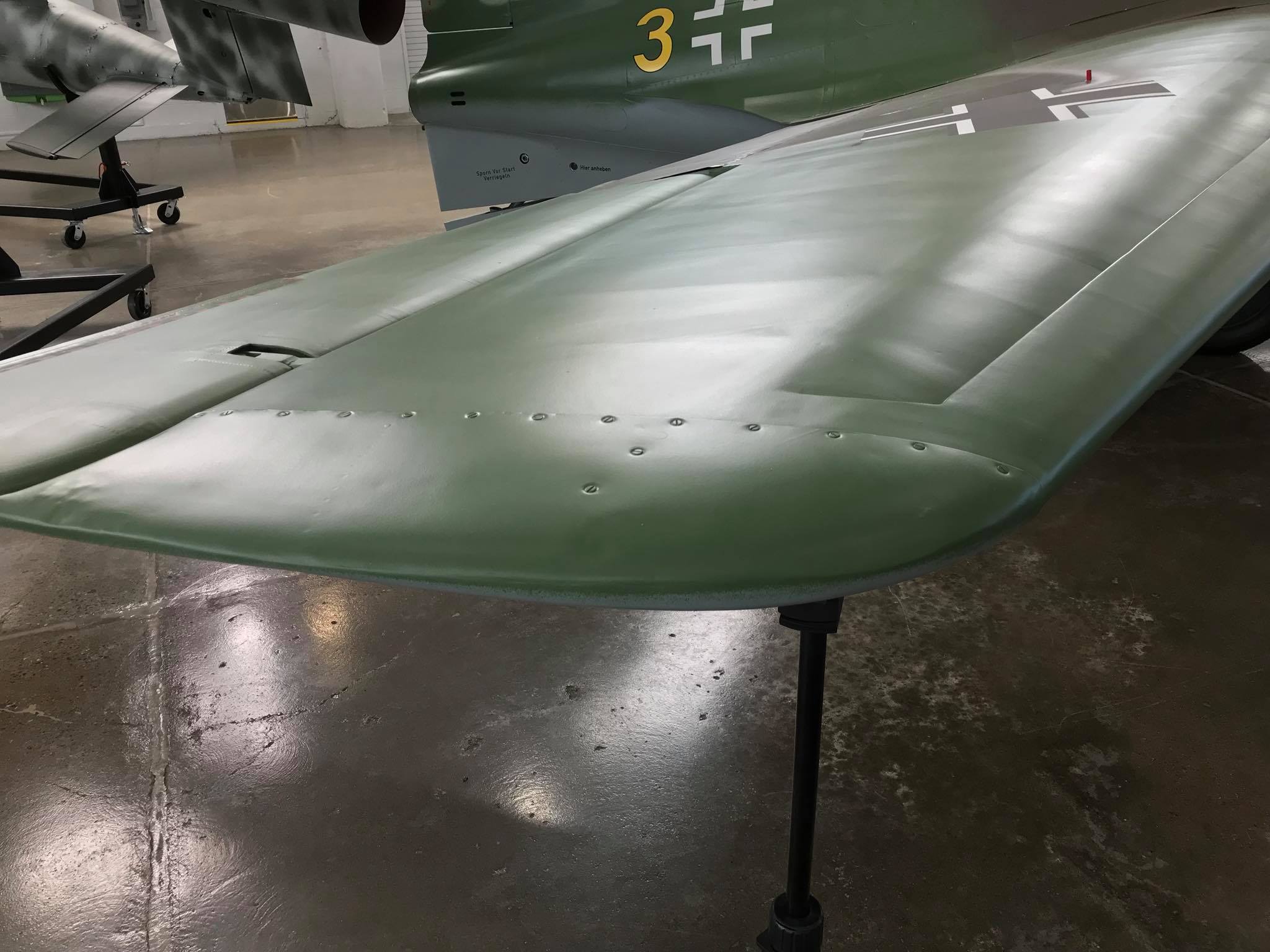
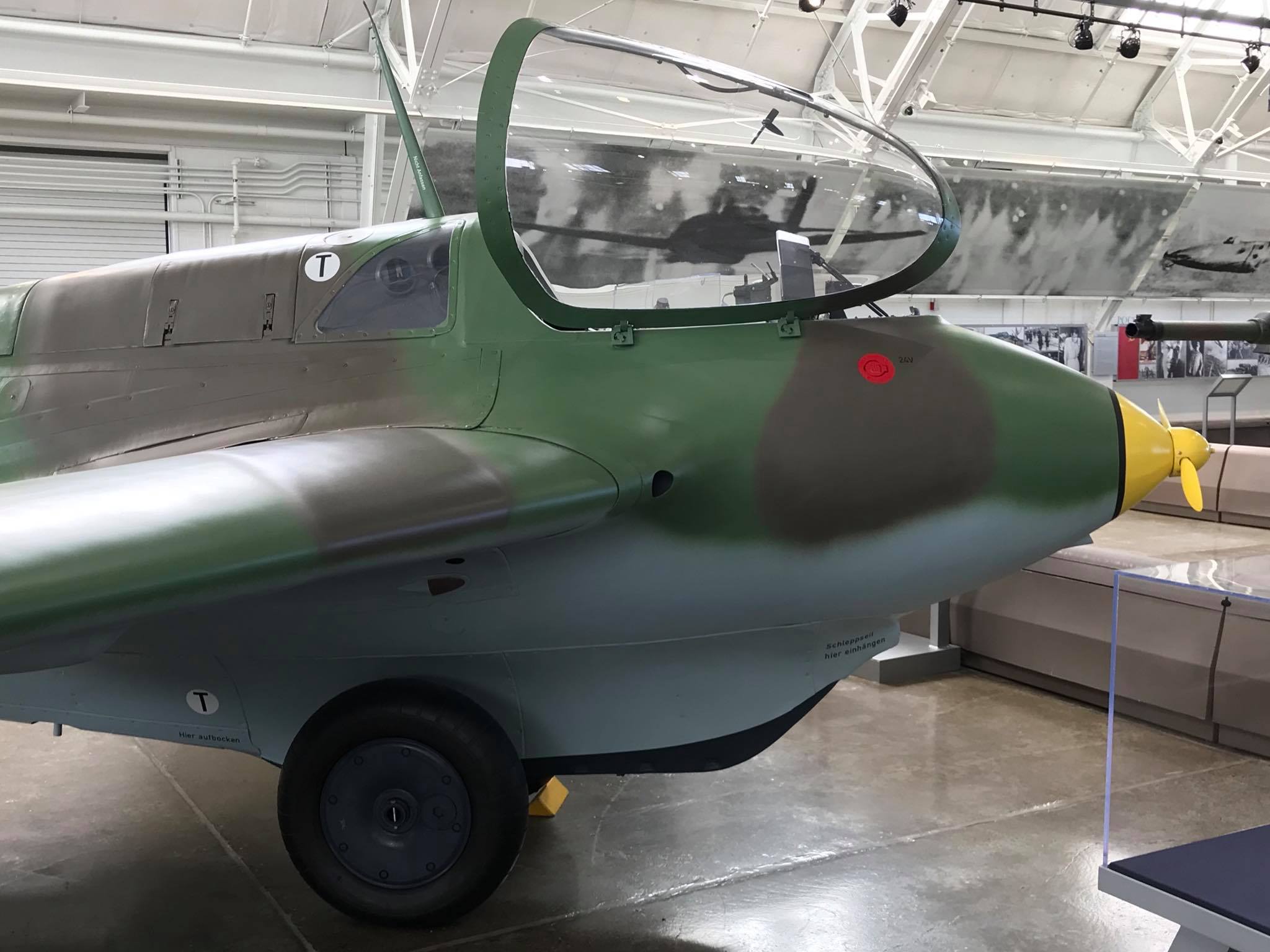
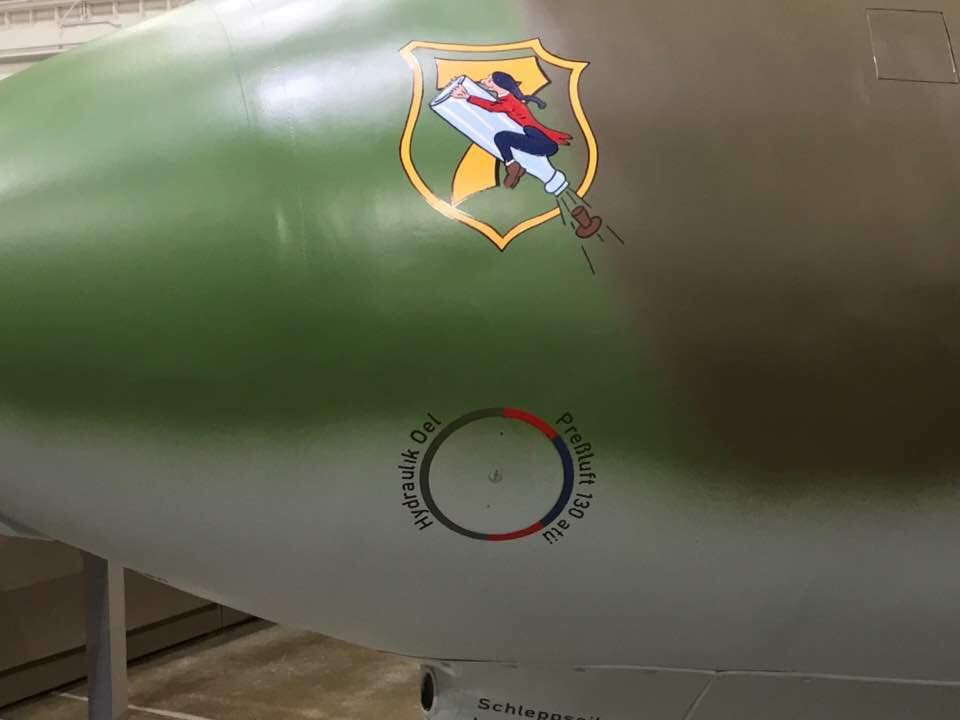
In 2021, the FHCAM collection was acquired by a new nonprofit created by Walmart heir Steuart Walton for continued operations in Everett. It is restored as “Yellow 3” with the JG 400 squadron symbol of Baron Münchhausen riding an uncorked bottle of sparkling wine. (Baron Münchhausen, in full, Karl Friedrich Hieronymus, Freiherr von (Baron of) Münchhausen, served with the Russian Army in the Russo-Turkish War and after retirement, settled in Hanover, Germany and became known as a teller of tall tales before his death in 1797; and in 1785, German author Rudolph Raspe created a fictional character by the same name, further describing great accomplishments as a soldier, sportsman, traveler, and doing impossible feats such as riding on a cannonball and traveling to the moon; and Nazi Propaganda Minister Joseph Goebbels (no umlaut) ordered the film “Münchhausen” be made and which was released in 1943 following the Wehrmacht’s loss of the Battle of Stalingrad. The film is in color (or colorized I suspect) and can be found – I have seen it myself). My photos at FHCAM.
According at least to Friedrich Günther, the camouflage on the side rudder is wrong, while the camouflage of the wings and the trunk (fuselage) are correct. A number of prototype Me-163B aircraft were ordered (that number varies according to sources) from Messerschmitt GmbH and built at the Augsburg, Bavaria, factory followed by an order for 70 production aircraft to be built using slave labor at the Messerschmitt works at KZ-Außenlager Obertraubling, a sub-camp of the Flossenbürg concentration camp at Regensburg (also in Bavaria). This camp, however, was needed for Bf-109 production and production of the Me-163 was taken over by Klemm Leichtflugzeugbau GmbH in the Black forest at Stuttgart-Böblingen which employed a number of subcontractors (Klemm, initially a light sport and touring aircraft manufacturer, was increasingly pressed into service building military components and aircraft and in 1943, was placed under government supervision to manufacture the Me-163 and Arado Ar 96 trainer).
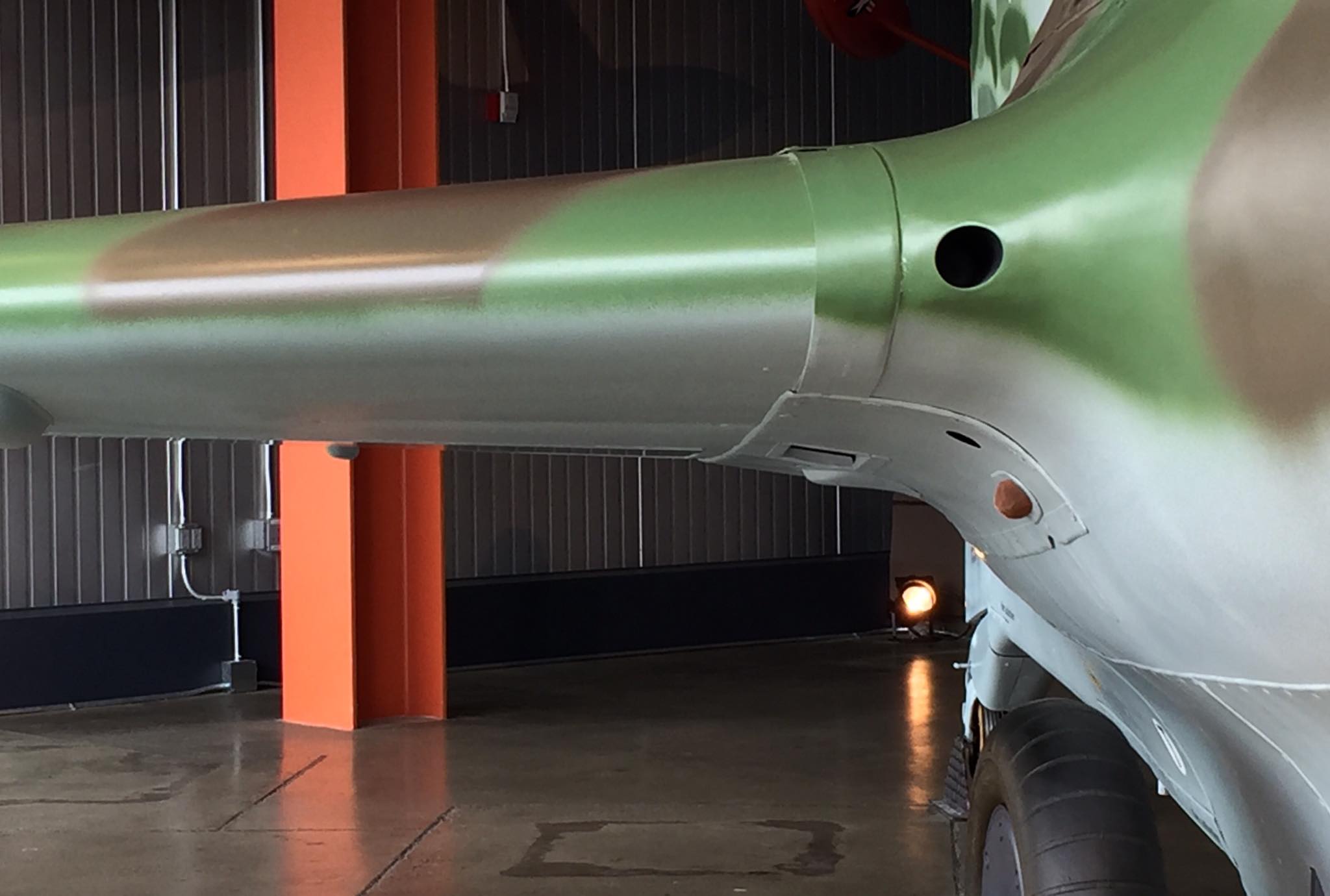
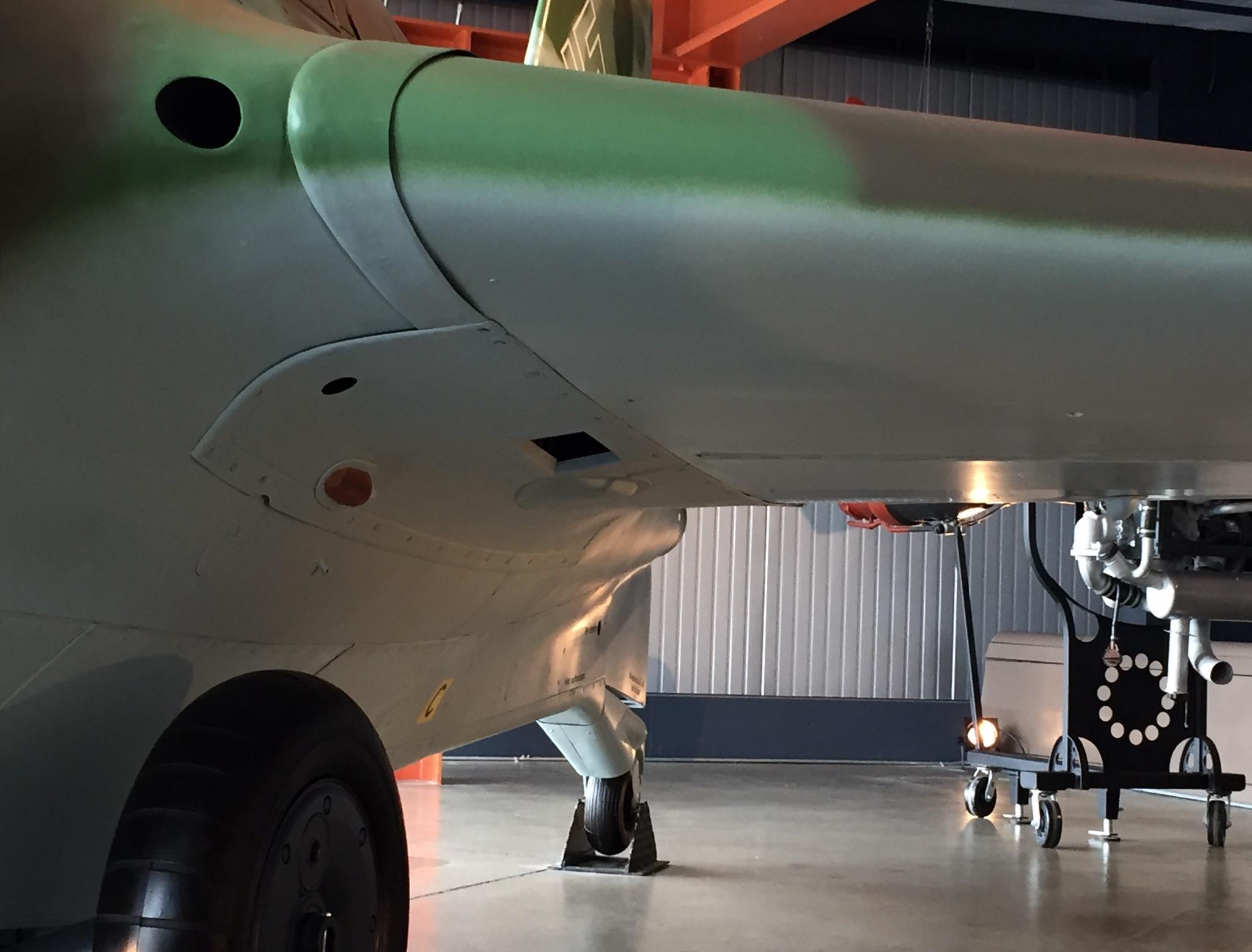
The workmanship on these aircraft was much poorer than the Messerschmitt-built aircraft due to Klemm’s inexperience with metal aircraft and the fact that the aircraft were reportedly sabotaged by the French slave laborers, and production of the Komet was turned over to Junkers (which was reportedly underemployed at the time). (I have seen some debate as to the accuracy or inaccuracy of the designation Me-163B-1a” or “Me-163B-1b” versus just “Me-163B-1” but it seems inconclusive that the former was used in practice.) The Me-163 was referred to by some as “Kraft-Ei“ (“Power-Egg”), and “Wie ein floh, aber oh!” (Like a flea, but oh!), or “Devil’s Broomstick” (in that case, the name came because on the third test flight, made by Konstantin Gruzdev stated “It’s fast, it’s scary, and it really pushes you in the back. You feel like a devil riding a broom,” and from then on, the nickname is used by everyone who worked on the project It was one of the only rocket-propelled aircraft to see combat. October 2, 1941, is considered the date on which a Komet set a new world speed record of 1,004.5 km/h (624.2 mph). Designed by Alexander Lippisch (who, after World War II, became one of the scientists brought to the U.S. from Germany as part of Operation Paperclip, and even oversaw post-war testing in the U.S. – my dad was in a C-45 in Germany in 1946 that transported a couple of the scientists). Experiments associated with the technology of the Me-163 were performed in a vacuum chamber in the Dachau concentration camp in which 70-80 prisoners died.
The experiments served to find out at what altitude a person without a pressurized cabin carried temporary or lasting damage to their health. The aircraft initially had no pressurized cabin but reached altitudes up to 14,000 meters. The Me-163 saw limited action toward the end of World War Il. It should be noted that by the summer of 1944, individual German pilots had taken to ramming Allied aircraft; in April 1945, Sonderkommando “Elbe” was formed to employ ramming tactics (Special Command Elbe, which had Stendal in the west end of the Elbe River valley as its training base); but Selbstopfermänner (self-sacrifice men) tactics were only intended to be employed as a last resort, although Sturmgruppen (assault troops or aviation elite units) were required to take an oath that they would do so if needed and yet to ensure that every effort was made to escape. This applied to (at least) the Fi-103Rs, Me-163 Komets, and even Bf-109’s and Fw-190’s that were lost in ramming tactics late in the war (it should be noted that where the manned Fi-103R was concerned, the possibility of such a ramming and self-sacrifice occurrence happening was considered remote by the likes of test pilots Hanna Reitsch and Heinz Kensche whose view was that the disclaimers were for public relations purposes). It was powered by a Walter HWK 109-509 A-1 liquid-fuel rocket motor that was fueled by the highly volatile combination of the chemicals C-stoff and T-stoff.
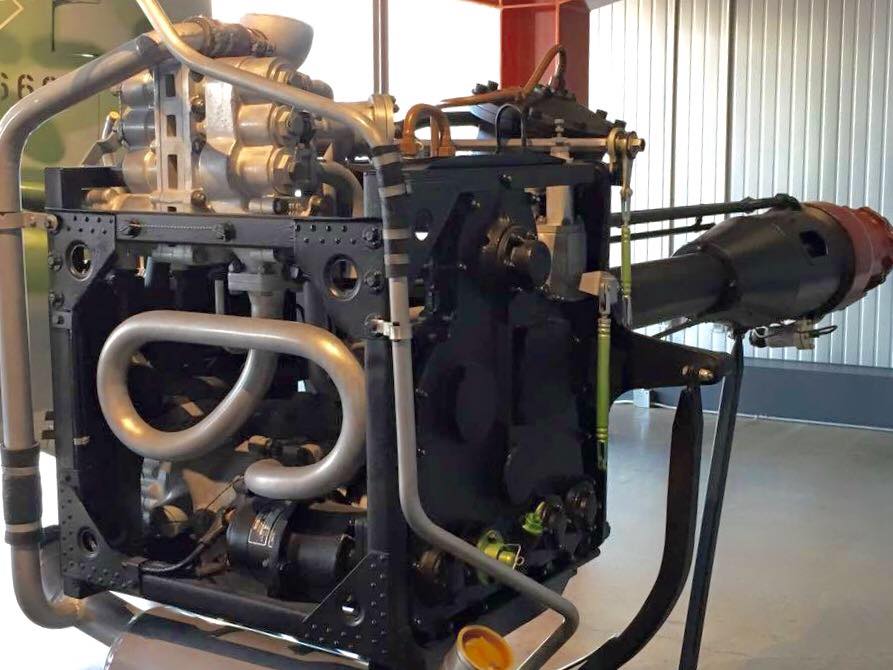
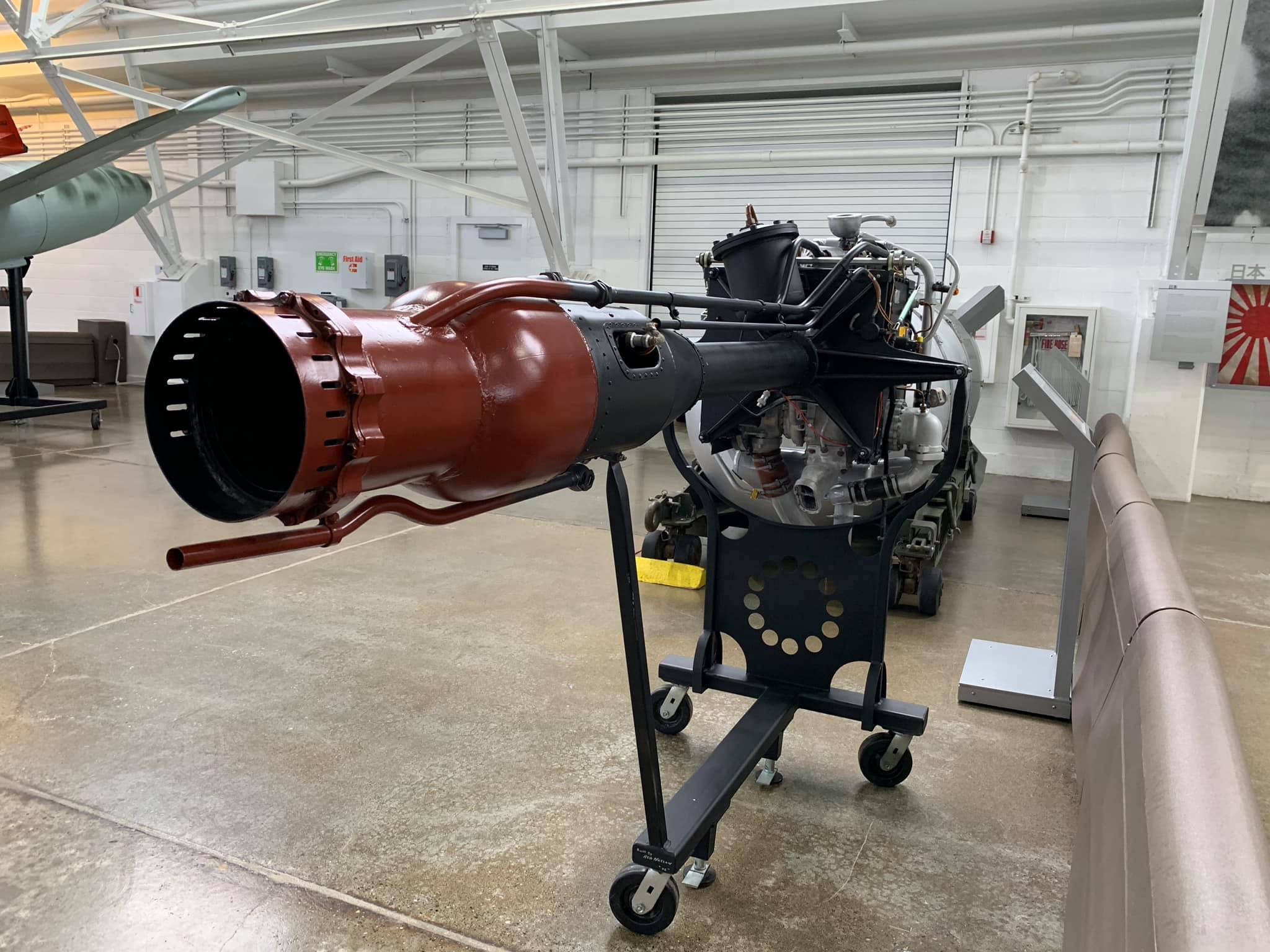
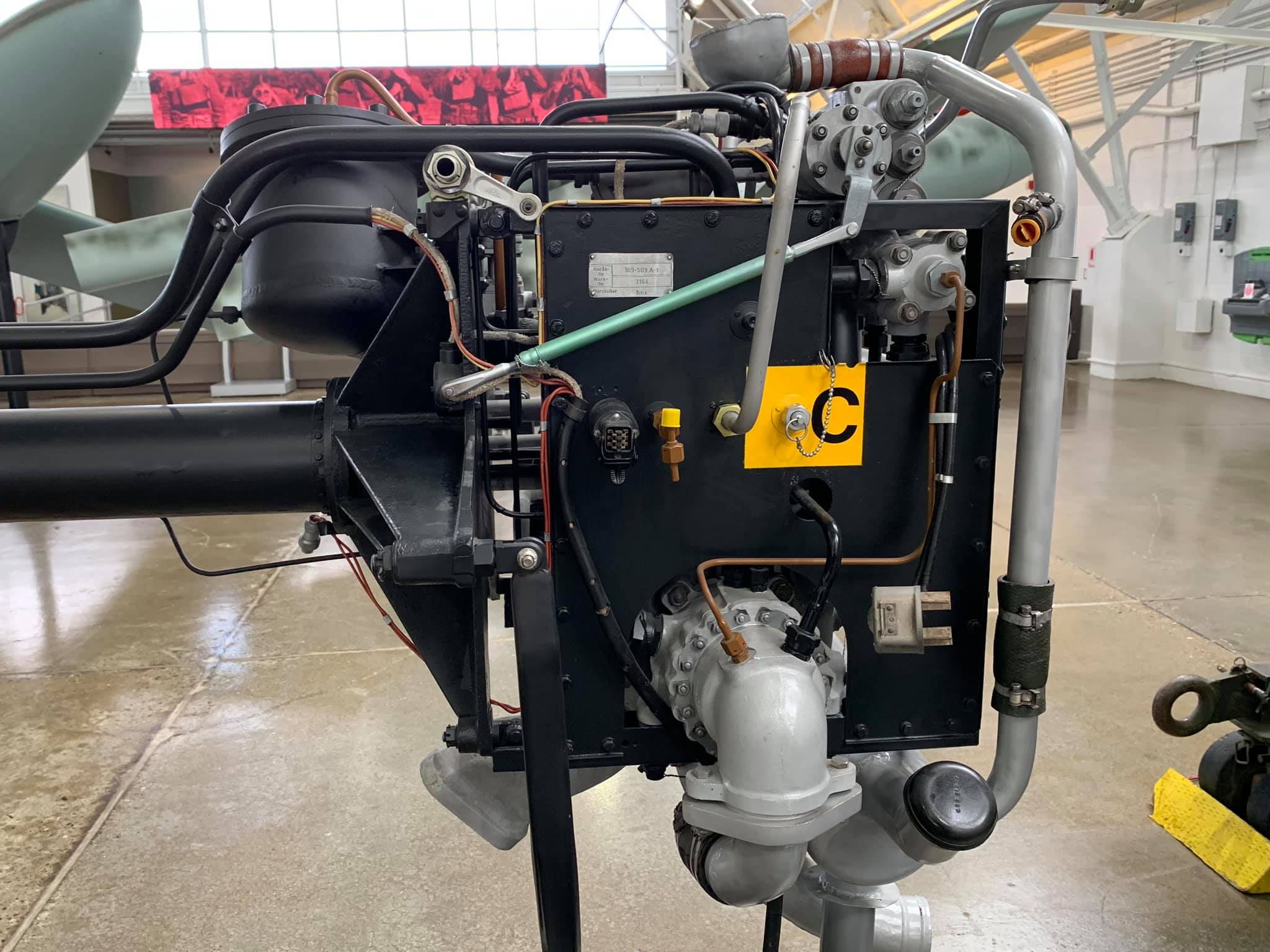
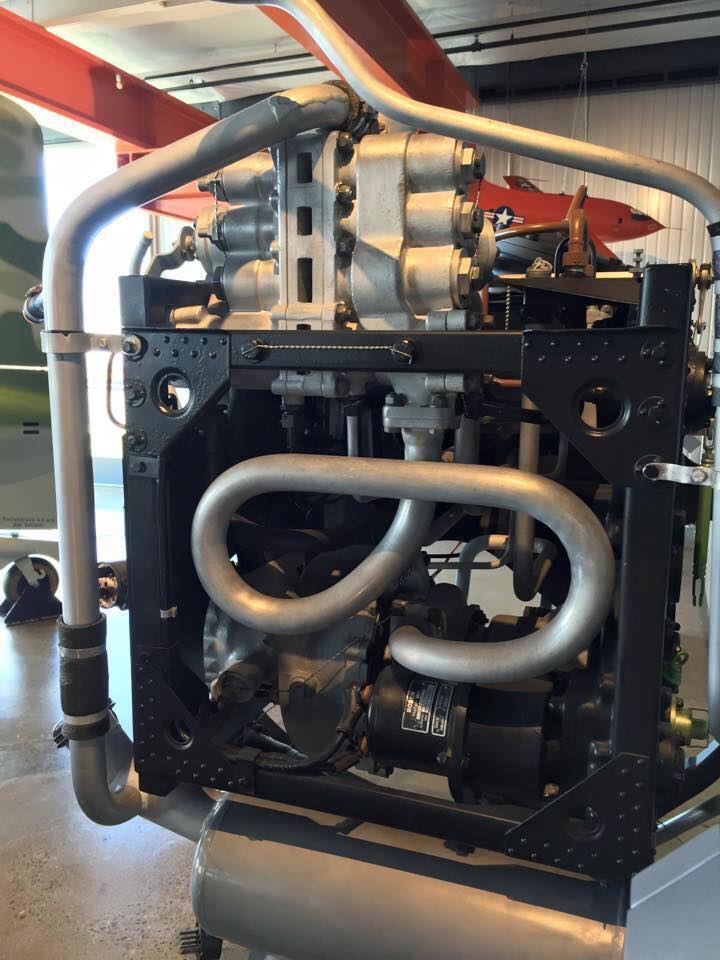
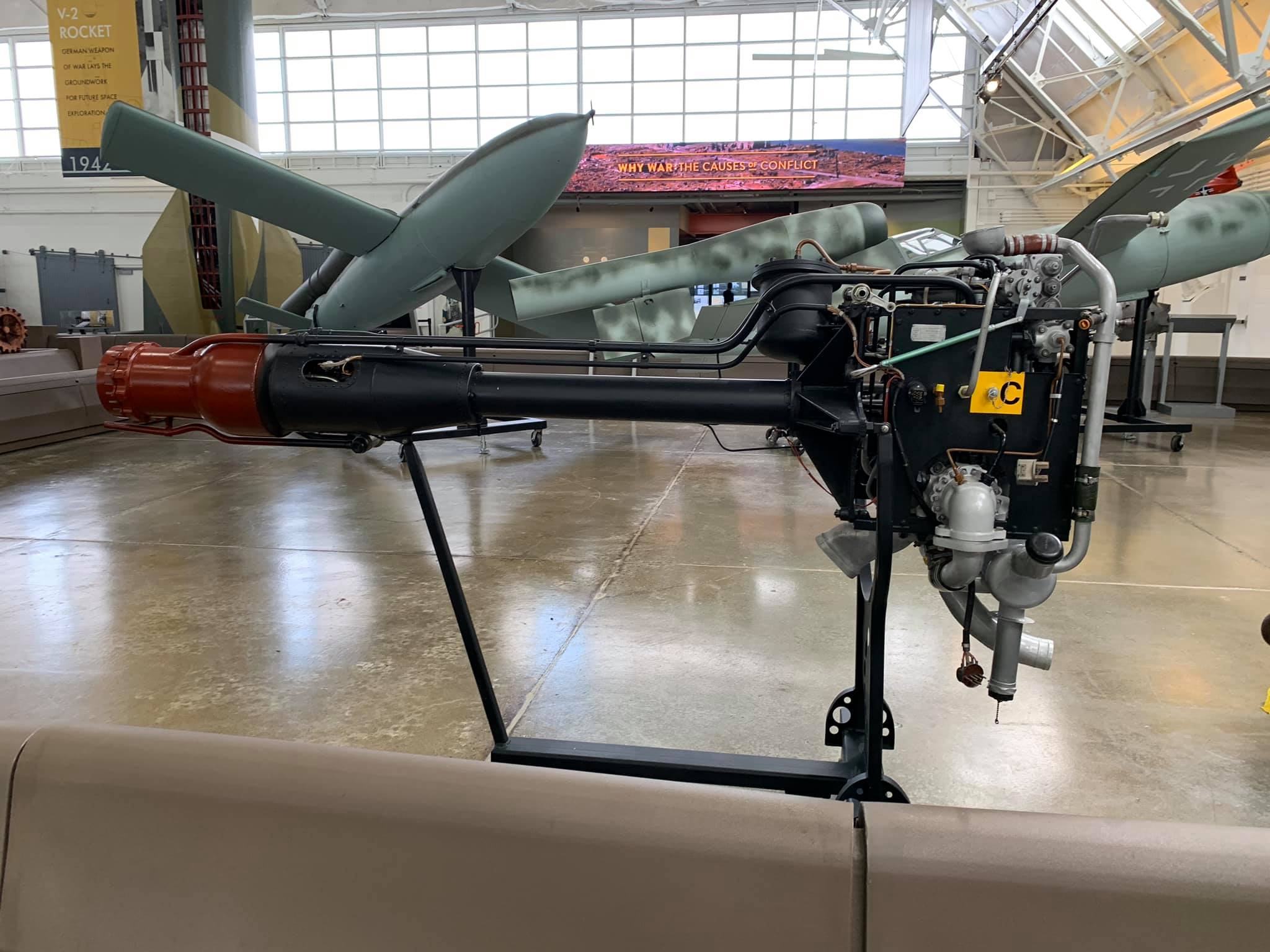
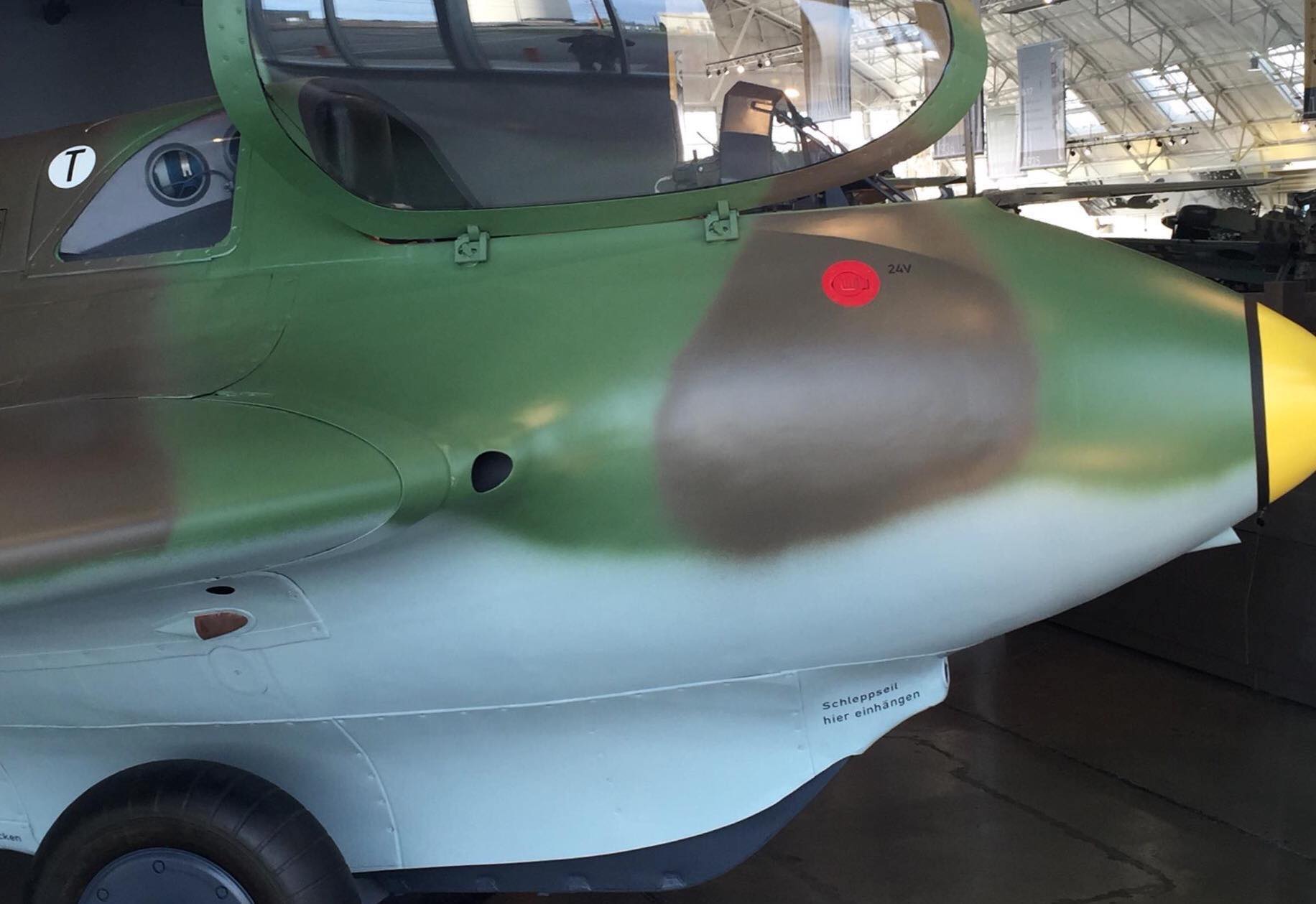
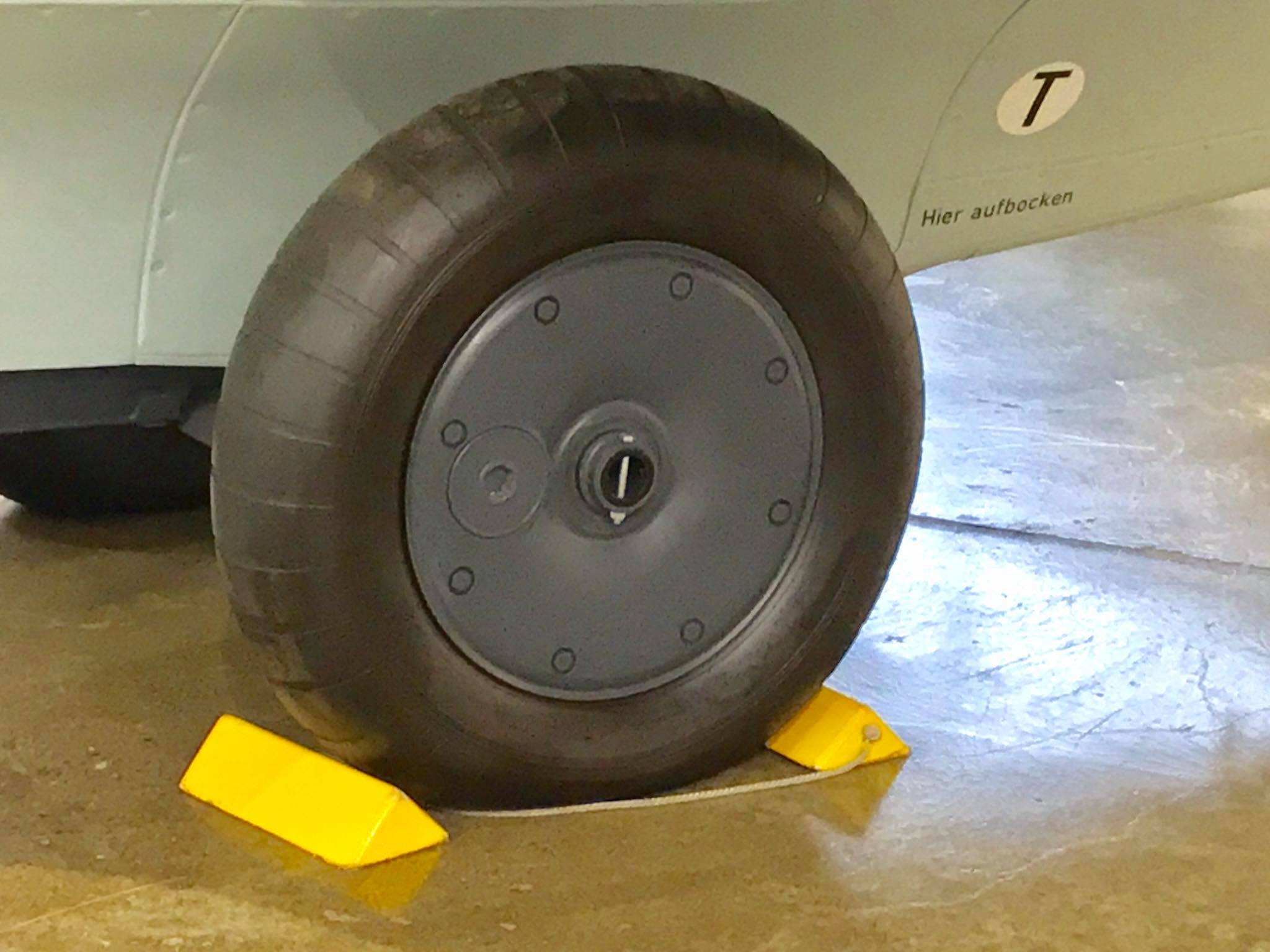
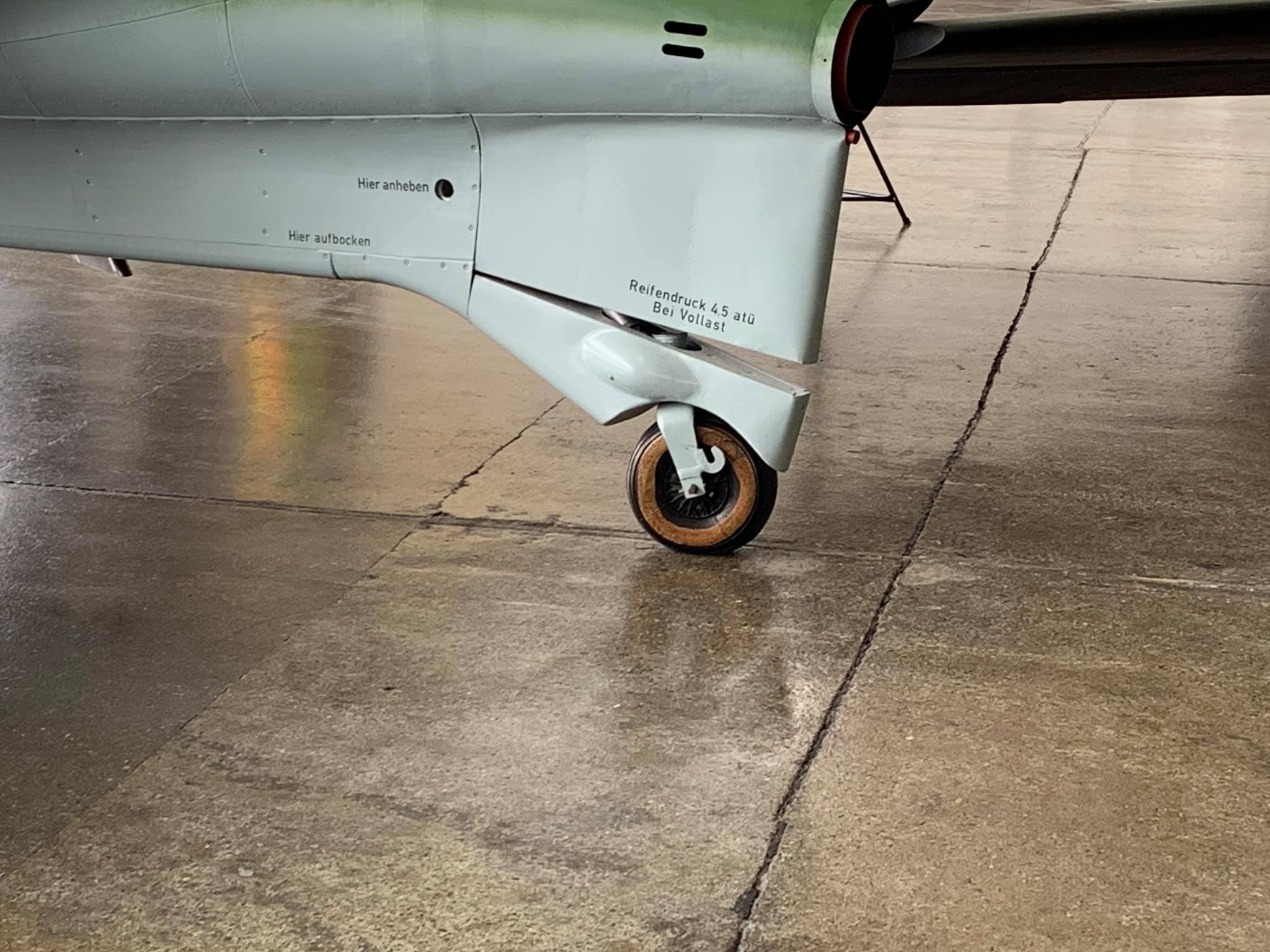
The letters “C” and “T” were marked at the fuel tank fill points on the fuselage so as to avoid having them come into contact with each other. It was armed a Rheinmetall Borsig MK-108 30 mm cannon in each wing. The nose cone was fitted with a small ram-air turbine which spun a generator which, in lieu of an onboard battery, powered the radio, basic avionics, gunsight, compass, cannon, and cockpit lighting. A beveled blast shield nearly 3″ thick (U.S. conversion) was fitted behind the windscreen. The aircraft was generally towed into place on the runway by a Scheuch-Schlepper fitted with (a) a tow hook with a pivoting third wheel in back, attached by four bolts to tow the Komet using a tow bar hooked onto the tow hook under the nose of the Komet when it was sitting on its starting dolly, or (b) a pair of hydraulic lifting arms with caterpillar tracks at the end (experiments with the use of inflation bags fitted under the wings of the Komet were tried with limited success). The aircraft had a fixed tail wheel and a main undercarriage of two wheels that were disengaged and dropped after takeoff, with a skid for landings.
Japan purchased a license from Germany to build a version of this aircraft type – along with production rights for the accompanying Walter HKW 509A rocket engine – and it became the Mitsubishi J8M, 三菱 J8M 秋水 (“Autumn Water”, poetically “Sharp Sword” or “Sword Stroke”) rocket-propelled interceptor (see my father’s photo taken at Glenview NAS in 1946). Attempts to ship airframes of the Me-163 aboard both Japanese and German submarines were unsuccessful: Japanese submarine RO-501 “Satsuki” set sail from Kiel, Germany, on March 30, 1944 and was sunk by depth charges from the USS Francis Robinson south of the Azores on May 13 (it is still there); and I-29 “Matsu” set sail from Lorient, France on April 16, 1944 and made it as far as Singapore. Another shipment was sent from Bergen, Norway, on February 5, 1945, aboard German U-864 but this was torpedoed on February 9 by the HMS Venturer, a British submarine. As a result, Japan never received a Komet airframe, so Mitsubishi reverse-engineered the aircraft based on reference materials received.
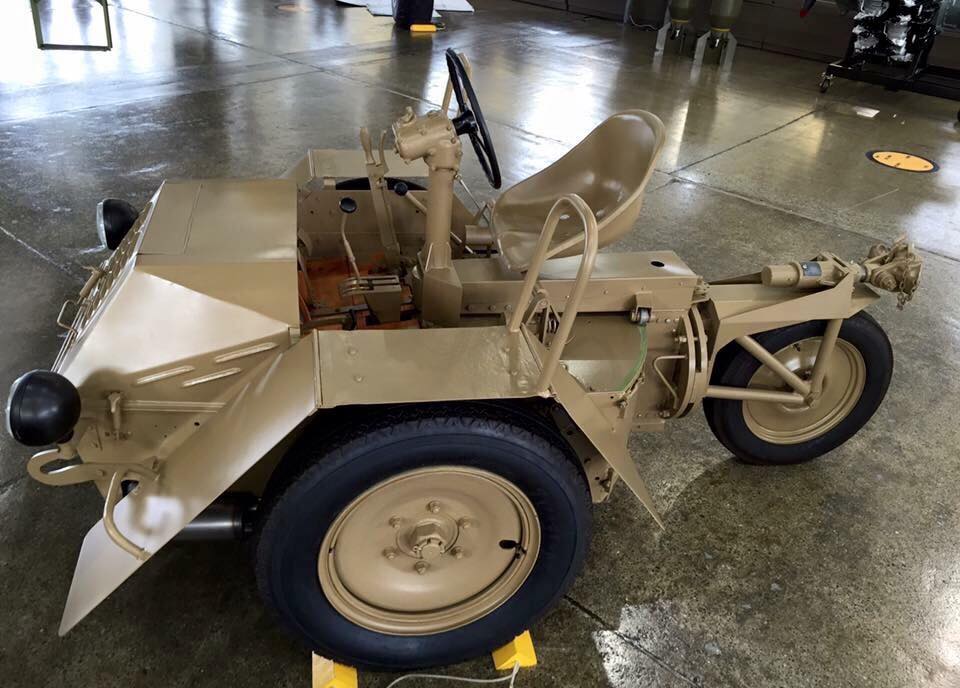
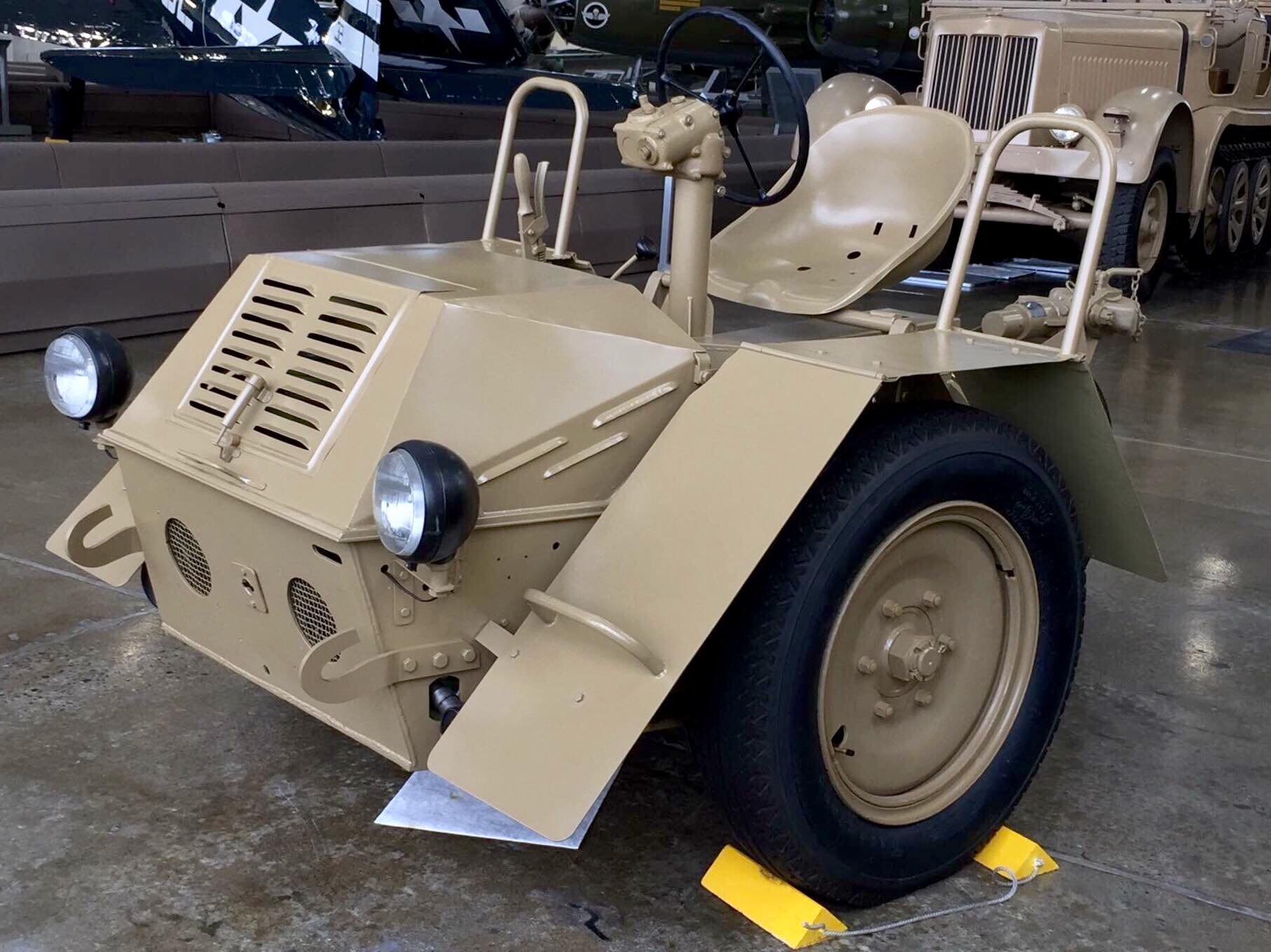
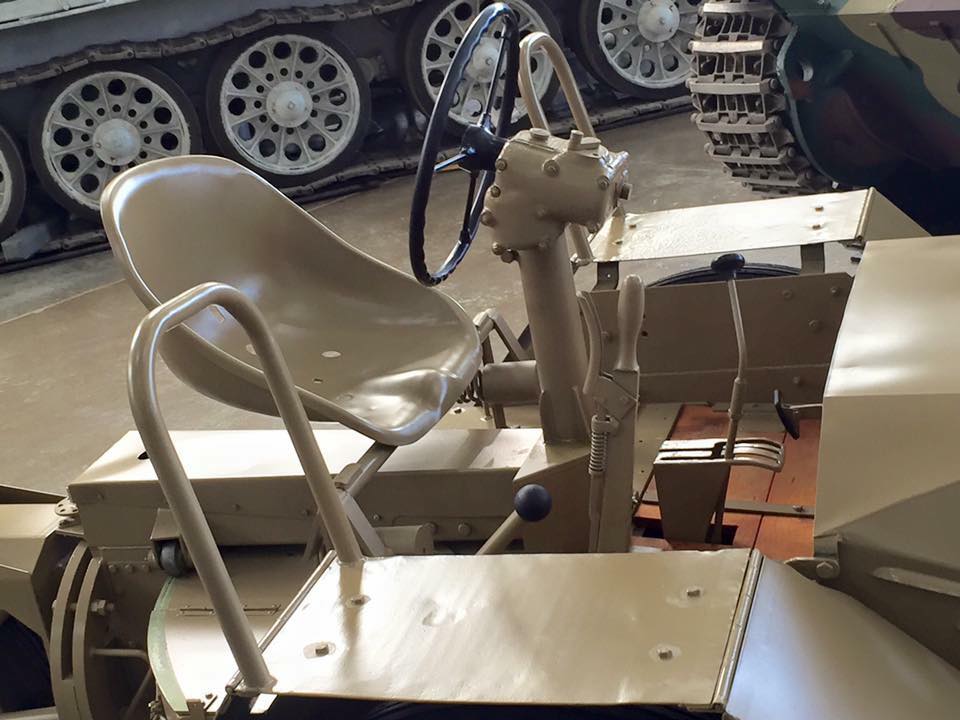
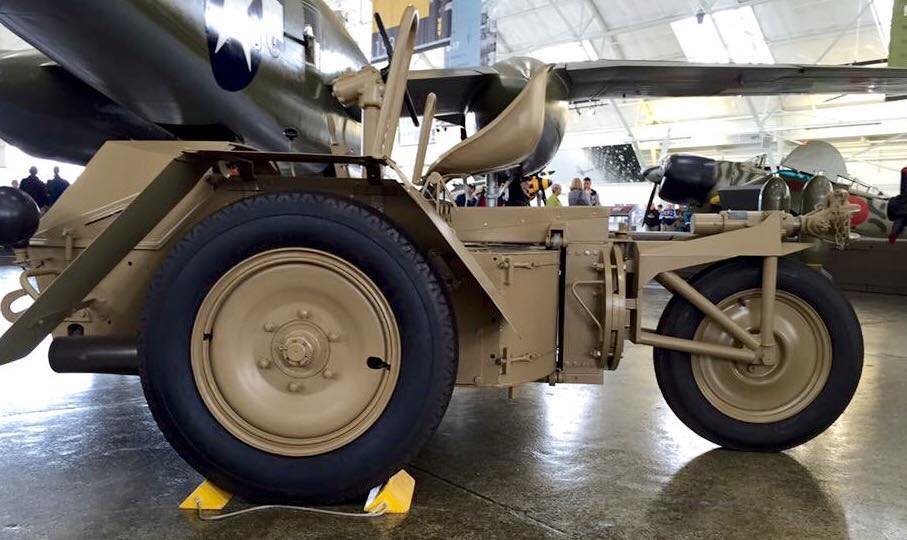
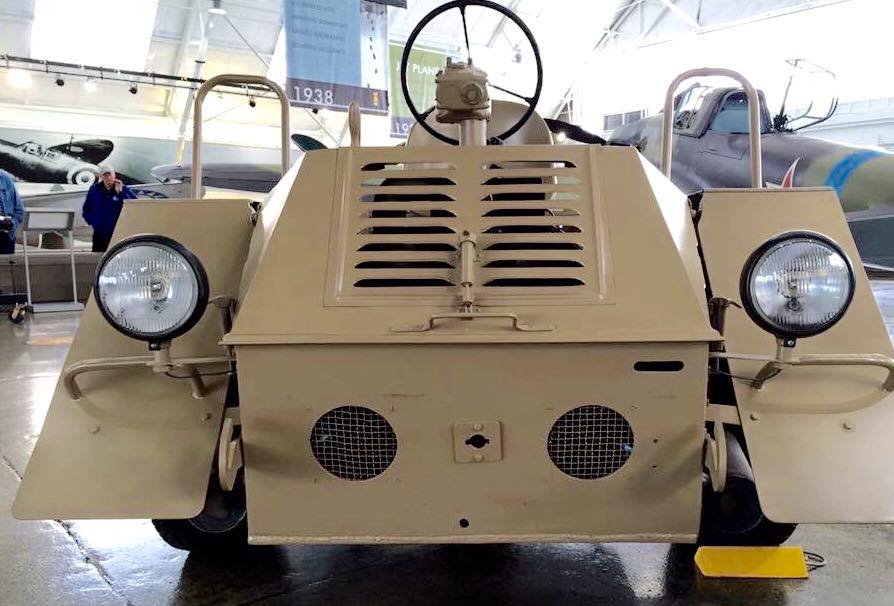
The Scheuch-Schlepper (“Schlepper” means tug) was used to tow the Messerschmitt Me-163 Komet and the Fieseler Fi-103 “V-1” Vergeltungswaffe. It was originally designed by Rudolf and Eugen Scheuch in cooperation with DKW-Einbau-Motoren, and built by Scheuch GmbH as a simple machine for hauling agricultural equipment. The Scheuch-Schlepper could be used in two basic configurations: (1) with a pivoting third wheel in back, attached by four bolts to tow the Komet using a tow bar hooked onto the tow hook under the nose of the Komet when it was sitting on its starting dolly, or (2) by removing the third wheel by releasing the four bolts and attaching a pair of hydraulic lifting arms with caterpillar tracks at the end of each arm for use as a recovery vehicle for landed Komets and for towing V-1’s.
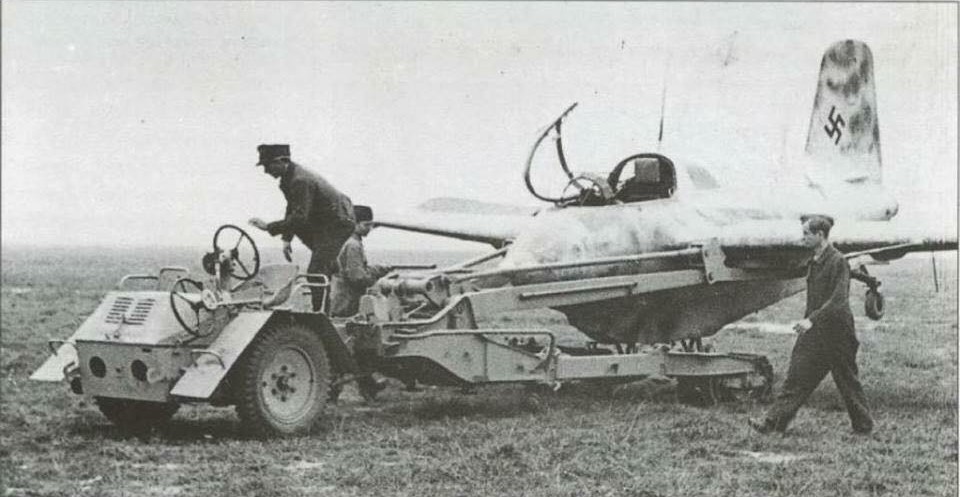
Experiments with the use of inflation bags fitted under the wings of the Komet were tried, but the lifting arms were more successful, and the round receiver can be seen at the back of the vehicle and in front of the third wheel. A second steering wheel was available to be operated by a walking ground crewman (the Scheuch-Schlepper could be more easily maneuvered under the wing of an aircraft). The throttle and clutch were hand-operated. It was powered by a 300 cc or 450 cc engine built by DKW-Einbau-Motoren and was started by a hand crank on the side of the engine cover since there was no starter motor on the standard Scheuch-Schlepper. I do not know if FHCAM has the lifting arms for this but have not seen them.
Editor’s note: Many details on this aircraft during its time at the Imperial War Museum can be found at this link here: Me 163B at Duxford
About the author 
Randy Malmstrom grew up in a family steeped in aviation culture. His father, Bob, was still a cadet in training with the USAAF at the end of WWII but did serve in Germany during the U.S. occupation in the immediate post-war period, where he had the opportunity to fly in a wide variety of types that flew in WWII. After returning to the States, Bob became a multi-engine aircraft sales manager and, as such, flew a wide variety of aircraft; Randy frequently accompanied him on these flights. Furthermore, Randy’s cousin, Einar Axel Malmstrom, flew P-47 Thunderbolts with the 356th FG from RAF Martlesham Heath. He was commanding this unit at the time he was shot down over France on April 24th, 1944, spending the rest of the war as a prisoner of war. Following his repatriation at war’s end, Einar continued his military service, attaining the rank of Colonel. He was serving as Deputy Wing Commander of the 407th Strategic Fighter Wing at Great Falls AFB, MT at the time of his death in a T-33 training accident on August 21, 1954. The base was renamed in his honor in October 1955 and continues to serve in the present USAF as home to the 341st Missile Wing. Randy’s innate interest in history in general, and aviation history in particular, plus his educational background and passion for WWII warbirds, led him down his current path of capturing detailed aircraft walk-around photos and in-depth airframe histories, recording a precise description of a particular aircraft in all aspects.