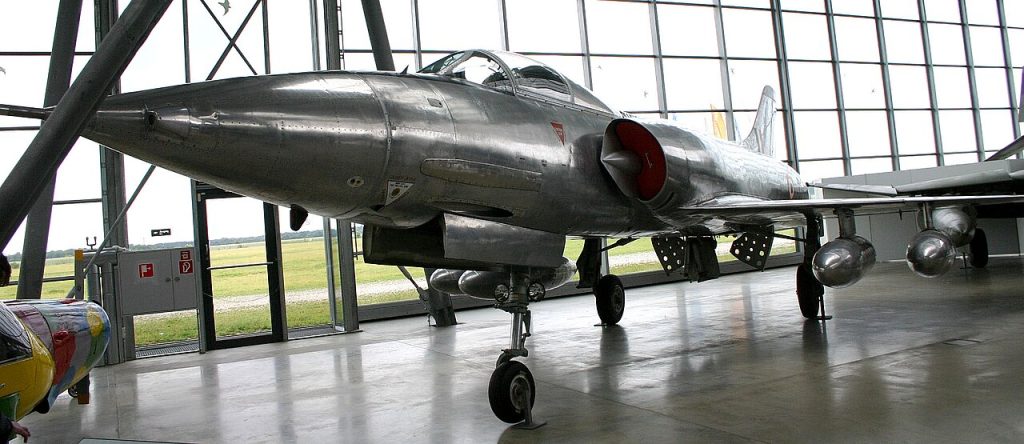
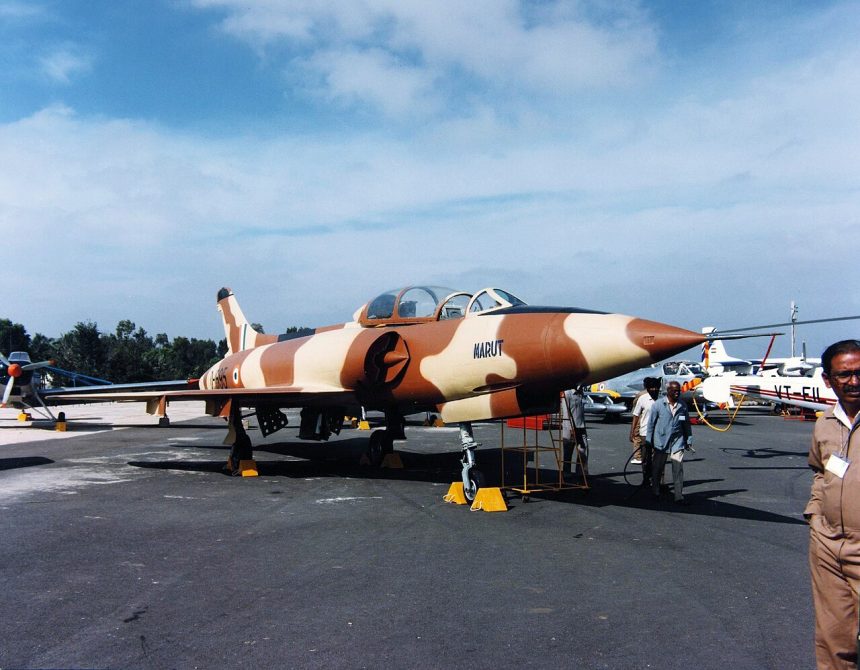


On this day in aviation history, 65 years ago (June 17, 1961), the Hindustan Aeronautics Limited (HAL) HF-24 Marut flew for the first time. Marut translates to “Spirit of the Tempest”, and it was the jet fighter developed natively in India. The HF-24 was also the first fighter jet developed in Asia outside of the Soviet Union. HAL developed the Marut as a fighter-bomber that had the capability of reaching airspeeds in excess of Mach 2, although it never managed to exceed Mach 1.
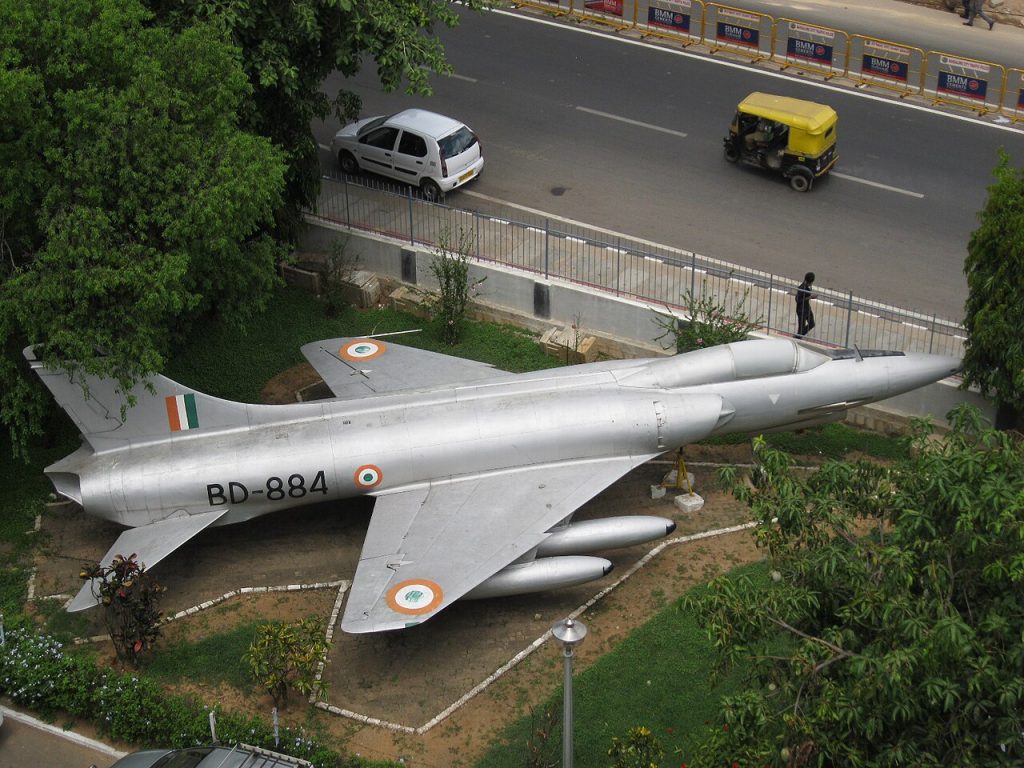
The design of the HAL HF-24 was led by aircraft visionary Kurt Tank, known for his Focke-Wulf designs during WWII. Despite a sound design, the Marut was never able to reach its full potential due to not receiving the engines it was planned to use. Two Bristol Siddeley Orpheus Mk 703 turbojet engines were used on the HF-24, which produced 4,900 pounds of thrust each. The IAF had planned for and desired engines with more power, but politics and poor coordination between the government, military, and industry led to this being a stalemate.
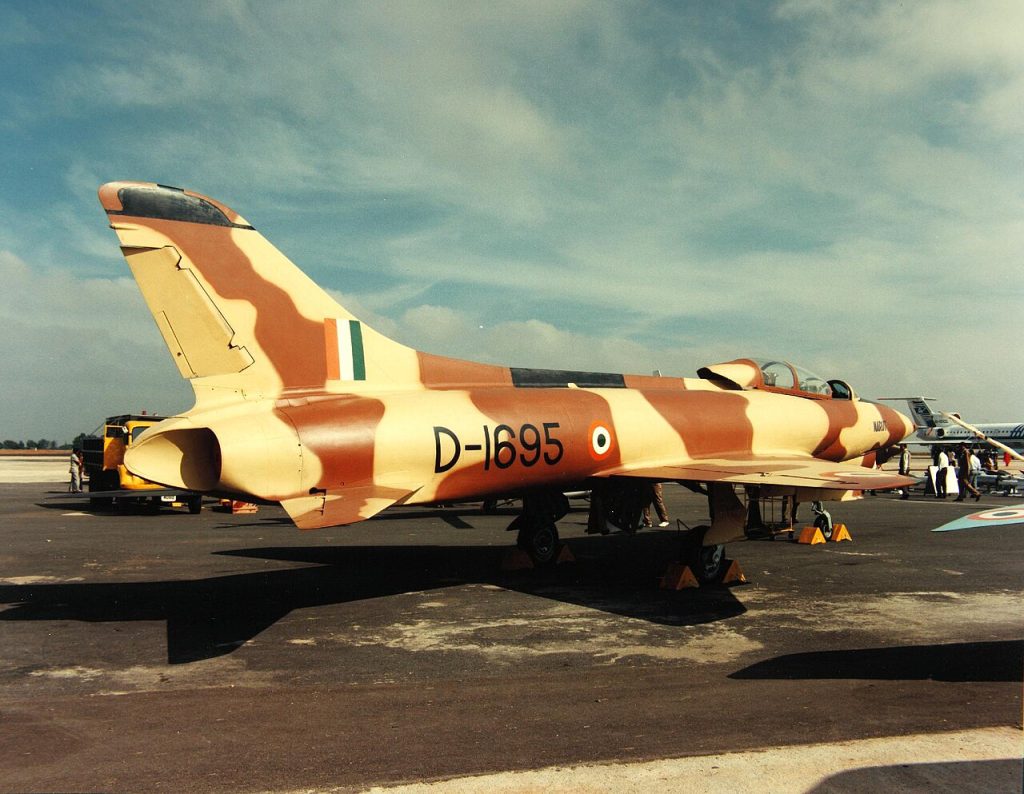
Despite having significantly less performance than originally planned, the Marut entered service with the Indian Air Force in 1967. The fighter would see combat service in the 1971 Indo-Pakistani War, where it earned praise as a stable and rugged ground-attack platform. The HF-24s would remain in service in limited roles until their retirement in 1990. A total of 147 HF-24s were manufactured, and although they did not meet expectations, they did pave the way for the development of a more successful Indian-designed fighter, the HAL Tejas. The HAL HF-24 could attain a maximum airspeed of Mach 0.93, or 691 mph. The Marut had a combat range of 214 nmi, and a 4,444 fpm rate of climb. Armament for the HF-24 came in the form of four 30 mm ADEN cannons, fifty 68 mm rockets, and up to 4,000 lb of bombs on four wing pylons.