
(Image credit: VAN)
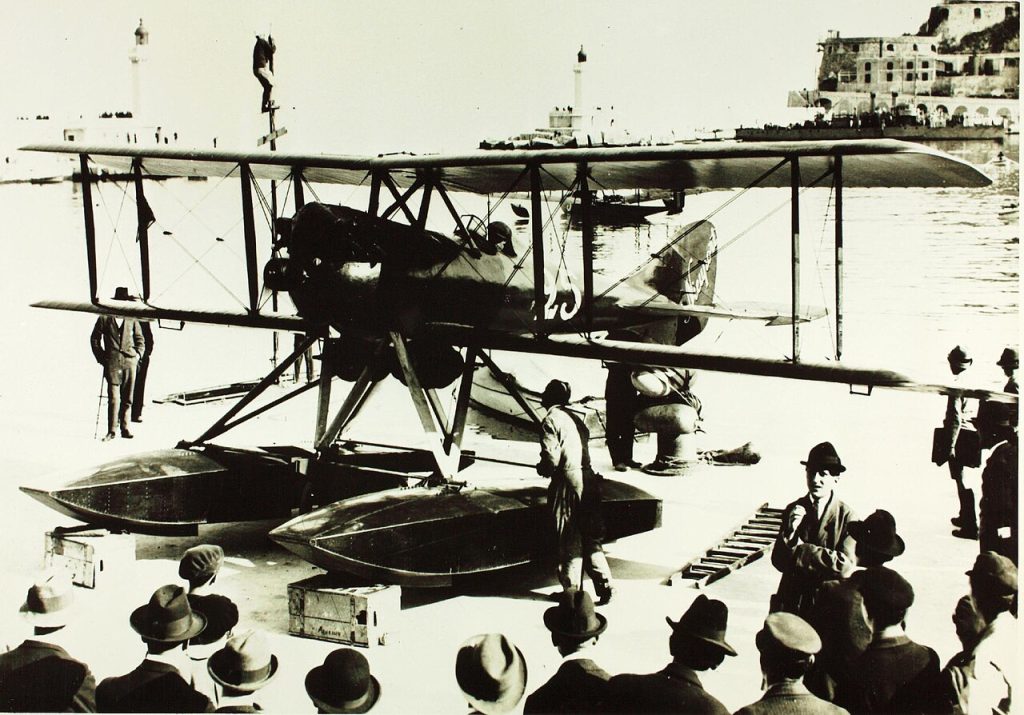
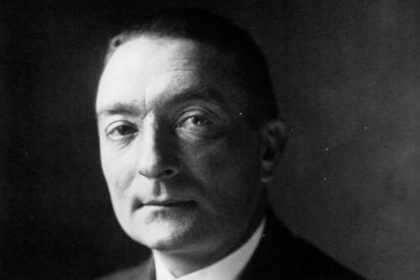
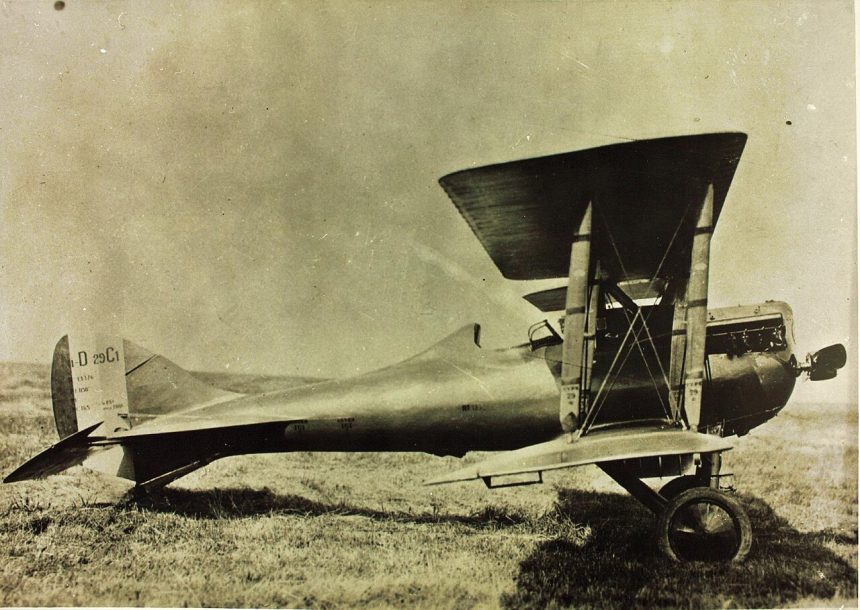
On this day in aviation history, 106 years ago (February 7, 1920), the first post-World War I Federation Aeronautique Internationale (FAI) world speed record was set. French pilot Joseph Sadi-Lecointe, noted for various record flight attempts and resulting records, was the aviator to accomplish this feat. While flying his Nieuport-Delage NiD 29V, Sadi-Lecointe attained a maximum airspeed of 171.141 mph while flying over the 3,280-foot-long course.
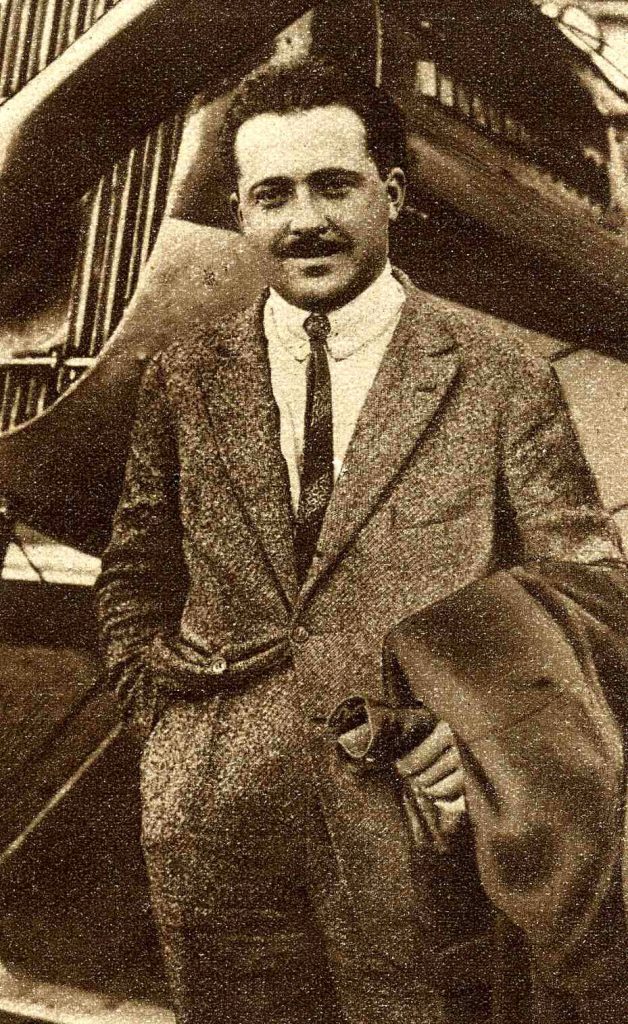
Joseph Sadi-Lecointe was born on July 11, 1891, in Saint-Germain-sur-Bresle, France. He learned to fly at the Zenith school in Issy-les-Moulineaux in 1910. On May 3, 1911, Sadi-Lecointe was awarded French Aero Club license No. 431. During World War One, he flew for Escadrille BL.10 and later with Escadrille MS.48, flying Nieuport Scouts. Joseph would eventually become a test pilot, flying for Bleriot-SPAD while helping develop the SPAD XIII. He would later serve as a test pilot for Nieuport-Delage, which provided him access to company aircraft for his record-chasing endeavours.
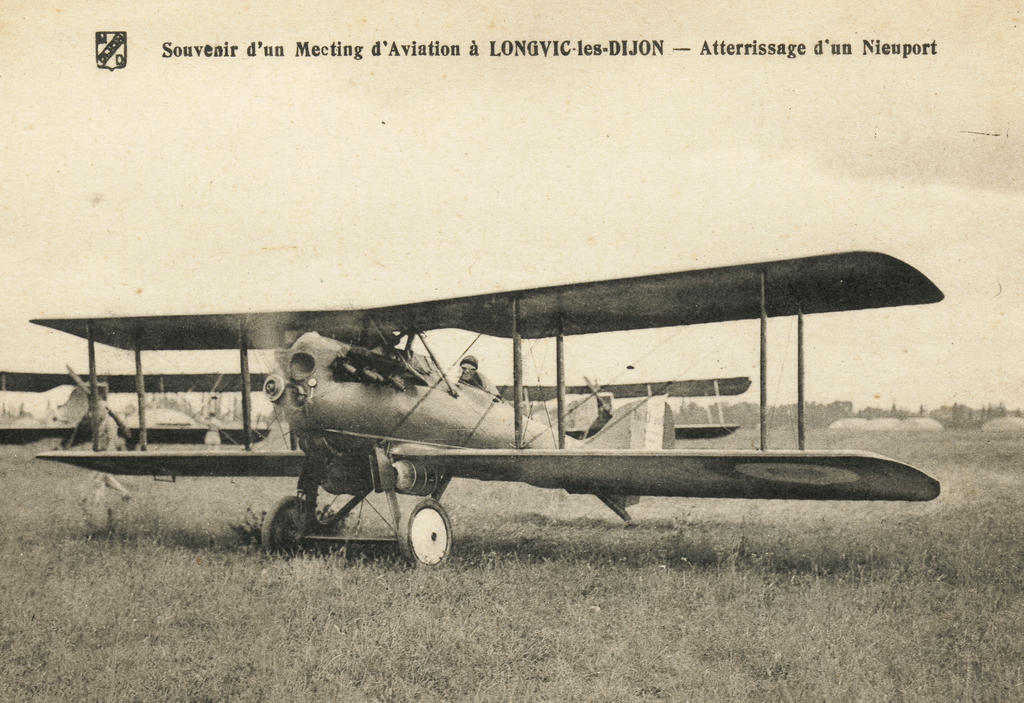
While flying various Nieuport-Delage aircraft, Sadi-Lecointe set seven airspeed records and three altitude records. He also won the 1920 Gordon Bennett race. From 1925 to 1927, Joseph returned to military service and fought in the Rif War in Morocco. He would return to his career as a test pilot after his service, and in 1936, Sadi-Lecointe was appointed Inspector General of Aviation by the French Air Ministry. During World War II, Joseph was an active member of the French Resistance. On March 21, 1944, Sadi-Lecointe was arrested by the Gestapo. He was held captive in Fresnes prison until his release two months later. Sadi-Lecointe died on July 15, 1944, from the injuries he received while being tortured in prison. Joseph Sadi-Lecointe led an interesting and inspired life as an aviation pioneer, and his story is one that deserves to be told.