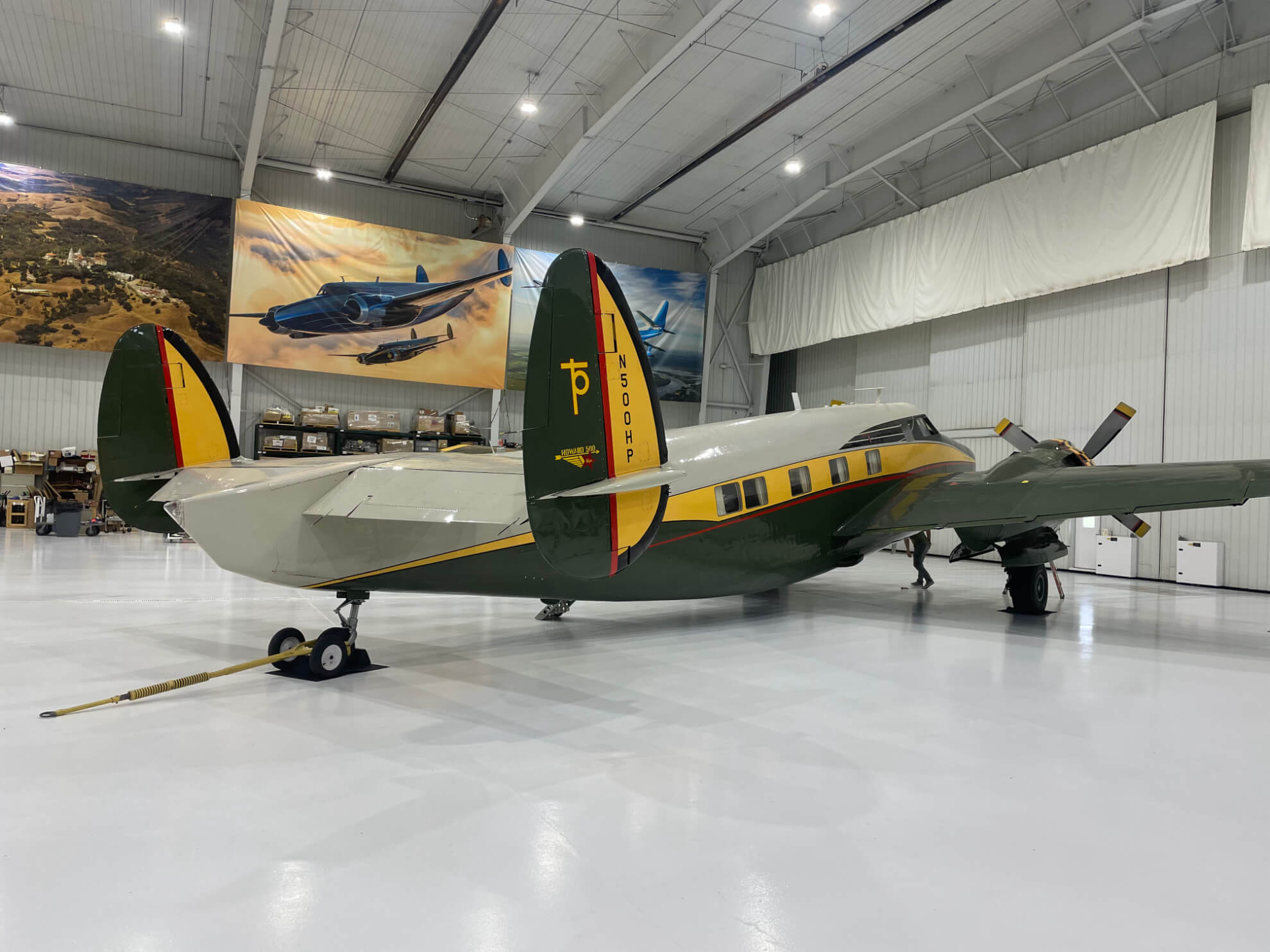
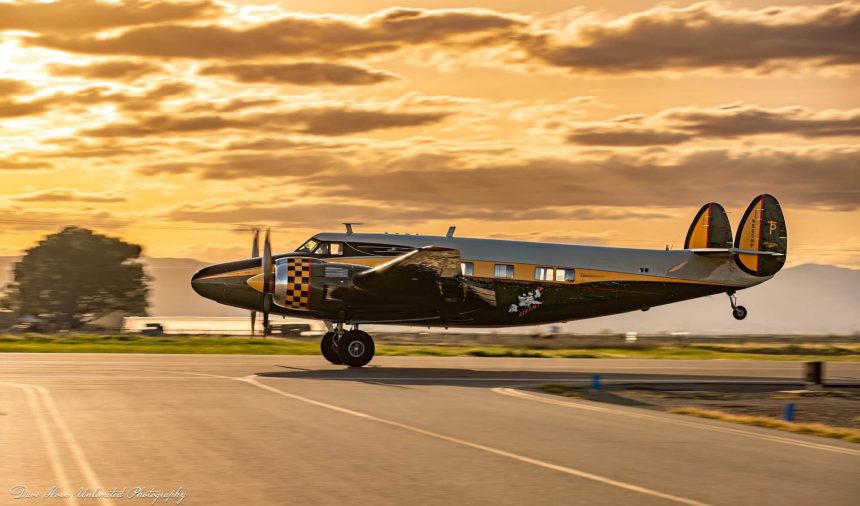

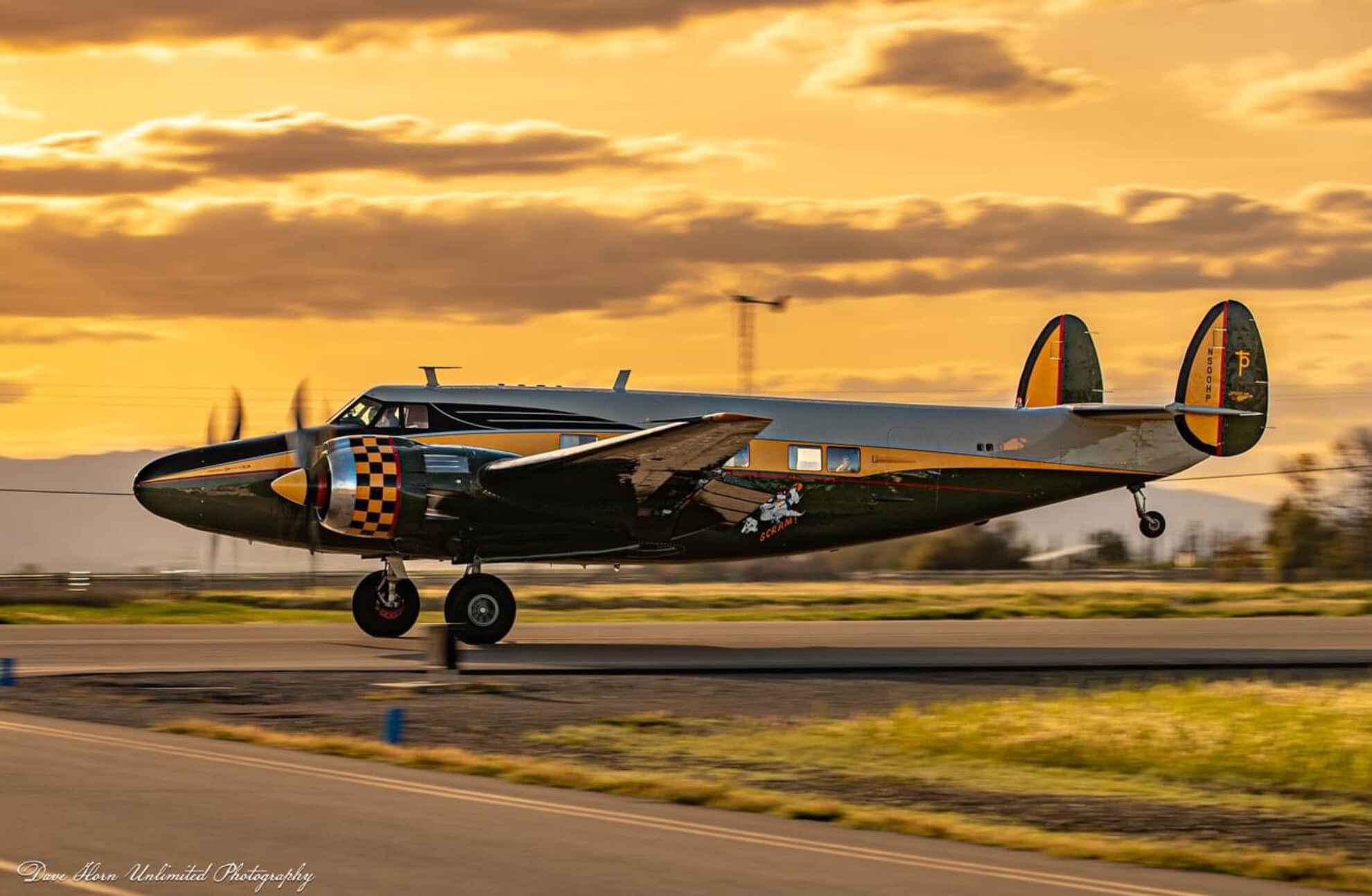
Another rare aircraft has returned to the spotlight, as Platinum Fighter Sales recently announced the listing of a beautifully restored 1963 Dee Howard 500. Produced by Howard Aero Incorporated in the early 1960s, the Howard 500 remains one of the most ambitious and elegant American executive transports ever built. The aircraft on offer, N500HP, is one of only two Howard 500s still flying today. According to Simon Brown, Principal of Platinum Fighter Sales, its performance remains remarkable even by modern standards.
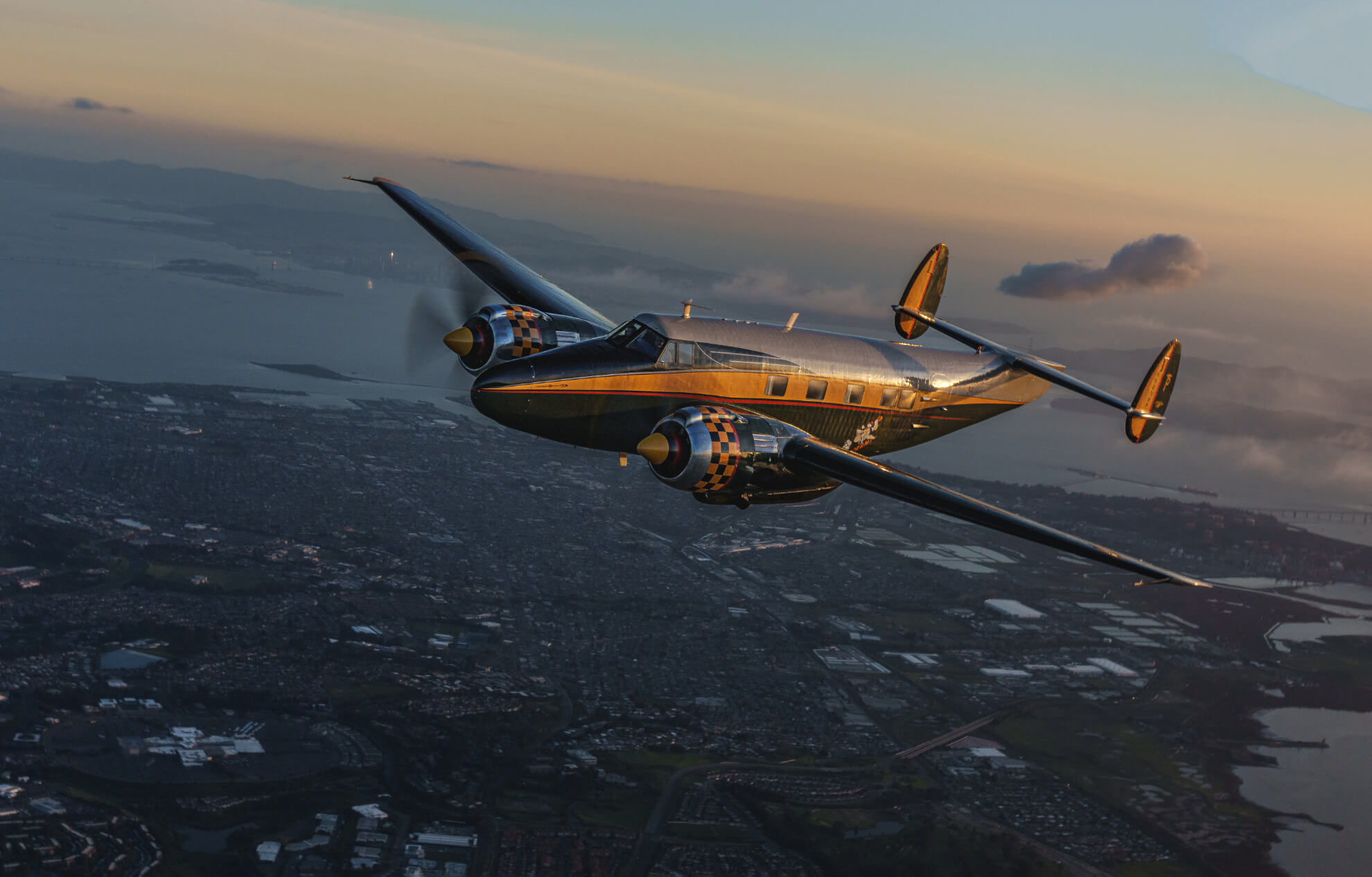
“N500HP is one of just two Howard 500s still airworthy today. The Howard 500 can go head-to-head with any turbine twin flying today. With a two-pilot crew and seating for up to 12 passengers, it cruises at 350 mph, has a range exceeding 2,200 miles, and can maintain a sea-level cabin up to 16,000 feet within its 35,000-foot service ceiling. But who’s looking at airspeed, anyway?”
Durrell U. Howard—known throughout his life as “Dee”—never achieved the household recognition of names like Boeing or Douglas, yet his influence on American aviation was profound. Although his formal education ended at the age of 15, Howard’s mechanical intuition carried him from working on automobiles to becoming an airline mechanic, and eventually to opening his own aircraft service shop in his hometown of San Antonio, Texas. Over the course of his career, Howard would hold more than 30 patents, design and improve numerous aircraft, invent a practical thrust reverser, and even convert a Boeing 747 for the King of Saudi Arabia. In the 1950s, however, all of that still lay ahead.
At the time, Howard worked on whatever aircraft arrived at his modest shop, but he soon identified an underserved market: corporate executives who needed fast, comfortable transportation to destinations not served by airlines or railroads. Thousands of surplus World War II aircraft were available, yet none were ideal. Transports like the C-47 and C-46 were spacious but slow, while former bombers such as the A-26 were fast but cramped, noisy, and difficult to convert. None offered pressurization. Howard gravitated toward Lockheed designs, a logical choice. The PV-1 Ventura and PV-2 Harpoon were fast, rugged, roomy, and capable of exceptional range—qualities proven during wartime operations from the Aleutian Islands against northern Japan. Originally derived from prewar Lockheed airliners and executive transports, they aligned perfectly with Howard’s vision for a refined corporate aircraft. His San Antonio team, which at various times included future legends such as Ed Swearingen, Bill Lear Jr., and Bulmaro “Cisco” Alarcon, produced dozens of modified Lockheeds.
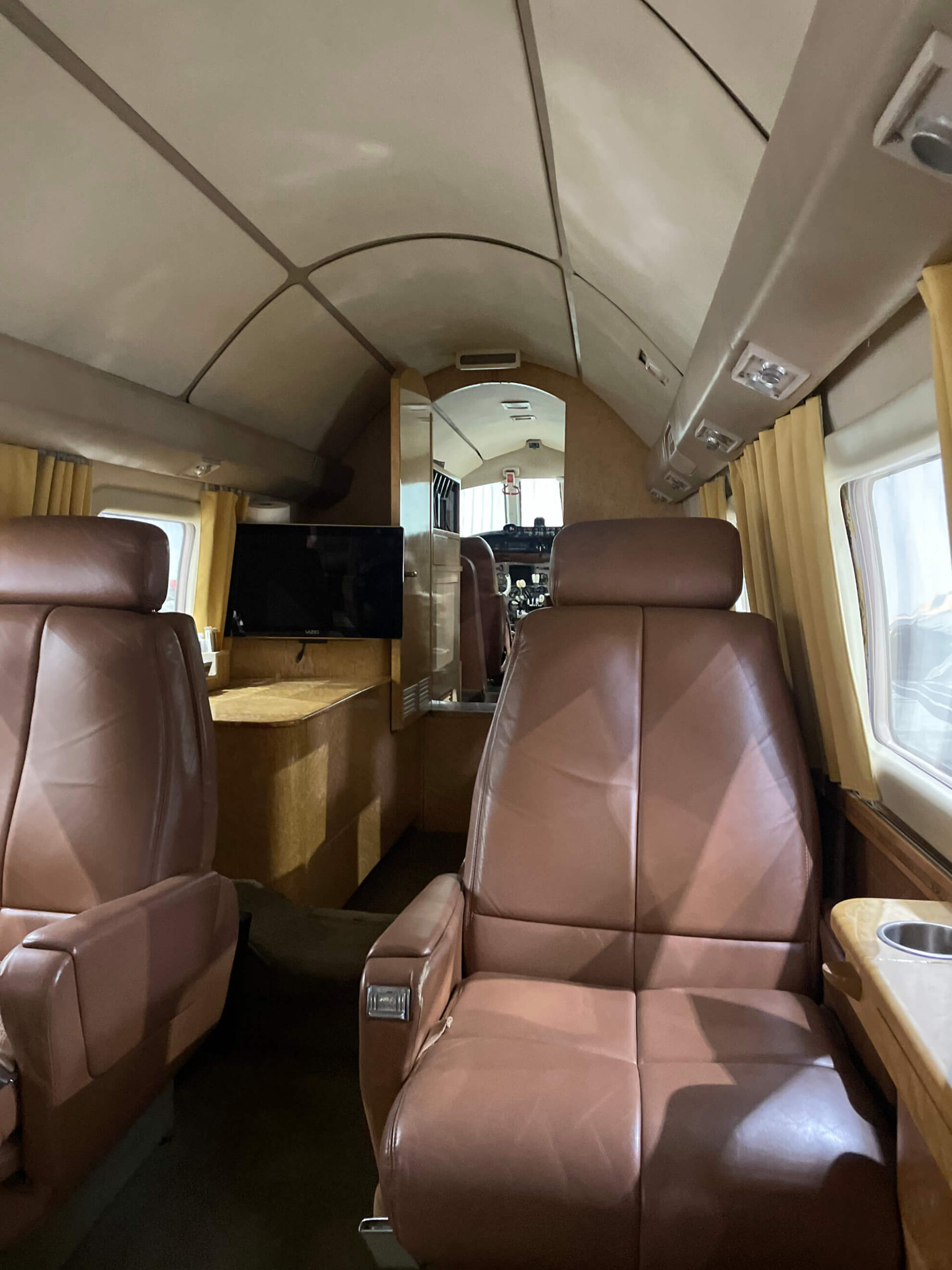
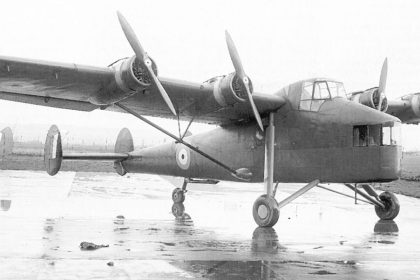
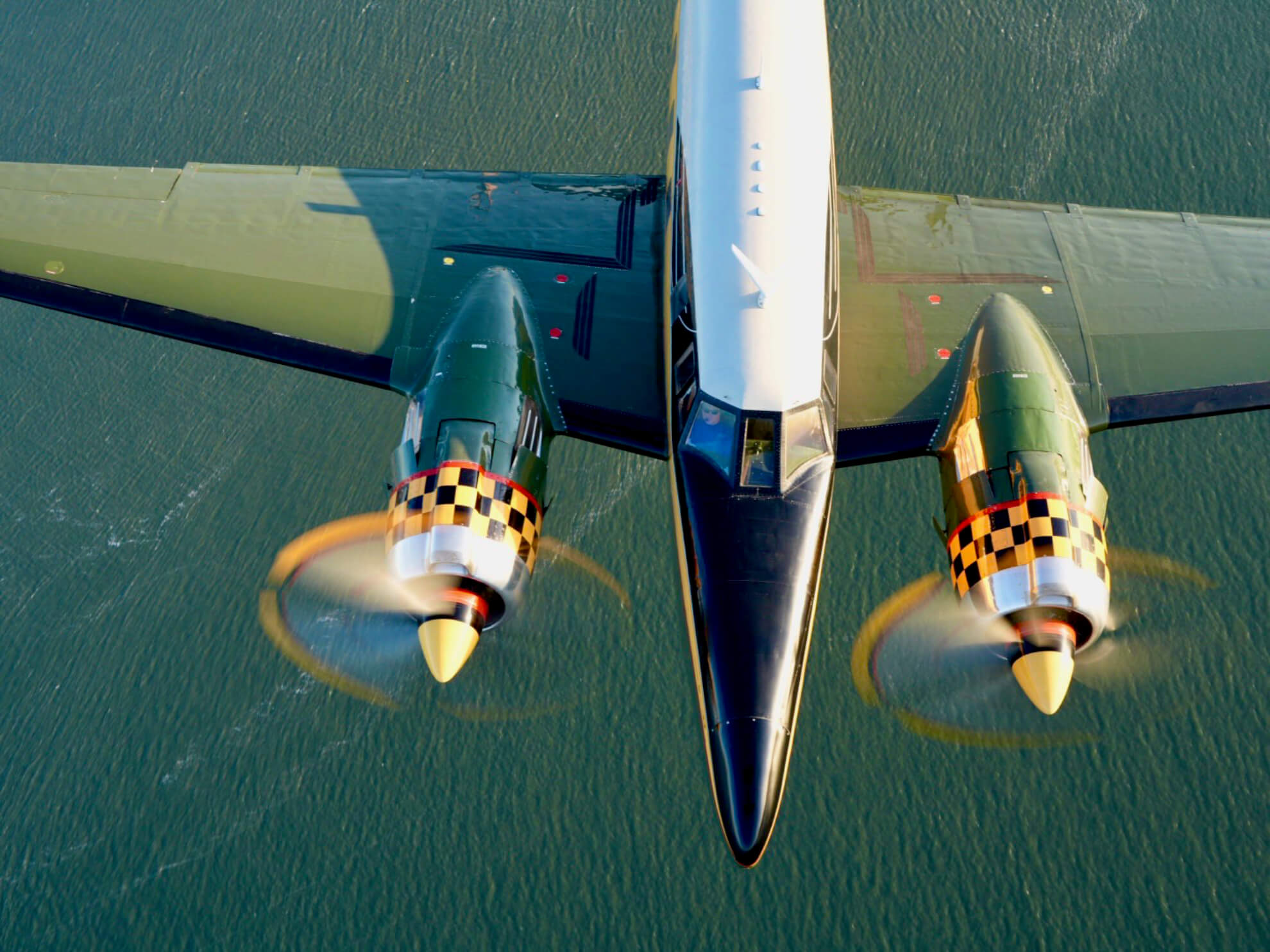
That experience culminated in 1958 with the Howard 500. Despite its resemblance to the Ventura, the Howard 500 was not a conversion. While it retained Lockheed outer wing panels and select components, it was a fundamentally new aircraft, designed and built by Howard Aero. The fuselage, constructed in San Antonio, was four feet longer than the Ventura’s and engineered from the outset for pressurization, with bulkheads spaced every six inches. Inside, the cabin was generous—large enough for what AOPA Magazine once described as “a small garden party or a big poker game.” Entry was through a solid rear fuselage door made possible by the aircraft’s low tailwheel stance, requiring only a 12-inch step up. A deep belly compartment provided ample baggage space, while a lavatory with running water occupied the rear of the cabin. Power came from a pair of Pratt & Whitney R-2800-CB16/17 radial engines, each producing 2,500 horsepower—the same family of engines that powered the Douglas DC-6. The result was an aircraft smaller than a DC-3 yet heavier, with 1,000 more horsepower and nearly double the cruising speed. As AOPA Magazine noted in May 2019, the Howard 500 stood in a class of its own.
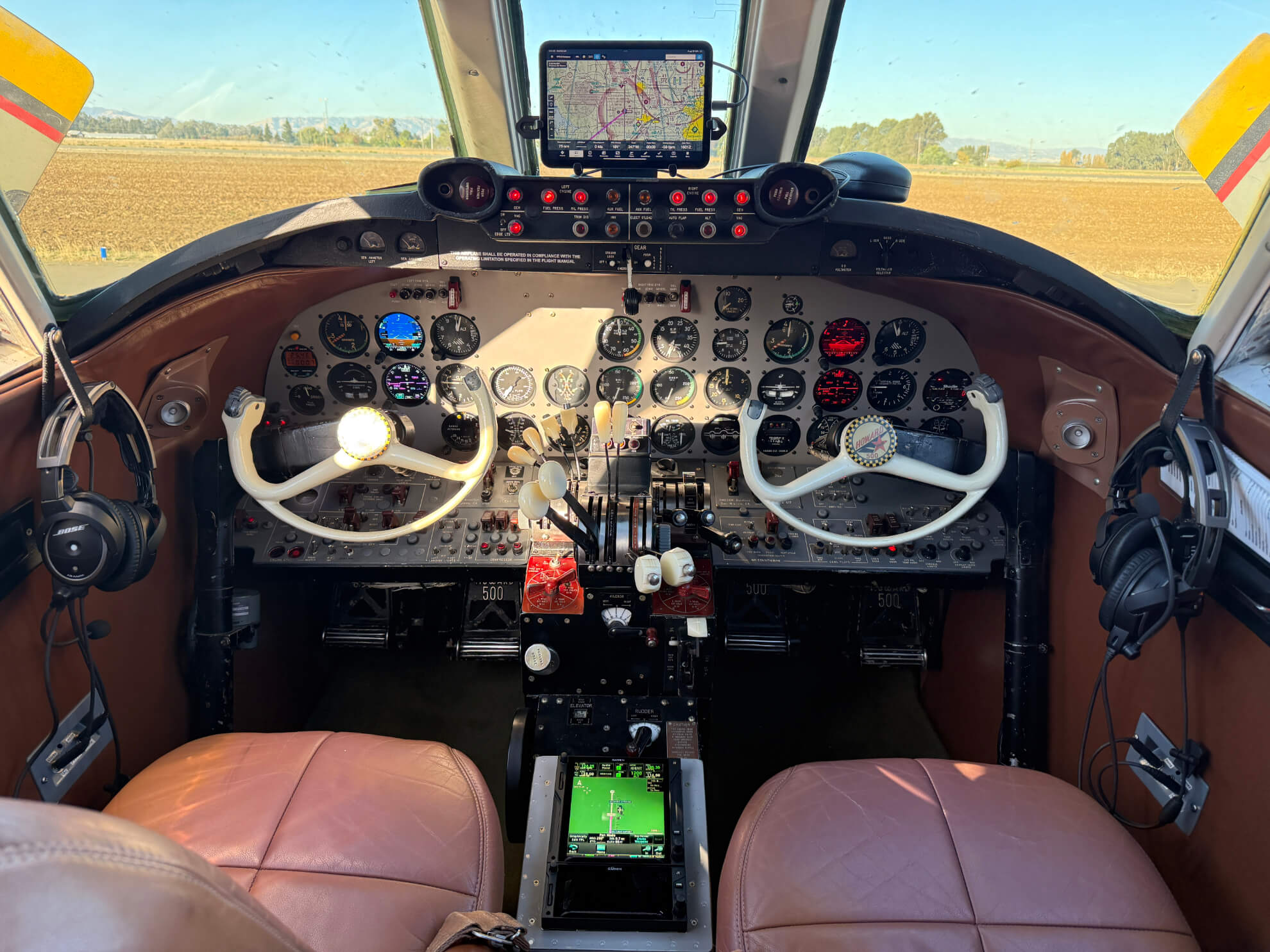
The aircraft has accumulated 5,984.5 hours total time since new, with 588.6 hours since its restoration. It is powered by two Pratt & Whitney R-2800-CB-16 radial engines, with the left engine showing 588.6 hours since major overhaul and the right engine 165 hours since major overhaul; both engines were overhauled by Anderson Airmotive. Propulsion is provided by Hamilton Standard 24E60-415 propellers, each with 588.6 hours since overhaul, with Airworthiness Directive 81-13-06R2 next due in October 2029. The avionics suite includes Garmin GTN 750 and GTN 650 navigation systems. The exterior is finished in green with gray and yellow trim and is in excellent condition, while the executive interior, also in excellent condition, is configured with seating for up to 12 passengers. More than six decades after its first flight, the Howard 500 remains a testament to Dee Howard’s engineering vision—an aircraft that blended speed, comfort, and elegance at a time when business aviation was still finding its identity. For more information, visit Platinum Fighter Sales at www.platinumfighters.com.