
By Don Christopher – Canadian Aviation Museum – Lancaster Project Director
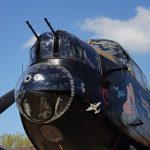
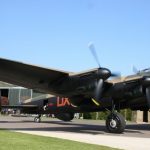
The Avro Lancaster originated from the unsuccessful twin-engine Avro Manchester bomber, which first flew in 1939. In late 1940, a decision was taken to replace the Manchester’s two Rolls-Royce Vulture engines with four more reliable Rolls-Royce Merlin engines—built in Canada under license by Packard—which had already proven themselves in aircraft such as the Hurricane and Spitfire. The redesigned aircraft was immediately successful and went on to carry some of the heaviest individual bomb loads of the Second World War. In Canada, the Lancaster was produced by Victory Aircraft Ltd. at Malton, Ontario, where 430 Lancaster Mk X aircraft were built. Following the war, approximately 230 Canadian-built Lancasters remained in service, adapted for a variety of roles. These included photographic reconnaissance for aerial mapping and charting, as well as maritime patrol duties, allowing the type to remain operational well into the early Cold War period. The Canadian Aviation Museum restoration of Avro Lancaster FM212 is under the supervision of Project Director Don Christopher
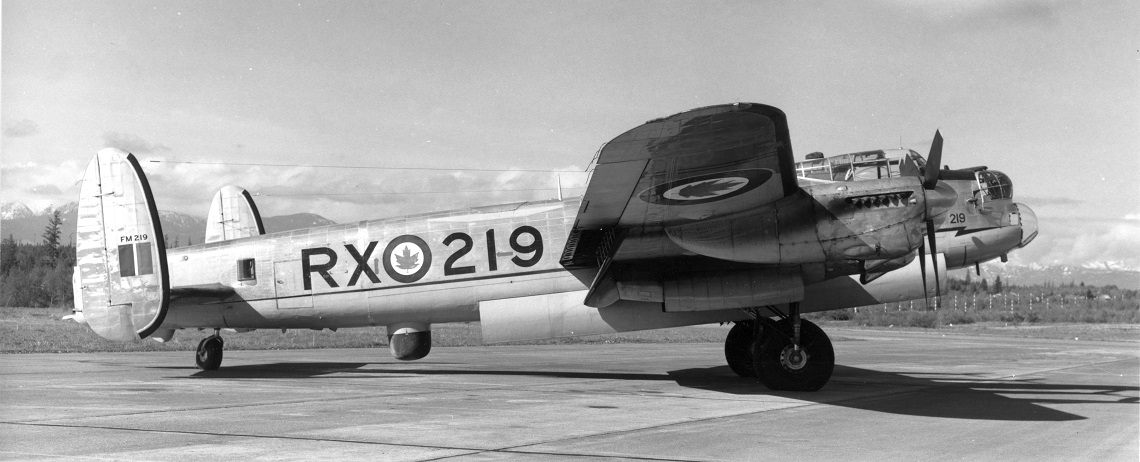
Avro Lancaster FM212 left the Victory Aircraft production line in the third week of July 1945. After a series of initial test flights, the aircraft remained inactive until early 1946, when it entered service with the Royal Canadian Air Force. It was reconfigured as a Lancaster Mk 10P (Photographic) and eventually assigned to No. 408 Squadron, based at Rockcliffe, Ontario. Over the following years, FM212 played a leading role in photographic mapping of Canada’s northern territories, as well as search and rescue missions and Arctic patrols. By the time of its retirement, the aircraft had accumulated 8,039.5 flying hours—more than any other of the 17 surviving Lancasters.
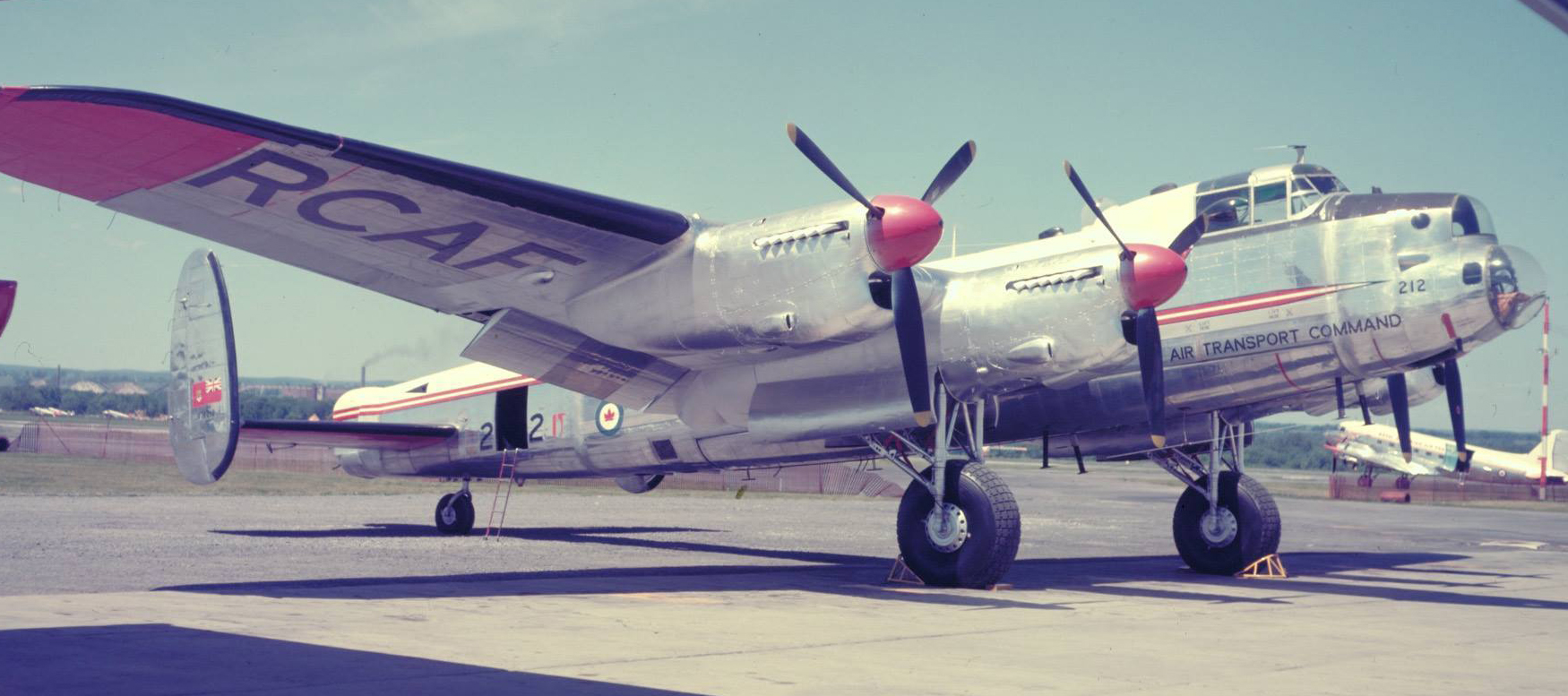
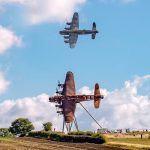
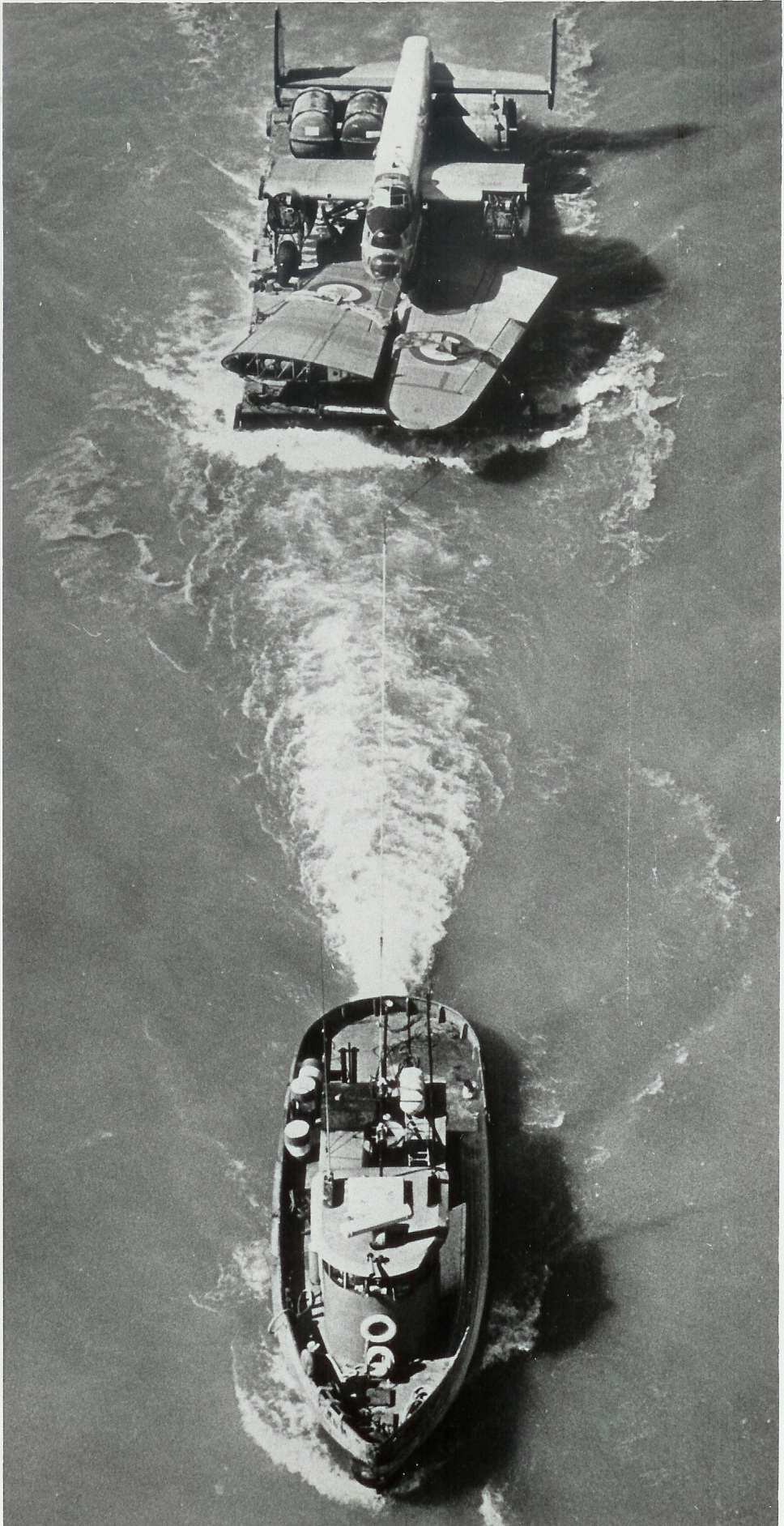
When the RCAF retired its Lancaster fleet in 1964, FM212 was placed into storage at Dunnville, Ontario. Later that year, a delegation from the City of Windsor acquired the aircraft for use as a war memorial. Following a challenging barge journey across Lake Ontario and up the Detroit River, FM212 arrived in Windsor in August 1964. In January 1965, it was installed at Jackson Park, mounted on a 20-foot plinth beneath its center section. There, it served as a memorial to more than 400 men from the Windsor–Essex area who lost their lives during air operations over Europe in the Second World War.
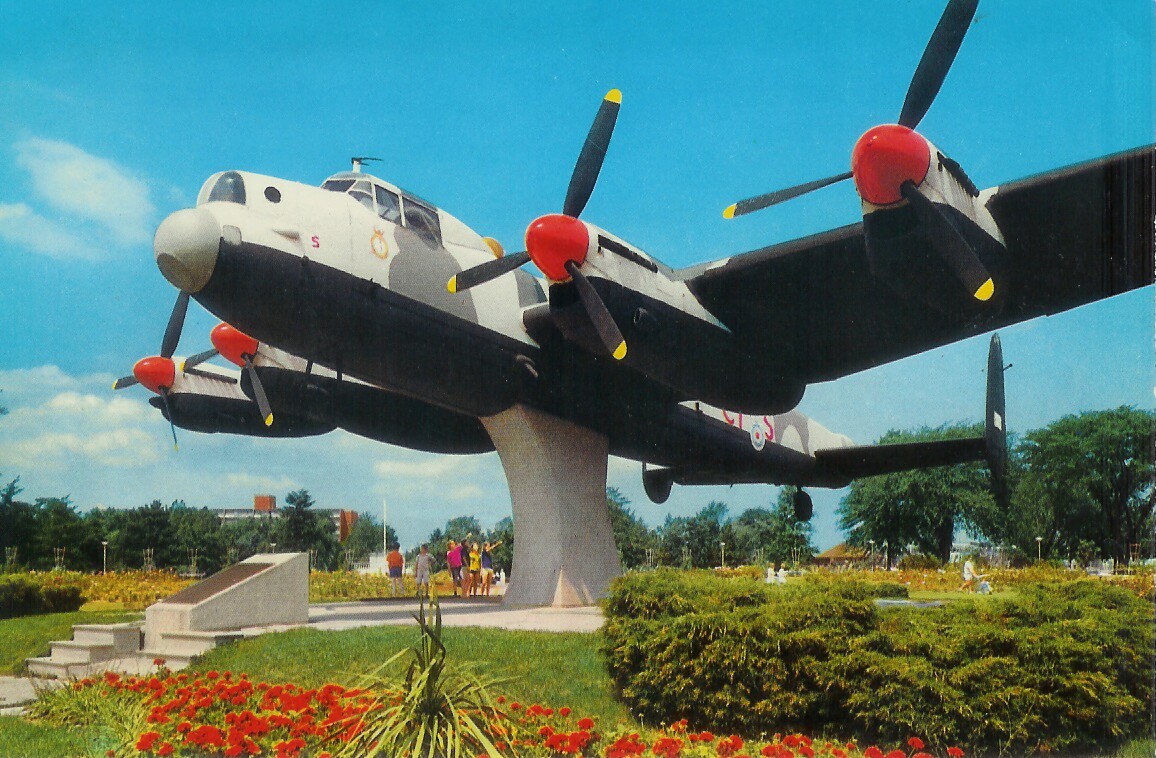
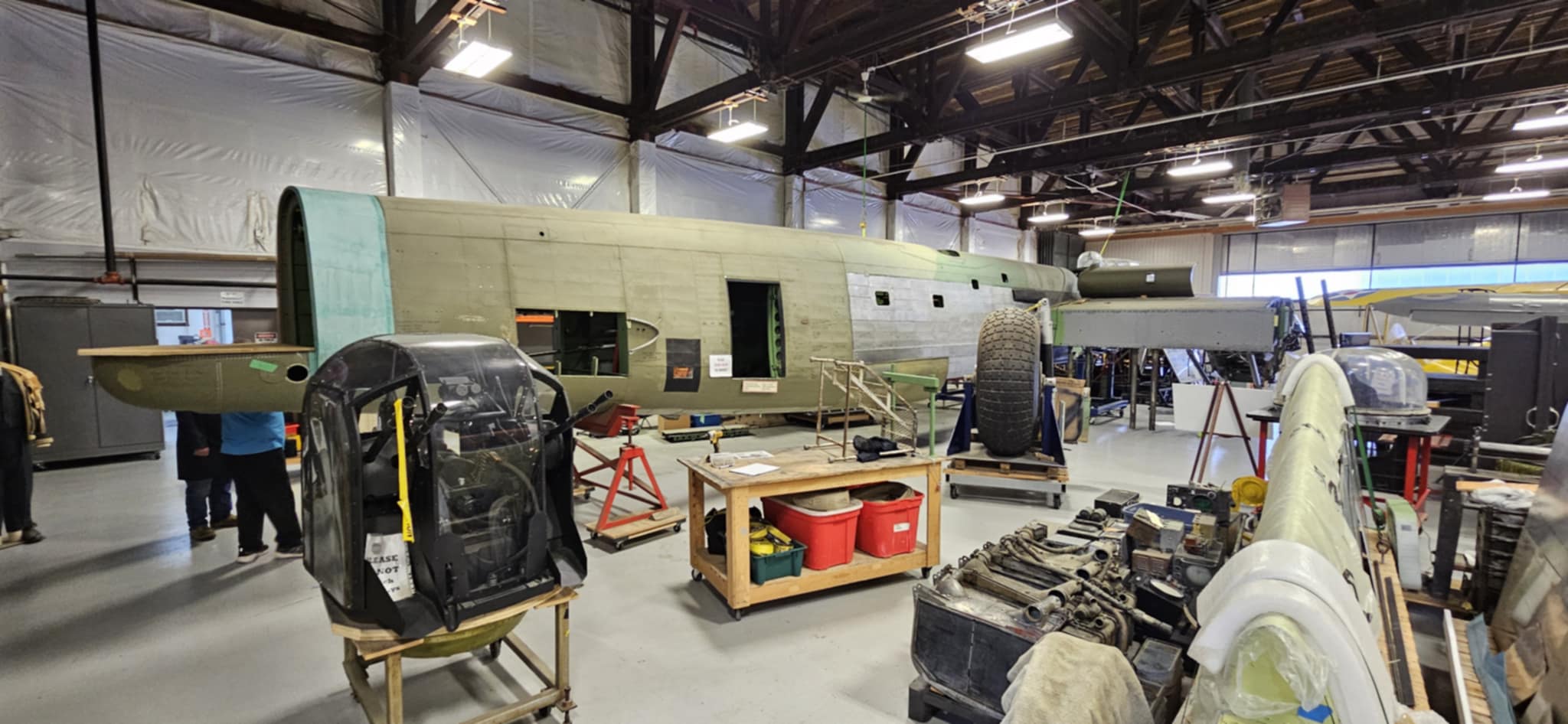
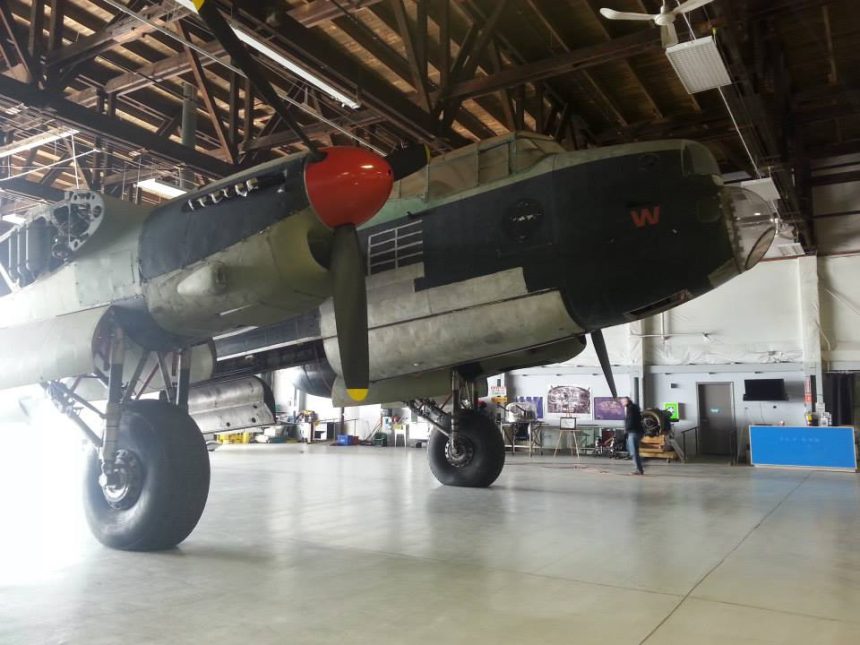
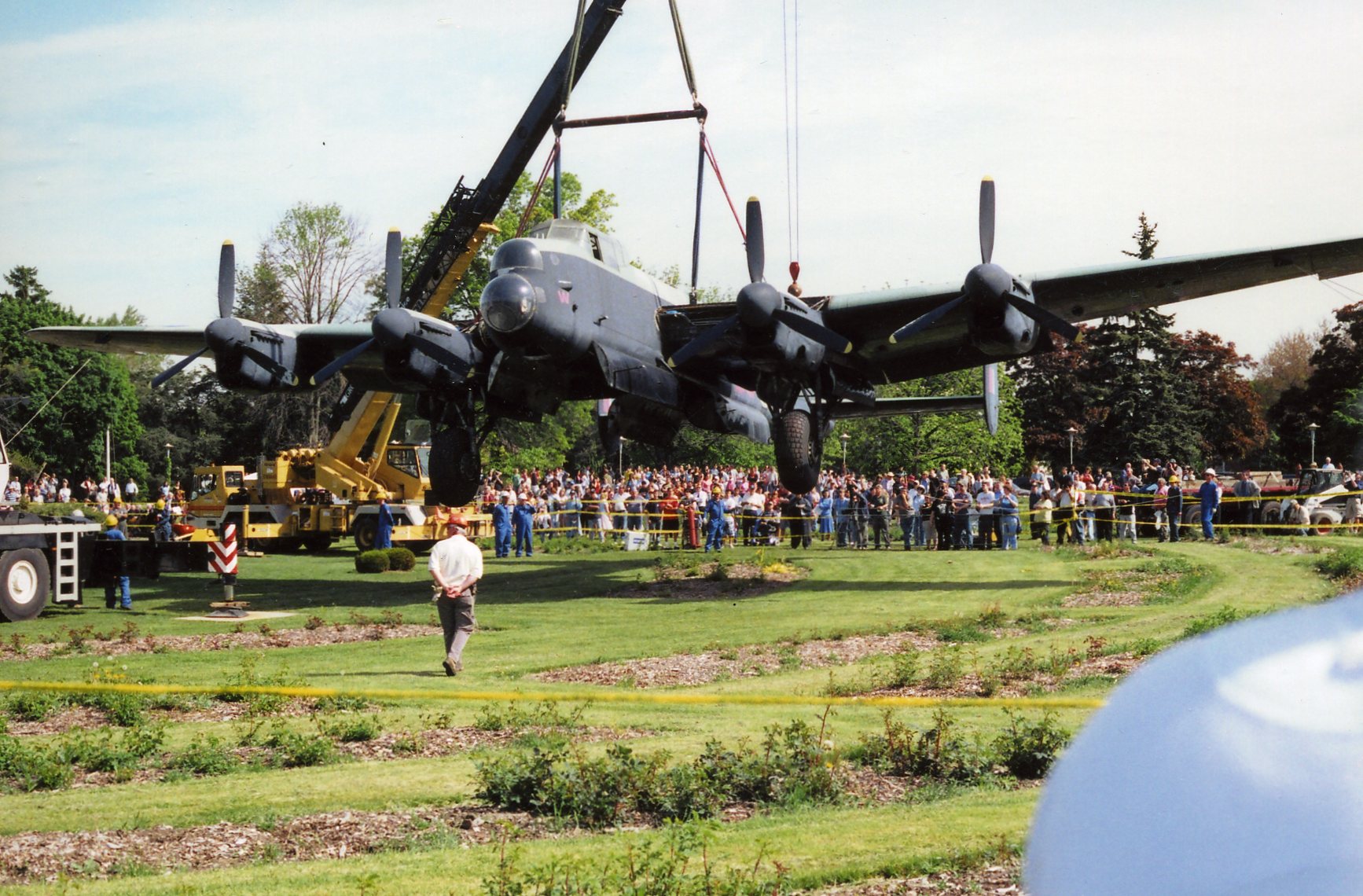
Exposure to the elements over several decades took a significant toll on the aircraft. An engineering assessment eventually revealed structural deterioration severe enough to threaten its long-term survival. In May 2005, FM212 was removed from its pedestal, and in 2006 it was transported through the streets of Windsor to the hangar of the Canadian Historical Aircraft Association—now the Canadian Aviation Museum—where restoration work began. A team of dedicated volunteers, many of whom had previously assisted with maintenance while the aircraft was on display, undertook the complex task of reversing years of environmental damage.
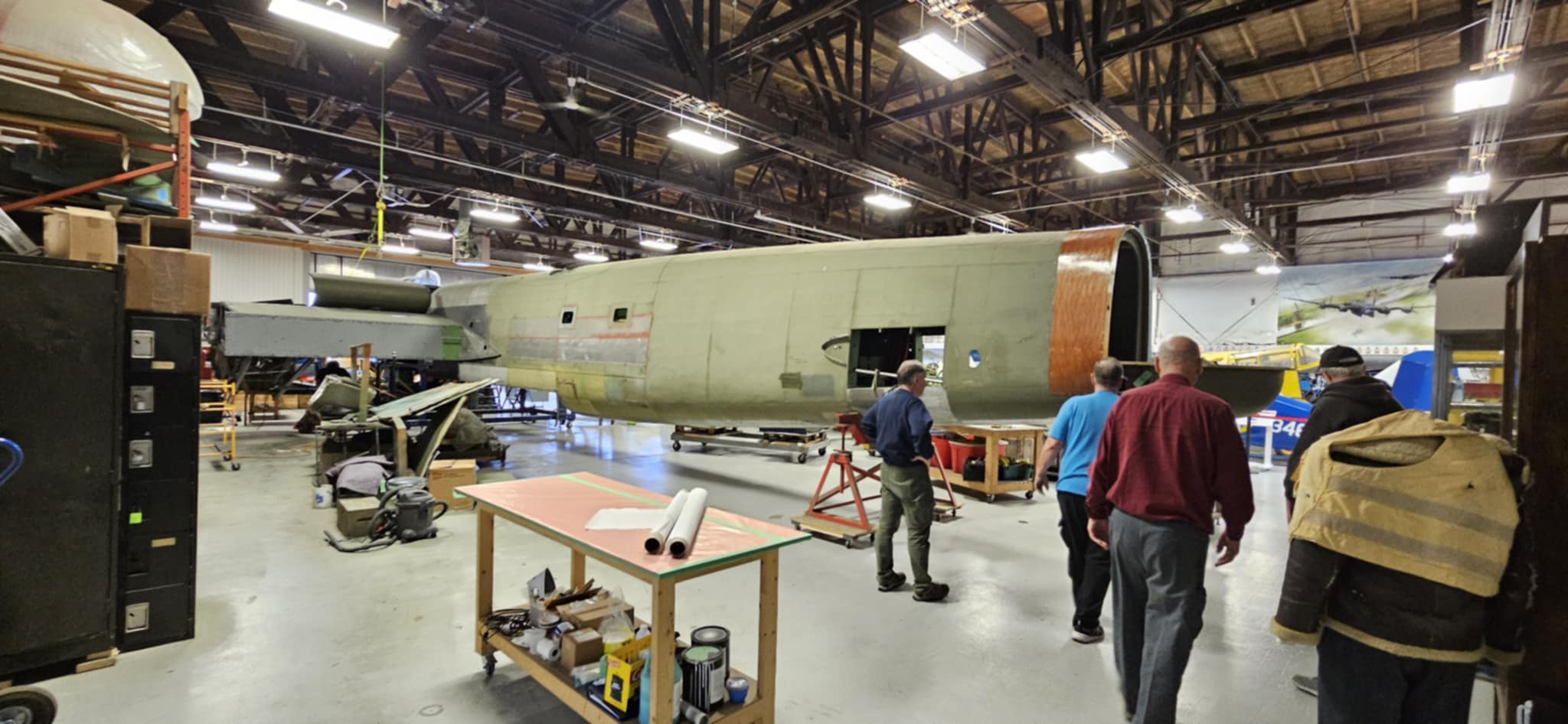
As with similar memorial installations in Calgary and Toronto, much of the structure between FM212’s two main spars had been removed when the aircraft was mounted on its pedestal. This alteration ultimately contributed to the aircraft’s structural weakening. Correcting the damage required the complete disassembly of the airframe and the fabrication of new structural components. As is often the case with major restorations, additional issues emerged as work progressed, extending what was initially envisioned as a 10-year project to nearly twice that duration. Despite these challenges, the volunteer team successfully completed repairs to the center section last summer.
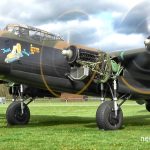
The aircraft’s interior has since been stripped of old paint and primer and fully repainted, with either refurbished original equipment or newly manufactured components installed to restore it to near factory-fresh condition. As a Canadian-built Mk X, FM212 has been refitted with Bendix radio equipment in the wireless operator’s position, making it the only surviving Lancaster to retain this original configuration. The restoration also includes a Martin 250CE mid-upper turret and four Packard Merlin 224 engines.
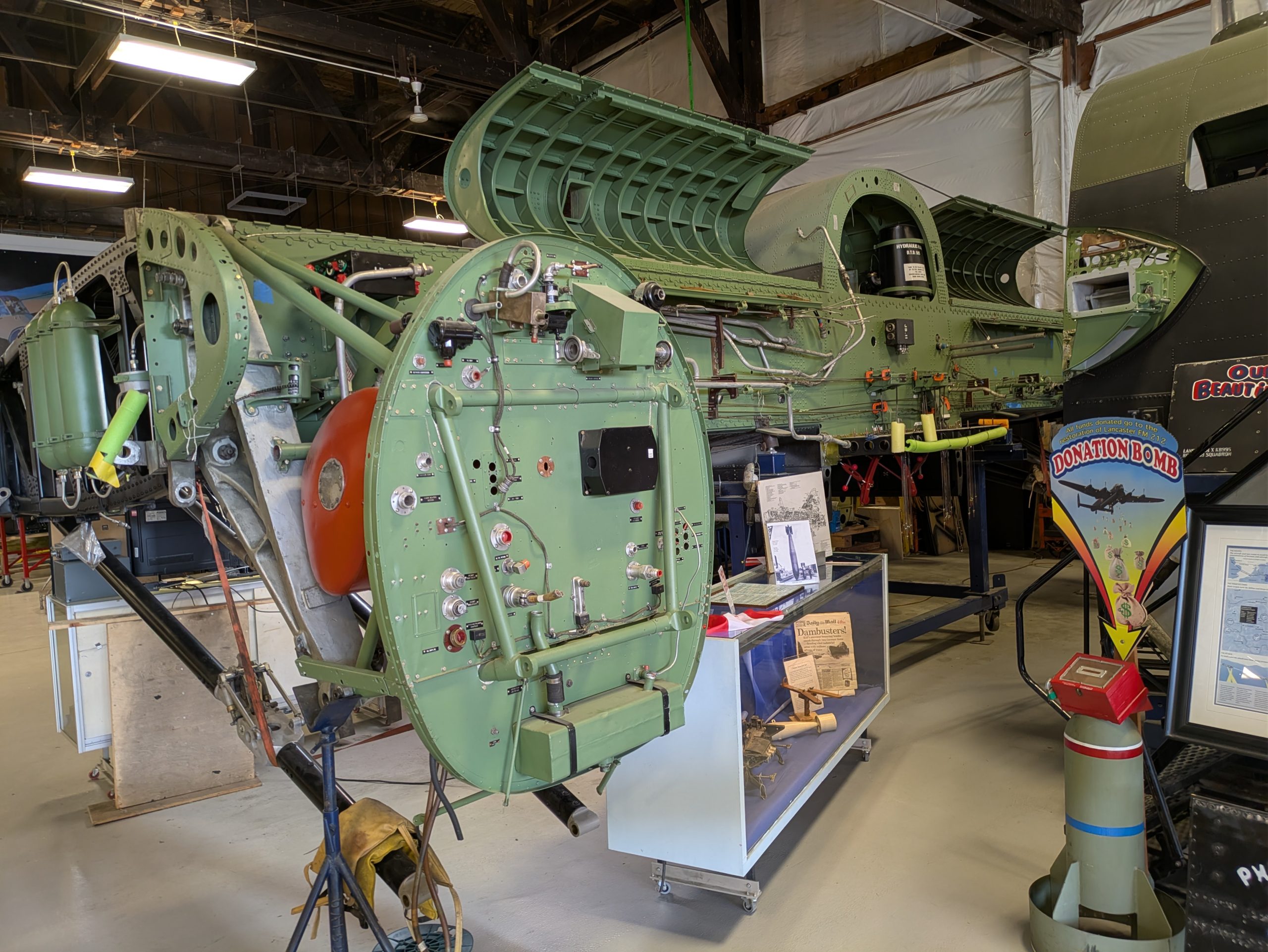
With the major structural repairs now complete, the rear fuselage sections have been reattached, and the cockpit and nose sections are expected to be joined in the coming months. Upcoming work includes installation of the horizontal and vertical stabilizers, tail wheel, and both inboard trailing edges. As reassembly approaches its final stages, the construction of a new hangar has become a priority. The existing facility does not provide sufficient clearance to attach the main wings while still allowing the aircraft to be moved outside. The long-term objective is to run all four engines and offer taxi rides to the public. There has never been any plan to return FM212 to flight, although the restoration has been carried out using aircraft-grade materials and in accordance with Transport Canada standards, aside from the extensive certification process required for airworthiness approval. Those interested in following the progress of the restoration can find weekly updates on Facebook under “Lancaster FM212 Restoration – Canadian Aviation Museum.”