

(Image credit: VAN)
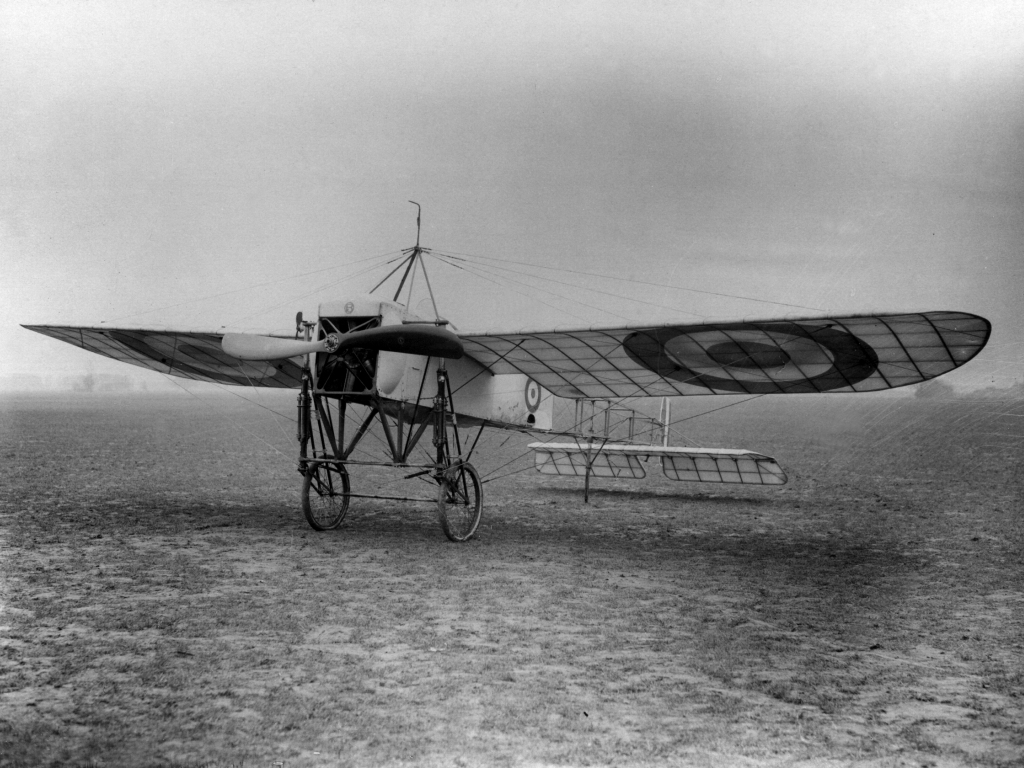
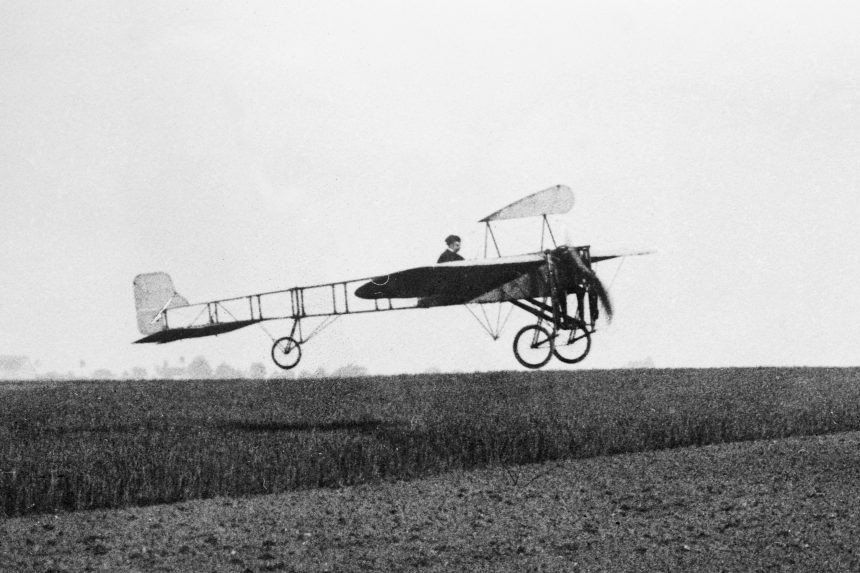
On this day in aviation history, 117 years ago (January 23, 1909), the first flight of the Blériot XI took place. The Blériot was an early multipurpose aircraft used for touring, training, and even in some military applications. French aviator-engineers Louis Blériot and Raymond Saulnier designed the XI before Louis took the lead in manufacturing the original aircraft. On July 25, 1909, Louis became the first to successfully cross the English Channel in a heavier-than-air aircraft, with this model XI, proving that “Britain is no longer an Island.” This feat gained popularity and credibility towards Blériot, ensuring future aircraft sales and opportunity for growth.
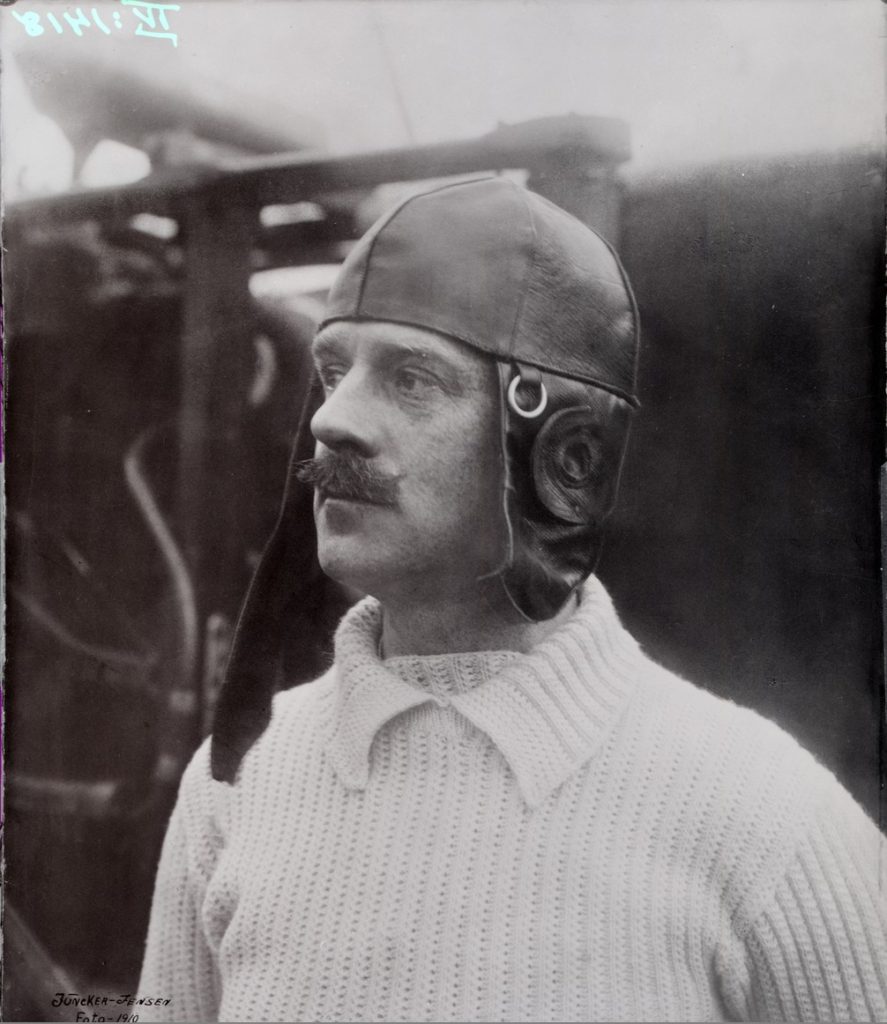
Several variants of the Blériot XI were built during the aircraft’s heyday. XI’s were available in single or dual seat configurations, and could be fitted with a range of engines. XIs served in a military capacity with many different nations, including France, the United Kingdom, Australia, Japan, and around a dozen others. During the early years of World War I, the aircraft was primarily used as a trainer and observation aircraft. However, some single-seat variants took on the role of light bombers, being able to carry a bomb capacity of 25kg.
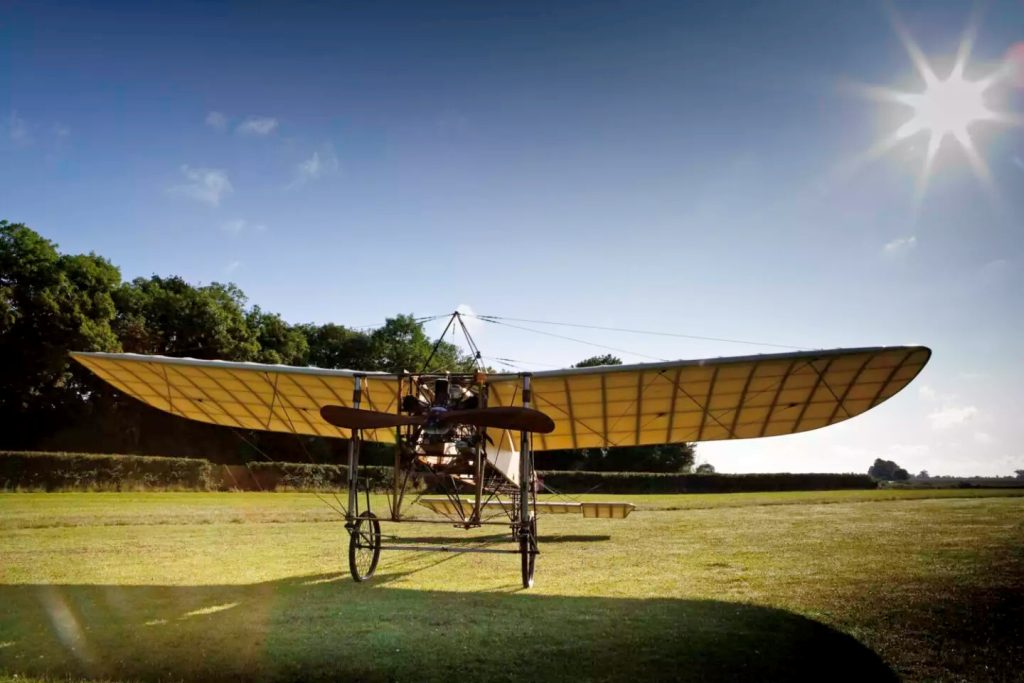
The Blériot XI was powered by an Anzani 3-cylinder fan / 3-cylinder air-cooled fan-style radial piston engine, which produced 25 horsepower. The aircraft could attain a maximum airspeed of 47 mph and a service ceiling of 3,300 feet. A total of 103 Blériot XIs were ultimately built, and some originals still survive today in museums. Many additional replicas have been manufactured over the years, as well. The Old Rhinebeck Aerodrome in Red Hook, New York, flies Blériot XI 56, whose front and back thirds of the fuselage are original.