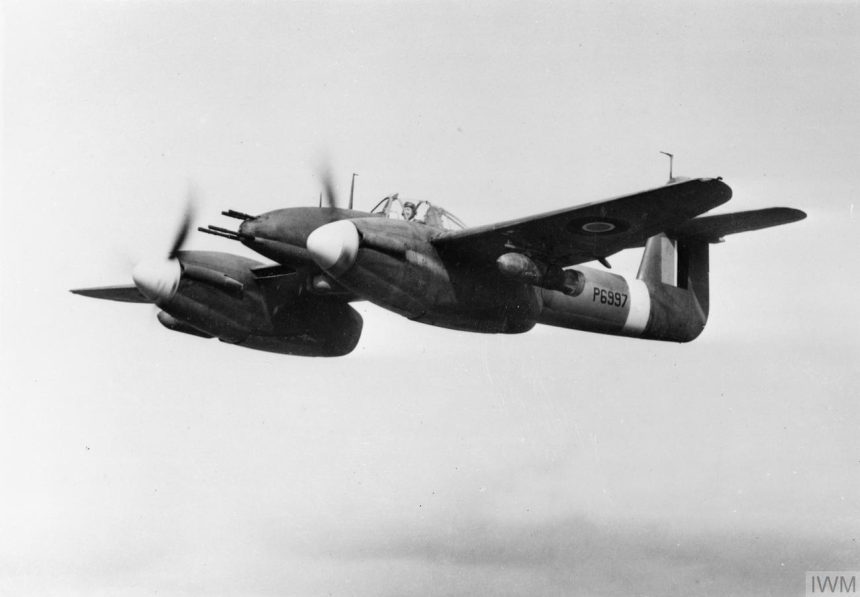

This latest update on the Westland Whirlwind Fighter Project has been provided by Matt Bearman and Pete Smith, whose work continues to drive one of the most ambitious historic aircraft reconstruction efforts ever undertaken. When the project was first proposed in 2011, the reaction from the aviation community was immediate—and largely skeptical. “Pipe dream… believe it when I see it… can’t be done.” Such comments reflected the scale of the ambition. This was not to be a superficial replica, but a complete reconstruction, an aircraft intended from the outset to be indistinguishable from one in squadron service. As previously reported in our 2020 Vintage Aviation News article on the project, the early years were defined by research, digital reconstruction, and the gradual proving of concept. What has followed since then marks a significant acceleration in both progress and confidence.
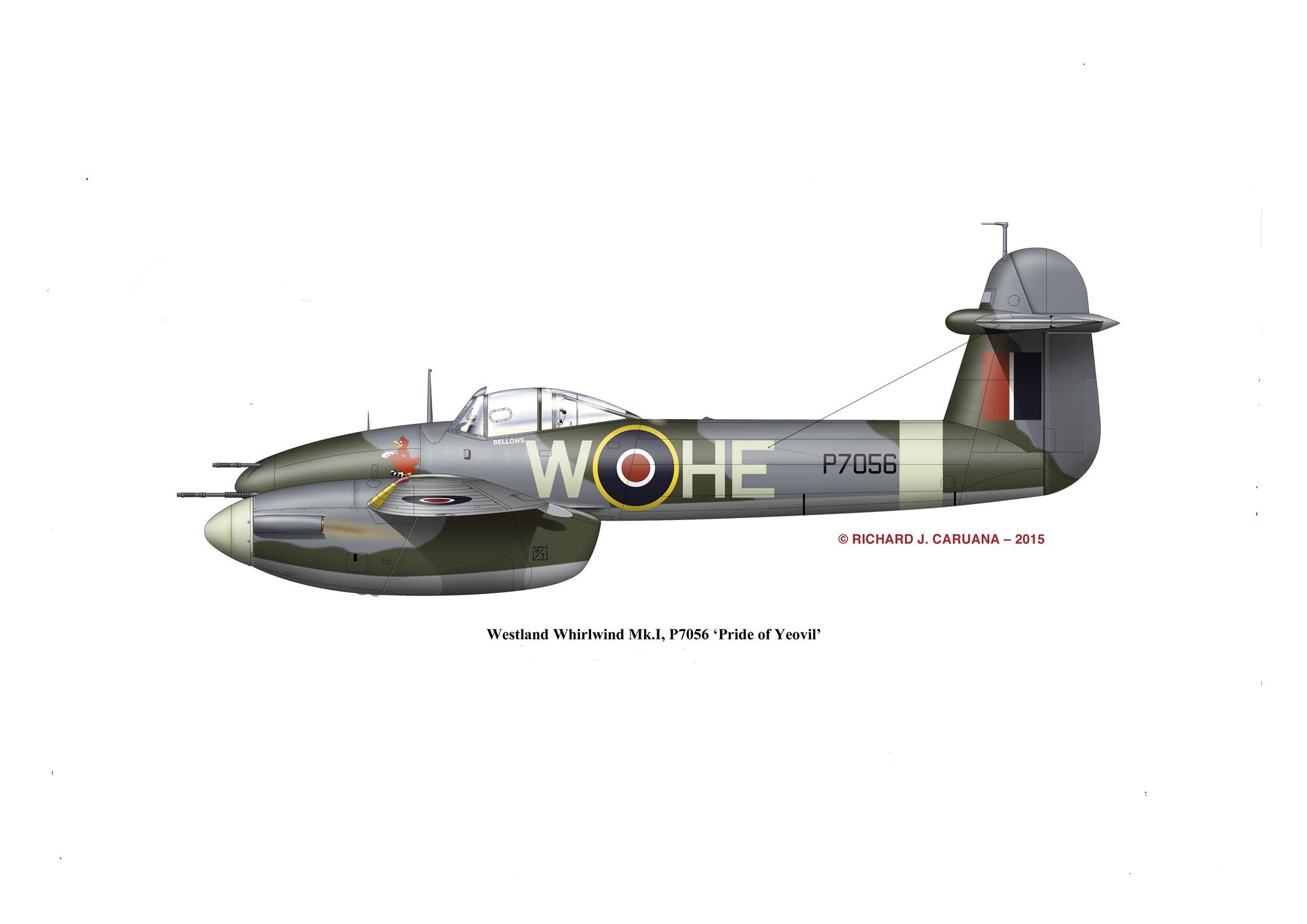
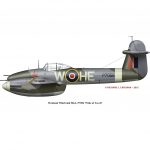
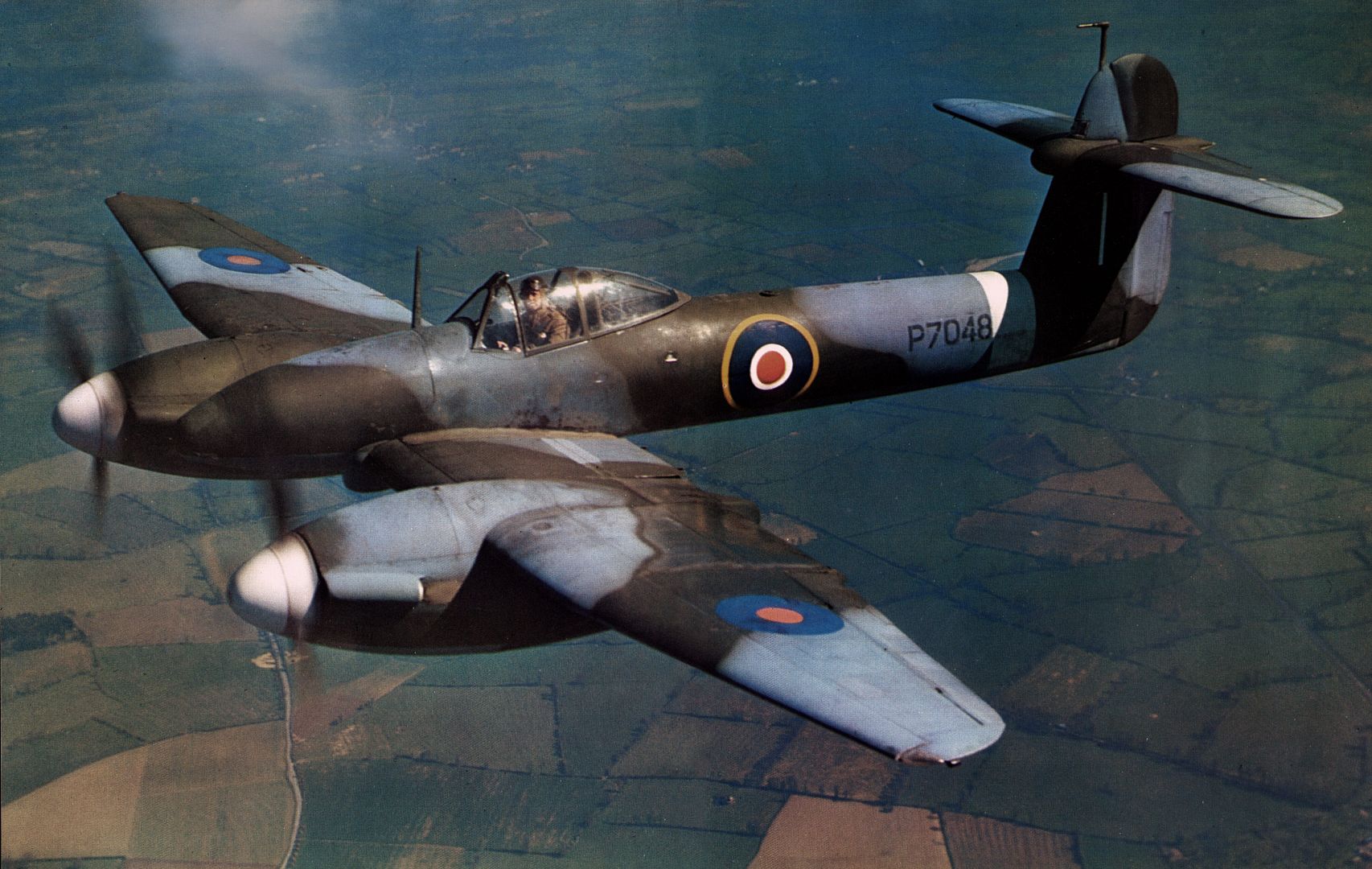
The Westland Whirlwind itself remains one of the RAF’s most distinctive twin-engine fighters of the Second World War. Fast, heavily armed, and ahead of its time, it suffered from limited production and the absence of surviving airframes. That absence lies at the heart of the challenge. Unlike restoration projects, the Whirlwind Fighter Project is working from scarce original drawings and fragmented documentation, forcing the team to effectively rediscover the aircraft from first principles.
In the early years, progress centered on the creation of a complete 3D “digital twin,” led by CAD designer Gunnar Olsen. This model became the foundation for all subsequent work, supported by years of detailed research and collaboration with the wider preservation community. By 2015, the team had advanced far enough to demonstrate their intent publicly, displaying a rear fuselage skeleton at Westland’s centenary event at Yeovil. Even then, however, the scale of what remained made the task appear formidable.
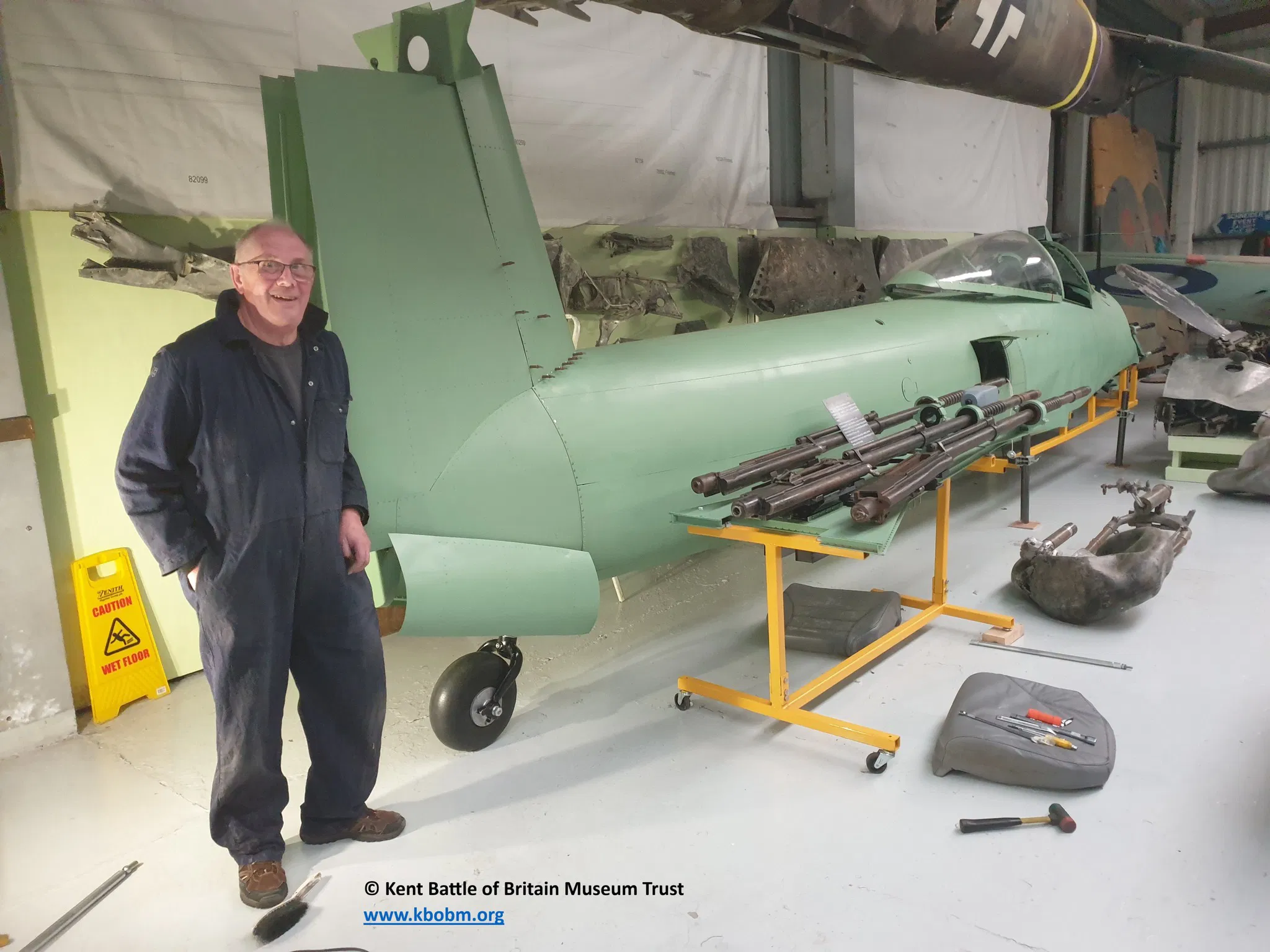
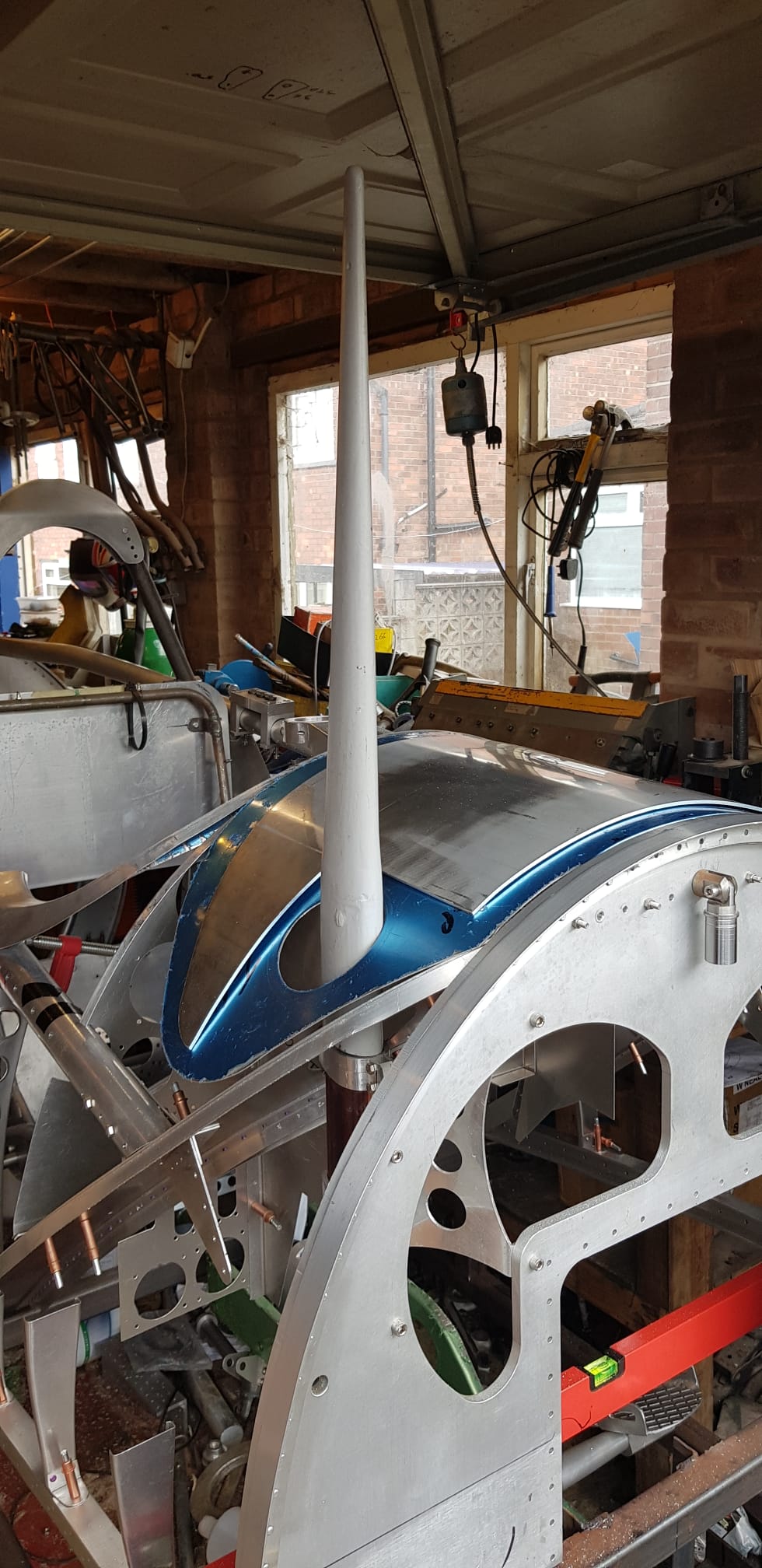
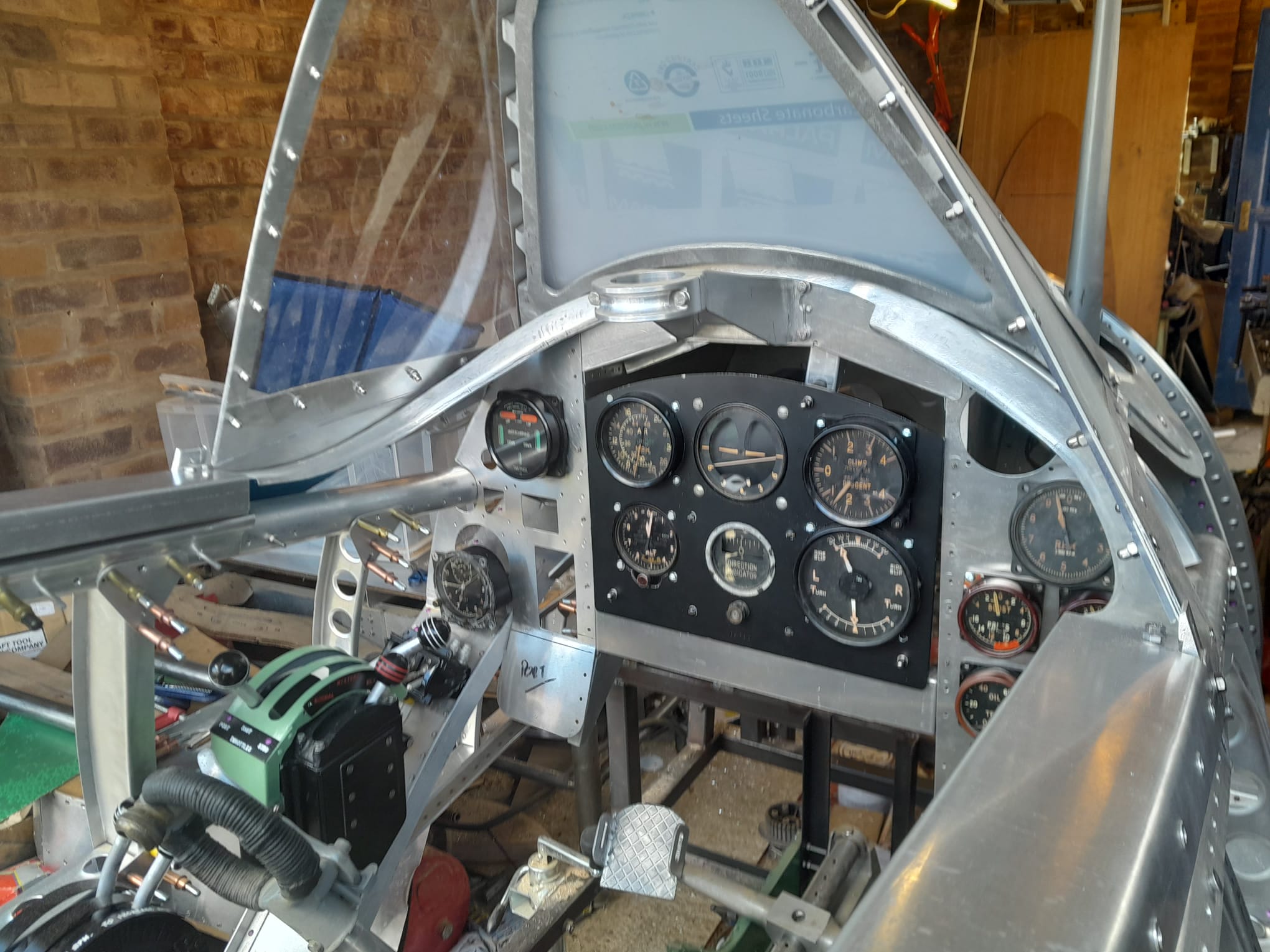
A turning point came in 2020. Faced with the financial realities of relying on commercial engineering support, the project needed a more sustainable approach. That solution emerged when retired precision engineer Pete Smith offered to take on the construction himself, working from his own workshop. What initially seemed an extraordinary proposition quickly proved transformative. Since then, progress has accelerated dramatically, supported by strengthened governance and the securing of a permanent display home at the Kent Battle of Britain Museum. Rebuilding the Whirlwind has revealed just how unconventional its original design was. Conceived by W.E.W. Petter, the aircraft incorporated advanced aerodynamic thinking that did not lend itself easily to manufacture. The cockpit and nose sections, built as a monocoque structure, contain a complex lattice of ribs and intercostals that do not form a coherent framework but instead rely on the skin and longerons for strength. To assemble these sections, bespoke jigs and tooling had to be designed and built to hold components in precise alignment while thousands of rivets were installed. The cockpit alone required approximately 2,500 rivets, along with custom spacers, ferrules, and tooling fabricated specifically for the task.
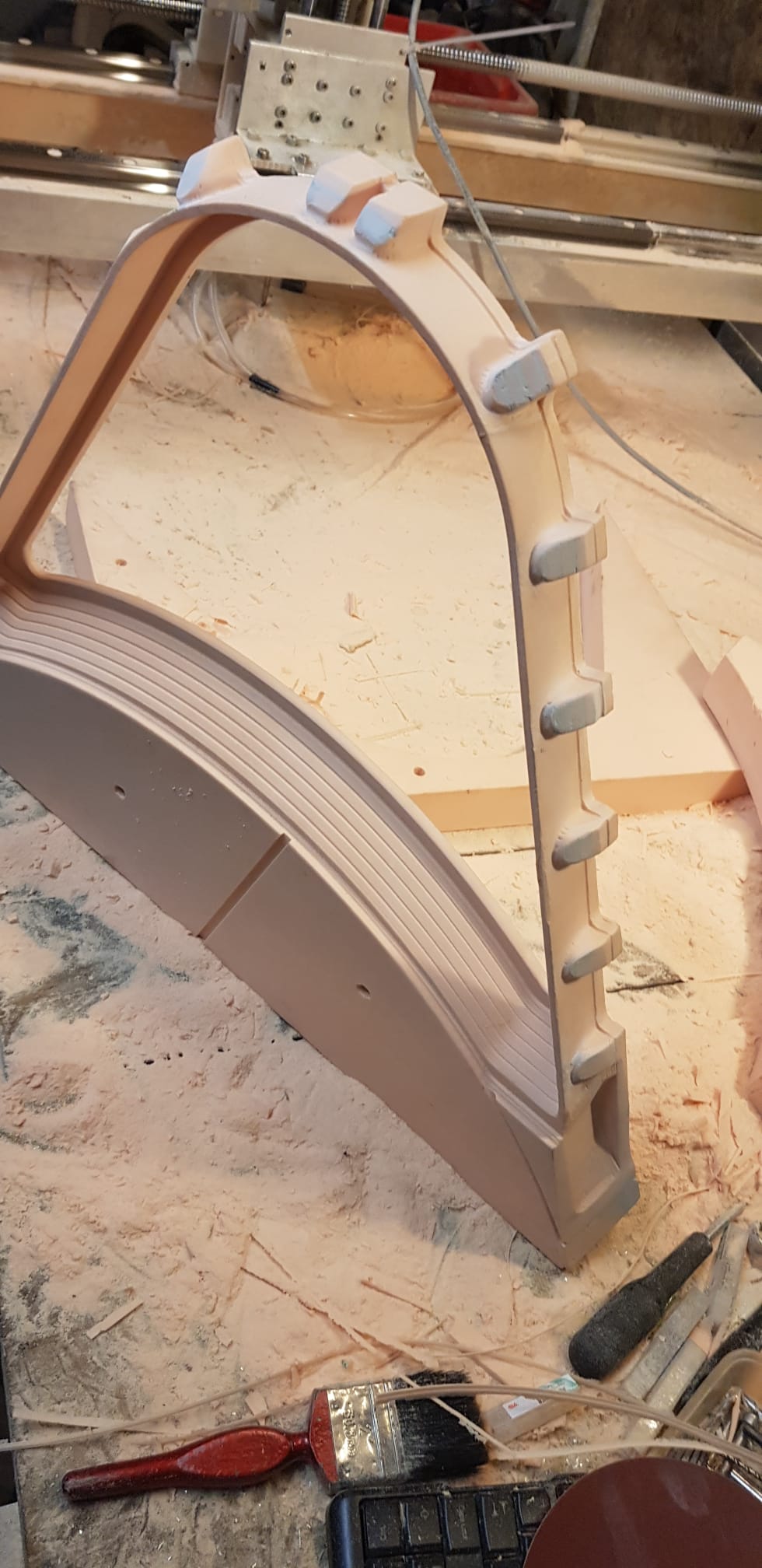
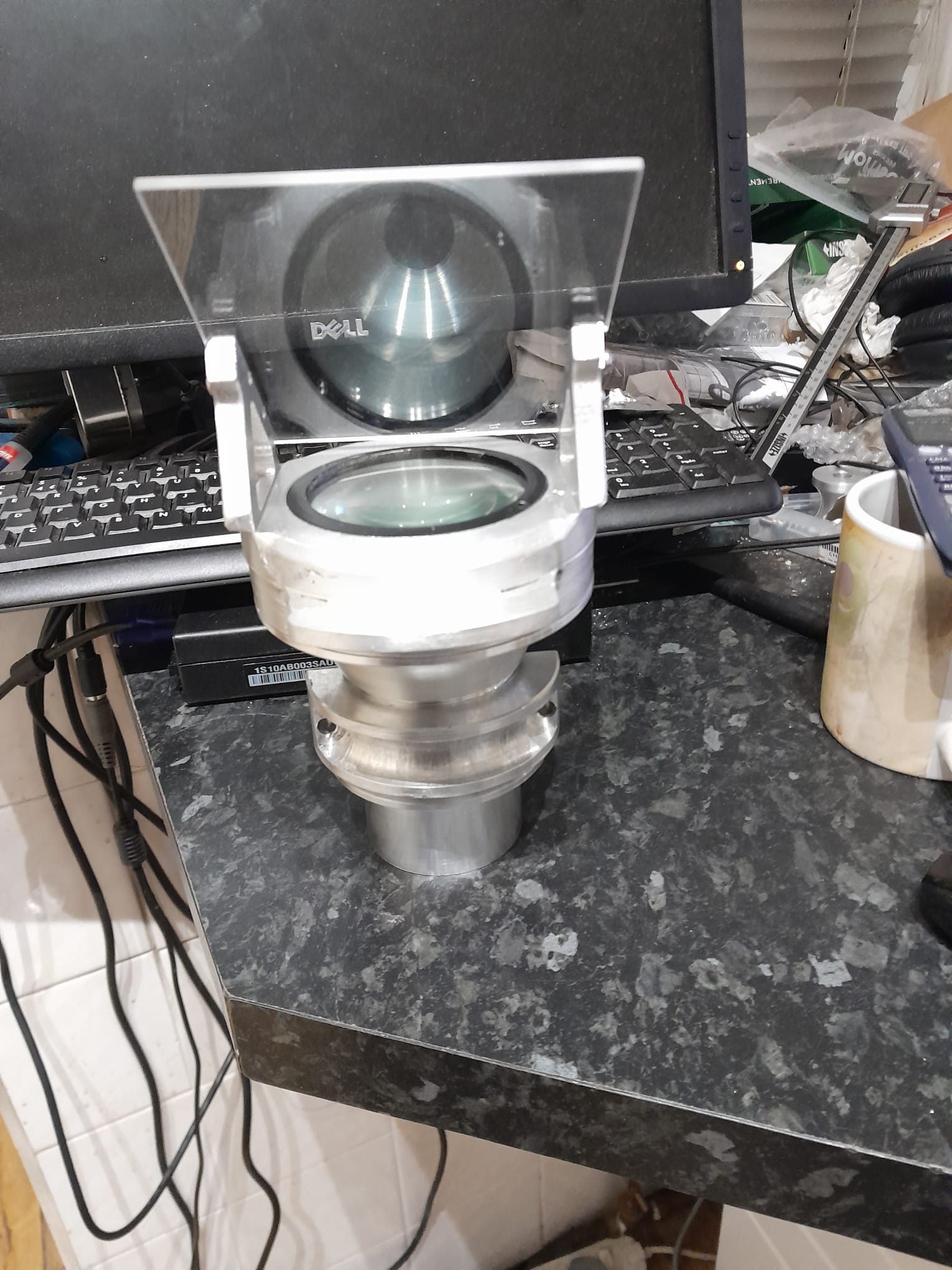
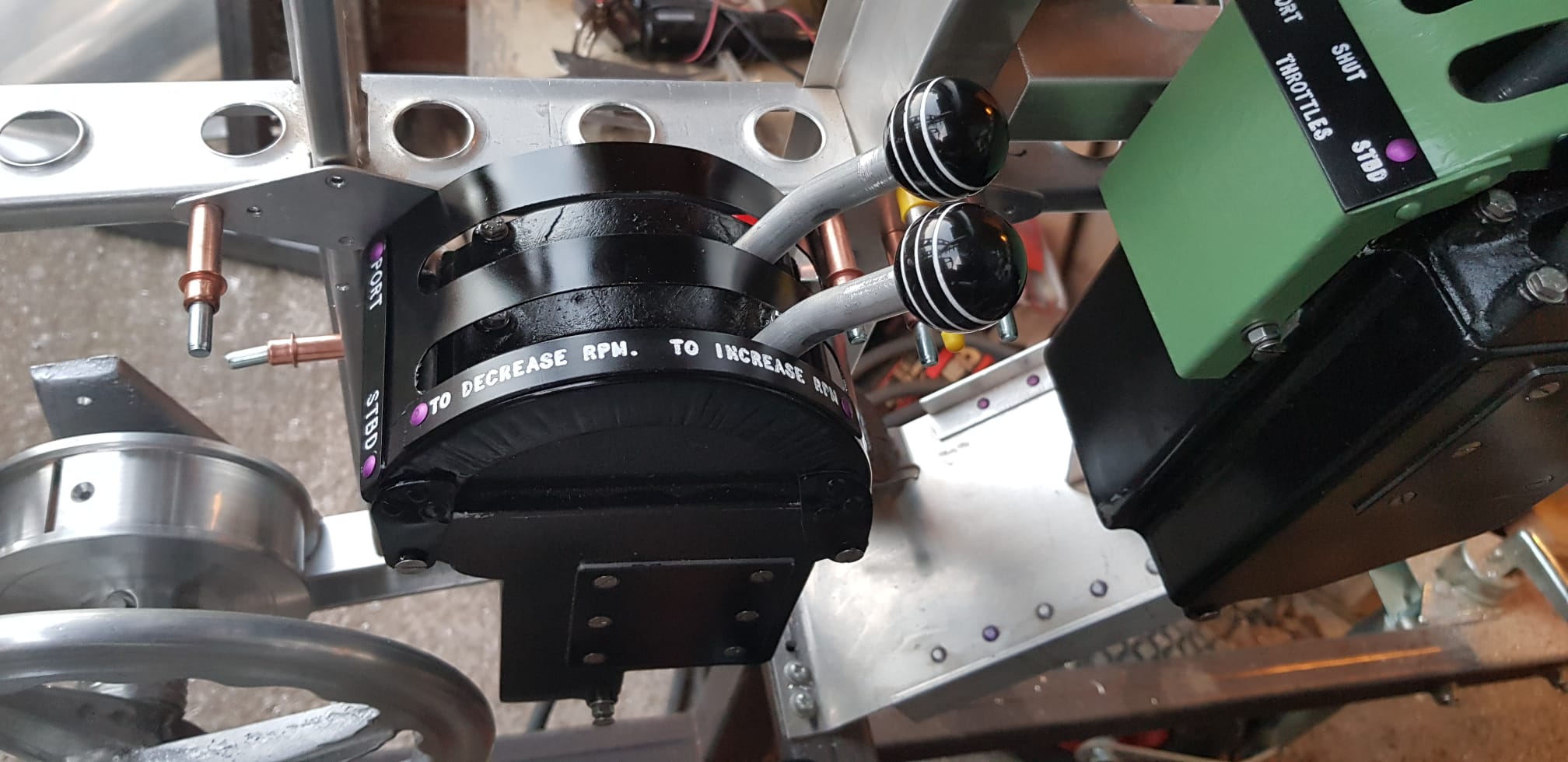
Authenticity remains central to the project. Components are not simply approximated but recreated in full detail, including a working reflector gunsight, the pilot’s seat, and the Exactor hydraulic system for throttle and pitch control. Where original references are incomplete, the team has drawn on surviving Westland aircraft such as the Lysander to inform accurate reproduction of shared components.
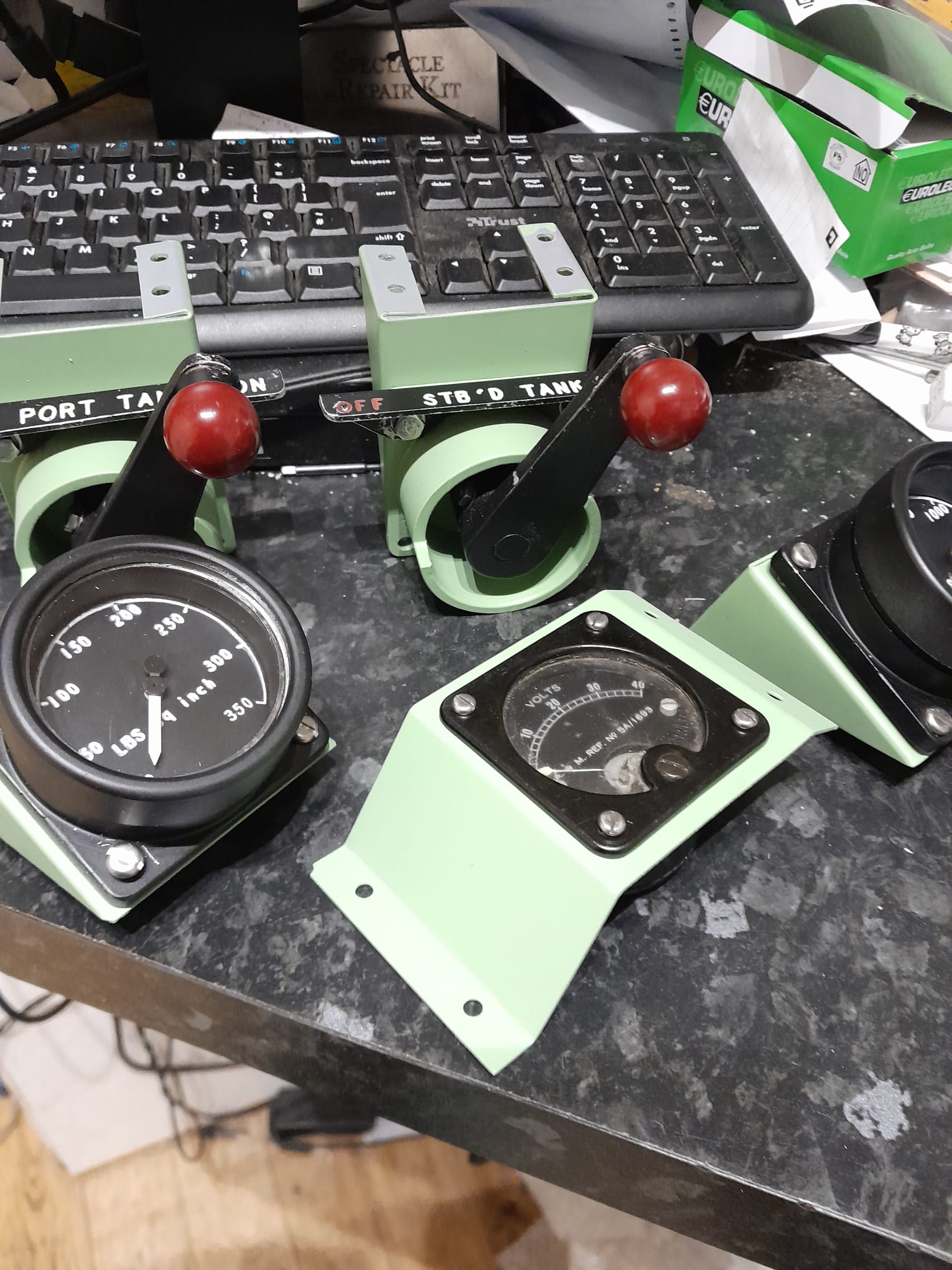
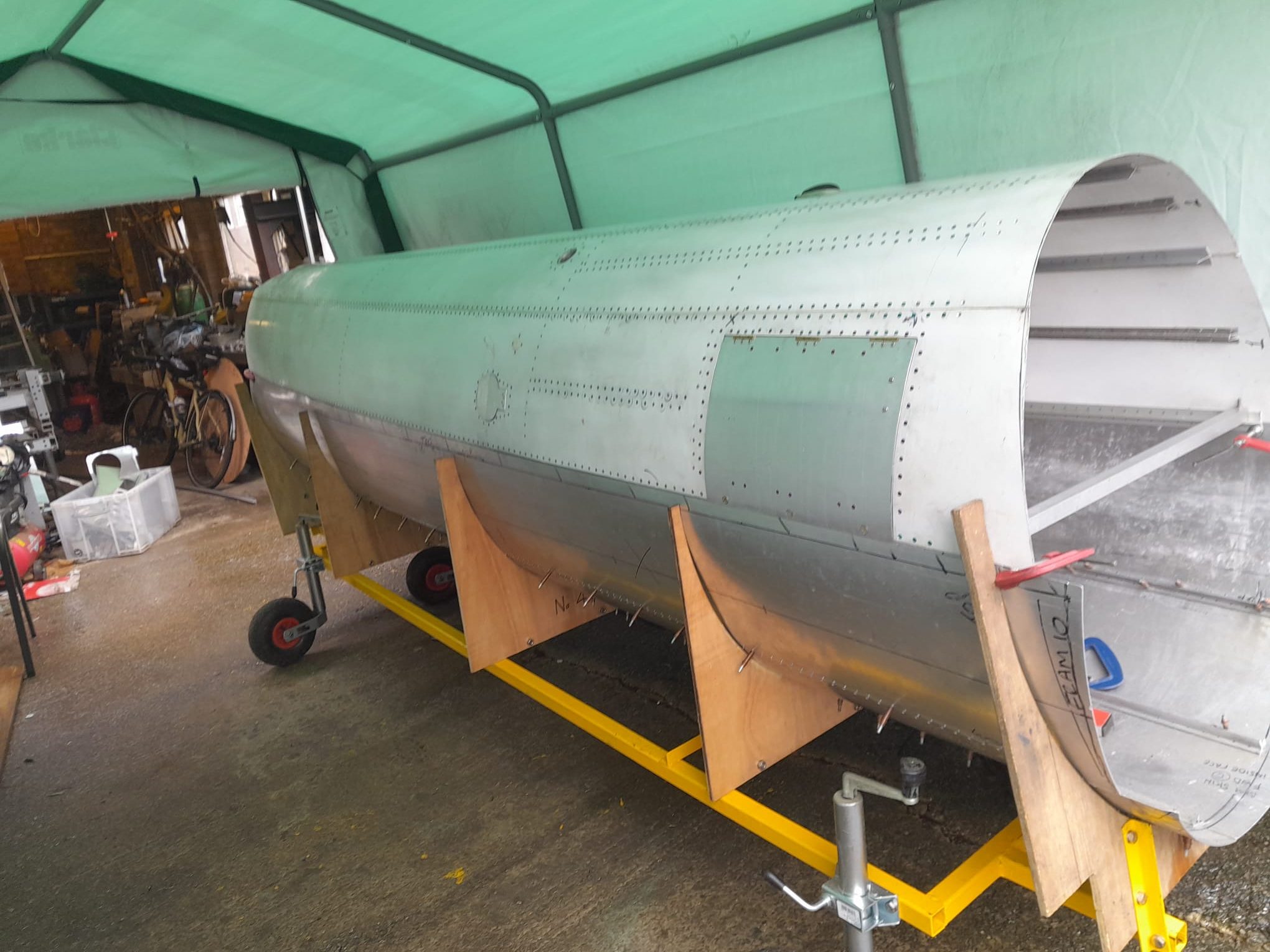
A major milestone was reached in May 2023 when the completed cockpit, fully equipped with functioning controls and instrumentation, was delivered to the Kent Battle of Britain Museum. Work then focused on the rear fuselage, a 13-foot structure of considerable complexity. Rather than forming a simple tapered tube, the fuselage is constructed from ten individually shaped alloy panels, each with its own compound curvature requiring extensive hand-forming. The structure was assembled in upper and lower sections before being joined on a custom-built frame, and in 2024, the fuselage was successfully transported and mated with the cockpit, marking a significant step forward.
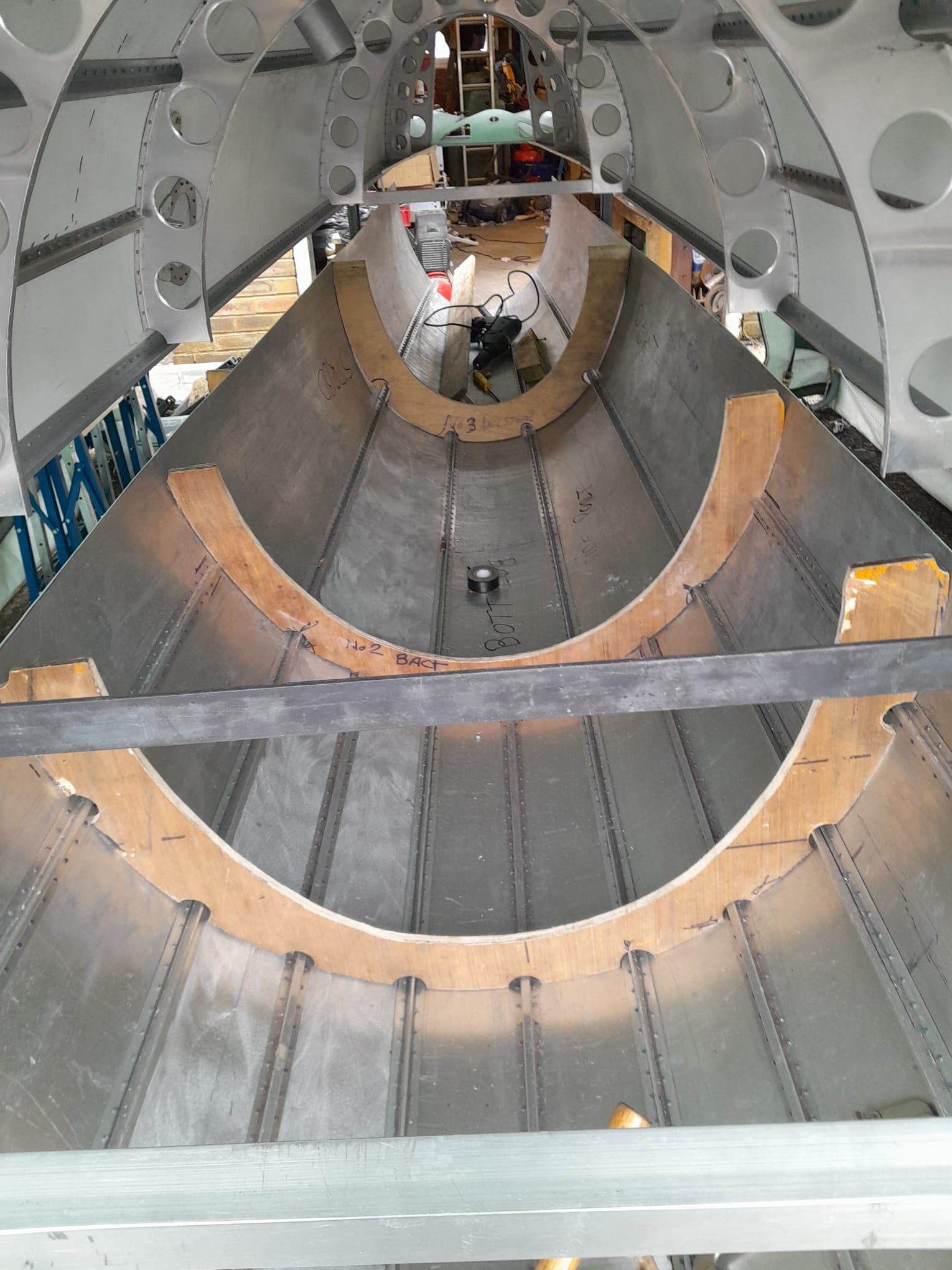
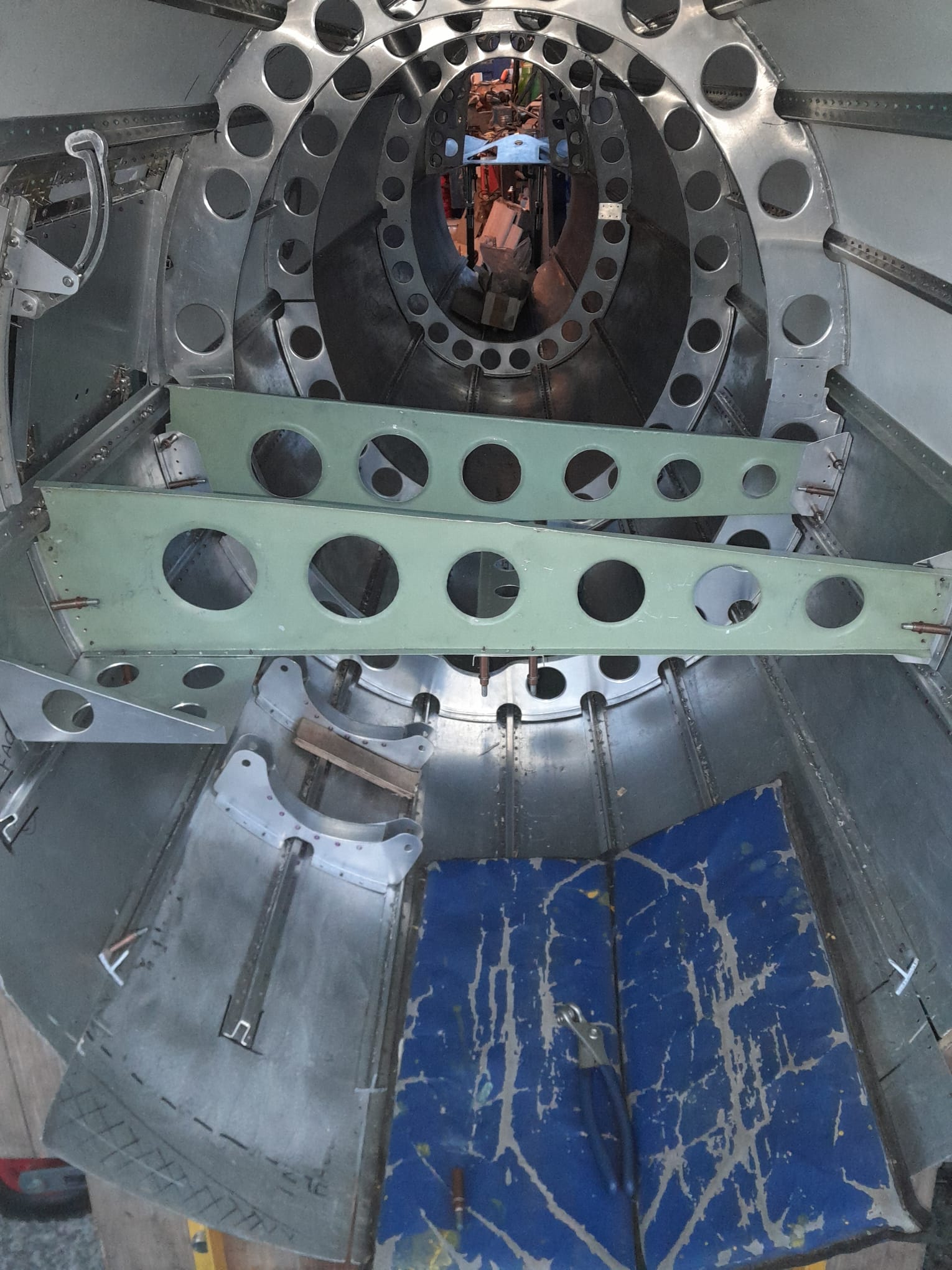
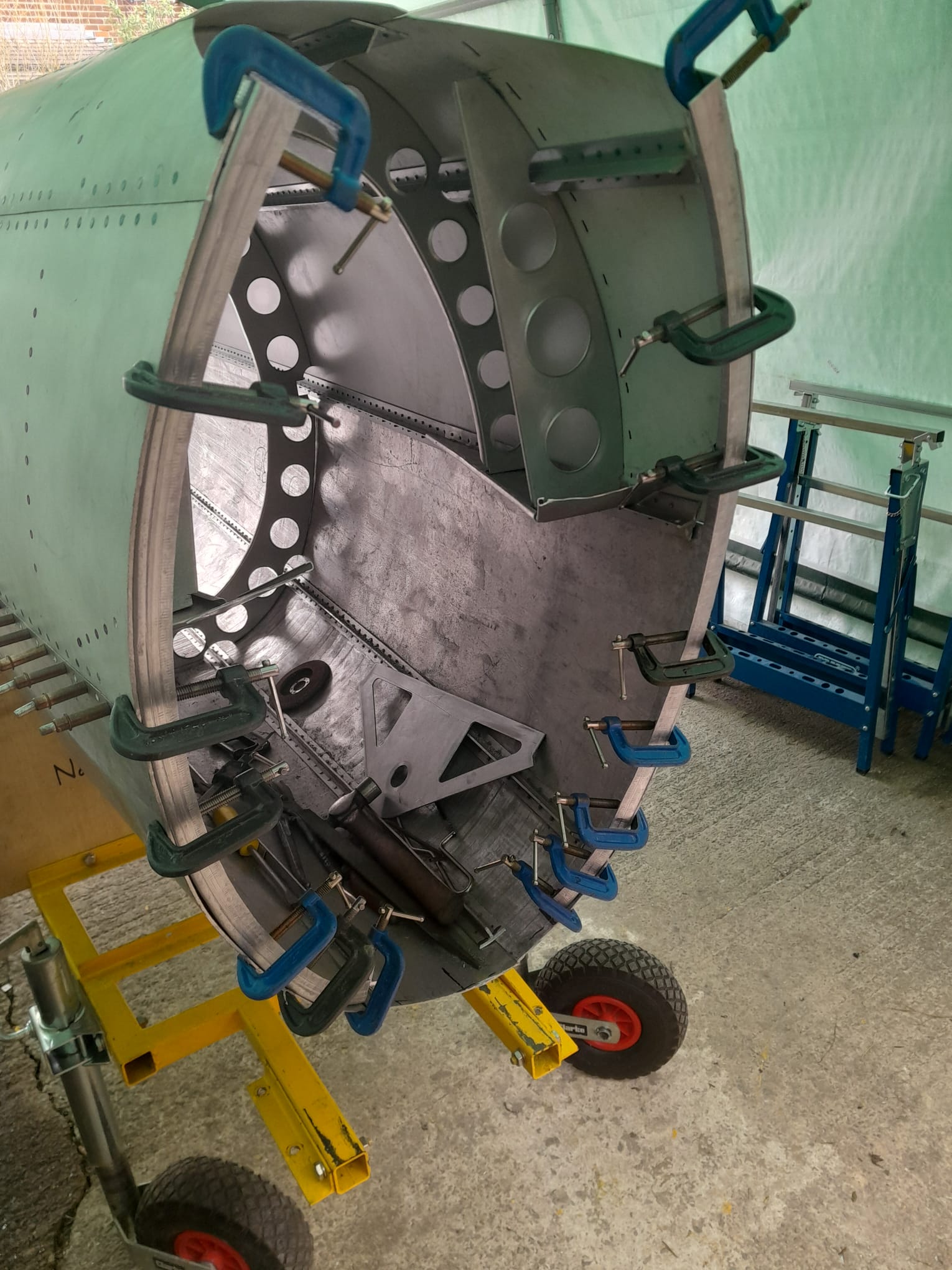
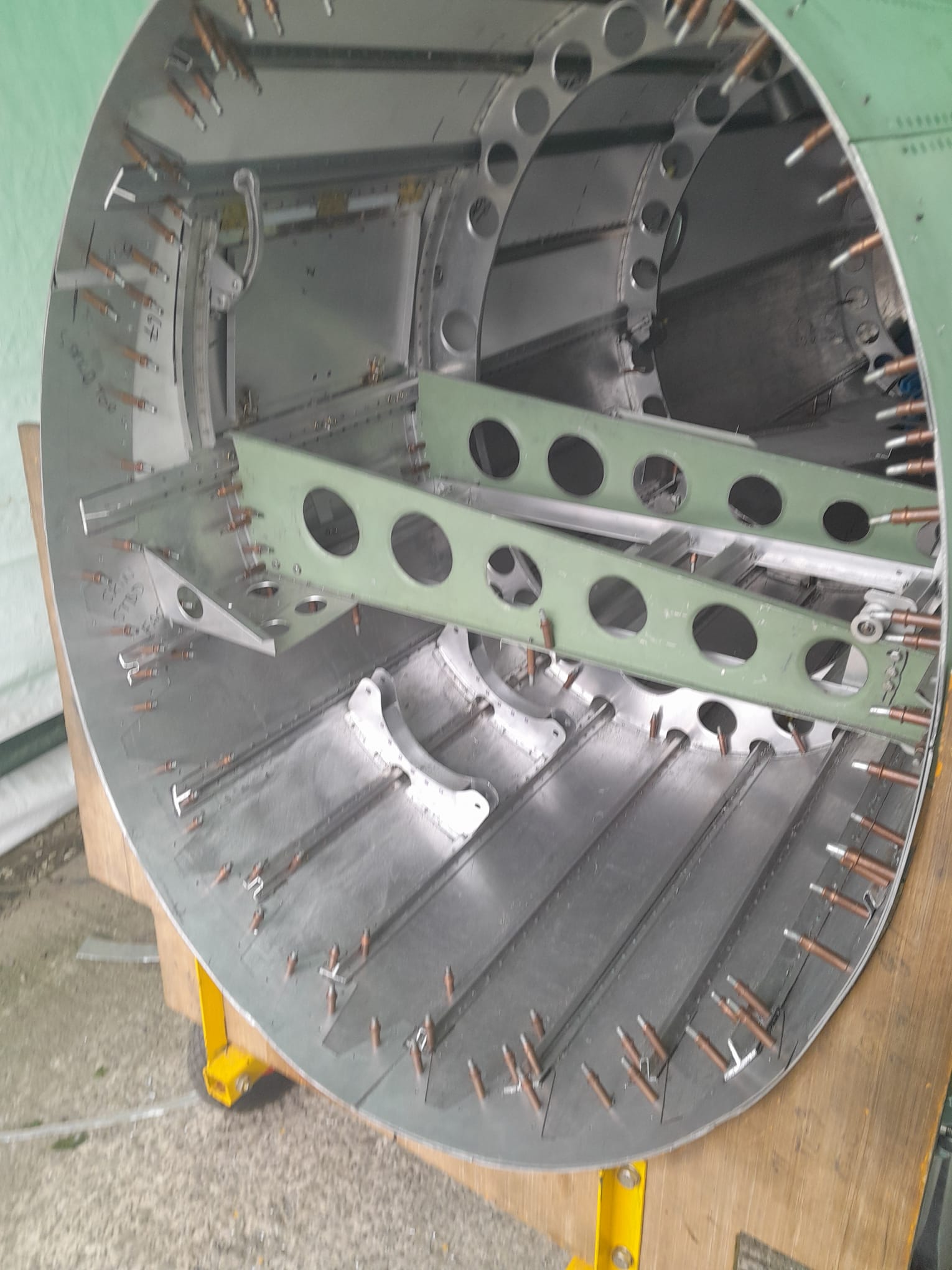
The project has also required solving numerous historical unknowns. Many internal systems were either poorly documented or classified during the war, leaving gaps that must be filled through careful research and engineering judgment. The team has combined archival work with modern techniques such as 3D modeling and printing to recreate rare or undocumented components, including radio equipment, de-icing systems, and other internal fittings. In some cases, details have been uncovered through unexpected sources, such as patent records or obscure references within maintenance manuals, allowing features like the radio hatch placard to be accurately reproduced despite the absence of photographic evidence.
From the beginning, the project adopted a modular approach, ensuring that each stage of construction is fully planned and funded before work begins. This strategy has allowed steady and sustainable progress over time. With the cockpit and fuselage now complete, attention has turned to the Whirlwind’s distinctive T-tail, with completion targeted for 2025. Beyond that lies the most complex and costly phase yet: the wing spars and center section, which are expected to match the total cost of the project to date.
Entirely funded by public support, the Whirlwind Fighter Project continues to rely on donations, memberships, and contributions from the aviation community. Regular updates and engineering insights help maintain engagement, while the project remains firmly focused on its goal of historical accuracy rather than airworthiness. The cost of producing a flying example would be prohibitive, estimated at over £5 million, placing it beyond the project’s intended scope. When complete, the aircraft will stand as far more than a replica. Through a combination of research, craftsmanship, and innovation, the team is effectively recreating a lost aircraft in full. In time, visitors to the Kent Battle of Britain Museum will be able to stand before what can justifiably be considered the 117th Westland Whirlwind, a remarkable achievement that brings a vanished chapter of aviation history back into tangible form. To learn more about this project, visit www.whirlwindfp.org.