







Located at Grissom Air Reserve Base, Indiana, the Grissom Air Museum represents the Hoosier State’s most well-known aviation museum, and it is home to 25 aircraft from the North American B-25 Mitchell to the Fairchild Republic A-10 Thunderbolt II. Yet one of the rarest aircraft in the museum will soon be coming out of the weather to become the centerpiece of a new display about the base’s connection to one of the most iconic bombers flown by the United States Air Force’s Strategic Air Command, the Convair B-58 Hustler.
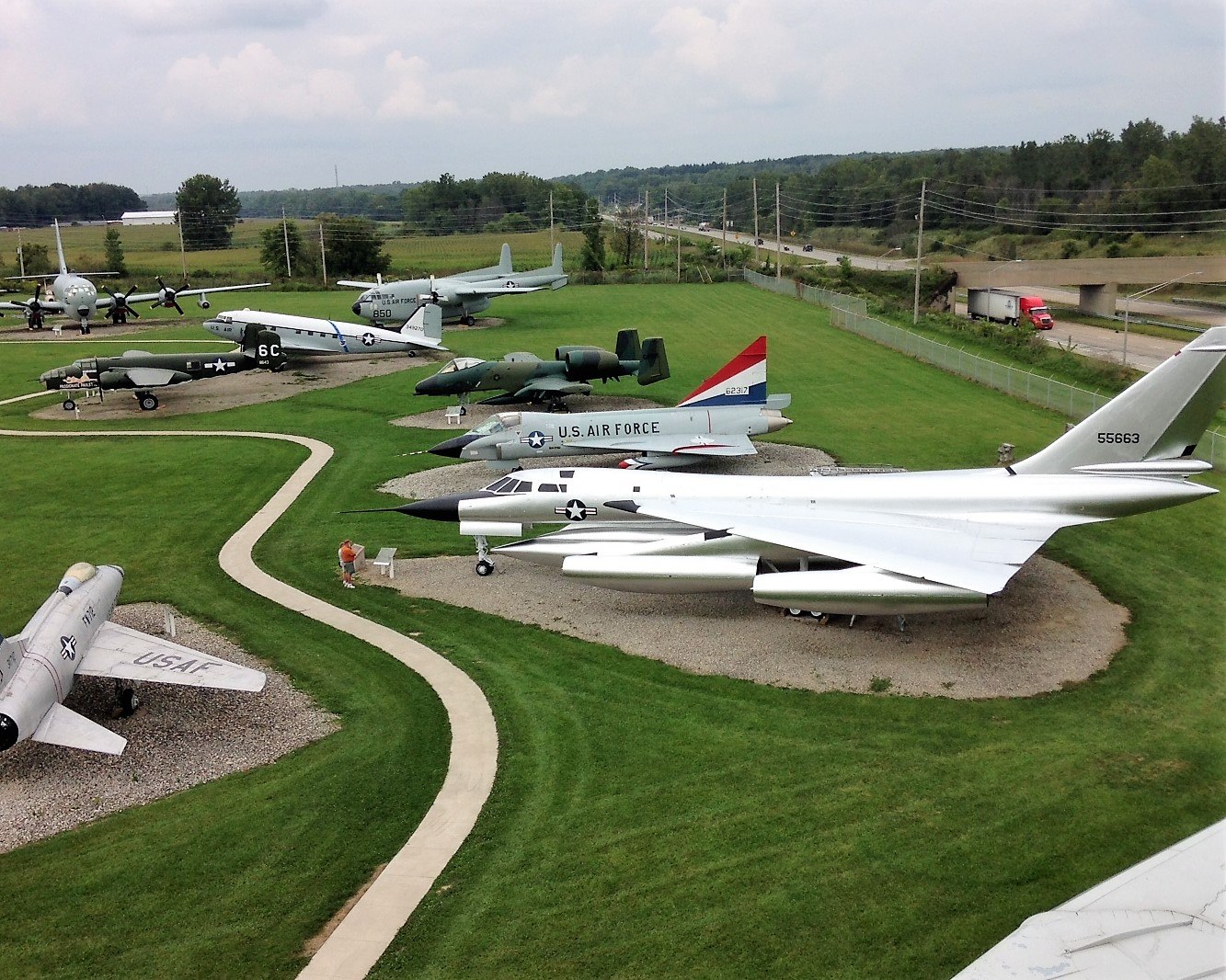
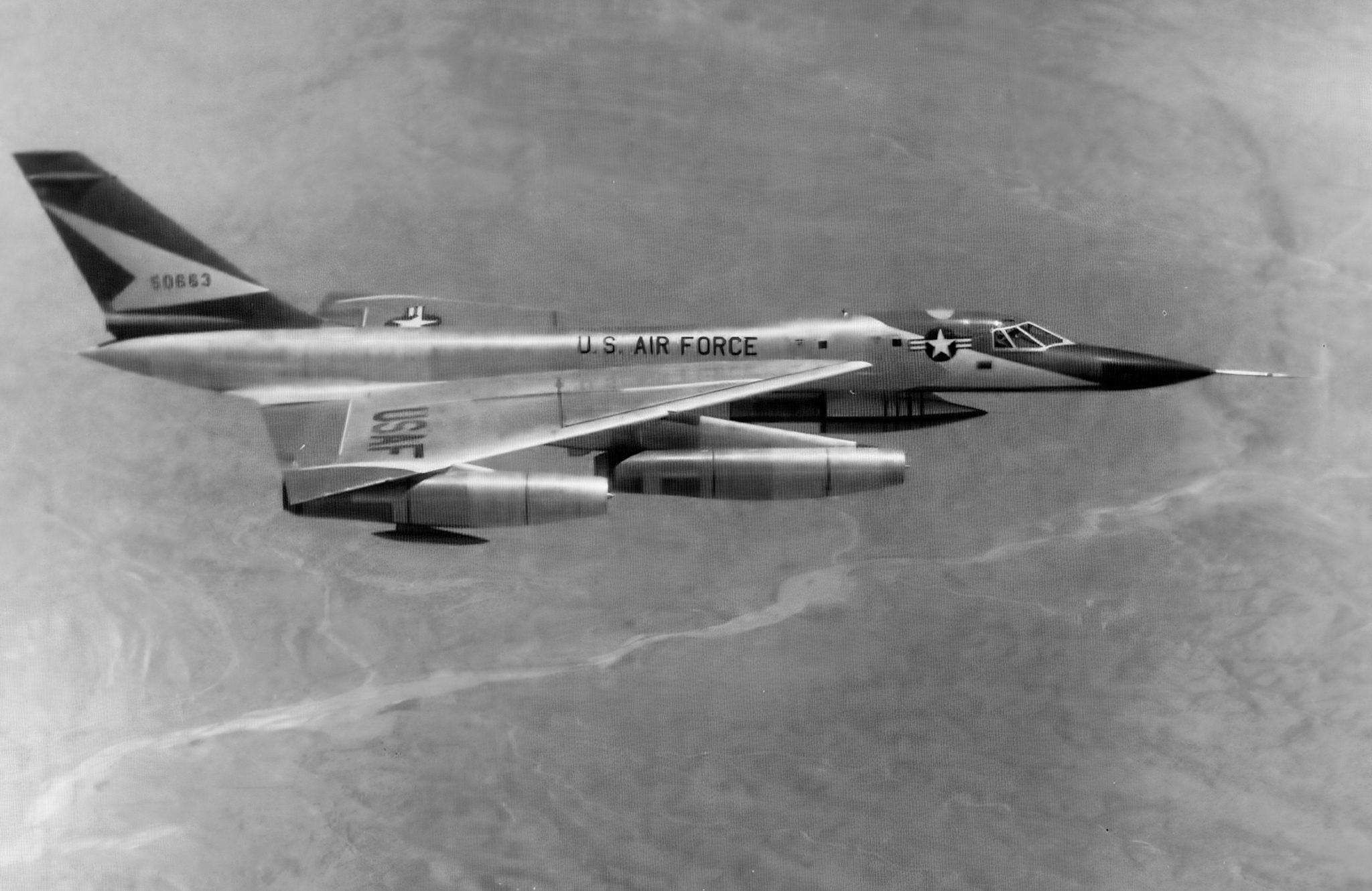
Among the delta wing aircraft developed by the Convair Division of General Dynamics during the mid-1950s, the Convair B-58 Hustler was the first American supersonic bomber to enter operational service. With its large delta wing, four General Electric J79 engines, and large external pod for carrying both nuclear bombs and fuel, the Hustler was developed to fulfill the need for a high-altitude, high-speed bomber capable of flying long distances from the United States to the Soviet Union and back. Over the course of its ten-year service life from 1960 to 1970, the Convair B-58 Hustler was operated by two wings of the U.S. Air Force’s Strategic Air Command (SAC); the 43rd Bombardment Wing, based at Carswell Air Force Base (now Naval Air Station Joint Reserve Base Fort Worth), near Fort Worth, Texas, from 1960 to 1964, and from Little Rock AFB, Arkansas, from 1964 to 1970; and the 305th Bombardment Wing, based at Grissom Air Force Base (known as Bunker Hill Air Force Base until 1968) near Bunker Hill, Indiana, from 1961 to 1970. The B-58 Hustler displayed at the Grissom Air Museum is the oldest of the eight surviving Convair B-58 Hustlers across the United States and is mentioned in our article about all eight surviving Convair B-58 Hustlers (see this article HERE). Built in Fort Worth, Texas, as construction number 4, this aircraft was accepted into the USAF as serial number 55-0663 and was only the second of the 11 YB-58 pre-production prototypes of the Hustler built. Following its first flight on August 12, 1957, 55-0663 was assigned to the 6592nd Test Squadron at Carswell AFB, where it became the first B-58 to drop its pod at supersonic speeds on September 20, 1957, then the first B-58 to drop its external pod while flying at Mach 2 on December 30, 1957. The aircraft was also used for testing reconnaissance equipment and loaned to NASA for flight data research on the development of a Supersonic Transport (SST) project.
In 1963, the aircraft was converted into a TB-58A trainer to instruct new pilots in operating the B-58 Hustler and was assigned to the 305th Bombardment Wing (BW) at Bunker Hill (later Grissom) AFB, along with active B-58A bombers going out on routine flight operations. In January 1969, TB-58A Hustler 55-0663 was damaged when an oxygen leak combined with an electrical spark resulted in a cockpit fire. While there were no injuries reported in this incident, the aircraft was permanently grounded, especially since all B-58 Hustlers were scheduled for retirement by 1970. Rather than scrapping the aircraft, 55-0663 was placed on display as a gate guardian, along with several other retired aircraft on base that were later incorporated into the Grissom Air Museum. Like many historic aircraft displays at USAF installations, the aircraft are officially on long-term loan from the National Museum of the United States Air Force at Wright-Patterson Air Force Base, Dayton, Ohio.
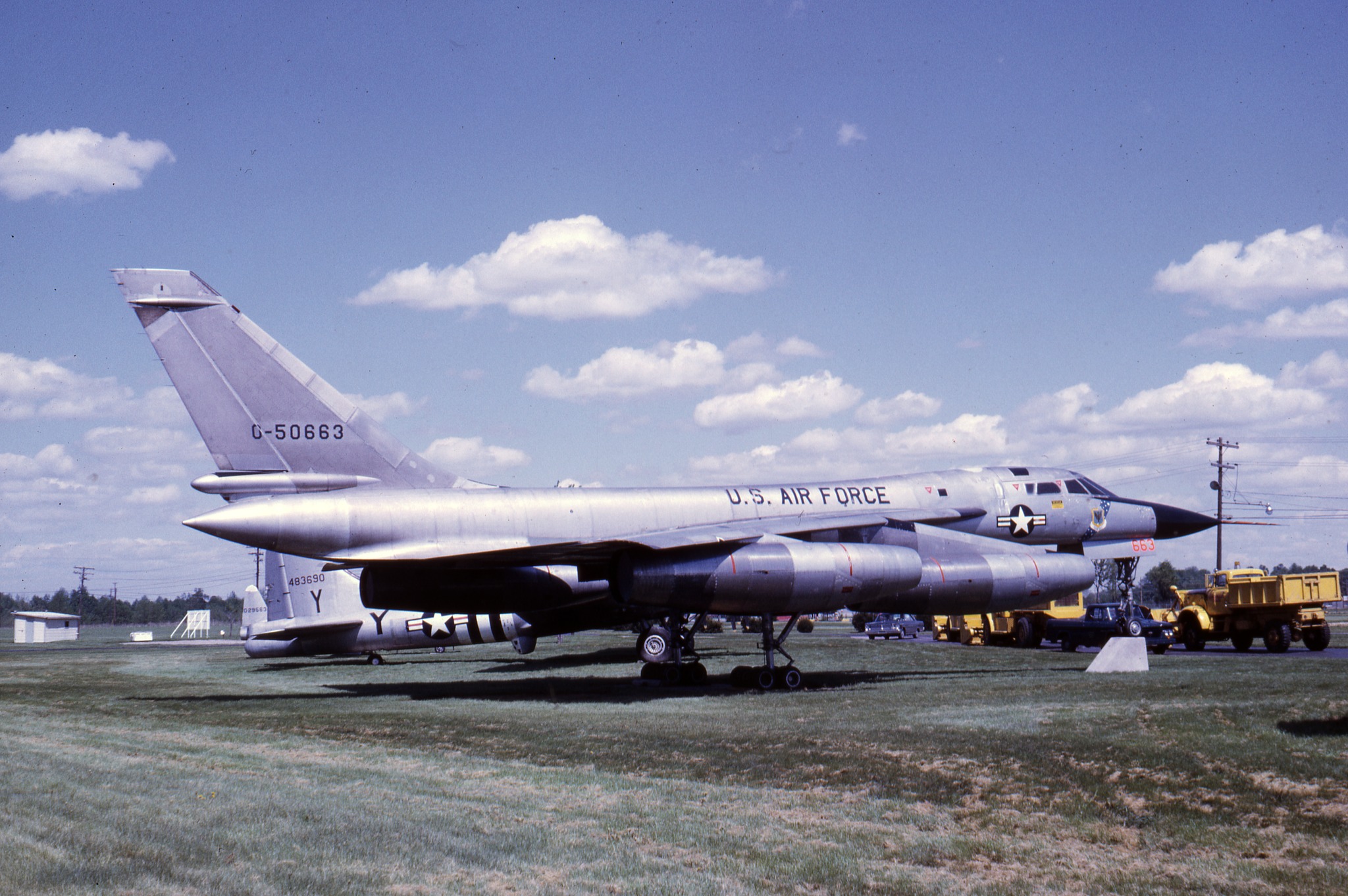
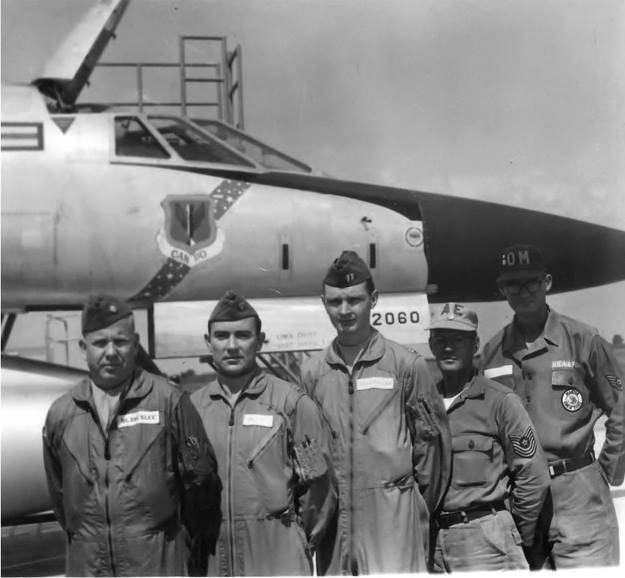
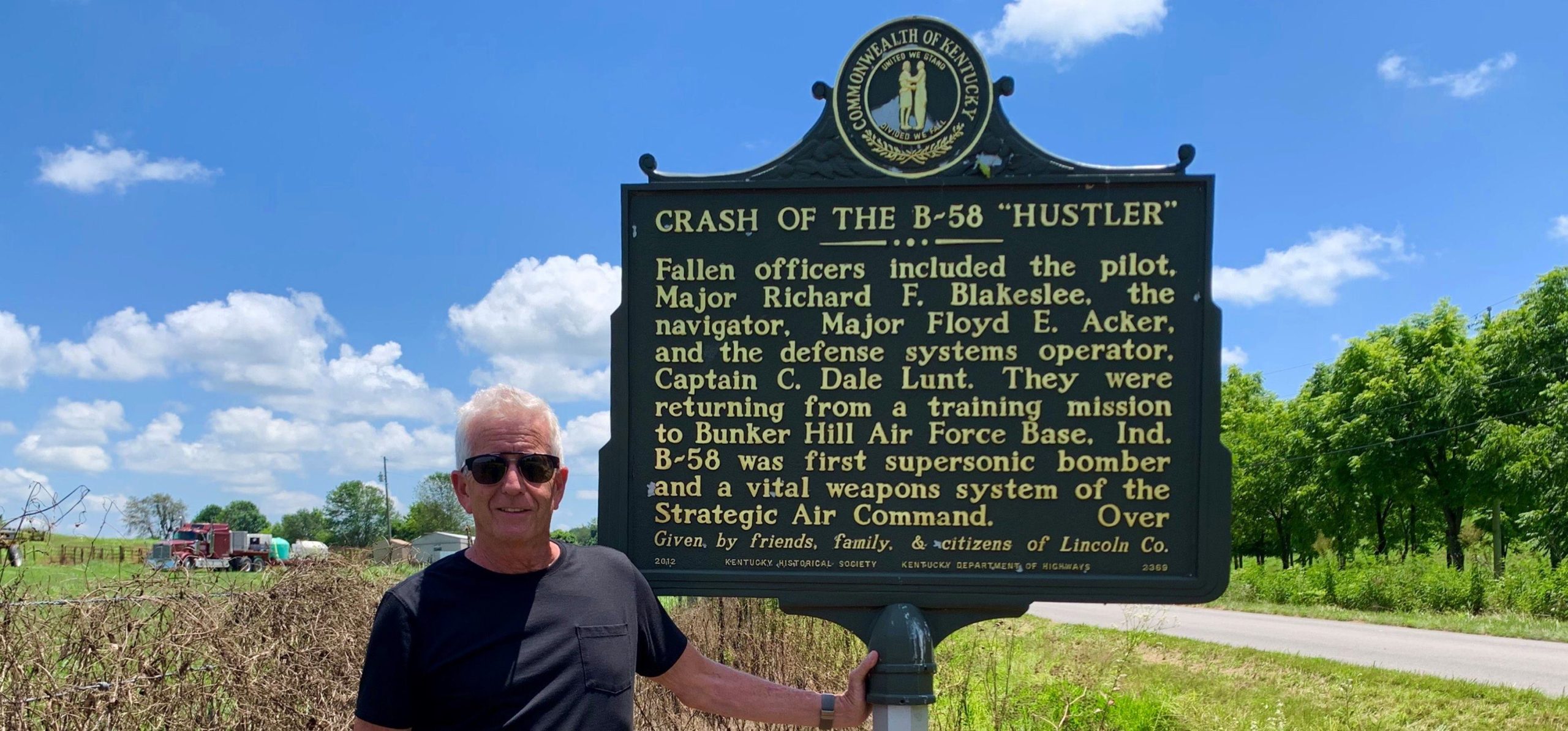
To this day, the B-58 Hustler remains one of the most popular attractions at the Grissom Air Museum, but the Midwest climate has taken a toll on the aircraft, which has stood outdoors throughout the seasons for nearly 50 years at this point. Despite the dedication of museum volunteers, it was soon realized that the best thing for the aircraft would be to build an indoor facility for it to reside in. Part of the impetus for this project to get the Hustler indoors has come from long-time supporter Rob Blakeslee. As an “Air Force brat”, Blakeslee grew up on and around Bunker Hill AFB since his father, Major Richard “Dick” Blakeslee, served as a B-58 Hustler pilot with the 305th BW at Bunker Hill starting in 1961. However, on December 12, 1966, tragedy struck when Major Blakesee, along with navigator/bombardier Major Floyd E. Acker and defensive systems operator (DSO) Captain Clarence D. Lunt, were killed when their B-58 Hustler, 60-1119 Pink Panther/City of Kokomo, crashed during low-level maneuvers during a simulated bombing run near McKinney, Kentucky. For Rob Blakeslee, the loss of his father also represented a sudden move from Bunker Hill AFB to Florida, but he would later serve in the U.S. Marine Corps and become an architect and industrial designer. Additionally, Blakeslee serves as President of the B-58 Hustler Association, a group dedicated to those who flew and maintained the Hustler during its operational service with the USAF.
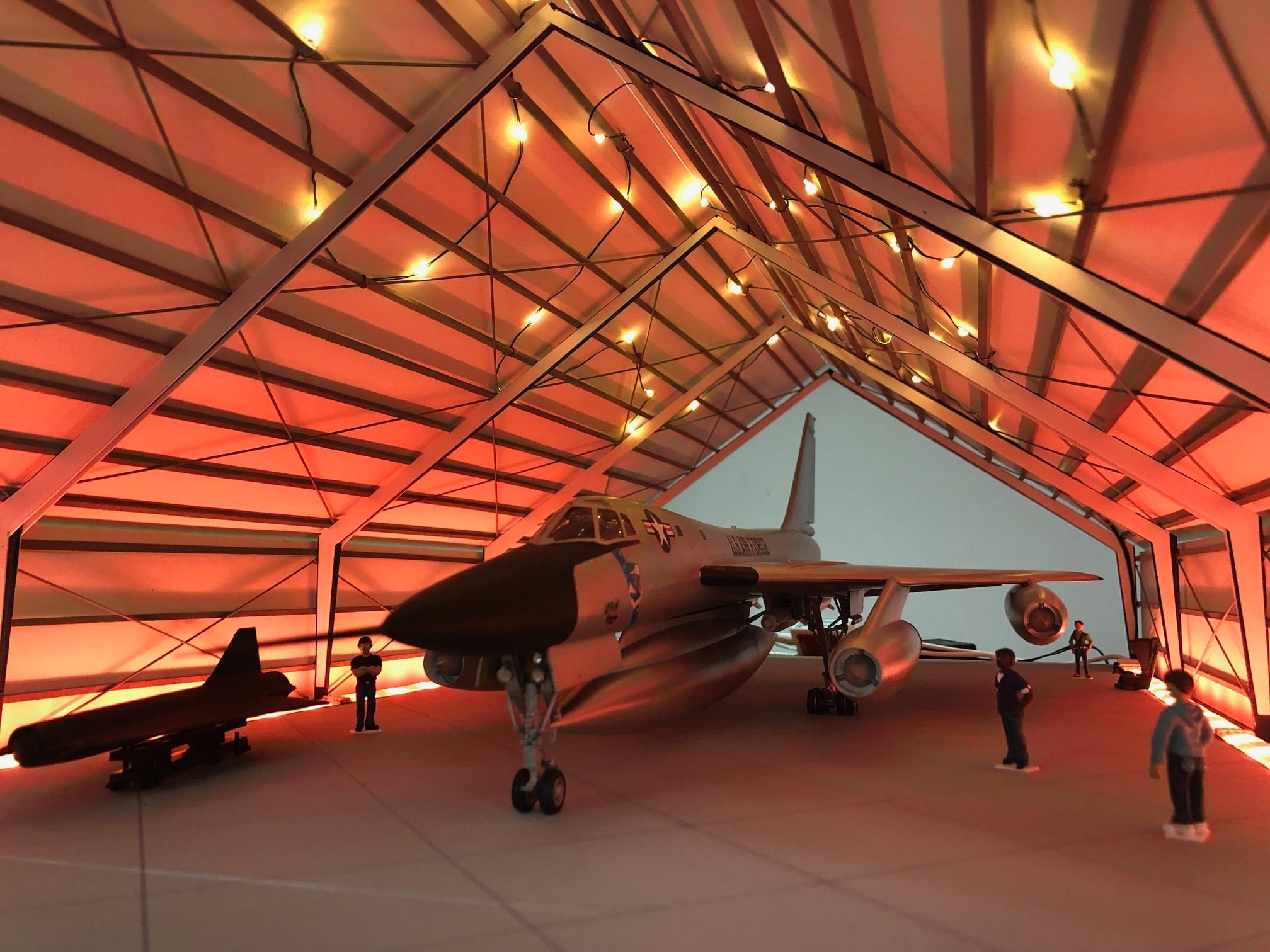
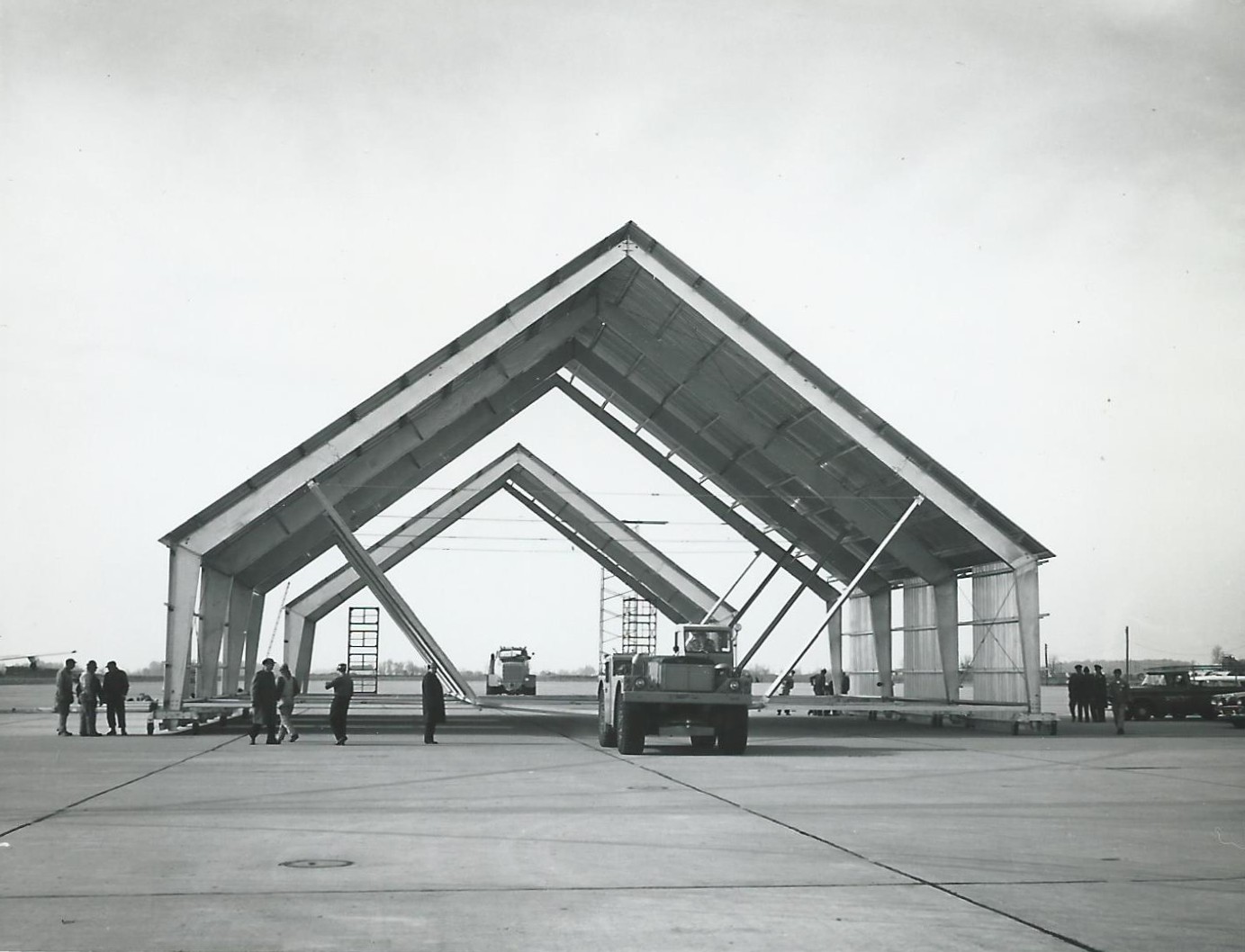
During a 2017 reunion for B-58 veterans organized by the B-58 Hustler Association and held at the Grissom Air Museum, Blakesee learned of the museum’s efforts to restore the exterior of TB-58A 55-0663 when he proposed putting his architectural experience to use in order to build a structure to house the Grissom Air Museum’s Hustler, and Blakesee had the perfect shape in mind for the proposal. While on alert for flight training exercises to prepare for a nuclear strike mission, Convair B-58 Hustlers were kept outdoors in order to begin their takeoff rolls at a moment’s notice. In order to protect the aircraft from the elements while on ground alert, the Air Force used portable shelters that came to be known as Hustler Huts (sometimes nicknamed “Chapels” as well). These would house a single B-58 on alert and were widely used at all three air force bases from which the Hustlers would deploy (Carswell, Little Rock, and Bunker Hill/Grissom). While a typical Hustler Hut would have two open ends, this exhibition building will have a wall of glass panels on the south end of the building.
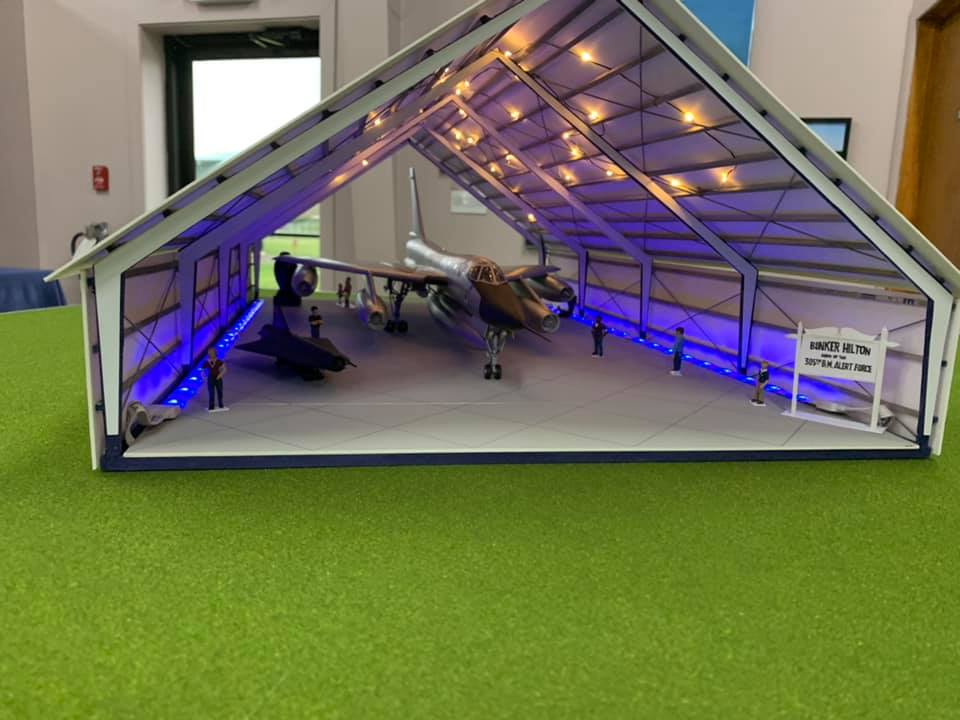

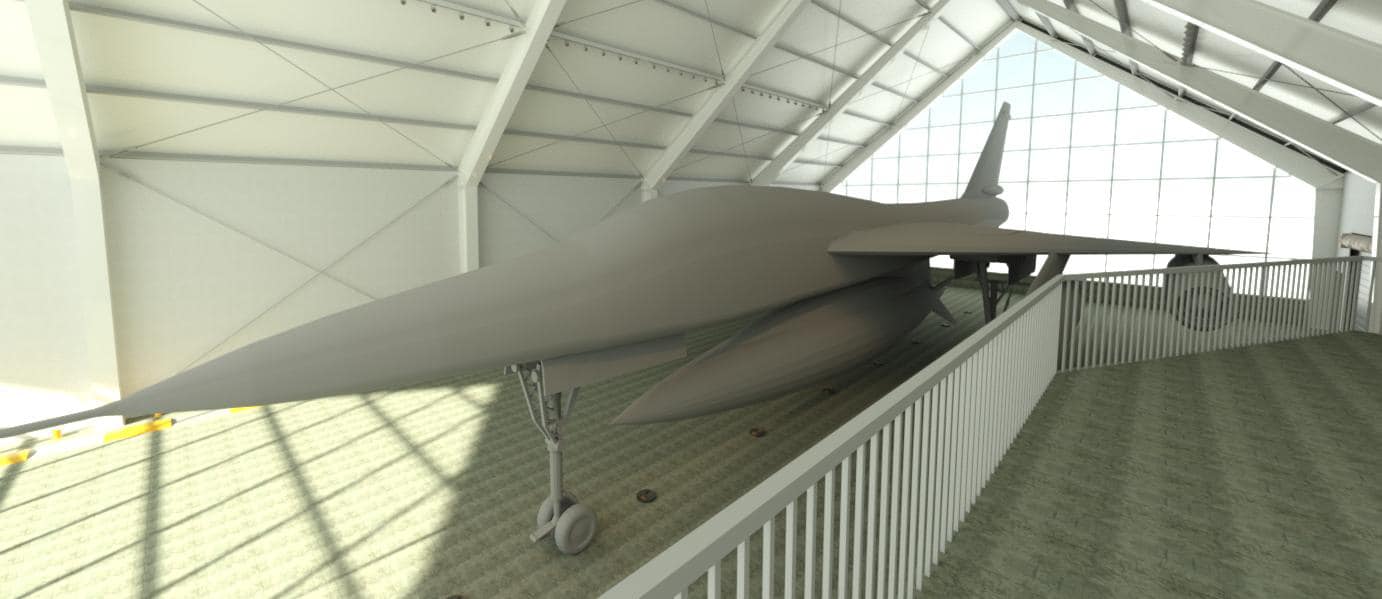
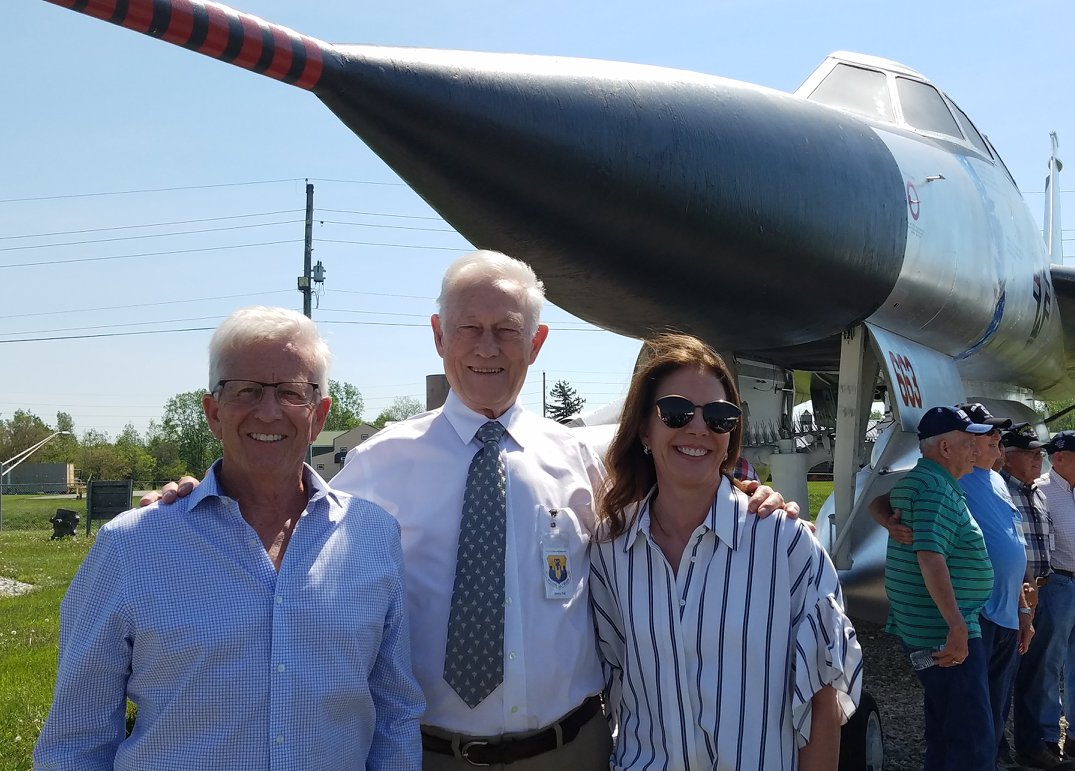
The museum board would approve of this plan and began a campaign of collecting donations to fund the project. Among those who offered one of the largest donations were Shamaine Pleczko and her husband, Rick. Like Blakesee, Pleczko has her own deeply personal connection to Bunker Hill/Grissom AFB and the B-58 Hustler. Not only was she born on base, but her father, Captain Manuel “Rocky” Cervantes, served as a navigator/bombardier on B-58 Hustlers with the 305th Bombardment Wing. Sadly, though, this connection is also marked by tragedy. On December 8, 1964, the Strategic Air Command (SAC) called for an Operational Readiness Inspection (ORI) of the 305th Bomb Wing to test its readiness to respond in the event of a nuclear attack on the United States. That day presented blizzard conditions at Bunker Hill AFB, but the B-58 bombers were expected to partake in a Minimal Interval Takeoff (MITO) as part of a simulated attack on the base, with the goal of having aircraft in the air within 15 minutes.
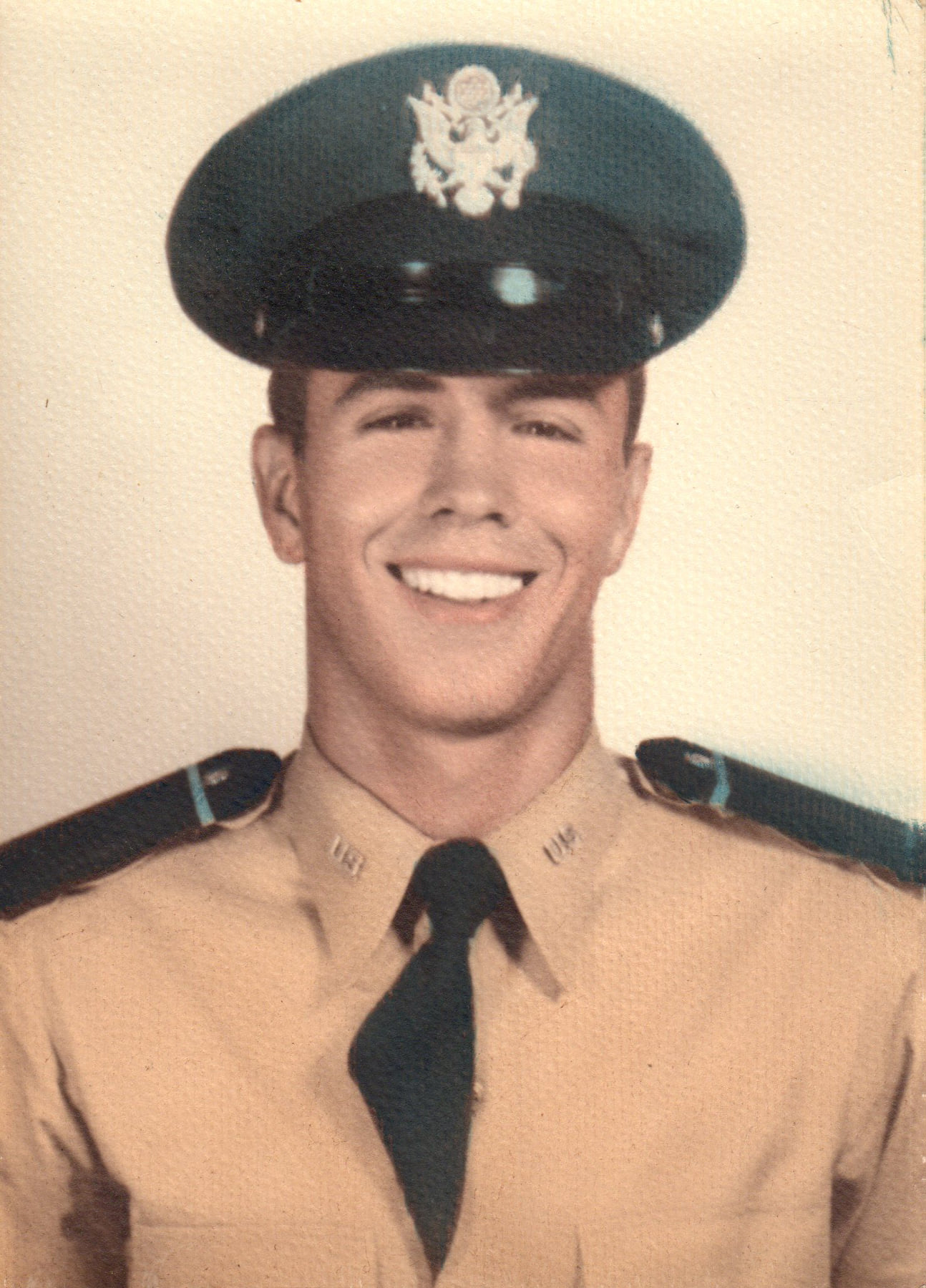
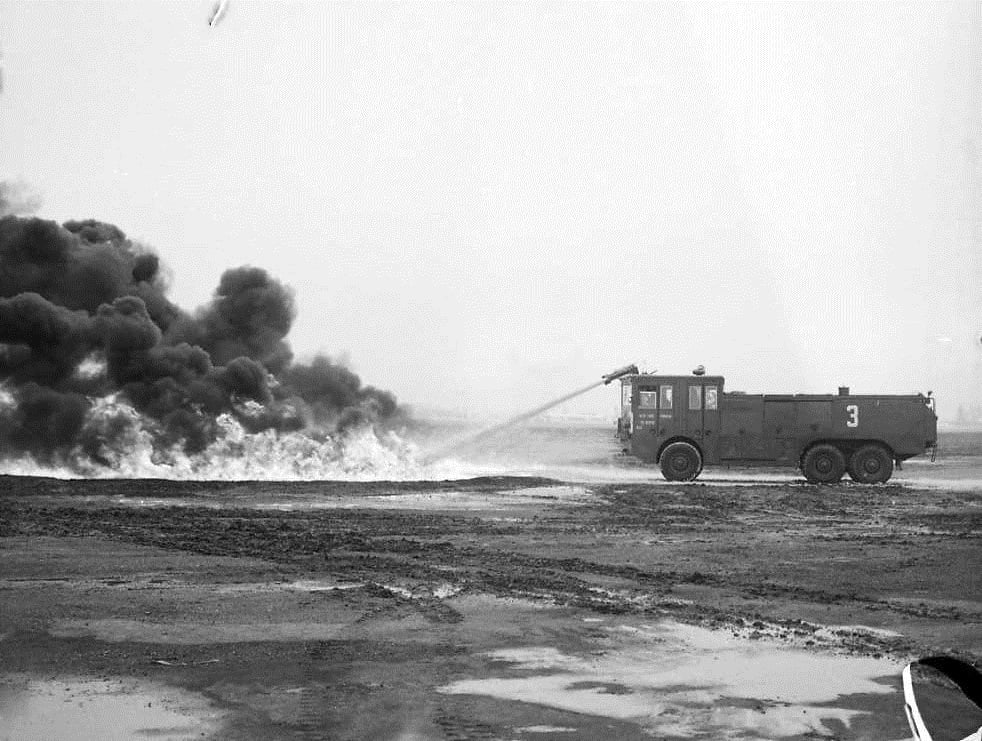
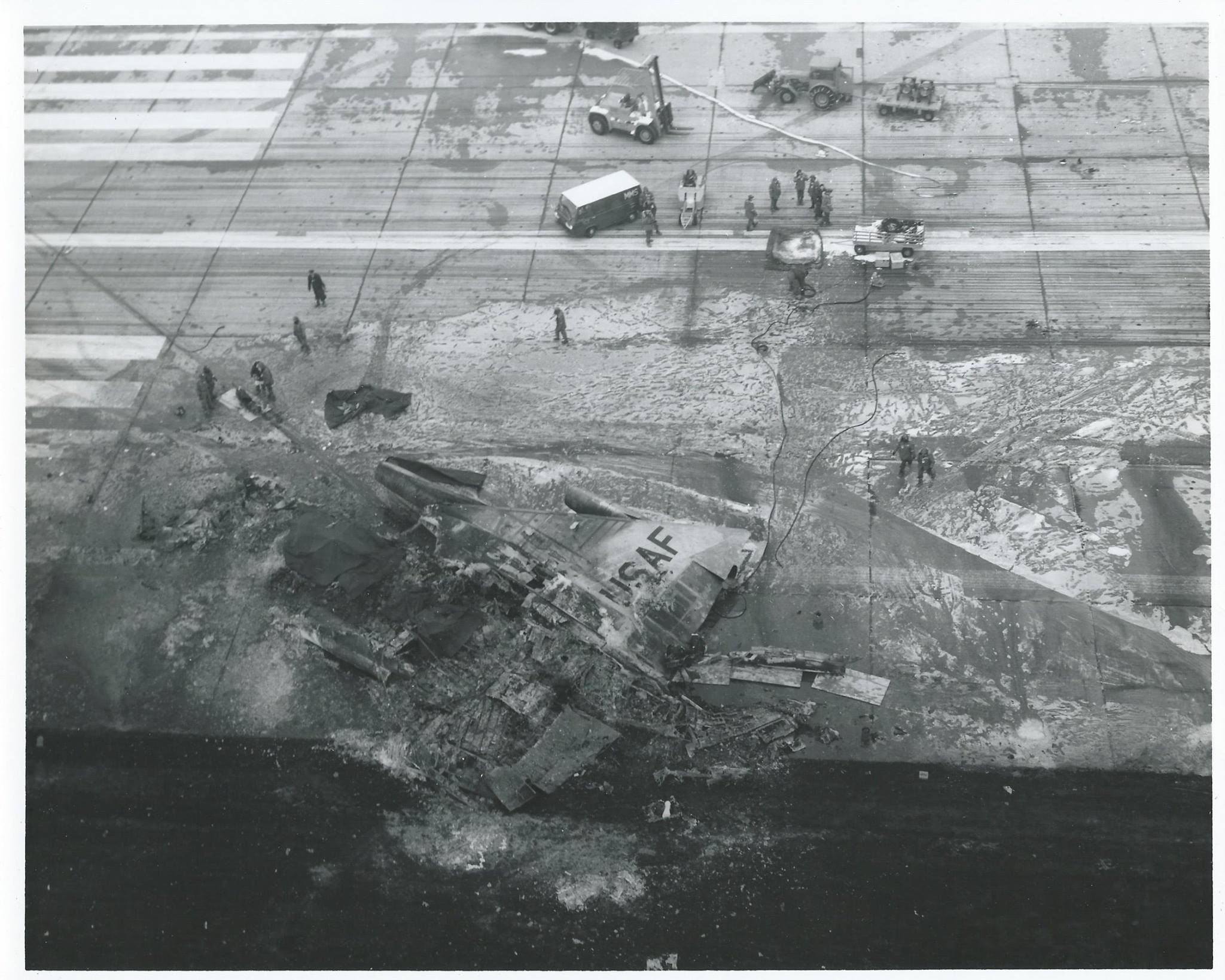
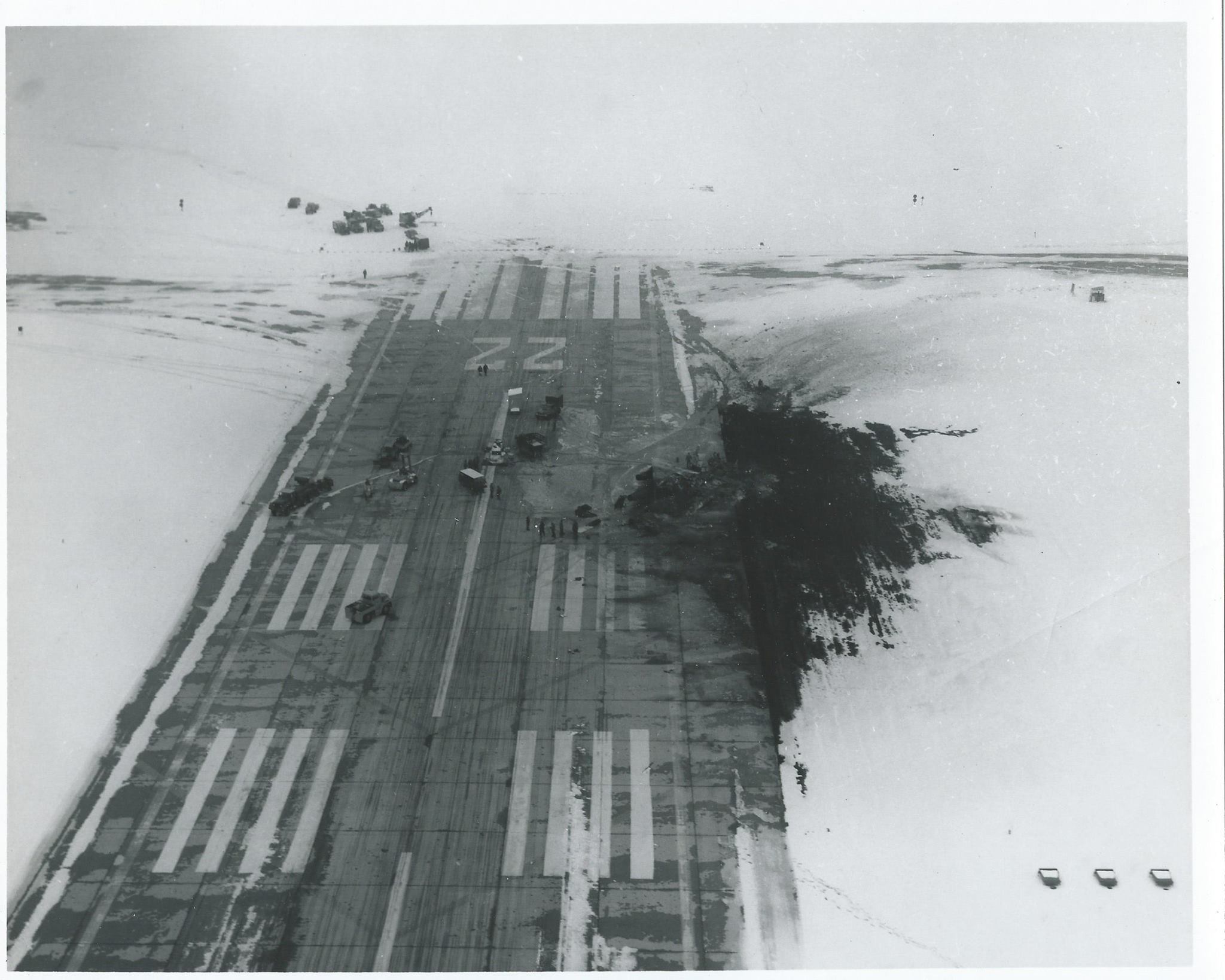
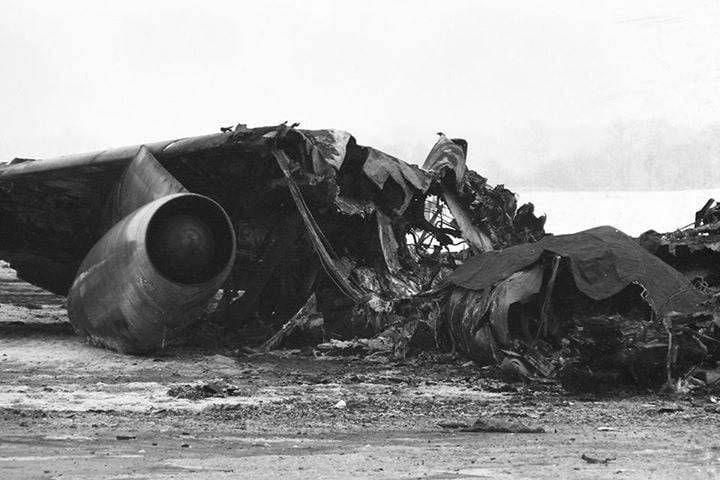
Upon running to their B-58, 60-1116, Captain Leary J. Johnson (pilot), Captain Manuel Cervantes Jr. (nav/bombardier), and Captain Roger L. Hall (Defensive Systems Operator) lowered the overhead hatches, the crew chiefs pushed away the boarding stairs, and Captain Johnson released the brakes and taxied out at the end of a line of B-58s taking off eight seconds apart from one another. By the time 60-1116 was about to line up onto the runway, ice built up on the surface, and as 60-1116 was taxiing onto the runway, the jet blast from the preceding B-58 taking off caused a loss of control in the aircraft, whose left main landing gear leg slid off the left side of the runway while the aircraft was at advanced power, and the landing gear rolled over a taxiway light fixture, then grazed the left edge of a concrete light base before hitting a concrete electrical manhole box. The left landing gear collapsed, and the aircraft, armed with four B43 thermonuclear bombs and one B53 thermonuclear bomb, caught fire. Captain Leary Johnson ordered his crew to abandon the aircraft, and all three overhead hatches opened. As the flames engulfed the left wing, Johnson climbed out of the cockpit and crawled over the windscreen and the nose before jumping into the snow, while Captain Hall climbed onto the right wing and jumped into a snow drift, dislocating his shoulder. But since the navigator’s cockpit was ahead of the wings and was quickly surrounded by flames fed by the large external fuel pod, Cervantes had nowhere to go. Thinking fast, he closed the canopy and activated the ejection sequence for the escape capsule installed for high-speed, high-altitude ejection from the B-58. However, the capsule’s parachute did not have enough time to slow the capsule’s rate of descent, and Captain Cervantes was killed. Within moments, firefighters raced to the scene to douse the flames, while specialists worked to recover the nuclear bombs from escalating the situation. While the nuclear bombs onboard the B-58 did not create a nuclear explosion, the conventional explosives had detonated, causing radioactive contamination. The aircraft burned for two hours, and one of the secondaries for one of the nuclear weapons caught fire the next day, requiring the bombs to be buried in sand to smother the fire. Eventually, the five nuclear bombs were shipped to nuclear disposal sites in Texas and Tennessee, while the charred wreckage of the B-58 was buried in a field along the south side of the runway, where it remained undisturbed for 36 years, and a stand of trees grew within and around the chain-link fence placed on the site until the land was dug up by state environmental officials to decontaminate the soil following the reclassification of Grissom Air Force Base to an Air Reserve Base, and the sale of some of the base’s property, including the B-58 burial site.
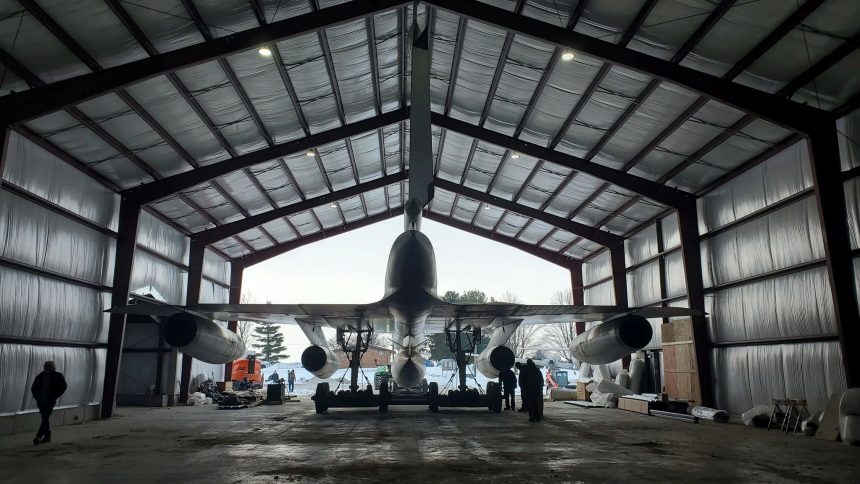
Shamaine Cervantes Pleczko was just six months old when her father was killed, but now she is honoring her father with the funding of the new structure for the Grissom Air Museum’s B-58 Hustler. In memory of Captain Manuel “Rocky” Cervantes, the Grissom Air Museum will be dedicating the new exhibit building as the Captain Manuel Cervantes Building. With funding secured for the building, construction began in November 2025 by pouring concrete for the foundation, representing the largest expansion of the museum since the construction of its indoor exhibit space/gift shop in 1992. Work on the Cervantes Building progressed quickly in spite of winter weather that shut down the museum to visitors in late January, with the building’s framework being erected by the week of January 7, 2026, and the panels the walls and roof were installed at the end of January. On February 2, TB-58A Huster 55-0663 was carefully towed across the museum’s property and placed tail first into the new Cervantes Building. This represents the first time the airplane has been indoors since it was retired from the Air Force, and it is now one of only three of the eight surviving B-58s displayed indoors.
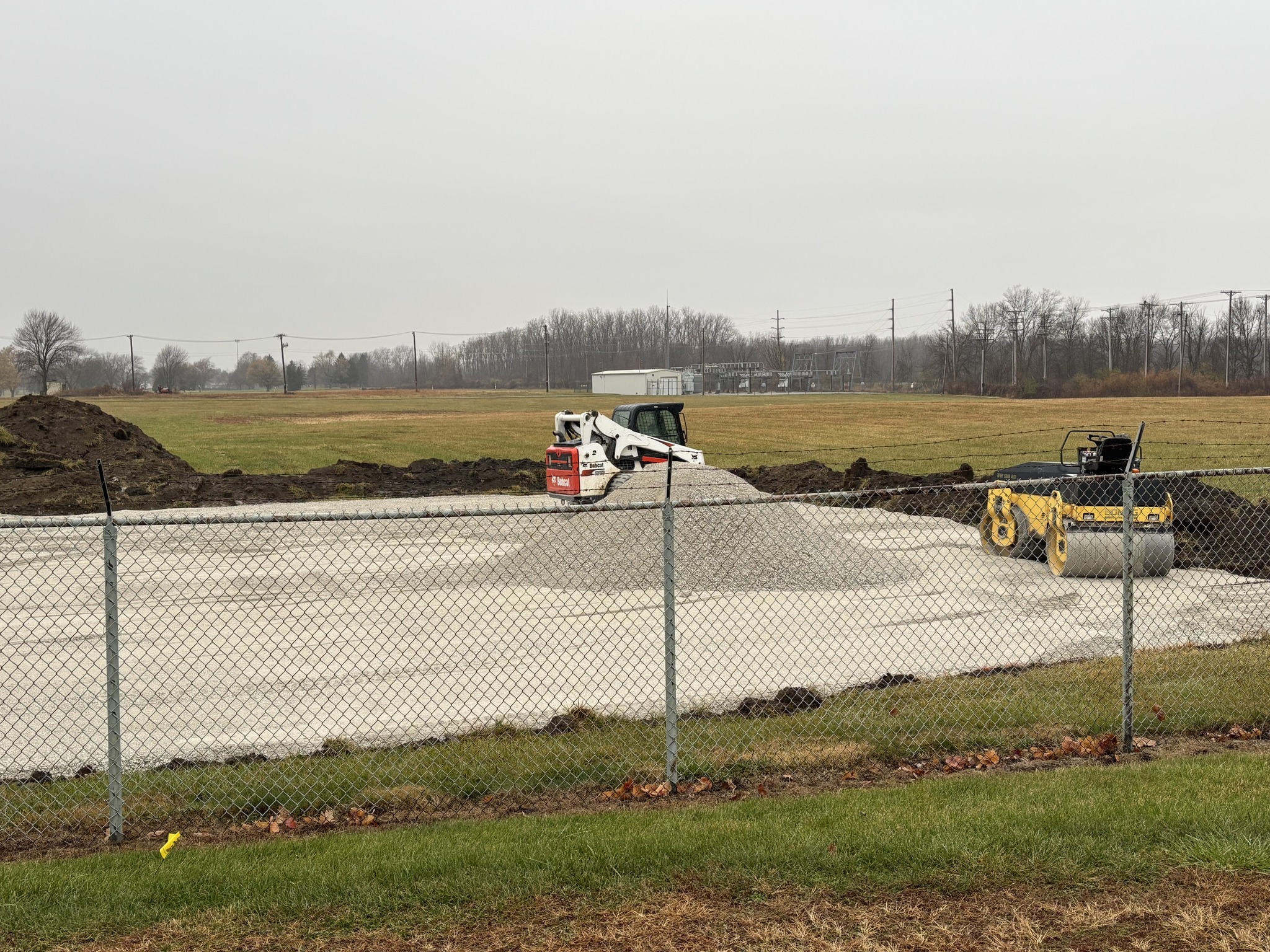
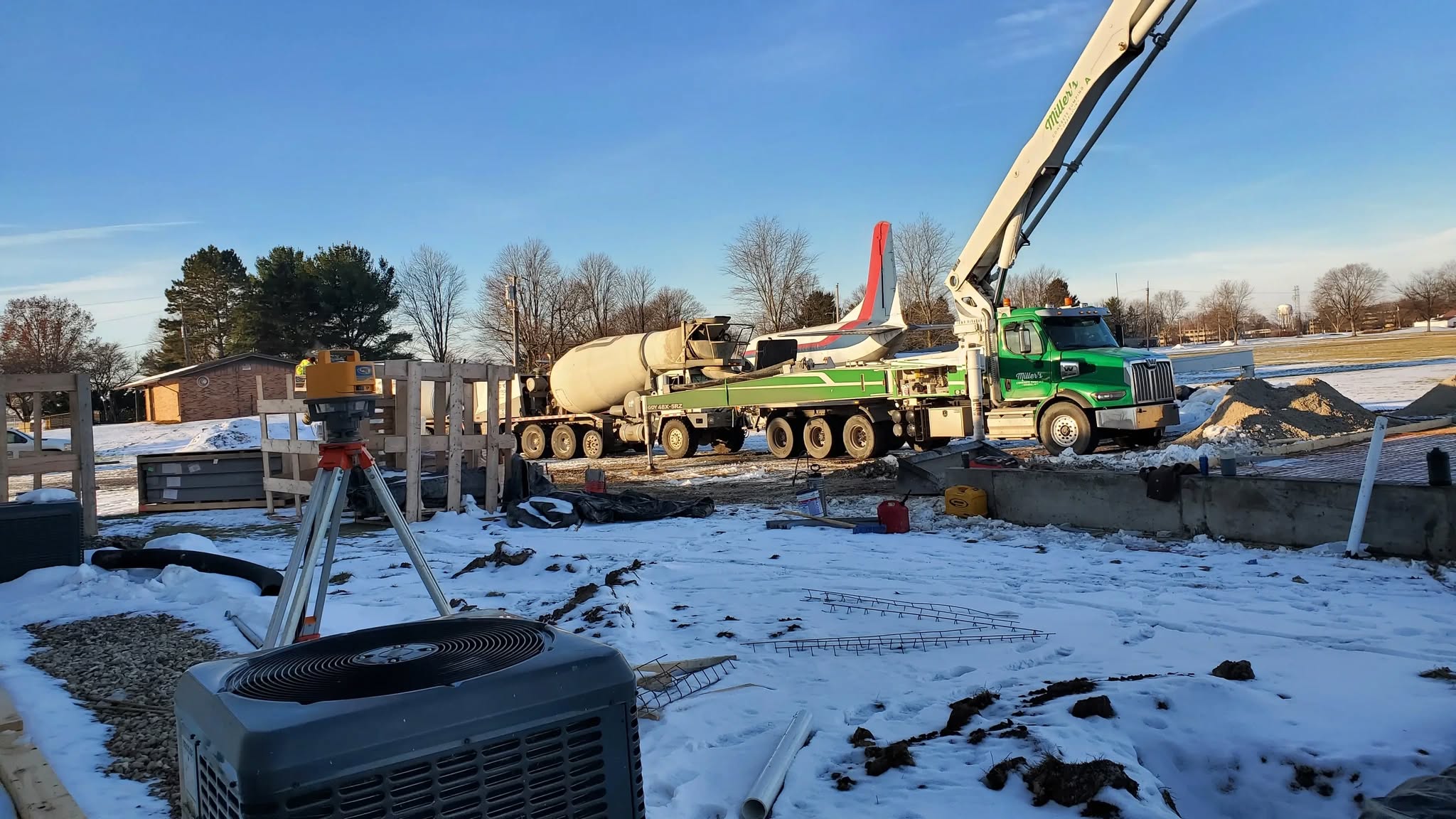
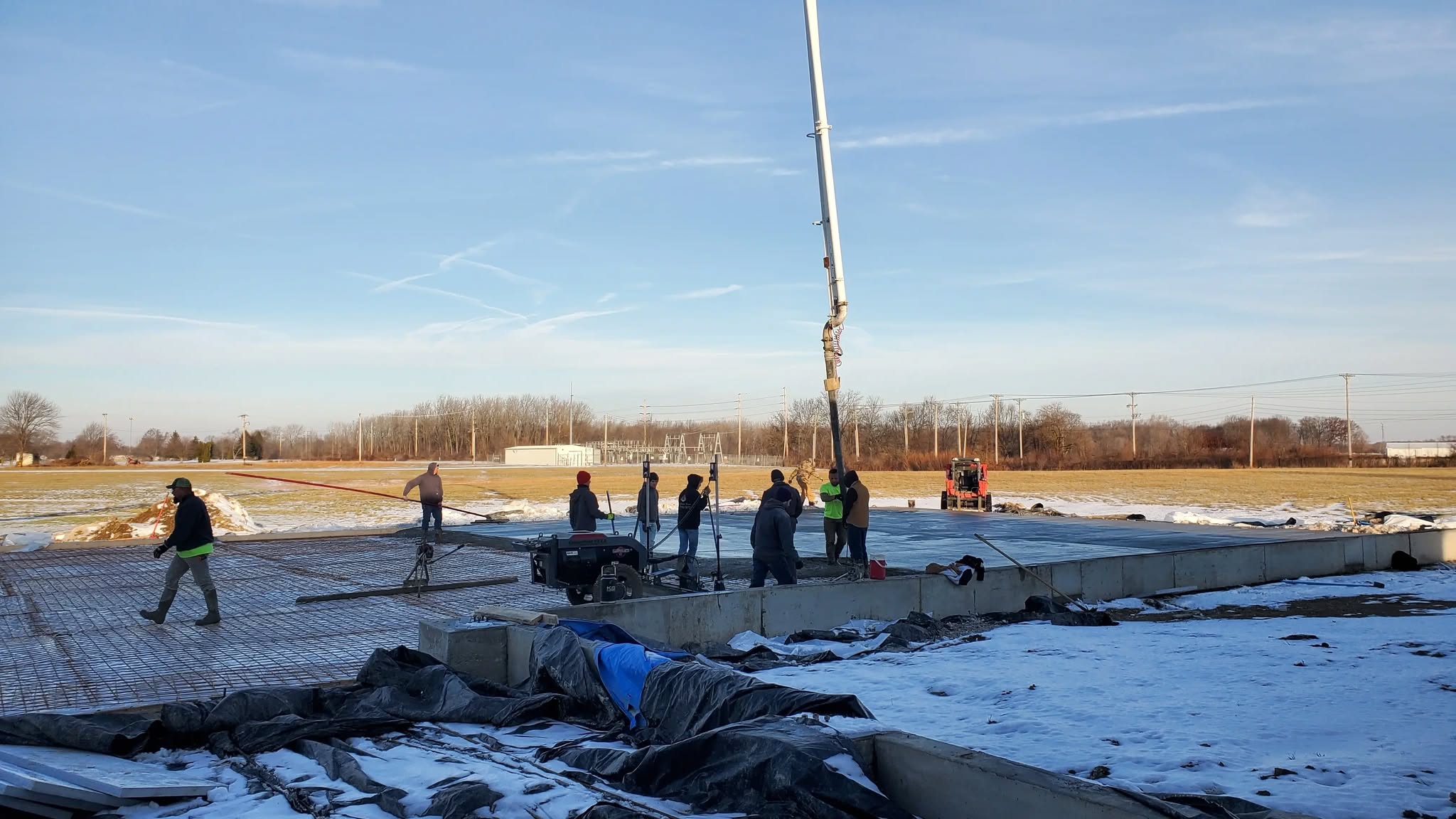
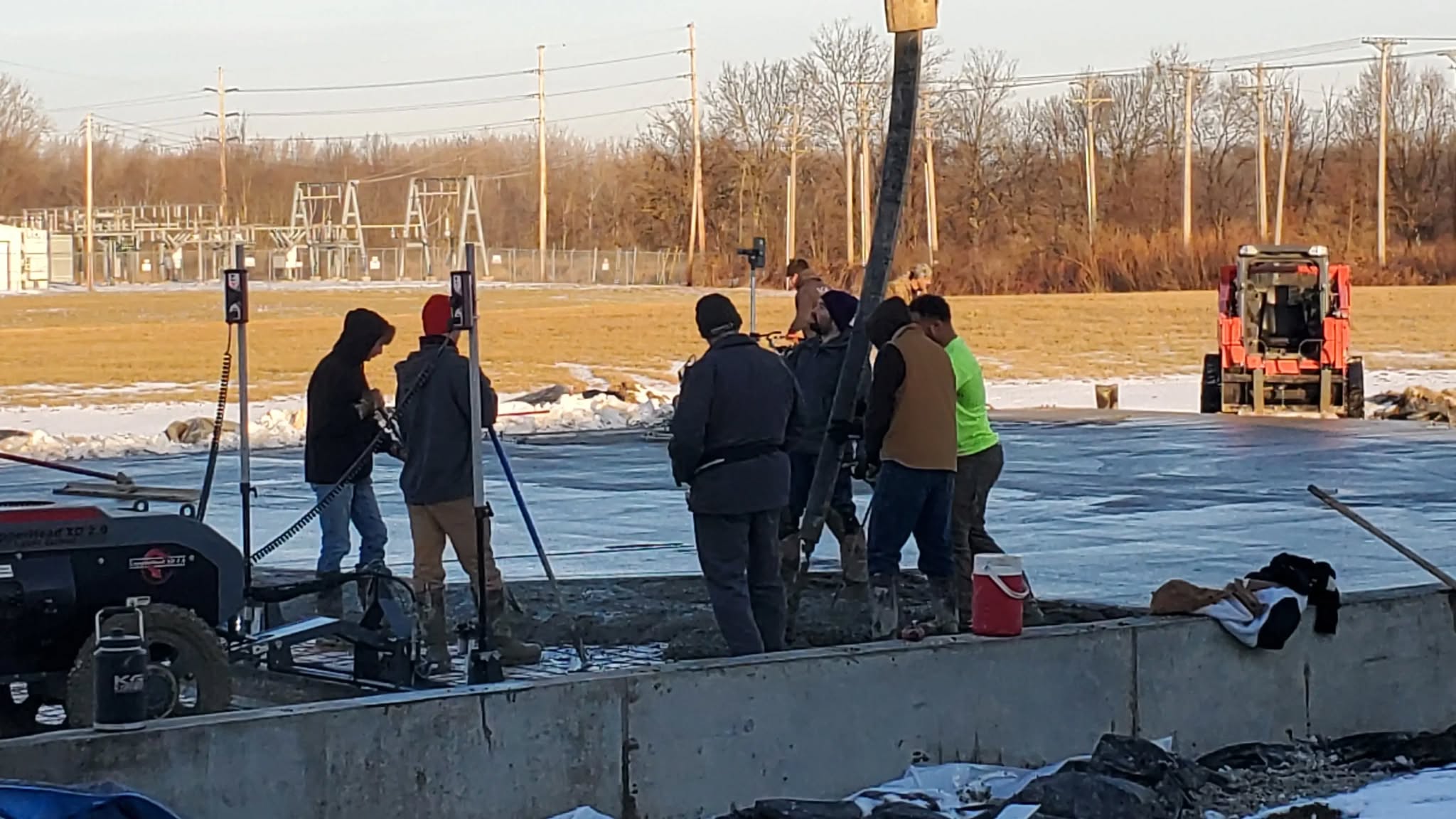
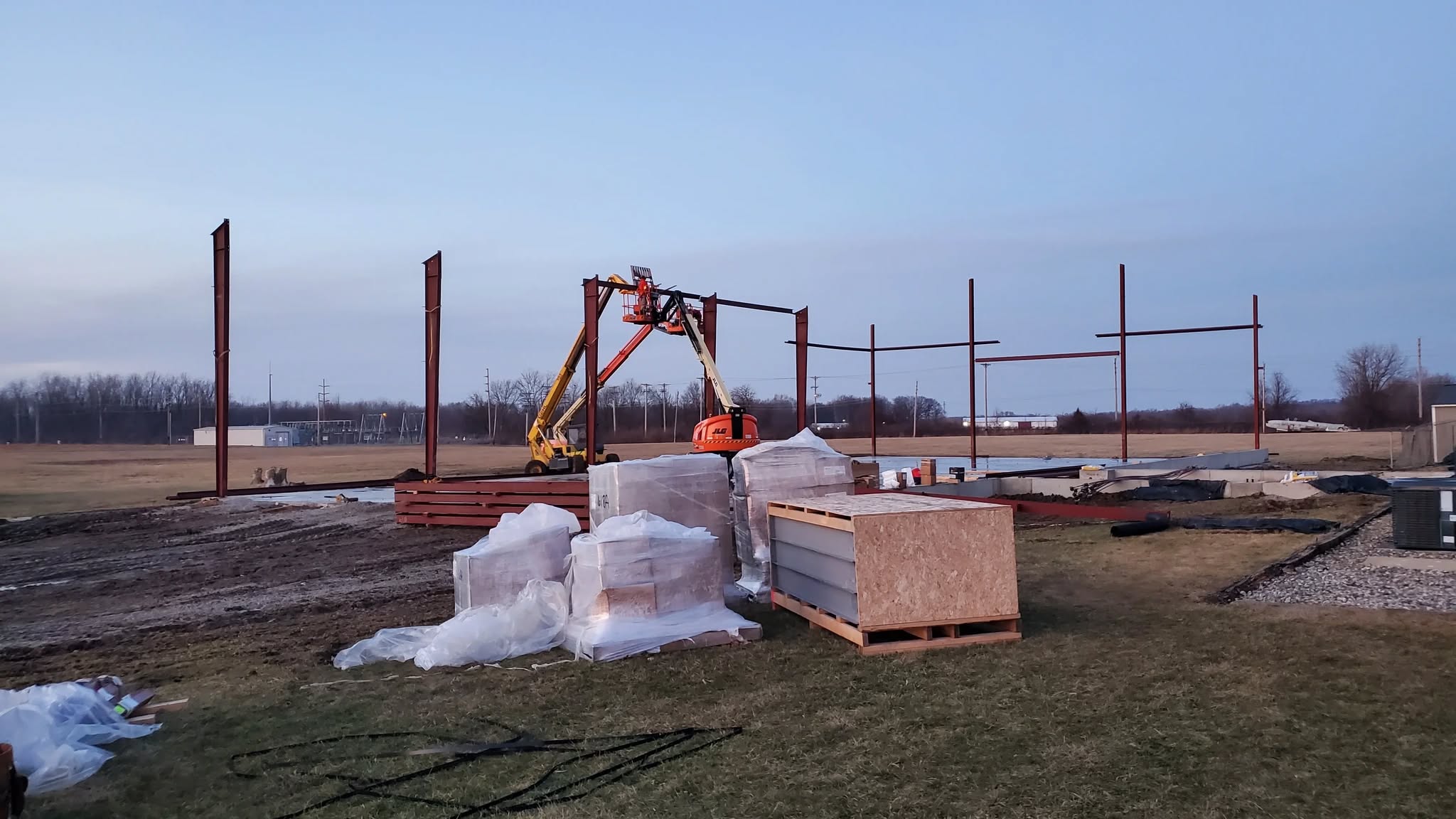
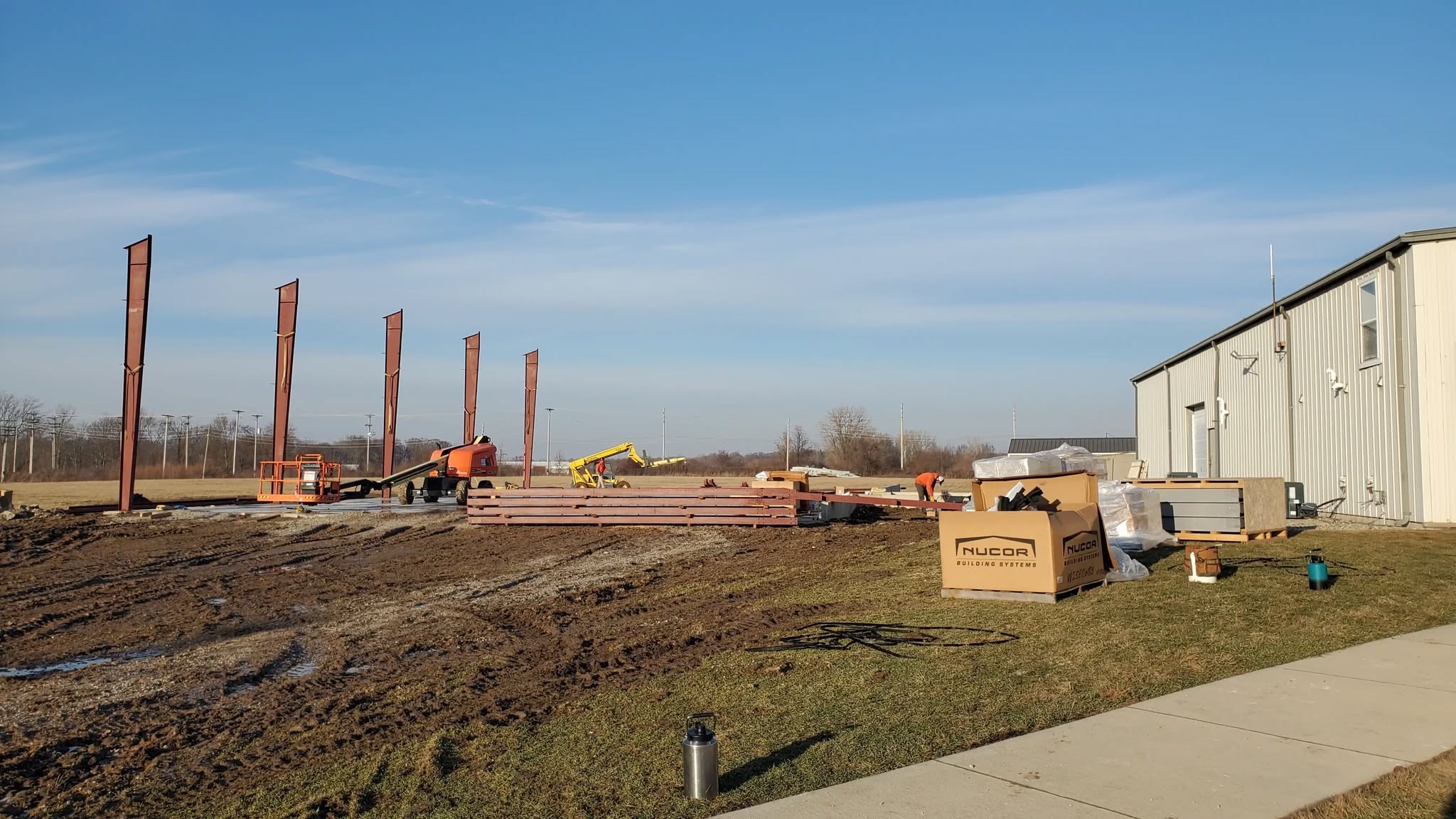
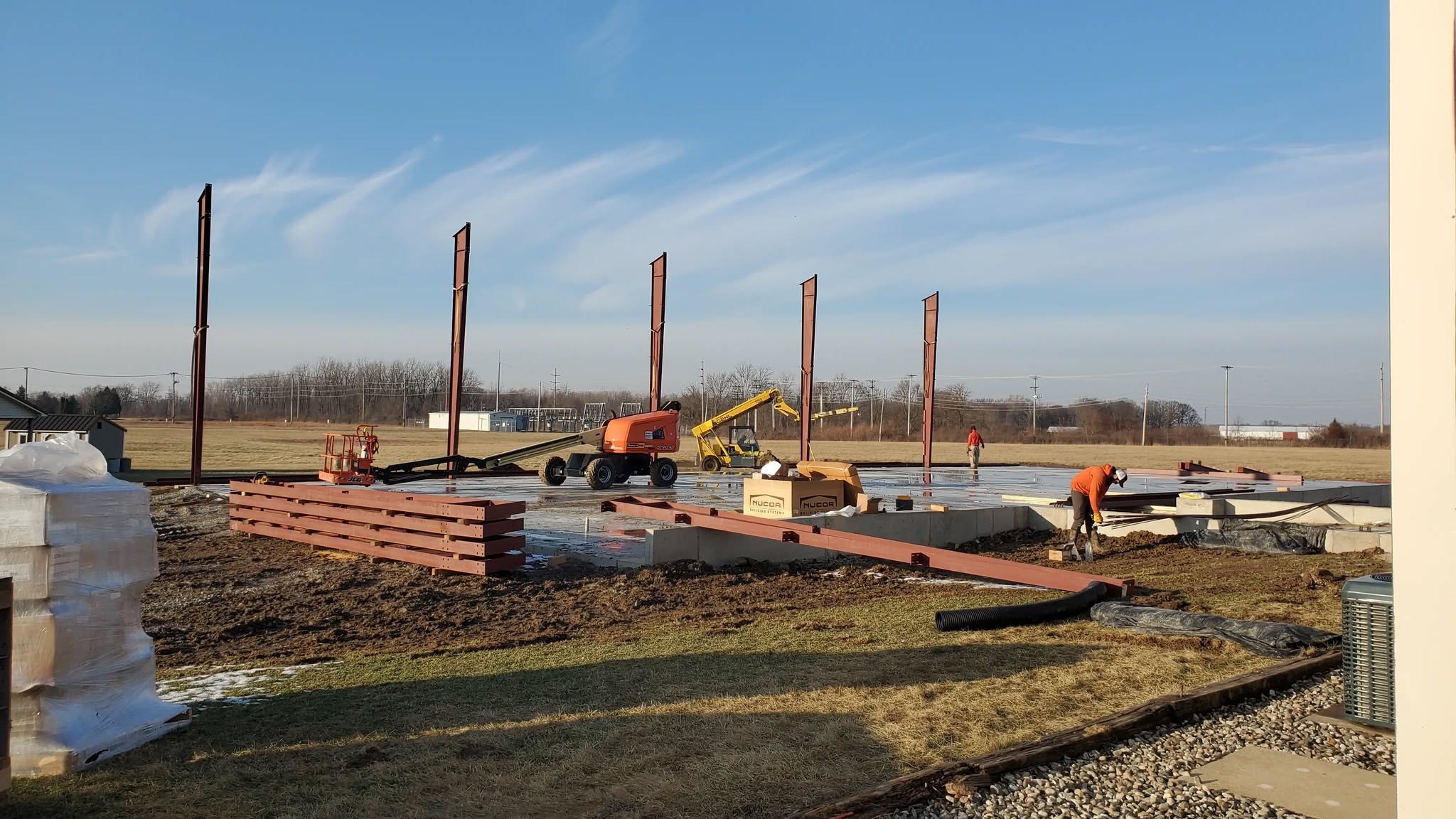
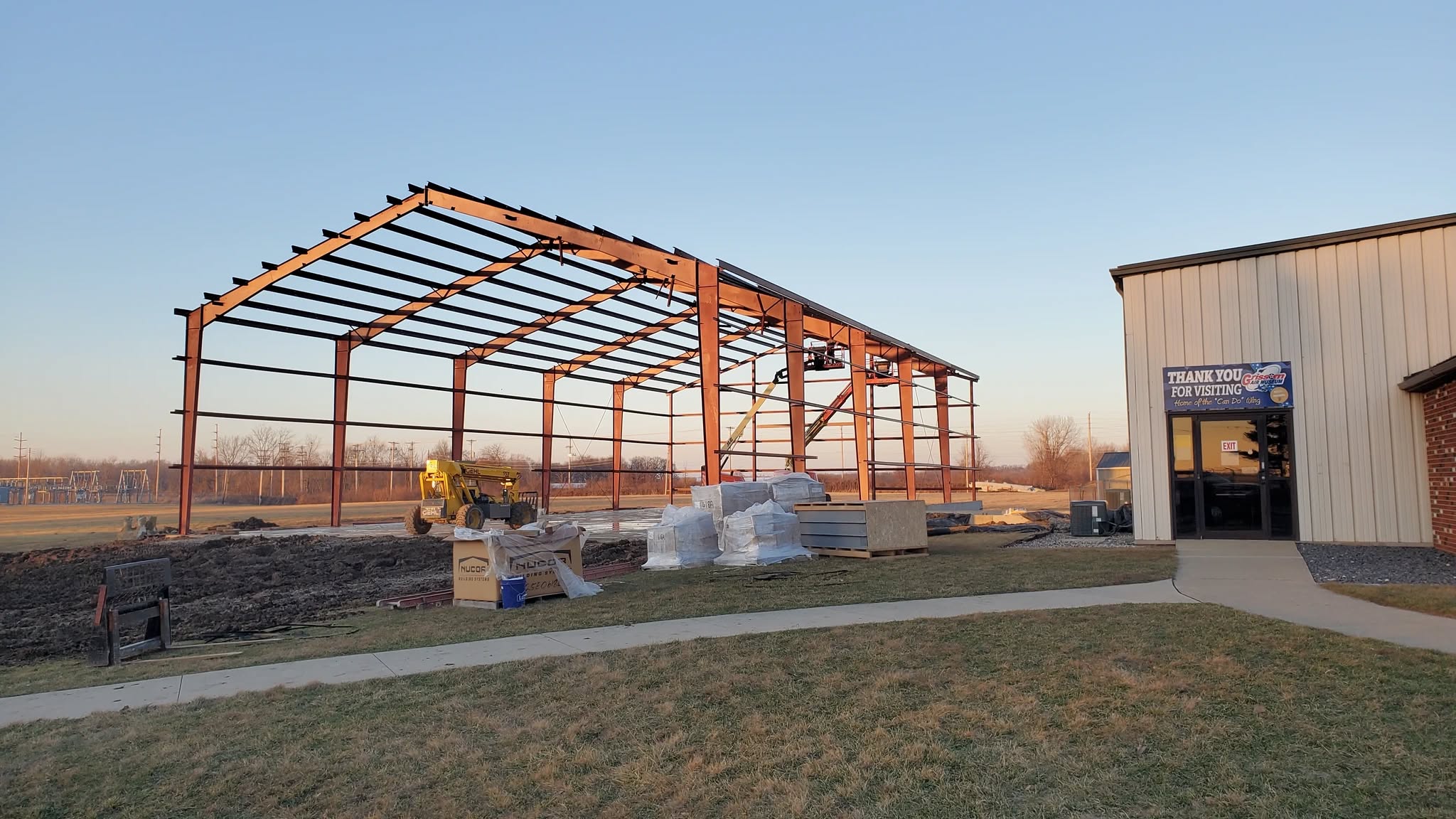
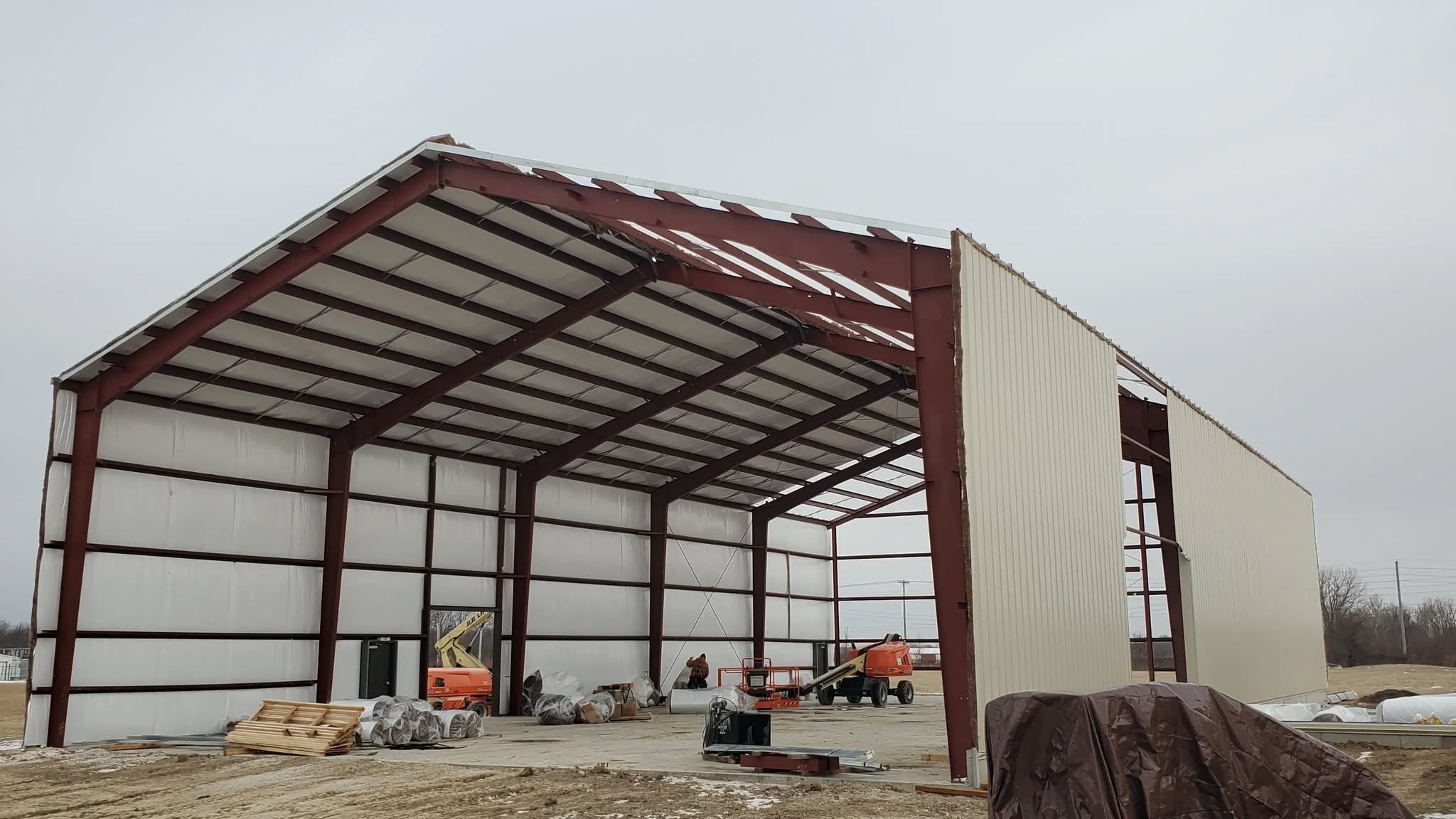
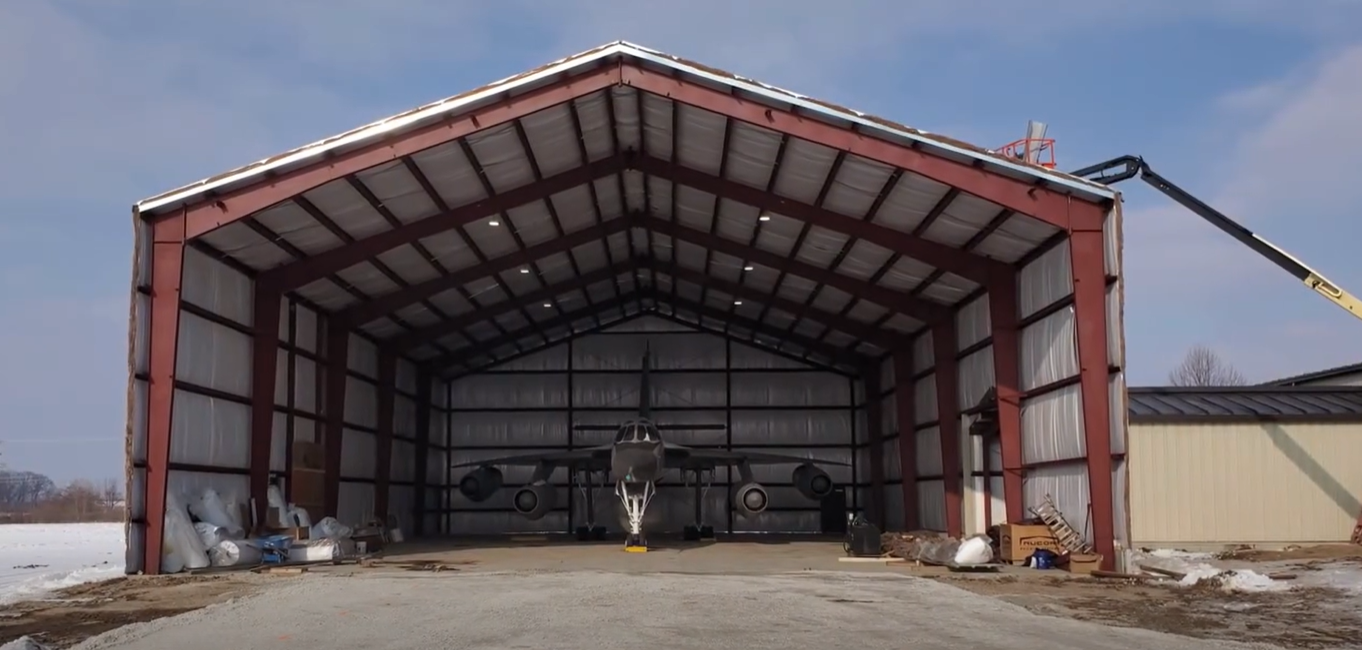
The completion of the building and the installation of the B-58 is only phase one of the plan, however. Phase Two will see the outfitting of climate control systems within the Cervantes Building for optimal year-round conditions. Finally, the third phase of the project will see the building being outfitted with educational and immersive displays on the B-58 Hustler, with an emphasis on the flight crews who operated the B-58. Of the estimated $750,000 total cost of the project, the Grissom Air Museum has stated that as of December 18, 2025, they have already raised $455,000, which has been used for completing phase one of the Hustler Exhibit. Meanwhile, a 1:1 match period is to be in effect through March 31, 2026, with every donation up to $200,000 to be matched by a private donor. Should all proceed smoothly, the museum expects to have the Captain Manuel Cervantes Building and its exhibits ready to be opened to the public in the fall of 2027. To learn more, visit the Grissom Air Museum’s website HERE.


![TB-25N 44-30925 in the Belgian Aircraft Preservation Association’s workshop at Gembloux. [Photo courtesy BAPA]](https://vintageaviationnews.com/wp-content/uploads/BAPA-B-25-20230312-150x150.jpg "Catch-22 Star North American B-25 Mitchell Restoration Continues in Belgium 38")



Father was stationed at Dyess AFB in early 60s. Every evening a B58 courier plane left, went out over desert, circled at mac 1 breaking sound barrier headed for DC. Lovely plane, recall father saying it cost more than its weight in gold to develop at the time.
The very least such an iconic aircraft deserves.