
(Image credit: VAN)
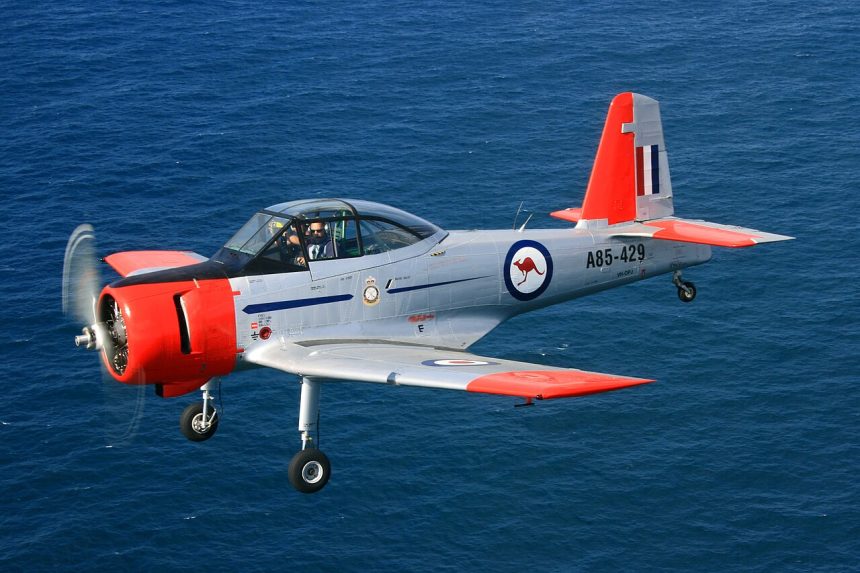
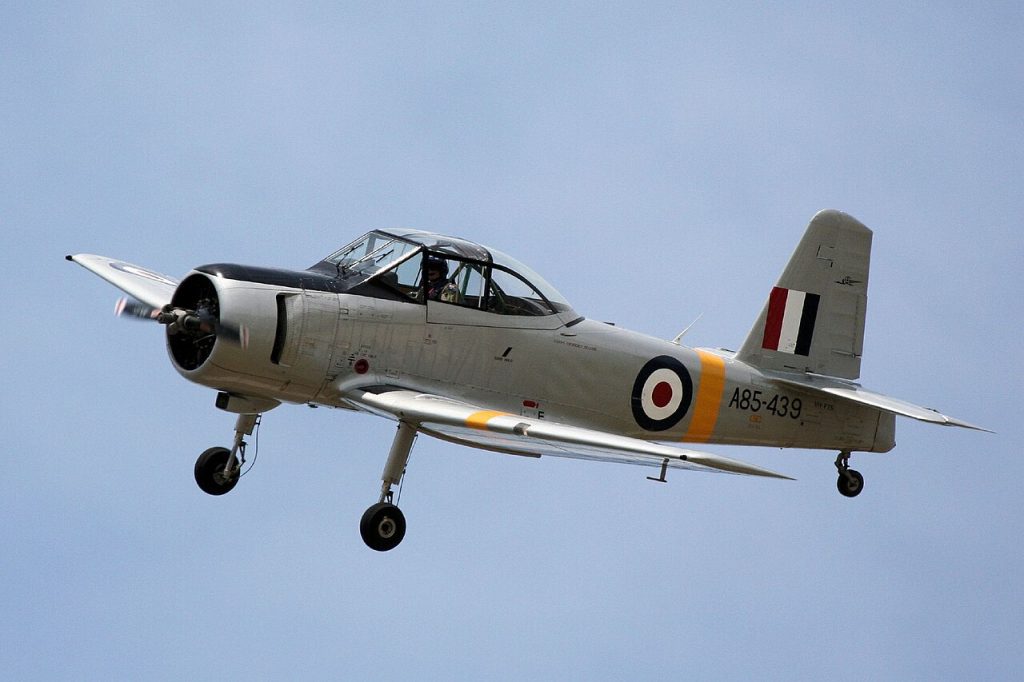
On this day in aviation history, 71 years ago (February 23, 1955), the first flight of the CAC CA-25 Winjeel took place. Named after a Victorian indigenous word for “young eagle,” the Winjeel was an Australian training aircraft developed by the Commonwealth Aircraft Corporation (CAC). The CA-25 handled basic through advanced training duties with the Royal Australian Air Force from its introduction in 1955 until 1975. After 1975, the Winjeel was flown by the RAAF as a Forward Air Control (FAC) aircraft, marking targets until retirement in 1994.
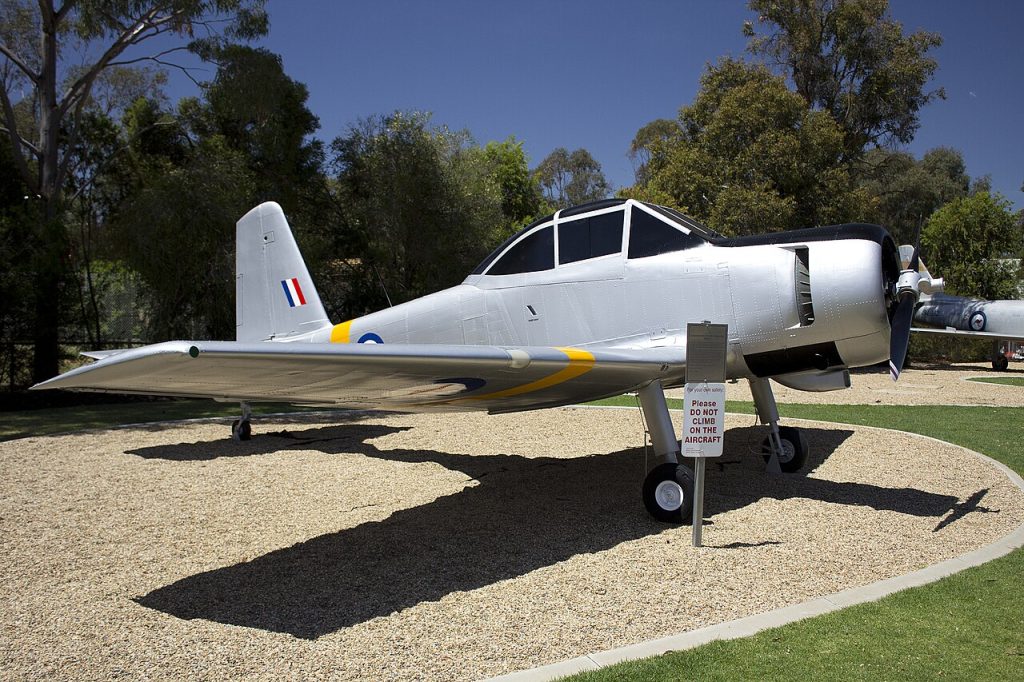
The Royal Australian Air Force released Technical Requirement No.AC.77 in 1948, which led to the development of the CA-22 prototype. AC.77 sought to replace both the de Havilland Tiger Moth and the CAC Wirraway in service. The CA-22 first flew in February of 1951, but flew “too well” in the sense that it could not enter a spin willingly. Seeing as spins were a required maneuver in RAAF pilot training, CAC would have to go back to the drawing board. The tail was redesigned, and the CA-25 was born.
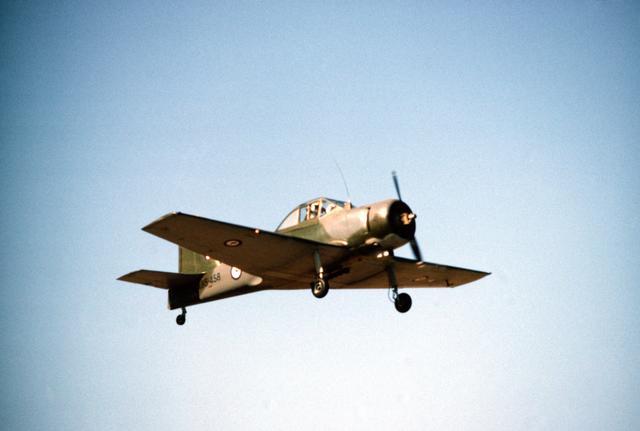
The CA-25 Winjeel had a crew of two (student and instructor) with a provision for a third seat. The aircraft was powered by a 445-horsepower Pratt & Whitney R-985-AN-2 Wasp Junior 9-cylinder radial engine. Winjeels would typically cruise at around 165 mph, but they could attain a maximum airspeed of 186 mph. CAC designed their trainer to have an endurance of 3.5 hours while flying at cruise airspeed. The CA-25 had a service ceiling of 18,000 feet and a 1,500-foot-per-minute rate of climb. Though initially designed as an unarmed training aircraft, the FAC CA-25s were fitted with smoke bombs for target marking. CAC would build 62 CA-25s during the aircraft’s production run. Two-dozen Winjeels remain flying today, twenty-three in Australia, and one in New Zealand.

![TB-25N 44-30925 in the Belgian Aircraft Preservation Association’s workshop at Gembloux. [Photo courtesy BAPA]](https://vintageaviationnews.com/wp-content/uploads/BAPA-B-25-20230312-150x150.jpg "Catch-22 Star North American B-25 Mitchell Restoration Continues in Belgium 14")