







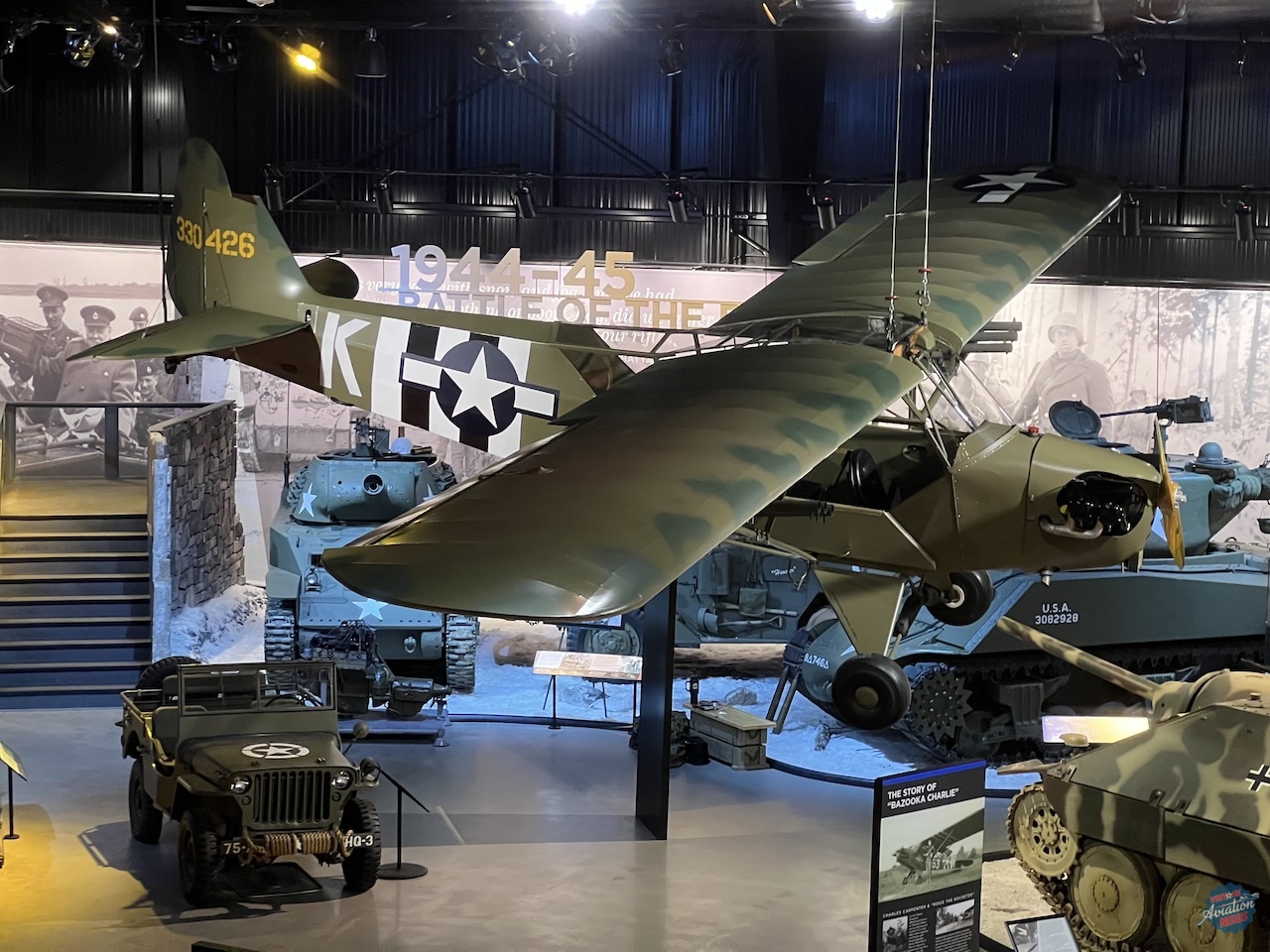
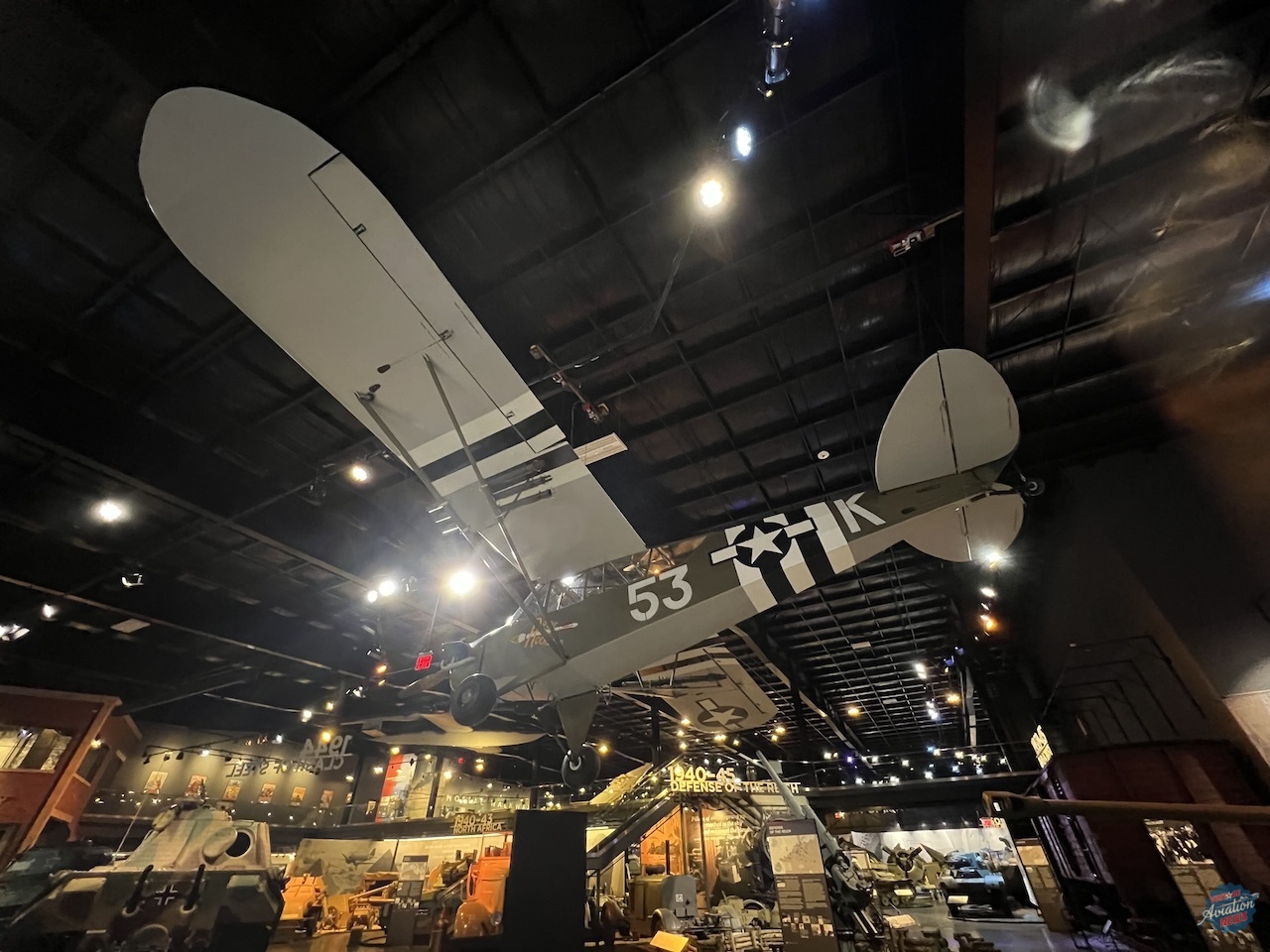
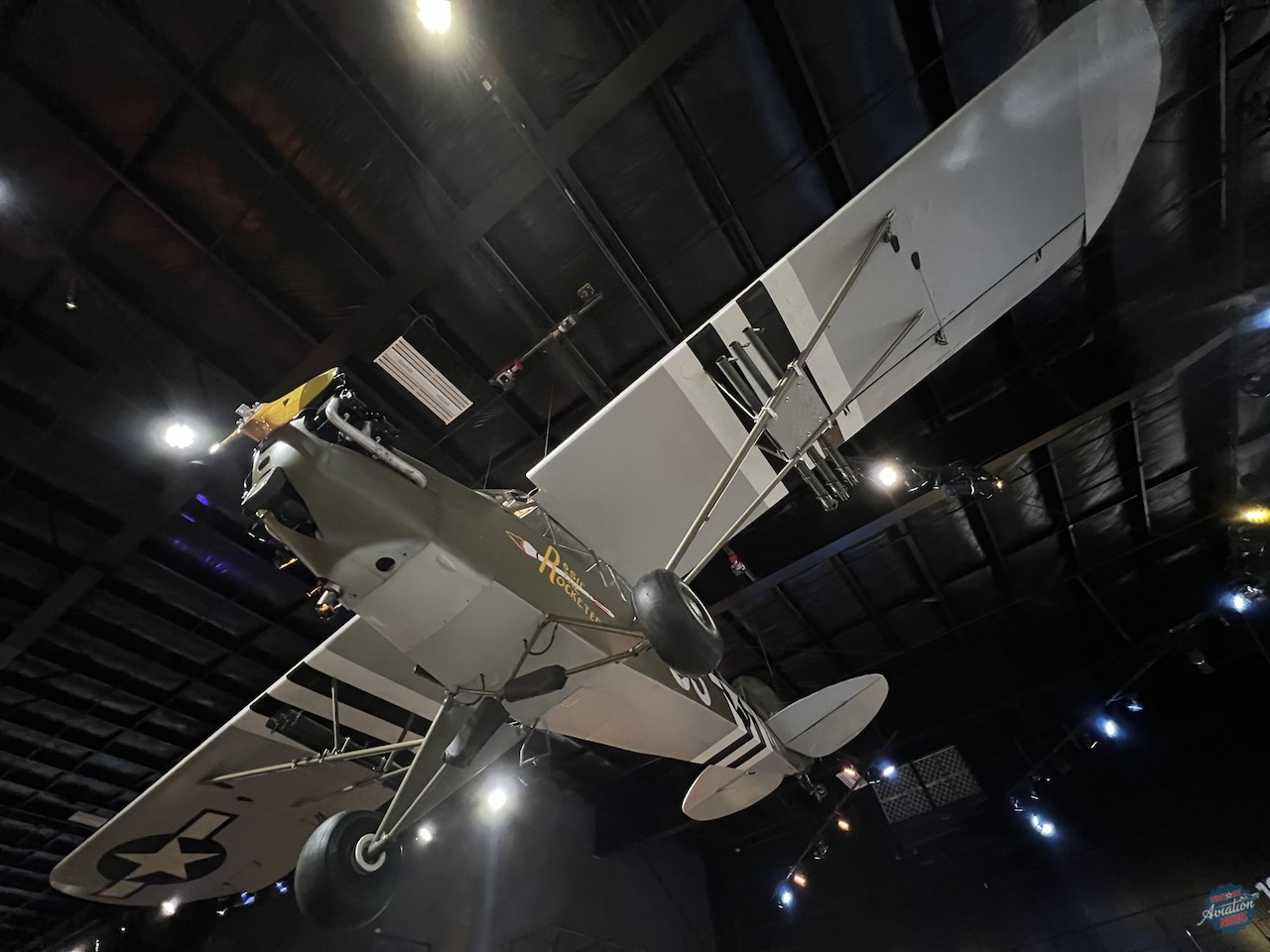
During a recent visit to the American Heritage Museum, we had the rare opportunity to photograph the actual airplane flown by Lt. Col. Charles “Bazooka Charlie” Carpenter, an audacious U.S. Army officer whose daring and ingenuity made him legendary during World War II. Born on August 29, 1912, in Edgington, Illinois, Carpenter grew up with a fascination for aviation and military service. His career would ultimately redefine the role of light aircraft in combat, particularly in anti-tank operations.

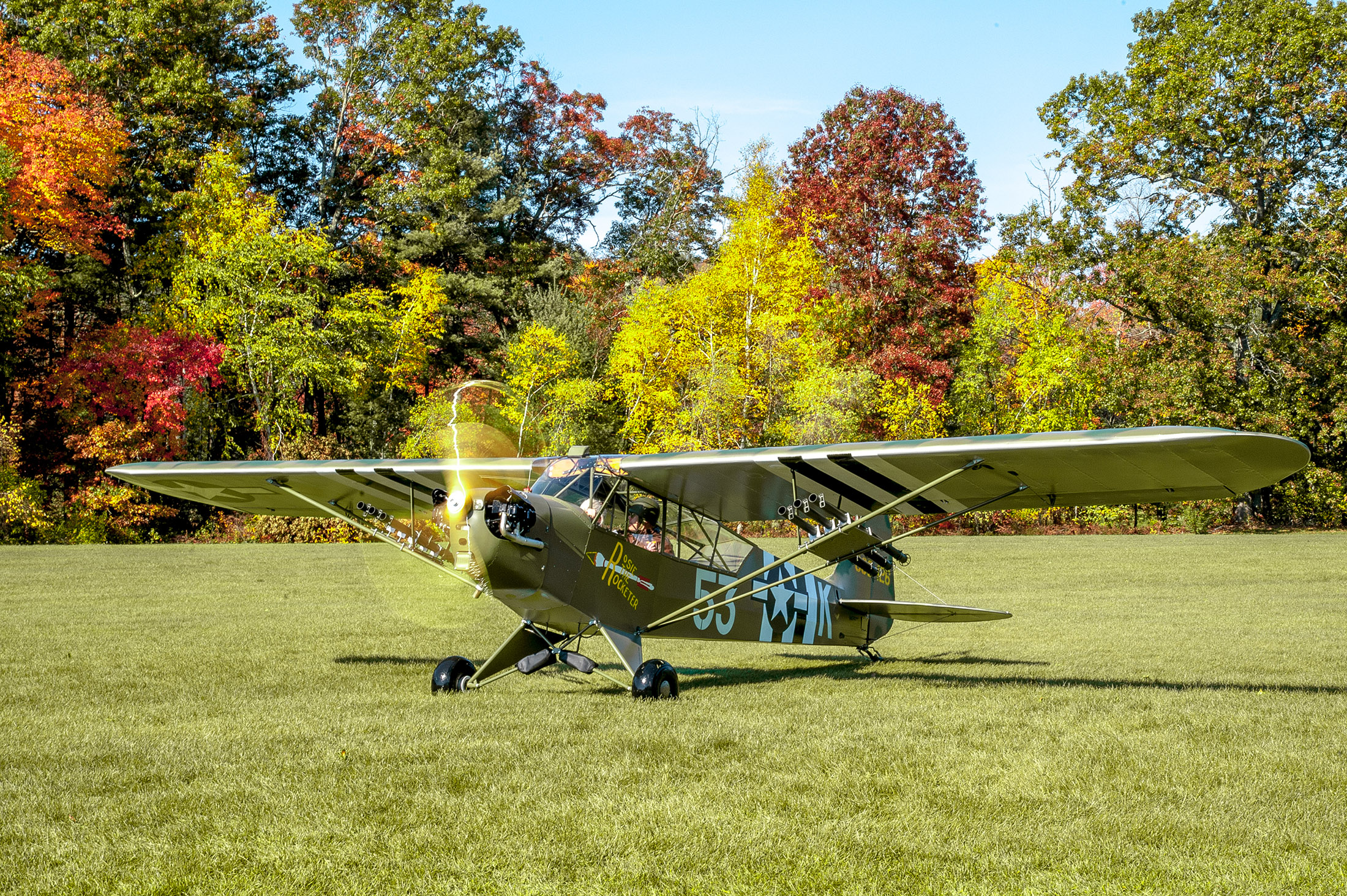
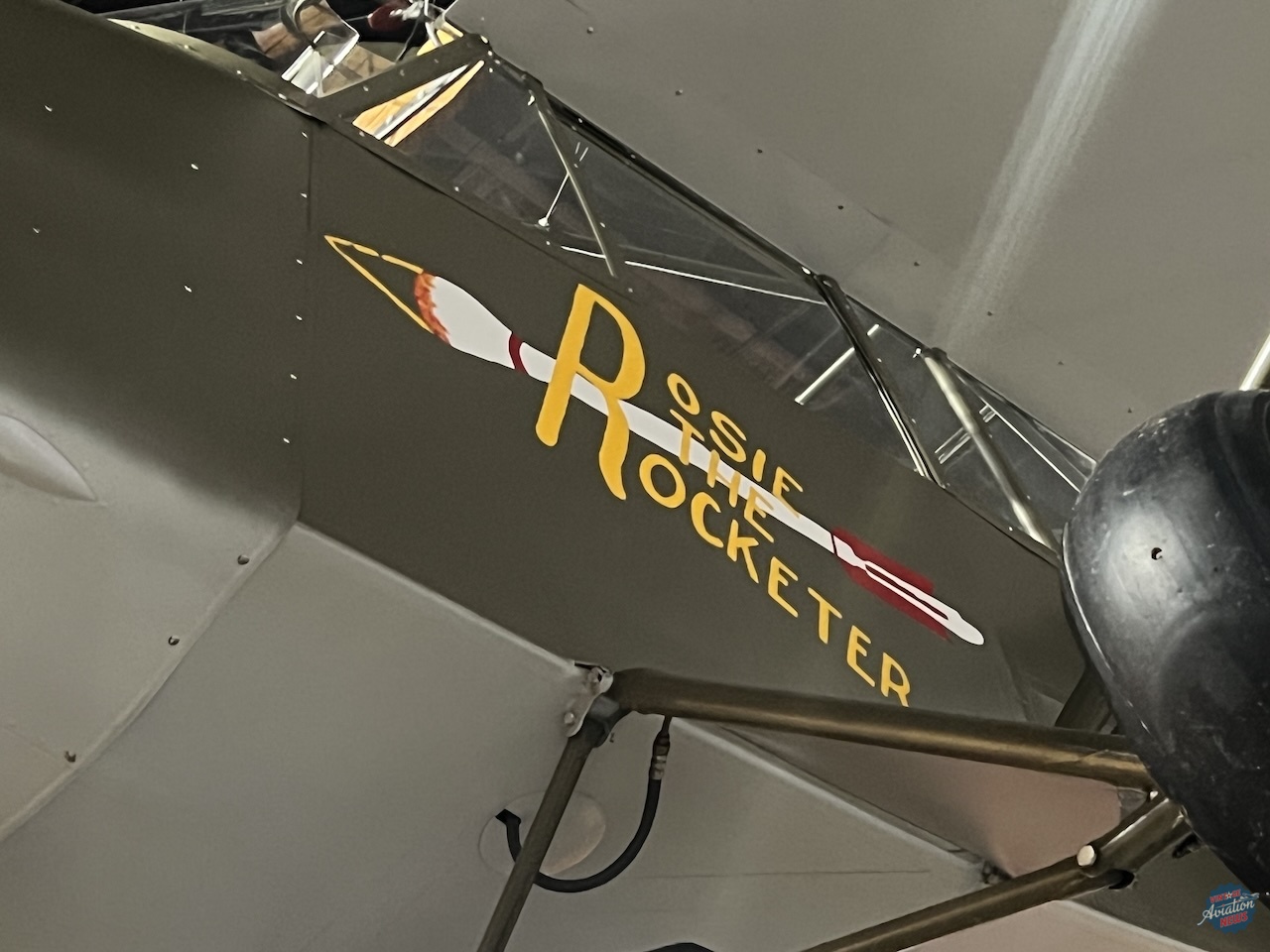
During the war, Carpenter served as an artillery observation pilot with the 4th Armored Division. Flying the small, unarmed Piper L-4 Grasshopper—a military version of the J-3 Cub—his official duties were limited to spotting enemy positions and directing artillery fire. But Carpenter was not content to merely observe. Frustrated by his inability to directly aid his fellow soldiers under attack, he modified his L-4 by mounting six M1 bazookas under its wings, transforming the unassuming aircraft into a formidable anti-tank platform. Nicknamed “Rosie the Rocketeer,” Carpenter’s daring low-level attacks struck fear into German forces. He targeted tanks, armored vehicles, and enemy convoys with extraordinary precision, flying low and slow to maximize effectiveness.
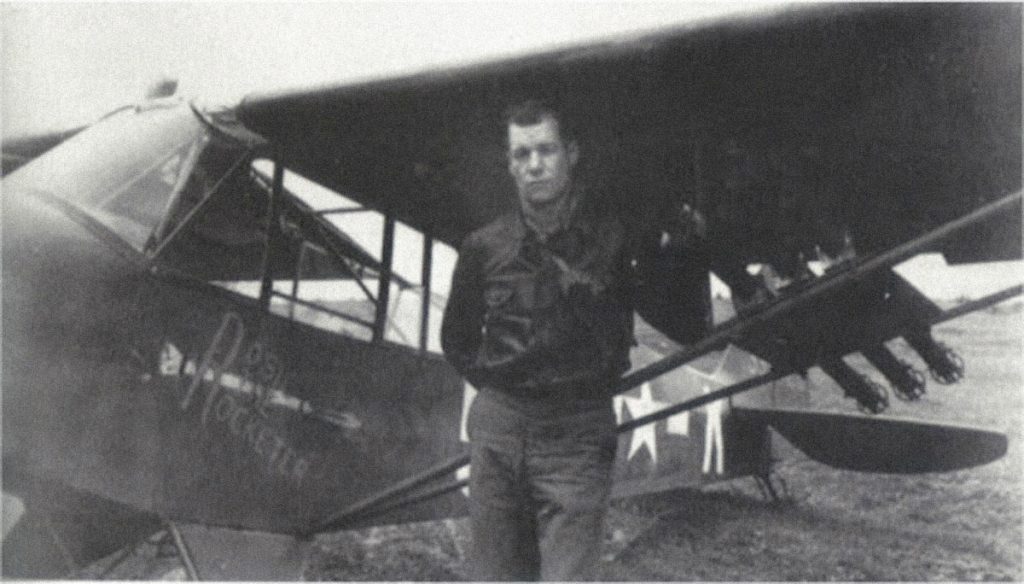
Official records credit Carpenter with destroying six German tanks, including two Tiger tanks, earning him the title of Tank Ace. Unofficial accounts suggest he may have destroyed as many as 14 tanks and additional armored vehicles—all without sustaining a single scratch.
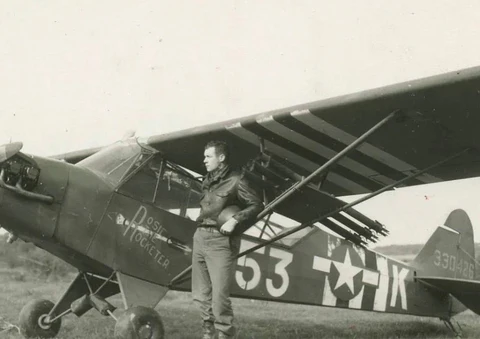
The Legendary Aircraft: Piper L-4H s/n 43-30426
After the war, Carpenter’s Piper L-4H s/n 43-30426 was left by the Army in Europe as surplus. Its unique history unknown, it was purchased by an Austrian pilot, repainted yellow, and became the second civilian-registered aircraft in the newly reformed nation. The airplane was eventually given to the Austrian Aviation Museum at Graz Airport, where it remained stored as a disassembled project.
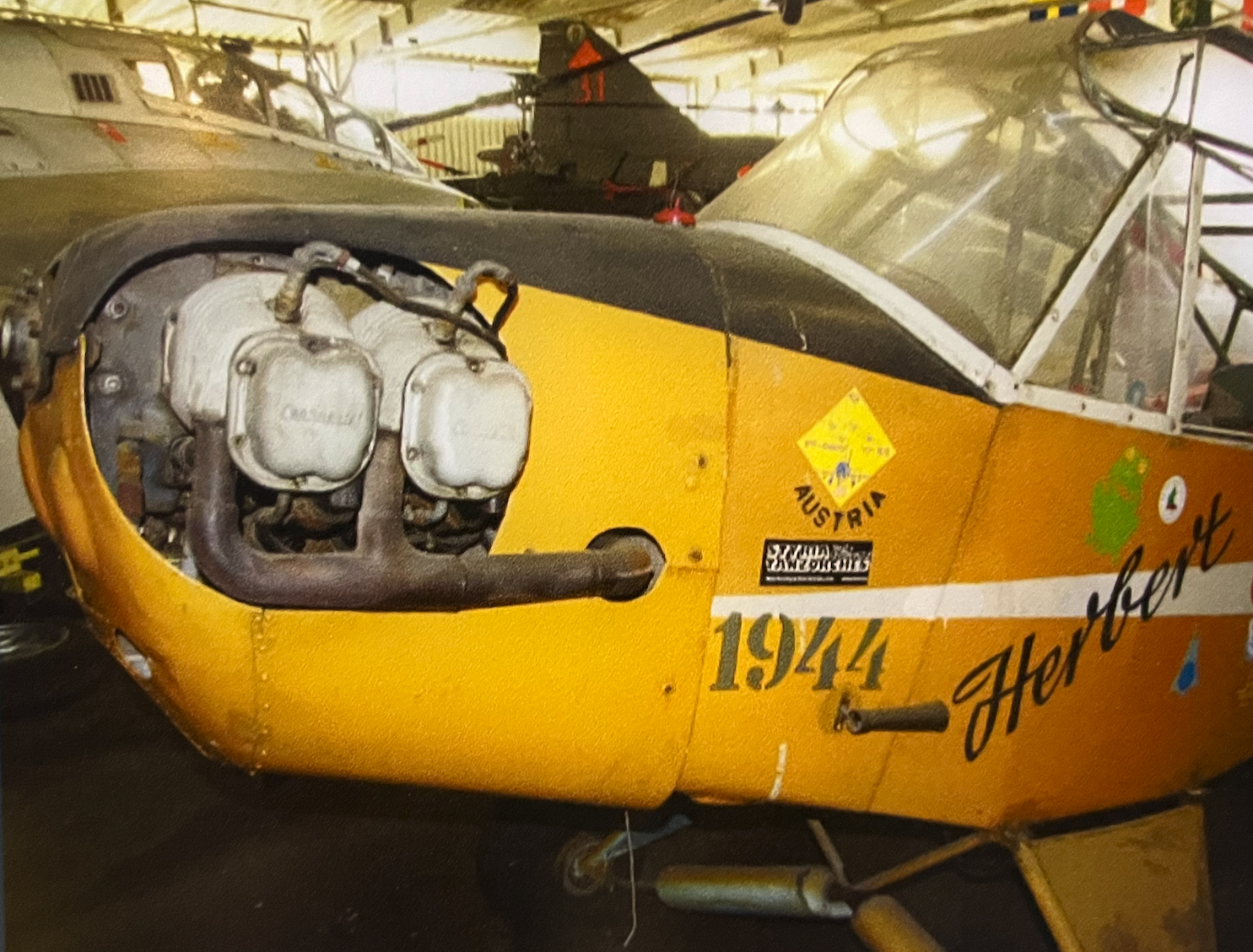
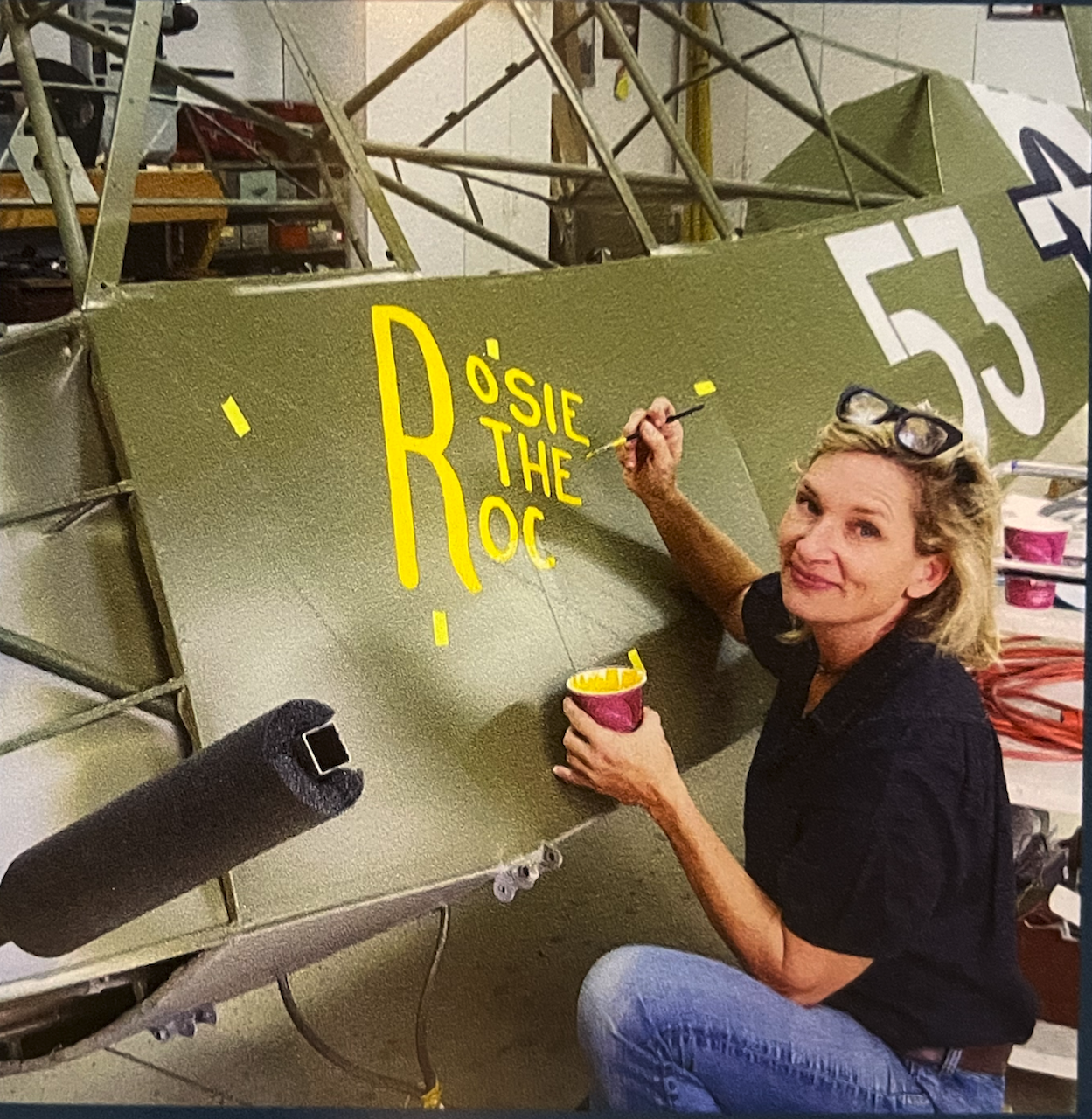
In 2017, researchers with the American Heritage Museum identified the aircraft as the original “Rosie the Rocketeer.” A generous donor acquired it from the museum, and it was returned to the United States for full restoration by Colin Powers of La Pine, Oregon, in its original wartime configuration. The distinctive nose art, personally applied by Carpenter, was repainted by his granddaughter, Erin Pata, preserving the aircraft’s historic character. Today, the L-4H is displayed at the American Heritage Museum, remains in flying condition, and is brought down each Fall to fly in the museum’s World War II Re-enactment in October.
By the end of the war, Carpenter’s bravery had earned him the Silver Star, Bronze Star with Oak Leaf Cluster, Air Medal with Oak Leaf Cluster, and the admiration of soldiers on both sides of the conflict. After the war, Carpenter was diagnosed with Hodgkin lymphoma in 1945 and received an honorable discharge in 1946. He returned to civilian life as a history teacher in Urbana, Illinois, where he taught until his death in 1966 at the age of 53. Lt. Col. Charles Carpenter’s story is a testament to American ingenuity and fearless creativity. By turning a small, unarmed aircraft into a potent weapon, he proved that even the humblest tools, when wielded with courage, can achieve monumental impact—a true David versus Goliath of the skies.
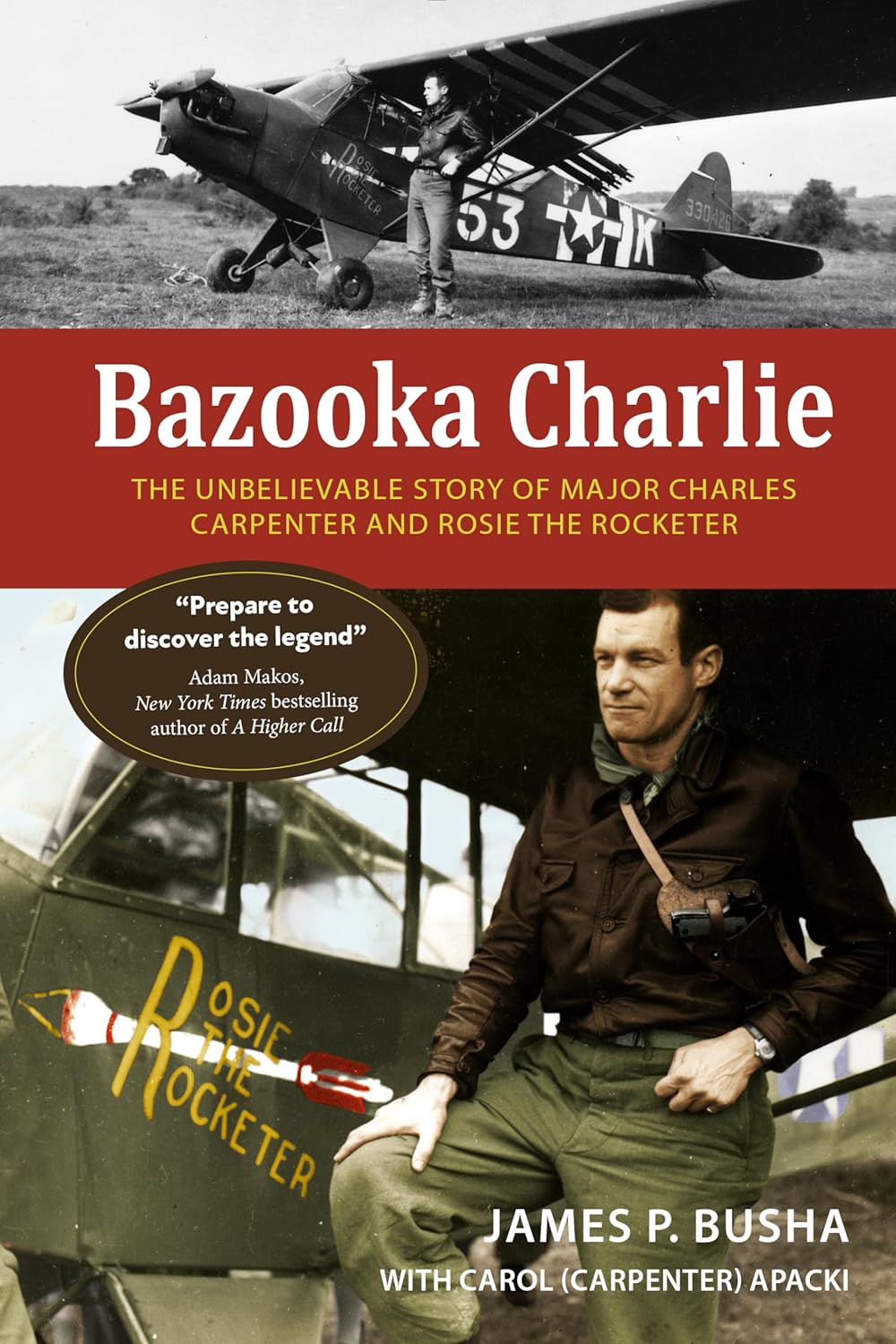
For those interested, Jim Busha wrote a revealing biography of Lt. Col. Charles “Bazooka Charlie” Carpenter, which is available on Amazon.










I became aware of this true “Giant killer”, in the book Rag Wings and Heavy Iron,written by th late Martin Cadin, years ago.