






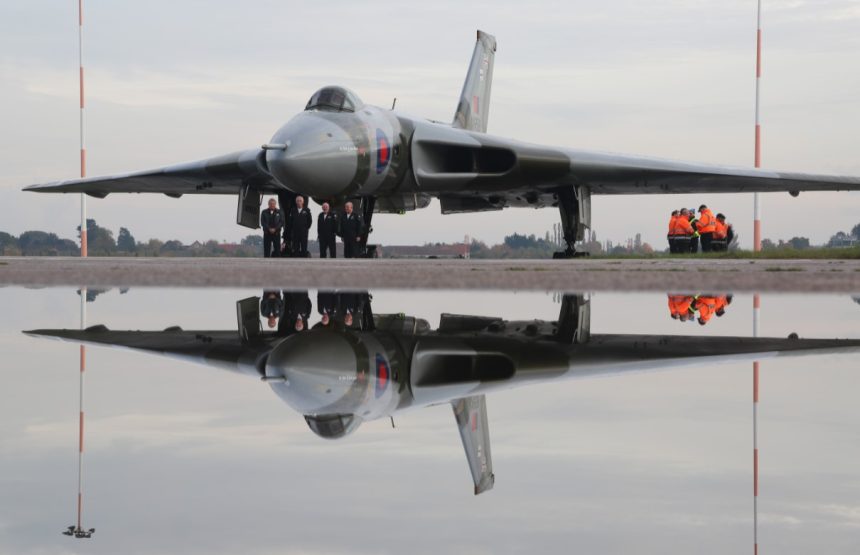

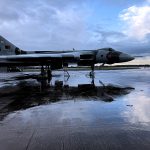
The Vulcan to the Sky Trust provided updates on its work to restore Vulcan XH558 for future generations as fundraising continues on July 31, 2026. In its monthly newsletter, the Trust said its engineering team has been busy keeping the aircraft in good condition. During this time, the engineers have conducted routine maintenance and fixed complex electrical problems with the Auxiliary Power Unit (APU).
Starboard Landing
During a routine maintenance check, the Trust’s engineers found that the starboard landing/taxi light was not working. As a result, the engineers removed the unit from the aircraft and gave it to Kevin ‘Mouse’ Penfold for servicing. Upon stripping the component, the Trust discovered that surface corrosion was preventing it from working properly. Following servicing, cleaning, and bench testing, the engineers put the light back on the aircraft, and it is working fine now. In addition, during routine functional movements, an audible cracking sound was noted originating from the No. 4 Power Flight Control Unit (PFCU), located at the inboard elevon on the starboard side. The noise was caused by the control surface being dryly attached to the wing on inspection. To fix this, first, the engineers need to disconnect the attachment points, control rods, and electrical connectors. Then, the team will rotate the PFCU for cleaning and lubrication. Such a task usually happens during a major service because of environmental challenges. The Trust is currently planning how to address it safely while the aircraft is outside.
Bleeding Undercarriage Doors, APU & GPU
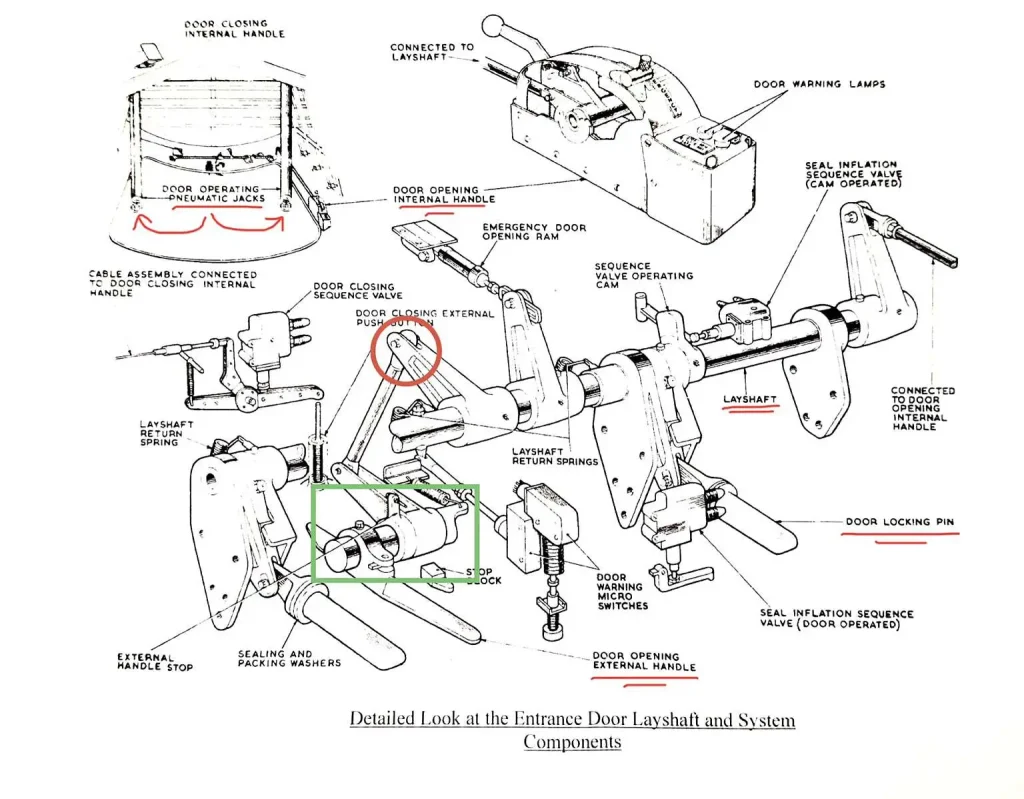
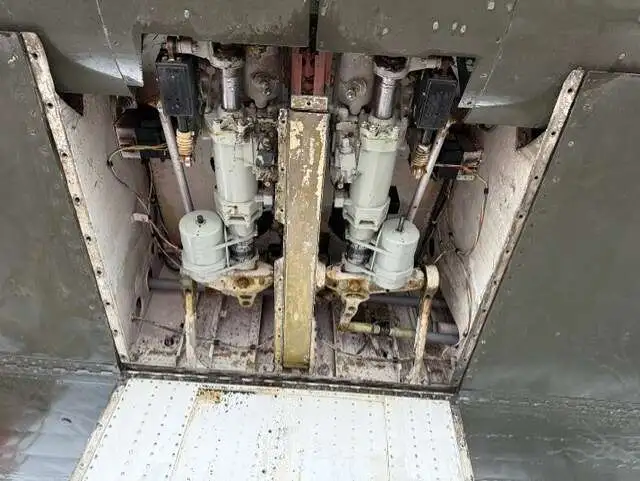
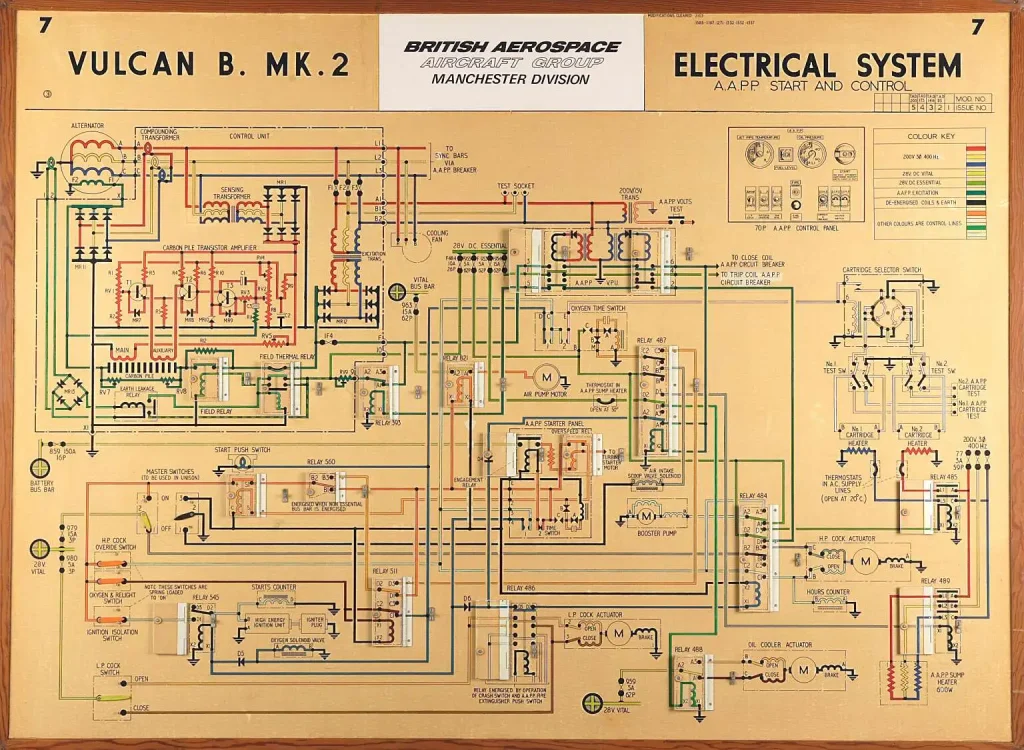
The aircraft undercarriage doors were not closing correctly due to air getting into the hydraulic system. The engineers then increased the hydraulic pressure to 2000-3000 PSI to fully extend the doors. The residual air was then bled from dedicated bleed points located at the top and bottom of the hydraulic rams on either side of the piston. Once air-free fluid was observed, hydraulic oil levels were topped up to specification, fully securing the doors into their correct locked position. The team also worked on fixing a problem with the APU excitation fault. The APU alternator produces a 200V, 400c/s supply, which goes to the Transformer Rectifier Unit (TRU) in the “Leccy” bay. The Voltage/Frequency Pick-Up (V/FPU) unit then checks the voltage. If the voltage is too low, the V/FPU disconnects the system to avoid damage. However, if the correct power is achieved, the V/FPU then supplies Relay 393 (the excitation relay), which provides the cockpit with an indication of the power received from the APU.
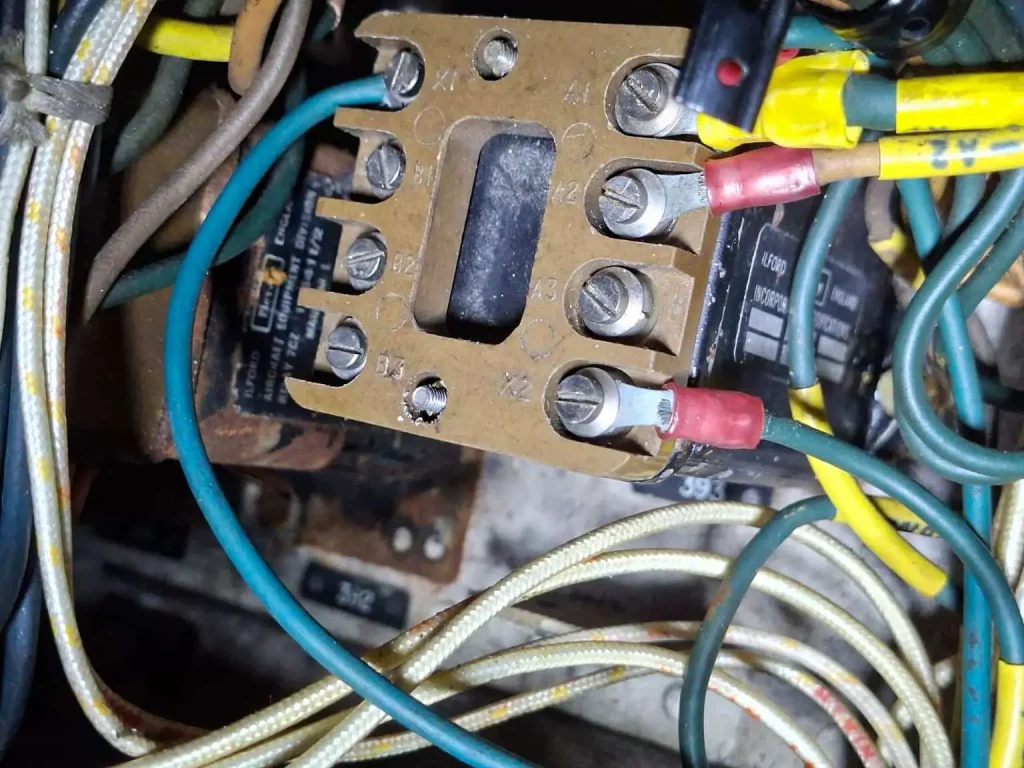
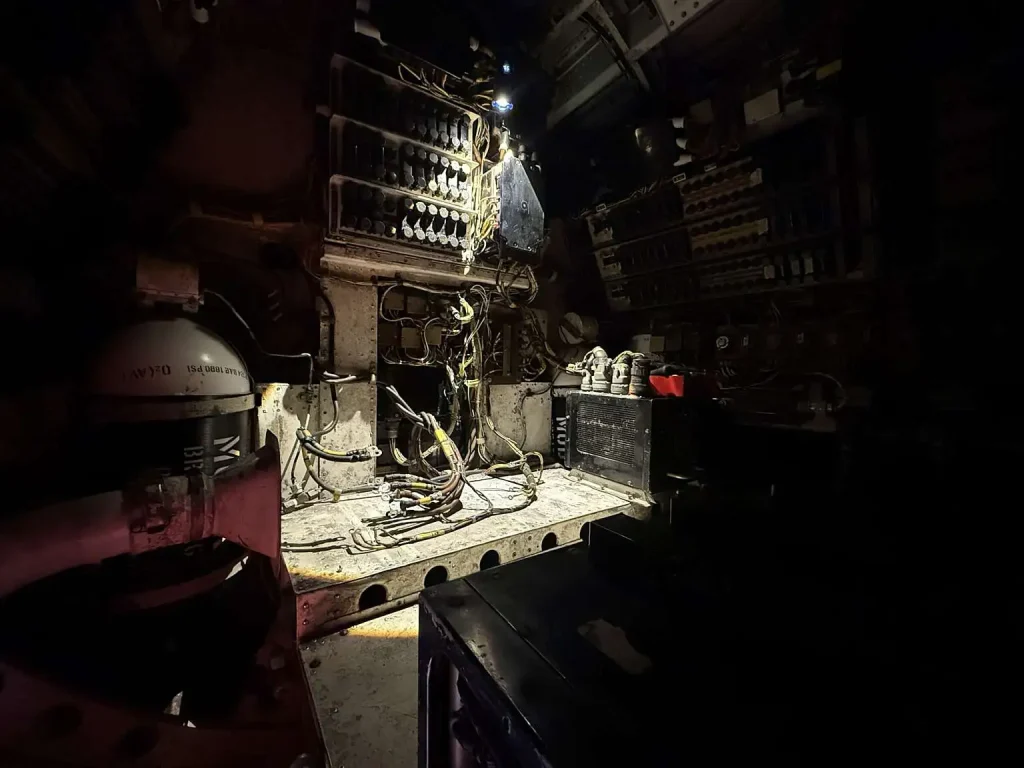
The engineers took several steps to fix the problem. The installed TRU was swapped for a unit known to be serviceable to guarantee sufficient power delivery to the V/FPU. Then Relay 393 was removed and tested on the bench using an external 28v source. The re-testing yielded a healthy reading of 25.48V across the A1–A2 pins on Relay 393, confirming that the electrical distribution system up to this point was healthy, according to the Trust. But when they pressed the AAPP test switch on the Air Electronics Officer (AEO) panel, there was still no response in the cockpit. In reviewing the wiring diagrams, the team recognized that the APU TRU has a known issue where a shorted blower motor has the potential to affect the cockpit indications. The engineers had previously pulled three blower motor fuses to isolate the motor, but that inadvertently removed power from the indication circuit in the cockpit. Now that the distribution system has been verified as good, replacing the fuses prior to the next functional test should restore the APU excitation indications in the cockpit.
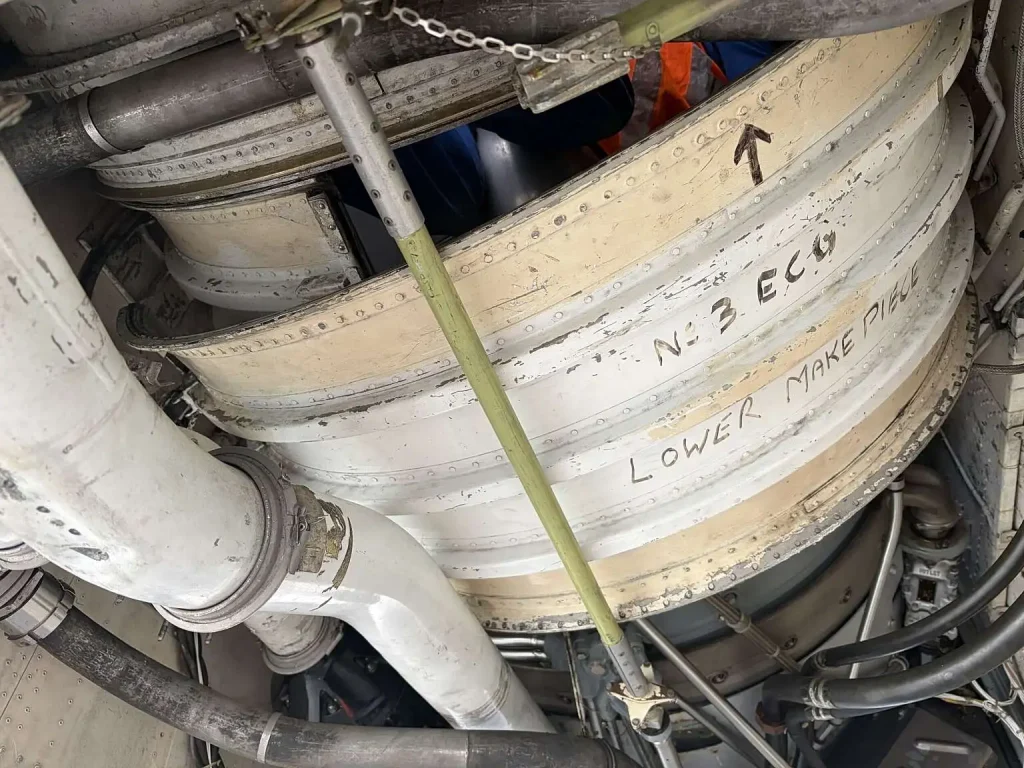
Maintaining ground support equipment is as important as servicing the aircraft. Jim, Pete E and Danny completed a full service on the Houchin Ground Power Unit (GPU) that supplies XH558 with 28V DC and 200V AC power while on the ground. They focused on the aircraft attachment plug, which had suffered wear from years of use in RAF operations, causing bent electrical receptacles and broken locking collars that led to unreliable power connections. After realigning and maintaining the receptacles, the Houchin is now operating more smoothly and reliably than it has in many years, according to the Trust.
Engine Runs and Faults
During recent engine tests, the team found a problem with the No. 2 alternator. The issue was cleared during the run by executing a standard alternator reset procedure. The loss of GPU power resulted in a total loss of communications and instruments. After investigating, the team found a fast-discharging battery was the problem and replaced the battery to restore full system operations. In addition, both High Energy Ignition Units (HEIUs) on the No. 3 engine failed during a previous run and needed to be replaced immediately since they were not working. The maintenance team then successfully replaced the HEIUs. After testing, the No. 3 engine was confirmed to be fully operational by the end of the day.
Hydraulics and Flight Control Systems
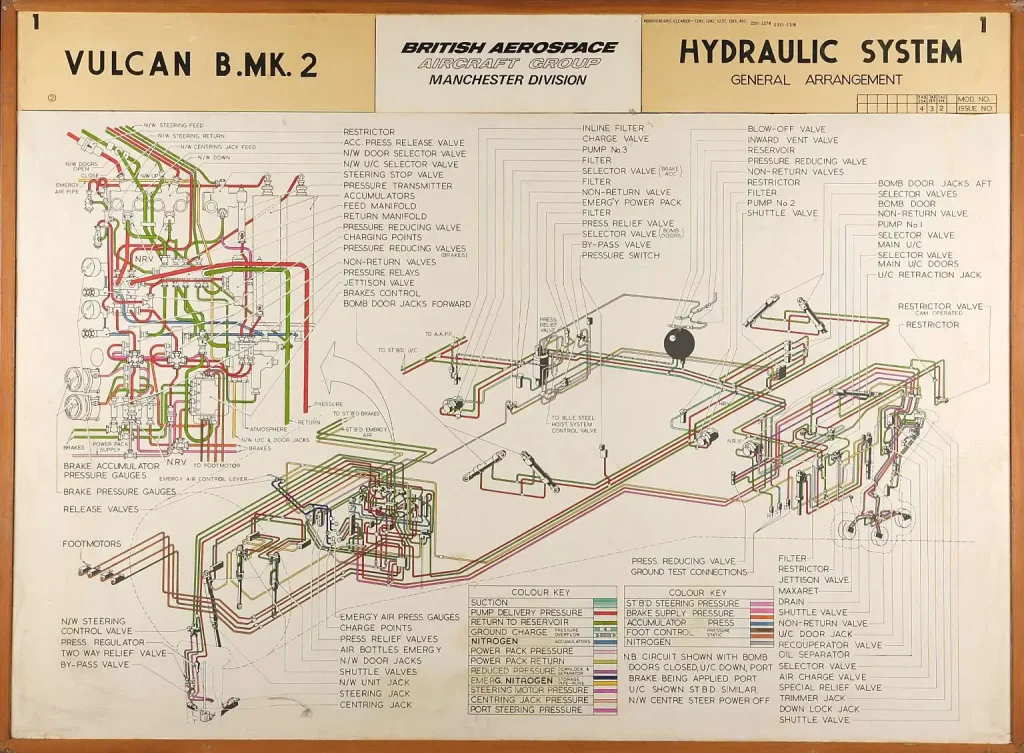
During routine checks, the airbrake system failed to operate fully, getting stuck at the ‘Mid’ position. It could only retract using the ‘Emergency’ override. The system is powered by two motors, Motor A and Motor B, with Motor B responsible for normal operation. Diagnostics indicated that the issue lies with Motor B, which was making a high-pitched noise and blew 50A fuses due to excessive power draw. As this problem has occurred before, the decision was made to remove the entire airbrake motor and gearbox assembly for a thorough overhaul, and a refurbished unit will be installed to restore functionality. According to the Trust, the engineering team has been very busy and has made substantial progress in the electrical, mechanical, and propulsion systems of the Vulcan XH558. “Our focus now moves to rectifying the APU excitation issue once and for all, completing the airbrake motor swap, and lubricating the port inboard elevon… and fitting the landing light lamp, of course,” the Trust concluded. For more information, visit www.vulcantothesky.org














Is this wonderful aircraft ever going to fly again?
Unfortunately it will not.