
During a recent trip to the Hamptons in Long Island, New York, we had the chance to visit the former Naval Weapons Industrial Reserve Plant (NWIRP) in Calverton, now repurposed as the Calverton Executive Airpark, which also hosts National Hot Rod Association (NHRA) Division 1 drag racing events. For aviation enthusiasts, the thrill of exploring historic airfields, abandoned airports, and old manufacturing facilities—what some call “aviation archaeology”—offers a unique window into the hidden stories of the industry’s past. NWIRP Calverton is a prime example.
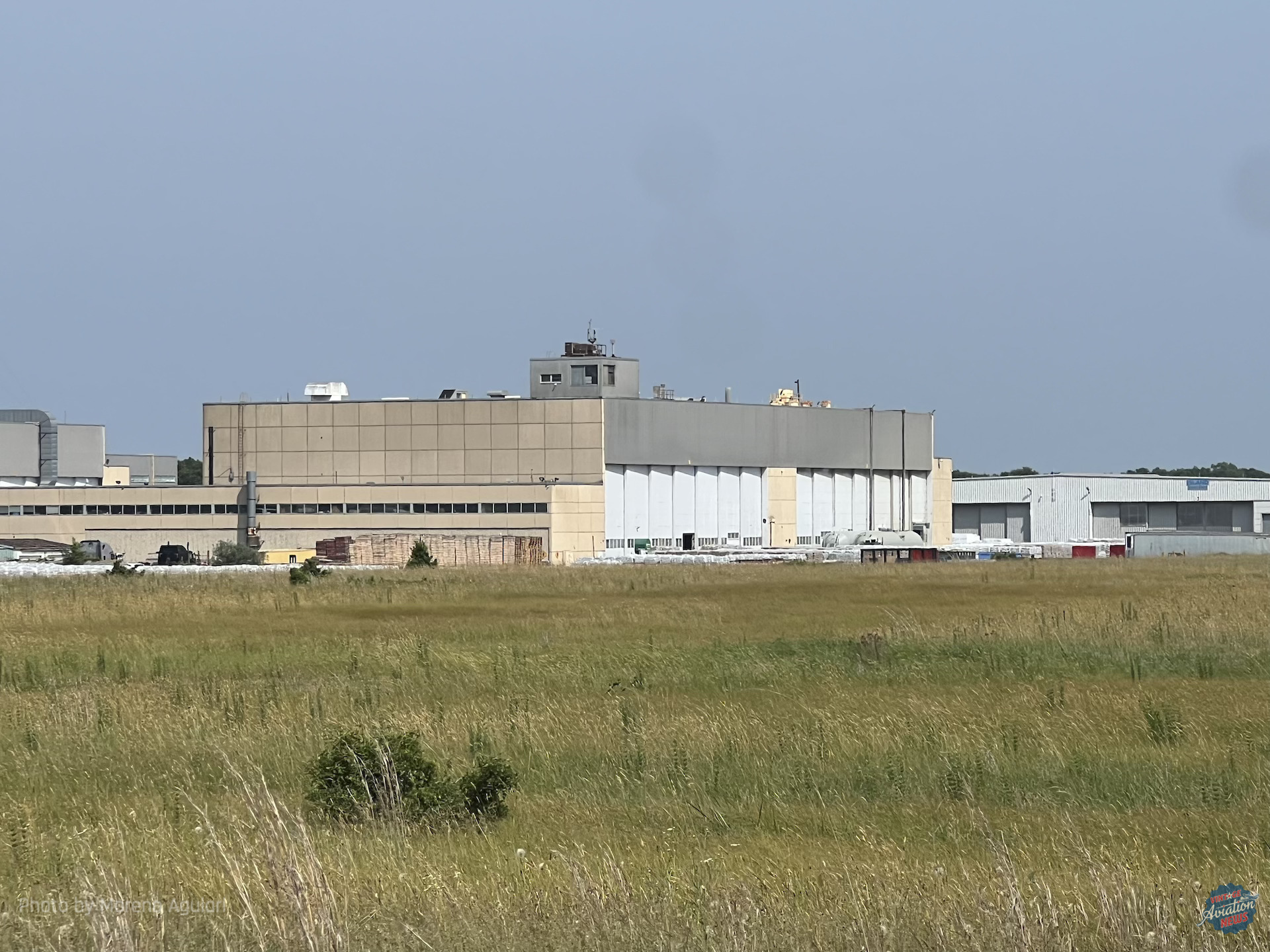
Established in the 1950s as a government-owned, contractor-operated facility, NWIRP Calverton was tasked with designing, fabricating, and testing prototype naval aircraft. The facility operated for four decades, from 1956 until 1996, shaping the development of some of the Navy’s most iconic aircraft.
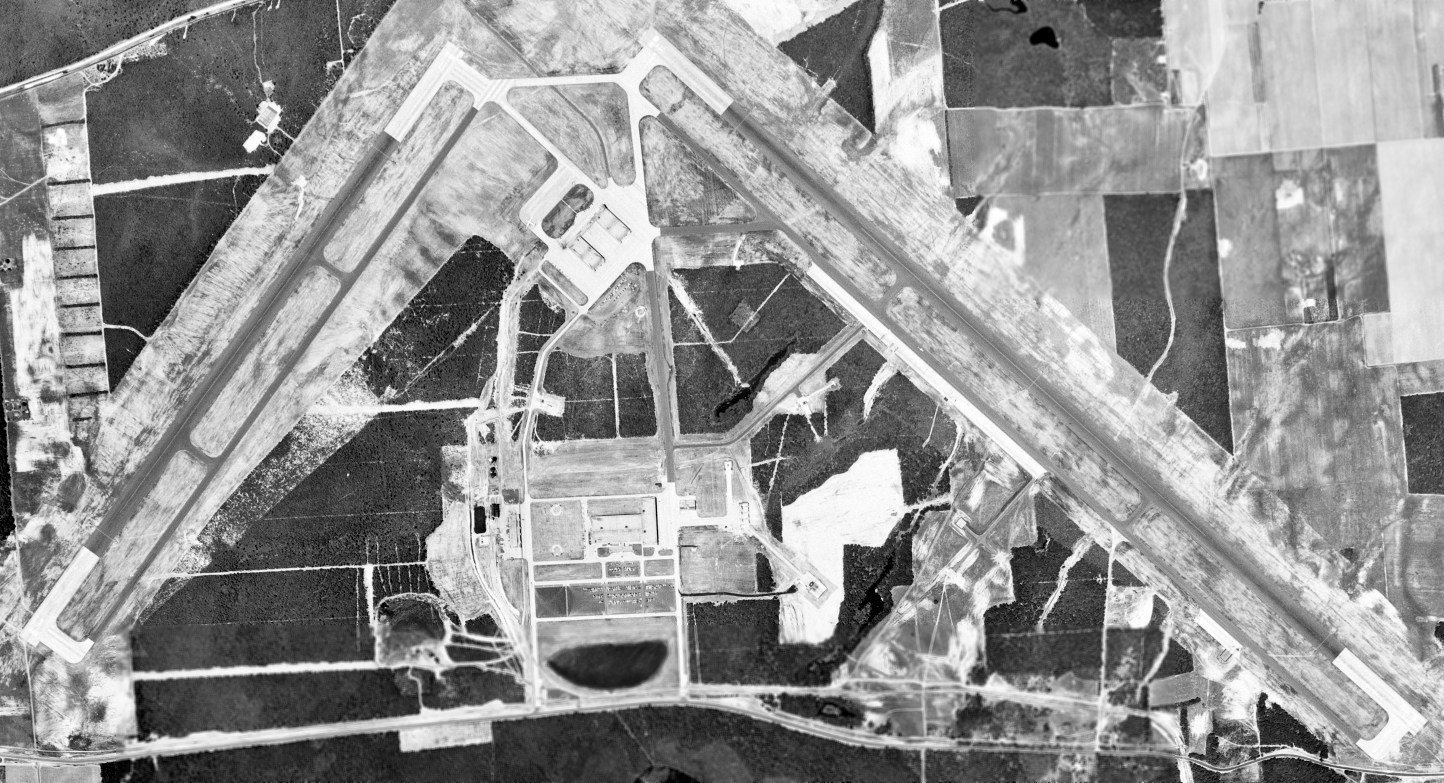
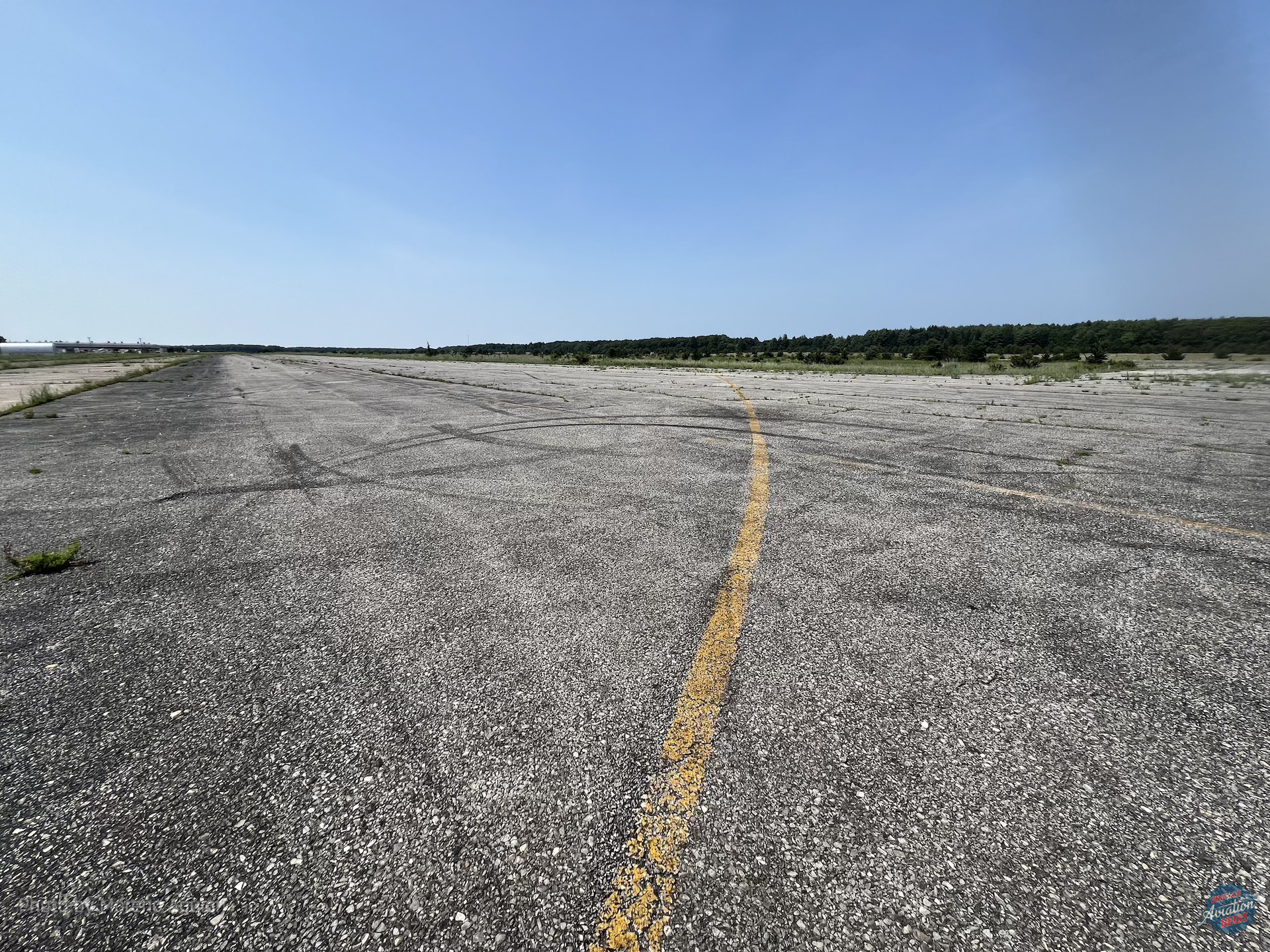
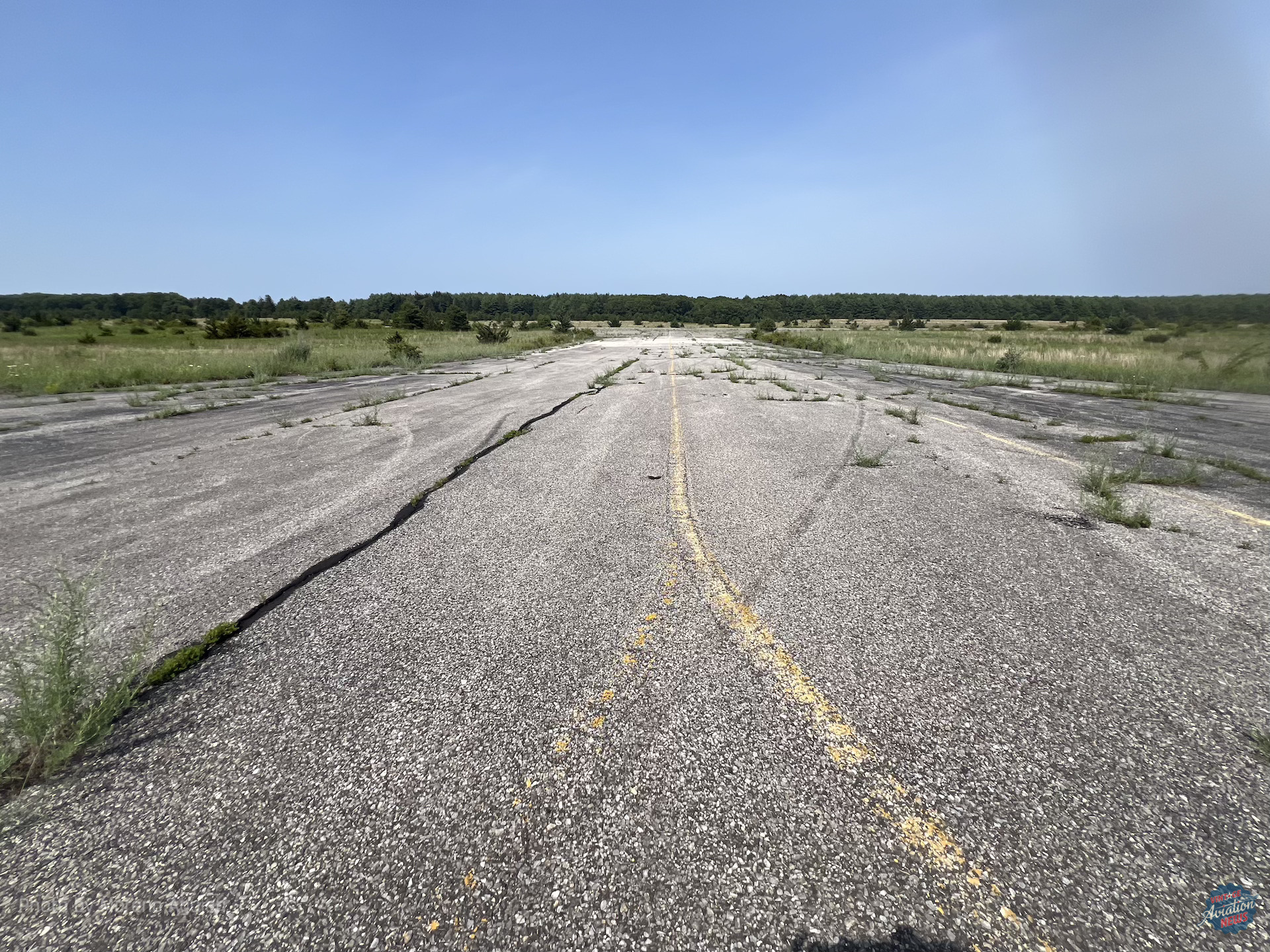
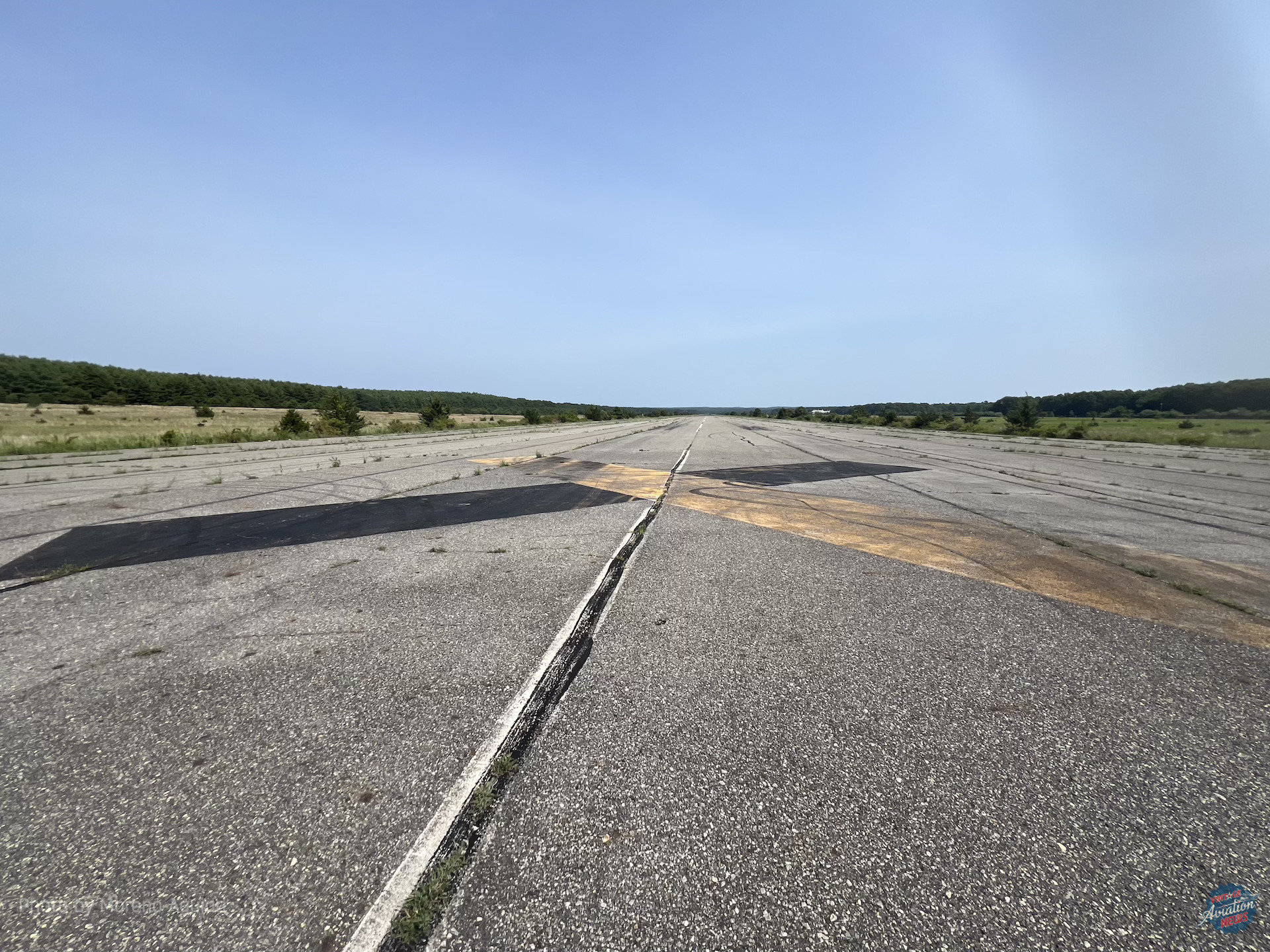
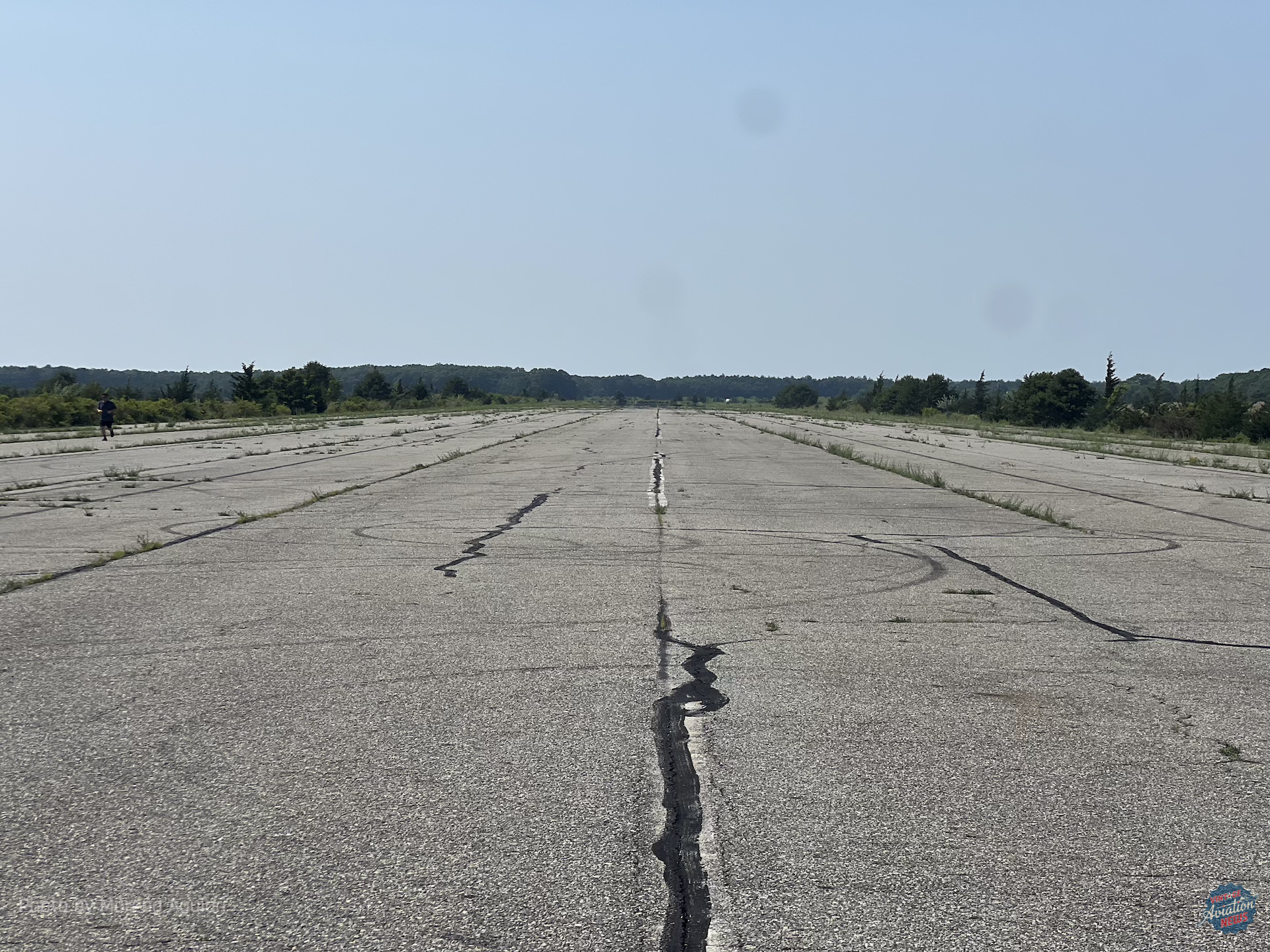
Located on Grumman Boulevard in Calverton, Suffolk County, the plant occupies a rural area bordered by Middle County Road (Route 25) to the north, River Road to the south, Wading River Road to the west, and agricultural land to the east. It lies within reach of the North and South Forks of Long Island—the Hamptons—and is approximately 60 miles from JFK International Airport, LaGuardia Airport, and Islip MacArthur Airport.
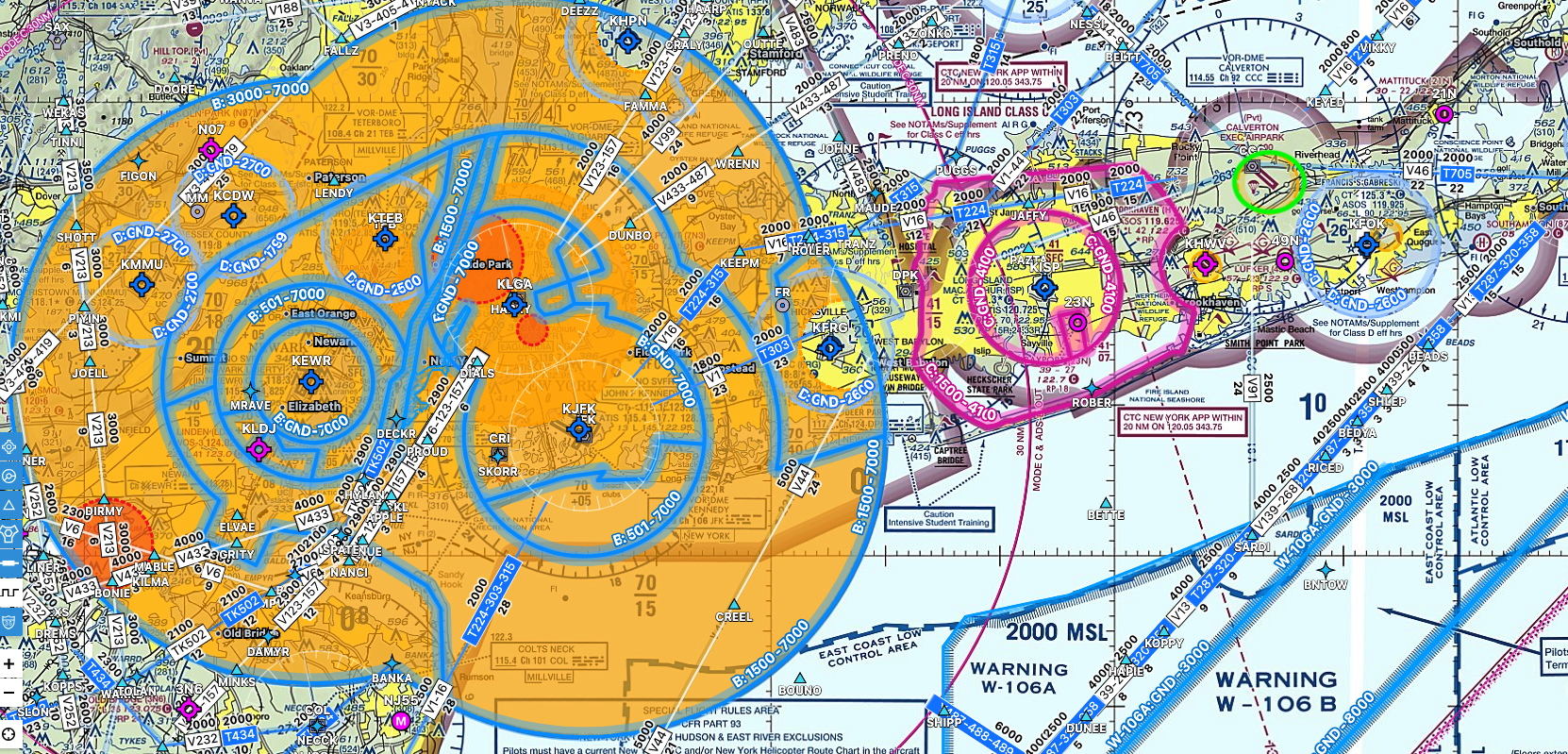
Around 1950, the United States Navy purchased roughly 6,000 acres along the Peconic River, including a mansion owned by the grandson of F.W. Woolworth, to establish the facility. Among the infrastructure built was a 10,000-foot runway, labeled on topographic maps as Grumman Peconic River Airport with FAA code CTO.
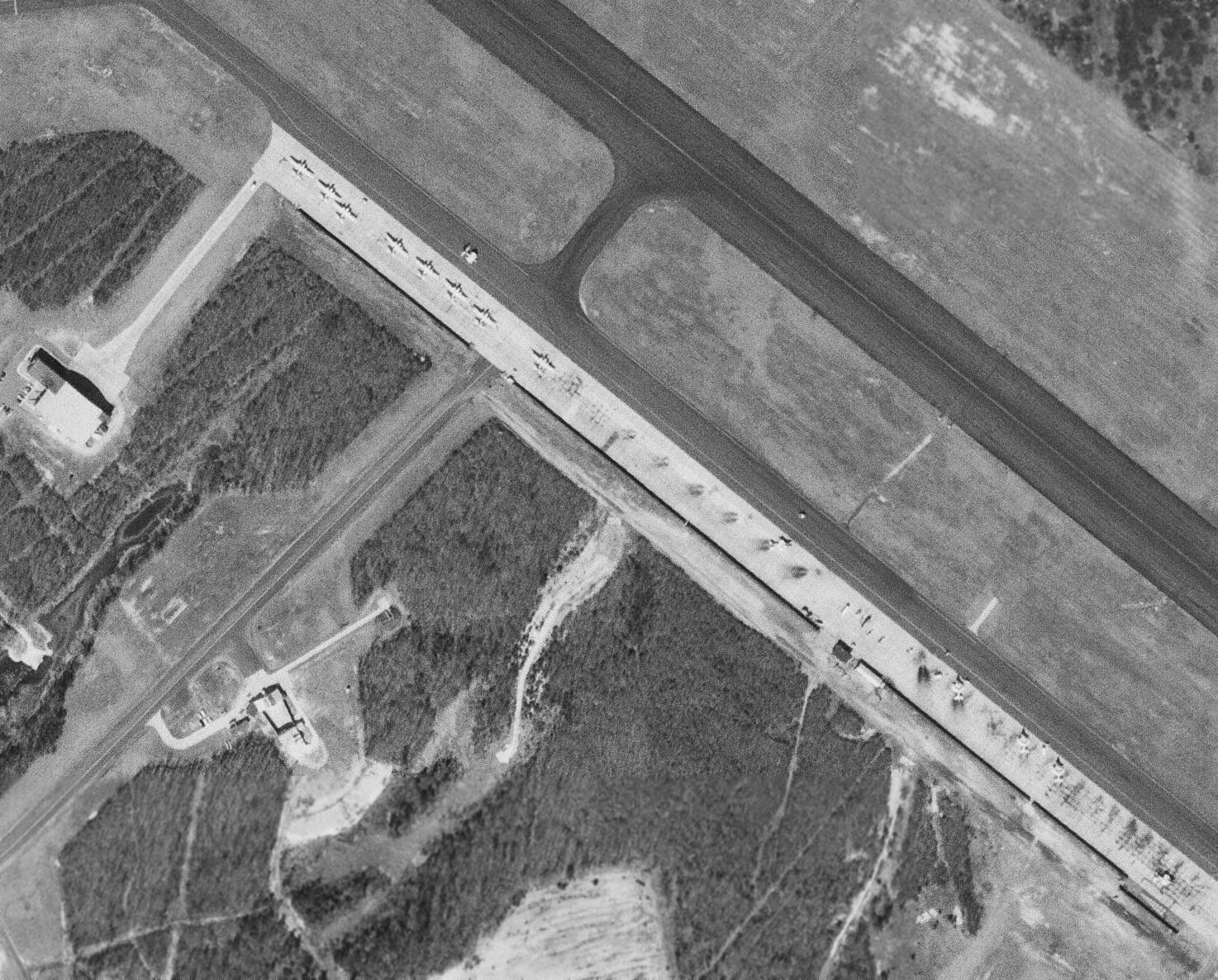
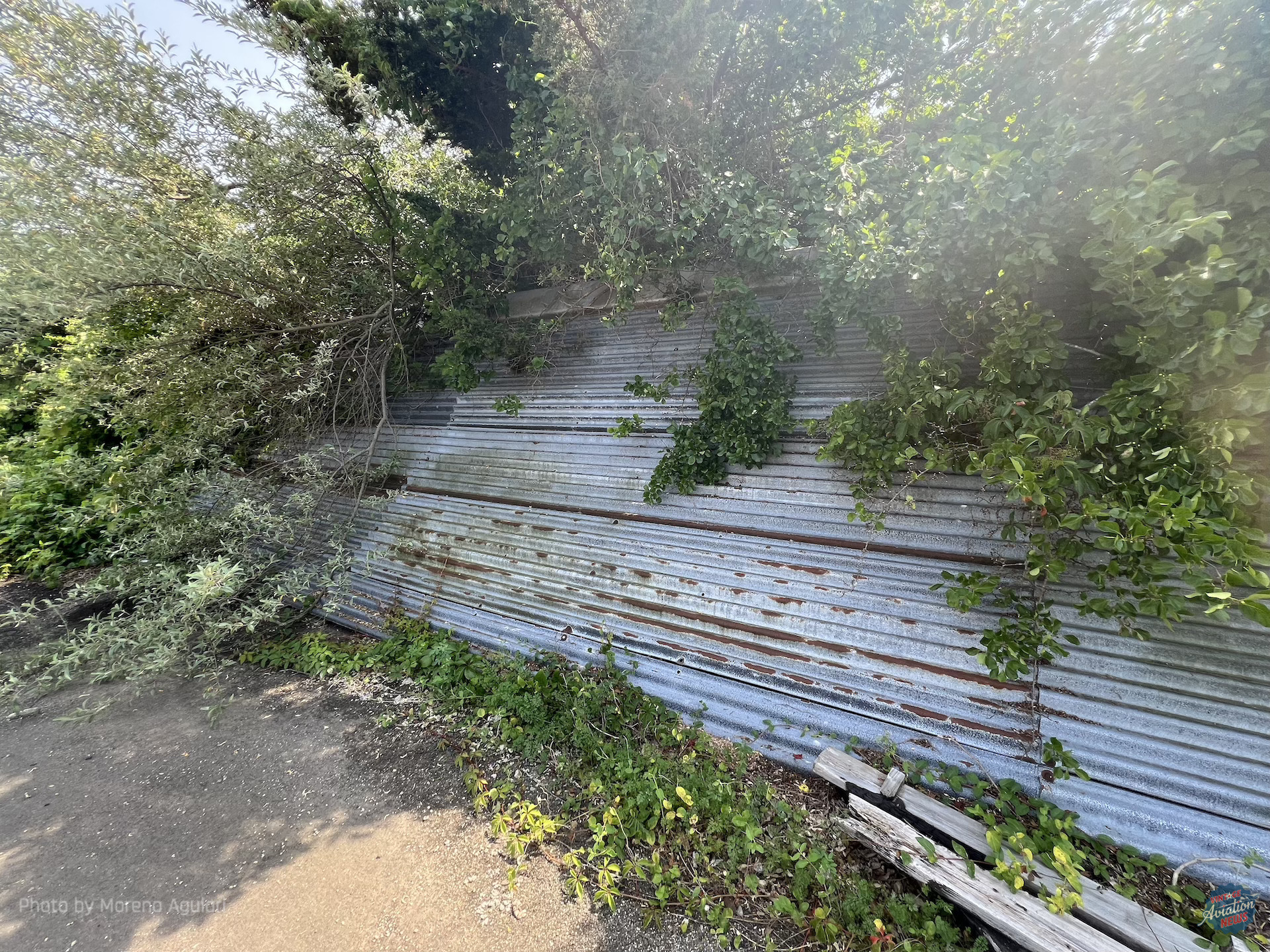
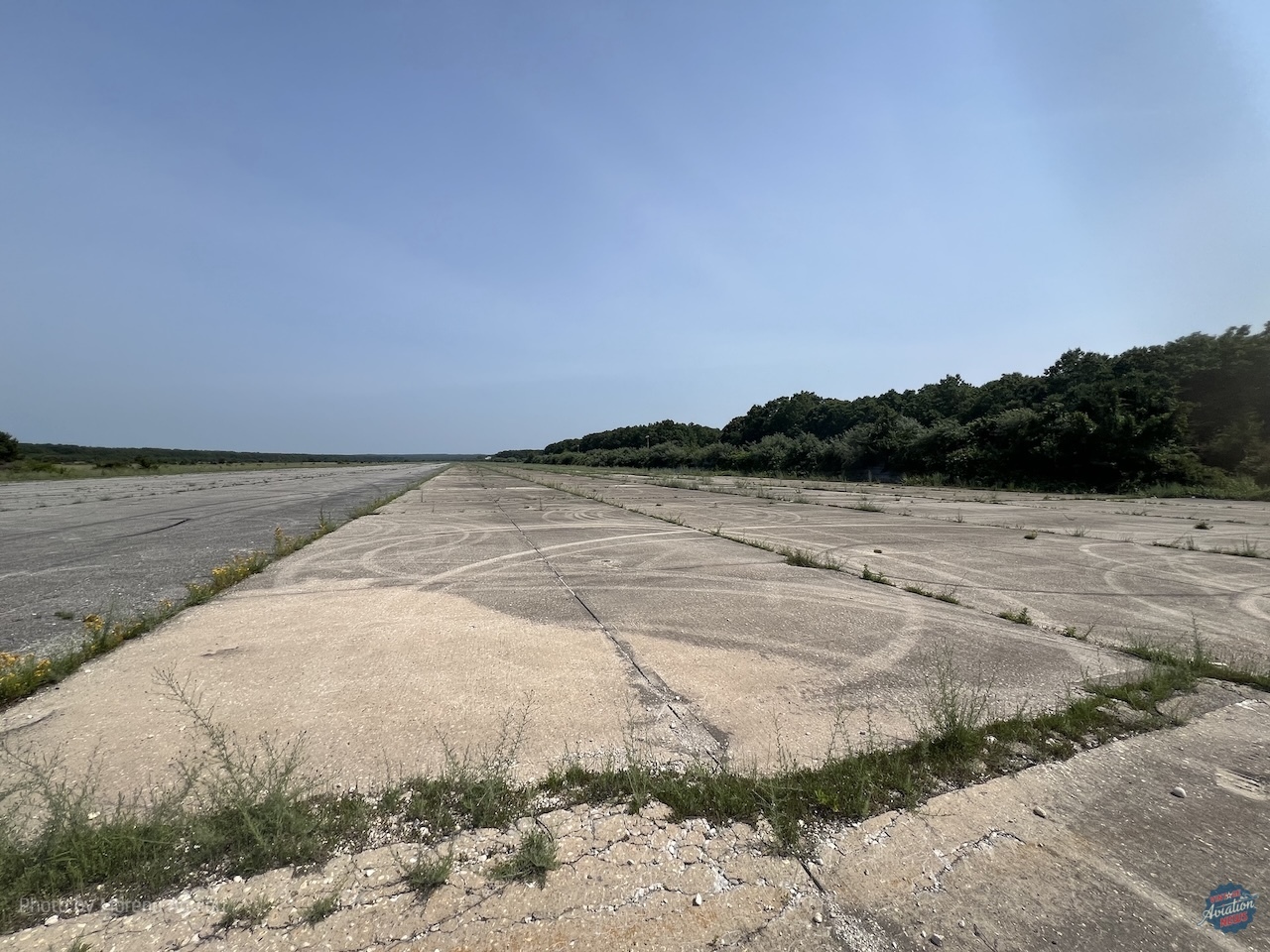
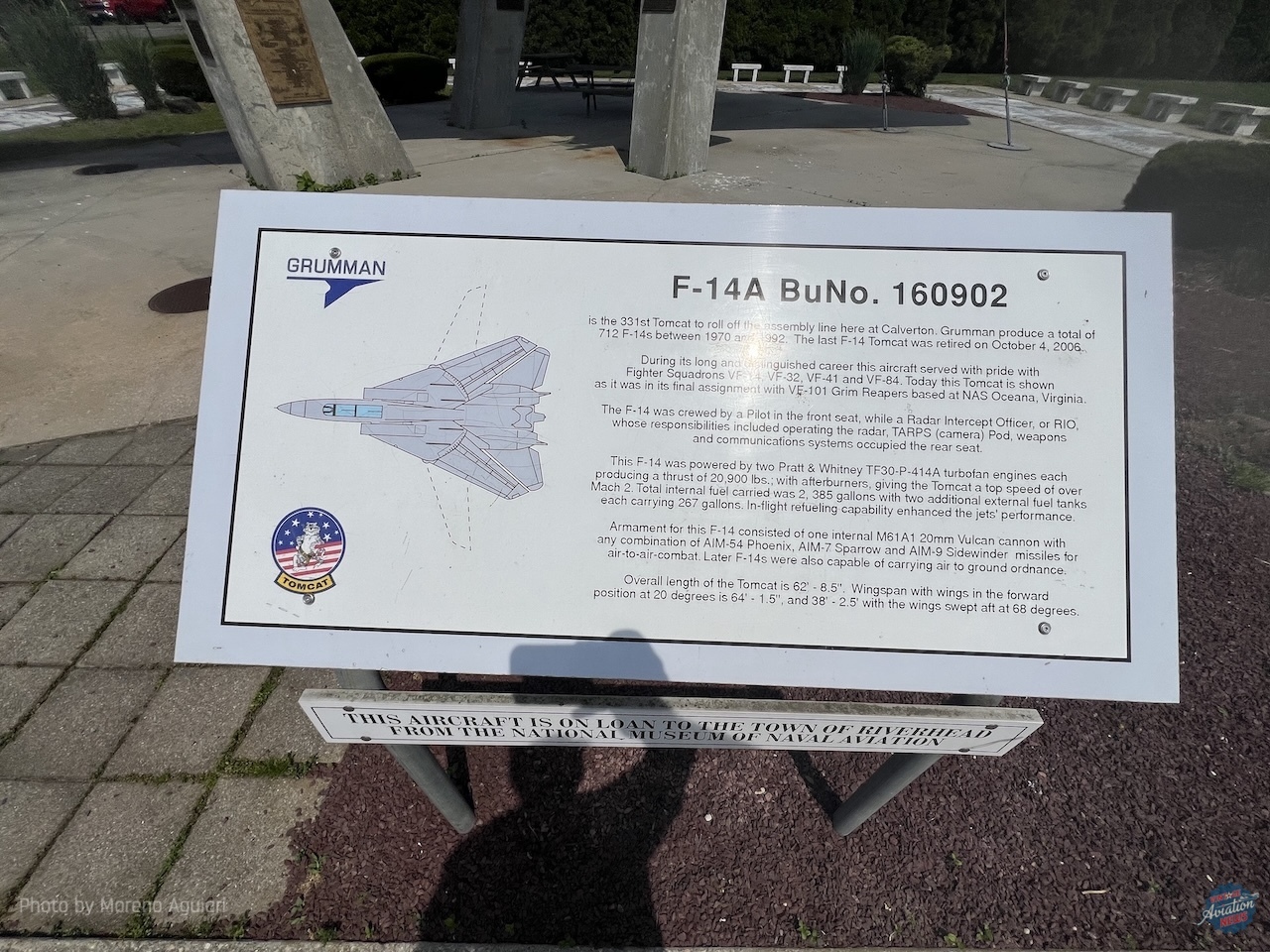
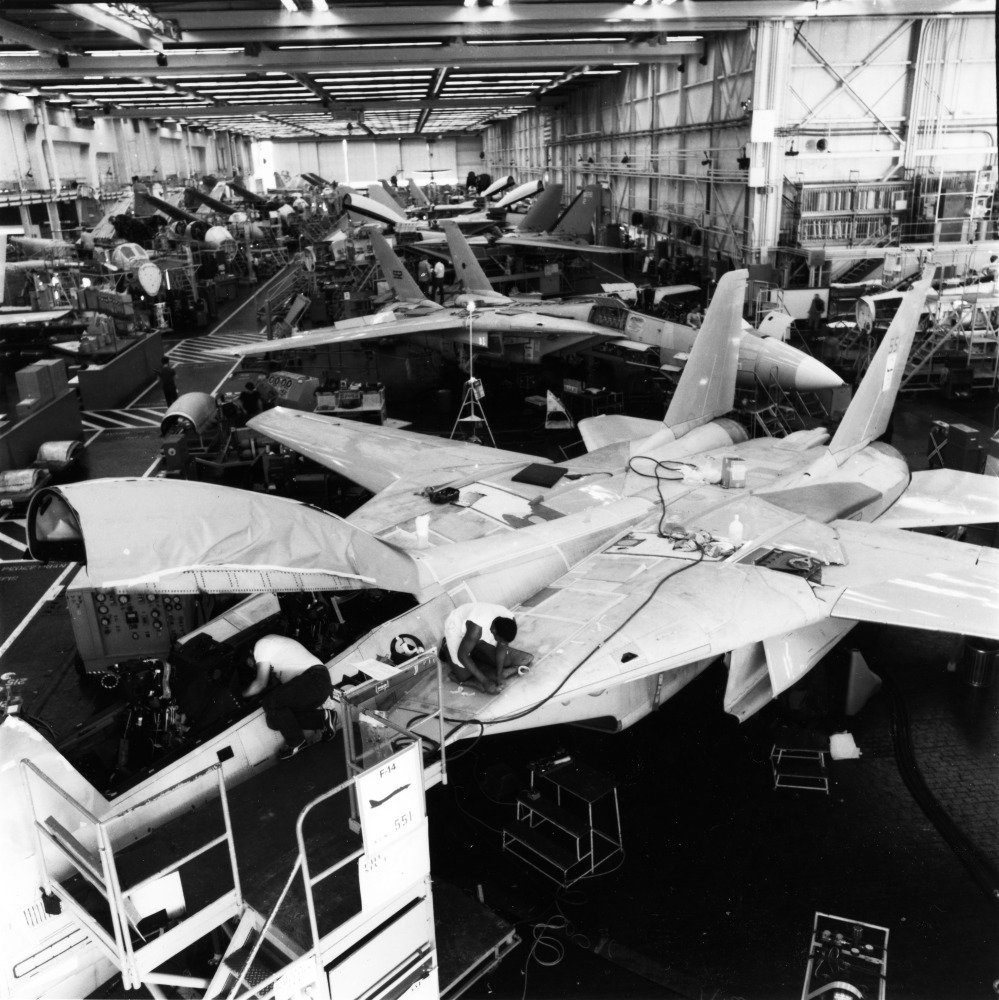
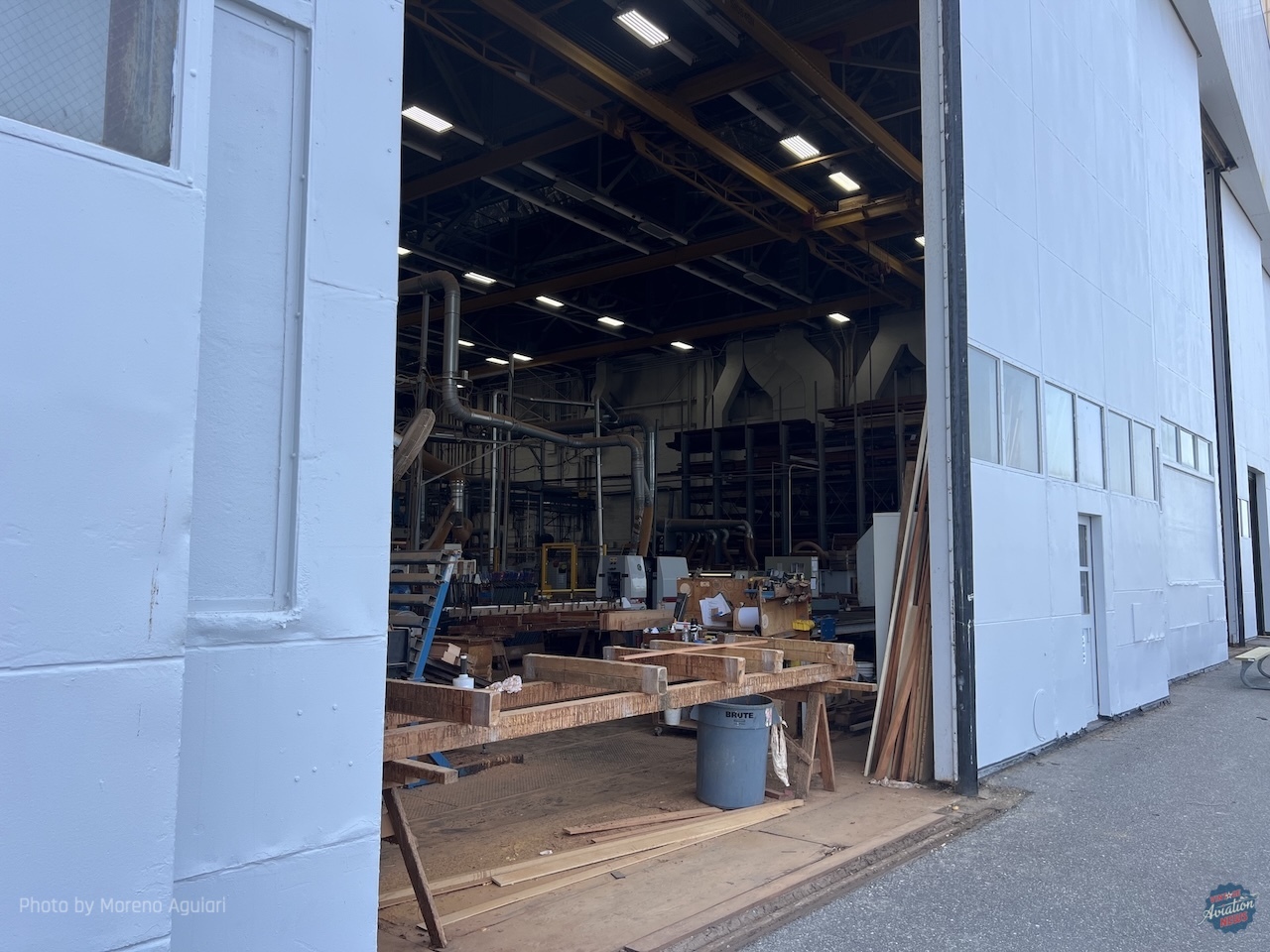
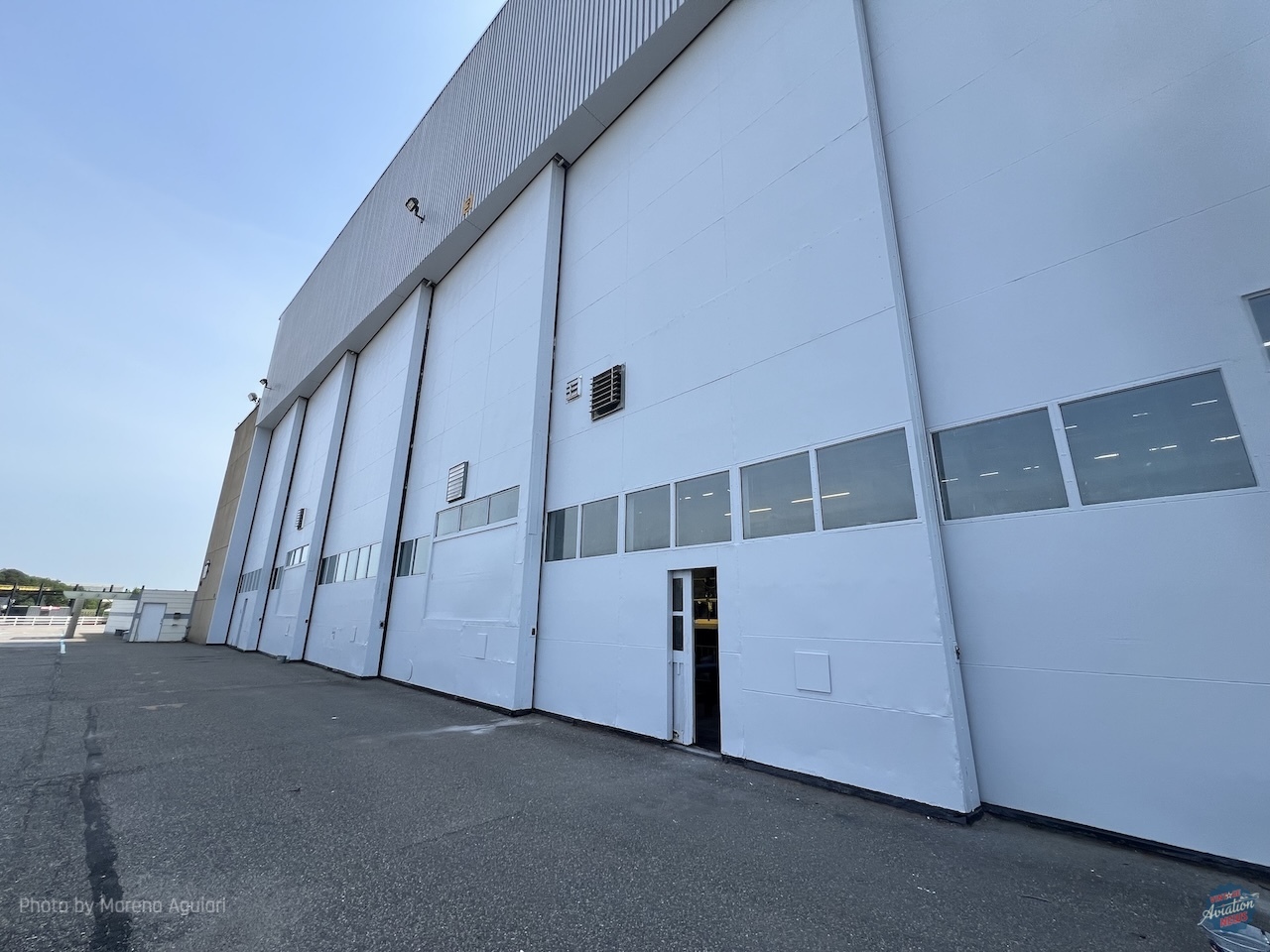
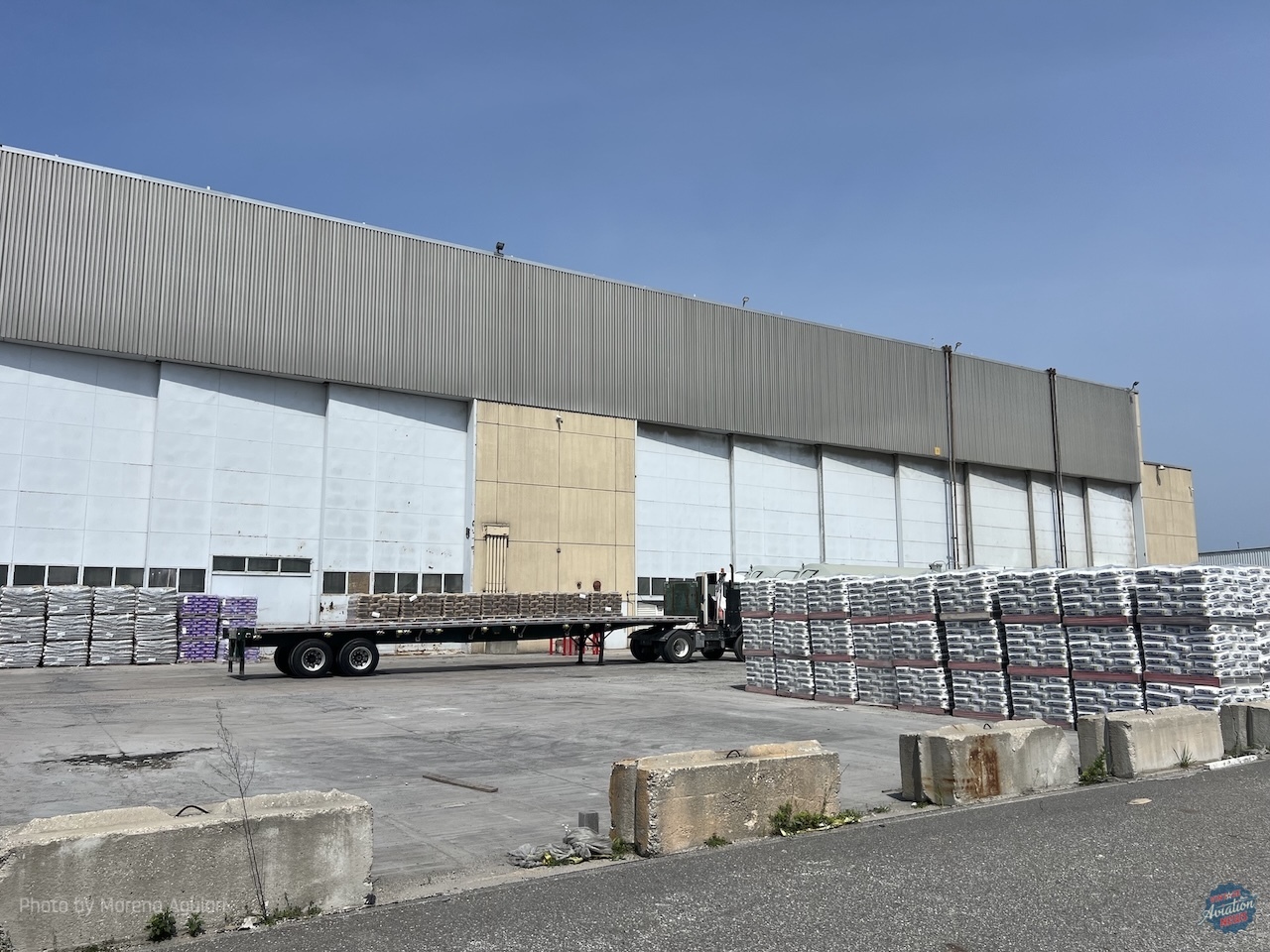
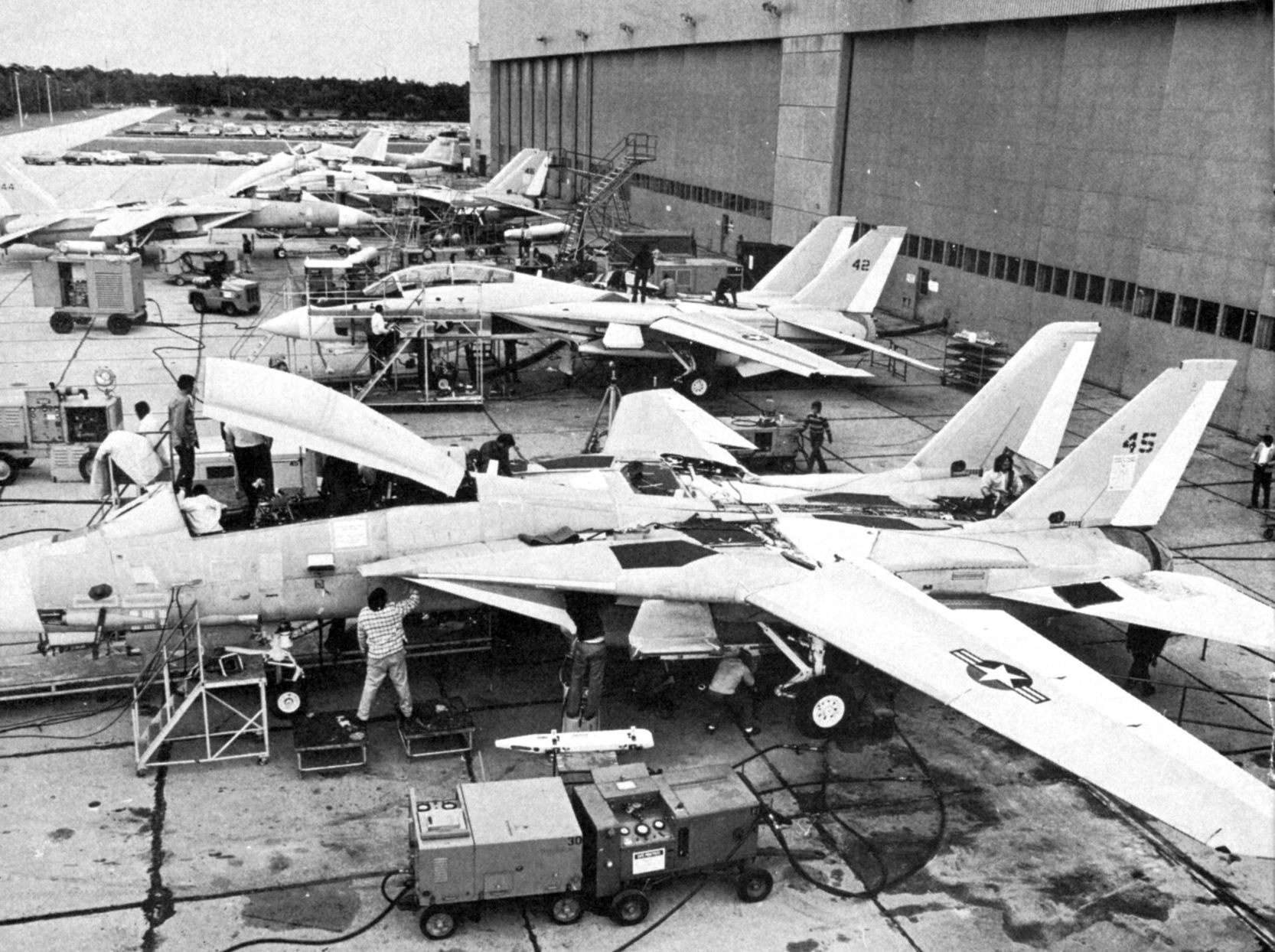
NWIRP Calverton was closely associated with assembling, flight testing, refitting, and retrofitting naval aircraft, including the Grumman A-6 Intruder, E-2 Hawkeye, EA-6B Prowler, and F-14 Tomcat. Earlier U.S. Navy and Marine Corps aircraft, such as the F9F Panther, F-9 Cougar, and F-11 Tiger, were also tested at the site. The plant was divided into Plant Six, where final assembly of major aircraft took place, and Plant Seven, dedicated to flight testing. The facility also hosted firefighting training exercises.
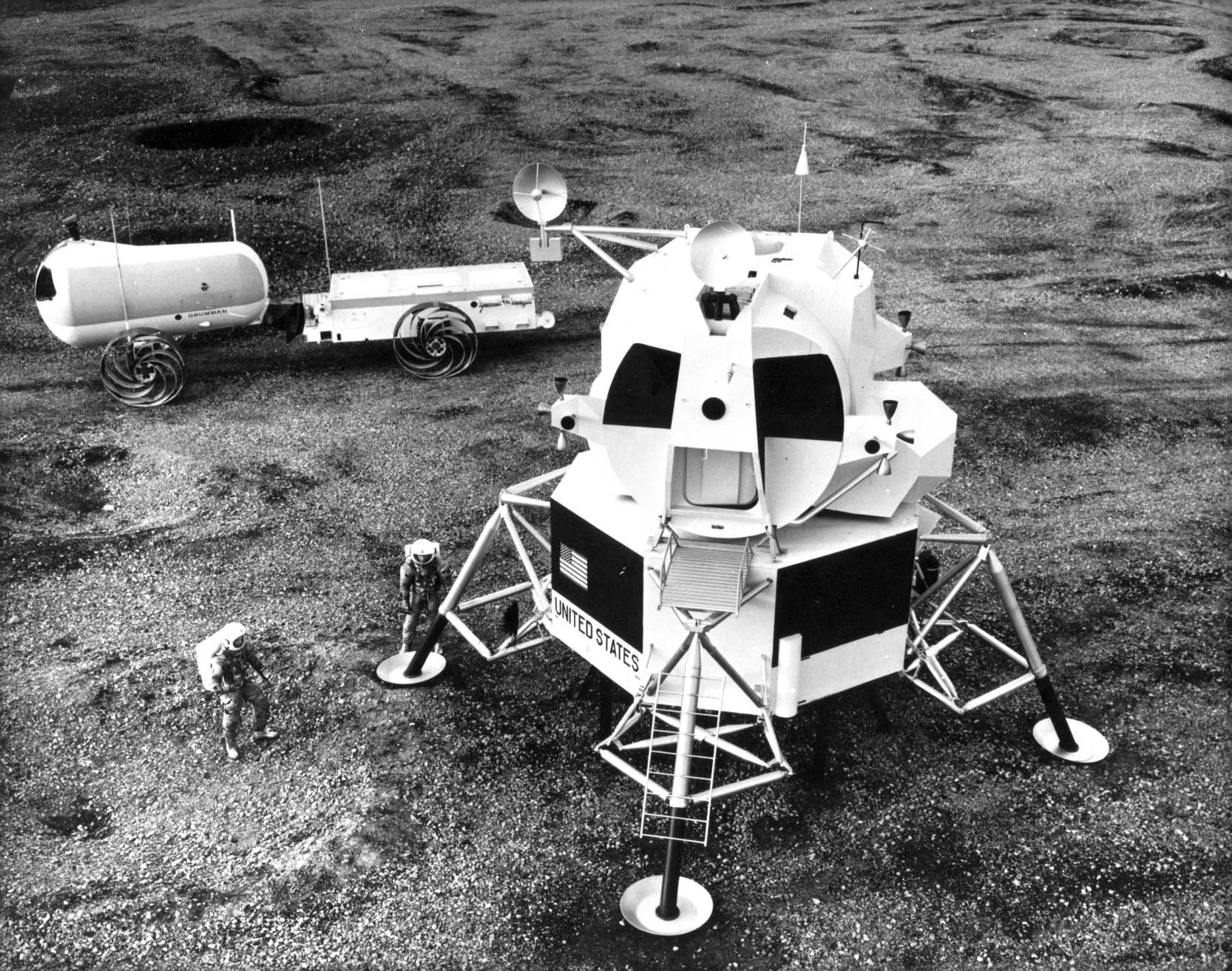
During the Space Race, Grumman constructed a mock lunar surface at the plant to test its proposed Lunar Roving Vehicle, reportedly visited by several astronauts in preparation for lunar missions.
Over the decades, the facility intersected with regional planning and national projects. In 1965, New York Governor Nelson Rockefeller proposed converting the airfield into a fourth New York City metropolitan airport, alongside LaGuardia, JFK, and Newark, but the plan was abandoned due to opposition from Grumman and local residents. In 1977, the Navy donated 902 acres north of Route 25 to establish Calverton National Cemetery, which has since expanded to 1,045 acres, making it the largest national cemetery in the United States.
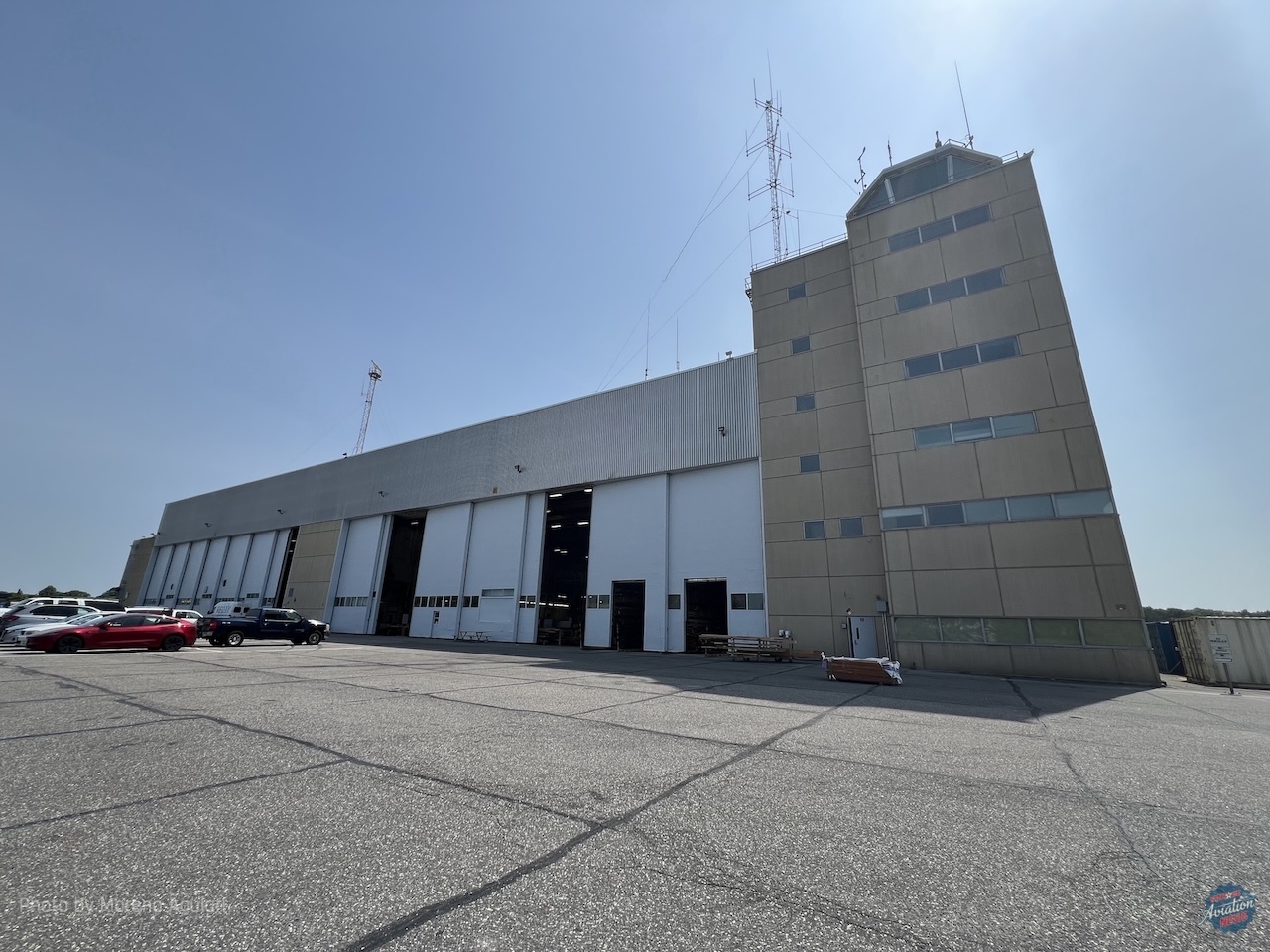
The plant’s operations began winding down after Grumman merged with Northrop Corporation in 1994, forming Northrop Grumman. By February 14, 1996, the company had vacated the site, leaving behind a remarkable industrial and aviation legacy that continues to intrigue historians, enthusiasts, and the local community.
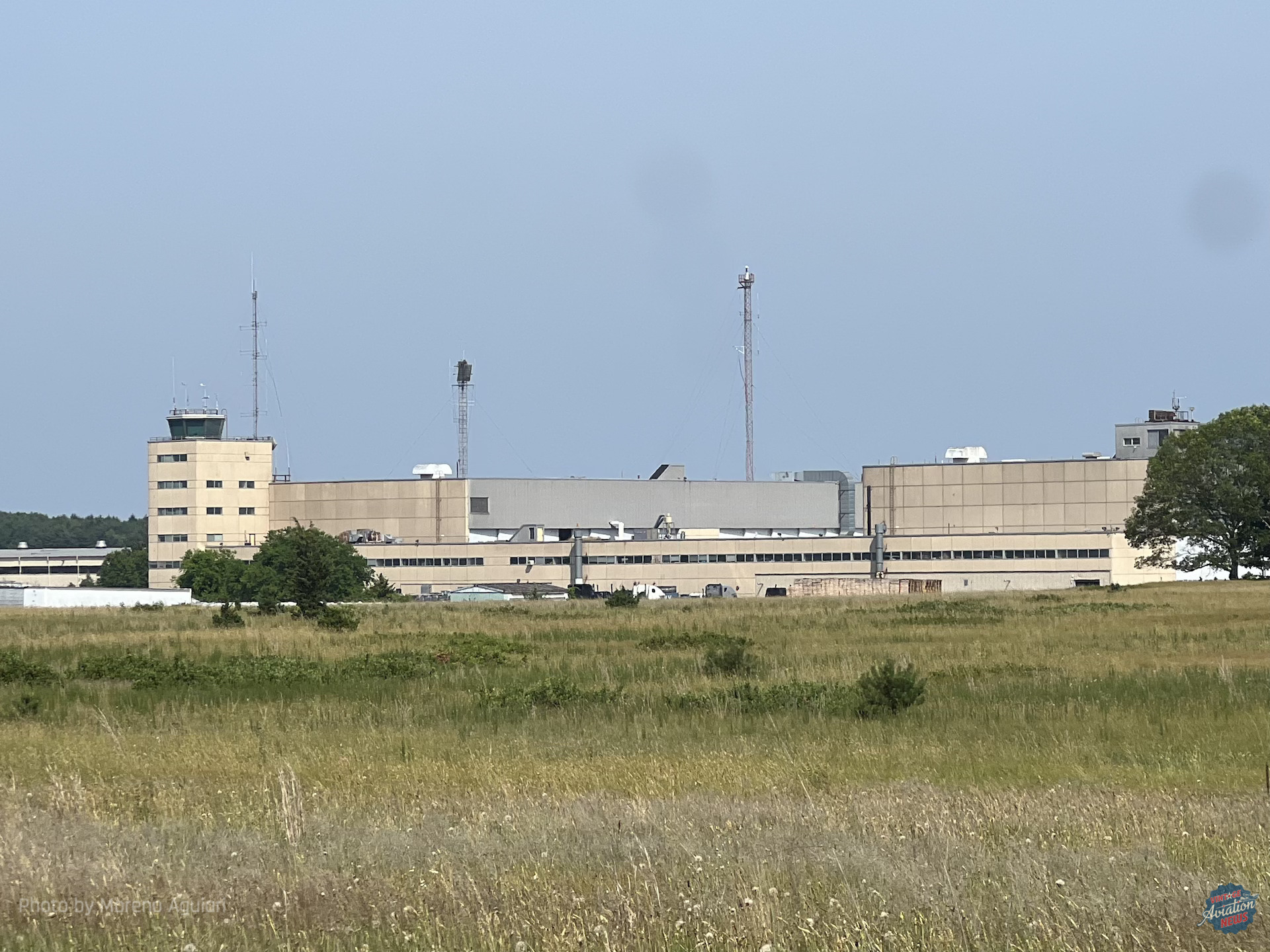
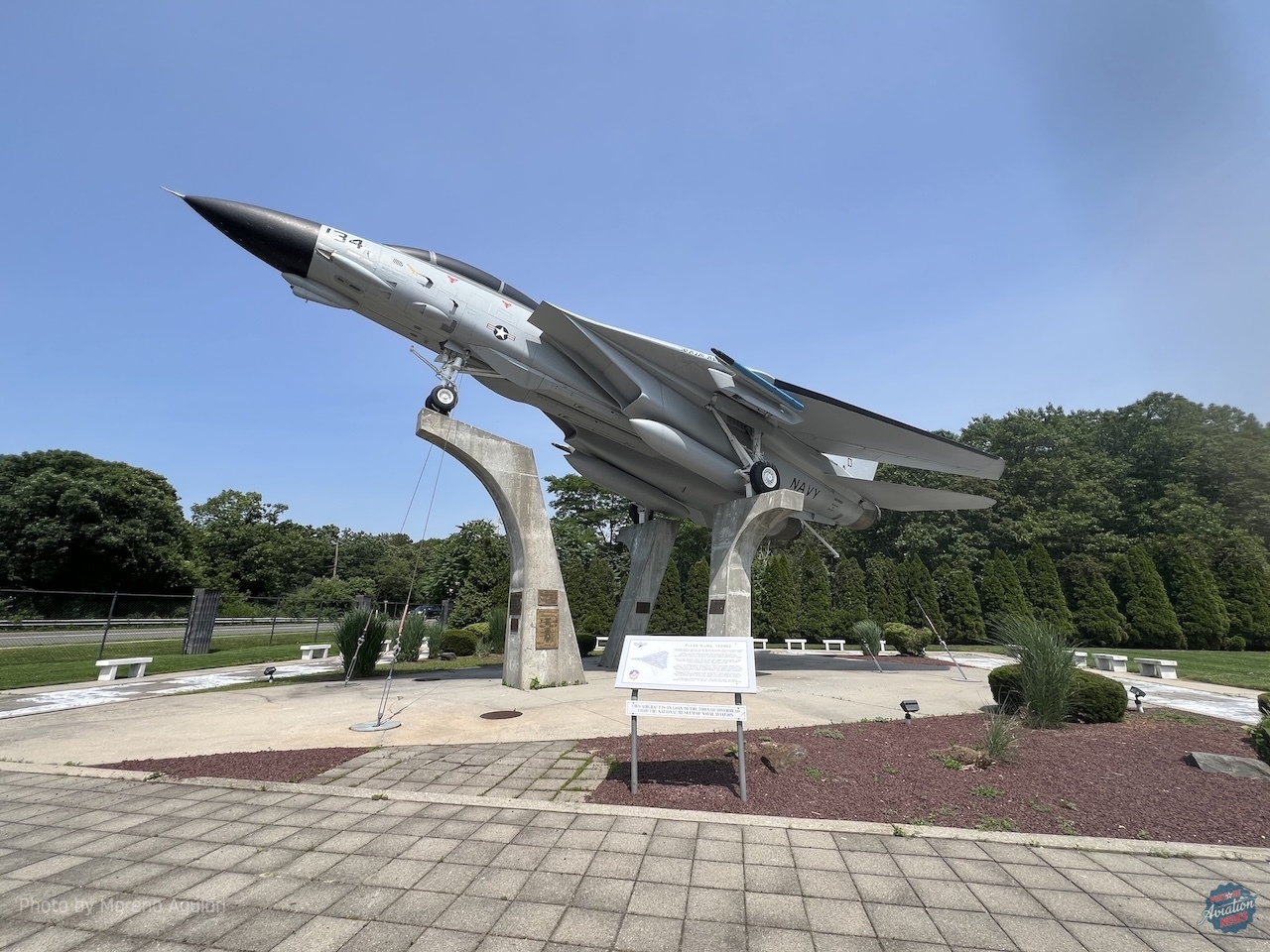
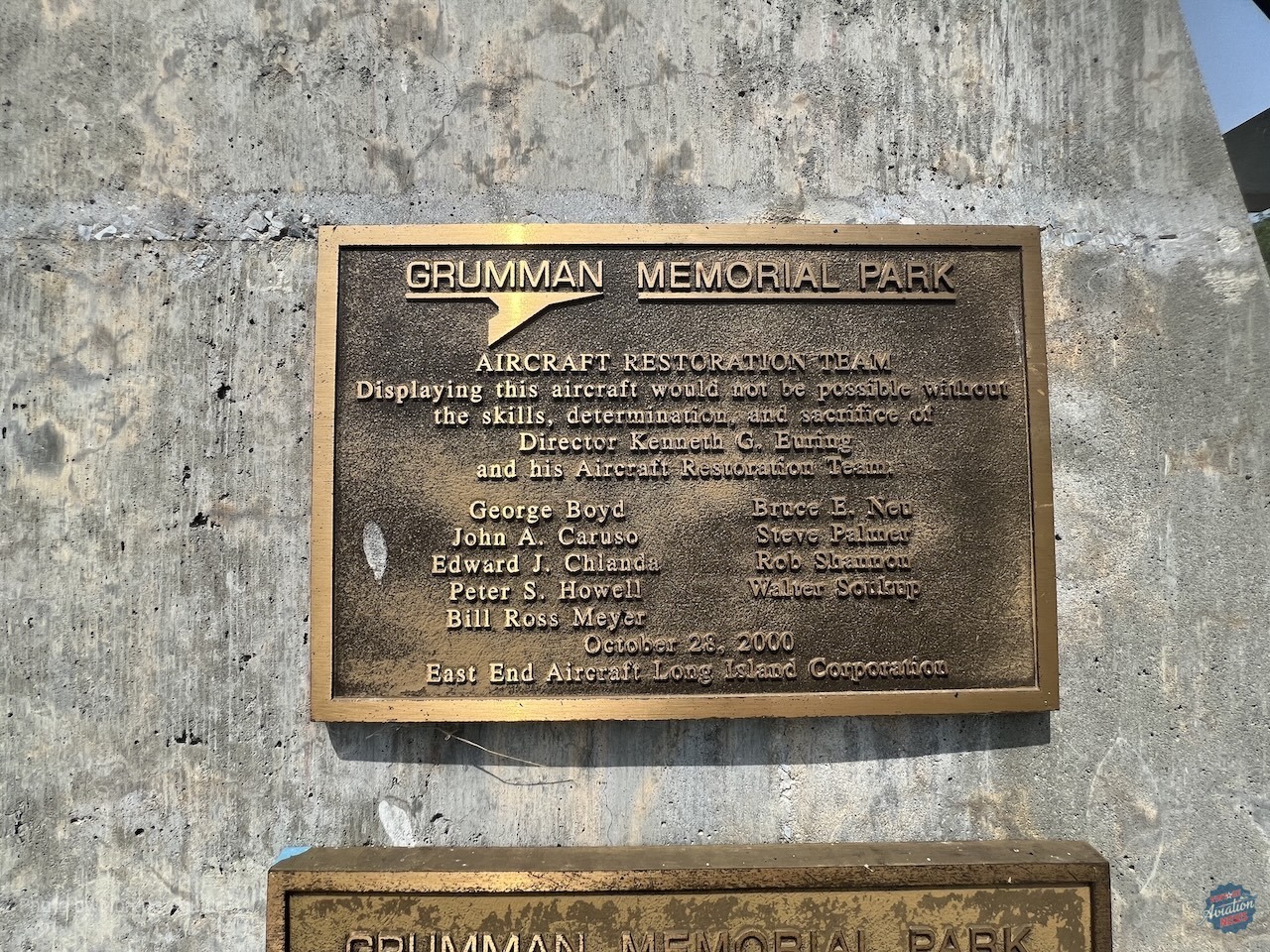
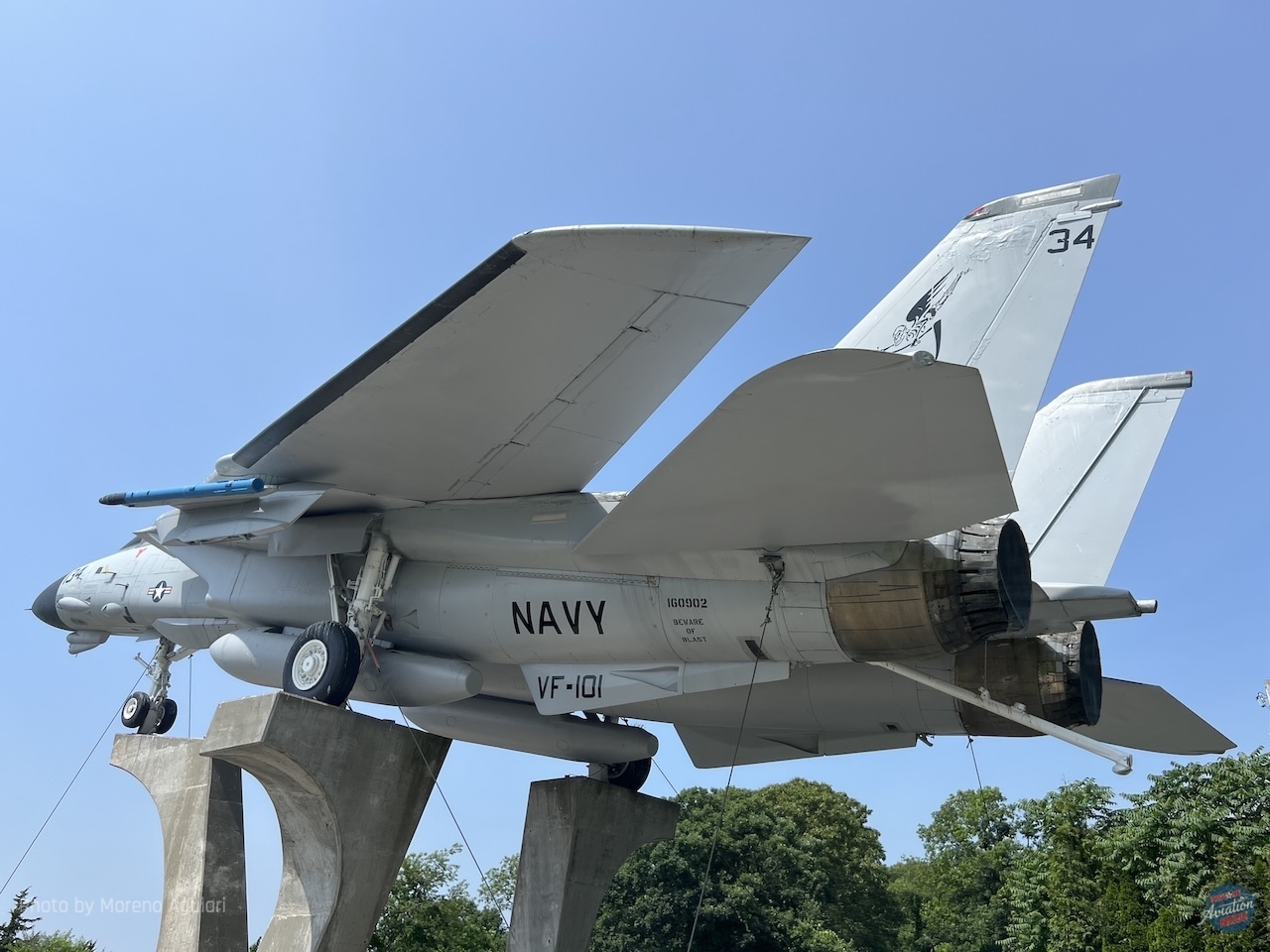
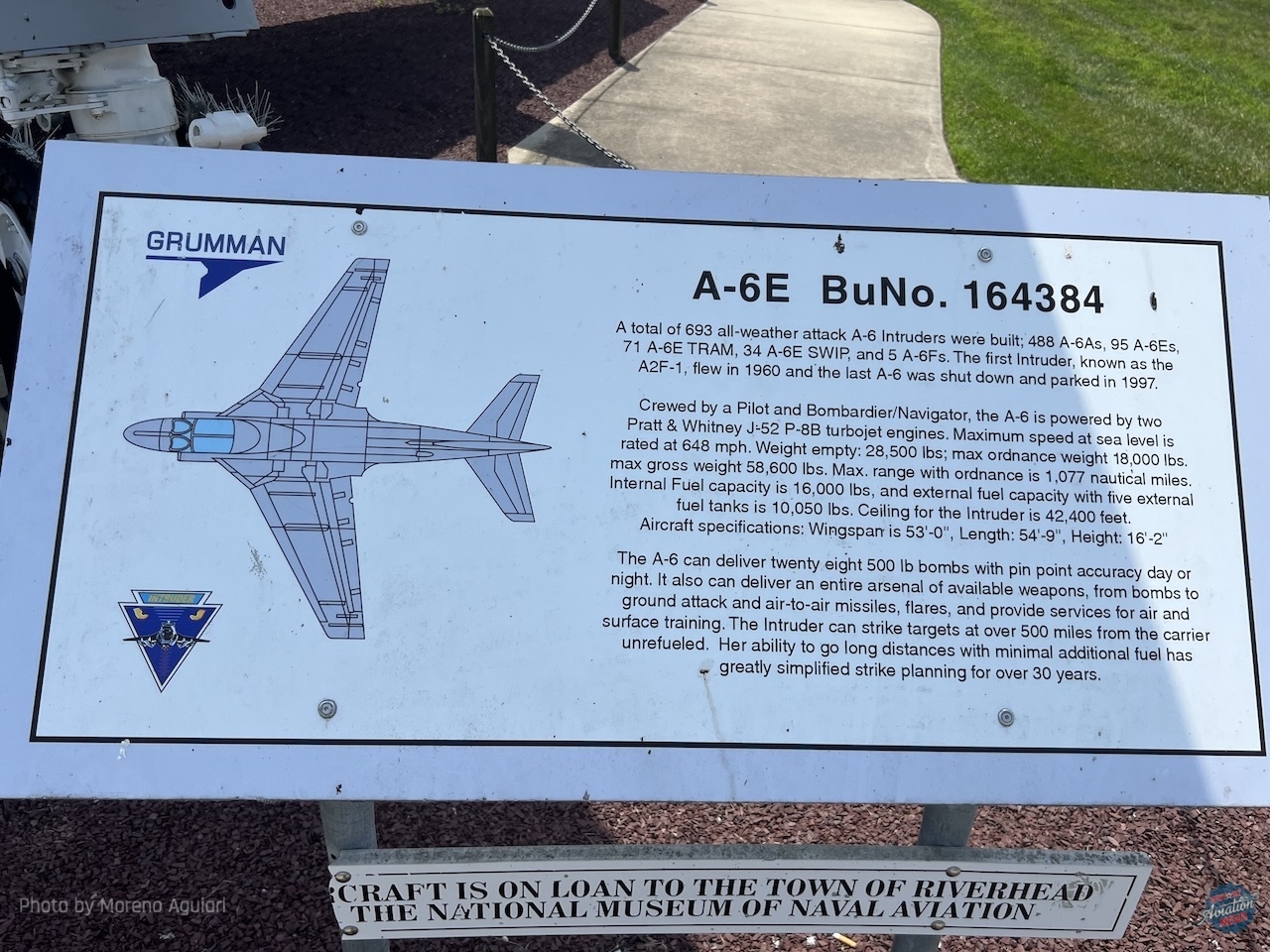
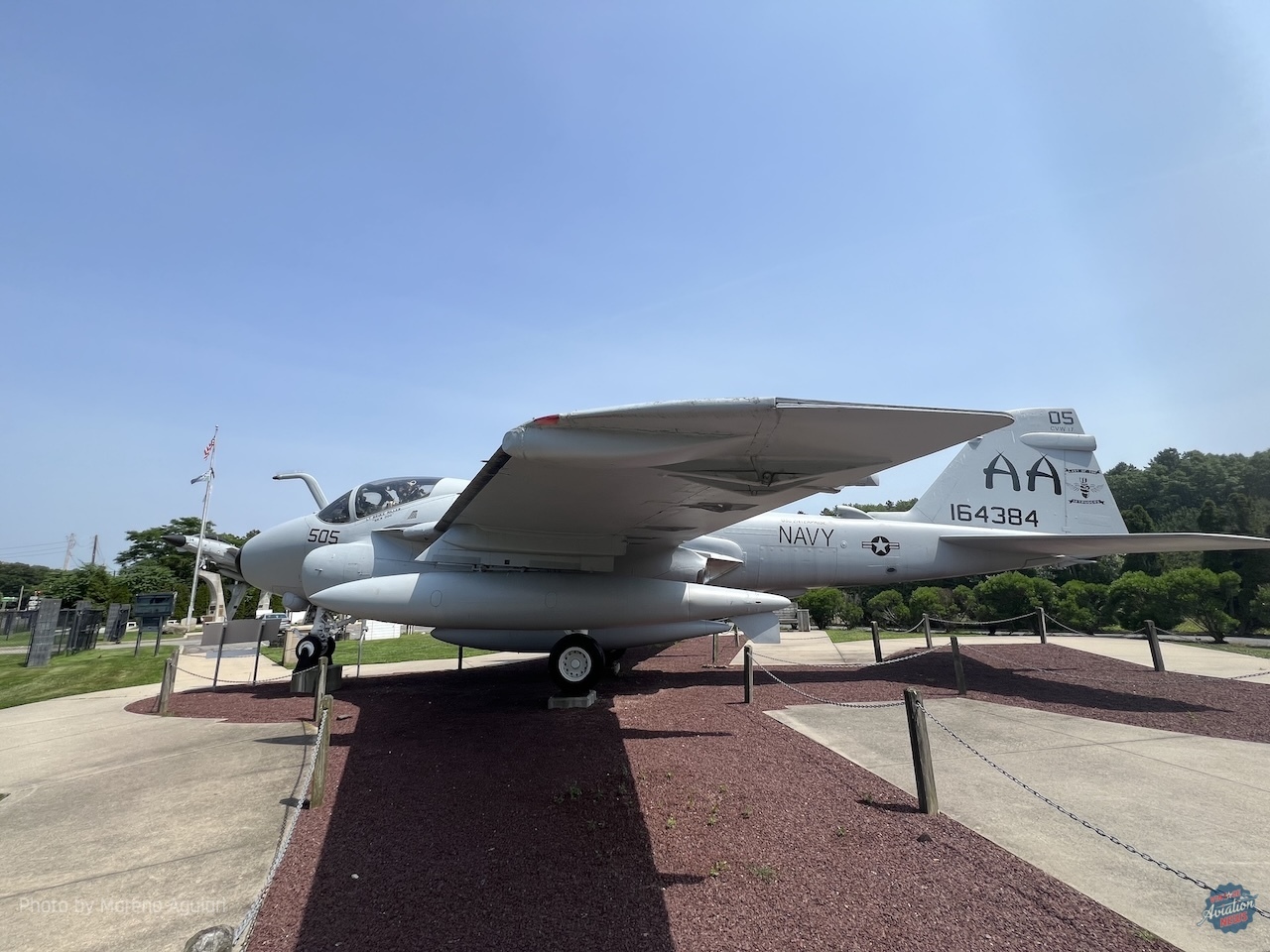
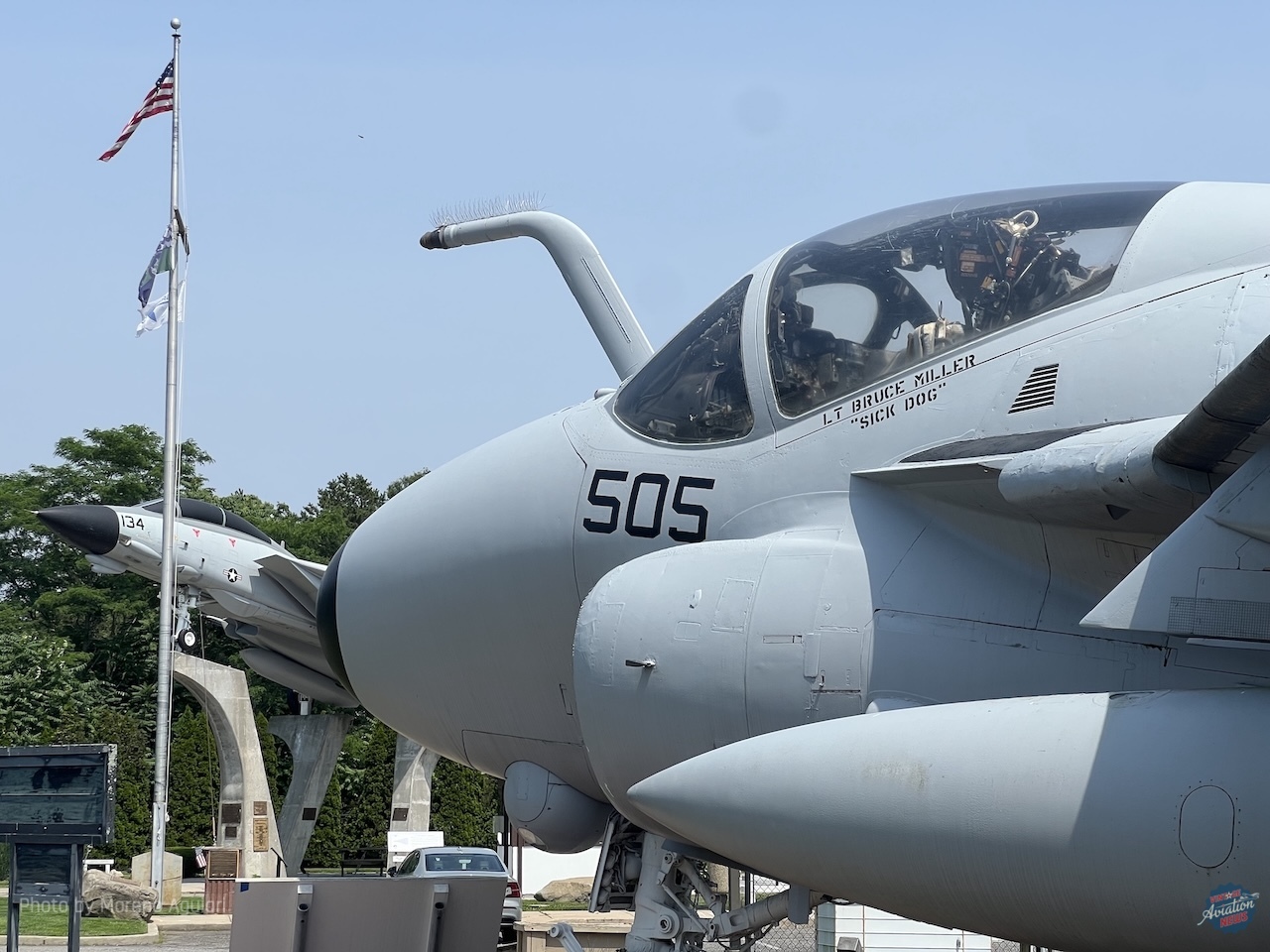
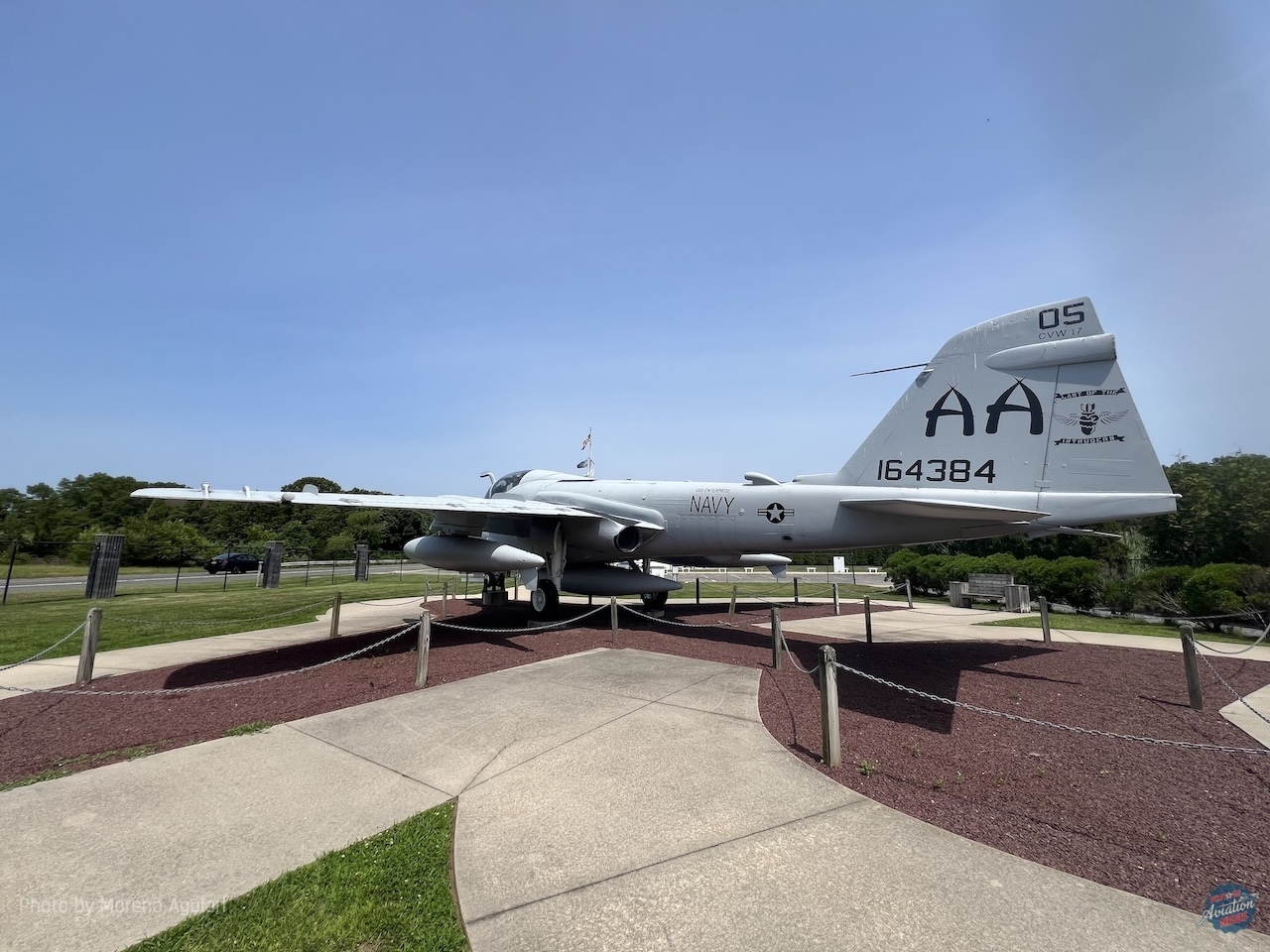
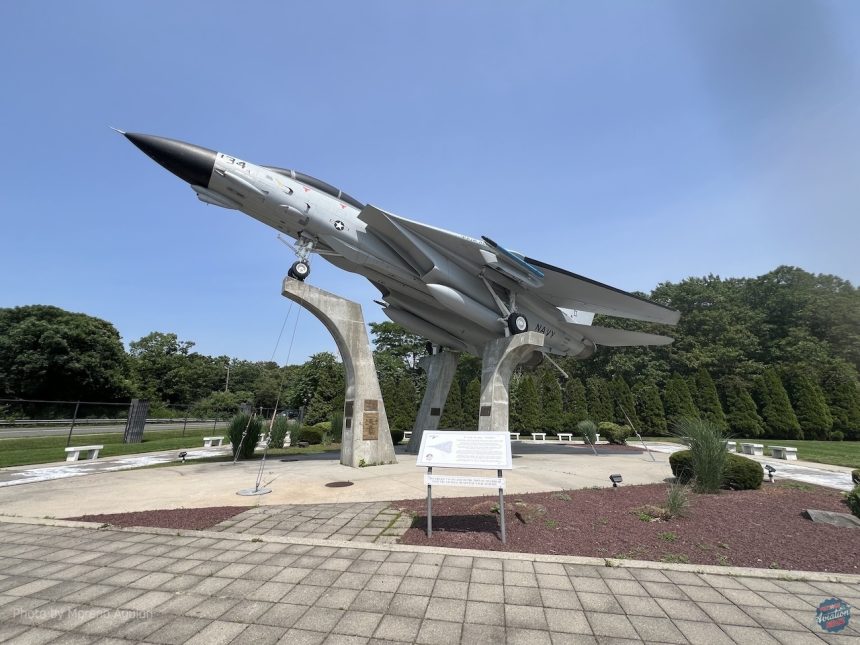
Today, Calverton Executive Airpark preserves this history while embracing new uses, from aviation activities to motorsports. Adjacent to the airpark is Grumman Memorial Park, established in 2000 on the site of the former Grumman Flight Test Facility. The park honors the significant contributions of the Grumman Aerospace Corporation to aviation history and showcases iconic aircraft such as the F-14 Tomcat and A-6 Intruder, which were produced at the nearby Calverton facility. It stands as a testament to the skilled workforce and innovative spirit that defined Grumman’s legacy and highlights Long Island’s pivotal role in U.S. aerospace development.