






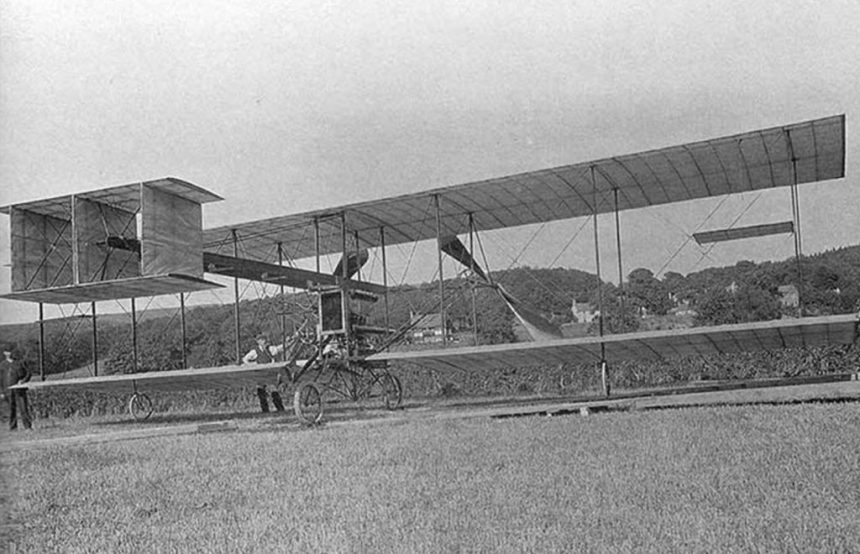

A British aviation pioneer, along with his brother, built the first successful powered aircraft in Scotland and later worked as an aircraft designer for the Bristol Aeroplane Company, helping design aircraft such as the Bristol Fighter, Bulldog, and Blenheim. Frank Sowter Barnwell was born in Kent on November 23, 1880. He was the son of Richard Barnwell, who was the director of Fairfield Shipbuilding, a shipyard on the Clyde. He studied at Fettes College in Edinburgh and then at the University of Glasgow. He worked at Fairfield from 1898 to 1904. After that, he traveled abroad for two years with his older brother, Harold. During their travels, they met the Wright Brothers in the USA, who achieved the world’s first heavier-than-air airplane flight in 1903. In 1907, he returned to Scotland and started the Grampian Motors & Engineering Company in Stirling with his brother Harold. They had previously built an unsuccessful glider in 1905. Between 1908 and 1910, they created three experimental powered aircraft. The first one did not have enough power to fly. The second, a canard biplane, achieved the first powered flight in Scotland with Harold as the pilot in July 1909, but it was damaged during a second attempt. The third aircraft, a mid-wing monoplane, was built in 1910. It made a successful flight of over a mile in Scotland on January 30, 1911, at Causewayhead near the Wallace Monument.
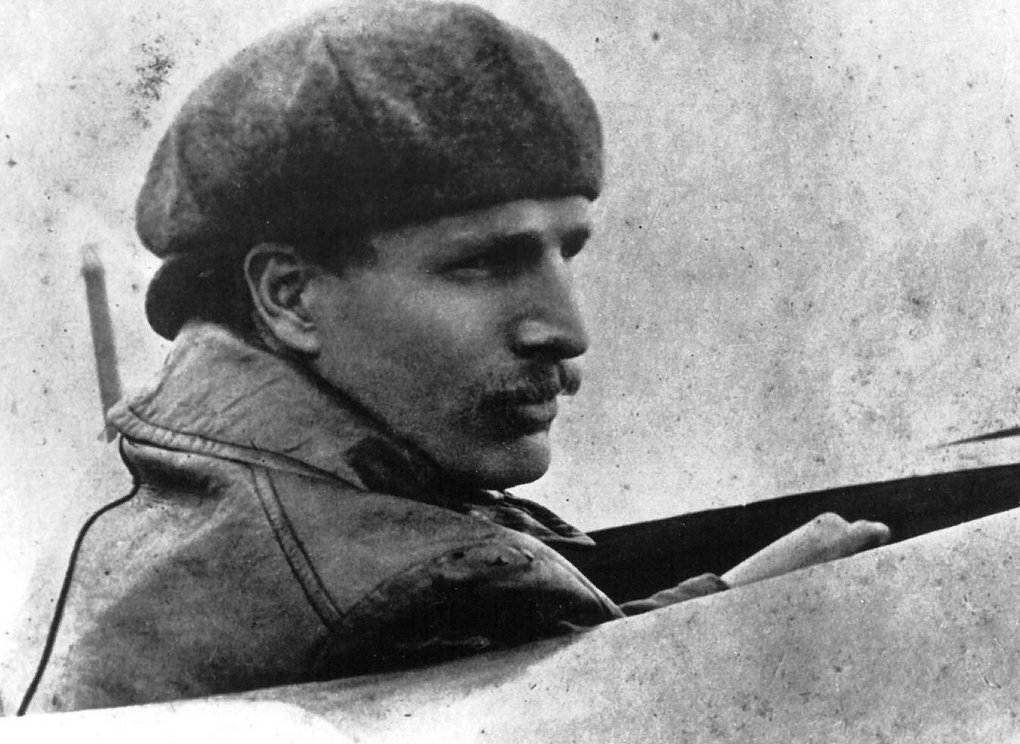
In 1912, Harold Barnwell became the Chief Test Pilot at A.V. Roe, an aircraft manufacturer in Brooklands, Surrey. He died while testing a new aircraft model in 1917. In late 1914, Harold Barnwell was the chief test pilot at Vickers Limited. He designed a single-seat aircraft for fast reconnaissance, called the “Barnwell Bullet.” He built it without telling his employers and used a Gnome Monosoupape rotary engine from their supplies. Barnwell tried to fly the aircraft for the first time in early 1915, but it crashed and was destroyed, possibly due to a mistake in calculating the center of gravity. Harold Barnwell died on August 25, 1917, while test flying the prototype Vickers Vampire night fighter in Joyce Green, Kent. Some reports suggest he may have fallen ill while flying. Meanwhile, Frank Barnwell joined the Bristol Aeroplane Company in March 1911. In late 1911, Barnwell began working as a designer for a secret department established by the company. He worked with Dennistoun Burney on an unorthodox seaplane project for the Admiralty. The Bristol-Burney seaplanes were not a success. Barnwell then co-designed the Bristol Scout with Harry Busteed. When WWI broke out, he joined the Royal Flying Corps and was commissioned as a captain in the Royal Flying Corps and served with No. 12 Squadron. Here he saw the superiority of the German Fokker aircraft over those used by the RFC.
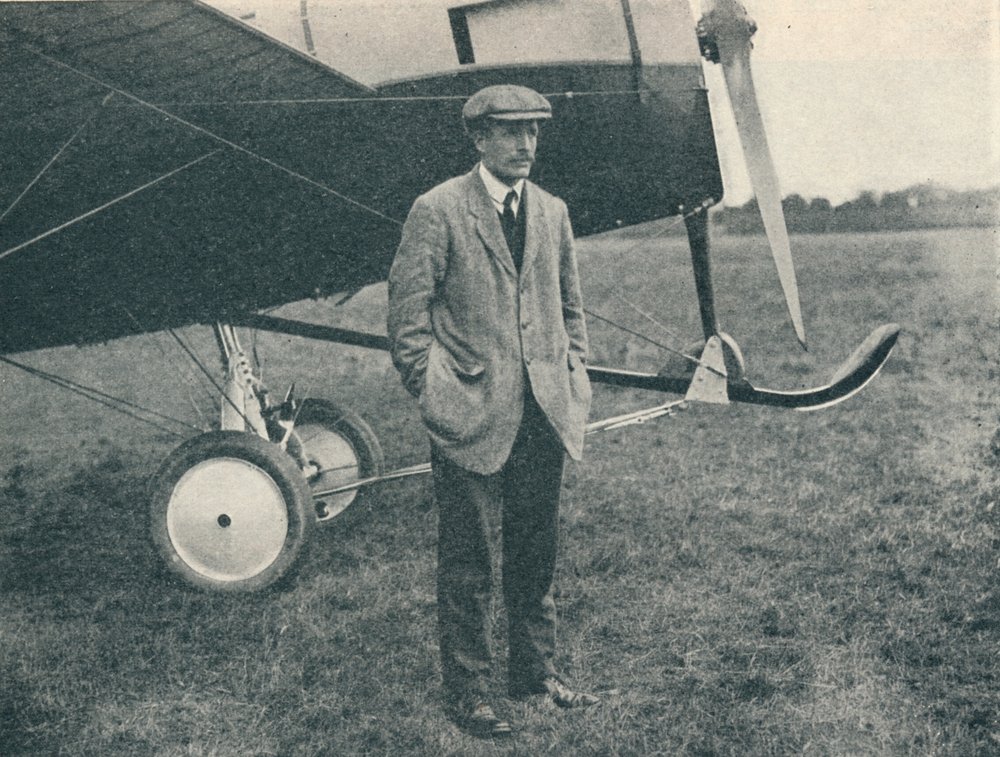
In 1915, he returned to the Bristol Aeroplane Company as Chief Engineer, a position he held for more than twenty years. He was responsible for designing various aircraft, including the Bristol F.2 Fighter during WWI and the Bristol Blenheim in the 1930s, which was used throughout much of WWII. From October 1921 to October 1923, he worked in Australia as an aviation advisor for the Australian Government. Frank Barnwell received an OBE for his service during the war on June 7, 1918. He was also awarded the Air Force Cross on September 1, 1918. He died on August 2, 1938, when a light aircraft he designed, the Barnwell B.S.W., stalled during takeoff from Bristol and crashed on a nearby road. As pioneers of aeronautical engineering, the Barnwell brothers’ love for aviation made life hard for the Barnwell family. Still, it shows exactly how many sacrifices the aviation world took to reach where it is today. Frank and his brother Harold both died during test flights. In addition, all three sons of Frank Barnwell and his wife Marjorie lost their lives while serving in the RAF during the early years of WWII. Pilot Officer John Barnwell from 29 Squadron died at age 20 on June 19, 1940. Flight Lieutenant Richard Barnwell from 102 Squadron died at age 24 on October 29, 1940. Pilot Officer David Barnwell, who received the DFC from 607 Squadron, died at age 19 on October 14, 1941. A single family had an lasting impact on the aviation world. Read more such stories HERE.




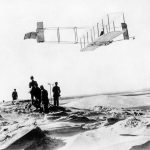

The first airplane created in the world was in 1906 from a Brazilian Alberto Santos Dumont showed in Paris, Americans tried to prove they were first with a picture.