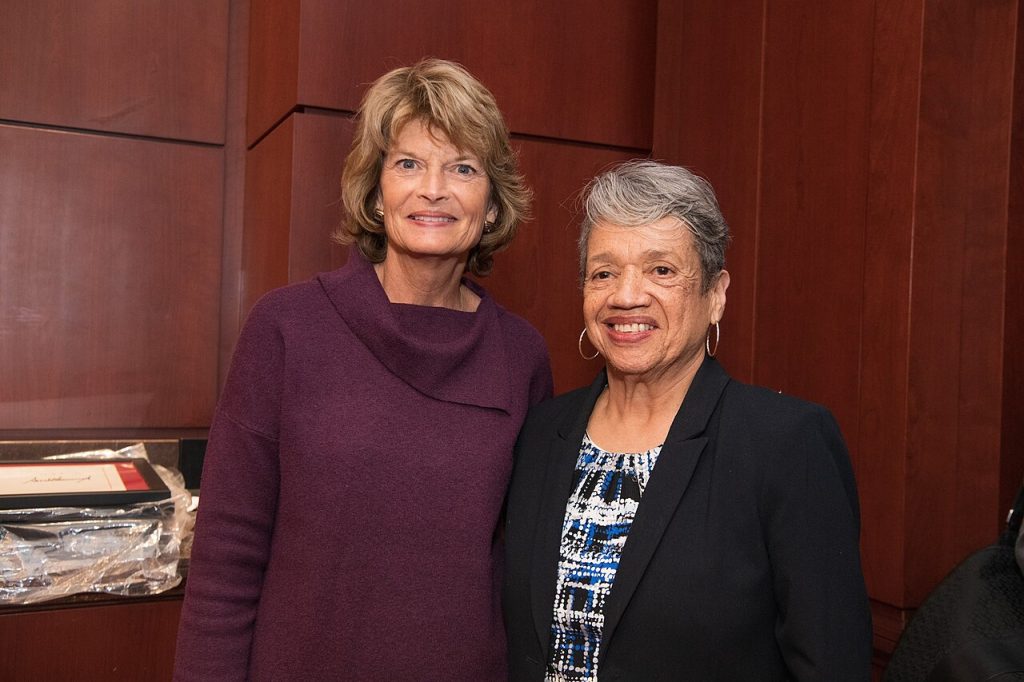

A woman at NASA Langley is famous for her research on reducing sonic booms. Christine Darden, born on September 10, 1942, in North Carolina, was the first African American woman promoted to the Senior Executive Service at NASA’s Langley Research Center, the highest rank in the federal civil service. Darden is known for her scientific research and mentoring future aerospace scientists and engineers; she graduated from Hampton University with a bachelor’s degree in mathematics in 1962. After getting a teaching certificate, she taught high school math for a short time. Christine Darden then went to Virginia State University, where she got a master’s degree in applied mathematics and taught the subject there, too. In 1967, Darden joined NASA Langley as one of the last “human computers.” The group included female mathematicians, many of whom were African American. She is one of the renowned Langley women featured in the book “Hidden Figures.”
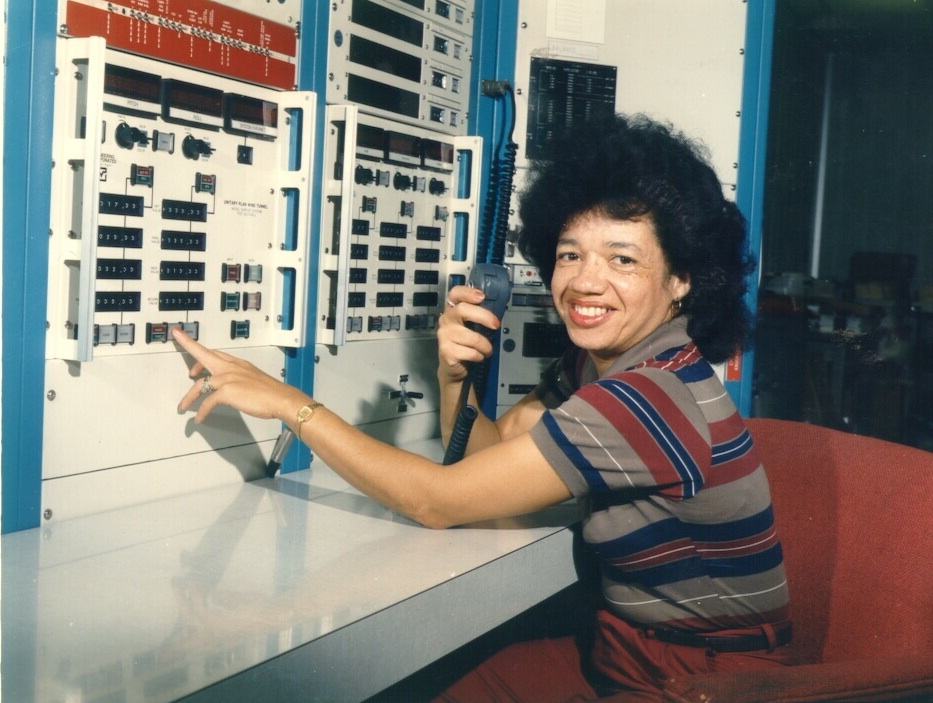
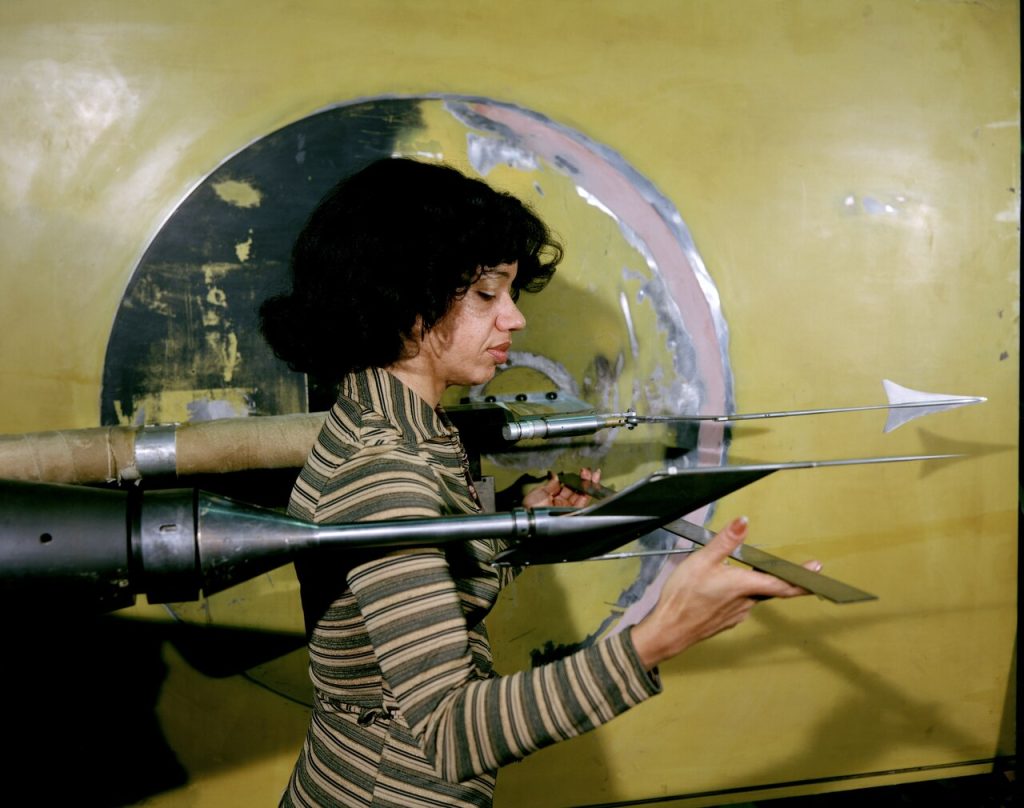
After six years of working with numbers, Christine Darden became an aerospace engineer. Her first job was to create a computer program for sonic booms, the sounds produced by shock waves from aircraft flying faster than the speed of sound. The job started her 30-year career in flight research, where she focused on understanding and reducing supersonic noise. Christine Darden also continued her education, earning a doctorate in mechanical engineering from George Washington University in 1983. By 1989, Darden led the sonic boom group for NASA’s High-Speed Research Program. She and her team focused on creating designs to reduce the environmental impacts of supersonic aircraft, such as noise and air pollution. They also developed codes to predict sonic booms and to perform other analyses, which became widely used in aircraft design throughout the late 20th century.
In 1999, Christine Darden became the director of NASA’s Aero-Performing Center Management Office. In this role, she oversaw research at Langley related to air traffic management and aeronautics programs at other NASA centers. She also worked with Langley’s Strategic Planning Office and led Langley’s Strategic Communications Office until her retirement in 2007. Darden has authored over 50 publications on high-lift wing design for supersonic flow, flap design, and predicting and reducing sonic booms. Christine Darden is involved in several organizations, such as the American Institute of Aeronautics and Astronautics (AIAA), where she is an associate fellow and serves as the secretary of the Aeroacoustics Technical Committee. She is also a member of the Beta Kappa Chi National Scientific Honor Society, the Kappa Mu Epsilon Honorary Mathematics Society, the National Technical Association, and the Sigma Pi Sigma Physics Society.
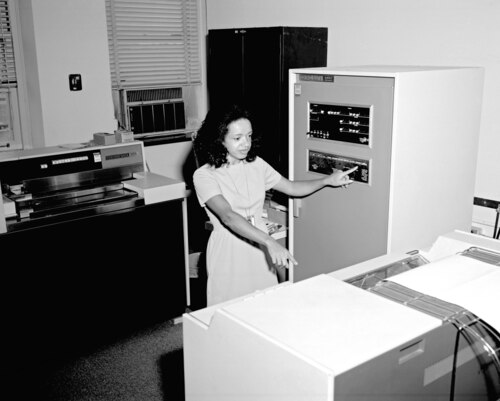
Christine Darden was awarded several times for her achievements. Her awards include the Black Engineer of the Year Award for Outstanding Achievement in Government, the Lifetime Achievement Award from Women in Aerospace, the NASA Equal Opportunity Medal, and the NASA Outstanding Leadership Medal. In 2019, the United States Congress awarded her the Congressional Gold Medal, the highest honor from Congress for outstanding achievements and contributions by individuals or organizations. As one of the Pioneers of Aeronautical Engineering, Christine Darden spent nearly 40 years at NASA conducting research on supersonic flight and sonic booms, which helped bring aviation where it is today. Read more such articles HERE.