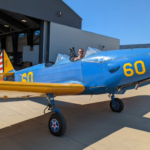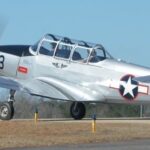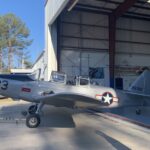
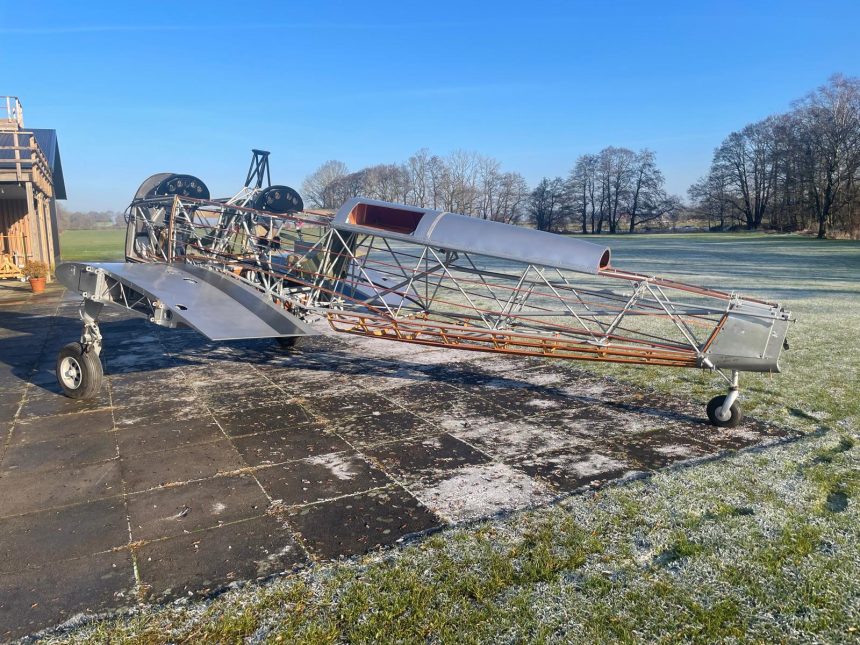

The American Heritage Museum’s restoration of its Fairchild PT-19A Recruit (serial number 43-31512), highlighted in a September 2025 update for its connection to the Tuskegee Airmen training legacy, continues to make steady progress as the project moves into its final structural and systems phase. Recent comments from museum founder Rob Collings indicate that much of the aircraft’s external surfaces have now been completed, with attention shifting to the fuselage and internal systems ahead of final covering.
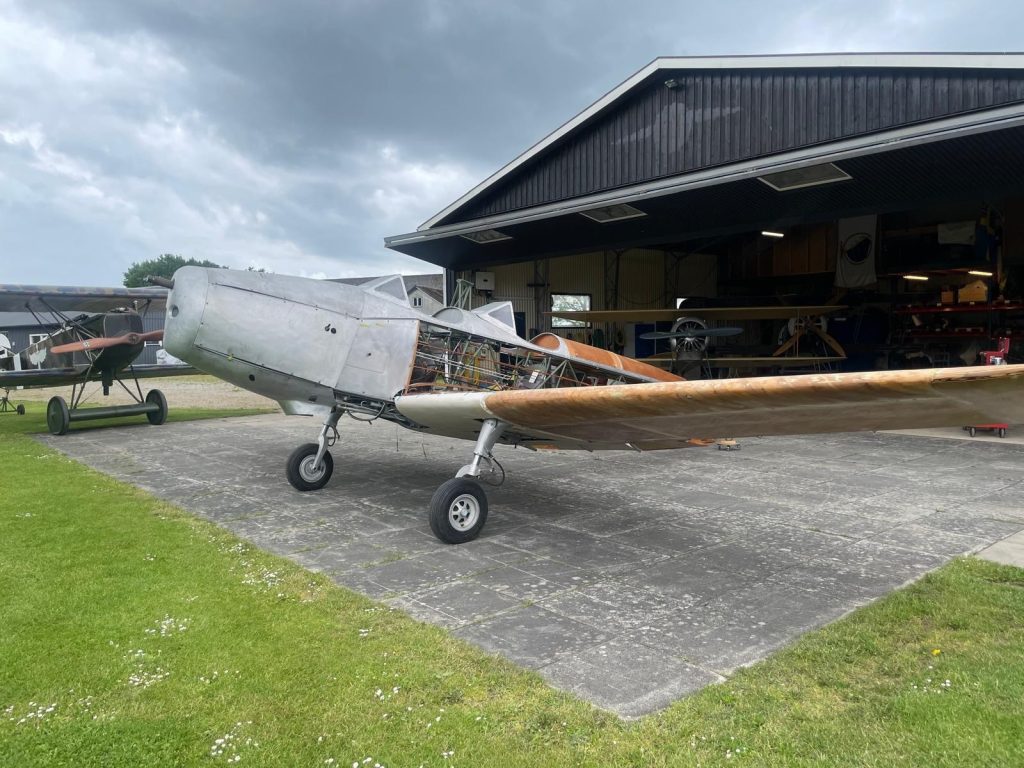
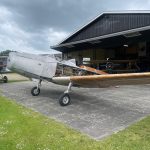
At the time of the September update, the PT-19 restoration emphasized both its historical significance and the careful approach being taken to return the aircraft to an accurate wartime configuration. Work was ongoing across the airframe, with particular attention given to preserving authenticity in materials and construction methods. That commitment has remained central as the project has advanced. According to Collings, major components, including the center section, wings, flight controls, and empennage, have now been fully covered using original-grade materials. Rather than relying on modern synthetic coverings, the team has used Grade A cotton fabric finished in traditional silver dope, consistent with later-production PT-19 aircraft. This approach ensures the aircraft will closely match its original appearance and construction, maintaining historical integrity down to the fabric and finish.
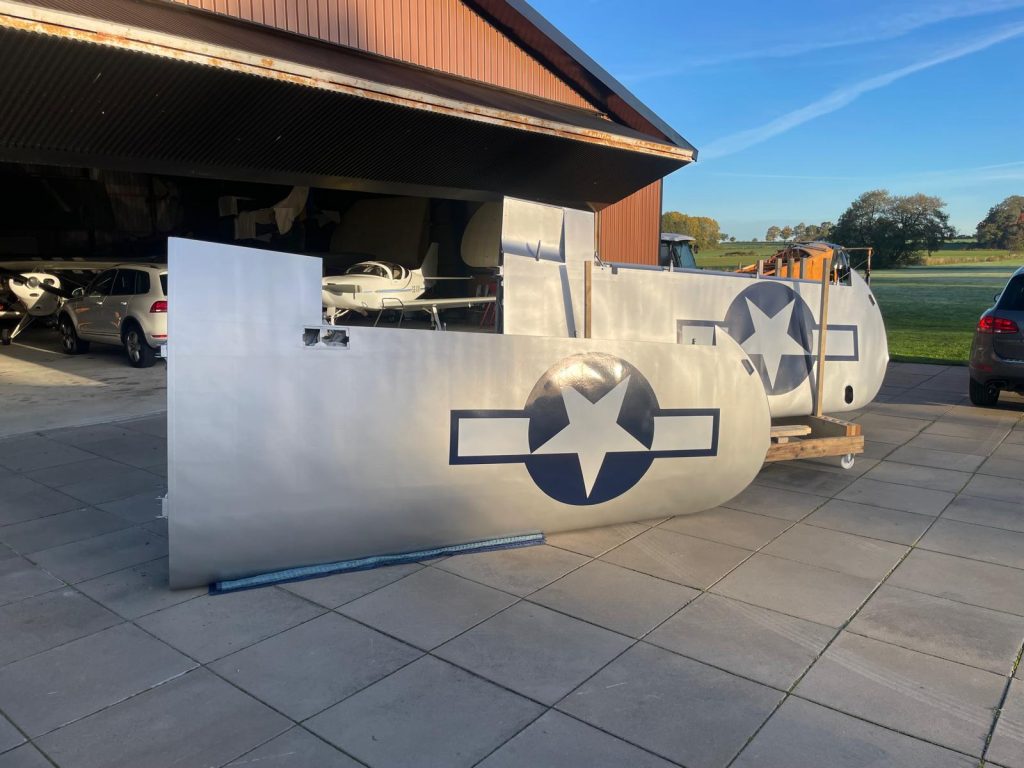
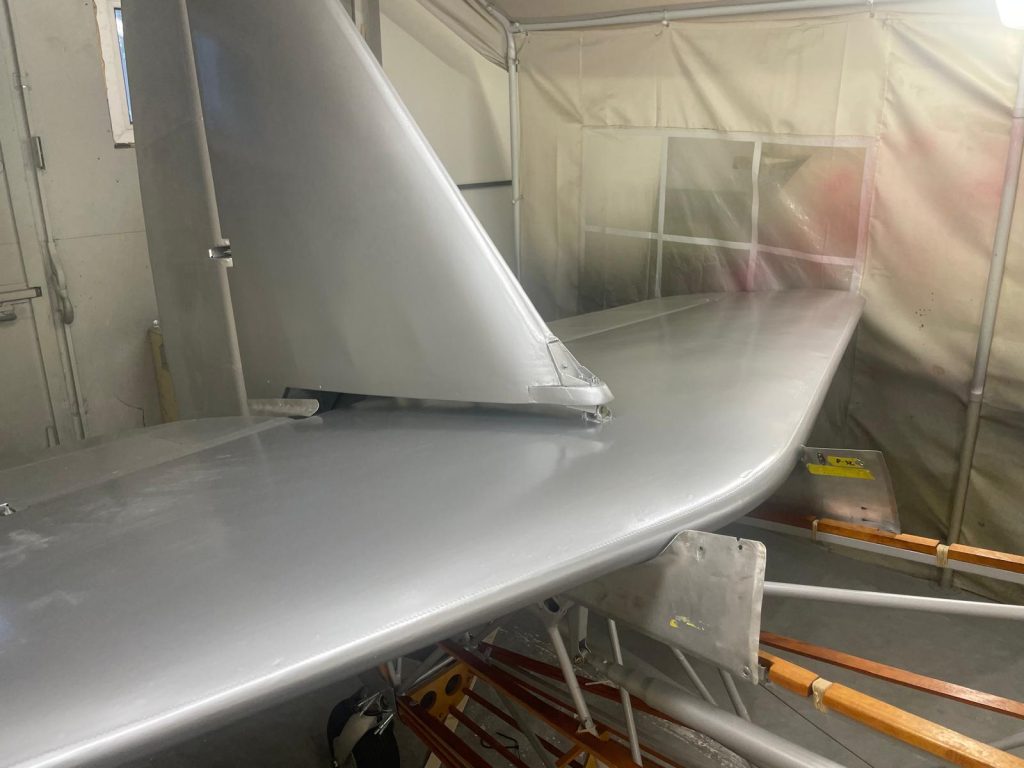
With these major assemblies complete, the restoration has shifted focus to the fuselage, which is now receiving the bulk of the team’s attention. Work is currently centered on fitting cowlings, completing internal systems, and finalizing structural details before the fuselage itself is covered. This stage is particularly critical, as Collings notes that once the fabric covering is applied, access to the internal structure becomes significantly more limited. Ensuring that all systems and fittings are correctly installed beforehand is essential to avoiding complications later. Additional components are also coming together to support this final phase. The aircraft’s propeller is in transit, while replacement fairings—fabricated to address damage accumulated over the years—have recently been completed in Prague and delivered to the restoration team in Sweden, where the aircraft is being rebuilt.
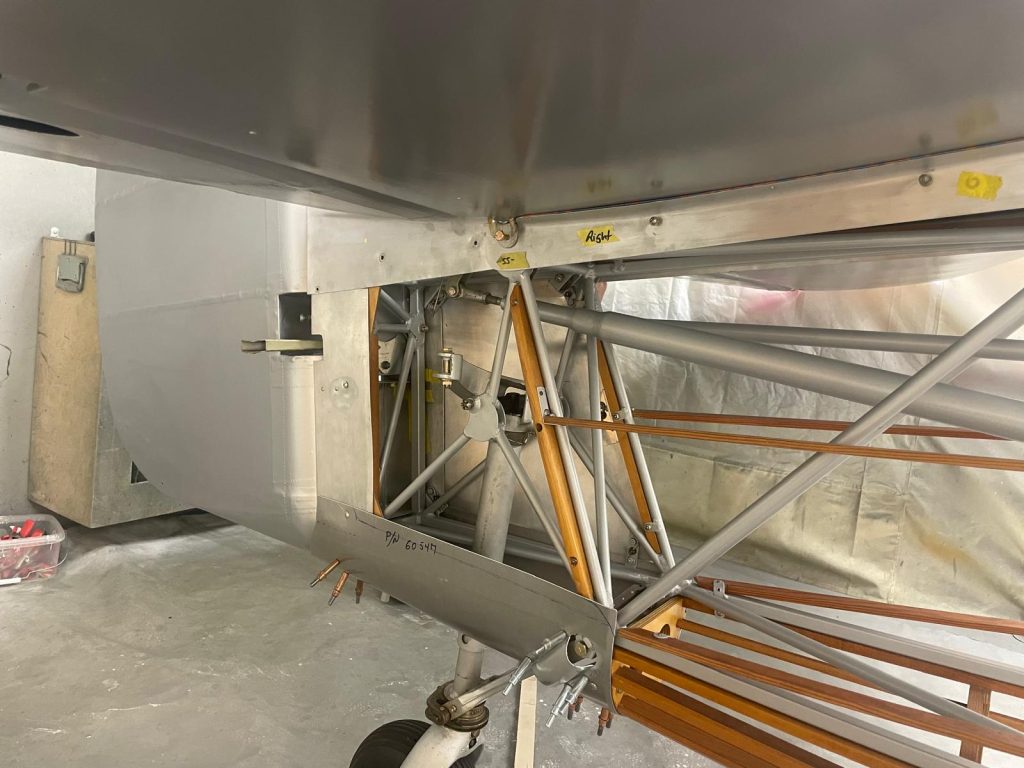
While progress has been steady, Collings acknowledges that the pace of work may fluctuate due to competing priorities, as the lead restorer balances multiple projects. Even so, the overall trajectory remains positive, with expectations that the PT-19 could be completed by the fall or winter timeframe if work continues as planned. Taken together, the September 2025 update and the latest interview reflect a project that has moved from structural restoration into final assembly and finishing. With its fabric-covered surfaces now largely complete and the fuselage nearing readiness for covering, the PT-19 is steadily approaching the point where it will once again represent not just a restored aircraft, but a tangible link to the training legacy of the Tuskegee Airmen. For more information and to support this restoration, visit www.americanheritagemuseum.org.