







By Paola Bertoni
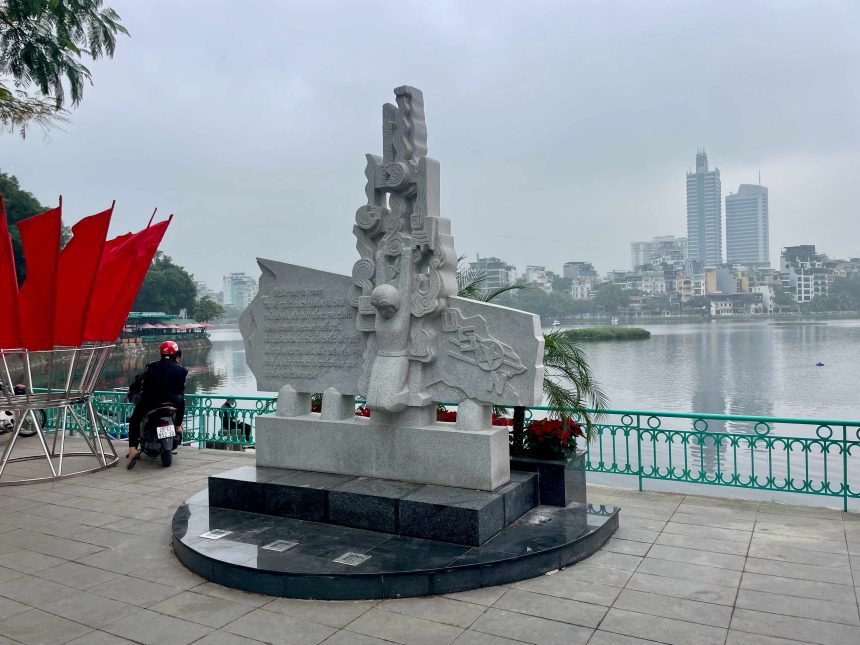
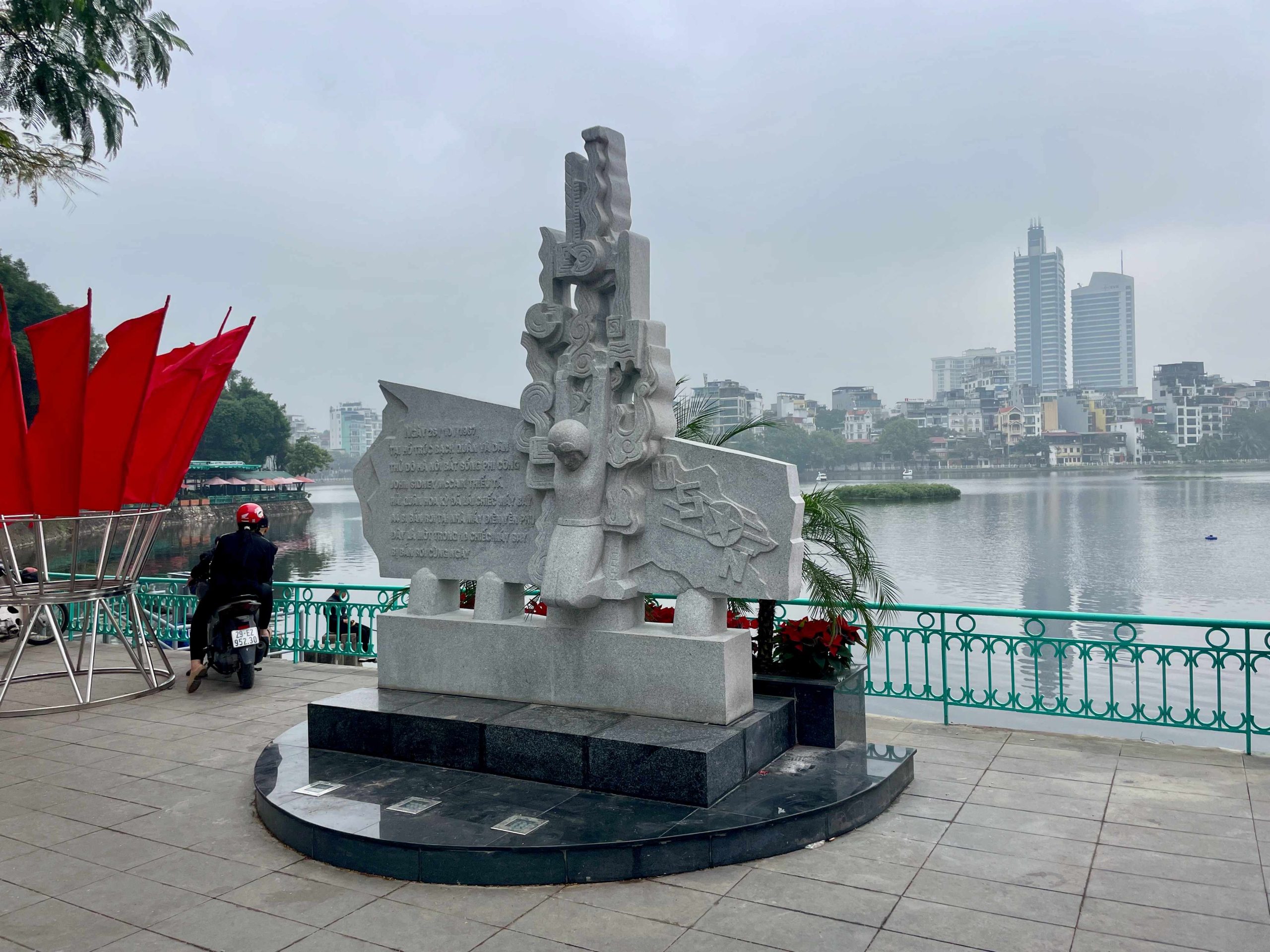
In Hanoi, a small monument marks the capture of John McCain beside the lake where his Douglas A-4E Skyhawk was shot down in 1967. The memorial does not stand out as a major landmark, and most visitors pass it without noticing. The site sits along a busy stretch of road on the shore of Truc Bach Lake and blends into the surrounding urban environment. In practice, the location is easy to overlook unless it is specifically pointed out by local guides familiar with its history. Visitors exploring the area independently will likely miss it without prior knowledge, as there is little to indicate its significance at first glance. Despite its understated presence, the site holds clear historical and aviation significance. It marks the point where McCain ejected from his aircraft, descended into the lake, and was captured after his aircraft was hit during a bombing mission over Hanoi. Few Vietnam War locations offer such a clearly identifiable connection between a combat event and its physical setting. For aviation historians, that makes the site especially valuable. It ties a specific aircraft type, mission environment, and loss sequence to a location that remains identifiable nearly six decades later. The site is also notable for how its meaning has evolved over time, shifting from a Vietnamese wartime marker to a location now associated with reconciliation between the United States and Vietnam.
Aviation Context and Operation Rolling Thunder
This site is significant because it connects directly to a documented combat loss during Operation Rolling Thunder. Conducted between 1965 and 1968, Rolling Thunder exposed U.S. aircraft to one of the densest and most sophisticated air defense networks of the Cold War, including radar-guided surface-to-air missiles, heavy anti-aircraft artillery, and interceptor aircraft. This reality contrasts sharply with popular depictions of the Vietnam War, which often emphasize jungle fighting and small-unit ground combat. Over Hanoi, however, the conflict also took the form of a highly technical air defense battle in which radar systems, missile guidance, and coordinated interception played a central role. By the late stages of Rolling Thunder, strike crews faced an increasingly integrated defensive system that combined early warning, target tracking, missile batteries, and dense anti-aircraft fire. For Navy attack pilots flying relatively small single-seat aircraft such as the A-4E, survivability depended on timing, altitude, speed, and constant awareness of the missile threat. North Vietnam, supported by the Soviet Union, deployed the SA-2 Guideline system as a key component of its air defense network. Integrated with radar tracking and ground-controlled interception, it created a high-threat environment over Hanoi that significantly increased the risk for attacking aircraft.
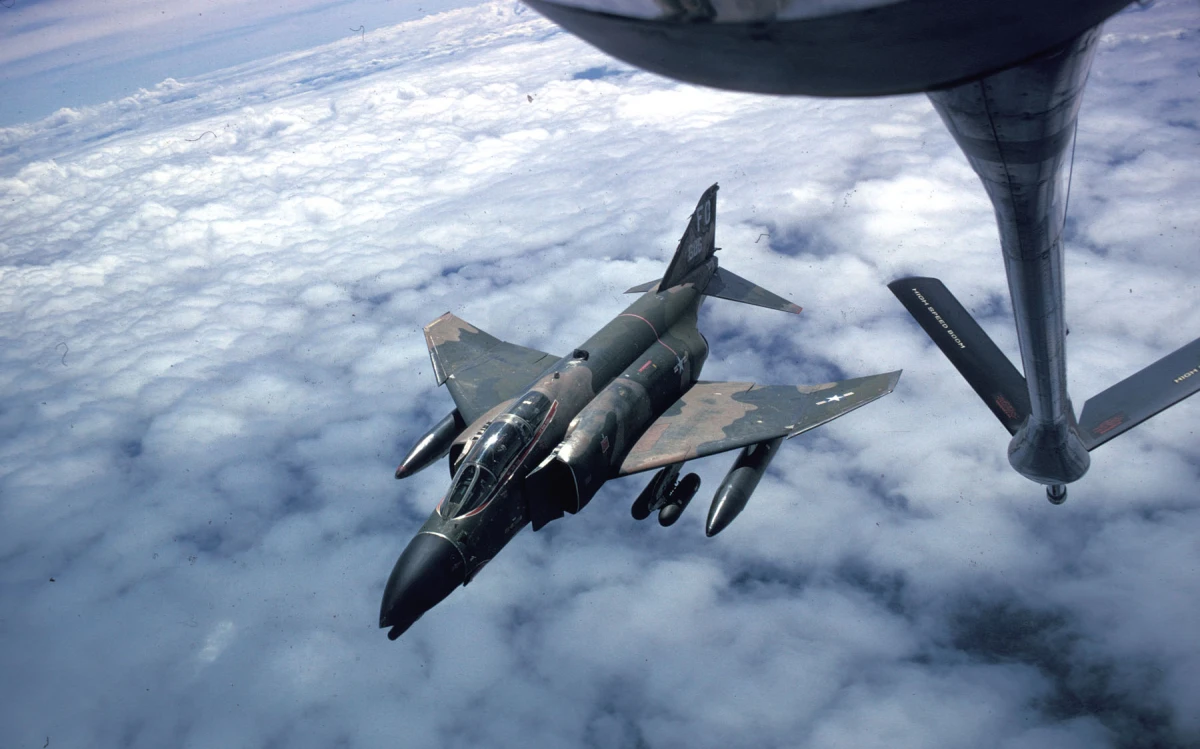
Within this framework, the Truc Bach Lake site becomes a concrete operational reference rather than simply a symbolic point on a map. Carrier-based aircraft such as the Douglas A-4E Skyhawk often flew demanding attack profiles that exposed them to radar tracking, anti-aircraft fire, and SA-2 missile engagement. Compact, fast, and heavily used in the strike role, the A-4 was effective but had little margin for error in heavily defended airspace. The site allows a direct correlation between aircraft type, mission profile, and threat environment. It also helps place the A-4 Skyhawk in its real Vietnam-era context, not simply as a well-known carrier aircraft, but as a frontline attack platform operating deep inside one of the most dangerous target areas in North Vietnam. It also links the pilot’s ejection, survival, and capture sequence to a specific location, providing a rare connection between aerial combat and its immediate ground outcome.
The Crash Site at Truc Bach Lake
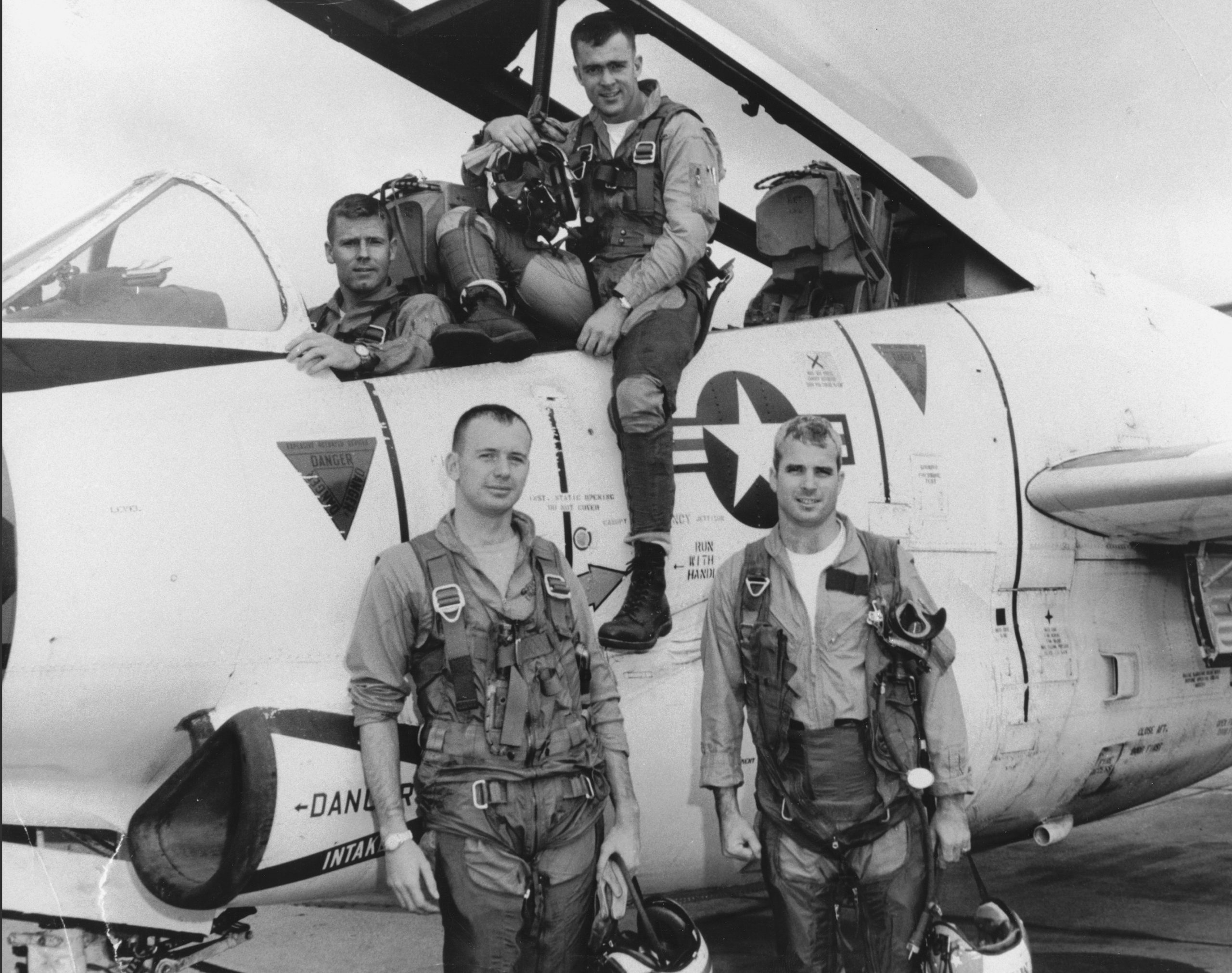
On October 26, 1967, John McCain was flying an attack mission over Hanoi when a surface-to-air missile struck his Douglas A-4E Skyhawk. He ejected at low altitude and parachuted into Truc Bach Lake, suffering multiple fractures during the descent. The aircraft was lost during a high-risk strike typical of Operation Rolling Thunder, which routinely sent U.S. pilots into some of the most heavily defended airspace in North Vietnam. McCain was flying a single-seat light attack aircraft designed for carrier operations, a type that played a major role in U.S. Navy strike missions during the war. His loss over Hanoi illustrates both the reach of North Vietnam’s air defenses and the operational hazards faced by Skyhawk pilots during sustained strikes against defended targets. Local residents pulled McCain from the water and turned him over to Vietnamese authorities. He then entered captivity, which lasted more than five years, much of it at Hoa Lo Prison in Hanoi, originally built by the French as Maison Centrale. American prisoners of war later nicknamed the prison the “Hanoi Hilton,” and today the site operates as a museum. The sequence is well documented in both U.S. and Vietnamese sources and remains one of the clearest examples of pilot capture following an aircraft loss over Hanoi. Because the lake and surrounding streets remain easily identifiable, the site preserves a rare physical connection between an air combat loss and its immediate aftermath on the ground. In aviation terms, it is unusual to find a Vietnam War loss site in an urban setting where the geography of the event can still be understood so clearly. That makes Truc Bach Lake more than a memorial location; it is also a surviving point of reference in the operational history of the A-4 Skyhawk over North Vietnam.
The Monument: Form and Original Intent
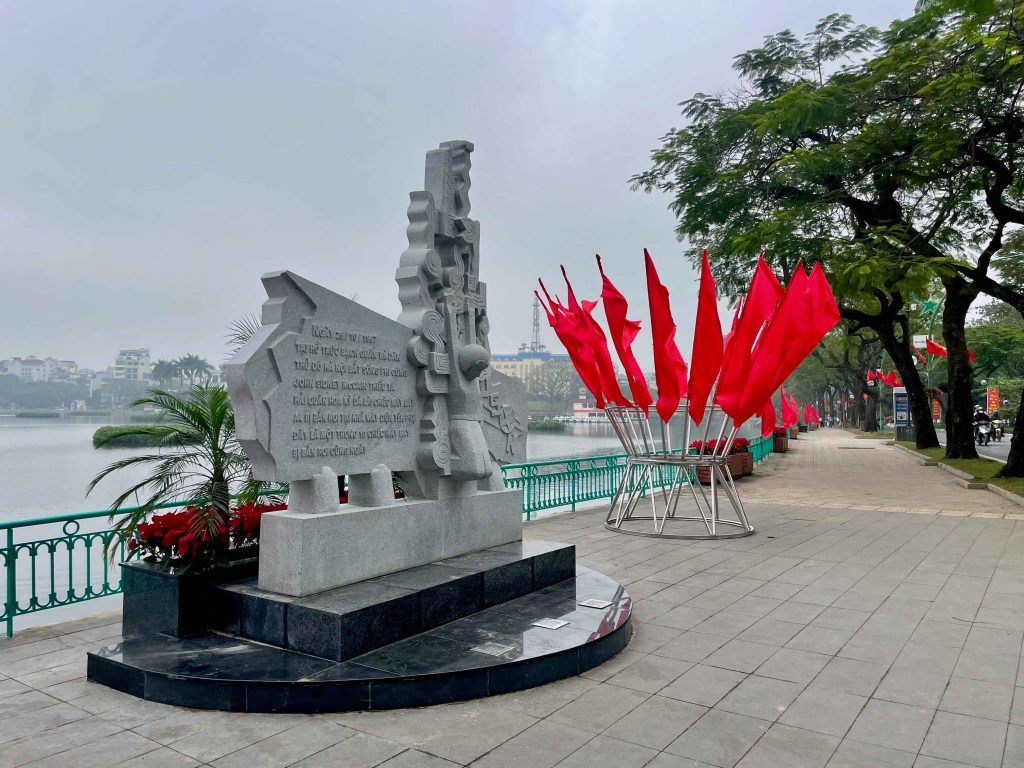
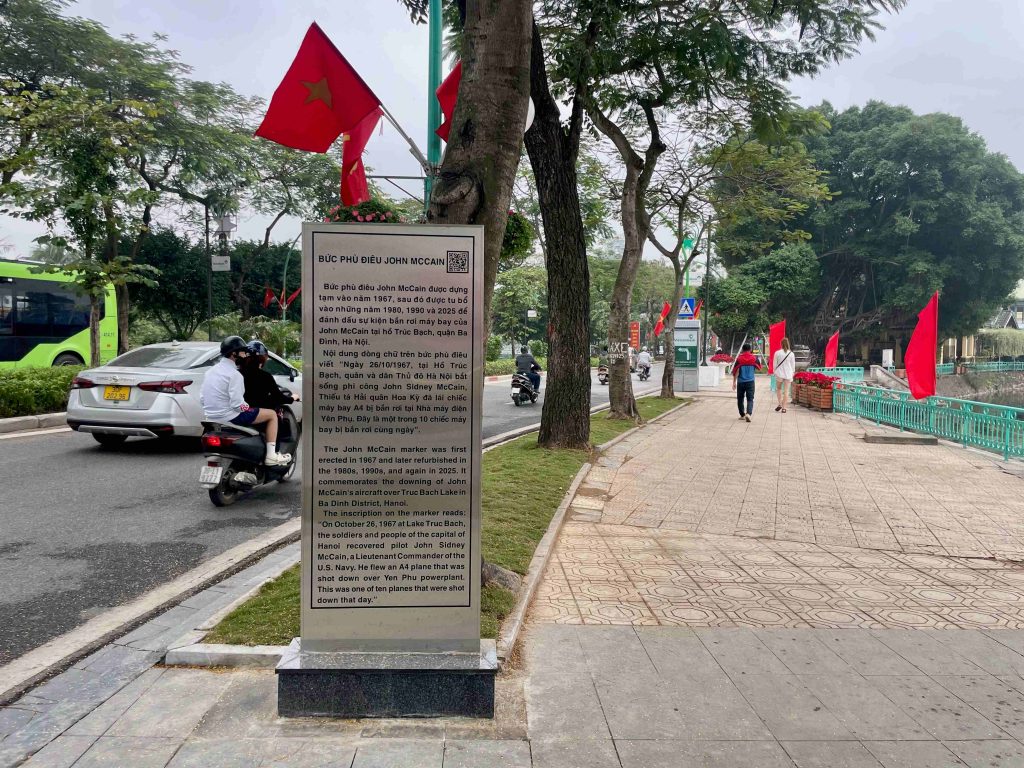
The structure commonly referred to as the “John McCain Memorial” is not a commemorative statue in the usual Western sense. It is a small, understated stone monument on the lakeside, easy to miss unless you know what you are looking for. Its modest scale and plain setting make it far less conspicuous than the historical event it marks. The monument takes the form of a stone relief showing a downed pilot with raised hands beside a stylized aircraft fragment bearing U.S. insignia. Its imagery emphasizes capture rather than heroism, and its visual language reflects Vietnamese wartime memorial traditions rather than individual remembrance. The monument was erected in the 1980s to mark the capture of an enemy pilot. The Vietnamese inscription describes the event from the perspective of North Vietnam’s wartime air defense and does not single out McCain for special recognition. In that sense, the monument originally functioned less as a tribute to a U.S. aviator than as a marker of a military event presented from the Vietnamese side.
Reinterpretation and Historical Layering
The meaning of the site has changed over time. After the United States and Vietnam normalized diplomatic relations in the 1990s, the memorial acquired a broader historical significance. McCain later returned to Hanoi as a U.S. senator and played a visible role in rebuilding relations between the two countries. As a result, the site now carries a dual identity. It remains a Vietnamese war memorial, but it also functions as a shared historical reference point between former adversaries. Official U.S. delegations have continued to visit the location, reinforcing its place within the wider story of postwar reconciliation. Following McCain’s death in 2018, visitors left flowers and informal tributes at the site. That response added another layer of meaning to a monument originally created to mark a wartime capture. Today, the memorial remains easy to overlook, yet it stands as a quiet reminder of how the legacy of the Vietnam War has been reinterpreted over time.
John McCain: From POW to Advocate for Reconciliation
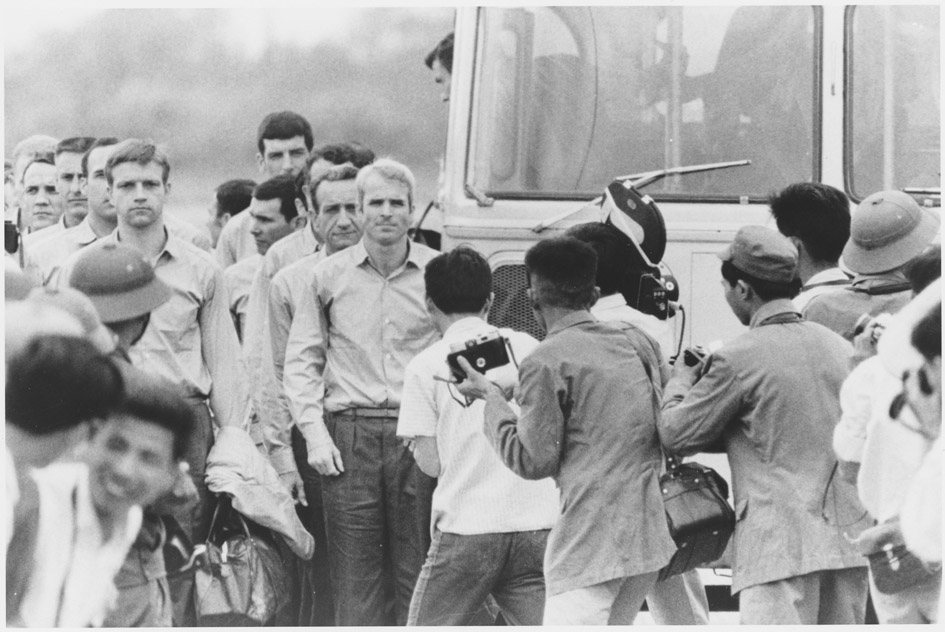
Perhaps the most compelling aspect of the memorial is the trajectory of McCain’s own life after the event it commemorates. Visitors who also tour Hoa Lo Prison can still see evidence of the harsh conditions in which American prisoners of war were held, even if wartime suffering was by no means limited to one side. In that context, McCain’s survival alone was remarkable. He endured severe injuries from the loss of his aircraft, survived years of captivity, and later returned to Vietnam not as a former prisoner, but as a U.S. senator engaged in rebuilding ties between the two countries. After the war, McCain became one of the most visible American advocates for normalization with Vietnam. His wartime experience did not leave him locked in a purely adversarial view of the country. Instead, it informed a political approach that recognized the importance of moving beyond the conflict and building a workable postwar relationship between former enemies. In the decades that followed, McCain worked with other policymakers to support diplomatic and economic engagement between the United States and Vietnam. His later visits to Hanoi gave the site a meaning far different from the one it held in 1967. A place once associated with his shootdown, capture, and imprisonment became linked, at least in part, to dialogue and reconciliation. For aviation historians, that transformation gives the memorial an added dimension. It connects the fate of one Navy attack pilot and one lost Skyhawk to the much larger story of air warfare over Hanoi and its long political aftermath. Vietnam contains many sites connected to the war, and some are presented today in ways that can feel highly staged or even unexpectedly accessible to visitors. The McCain memorial is different. It is not dramatic, immersive, or visually striking. Its significance lies in what it represents: not simply a wartime incident, but a longer historical arc in which an individual experience of combat and captivity became part of a broader process of reconciliation between two former enemies.
About the Author

Paola Bertoni is an Italian travel writer and aviation enthusiast. She explores the intersections of history, culture, and aviation on her blog Paola Everywhere, aiming to inspire meaningful travel through research-driven storytelling.


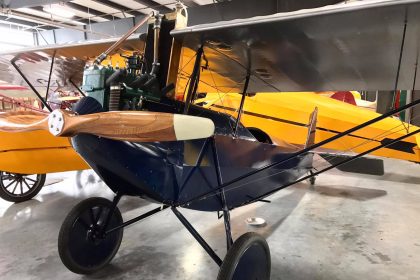
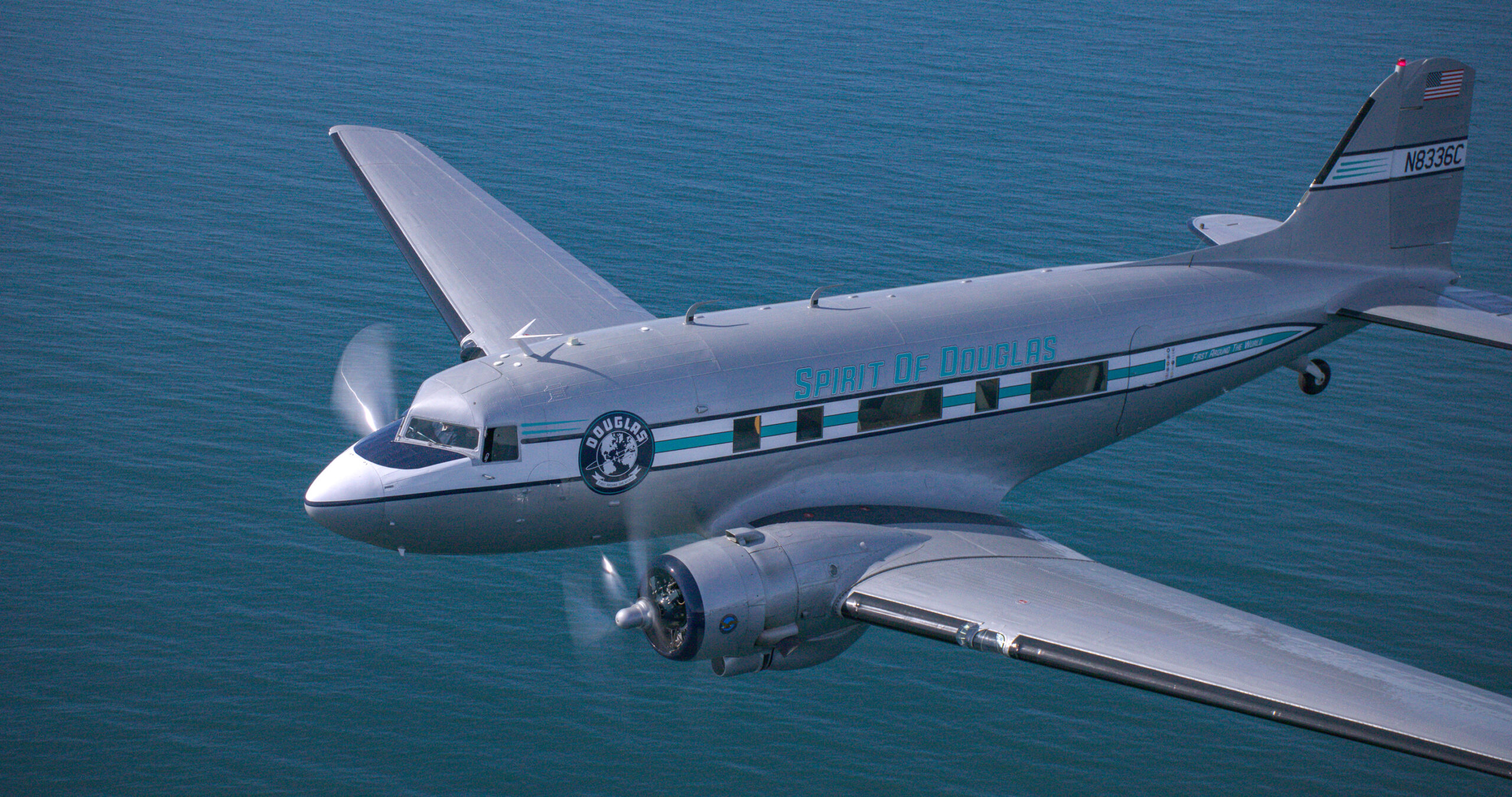


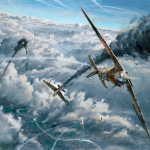


Great article but 1 slight mistake is the picture which is noted as a A4 Skyhawk but is a T2 Buckeye otherwise a very interesting article.
Thanks for catching that, Jason!