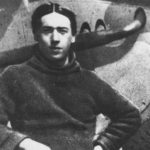
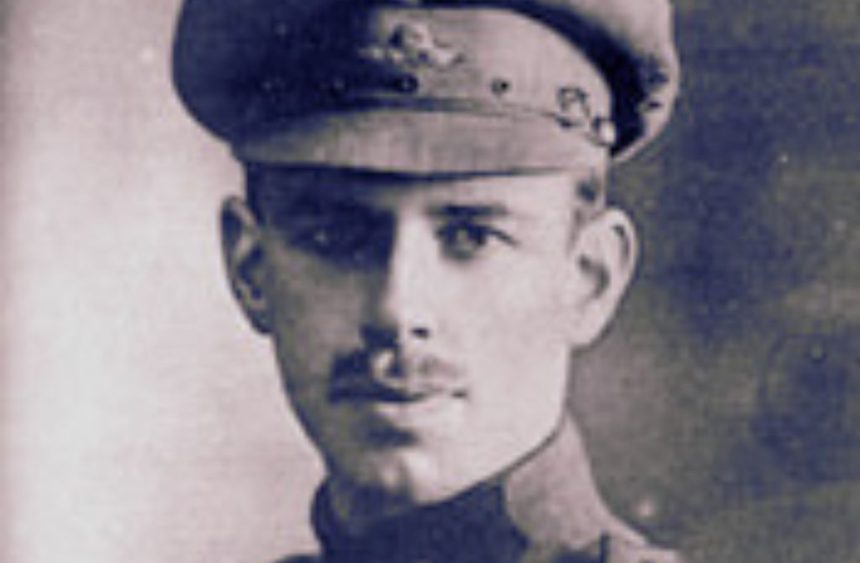

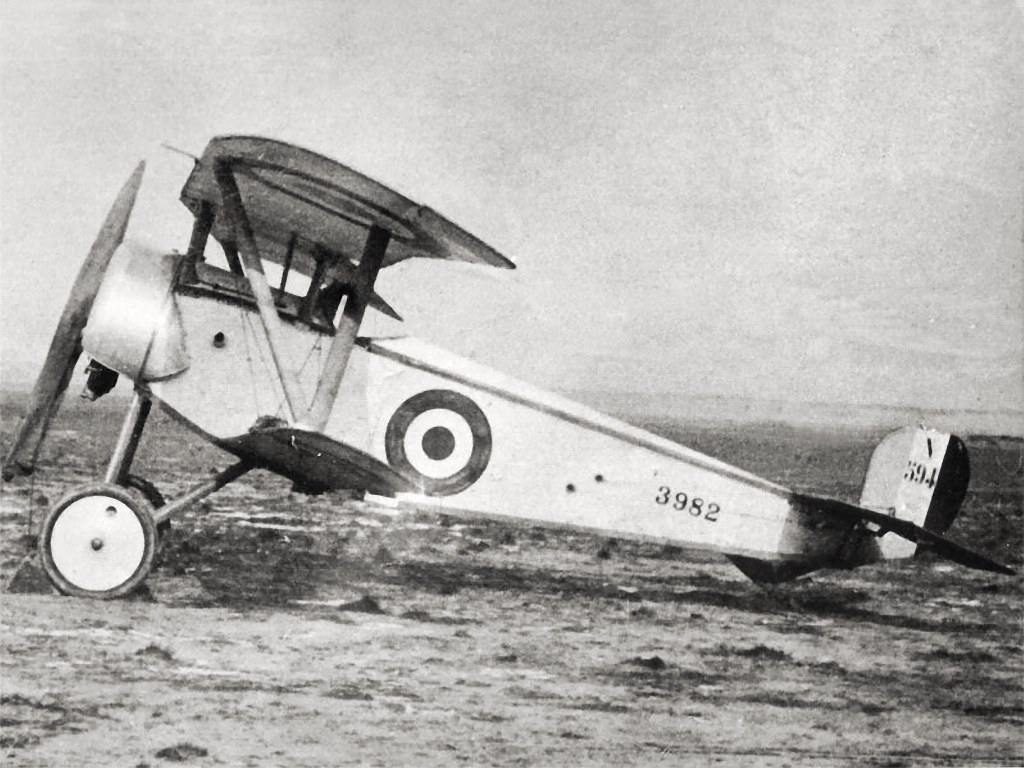
In WWI, many aces had different occupations before joining the war. Similarly, Edmond Thieffry, born on September 28, 1892, in Brussels, was a lawyer and joined the Belgian Army in 1913. When the war began, he was serving as a staff attaché but was captured by the Germans. However, he escaped on a stolen motorcycle and was arrested by Dutch military police upon entering the Netherlands. Using all his legal knowledge, he managed to secure his release from Dutch custody and rejoined the Belgian Army. In July 1915, Thieffry was transferred to the Belgian Air Service. After training, he became an artillery observer in the 3rd Squadron on February 1, 1916. While training, he crashed more aircraft than any other Belgian pilot. Because of this, his superiors were hesitant to assign him to a two-seater squadron, fearing he might harm the observer in a crash. Instead, he was given a single-seat fighter to fly. Thieffry soon crashed his first Nieuport scout. While attempting to escape the wreckage, he accidentally fired his machine gun, which surprised the onlookers who rushed to help him.
Ace Journey of Edmond Thieffry
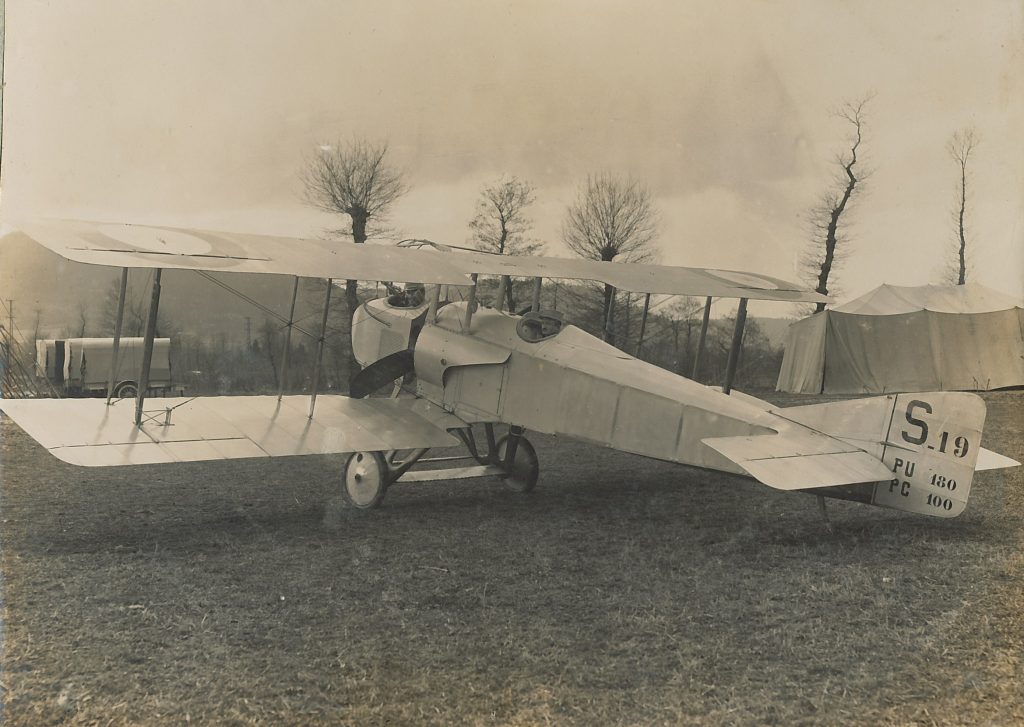
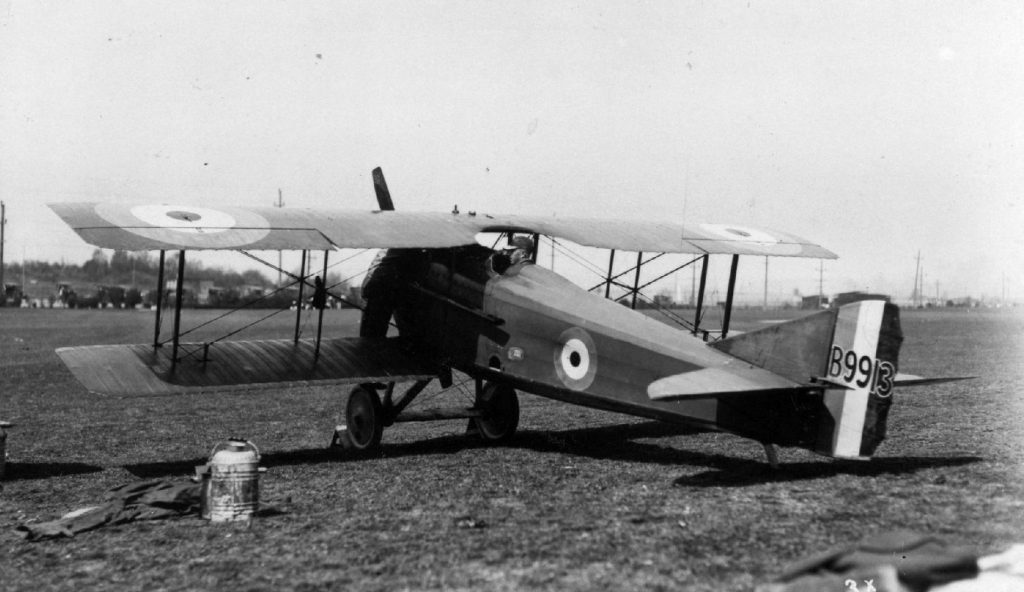
Edmond Thieffry joined the 5th Squadron, known as The Comets, in December 1916. He flew a Nieuport 11 initially in this squadron. His first confirmed victory came on March 15, 1917, when he shot down a German two-seater, followed by another victory on March 23. He added one victory each in May and June. On July 3, 1917, he shot down two aircraft in a single day to reach a personal score of 6 and officially became an ace. After this, his unit received new SPAD VII fighters, and while flying this aircraft, he scored three victories in August and one in October, bringing his personal score to 10. On February 23, 1918, he was shot down and wounded by return fire from a German aircraft over Kortrijk. After that, he spent the rest of the war as a prisoner in Germany. He tried to escape on April 13, 1918, but got caught ten days later. Out of his 10 victories, he shot down four Albatros aircraft, three two-seaters, and three Scouts. After WWI ended, Edmond Thieffry returned to Brussels via Switzerland and arrived home on December 6, 1918. After returning home, Edmond Thieffry resumed his law practice but remained involved in aviation. He helped start Sabena in 1923, the national airline and flag carrier of Belgium from 1923 to 2001, and planned to create a flight route between Belgium and the Belgian Congo. In early 1925, he received government permission for this flight. Sabena provided a Handley Page W8f airplane, which Thieffry named “Princesse Marie-José” after getting support from his friend, King Albert.
Legacy and Death
On February 12, 1925, Thieffry, who was acting as a navigator, flew from Brussels with his mechanic, Joseph de Bruycker, and co-pilot Léopold Roger, heading to N’Dolo airfield in Léopoldville (now Kinshasa). The flight plan included stops in Marseille, Oran, Colomb-Bechar, Gao, Fort-Lamy, Bangui, and Coquilhatville. It was supposed to take seven days, but strong winds and a broken propeller caused delays. The journey took a total of 51 days. Finally, on April 3, after flying 8,200 kilometers, they reached Leopoldville. Thieffry made the first air connection and returned to Belgium to a hero’s welcome. He made two more attempts to reach Congo. The first was on March 9, 1928, in an ACAZ C.2 with Philippe Quersin and Joseph Lang, but they only got as far as Philippeville. The second attempt was on June 26, 1928, in a Stampe et Vertongen RSV.22-180, again with Philippe Quersin, but this time they crashed in a marsh near Vauvert. Despite these setbacks, Edmond Thieffry planned to create an air service in Congo. Unfortunately, during his second test flight in Congo on April 11, 1929, while flying an Aviméta 92 with fellow pilot Gaston Julien, he died in a crash near Lake Tanganyika. Edmond Thieffry was 36 when he died, and it took another 10 years before regular air service began between Brussels and Kinshasa. In the Aces series, Edmond Thieffry was a lawyer-turned-aviator who loved aviation till the last breath. He was not a perfect pilot, as he crashed his aircraft many times, but he still stands not only as an ace but also as one of the founders of Belgium’s national airline. Read stories about more Aces HERE.