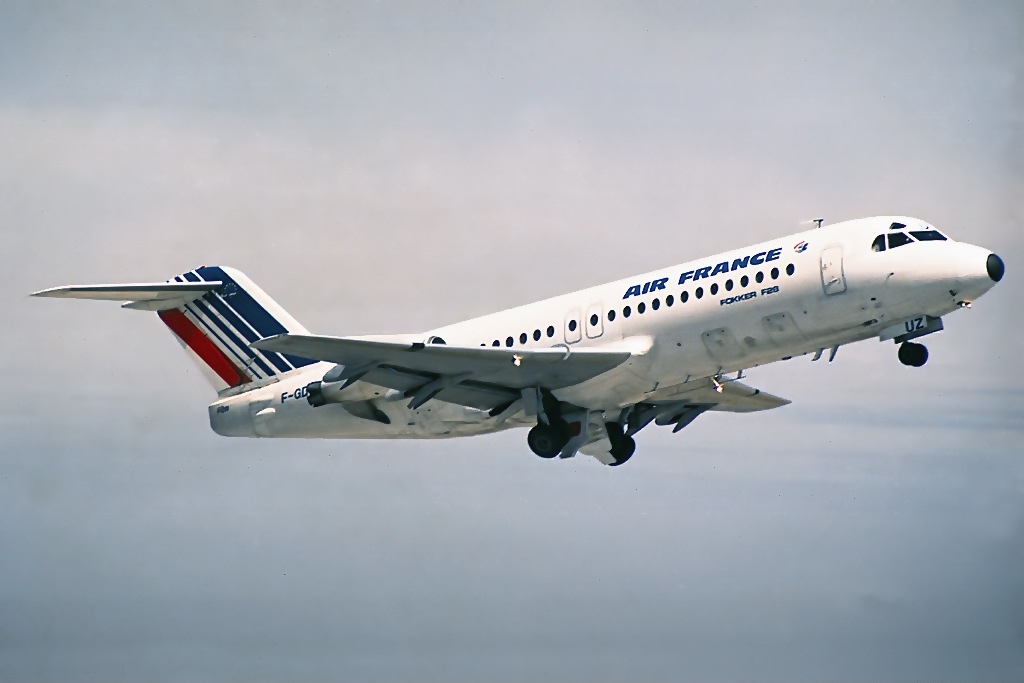
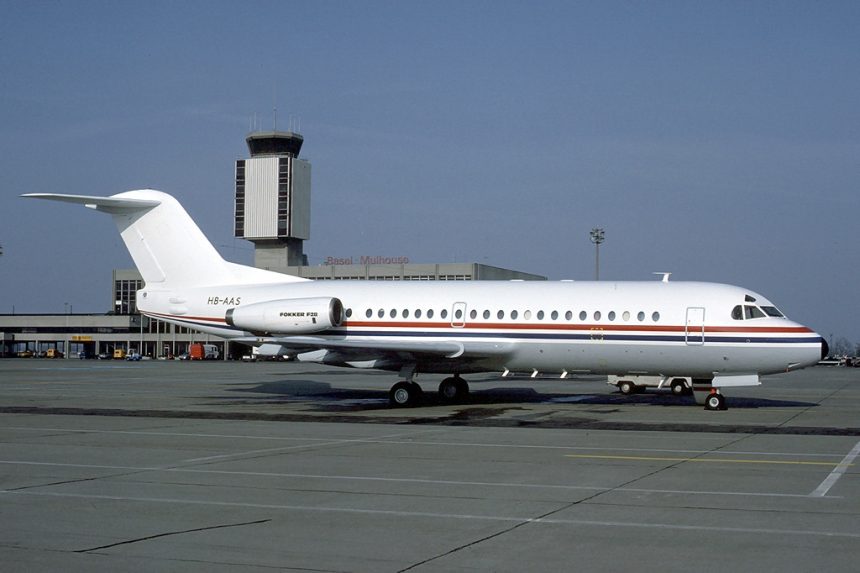

On this day in aviation history, 55 years ago (April 28, 1971), the Fokker F28-2000 took flight for the first time. The F28-2000 was a variant of the highly successful Fokker Fellowship, a series of Dutch-built twin-engined, short-range jetliners. Fokker began development of the Fellowship after its F27 Friendship had established itself as a favorite turboprop among regional airlines. The company knew that building a new jet-powered commuter aircraft would augment its ability to keep up with regional airline demands. As the F28 was developed, Fokker sought much input from regional operators. They were dedicated to market research, with the goal of creating an airliner that would fit the regional’s needs right out of the gate. The original capacity was increased from 50 to 65 passengers as a result of their research. At the time, the Fellowship faced competition from the Douglas DC-9 and BAC 1-11. The F28-1000 prototype first flew on May 9, 1967, and the aircraft was awarded its Certificate of Airworthiness on February 24, 1969. Braathens flew the first commercial passenger-carrying service a month later, on March 28.
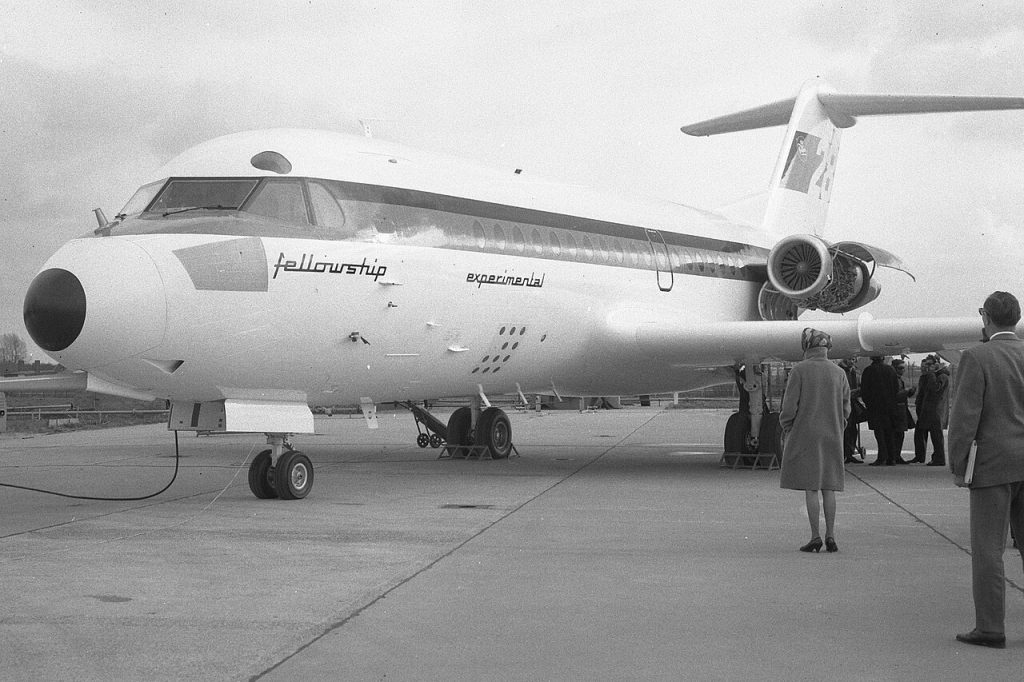
Fokker continued to develop additional variants of the F28 after the aircraft’s entry into airline service. The F28-2000 was created and featured an extended fuselage with a capacity of up to 79 passengers. An F28-4000 variant was also built, powered by Rolls-Royce Spey 555-15H engines. The F28-4000 featured a fresh cockpit, a modified wing, and increased seating capacity for up to 85 passengers. Production of the F28 series as a whole was terminated in 1987, the newer and larger Fokker 70 and Fokker 100 being favored instead. A total of 241 F28s had been manufactured between 1967 and 1987, 10 of them being F28-2000 models. The Fokker F28-2000 was powered by two Rolls-Royce Spey Mk 555-15 turbofan engines, each providing 9,850 pounds of thrust. The aircraft cruised at 413 mph and could attain a maximum airspeed of 527 mph. A range of 920 nautical miles and a service ceiling of 35,500 feet gave the F28-2000 a nicely sized envelope within which to fly regional routes.