
By Randy Malmstrom
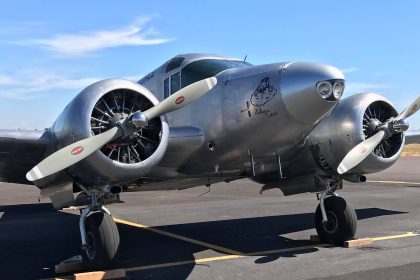
Since his childhood, Randy Malmstrom has had a passion for aviation history and historic military aircraft in particular. He has a particular penchant for documenting specific airframes with a highly detailed series of walk-around images and an in-depth exploration of their history, which have proved to be popular with many of those who have seen them, and we thought our readers would be equally fascinated too. This installment of Randy’s Warbird Profiles takes a look at the Bellanca 66-75 Aircruiser maintained in airworthy condition at the Erickson Aircraft Collection in Madras, Oregon.
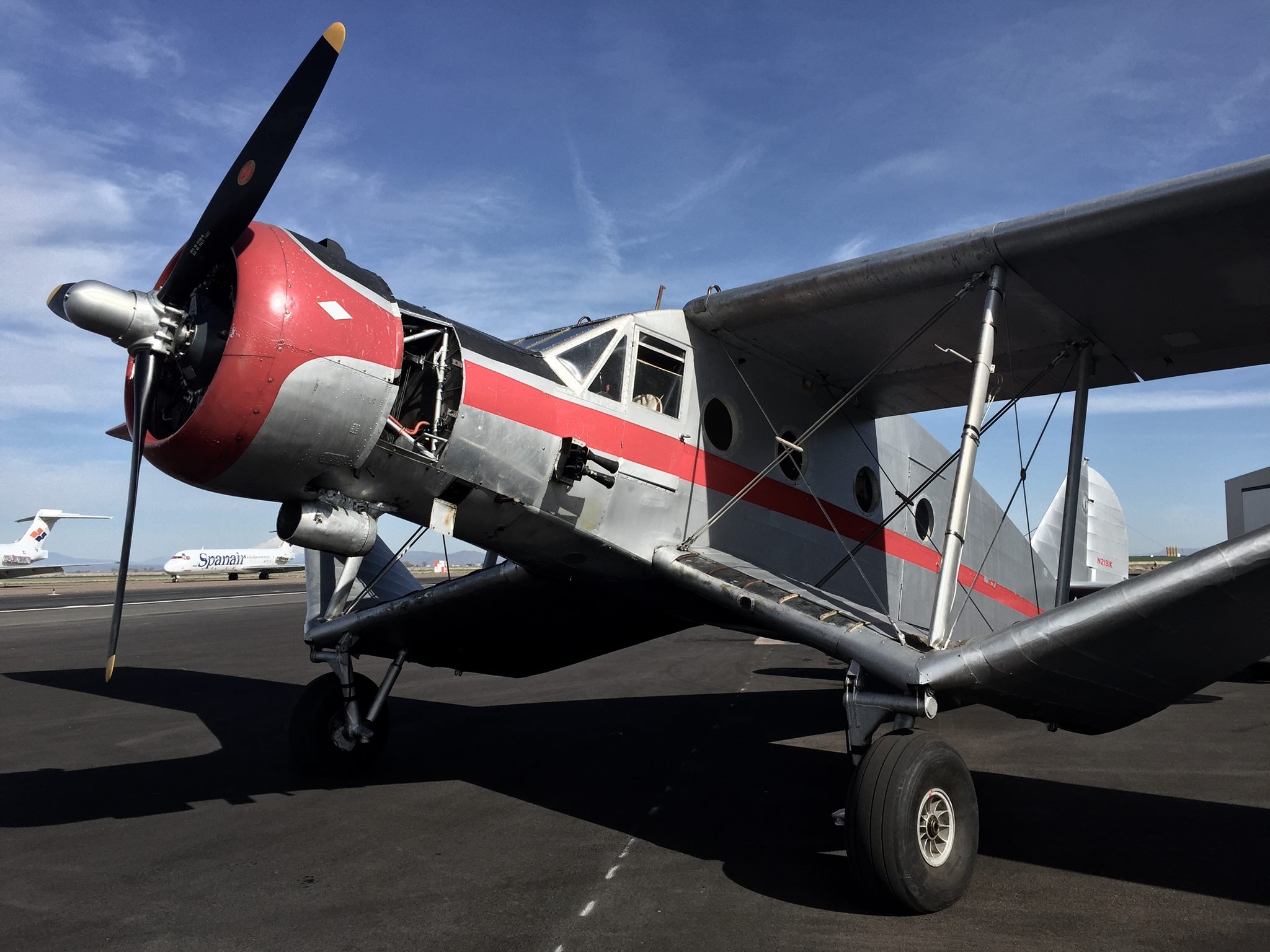
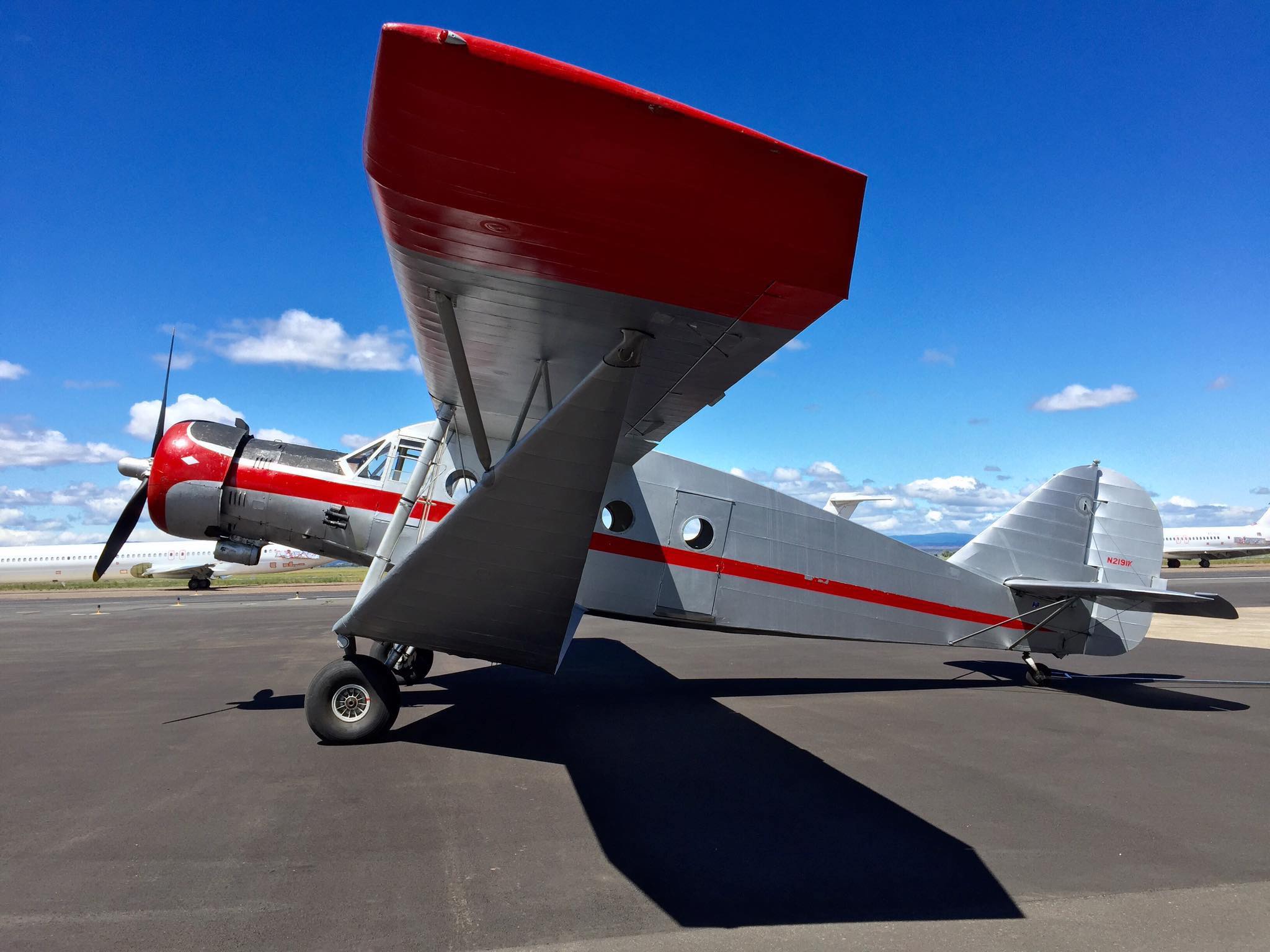
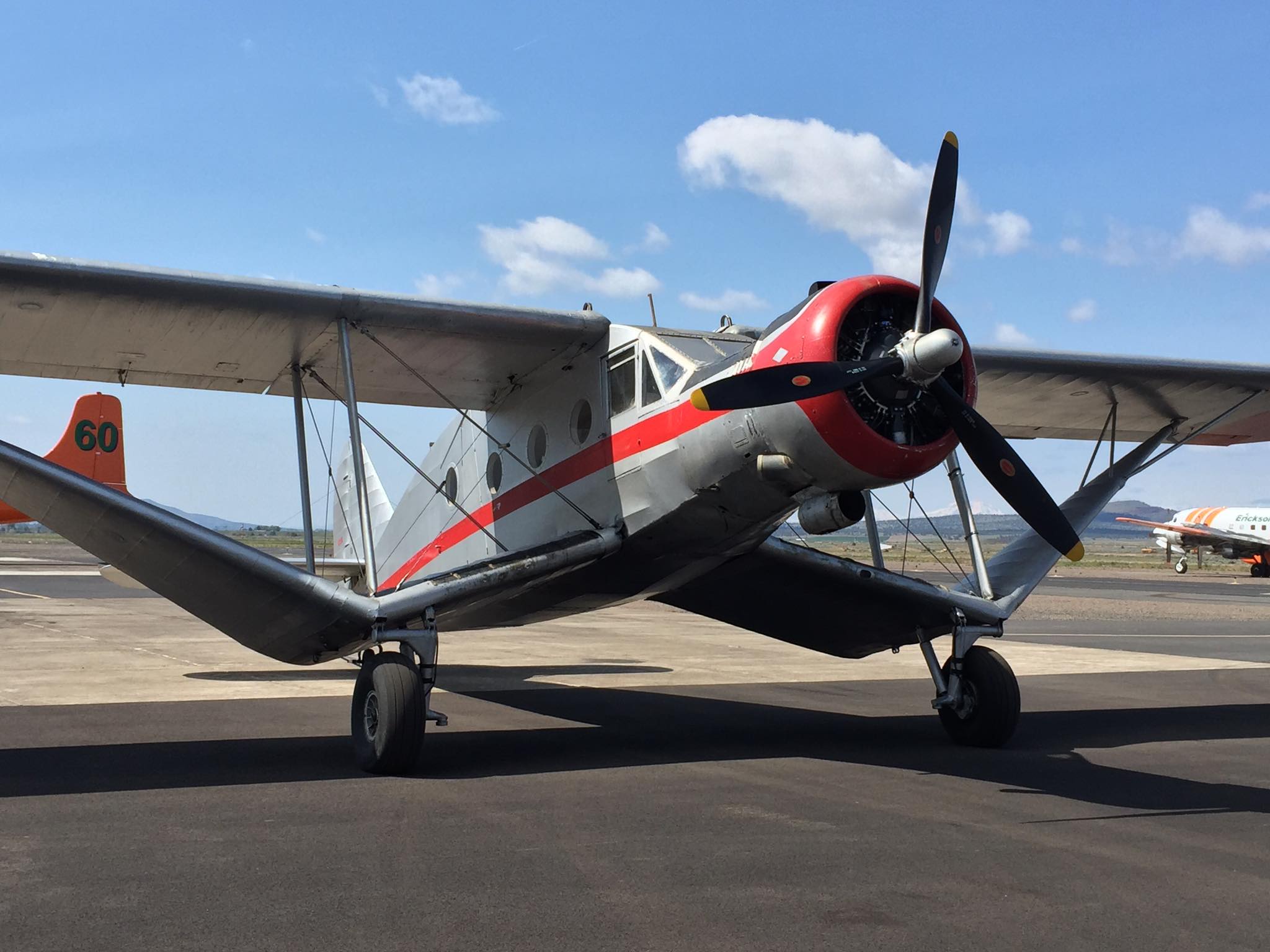
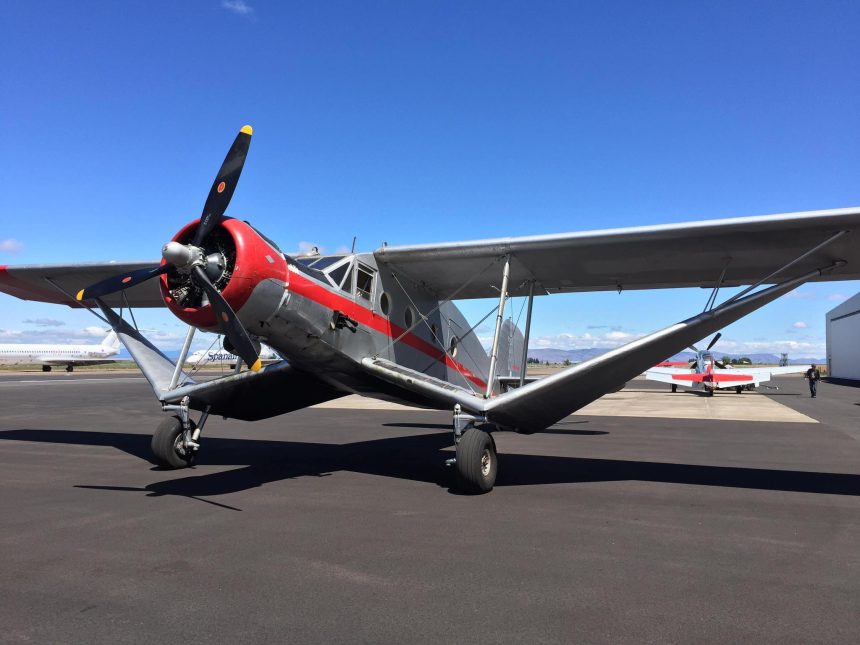
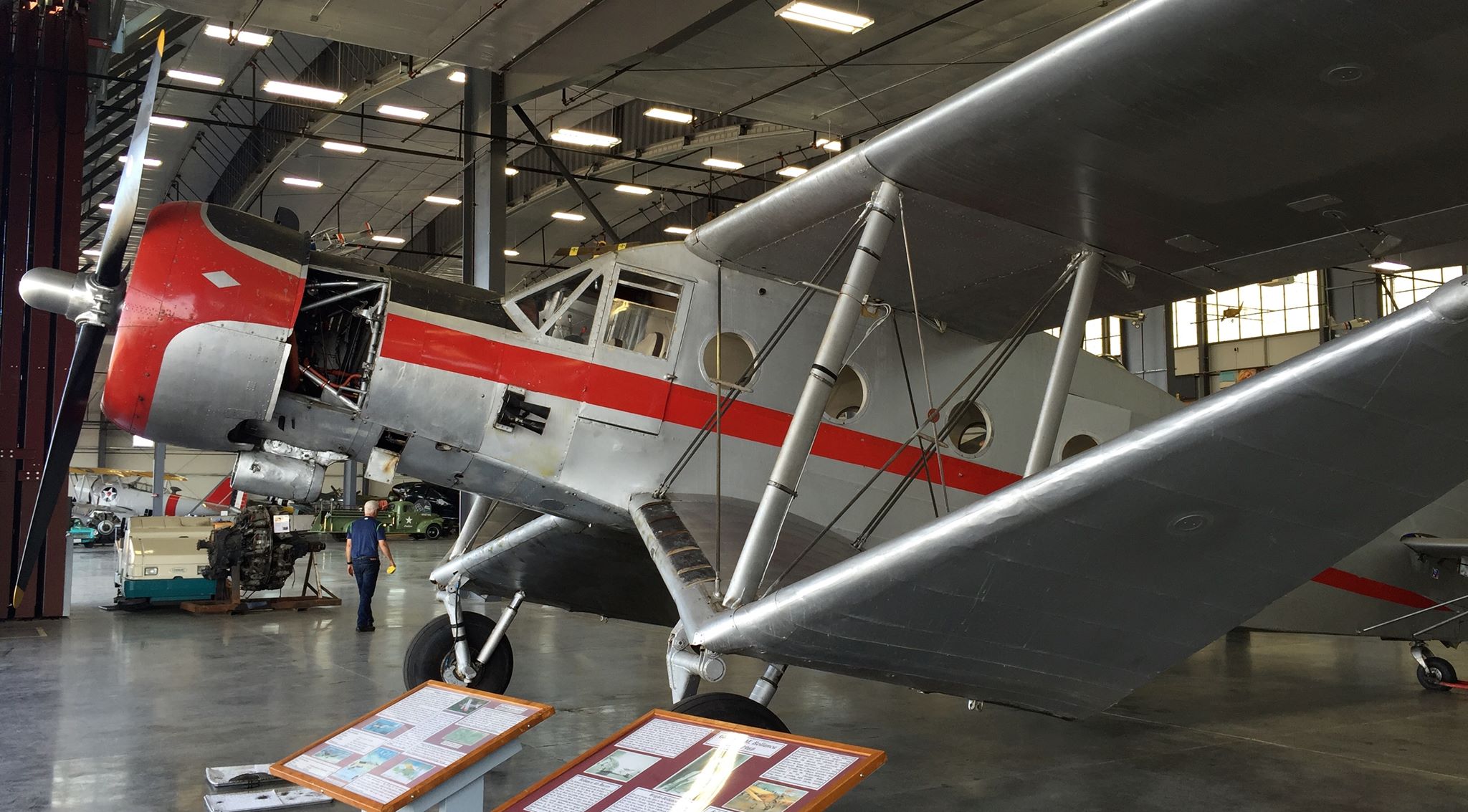
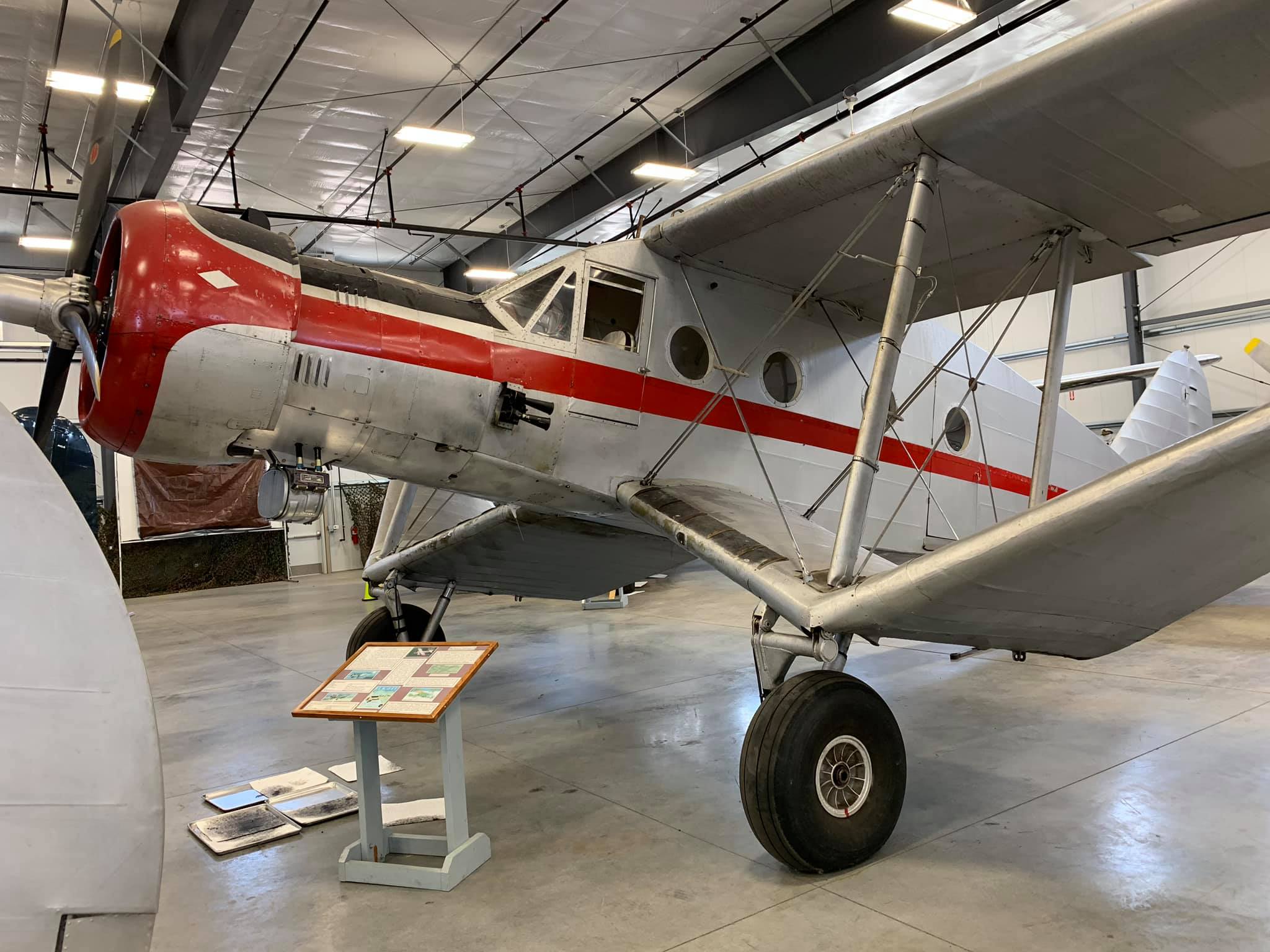
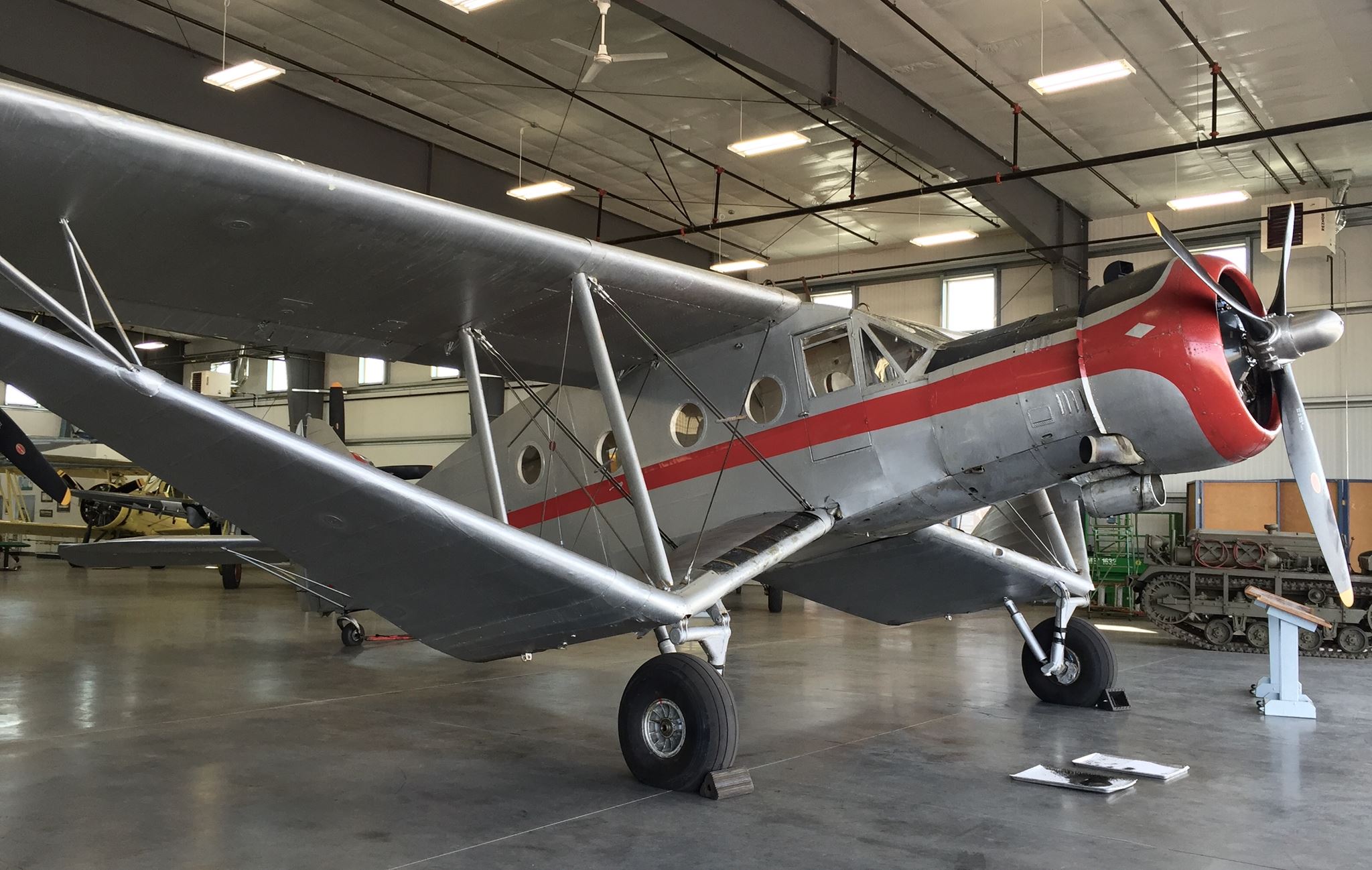
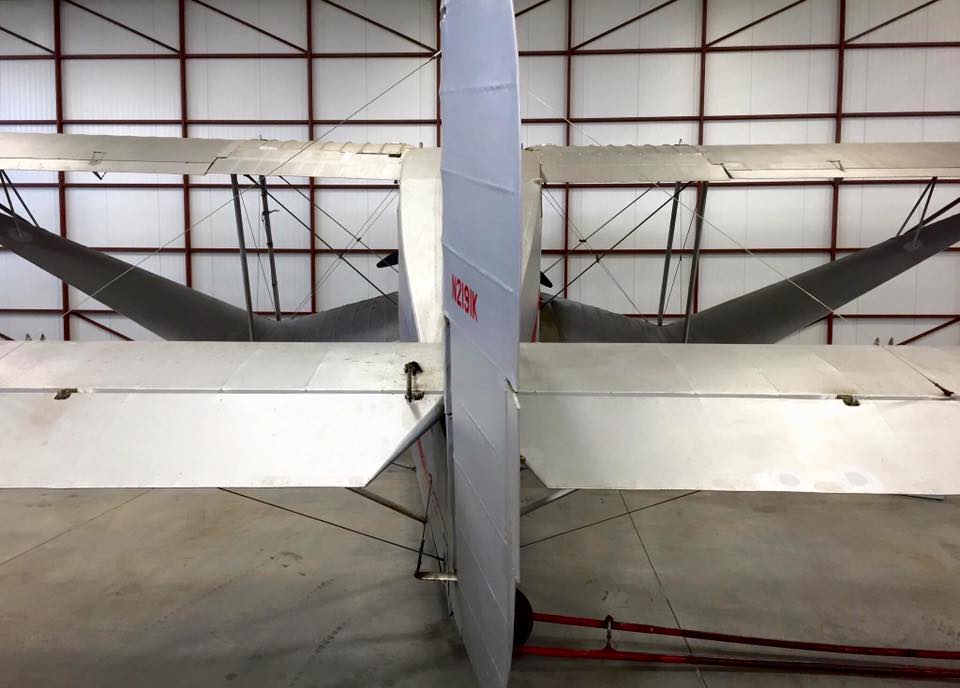
Bellanca 66-75 Aircruiser, CF-BTW, s/n 721, N2191K. This particular aircraft is the sole airworthy aircraft of its type. It was built in 1938 by Bellanca Aircraft Corporation of New Castle, Delaware, and was the last Aircruiser built at a cost of $56,000 for Elizalde and Co., Inc. (formerly Ynchausti y Compañía), for its mining operations in the Philippines. It went into Canadian bush service in 1940 as “CF-BTW” in support of mining operations, where it flew in Ontario and around Lac du Bonnet, Manitoba, and Pickle Lake, Ontario, where it was fitted with floats.
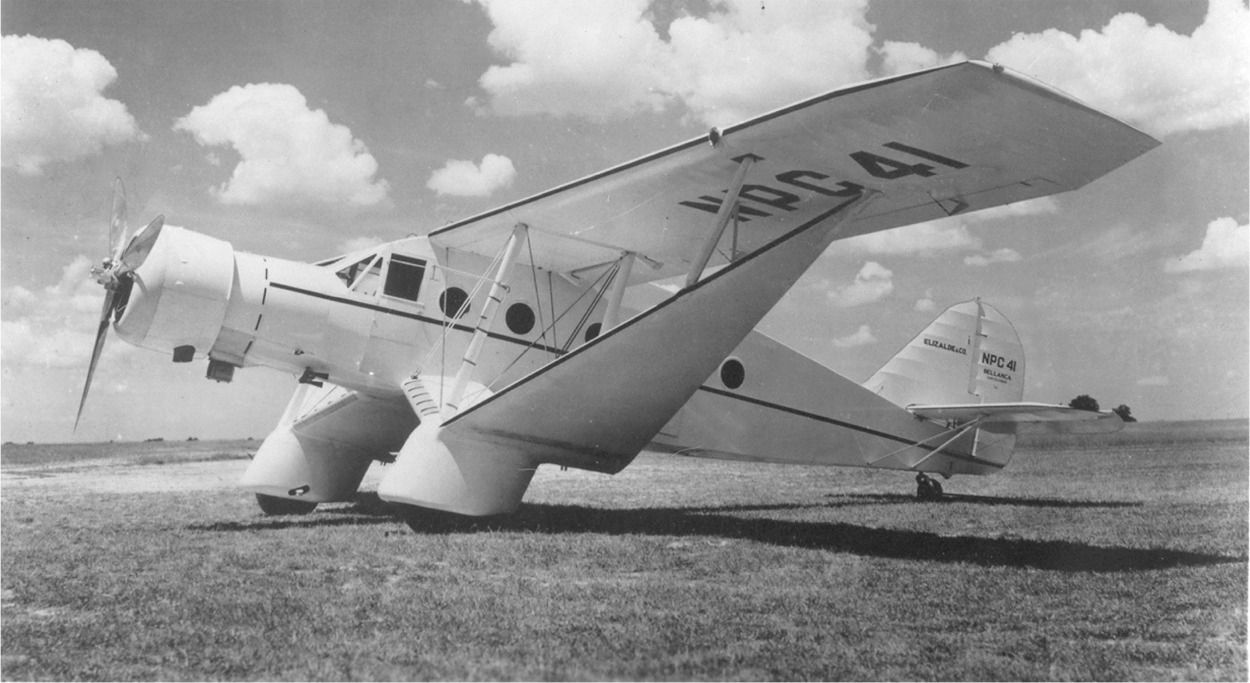
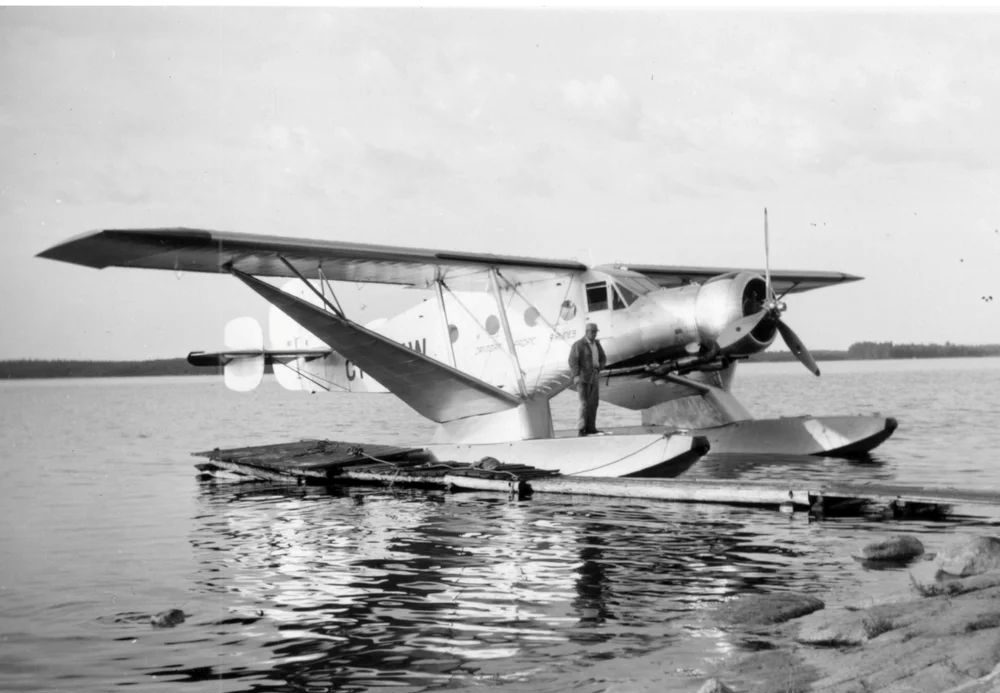
In 1944, it was restored to flight service following a crash landing and flew until 1968 when it ran aground carrying a load of fish. In 1972, it was recovered and again restored to airworthiness. It flew for Ontario Central Airlines, Mackenzie Air Service, Canadian Pacific Airlines, Central Northern Airlines, Transair, and Hooker Air Service. In 1990, it was acquired by a Jack Erickson company to become part of the Erickson Aircraft Collection, now in Madras, Oregon and it was flown from Manitoba to the collection’s (now former) location in blimp hangar B at NAS Tillamook Museum (on the Oregon coast) and maintains its airworthiness and is one of two extant and the sole airworthy aircraft. It is now registered to Jack Erickson’s Avenger LLC. My photos save for the few historical ones and a flight photo sent to me by Jeremy Harris – thanks.
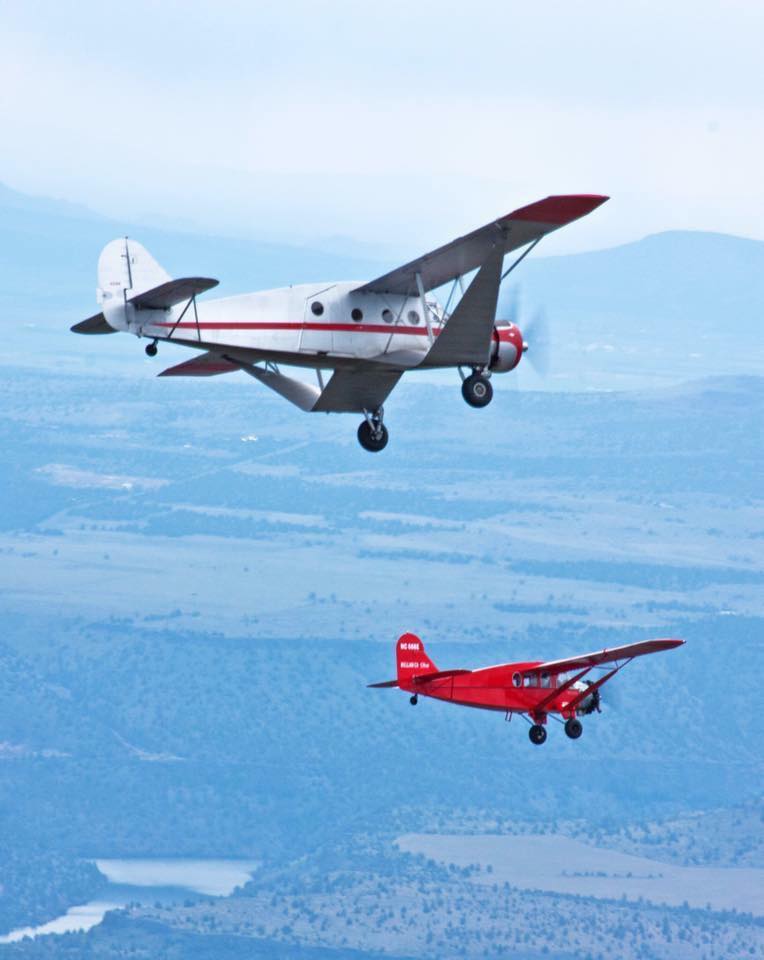
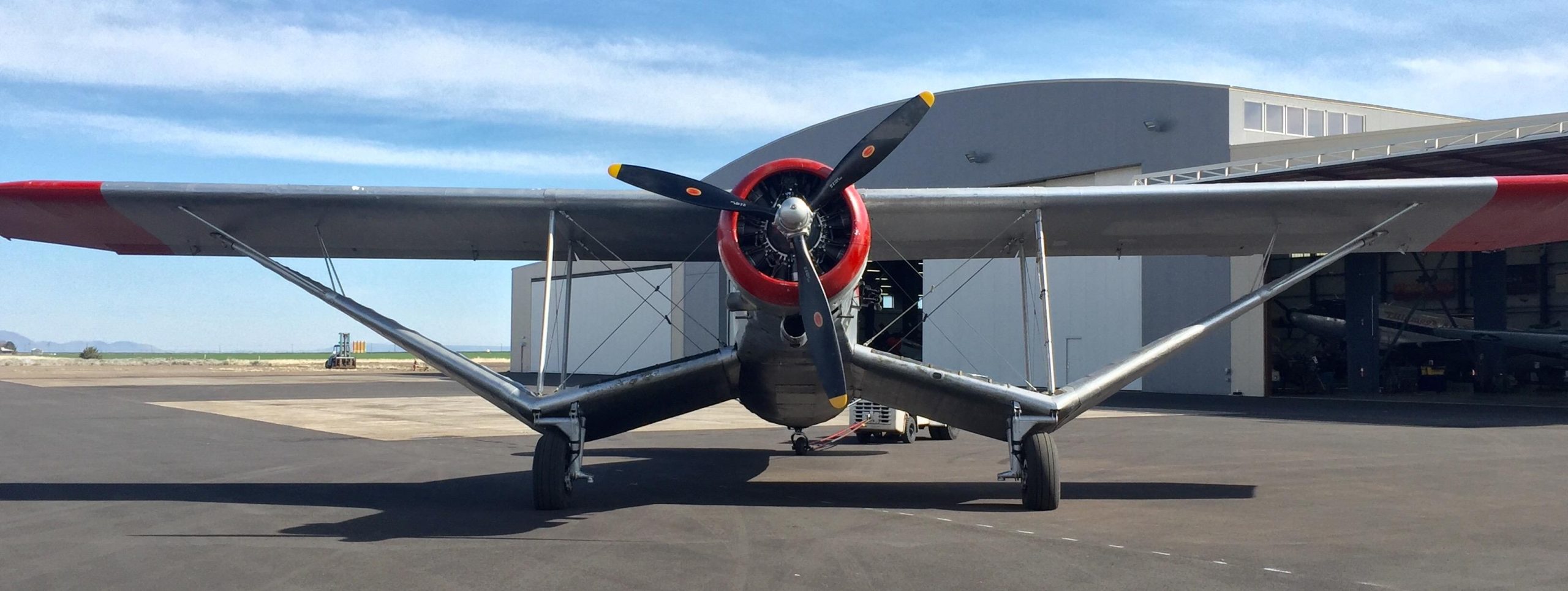
The aircraft type was developed and built by Bellanca Aircraft Corporation in New Castle, Delaware, beginning in 1930, and became known as the “Flying W.” In all, a total of only 23 of the aircraft type were built. Its design came from a prototype of Giuseppe Mario Bellanca to be able to fly non-stop as a civilian passenger aircraft for transport between Rome and New York, but U.S. federal regulations at the time prohibited single-engine civilian airline transport. (Before starting his own company, Bellanca worked for the Wright Aeronautical Corp. in 1924 and designed the Wright-Bellanca WB-1 and WB-2, which was later renamed the Columbia) The wing design and aerodynamic, triangular lifting wing struts of the Aircruiser made it extremely efficient – costing about 8 cents per mile in 1930 value – and allowed it to carry its own weight in cargo; the landing gear struts and primary wing braces were covered with streamlined and wide chord fairings, which contributed to the plane’s stability in flight.
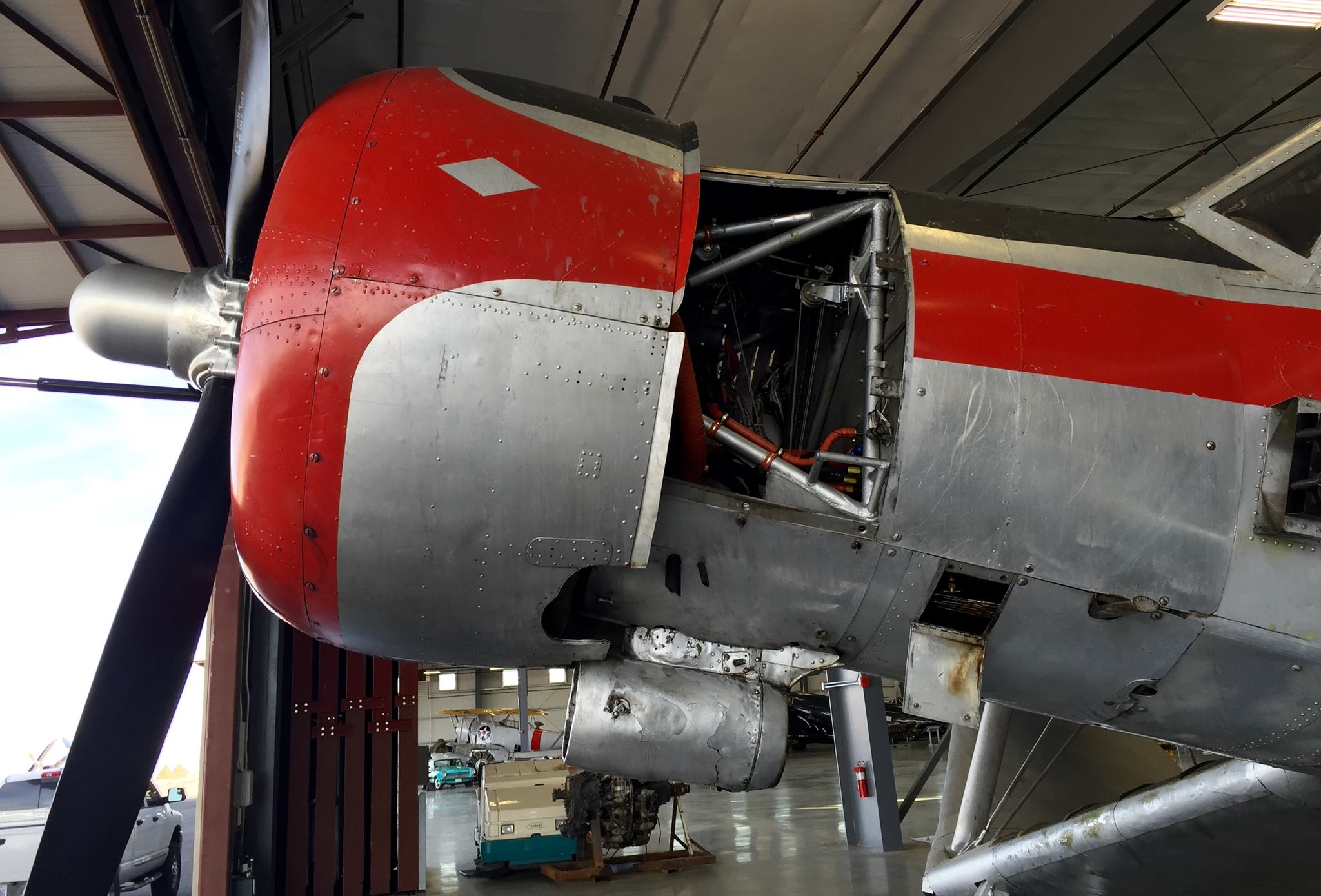
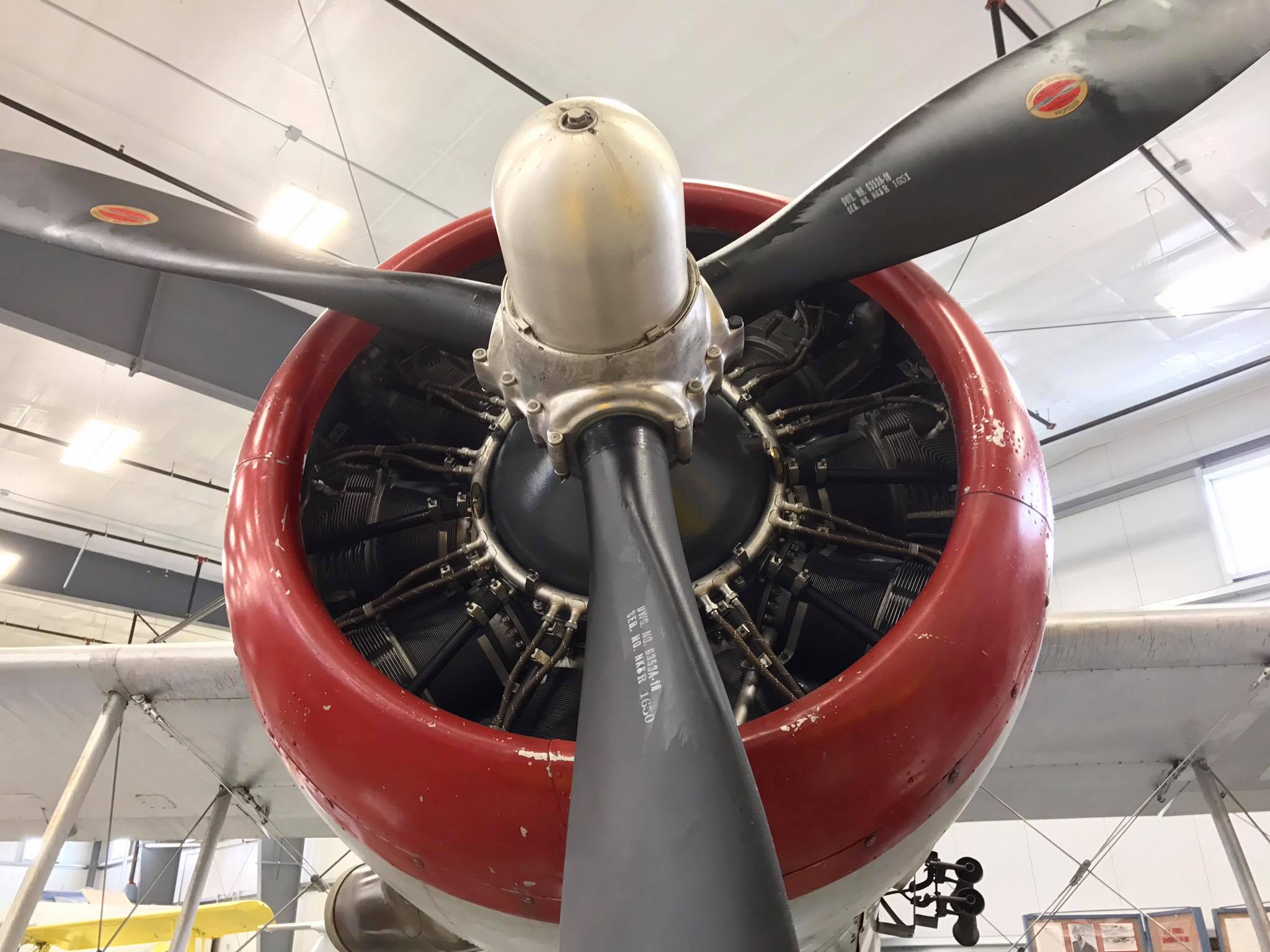
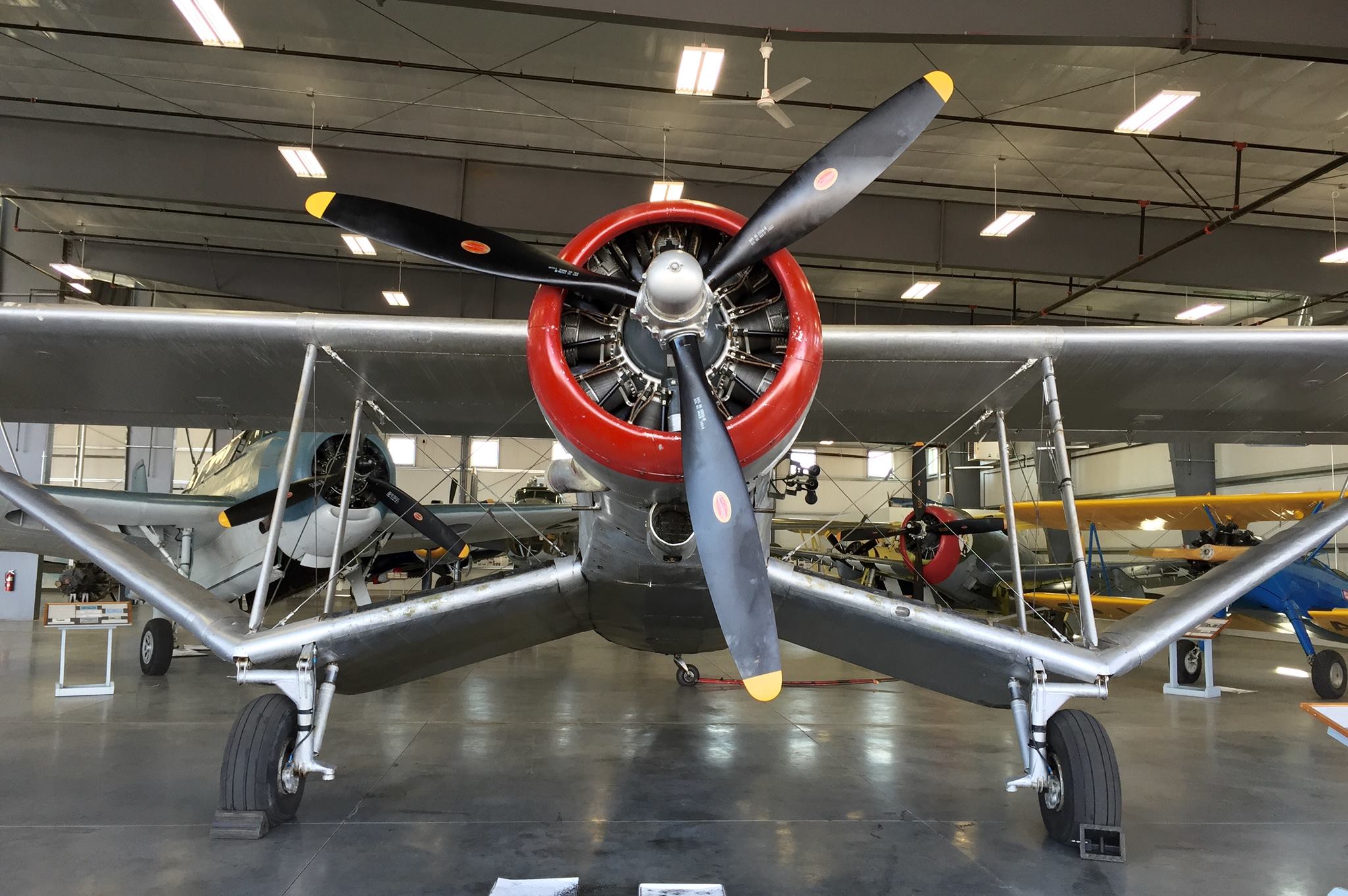
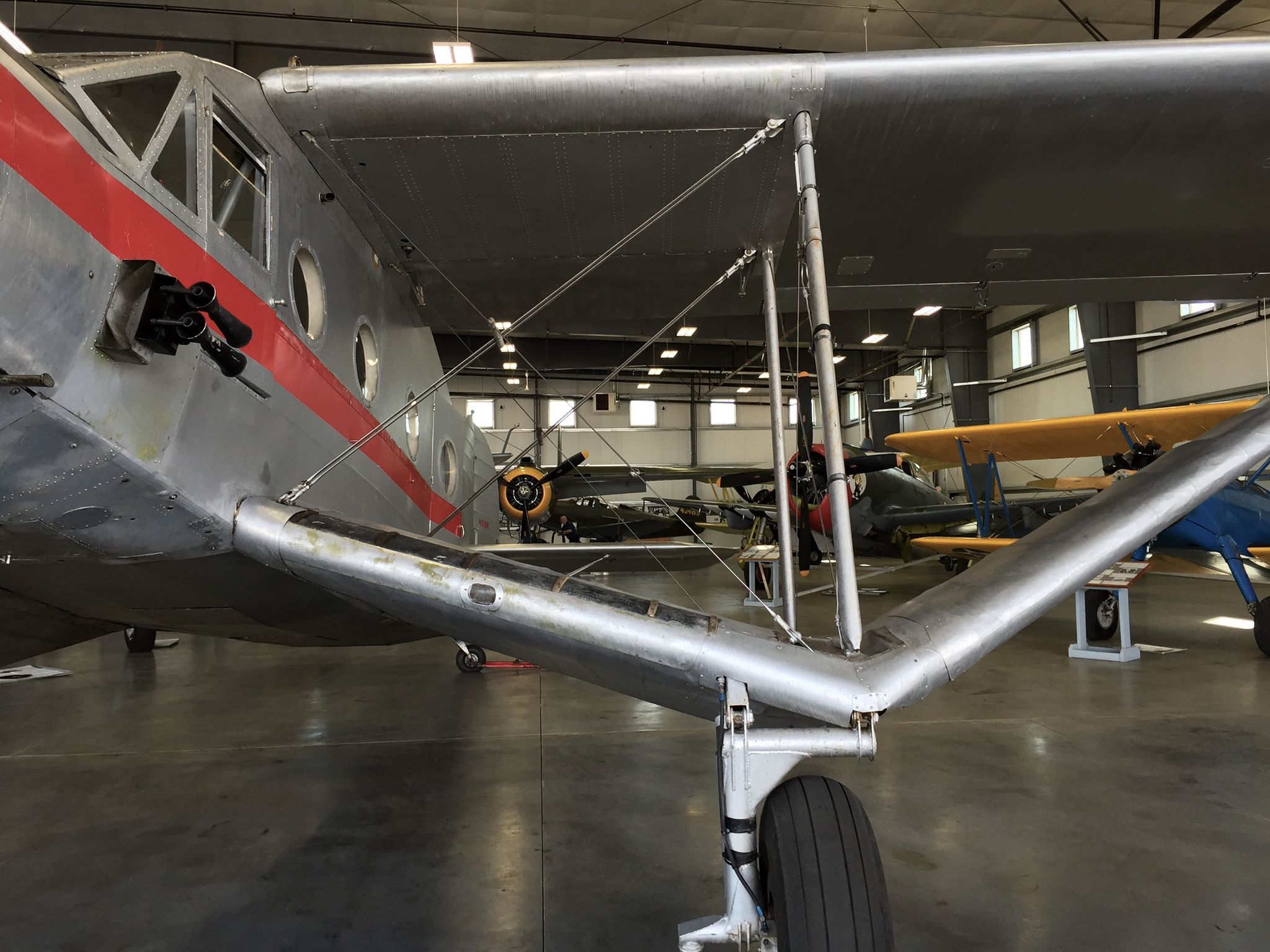
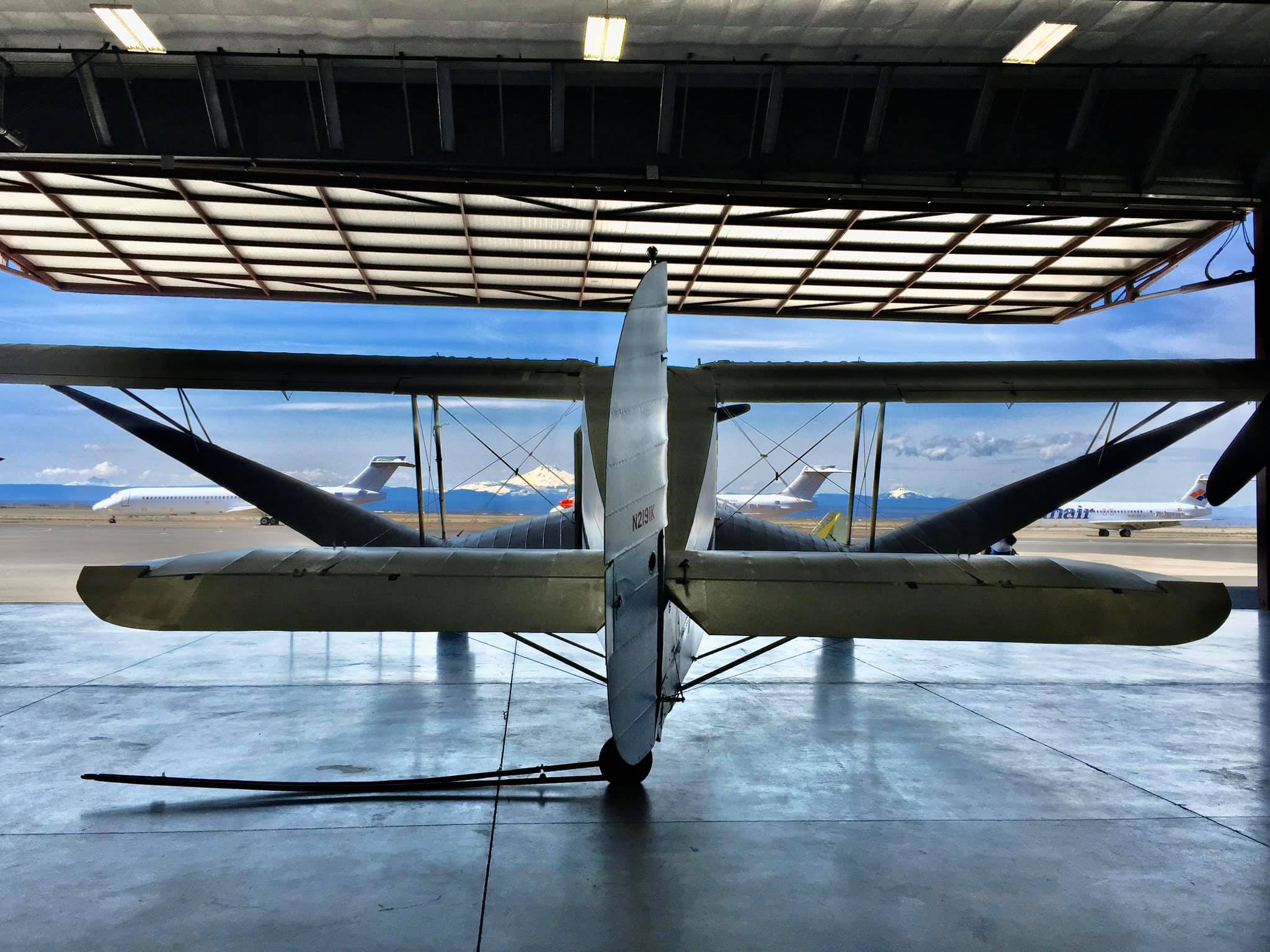
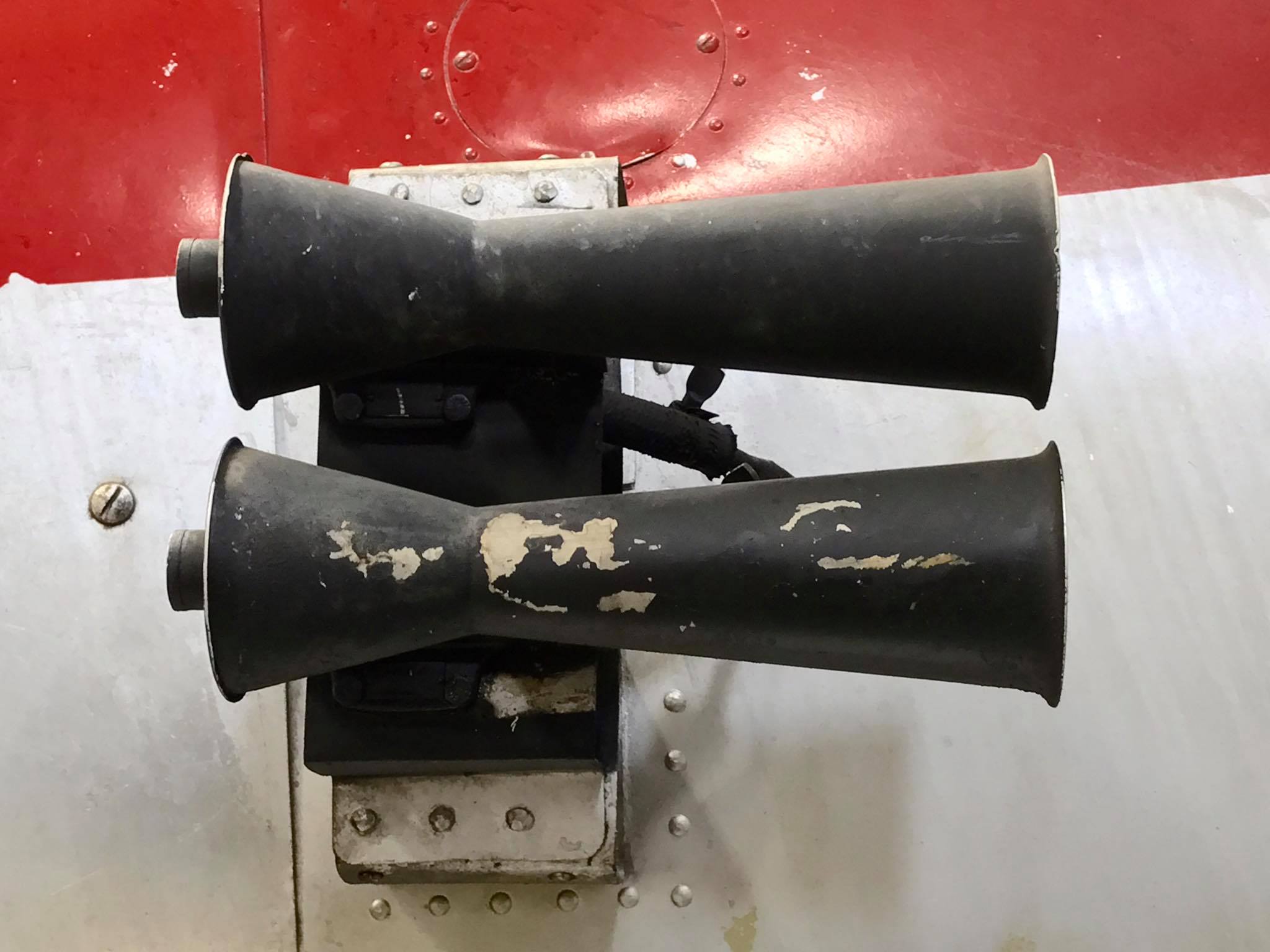
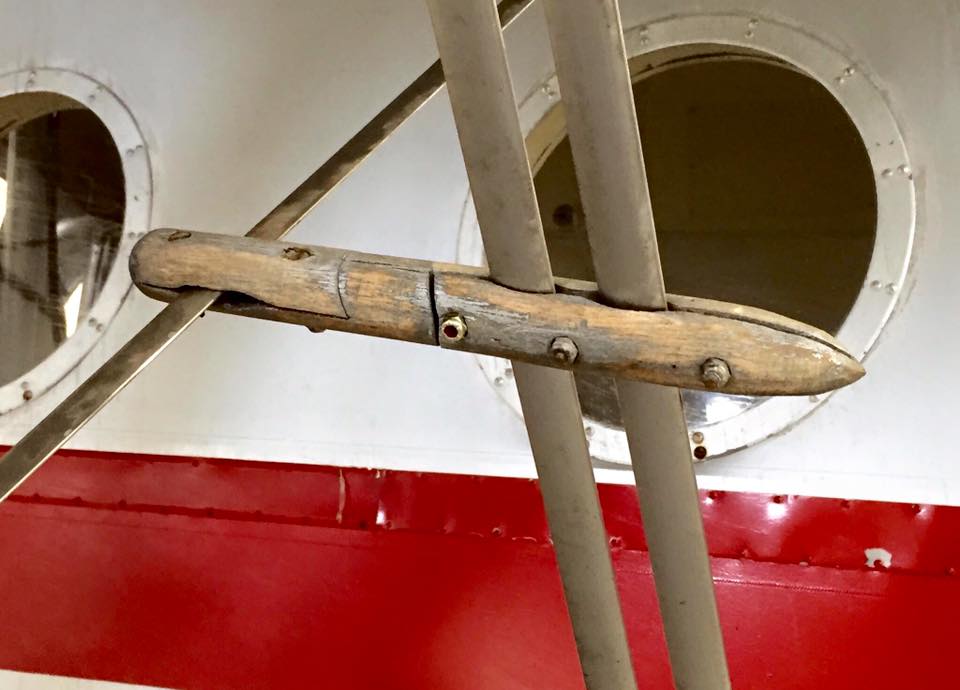
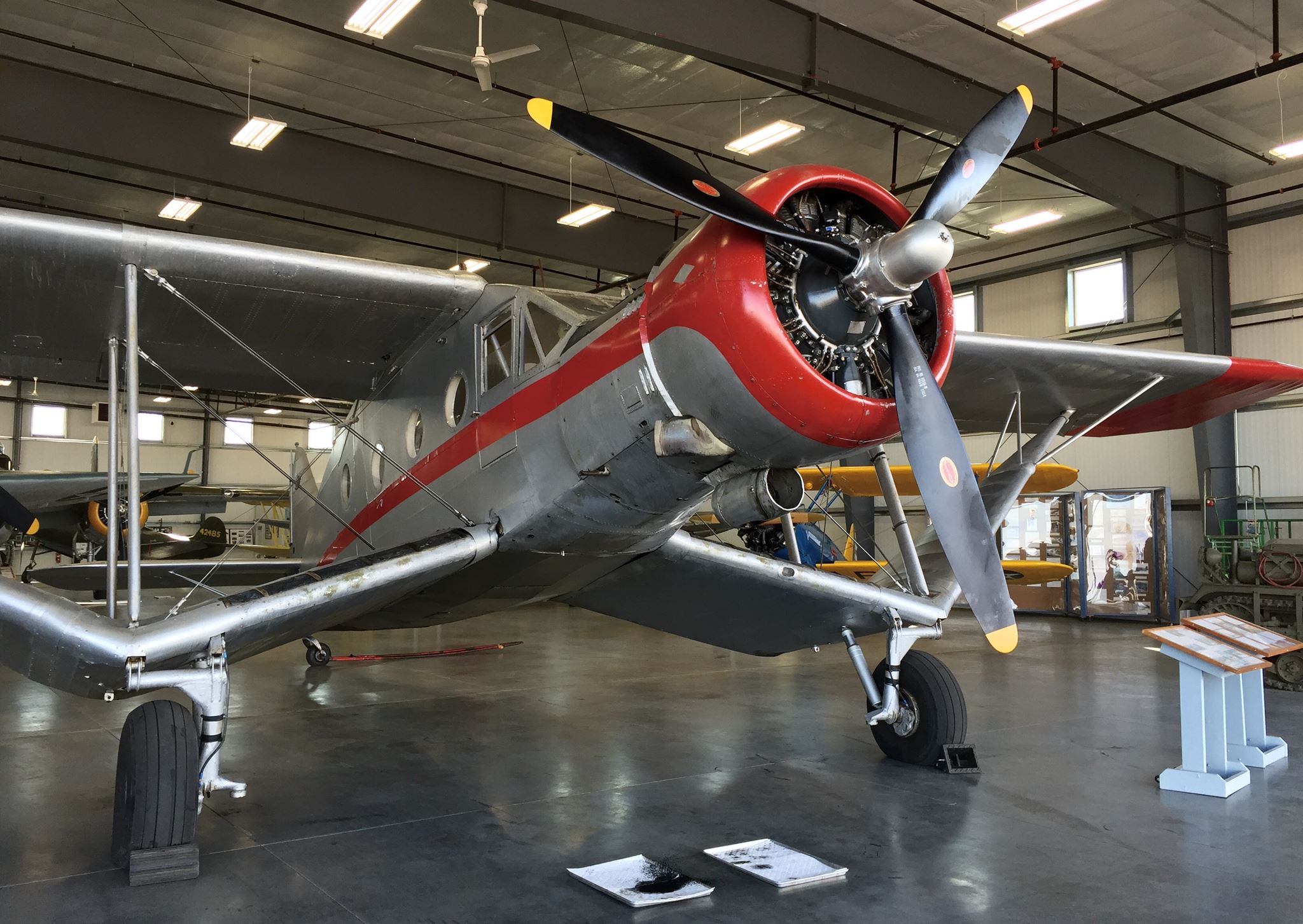
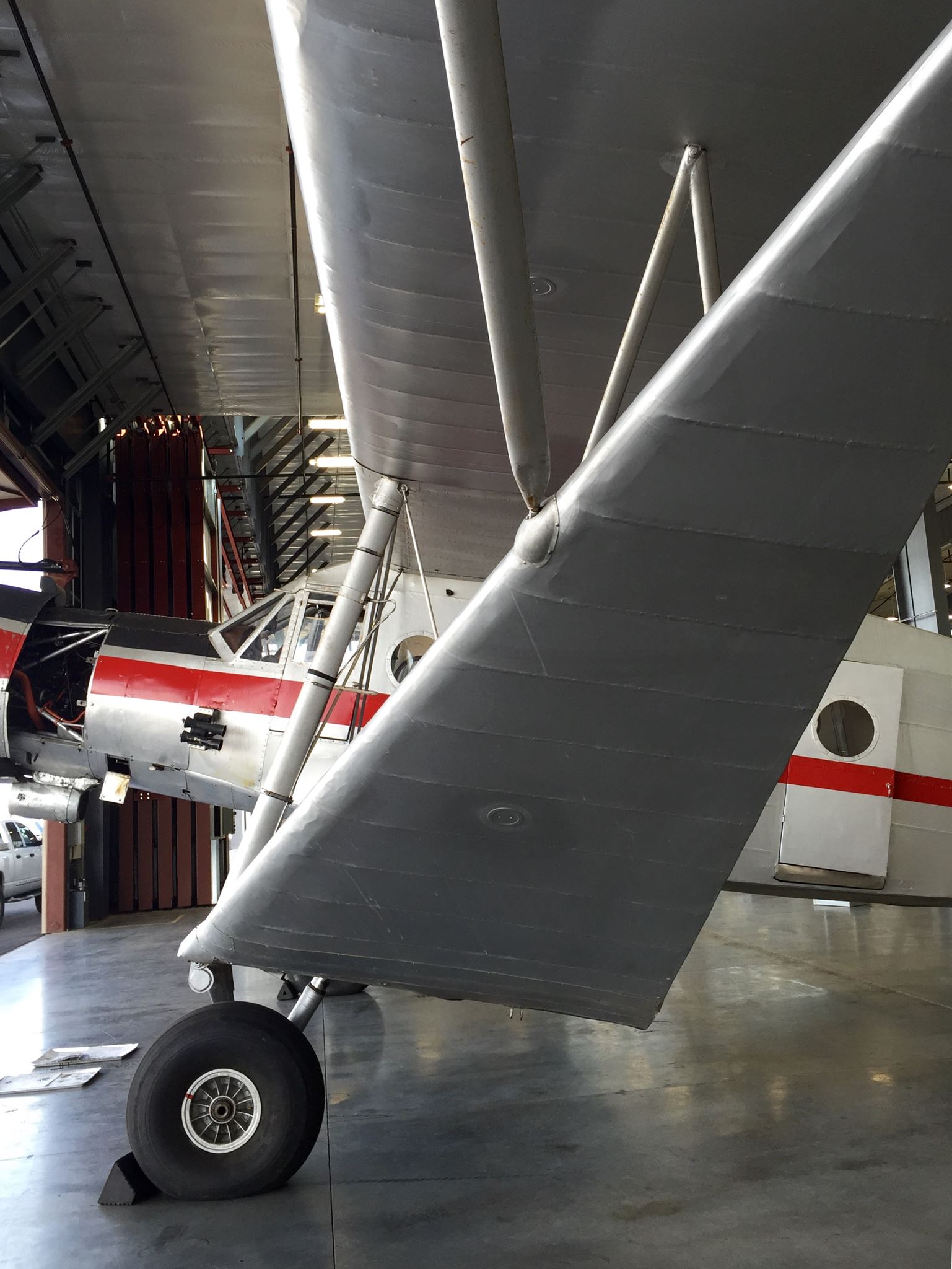
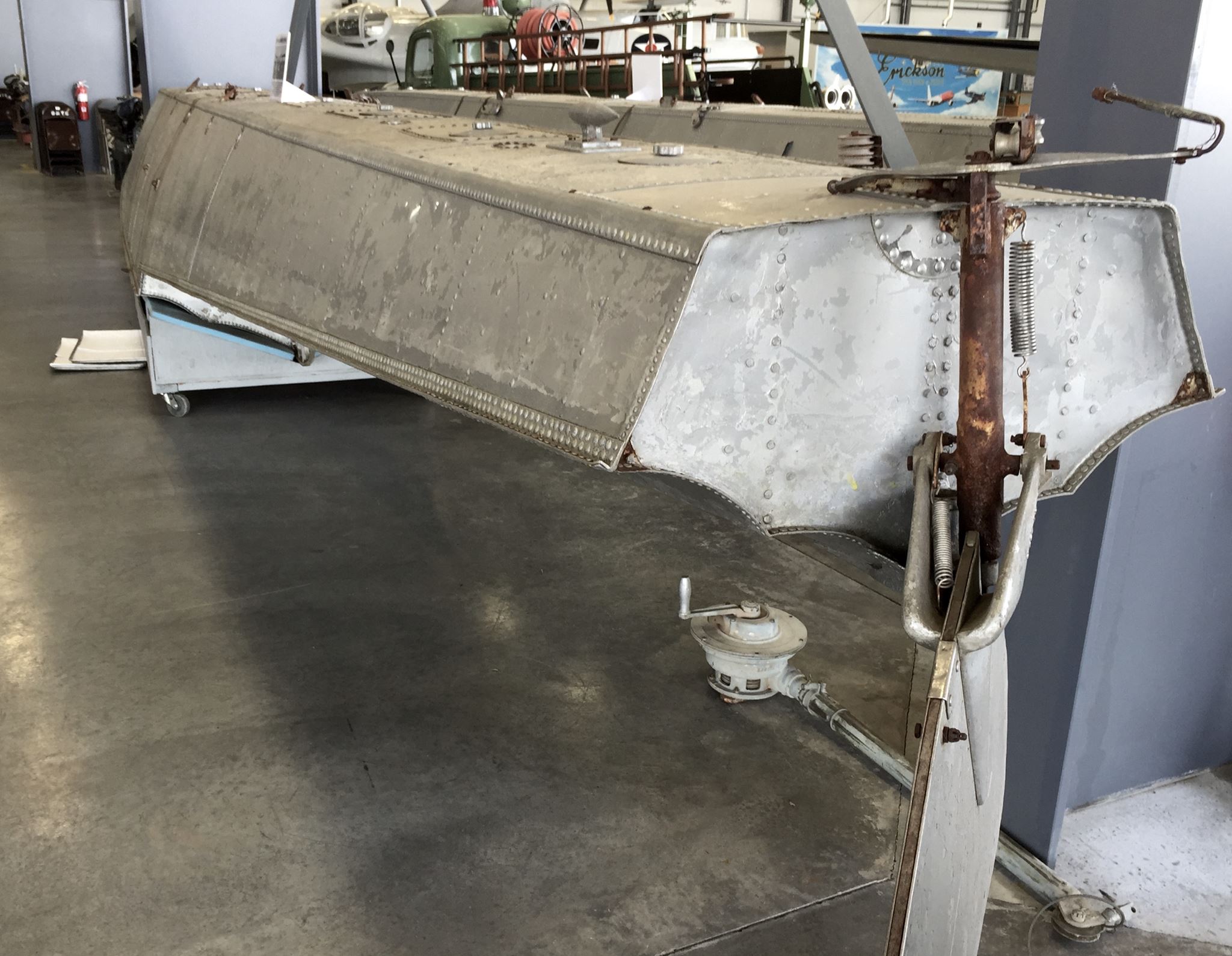
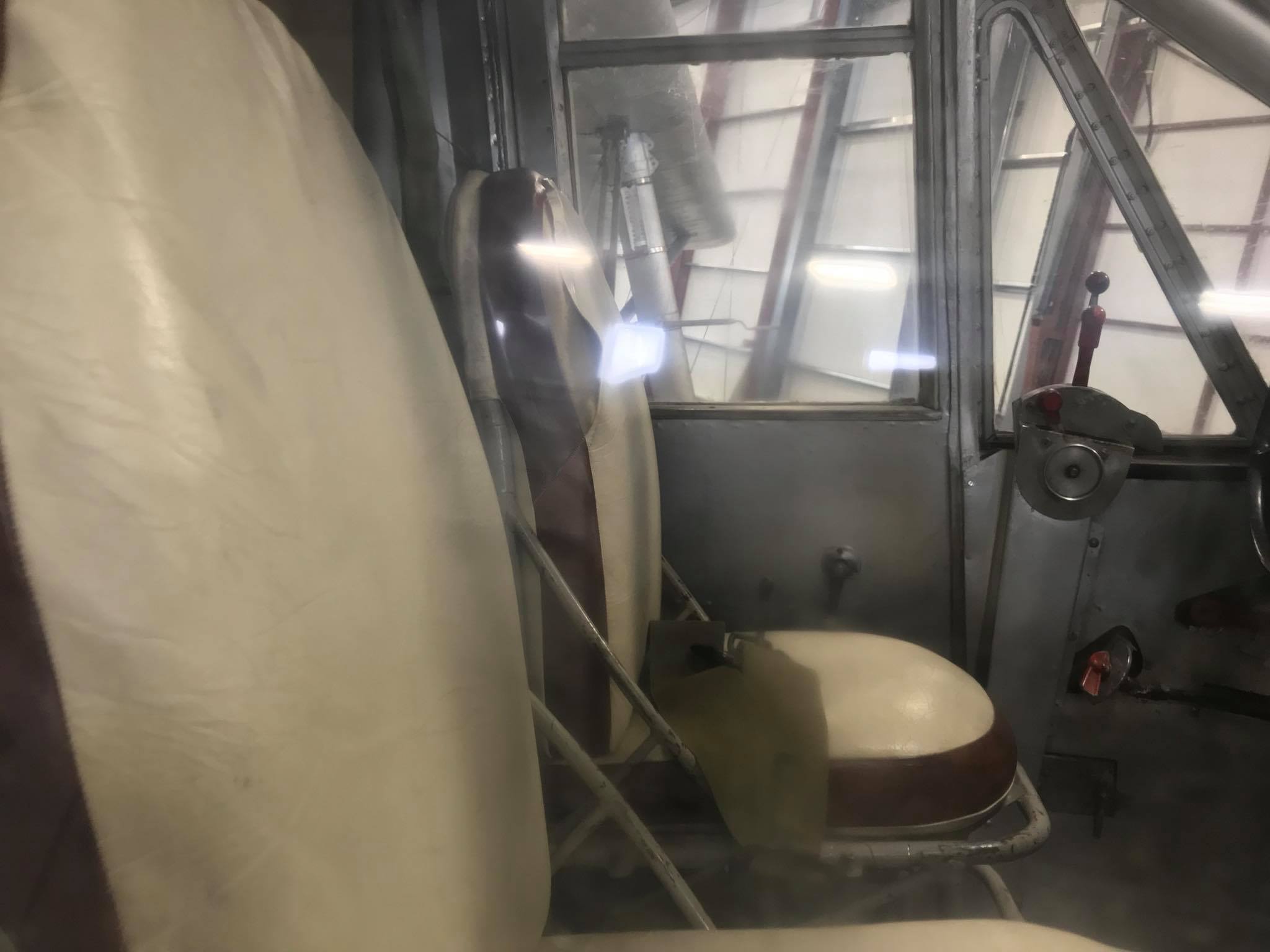
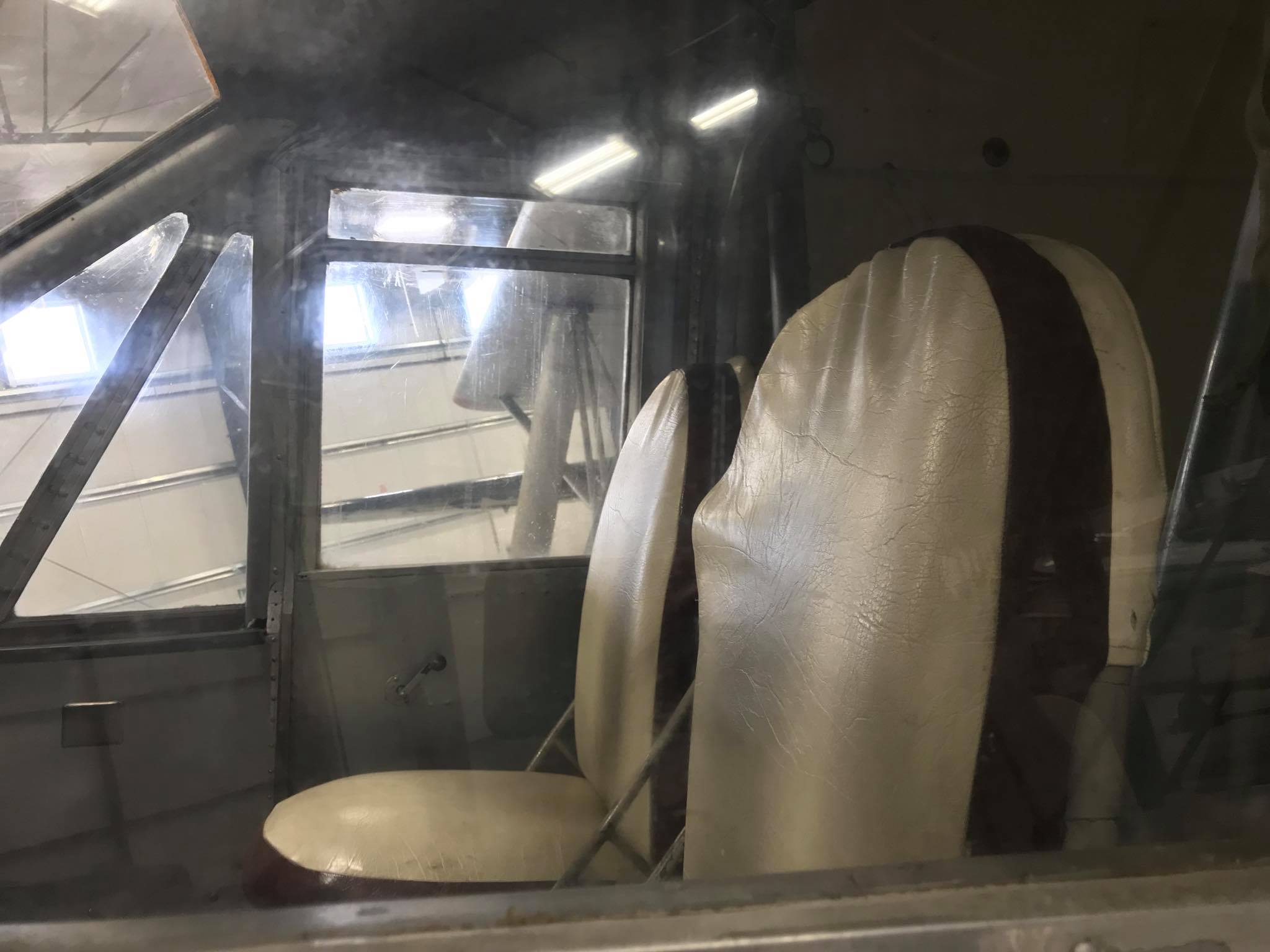
Designed for a capacity of up to 10 passengers, but as mentioned, U.S. passenger hauling regulations of the time meant it spent much of its civilian life as a hauler of ore – gold, silver and radium in support of mining operations – fish and equipment, especially in the northern bush country of Canada and was flown as a land, ski and sea-plane and could be fitted with Edo floats or Bellanca skis (see photos).
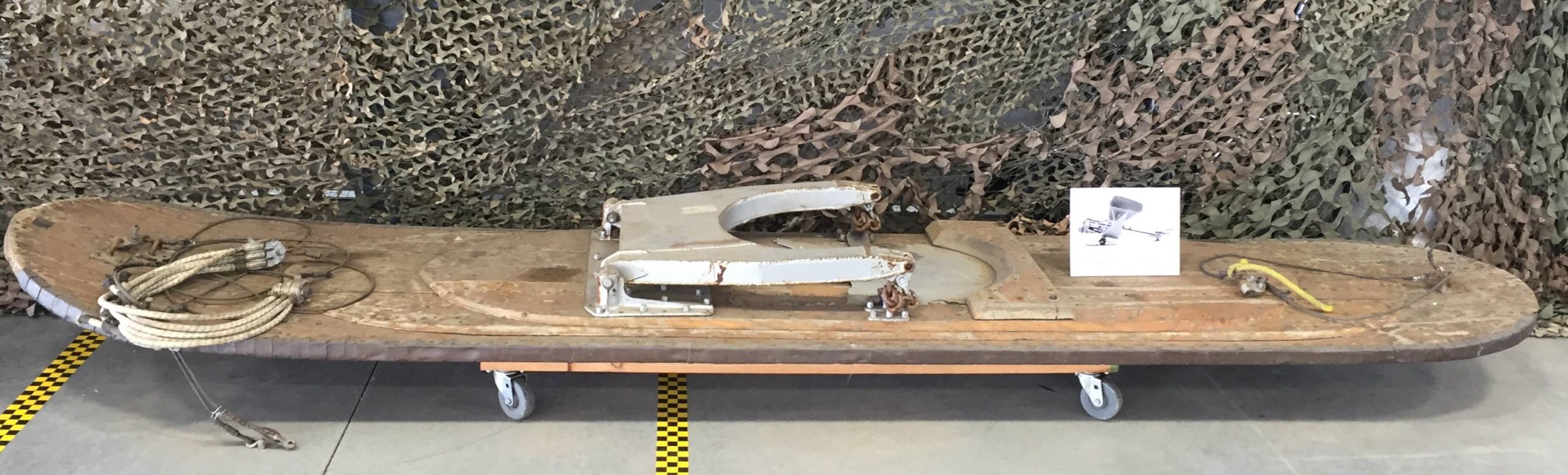
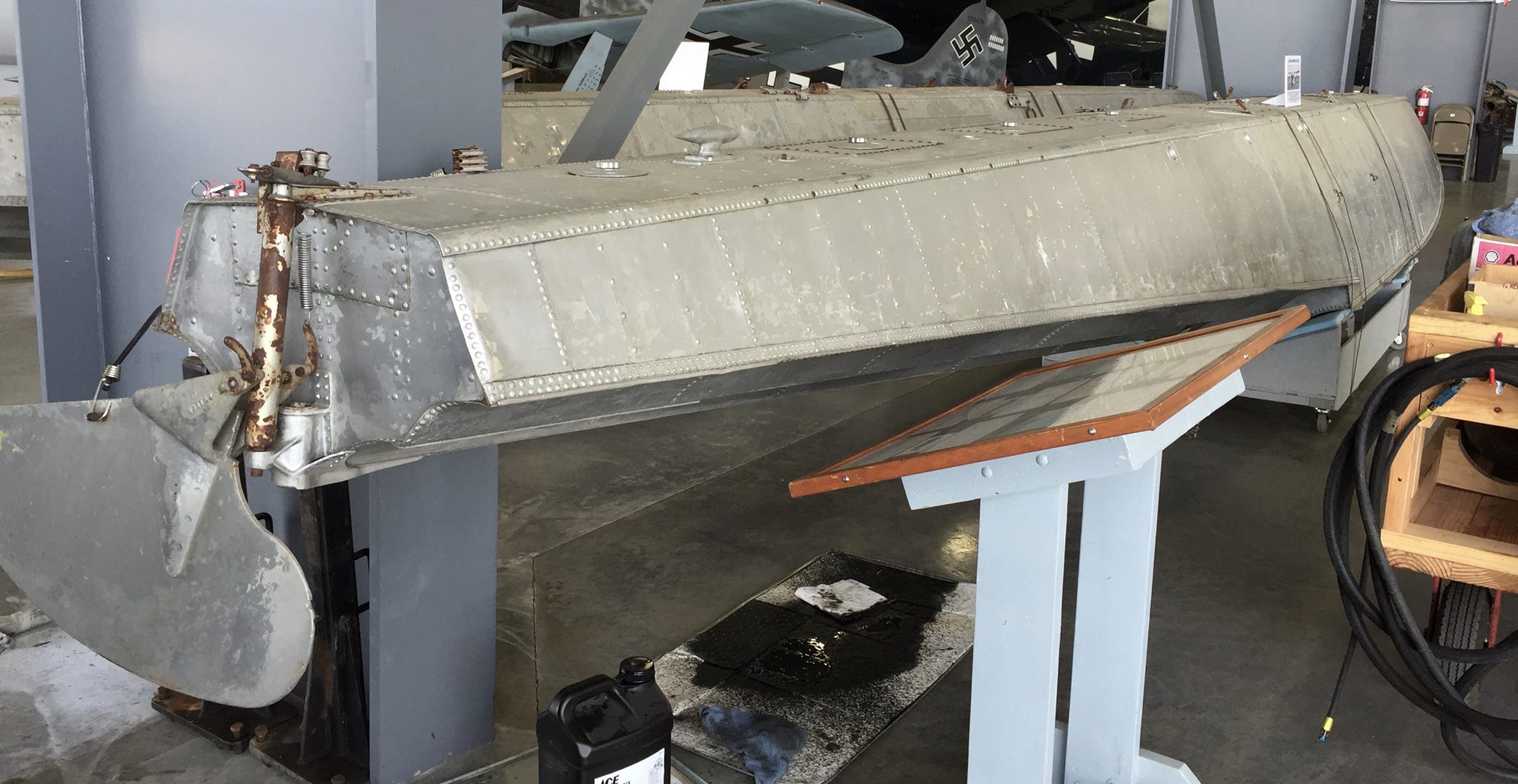
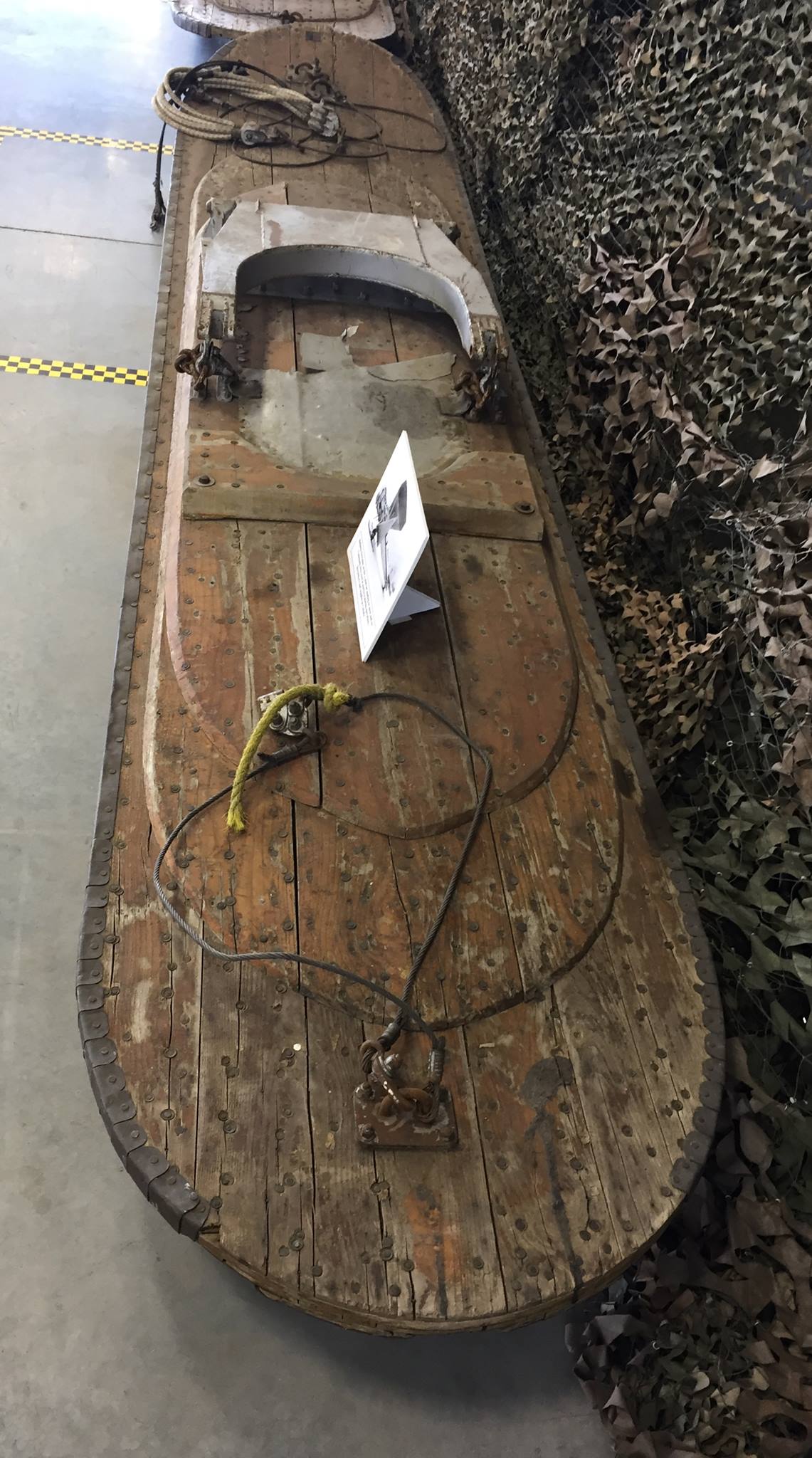
Beginning in 1933, the United States Army Air Corps (USAAC) put in an order for a total of 14 of the aircraft type, designating them Y1C-27 (“Y = prototype and “C” variants = service or test aircraft and in 1934, redesignated “C-27”). The first two aircraft were stock civilian airliners bought “as is.” The second two aircraft were built to USAAC specifications but differed only in details from the basic model. The remaining 10 were delivered with a series of modifications and upgrades, including a more powerful engine and a redesigned cabin, and had designations C-27A through C. The aircraft type offered better performance and more cargo space than the Ford C-27 or Fokker C-14 transport aircraft; the Bellanca C-27 remained in service in the 1930s and was replaced by the Douglas C-47.
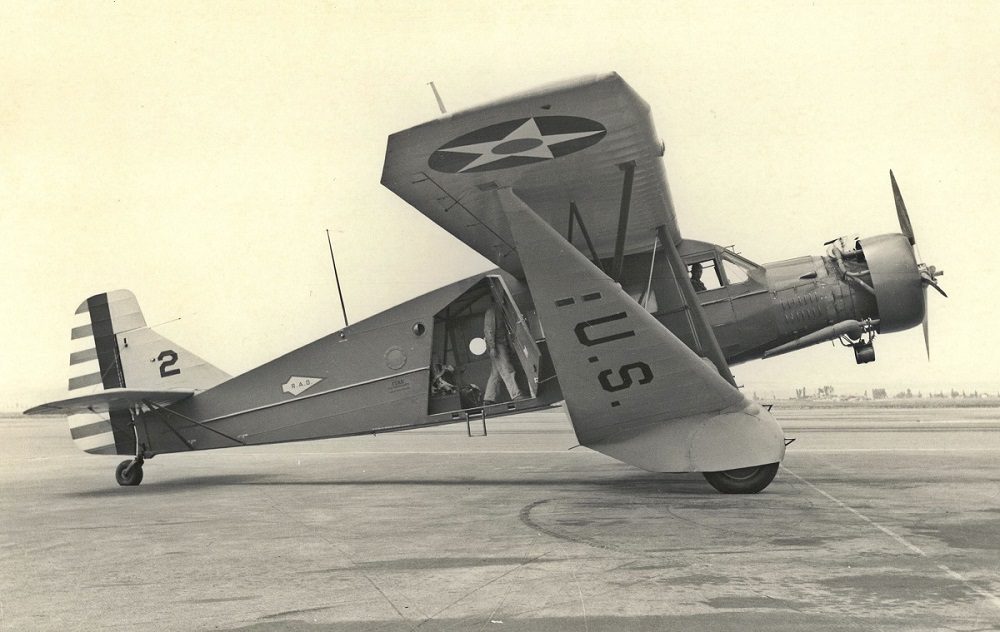
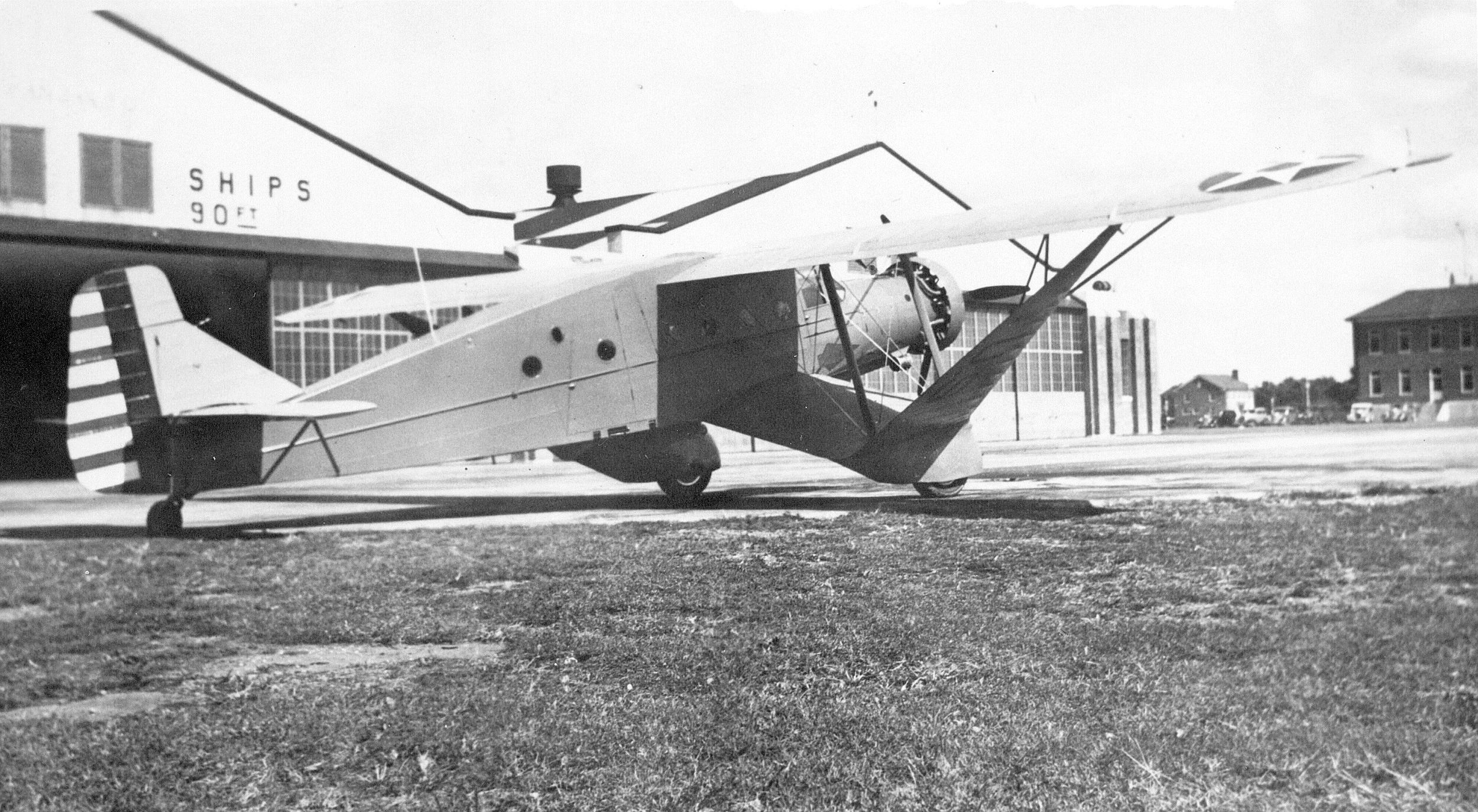
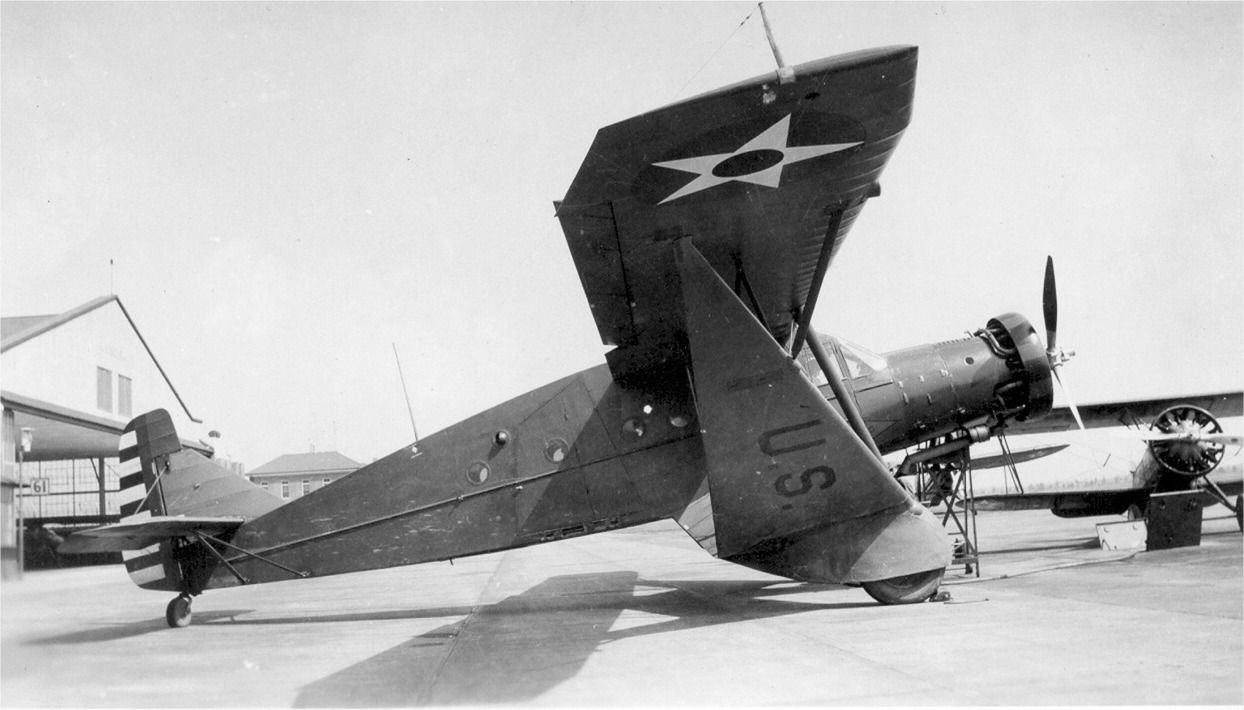
Powerplant listed for the civilian aircraft: a single Wright Cyclone R-1820E 9-cylinder supercharged 575 hp. radial engine in an extended forward fuselage section, although this 66-75 model has a 730 hp. Wright Cyclone engine. Live footage of the C-27 was used in the animated series “Clutch Cargo.”
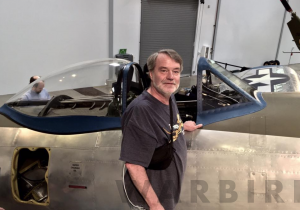 About the author: Randy Malmstrom grew up in a family steeped in aviation culture. His father, Bob, was still a cadet in training with the USAAF at the end of WWII, but did serve in Germany during the U.S. occupation in the immediate post-war period, where he had the opportunity to fly in a wide variety of types that flew in WWII. After returning to the States, Bob became a multi-engine aircraft sales manager and, as such, flew a wide variety of aircraft; Randy frequently accompanied him on these flights. Furthermore, Randy’s cousin, Einar Axel Malmstrom, flew P-47 Thunderbolts with the 356th FG from RAF Martlesham Heath. He was commanding this unit at the time he was shot down over France on April 24th, 1944, and spent the rest of the war as a prisoner of war. Following his repatriation at war’s end, Einar continued his military service, attaining the rank of Colonel. He was serving as Deputy Wing Commander of the 407th Strategic Fighter Wing at Great Falls AFB, MT at the time of his death in a T-33 training accident on August 21, 1954. The base was renamed in his honor in October 1955 and continues to serve in the present USAF as home to the 341st Missile Wing. Randy’s innate interest in history in general, and aviation history in particular, plus his educational background and passion for WWII warbirds, led him down his current path of capturing detailed aircraft walk-around photos and in-depth airframe histories, recording a precise description of a particular aircraft in all aspects.