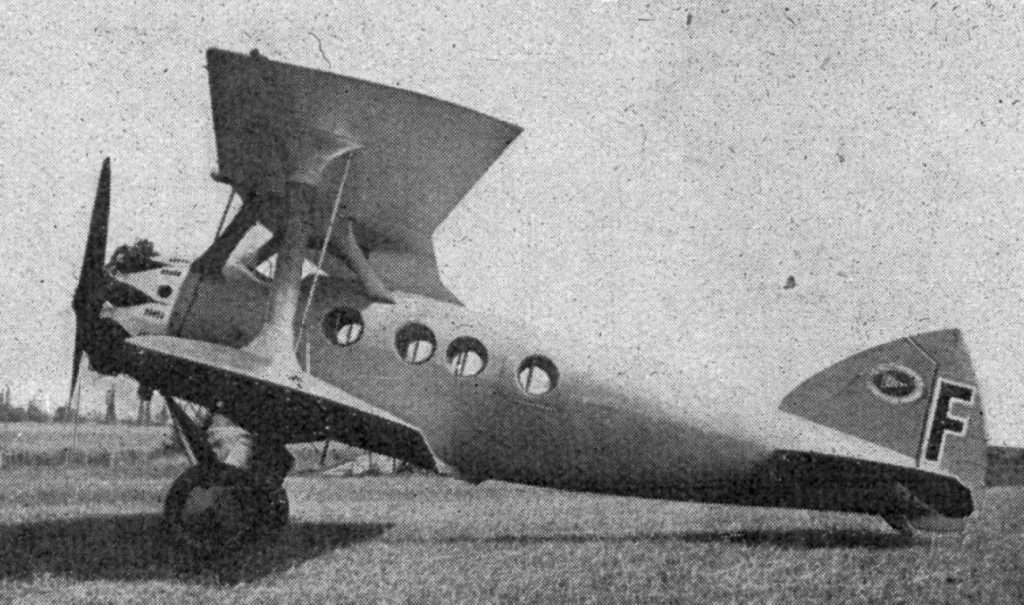
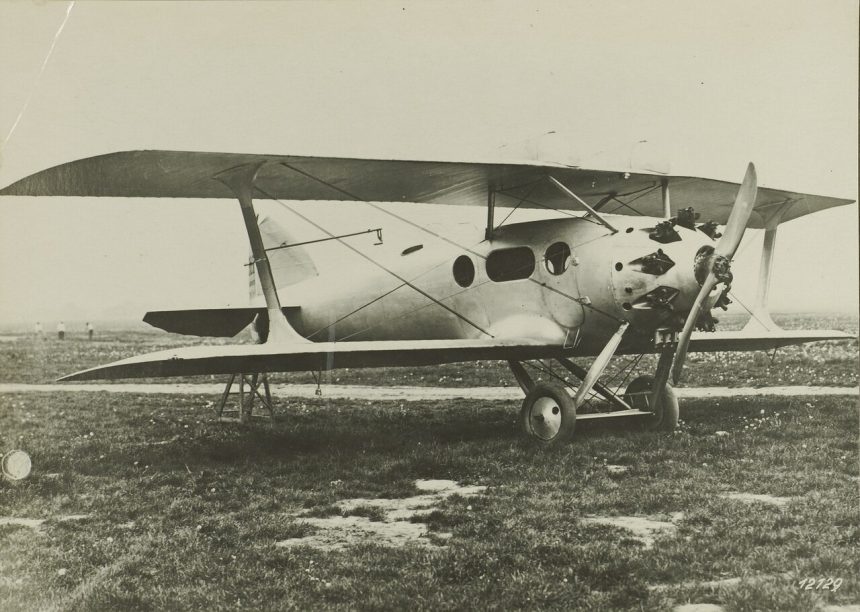


On this day in aviation history, 100 years ago (June 14, 1926), the Blériot-SPAD S.56/3 took flight for the first time. The S.56/3 was a variant of the S.56 series of French-designed airliners, which were a further development of the Blériot-SPAD S.33. Improvements over the S.33 included a newly designed, all-metal wing and a new passenger cabin which could seat six in two rows. The previous S.33 design had a wooden wing, and seating for only four. A second door was added for ease of access to the S.56’s occupants.
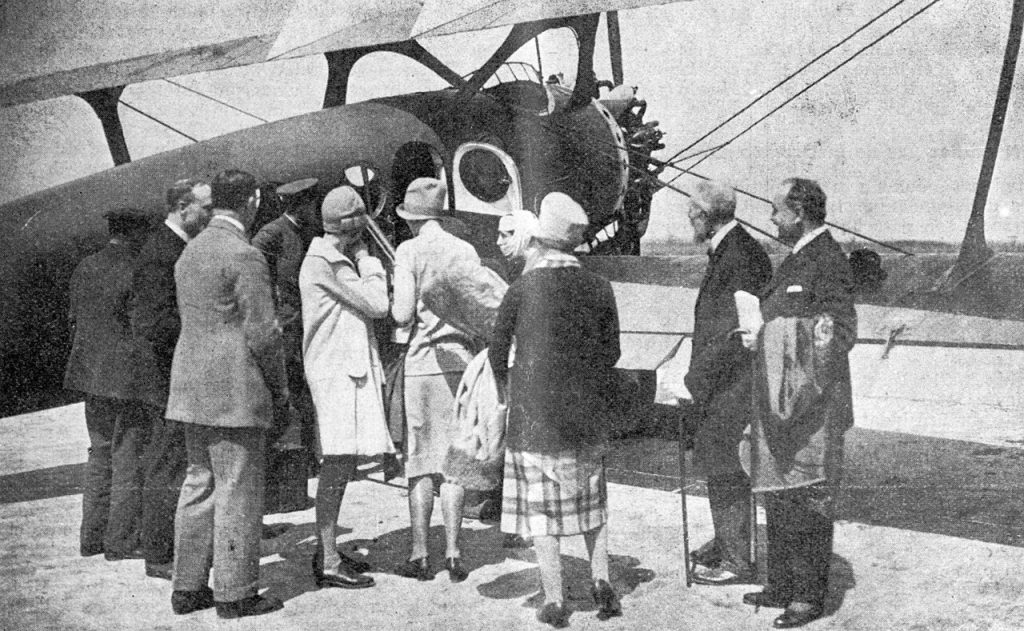
The first variant of the S.56, the S.56/1, first flew on February 3, 1923. A 260-hp Salmson CM.9 radial engine powered the S.56/1, but this was later swapped out with a 380-hp Gnome & Rhône 9Aa. Only one S.56/1 was built. The S.56/2 was also built as a sole variant, powered by a 420-hp Gnome & Rhône 9Ab engine. The S.56/3 featured improved landing gear over the previous versions, and a 380-hp Gnome & Rhône 9Aa engine. Eight S.56/3s were built, as were eight S.56/4s, the variant that featured the significant cabin upgrade. The S.56/4 also used a higher-power engine, the 420-hp Gnome & Rhône 9Ady.
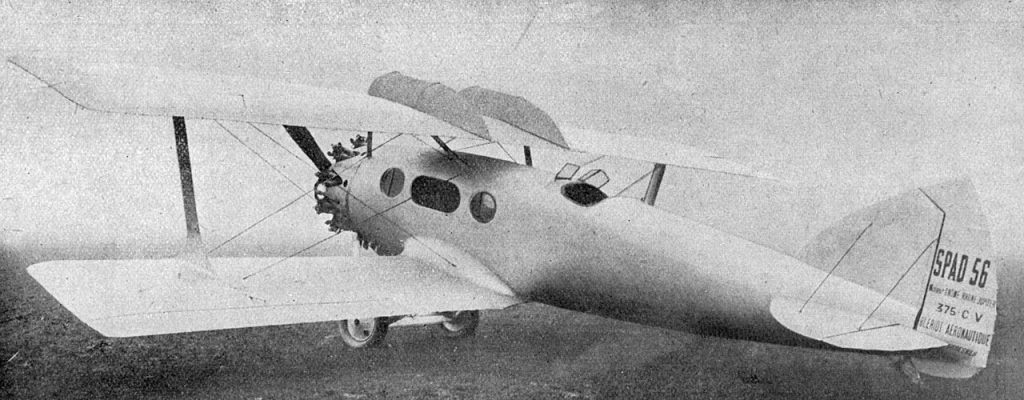
An S.56/5 variant was built, which could be converted from passenger to freight hauling duties. The S.56/6 model was akin to the S.56/3, only it was modified for banner towing with the Air Publicité company. Two S.56/6s were built, and one went on to serve with the Spanish Republican Air Force during the Spanish Civil War. Aside from the Spanish Air Force, the S.56 was operated by the French Air Union and CIDNA. Blériot-SPAD built 22 S.56s in total. The S.56/4, powered by its 420-hp Gnome & Rhône 9Ady 9-cylinder radial engine, could attain a maximum airspeed of 121 mph. The S.56/4’s range was 330 nmi, and service ceiling was 15,700 ft. The aircraft had a wingspan of 42 ft 11 in, a length of 29 ft 6 in, and stood 13 ft 5 in tall. Empty weight was 3,203 lbs, while max gross was 5,353 lbs. A crew of one flew the S.56, which had capacity for six passengers in the rear compartment.