





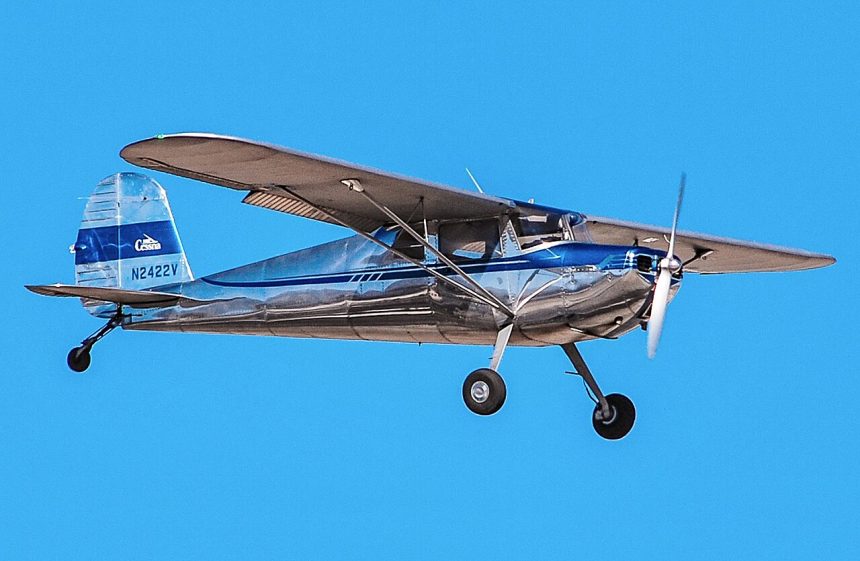

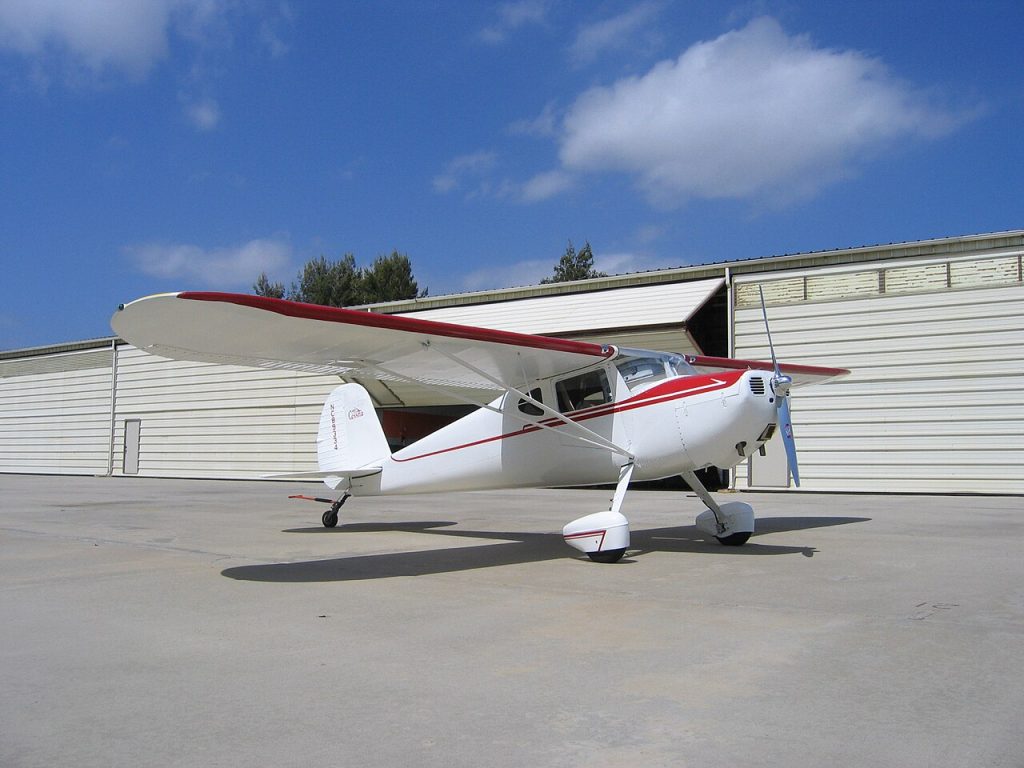
On this day in aviation history, 81 years ago (June 28, 1945), the Cessna 140 took flight for the first time. The Cessna 120, an economy version of the 140, also first flew on this day 80 years ago, on June 28, 1946. These light general aviation taildraggers began to be produced immediately after the conclusion of the Second World War. Three main variants of the airframe were produced: the Cessna 140, 140A, and 120. The original Model 140 was fitted with a Continental C-85 engine of 85 hp. The fuselage was metal; the wing spars and ribs were aluminum and used steel tie rod cross bracing and were fabric covered.
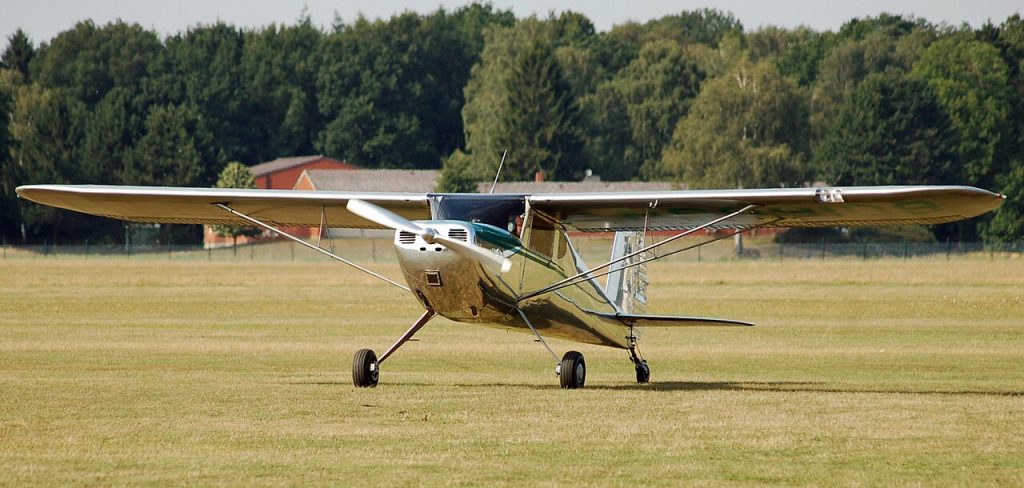
The Cessna 140 would be further modified into the four-seat Model 170 variant. The Model 120 was the same as the 140, only it lacked wing flaps. The introduction of the Model 140A in 1949 ended production of the 120. Cessna’s 140A featured metal-covered wings and a 90 hp Continental C-90 engine. Additionally, a slight redesign of the undercarriage negated the necessity for landing gear extenders, which had been installed on the 140 and 120 as a means to prevent nose-overs while braking. Although an improvement, the 140A did not sell well. Sales across the lineup began to decay, and the 140A only represented 7 percent of Cessna’s overall production.
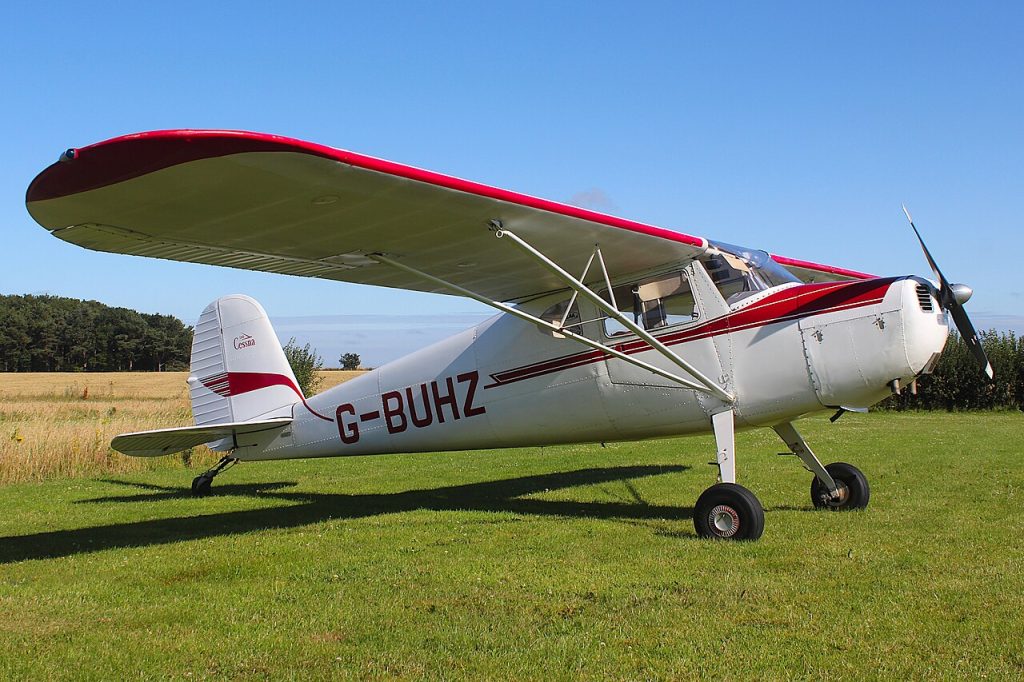
Despite milquetoast sales during the aircraft’s original production run, the Cessna 140 and 120 have grown into a much-desired taildragger for vintage and general aviation pilots spanning the globe. Cessna manufactured 7,664 140/120/140A airframes between 1946 and 1951, and many still fly today. The Cessna 140 can attain a maximum airspeed of 125 mph, but will happily cruise along at 105 mph and stall at 45 mph. The aircraft carries 21 US gallons of usable fuel and has a range of 390 nmi. This two-seat Cessna taildragger will climb at 680 fpm and can attain a service ceiling of 15,500 ft if you have patience (and oxygen).





My dad and I refurbished a ’46 140 when I was a teenager, including recovering the METAL framed fabric covered wings. Not wood wings.
The C-140 was the plane I learned to fly in during the late 1960’s. Since it didn’t have an electric starter, I was apprehensive about what we would do If we needed to do a restart during flight.
Over an abandoned airfield along Eagle Mountain lake near Carswell AFB, the instructor had me turn off the fuel in flight and slow the plane down until the prop stopped, then put the aircraft into a very steep dive and turn the fuel back on when the prop started turning again.
I doubt if very many pilots now are taught that technique 🛩️.
Great
I love it