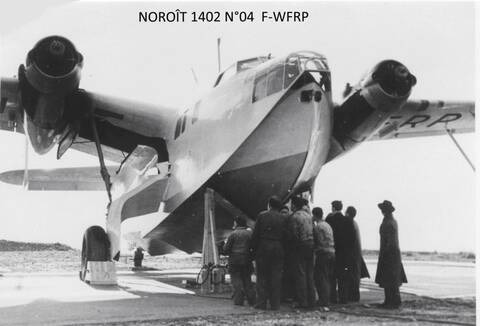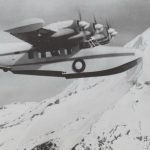
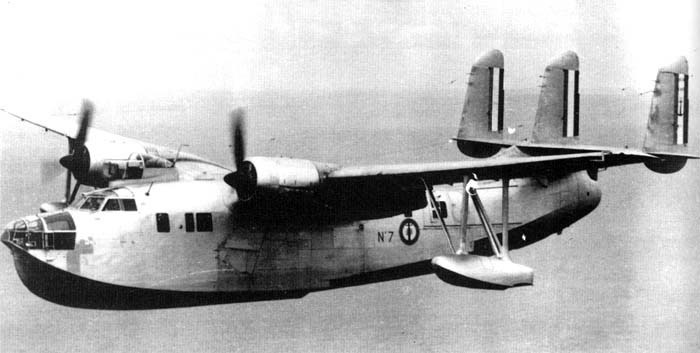


On this day in aviation history, 77 years ago (April 6, 1949), the Nord 1401 Noroit flew for the first time. The Noroit, French for North-West wind, was a flying boat designed for use as a reconnaissance and air-sea rescue aircraft with the French Navy. Developed by Nord Aviation, the N.1401 was a pre-production variant of the Noroit that featured upgraded 1,800-horsepower Junkers Jumo 213 engines. The earlier N.1400 prototypes were powered by 1,600-horsepower Gnome-Rhône 14R radial engines.
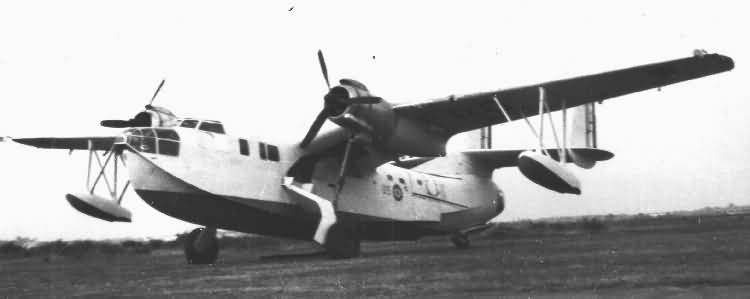
Nord’s Noroit featured a cantilever gullwing and horizontal tail surface with three vertical surfaces. The aircraft had a two-step hull and an enclosed cabin for the seven crew. There was a large cabin in the rear for use in rescue operations. The second prototype was upgraded to have a retractable tailwheel landing gear for amphibious operations, a feature later added to the earlier prototype and subsequent variants. The two Nord N.1401s were tested with both the Jumo 213 and Bristol Hercules radial engines. Eventually, both N.1401s were modified to production standards and redesignated as N.1402.
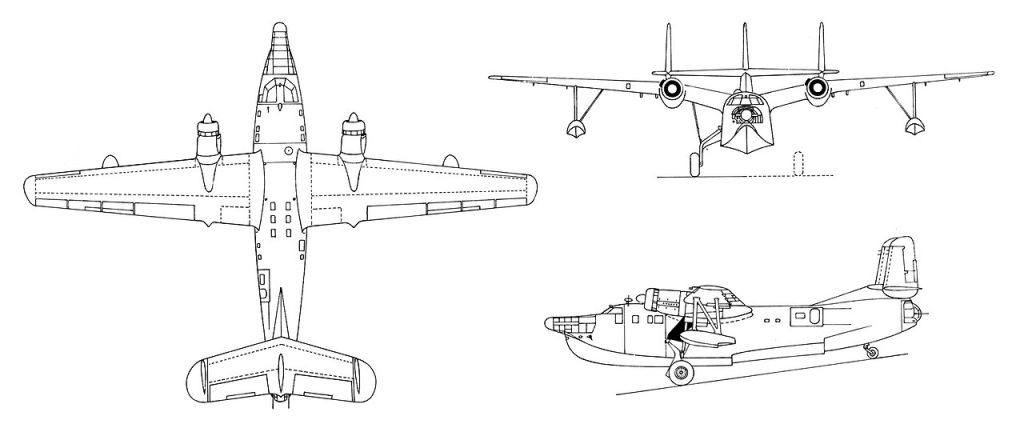
The final Nord N.1402 Noroit variant was powered by two 2,100-horsepower Arsenal 12H-00 inverted V-12 piston engines. Nord’s flying boat was 74 feet – 4 inches long, 22 feet – 5.5 inches tall, and had a wingspan of 103 feet – 8 inches. The N.1402 had a maximum airspeed of 230 mph and a range of 1,863 nautical miles, ample for long-range recon and search-rescue missions. Armament came in the form of six 20 millimeter cannons, two each in the nose, dorsal, and tail turrets. Additionally, there were provisions for bombs to be hung in the aircraft’s engine nacelles.