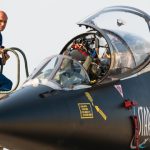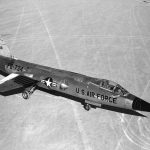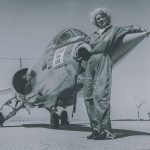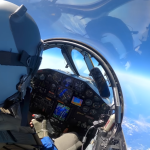
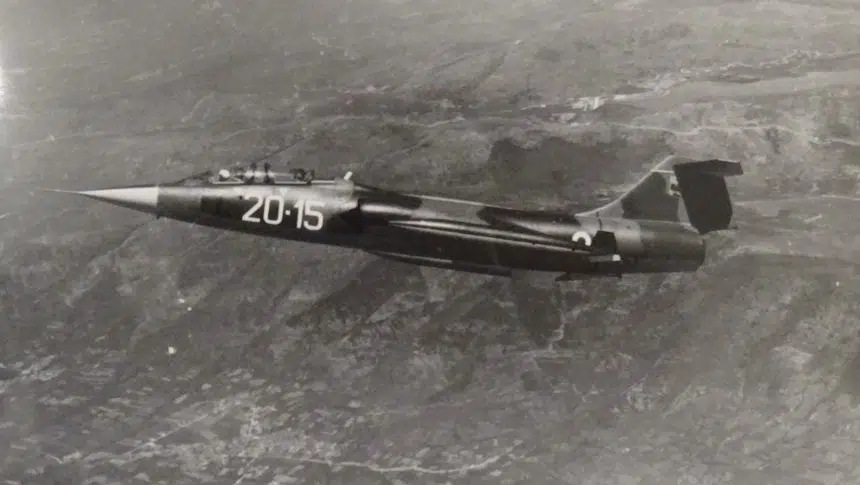

In the autumn of 1965, an Italian Air Force Lockheed F-104 Starfighter suffered a cascade of failures that would ordinarily have left its crew with little choice but to eject. The engine had been destroyed, the airspeed indicator was unusable, one external fuel tank had emptied while the other remained full, and a thick cloud layer concealed the airfield below. Yet the aircraft returned to Grazzanise and landed. The pilot was then an F-104 instructor and later Generale di Brigata Aerea Gian Luigi Elia. In a video interview produced by Ronin Production, Elia recounted how training, aerodynamic knowledge, and the constant discipline of asking “What if?” helped him bring the stricken Starfighter—and the student seated behind him—back to the ground.

A Routine Instrument Mission
Elia’s unit had temporarily relocated from Grosseto to Grazzanise while the runway at Grosseto was being resurfaced. On the day of the incident, near the end of September or beginning of October 1965, he departed Grazzanise on a routine instrument-training flight. Elia occupied the front cockpit of the two-seat F-104, while his student sat in the rear beneath an instrument hood that blocked all outside references. With the student flying solely by reference to the instruments, the Starfighter climbed through poor weather toward approximately 27,000 feet. The flight had barely begun when a violent explosion erupted in the aircraft’s nose, followed almost immediately by destructive noises from the engine.

Investigators later determined that a component of the liquid-oxygen system had exploded. Debris tore through the Starfighter’s light-alloy skin, and a substantial piece of metal entered an engine intake. It then struck the compressor, whose closely spaced blades were rotating at tremendous speed. The result was catastrophic. Compressor blades were destroyed, the engine oversped, and temperatures rose rapidly as the normal flow of compressed air through the powerplant collapsed. Within moments, the F-104 had lost thrust. Elia took control while the student removed the instrument hood and prepared for the possibility of ejection. The aircraft was not burning or breaking apart, however, and Grazzanise remained within reach. Elia decided to attempt an emergency landing. “The first thing to evaluate was the weather,” he recalled. “I had an airport below me, so it was reasonable to think about an emergency landing—but I had to determine whether the weather would allow it. Otherwise, attempting it would have been suicide.”
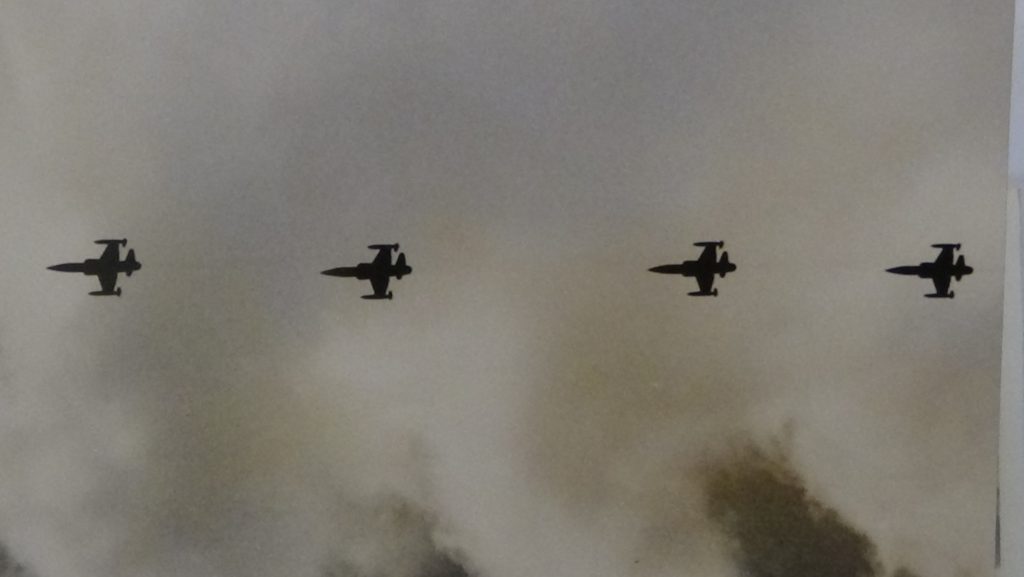
(Image credit: Ronin Film Productions/Gian Luigi Elia)
Flying Without an Airspeed Indicator
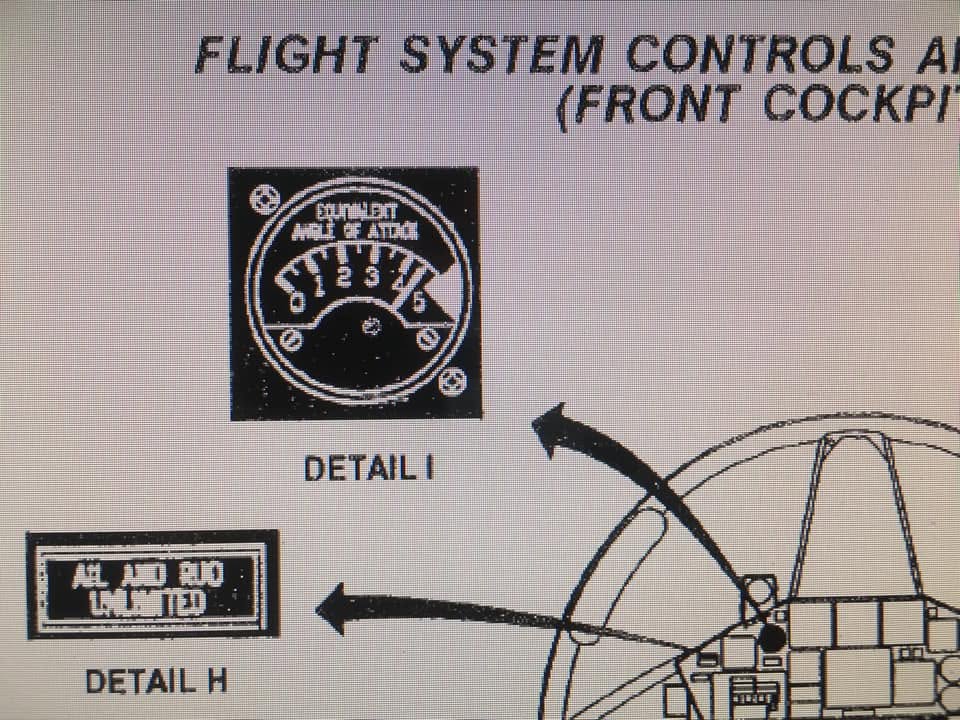
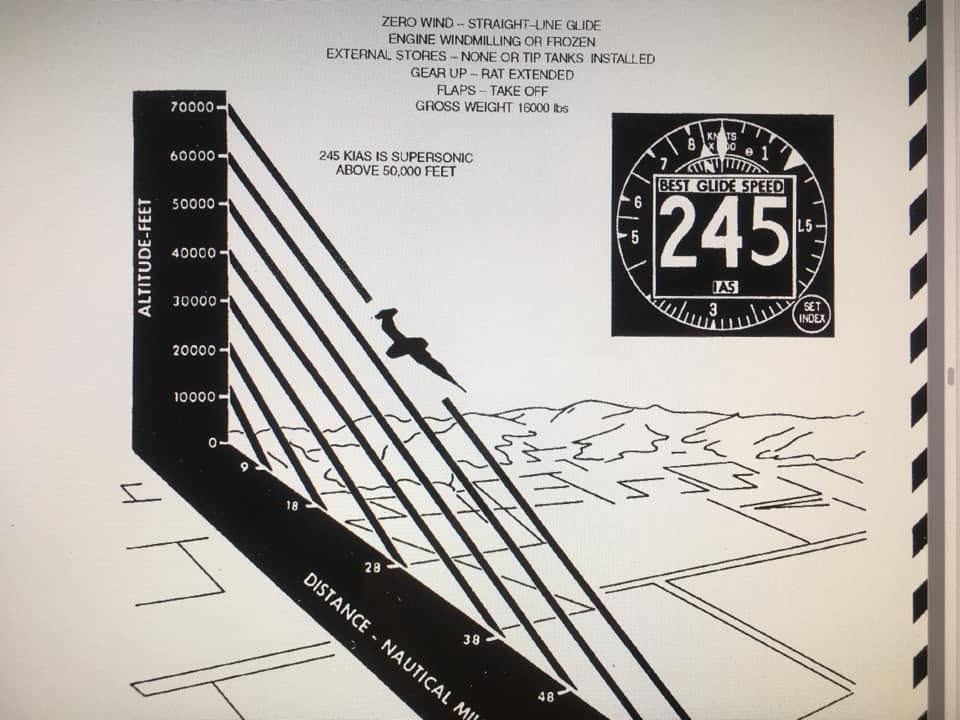
The engine failure was only the beginning. Debris from the explosion had also severed the pitot line, depriving Elia of a reliable airspeed indication. An aircraft’s pitot system measures air pressure and translates it into the speed displayed to the pilot. Without that information, maintaining the correct margin above the stall becomes considerably more difficult—particularly in a powerless aircraft descending through cloud. The F-104 offered another reference: its angle-of-attack indication. The instrument showed the relationship between the wing and the airflow, allowing a trained pilot to judge how close the aircraft was to its stalling angle. Elia’s unit had emphasized this method in training. It was not an improvised theory but a technique described in the F-104’s operating material and practiced so that pilots could control the aircraft even after losing conventional airspeed information. “We taught everyone to fly without airspeed,” Elia said. “It was approximate, but it could be done—and we did it. We brought the airplane home.” Maintaining sufficient energy without engine power required a steep descent. Elia estimated that the Starfighter needed to remain in the region of 330 to 350 knots during the glide, leaving little time to position the aircraft for the runway.
(Image credit: Gian Luigi Elia)
A Severe Fuel Imbalance
The explosion had created another dangerous complication. A fragment struck and ruptured the right external fuel tank, which had been full following takeoff. Its fuel drained away, leaving the opposite tank heavily loaded. Elia considered jettisoning the external tanks, but the aircraft was above a densely populated area near Naples. Dropping two tanks—one still containing a large quantity of fuel—posed an unacceptable danger to people on the ground. The alternative was to continue with a severe lateral imbalance. Elia recalled that the F-104’s published maximum imbalance was approximately 300 pounds; he estimated that the difference between the two tanks may have reached 1,500 pounds or more. He could not release only one tank, and removing the empty tank alone would have introduced an additional aerodynamic asymmetry. Instead, he retained both tanks and increased speed to improve control effectiveness, giving the Starfighter enough authority to counter the weight difference. “As long as the airplane allowed it—and as long as the ejection seat could still get me out—I would try,” he explained.

Down Through the Clouds
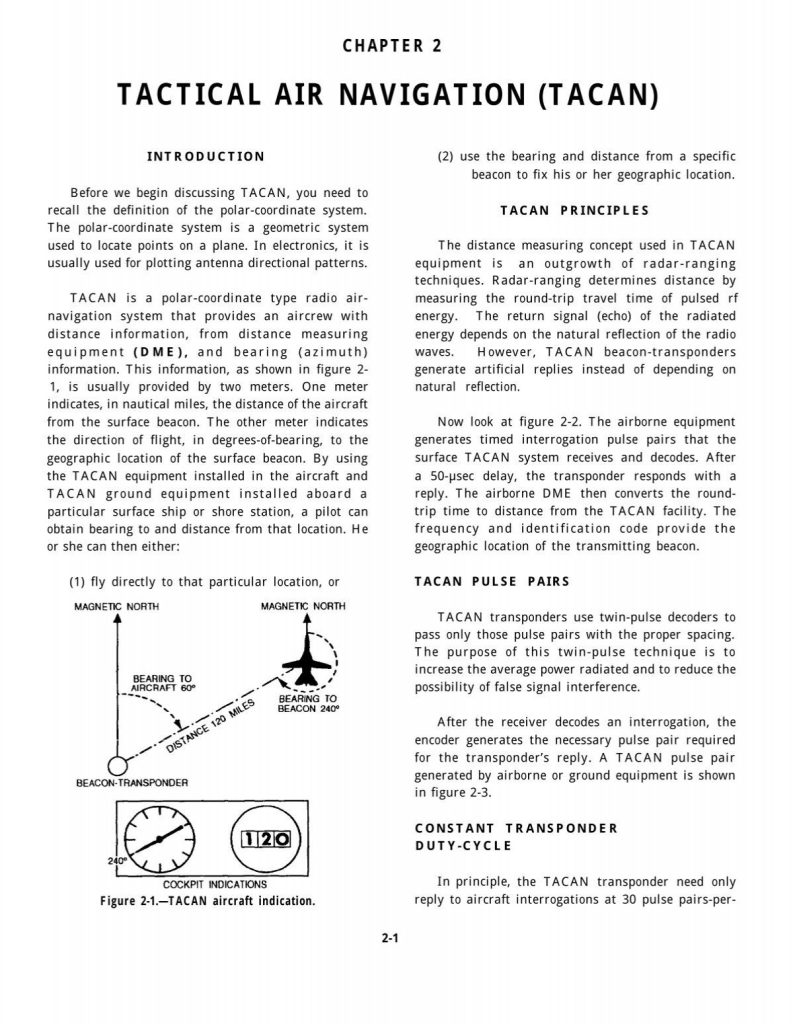
A solid cloud layer stood between the F-104 and Grazzanise. Its base was approximately 1,000 feet above the ground, with several thousand feet of cloud above it. Beneath the layer, rain had left the runway wet. Elia used the airfield’s TACAN and distance-measuring equipment to position the aircraft. The runway remained invisible, but the radio-navigation system provided distance information and a path toward the field. With no thrust, no dependable airspeed indication, and a major fuel imbalance, the Starfighter entered the cloud at high speed. The descent through the layer lasted only seconds, but Elia remembered the psychological strain of approaching the ground rapidly while unable to see outside. The procedure worked. The F-104 emerged beneath the cloud at about 1,000 feet, aligned with the runway. Before landing, Elia also had to restore essential aircraft services. With the engine stopped, the normal electrical and hydraulic systems were no longer powered. He deployed the Starfighter’s ram-air turbine, or RAT—a small emergency turbine extended into the slipstream to generate limited hydraulic and electrical power. That power allowed the landing gear to be lowered. Because the RAT supplied less pressure than the engine-driven system, Elia extended the gear early to give it enough time to reach the down-and-locked position.
A High-Speed Arrival
The Starfighter crossed the runway threshold at far above normal landing speed. Elia aimed to touch down as early as possible, knowing that the wet runway and failed propulsion system left no opportunity for a go-around. The excessive speed overwhelmed the landing-gear tires. Both main tires and the nosewheel tire failed as the aircraft touched down. Elia lowered the arresting hook and continued along the runway toward the emergency barrier. Even after touchdown, the F-104 remained frighteningly fast. The failed tires reduced braking effectiveness, leaving the arresting system as the aircraft’s best chance of stopping before the end of the pavement. The hook engaged the cable. Hydraulic arresting equipment absorbed the Starfighter’s remaining energy, subjecting the crew to a violent deceleration but bringing the aircraft to a halt on the runway. Firefighters, ambulances, and other emergency crews immediately surrounded the airplane. Neither Elia nor his student was injured. “We arrived, and we telephoned home to say that everything had gone well,” Elia recalled.
(Image credit: Gian Luigi Elia)
The Discipline of “What If?”
Elia resisted portraying the landing as a spontaneous act of heroism. The decision to remain with the aircraft rested partly on the F-104’s zero-zero ejection seats, which could save the crew at zero altitude and zero airspeed if the landing attempt failed. More importantly, the successful outcome reflected procedures practiced until they became automatic. He compared emergency training to a driver applying the brakes without having to remember which pedal to press. A pilot in a complex aircraft must make far more decisions, but the essential actions must be equally instinctive. That leaves enough mental capacity to analyze the circumstances that no checklist or training scenario can reproduce exactly.

“A pilot flying an important machine must always keep half of his brain free for anything that might happen,” Elia said. “That is the ‘what if?’” The combination of failures Elia encountered—an oxygen-system explosion, compressor destruction, loss of airspeed indication, extreme fuel imbalance, engine-out instrument descent, tire failures, and an arresting-barrier engagement—was extraordinary. His account nevertheless presents the episode less as a miracle than as a demonstration of preparation. The Starfighter came home because its pilot understood the aircraft, trusted his training, and still had enough of his mind free to solve the problems that training alone could not anticipate. Vintage Aviation News thanks Ronin Production for recording and preserving Generale di Brigata Aerea Gian Luigi Elia’s account.