
By Randy Malmstrom
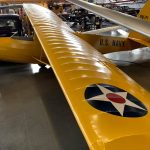
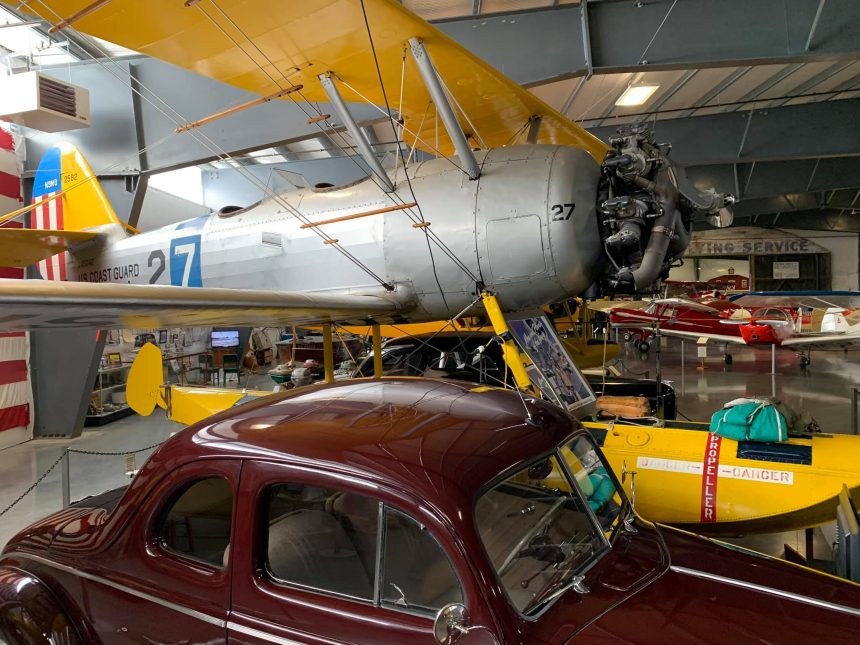
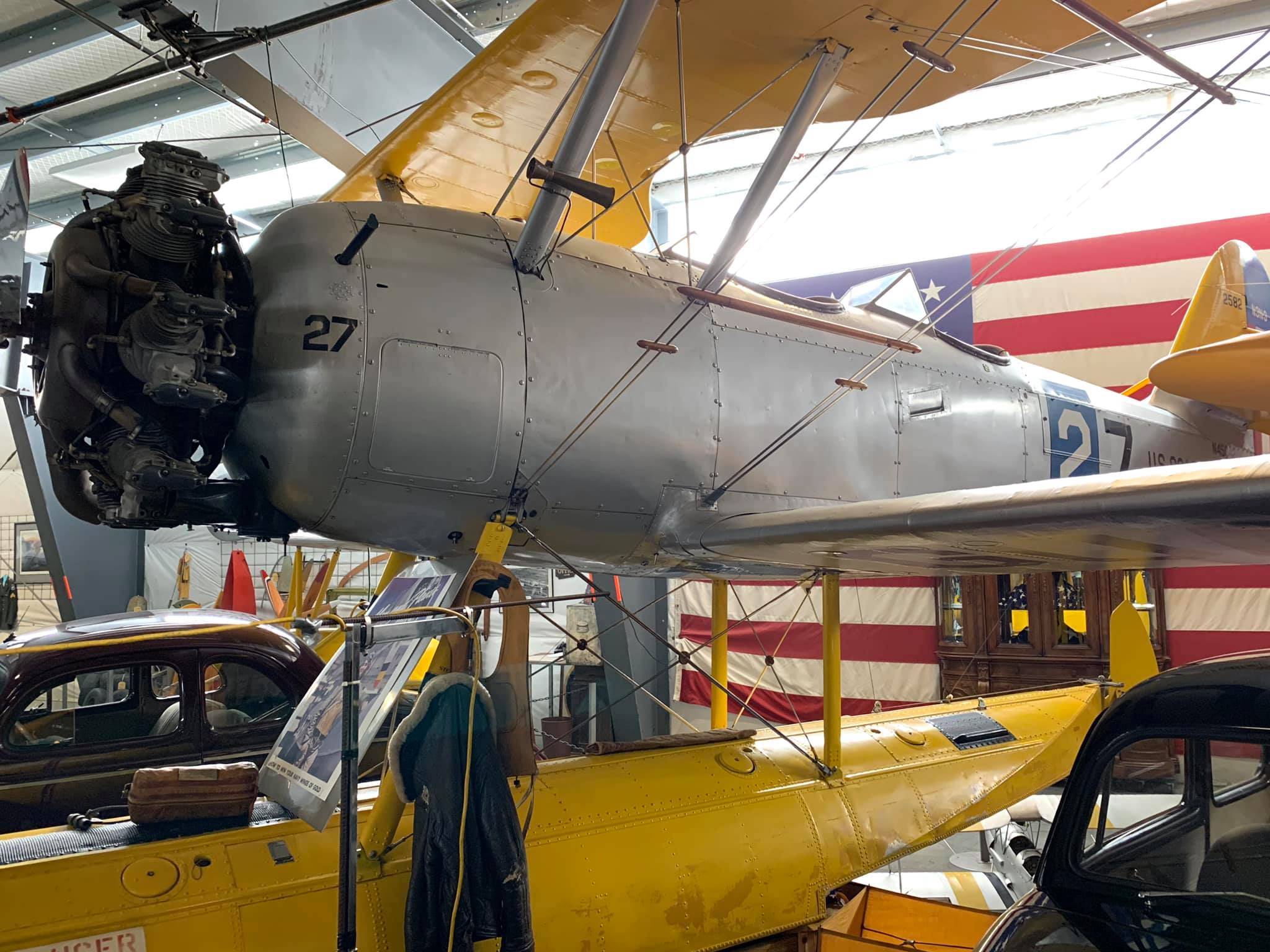
Naval Aircraft Factory N3N-3 Canary (“Yellow Peril“), Bu. No. 2582. I am not finding details about the service records of this particular aircraft before its civilian life. It was apparently built in 1940 and is painted in the U.S. Coast Guard (USCG) markings of one of four N3N-3 aircraft that were transferred from the U.S. Navy to the USCG with serial numbers V193 through V196 in 1941 (V193 went to CGAS Elizabeth City, North Carolina; V194 and V195 went to CGAS St. Petersburg, Florida; and V196 went to CGAS Brooklyn, New York).
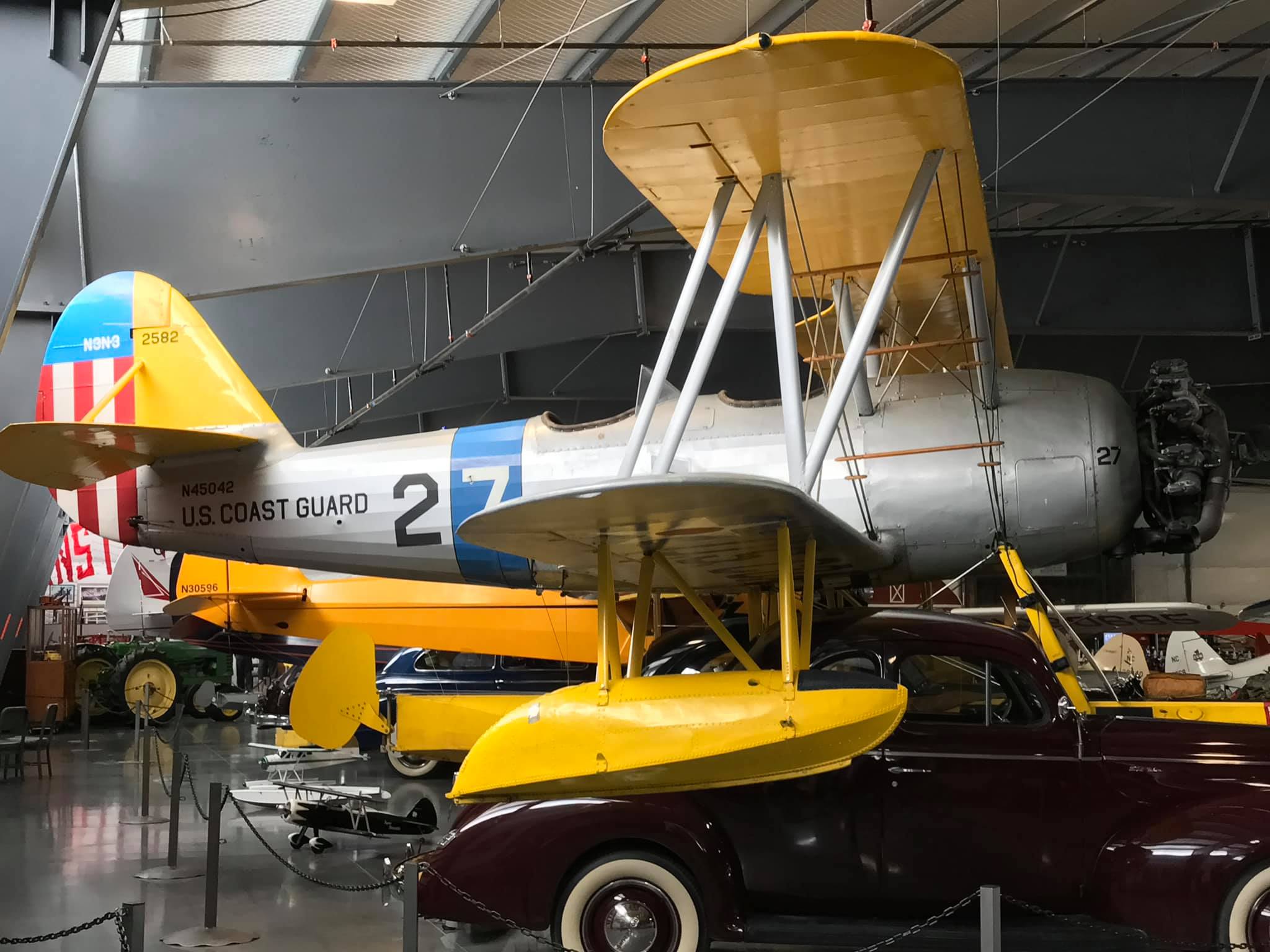
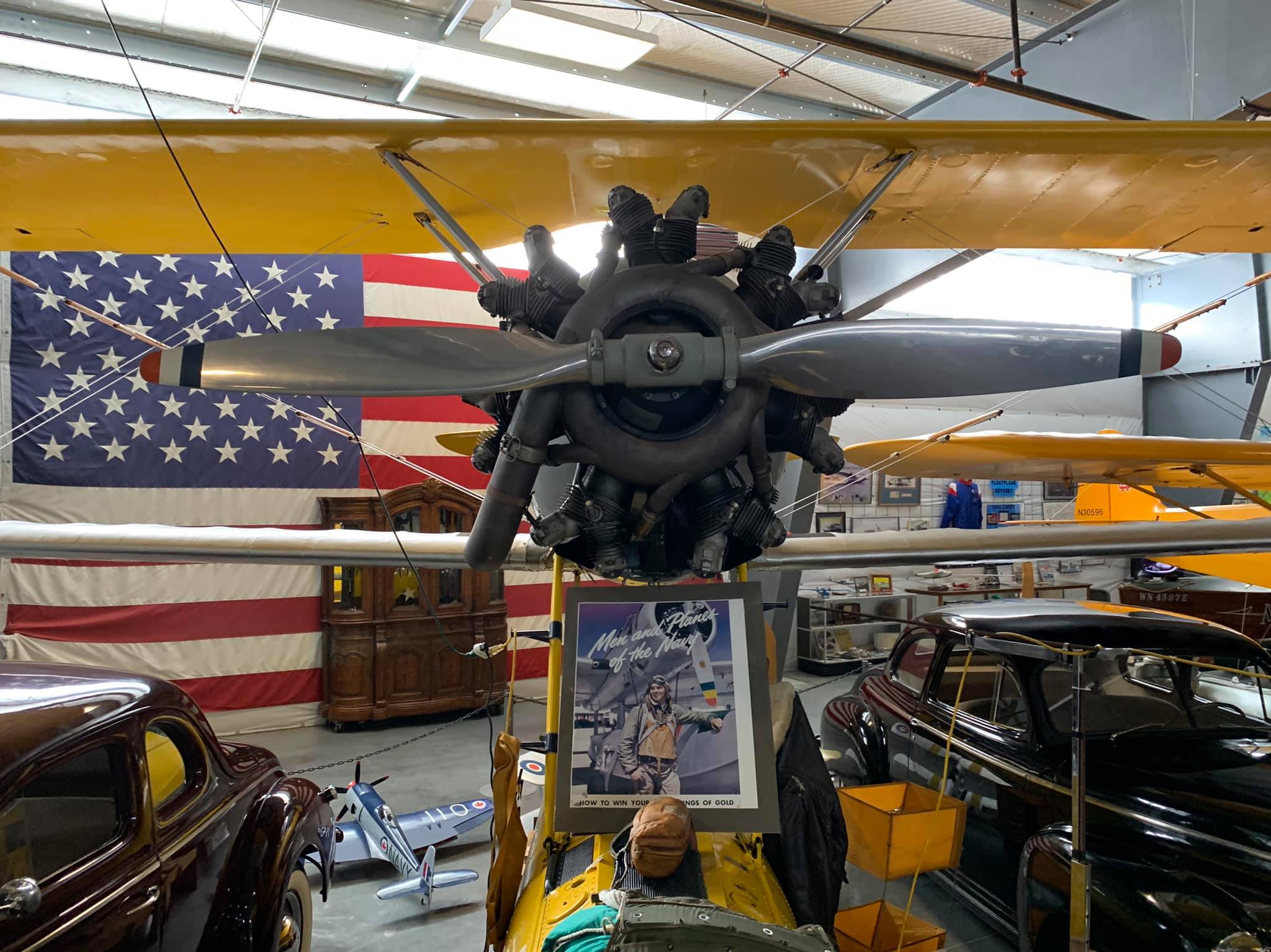
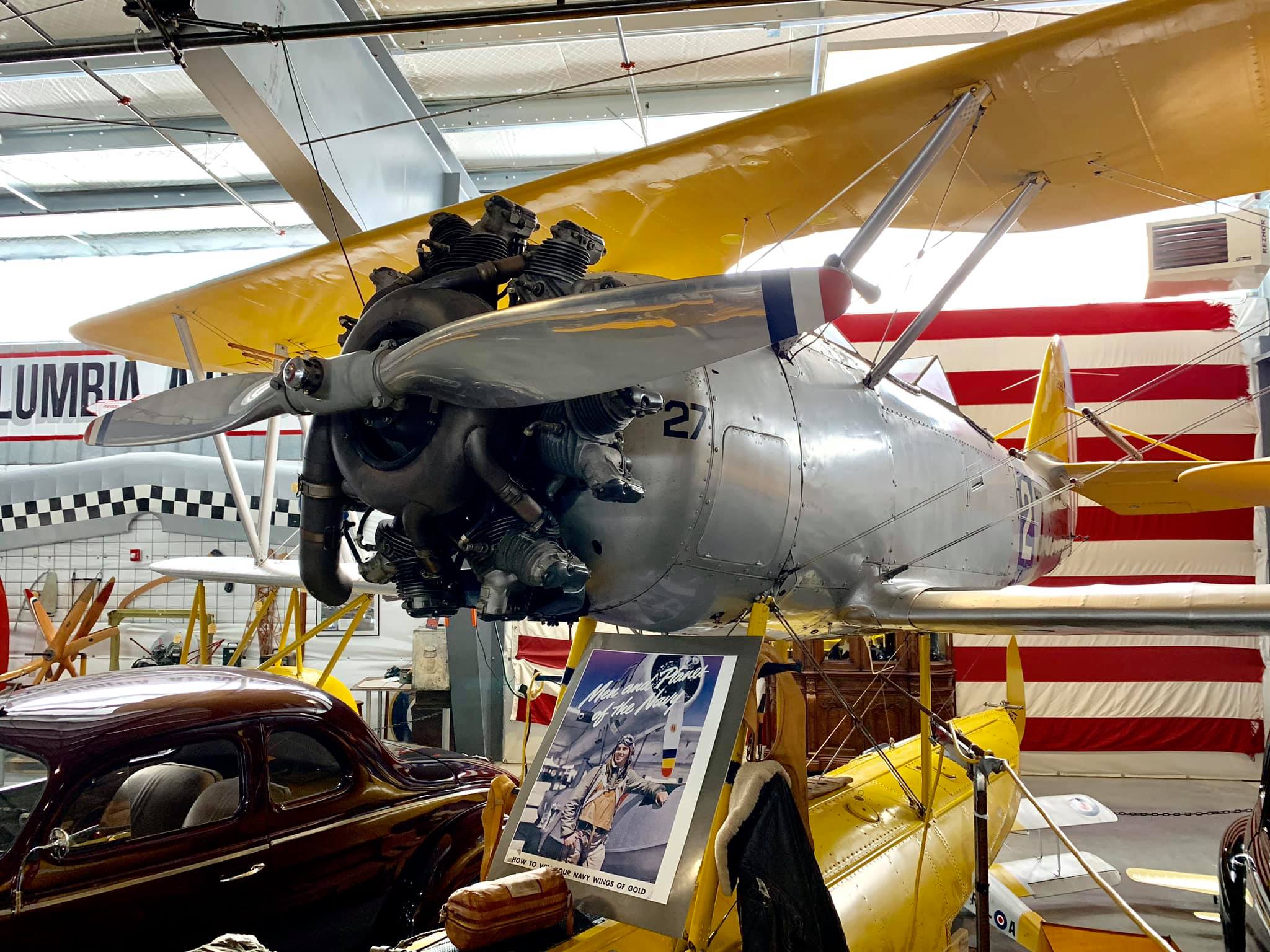
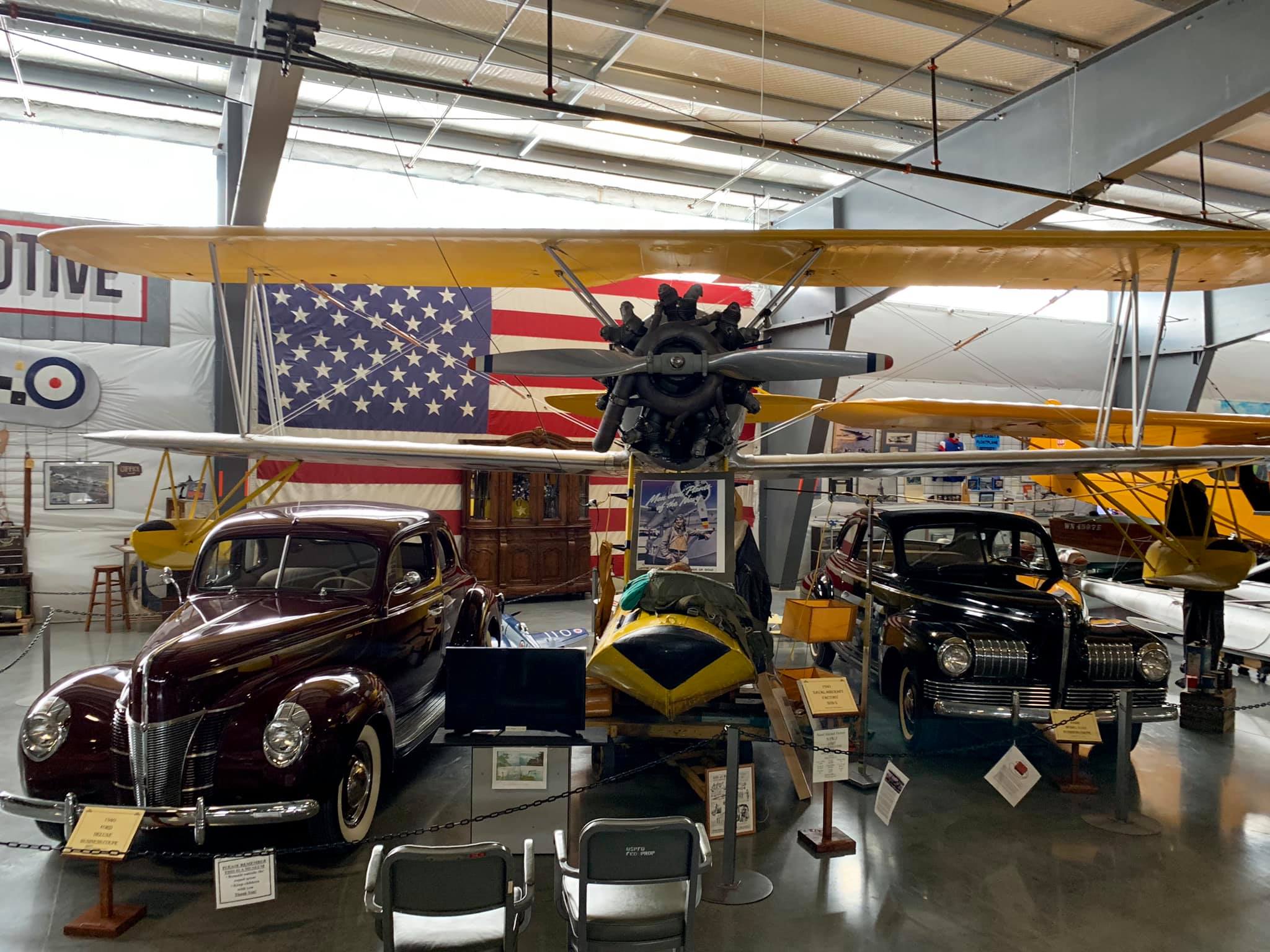
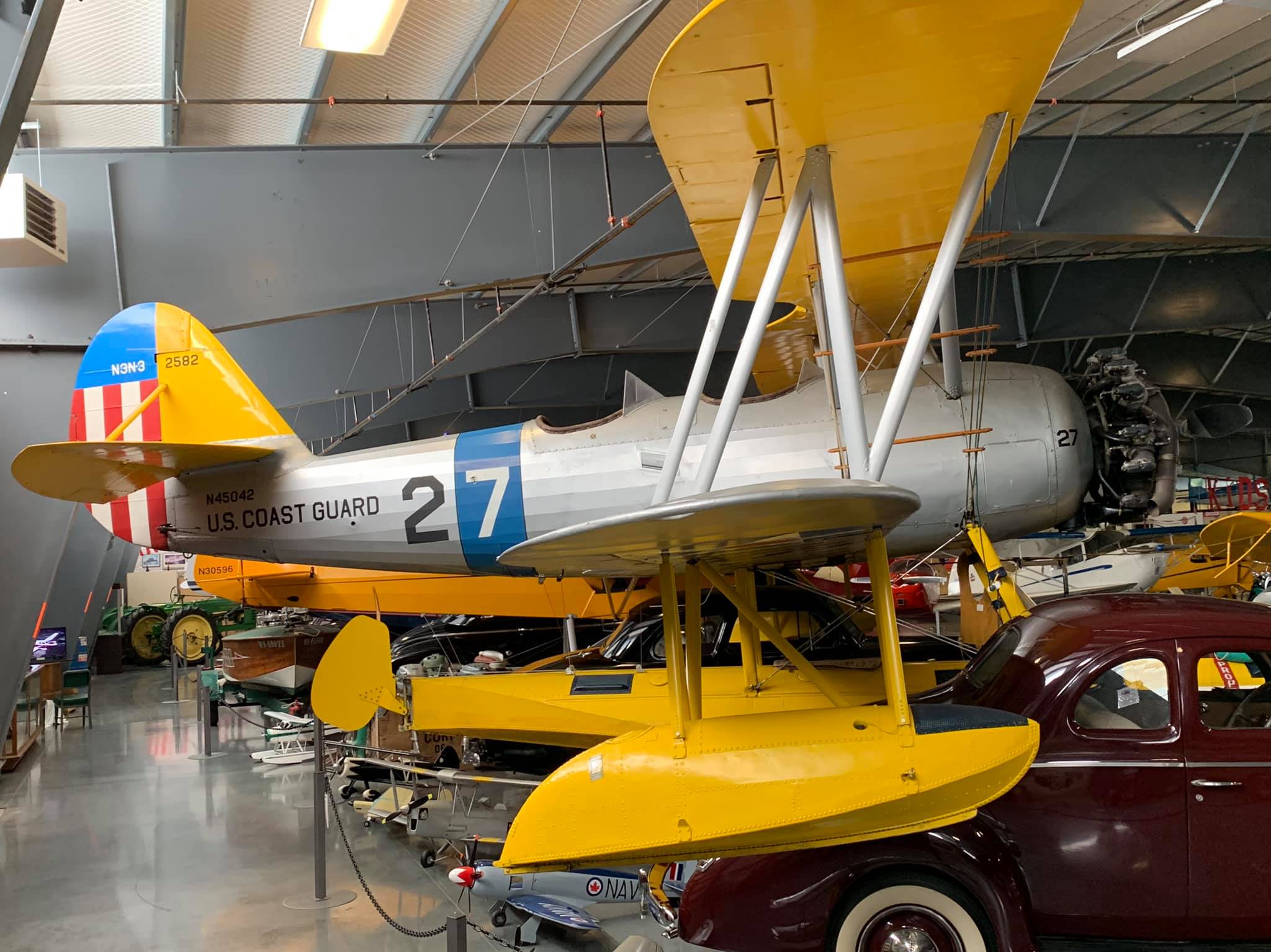
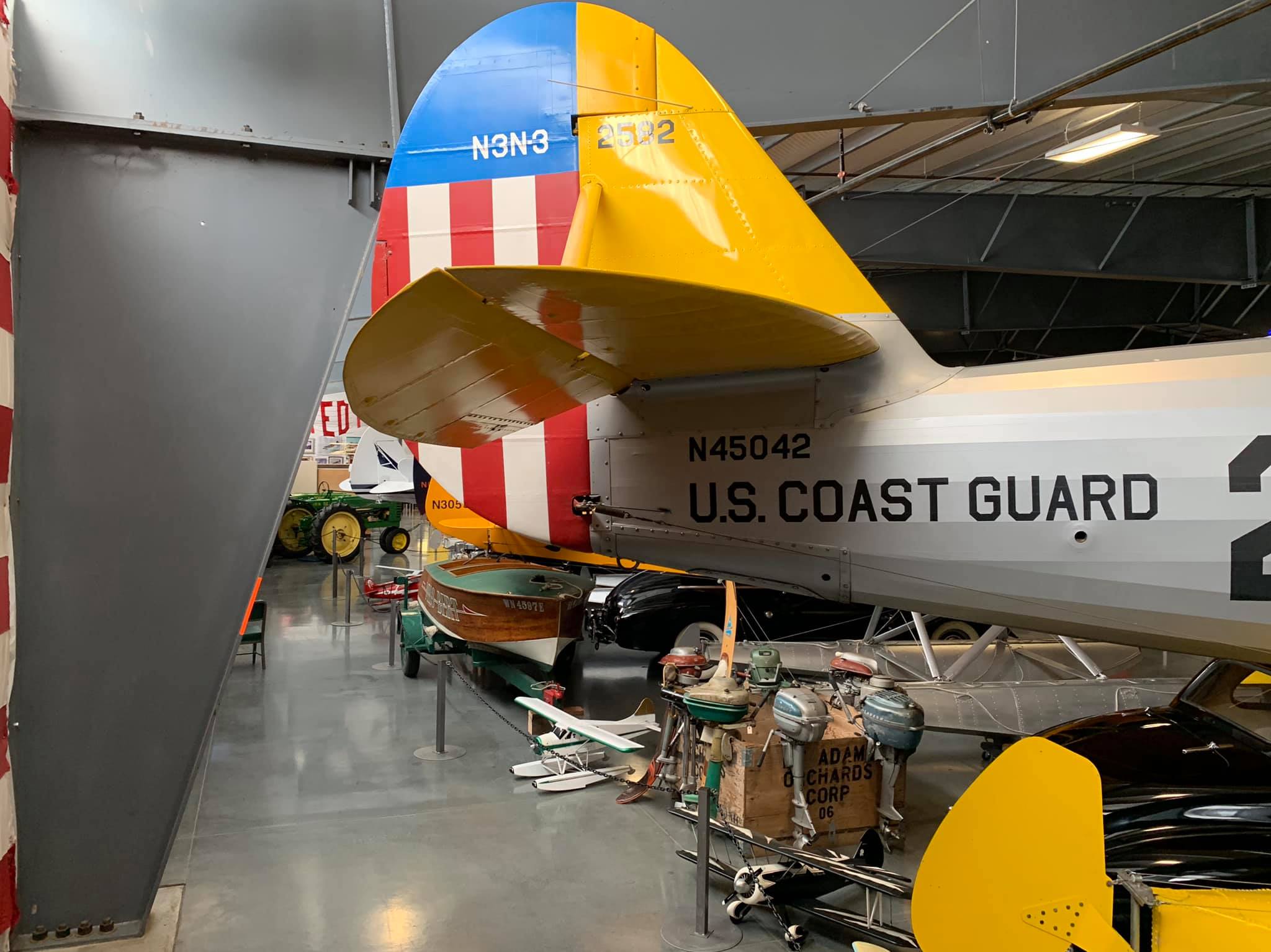
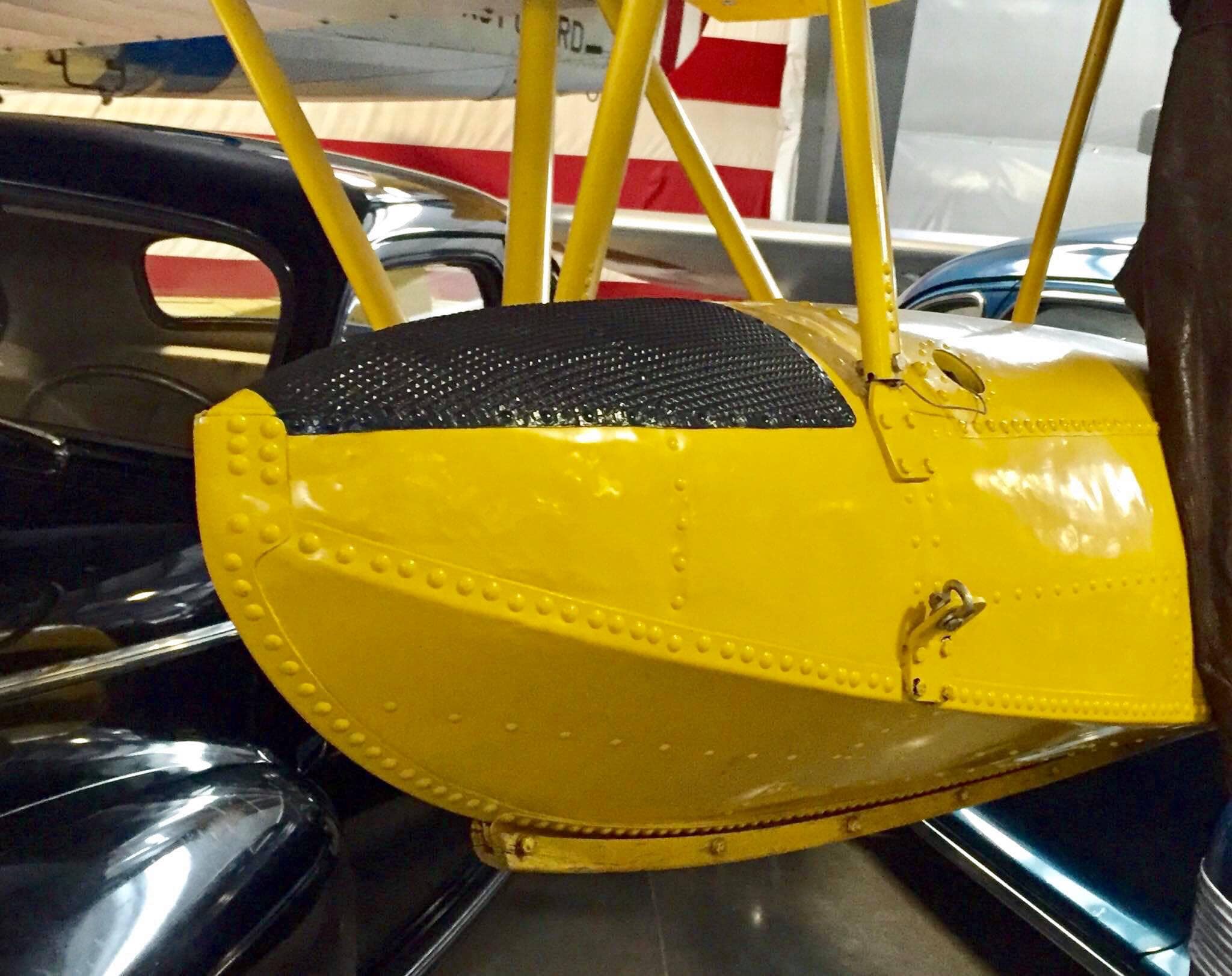
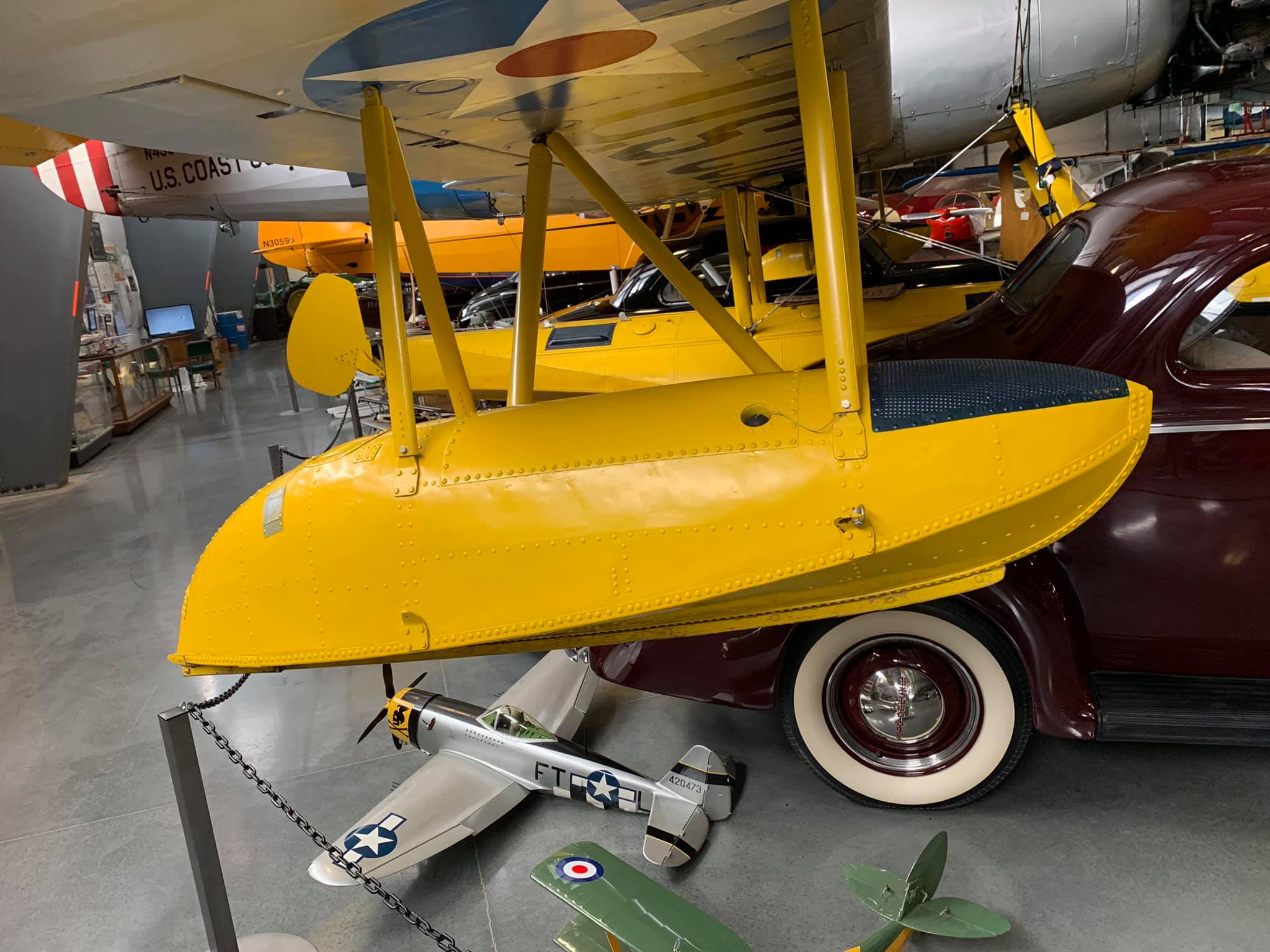
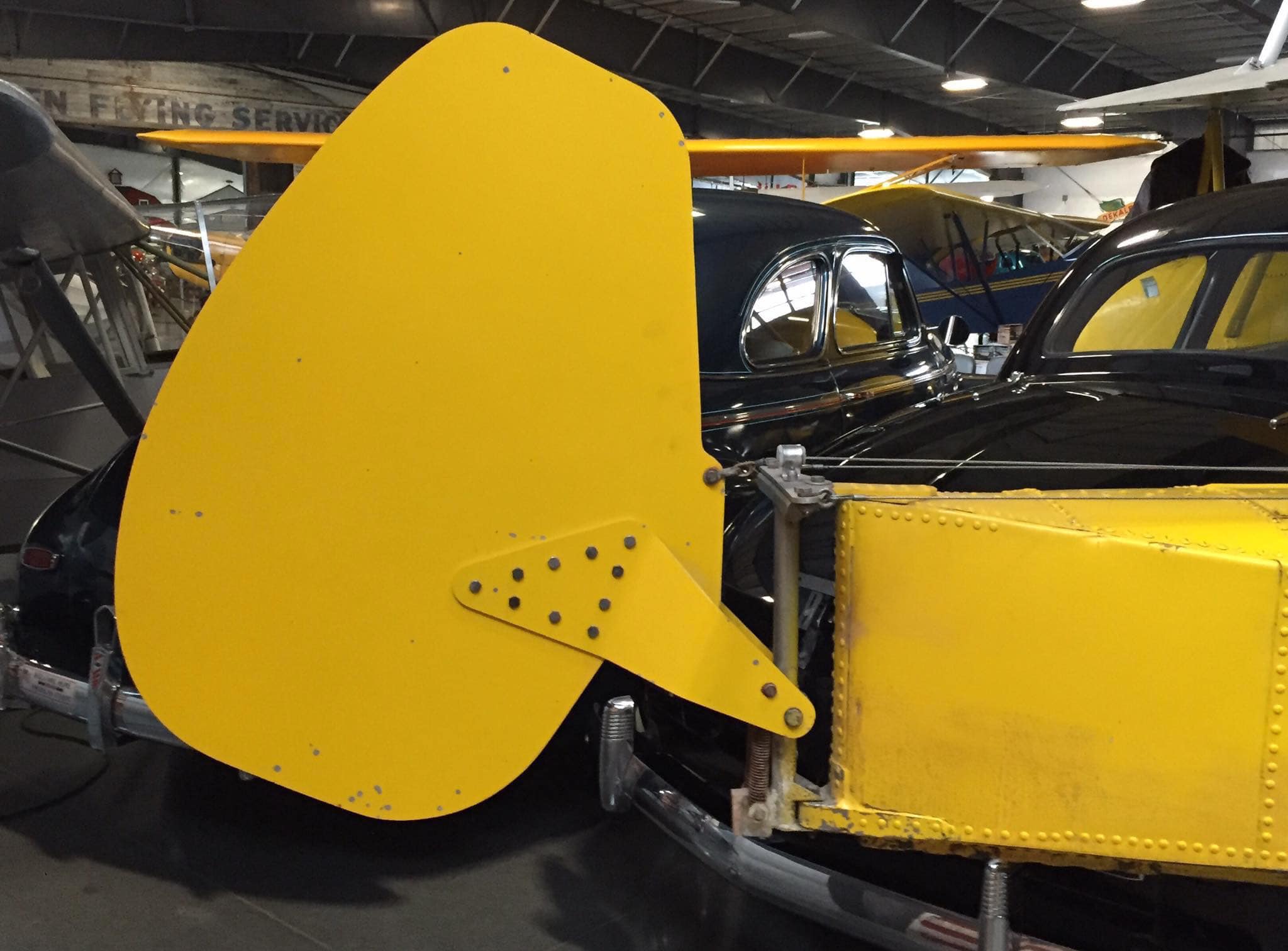
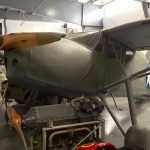
It was restored by high school teacher Bob van Vranken of Suisun, California, who took the aircraft on an over 6,000-mile flying tour of the U.S. in 1980. It was then acquired by Western Antique Aeroplane & Automobile Museum (WAAAM) founder Terry Brandt in the late 1980’s. The float equipment was acquired from Reggie Tufts, a retired U.S. Air Force mechanic from Sacramento, California. As has been common practice, the factory-equipped engine cowling has been removed (as mentioned below, this made for ease of maintenance, and the cowling did little to reduce drag). A listing of surviving examples of the aircraft type lists a number of them on display, and it appears there are at least a few flying; this one has flown since it has been located on the Columbia River. My photos of this aircraft are at WAAAM, located in Hood River, Oregon.
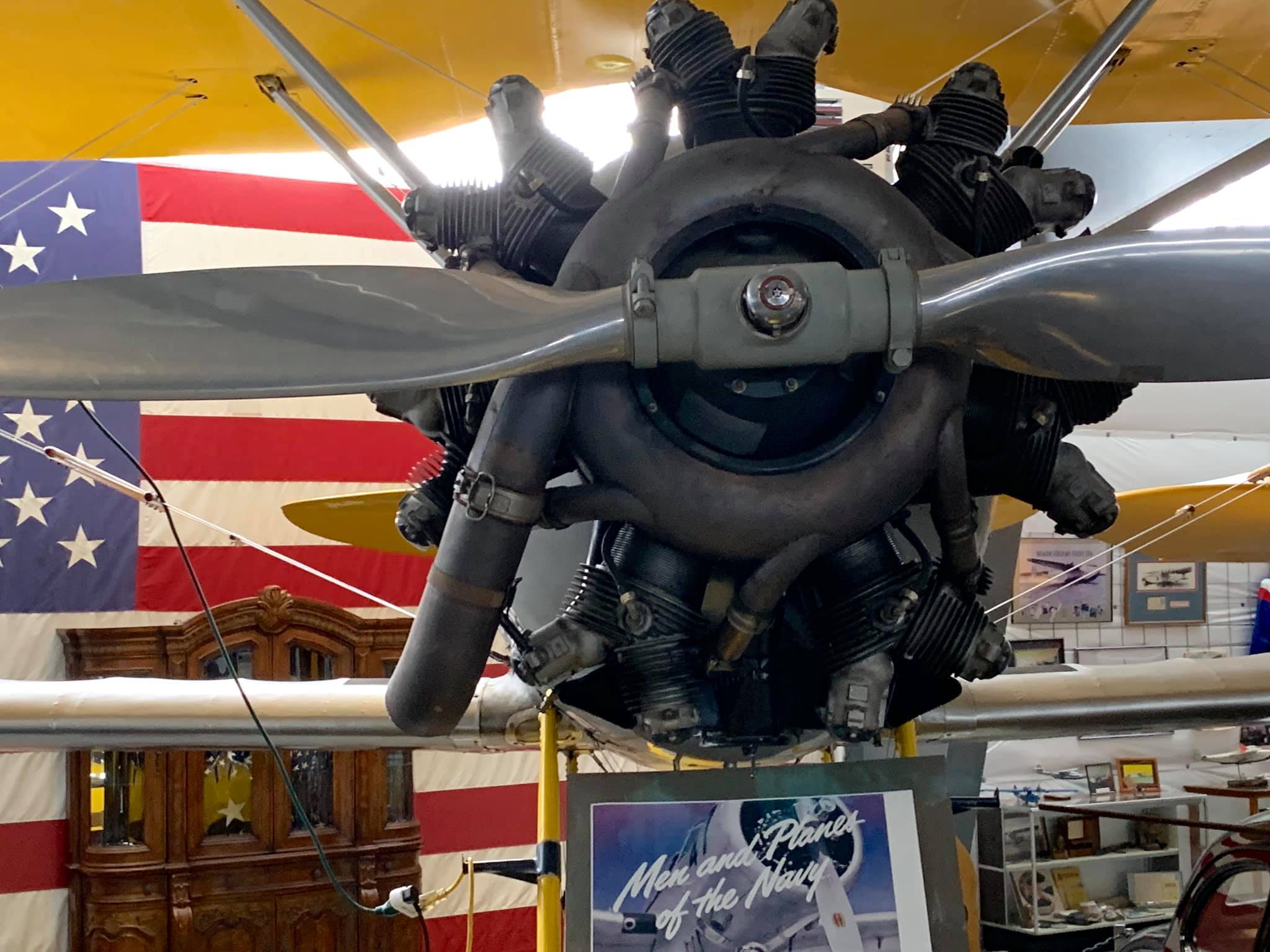
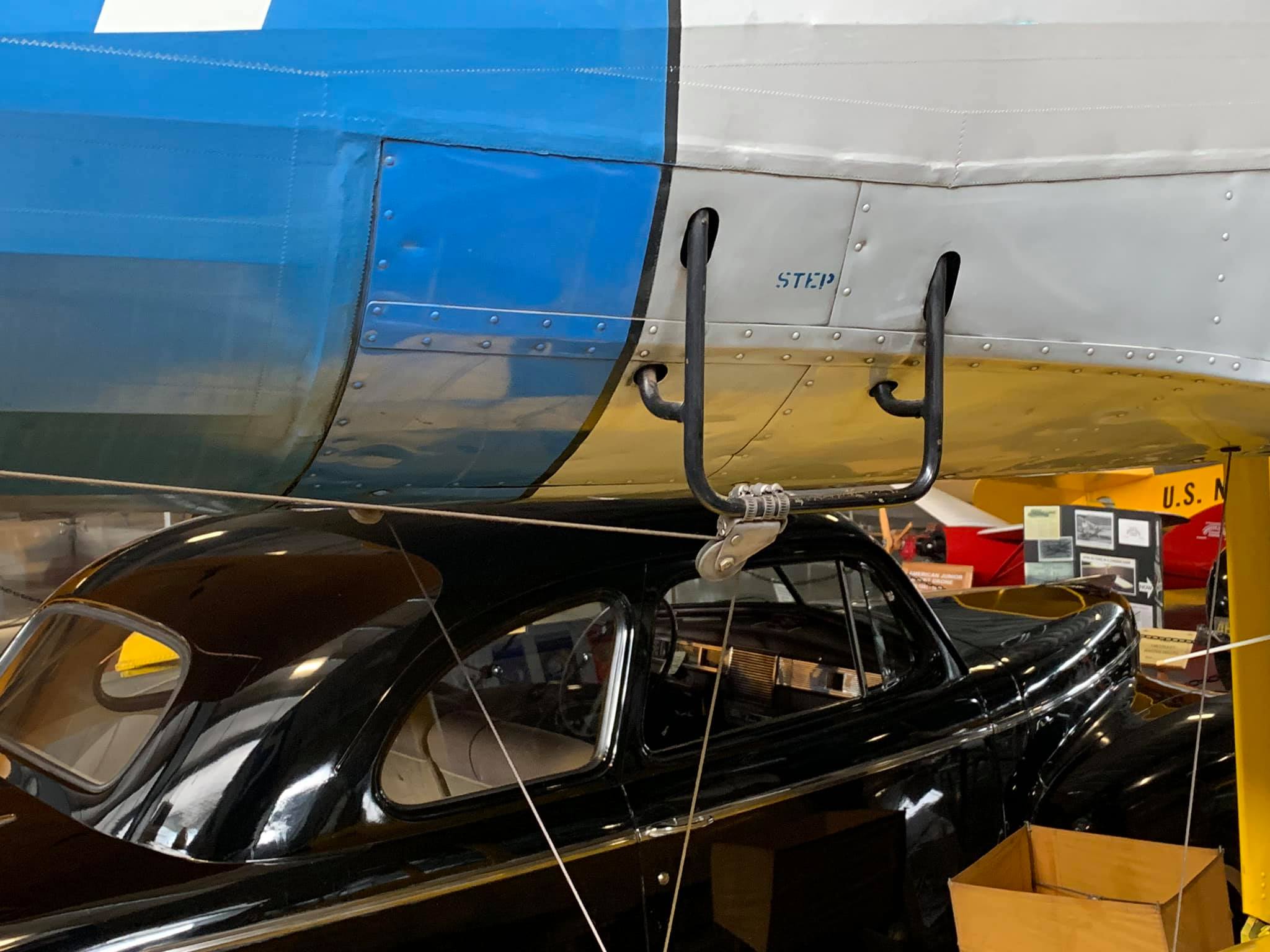
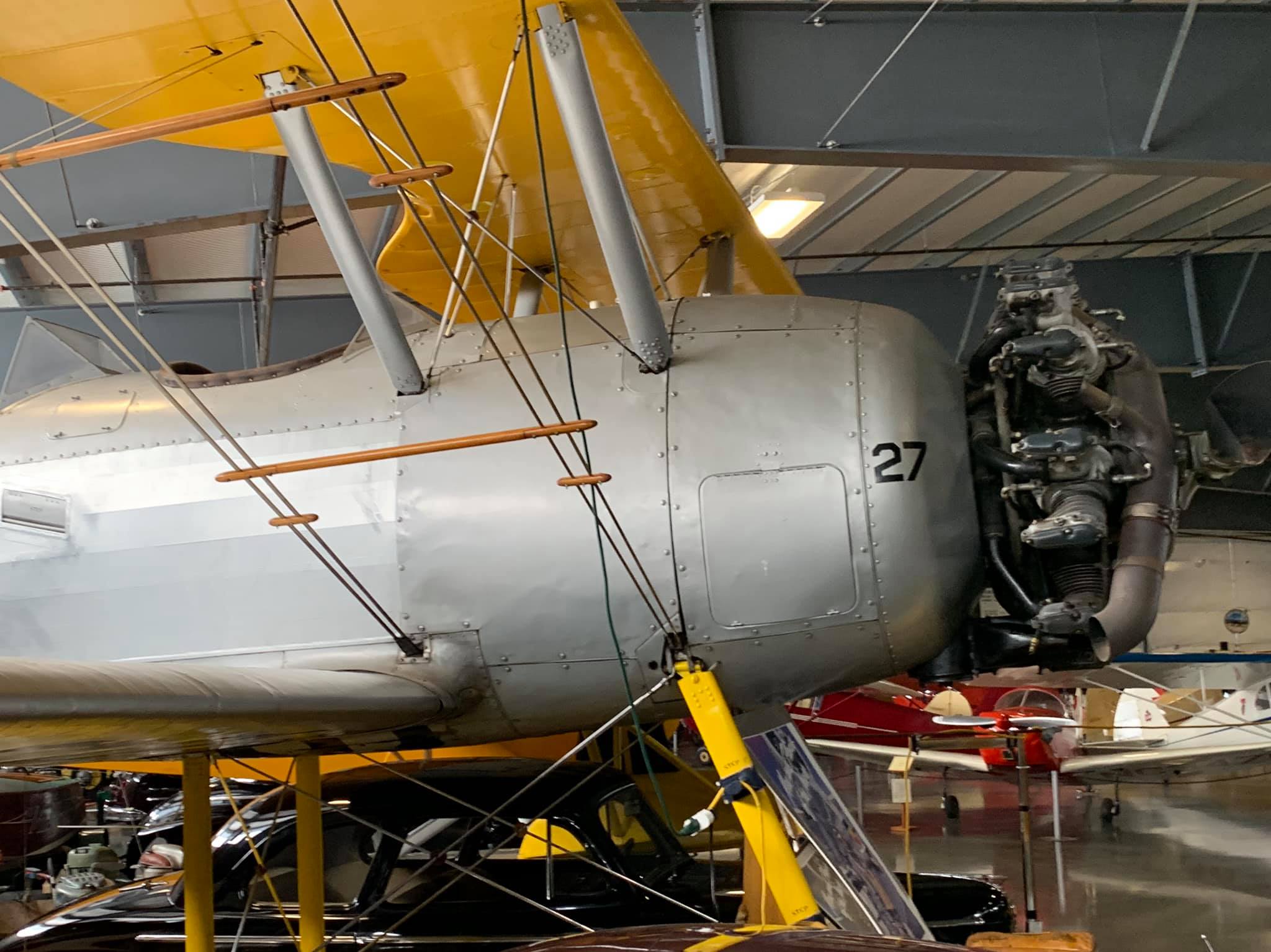
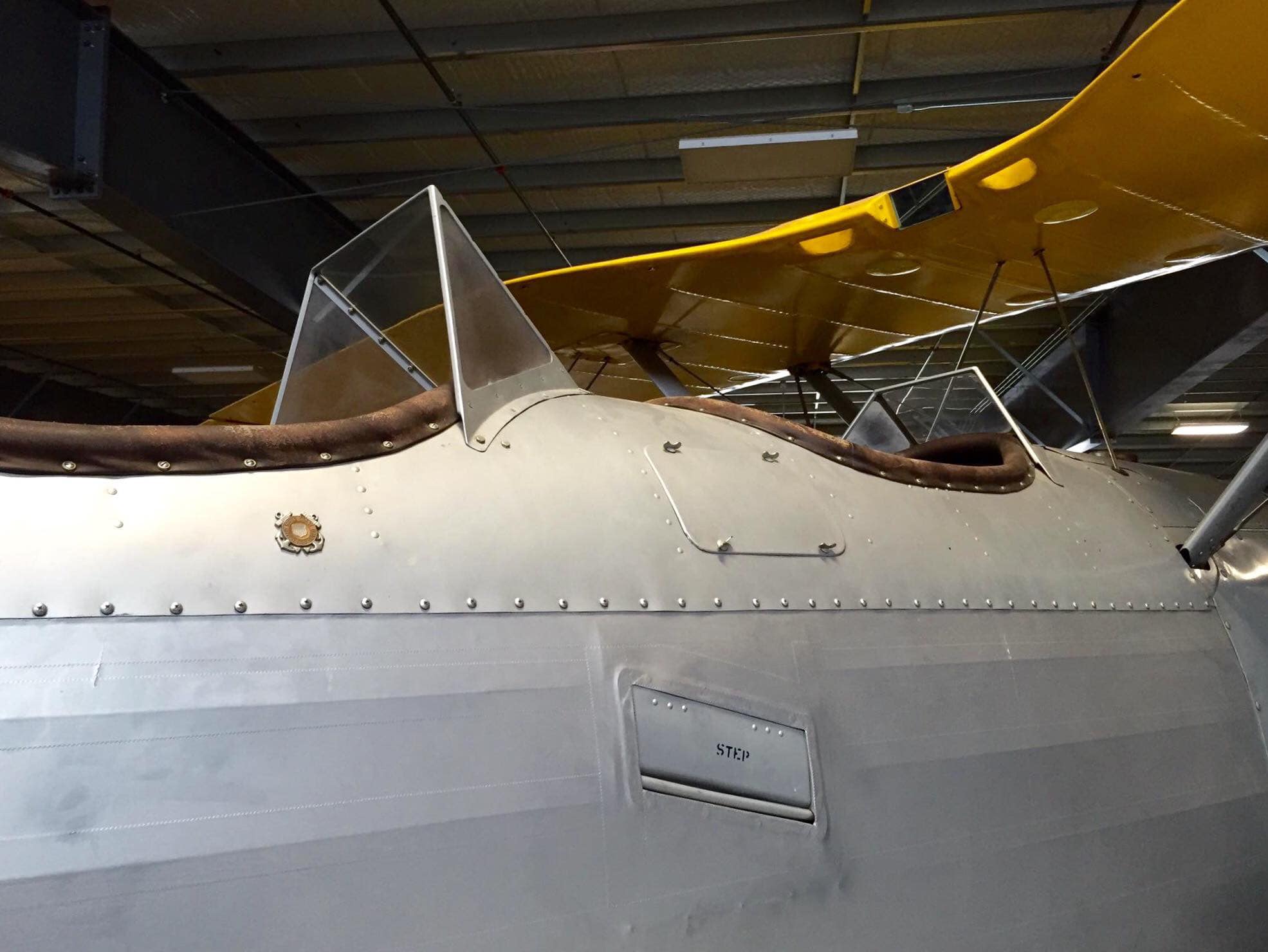
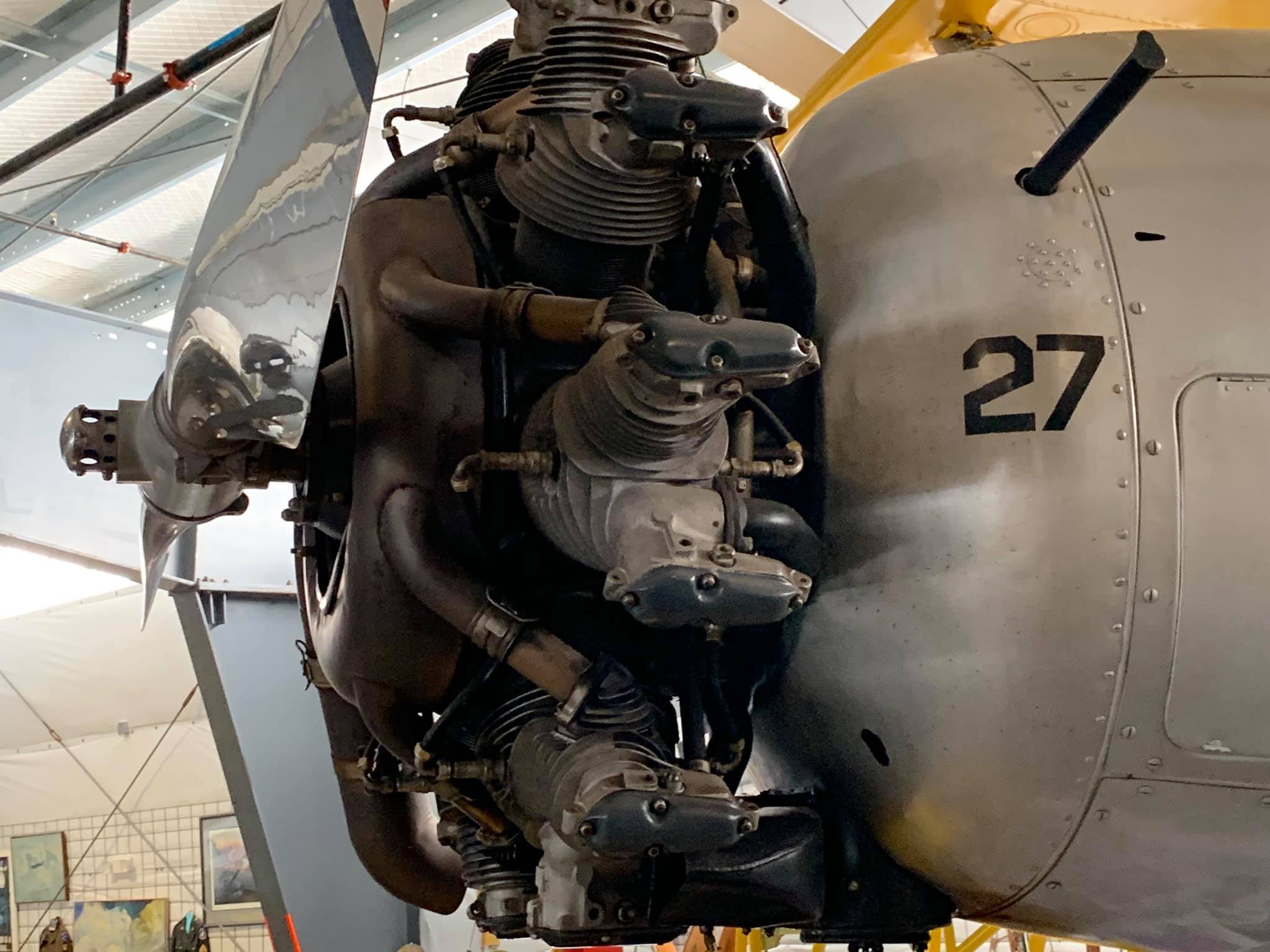
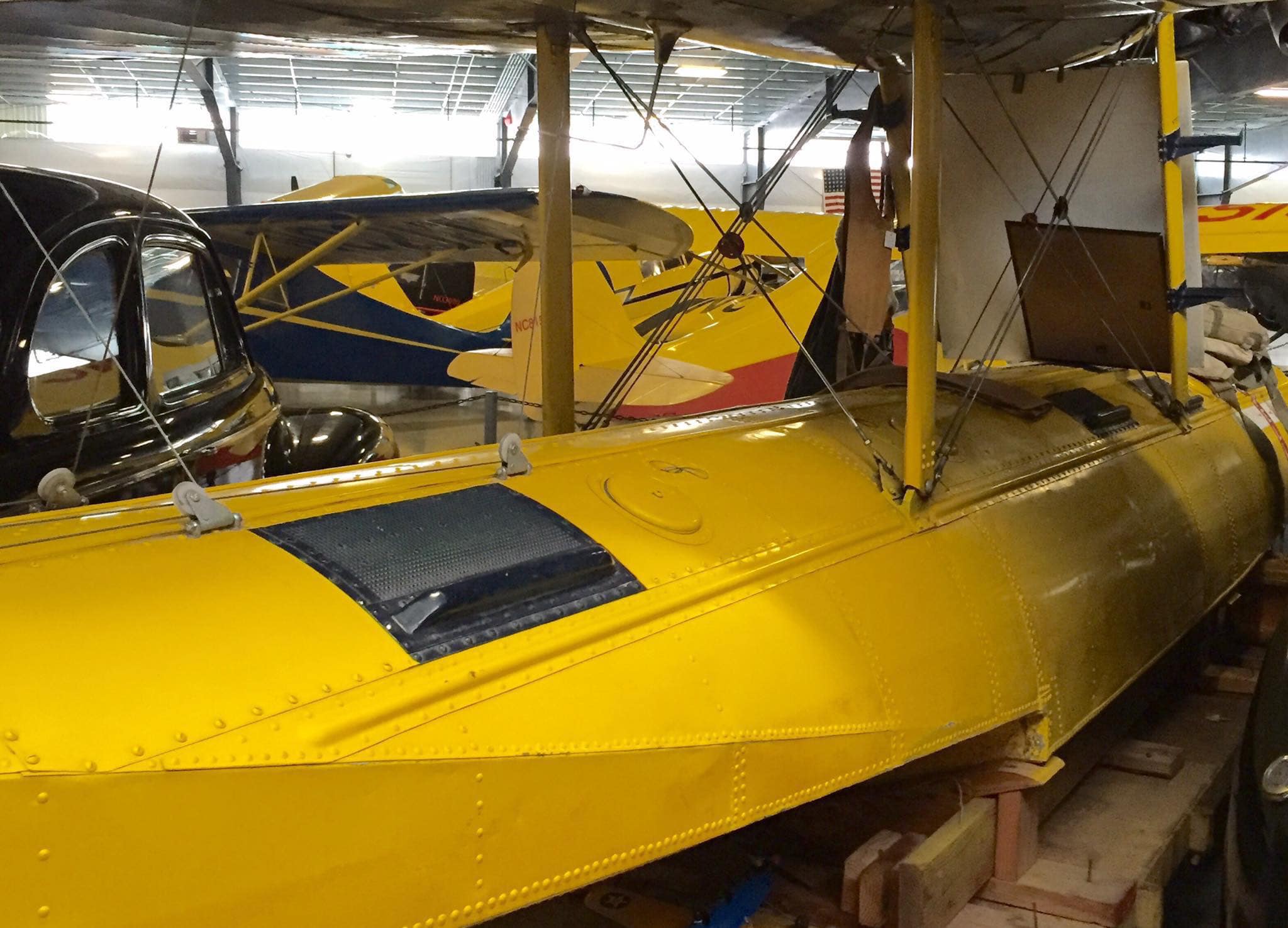
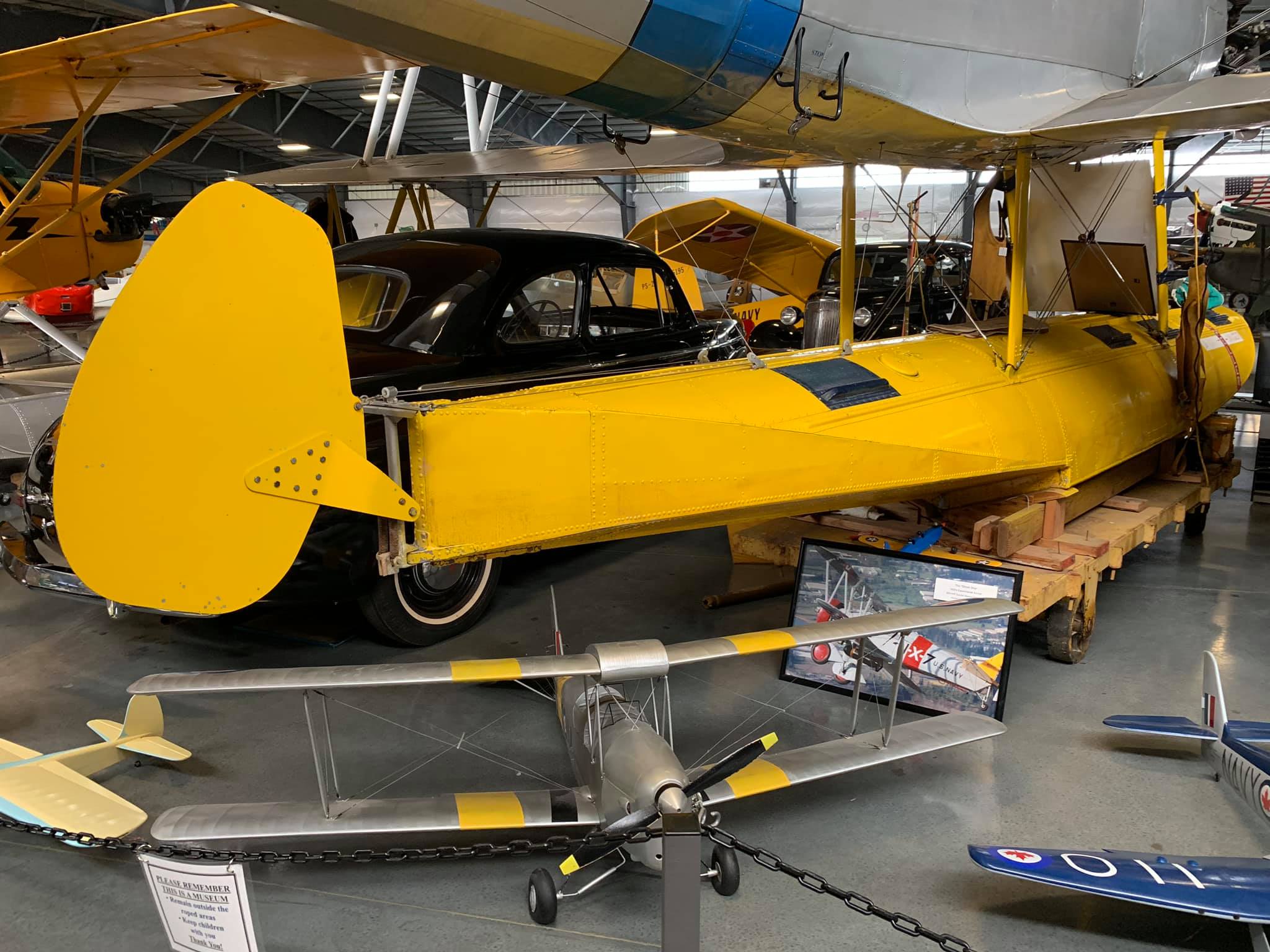
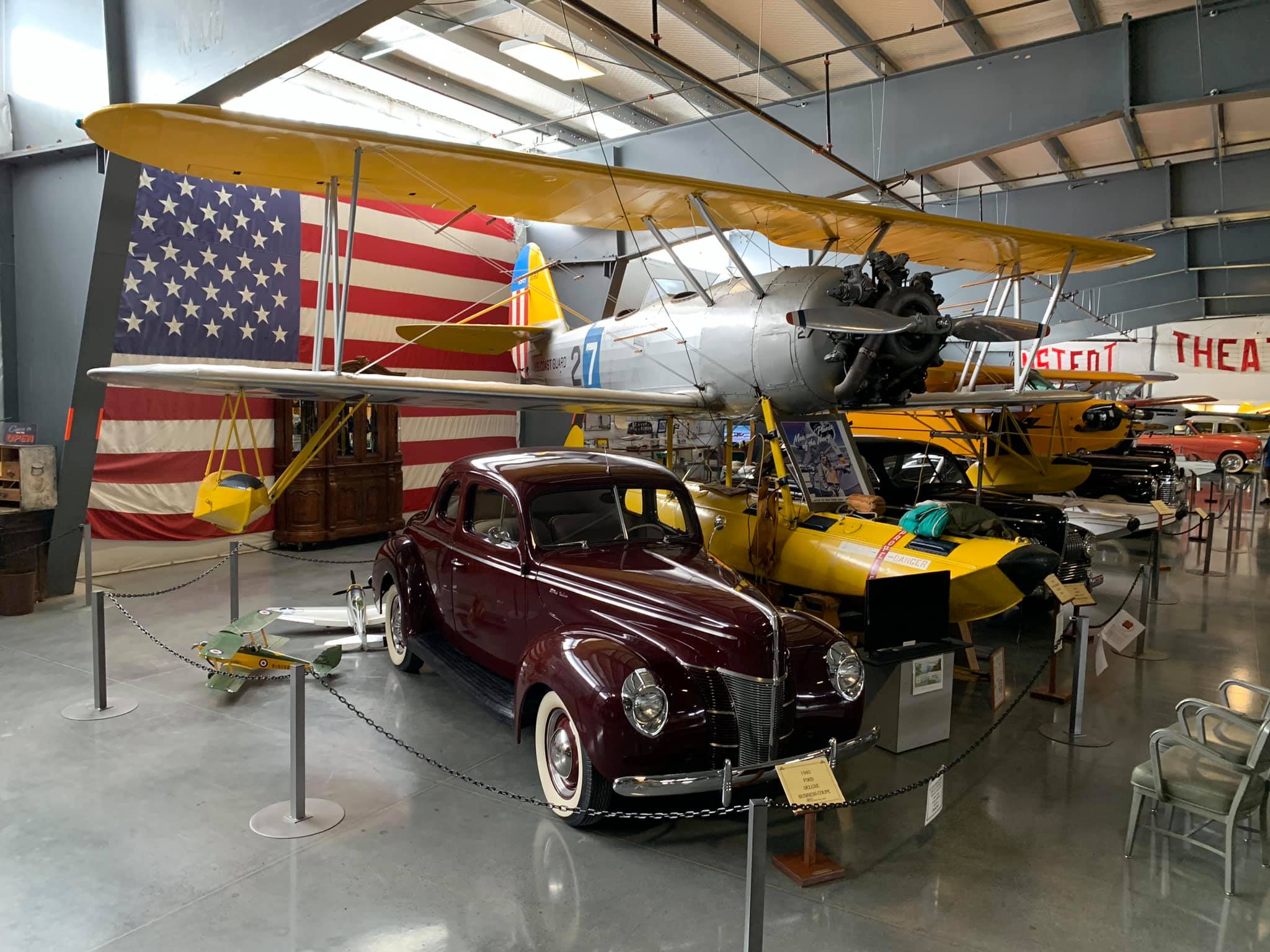
A tandem-seat primary trainer, the Canary was known as the “Yellow Peril” and by some accounts was due to its tendency to ground loop (the narrow landing gear stance of only 72 1/2 inches from the centerline of each tire left little in the way of lateral stability at higher touchdown speeds; in addition, taxiing required a series of s-turns due to the limited forward visibility); or by the fact that since 1917, U.S. Navy primary trainers were painted chrome yellow for maximum visibility (whereas the U.S. Army painted their primary trainer fuselages blue and the wings and tail surfaces chrome yellow); or simply the fact that pilots found training harrowing (and if the cadet failed to solo in the prescribed time, was in peril of not becoming an aviator).
The aircraft were built by the Naval Aircraft Factory (NAF), the establishment of which was approved by the U.S. Secretary of the Navy. In July of 1917 and by November of that year, the plant in Philadelphia, Pennsylvania, was completed. NAF was created due to the U.S. Navy Department’s rising need for aircraft when the U.S. entered World War I; because there was a lack of an indigenous aircraft design and manufacturing program for equipping the armed services during the war, the United States was forced to manufacture existing British and French designs (such as the De Havilland DH-4). At the time, the Navy had a need for patrol flying boats, so the first Curtiss Model H-16 aircraft were completed by NAF in March 1918, and two were shipped off to RNAS Killingholme (England) in April.
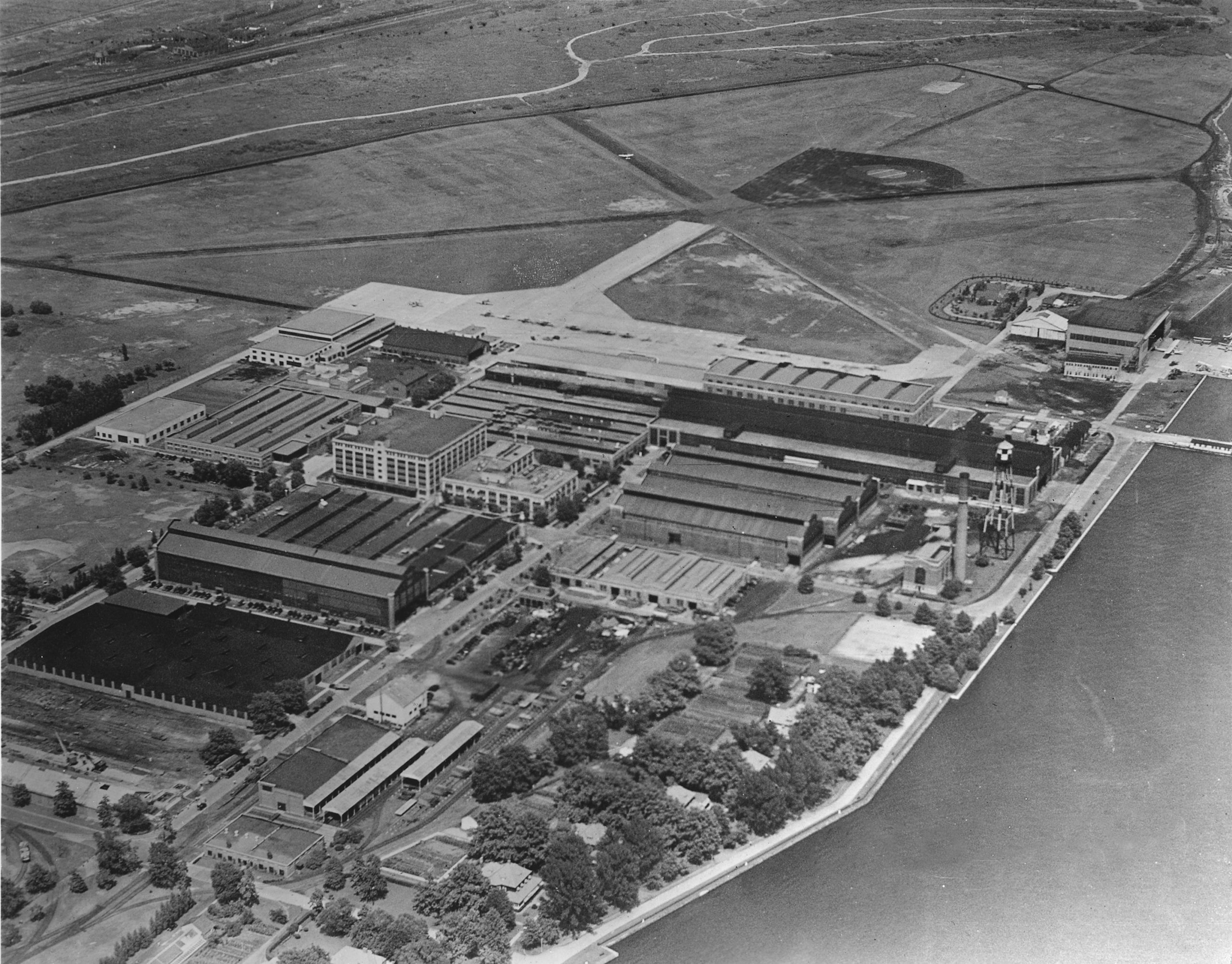
In 1921, NAF Philadelphia, as it became known, was placed under the supervision of the newly established Bureau of Aeronautics, and by 1922, the Navy had turned more toward its own internal engineering, design, evaluation, and testing of aircraft. In 1922-23, NAF Philadelphia designers produced the rigid airship USS Shenandoah, but which received its final assembly at NAS Lakehurst (New Jersey) which had the only hangar large enough to house it, and during the course of World War II, NAF Philadelphia became involved in research relating to flying bombs and assault drones, cabin pressurization, plastic structural materials, adhesives, and magnesium aircraft components; and women were certainly a part of the work force there, operating drill presses for example. NAS Philadelphia’s operations were altered by the Vinson-Trammell Act of March 1934, signed by President Roosevelt, that provided for “not less than 10 percent of the aircraft, including the engines therefor…shall be constructed and/or manufactured in Government aircraft factories.”
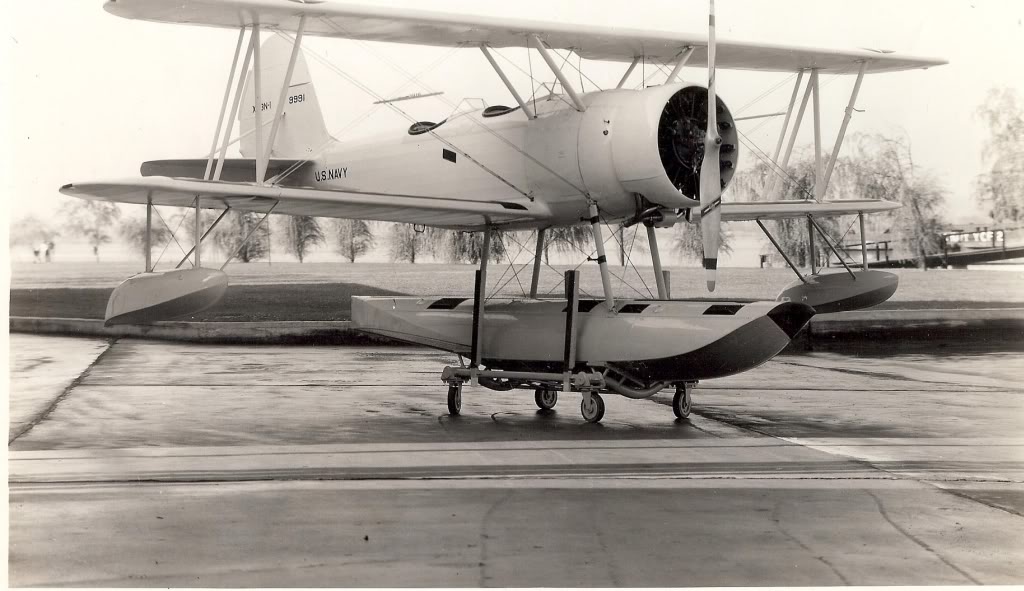
The Navy was in need of a more advanced primary trainer to replace the Consolidated NY-2 and NY-3, and in fact, in October 1934, the Bureau of Aeronautics ordered the “design and construction of an experimental primary training airplane.” So starting with leftover aluminum angle from the building of the rigid airships USS Akron and USS Macon, the N3N was developed as both a land plane and seaplane, and the prototype (designated XN3N-1) first flew in 1935—based on the Navy’s designation system of 1922, the first “N” was for the aircraft class of trainer, and the second “N” being the manufacturer code of Naval Aircraft Factory. In 1936, the first of the N3N aircraft were delivered to the U.S. Navy, the U.S. Marine Corps, and a few to the U.S. Naval Academy. The U.S. Coast Guard acquired four from the U.S. Navy in December 1940 by trading four Grumman JF-2 Ducks.
The primary reason for the trade was that the Coast Guard wanted to expedite pilot training, which was expanding in anticipation of war. The new trainers were given the tail numbers V193-V196, and they were initially assigned to CGAS Charleston, where initial flight training took place. Then V193 went to CGAS Elizabeth City, North Carolina; V194 and V195 went to CGAS St. Petersburg, Florida (I have seen evidence that aircraft here were used as basic trainers for Mexican Air Force pilots); and V196 went to CGAS Brooklyn, New York. The aircraft design featured an all-metal frame construction (NAF used aluminum rather than steel); the nose up to the firewall, as well as the tail fin, were metal-covered, while the rest of the aircraft was covered in Grade A cotton, as was common for the time (restorations typically use Dacron). The port side of the fuselage was built with five access panels for inspection and maintenance.
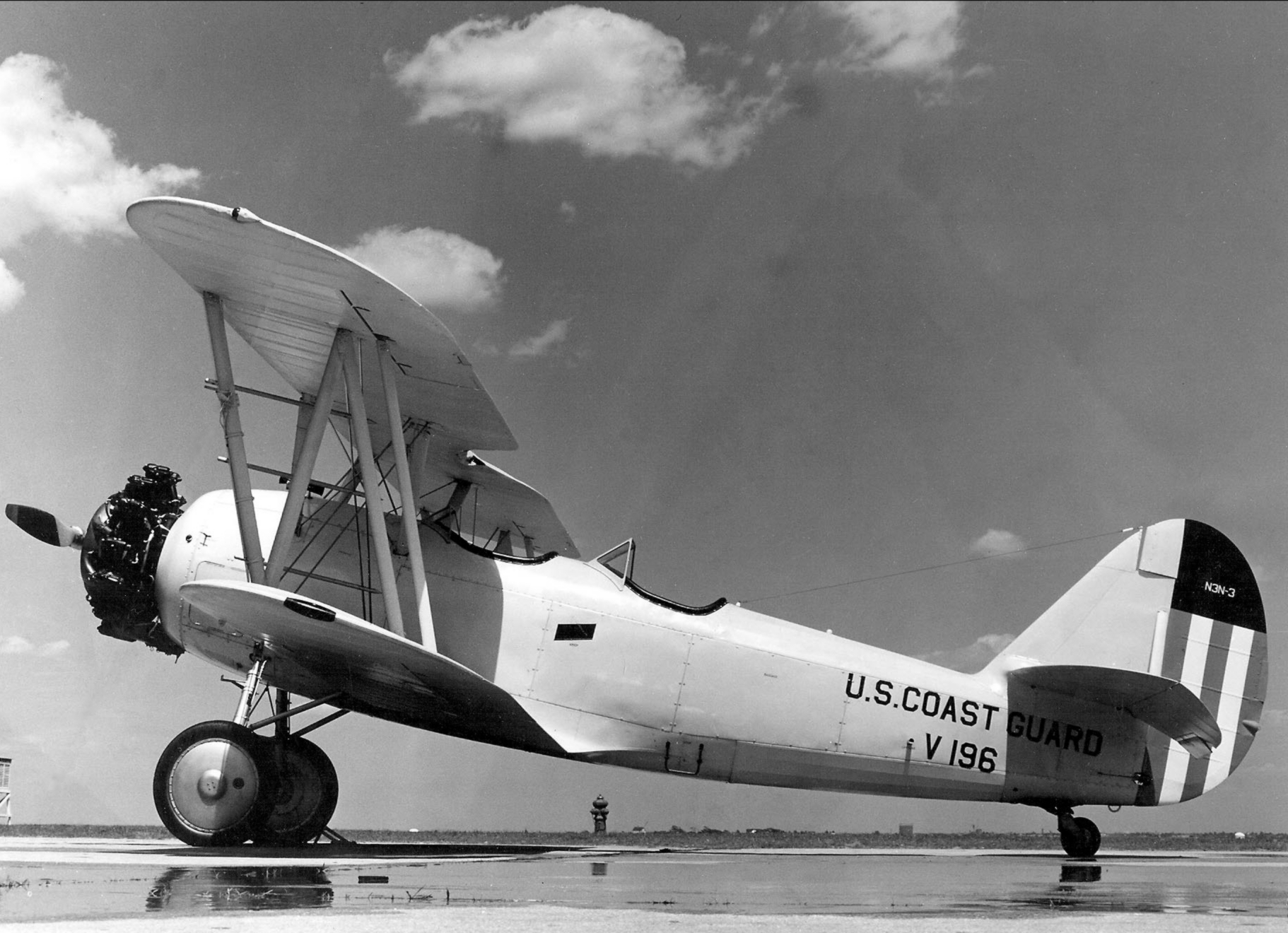
It was factory-equipped with an engine cowling, but mechanics preferred to remove it for easy maintenance since it did not offer much improvement in drag reduction. The production models were powered by a Wright R-760-2 Whirlwind radial engine with a hand-crank that turned the inertia flywheel until sufficient momentum was built, and the T-handle starter was pulled. Communication from the instructor in the front seat to the cadet in the aft seat was through a speaking tube (cones connected by an air pipe). The U.S. Navy primary trainers were painted Chrome Yellow for maximum visibility, whereas the U.S. Army painted their primary trainer fuselages blue and the wings and tail surfaces Chrome Yellow, and the U.S. Coast Guard painted their aircraft in gray or blue-gray.
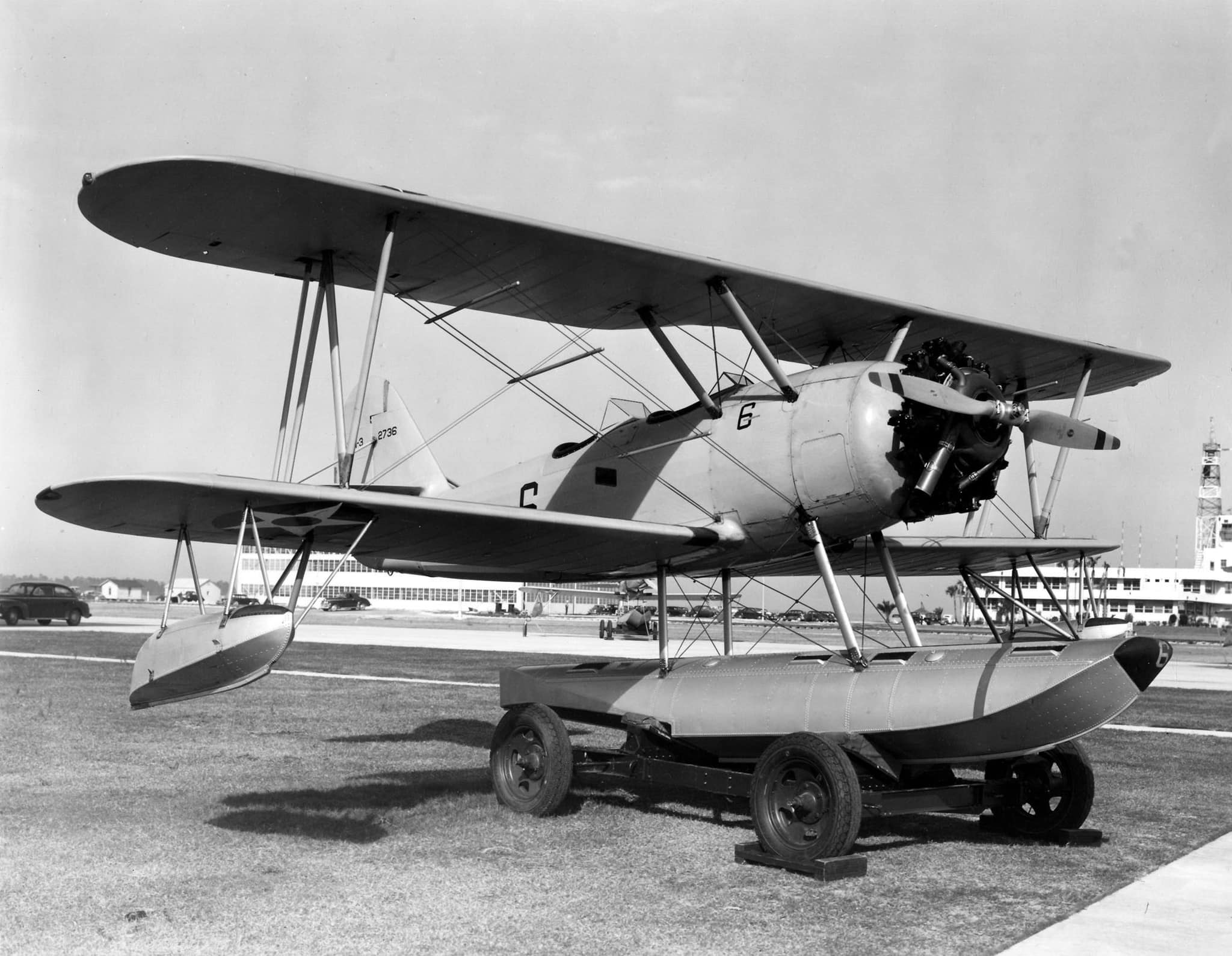
Production of the Canary ended in January 1942, but the type remained in use as a trainer through the rest of World War II and ultimately was one of a small number of aircraft designed and built by a factory that was federally funded for the U.S. Navy. There was resulting controversy over NAF Philadelphia from the outset in that it was considered in direct competition with the civilian industry and part of the reason the project was disestablished and production ceased in 1945 (in January of 1922, Rear Admiral William A. Moffett, chief of the newly formed Bureau of Aeronautics, issued a statement stating that “the NAF is to all intents and purposes no longer an aircraft factory, but a combination of naval aircraft base, naval aircraft storehouse, naval aircraft experimental station, and in general a naval aircraft establishment…. It is not the policy of the department to go into production of aircraft at the Naval Aircraft Factory.”). However, NAF Philadelphia produced a range of aircraft during its existence.
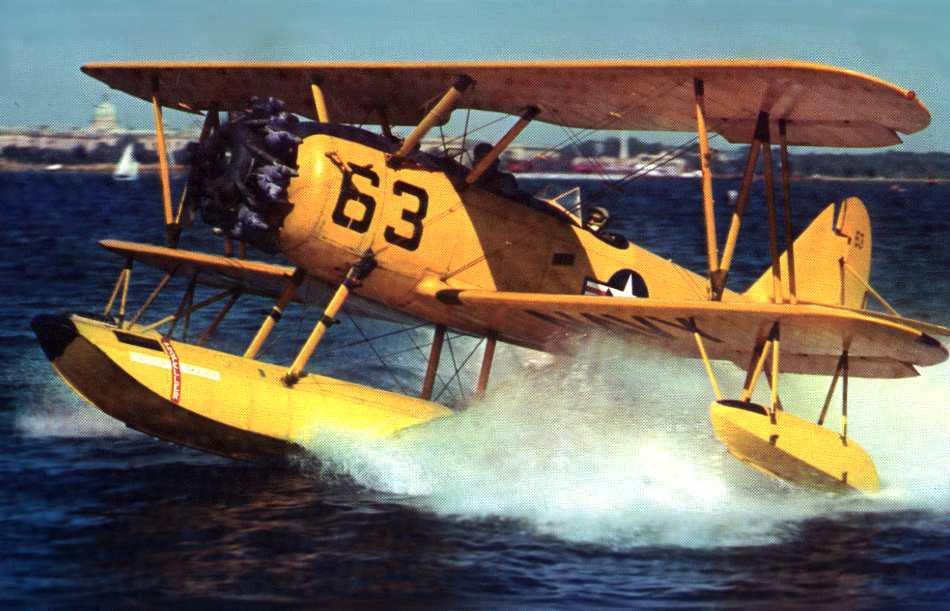
After World War II, most N3N-3 aircraft were declared surplus except for about 100 that the Navy kept providing orientation rides for midshipmen at the Naval Academy in the seaplane configuration. They continued in such non-trainer use until 1959, with the last of the aircraft stricken from military inventory in 1961, making the Canary the last biplane in U.S. military service. Surplus N3Ns could be purchased for about $500 and were, in some cases, converted to sprayers or crop dusters; some were fitted with water tanks and doors and thus became some of the earliest fire bombers ever flown.
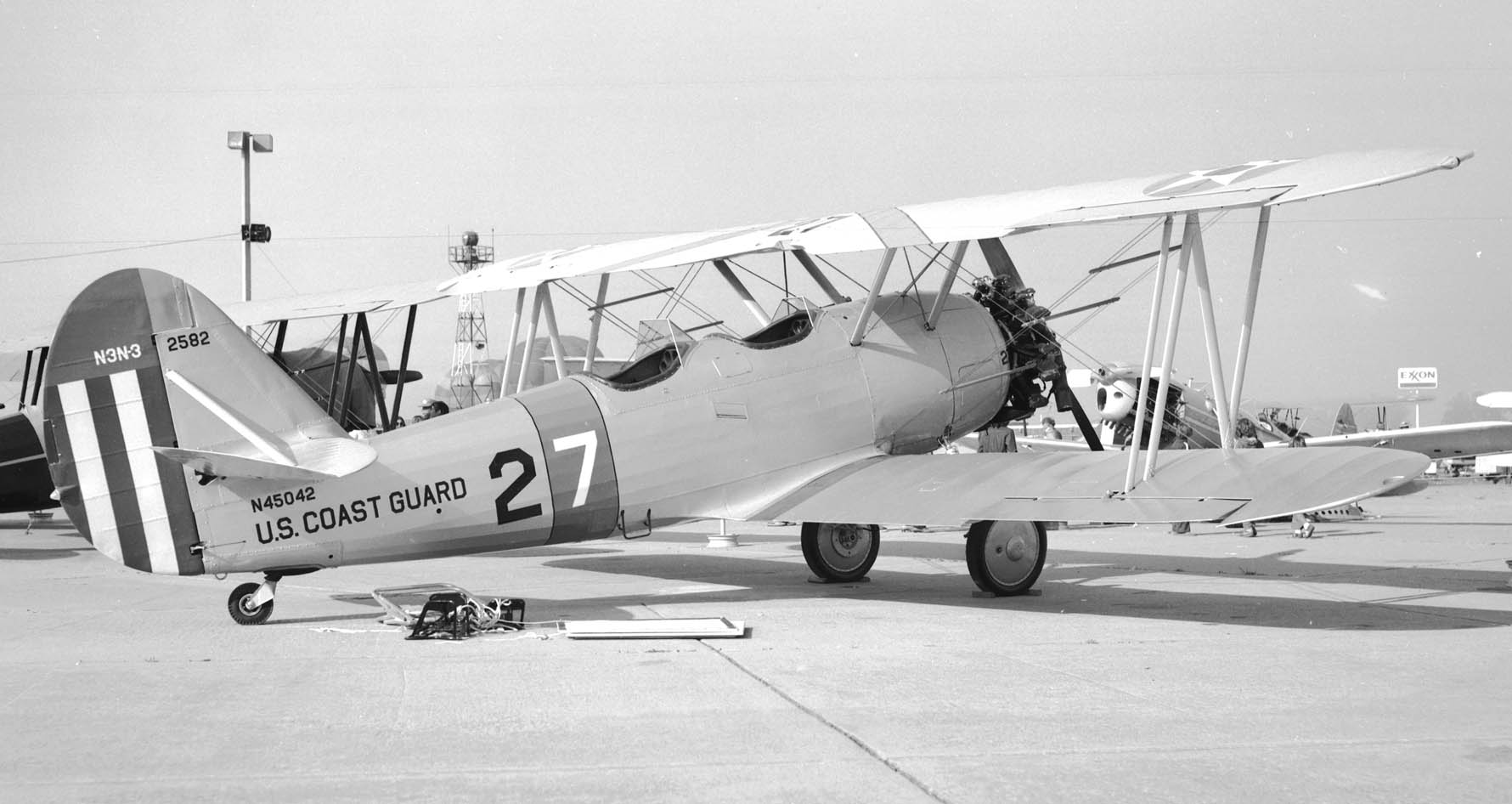
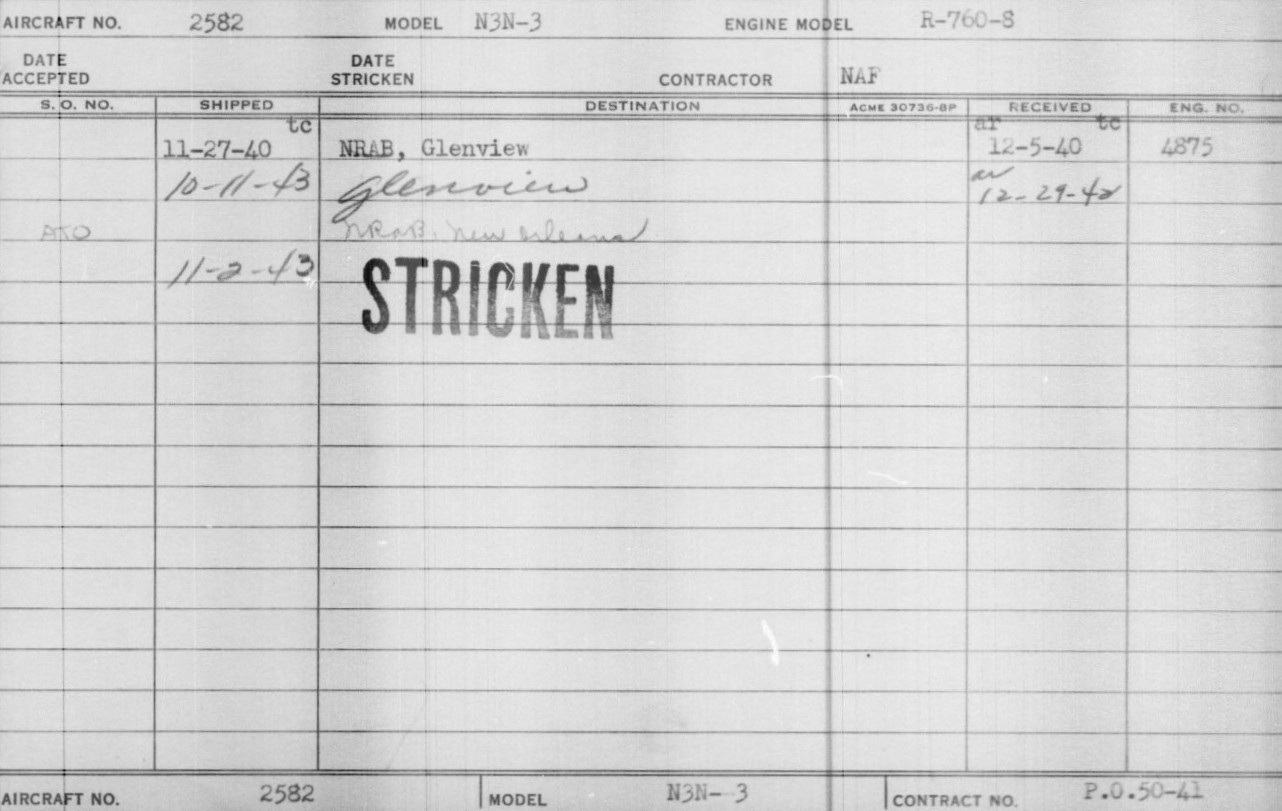
Editor’s notes: According to the aircraft’s record cards obtained from the National Naval Aviation Museum in Pensacola, Florida, it was assigned to Naval Reserve Air Base (NRAB) Glenview, Illinois, on November 27, 1940. Shortly after being sent to NRAB New Orleans, it was stricken from the Navy on November 2, 1943.
About the author 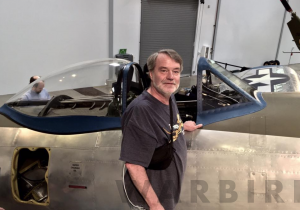
Randy Malmstrom grew up in a family steeped in aviation culture. His father, Bob, was still a cadet in training with the USAAF at the end of WWII, but did serve in Germany during the U.S. occupation in the immediate post-war period, where he had the opportunity to fly in a wide variety of types that flew in WWII. After returning to the States, Bob became a multi-engine aircraft sales manager and, as such, flew a wide variety of aircraft; Randy frequently accompanied him on these flights. Furthermore, Randy’s cousin, Einar Axel Malmstrom, flew P-47 Thunderbolts with the 356th FG from RAF Martlesham Heath. He was commanding this unit at the time he was shot down over France on April 24th, 1944, and spent the rest of the war as a prisoner of war. Following his repatriation at war’s end, Einar continued his military service, attaining the rank of Colonel. He was serving as Deputy Wing Commander of the 407th Strategic Fighter Wing at Great Falls AFB, MT, at the time of his death in a T-33 training accident on August 21, 1954. The base was renamed in his honor in October 1955 and continues to serve in the present USAF as home to the 341st Missile Wing. Randy’s innate interest in history in general, and aviation history in particular, plus his educational background and passion for WWII warbirds, led him down his current path of capturing detailed aircraft walk-around photos and in-depth airframe histories, recording a precise description of a particular aircraft in all aspects.