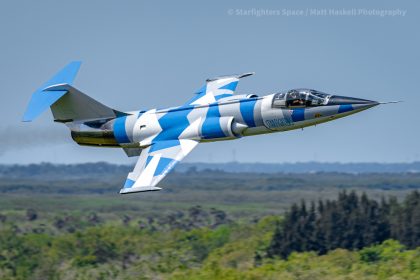
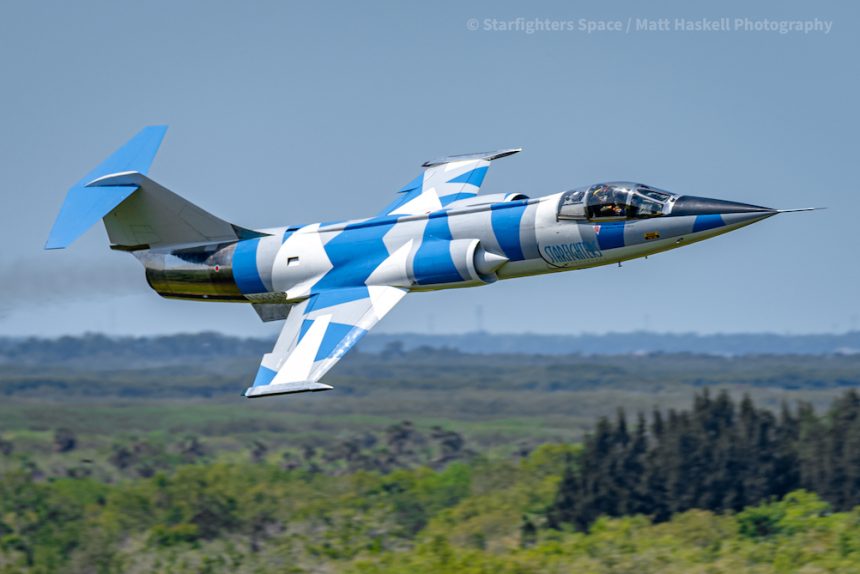

Starfighters Space has completed manufacturing the first flight hardware for its Wind Tunnel in the Sky program, moving the company closer to using its F-104 Starfighters as reusable platforms for airborne testing at speeds above Mach 2. Announced on October 8, the hardware was produced by Italian engineering company Robby Moto Engineering (RME). At the time of the announcement, the components were en route to Starfighters’ base at NASA’s Kennedy Space Center in Florida, where they will be assembled into two modular underwing test articles. Assembly, ground testing, aircraft integration, and captive-carry flight evaluations remain ahead before the hardware can support customer missions.
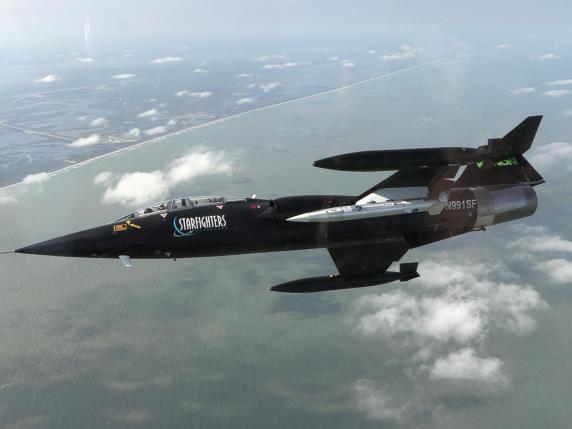
The program is intended to give commercial, government, and research customers a means of evaluating equipment and materials in actual atmospheric flight conditions. The first hardware is expected to support a planned customer deployment, while its modular design will allow the company to adapt it for subsequent missions. Each assembled test article will measure 3.65 meters in length and 178 millimeters in diameter. Its external shape is based on an established military air-launch vehicle configuration and is compatible with the company’s existing F-104 underwing pylons. Interchangeable nose sections, tail assemblies, fins, and internal payload compartments will accommodate different test requirements while retaining a consistent external aerodynamic profile. That approach is intended to simplify payload integration and reduce the need to develop a new flight body for each application.
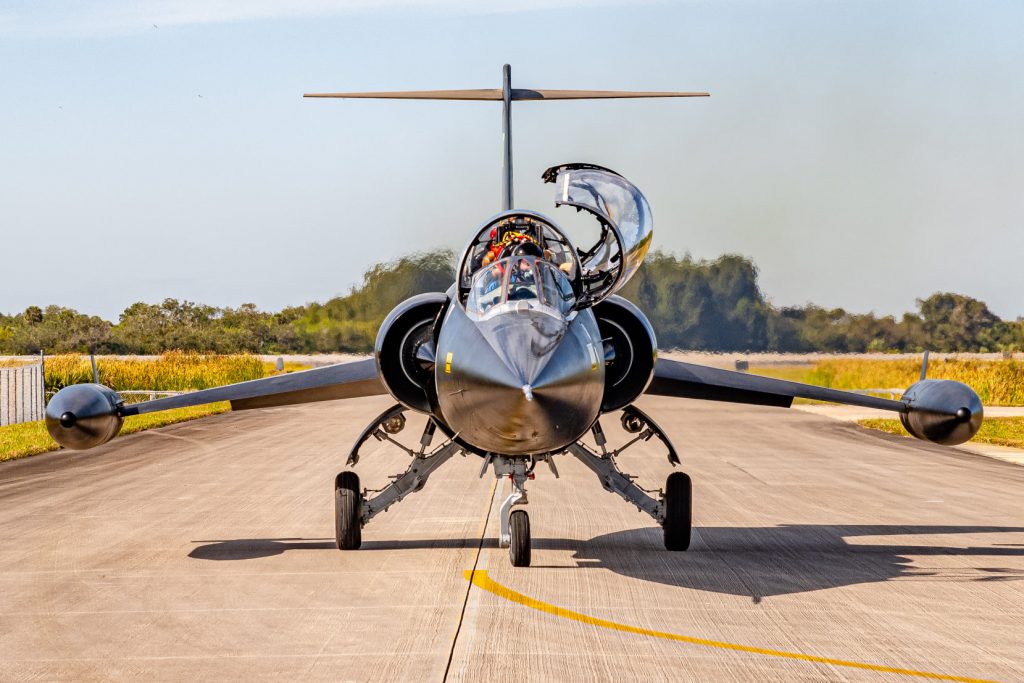
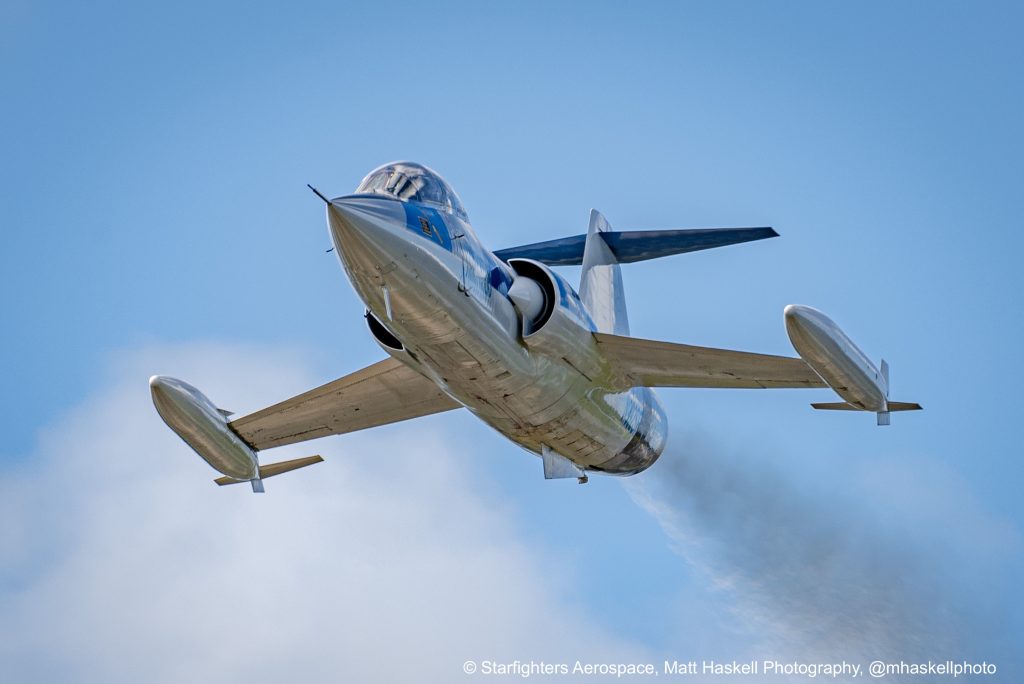
(Image credit: Matt Haskell)
“Using a proven aerodynamic configuration allows us to focus on payload integration, flight testing and mission execution rather than developing an entirely new external flight body,” said Piercarlo Ciacchi, Starfighters’ director of flight operations and chief pilot. “The modular design gives us the flexibility to support a wide range of customer requirements while maintaining predictable flight characteristics throughout our development program.” Starfighters identifies several potential applications for its expanding F-104 testing capabilities, including evaluating advanced materials and technologies intended for hypersonic systems, sensors, avionics, communications equipment, and electronic warfare systems. Its broader development plans also include providing microgravity conditions for scientific payloads. The Wind Tunnel in the Sky program itself is designed around sustained Mach 2+ flight.
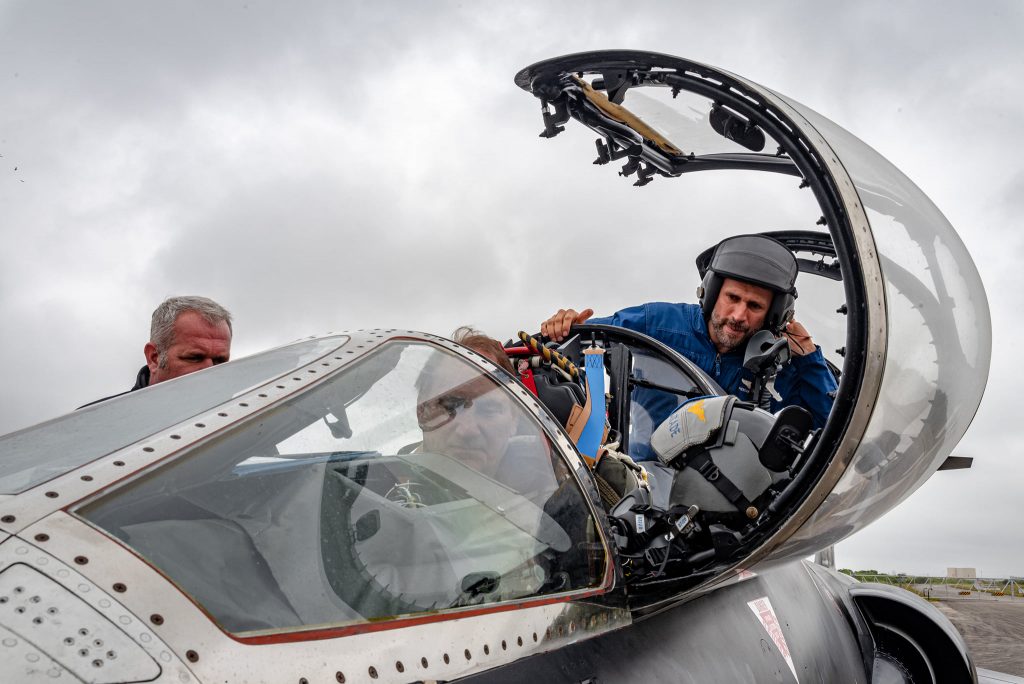
“Completing our first flight hardware represents an important step toward building the capabilities that support our long-term commercial strategy,” said Tim Franta, the company’s CEO. Franta said the airborne platform is intended to offer longer test periods than the brief runs available in certain ground-based wind tunnels. Starfighters also expects the flight data and operational experience gathered through the program to contribute to development of its planned STARLAUNCH air-launch system. The manufacturing agreement builds on an existing relationship with RME, whose AVIO Division is based in Casalmaggiore, Italy. The company produces precision components for aircraft, urban air mobility systems, and motorsport applications, and previously developed a fuselage-mounted video and telemetry system for Starfighters’ airborne payloads.
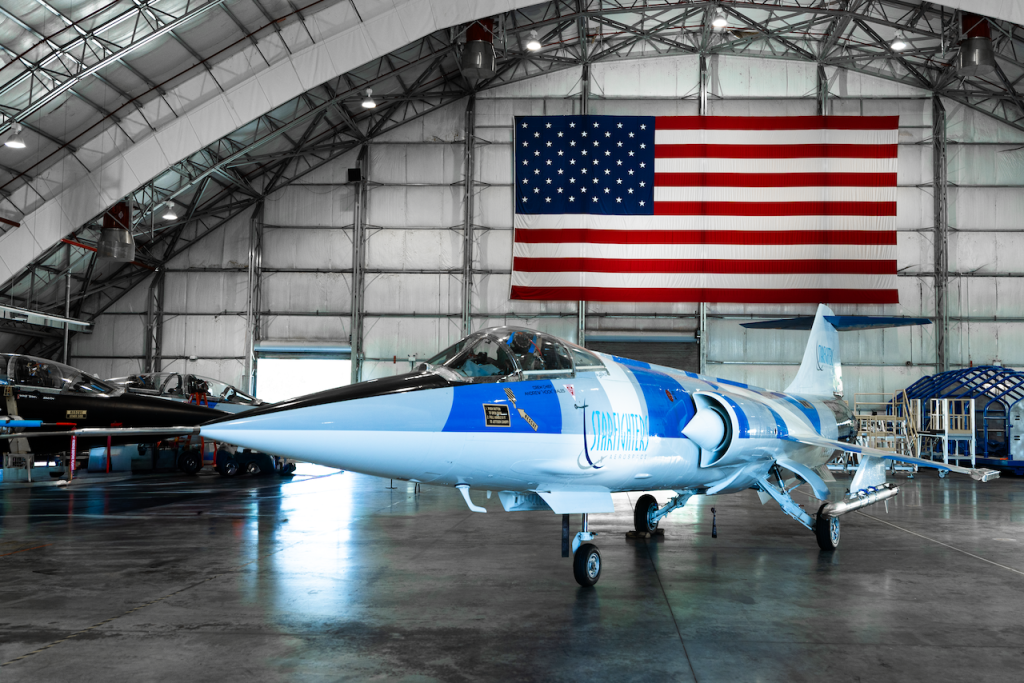
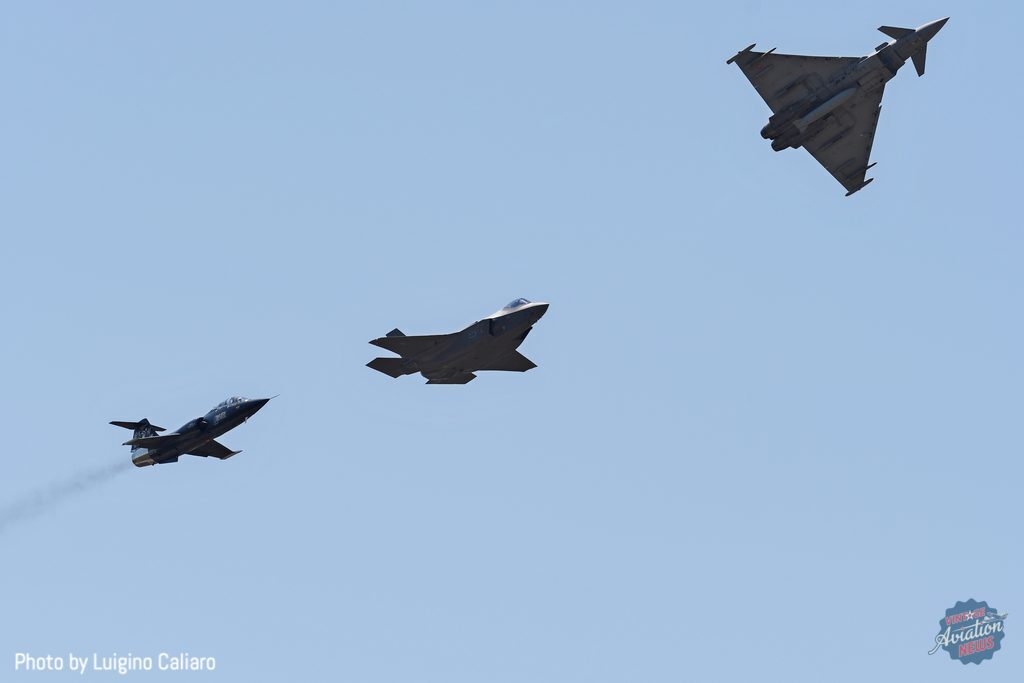
The collaboration also reflects the fleet’s Italian connections. Several of Starfighters’ aircraft previously served with the Italian Air Force, where Ciacchi flew the F-104 as an active-duty pilot. In 2023, he flew one of the company’s Starfighters during the Italian Air Force’s centennial celebrations in Rome. Italy retired its military F-104 fleet in 2004 after approximately four decades of service.
Starfighters operates its F-104 fleet from Kennedy Space Center and Midland International Air & Space Port in Texas. The aircraft support aerospace research, flight testing, pilot training, and development work involving air-launched payloads. With the first hardware manufactured, the next phase of Wind Tunnel in the Sky will focus on assembling and evaluating the underwing test articles before customer operations begin. For more information about Starfighters Space, visit www.starfightersspace.com