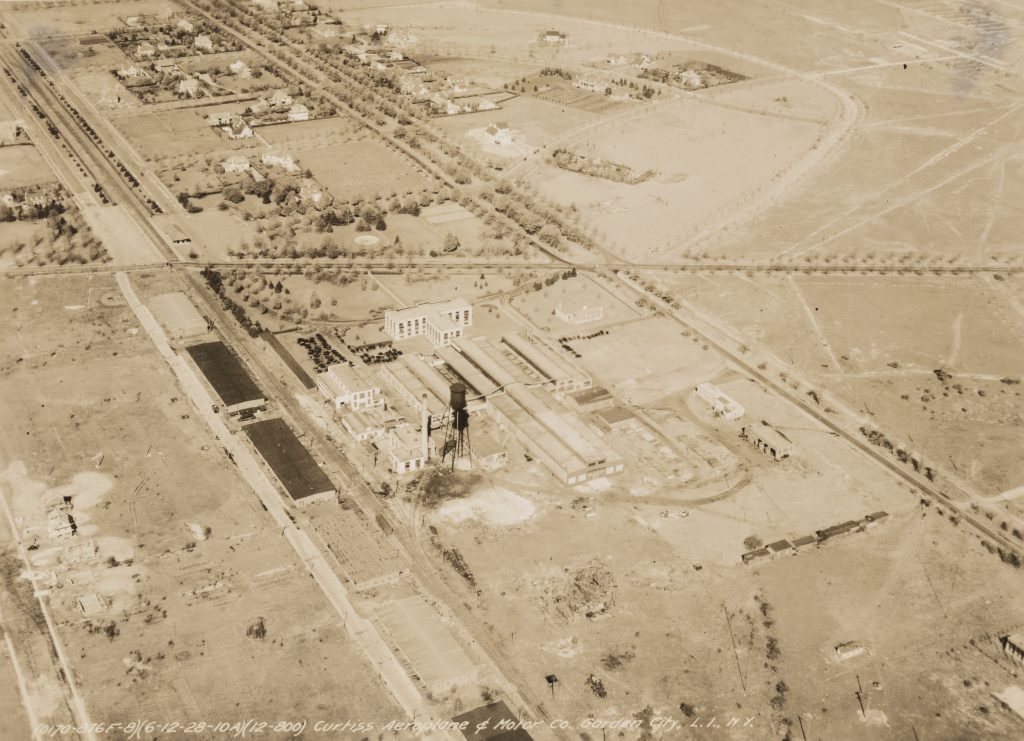
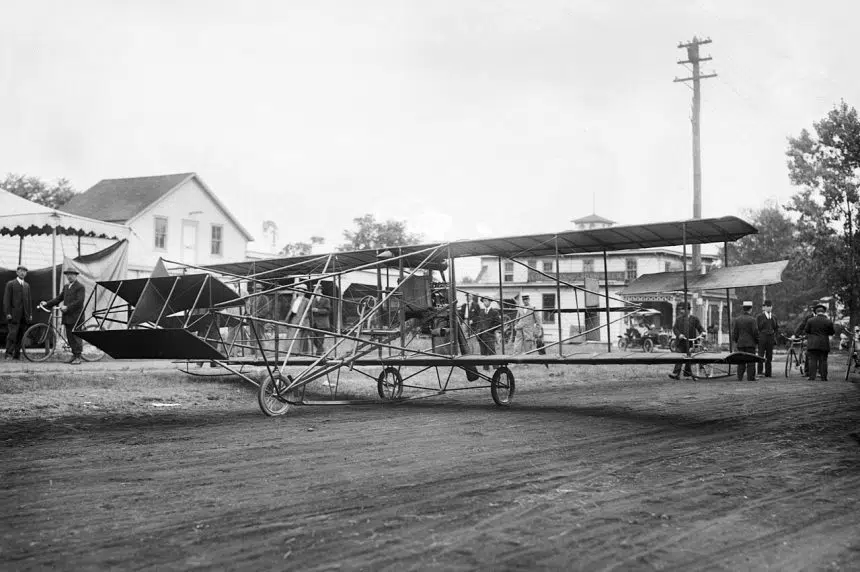

In 1909, American aviation pioneer Glenn Curtiss teamed with another aviator, Augustus Moore Herring, to form the Herring-Curtiss Company. In 1910, the company was renamed the Curtiss Aeroplane Company. The company officially became Curtiss Aeroplane and Motor Company on January 13, 1916, by combining the Curtiss Aeroplane Company from Hammondsport, New York, and the Curtiss Motor Company from Bath, New York. When WWI began, military orders increased rapidly, and Curtiss needed to expand. In 1916, the company moved its headquarters and most manufacturing to Buffalo, New York. The location provided better access to transportation, skilled workers, manufacturing capabilities, and needed funds. Until 1917, the Wright Company and the Curtiss Company were locked in a legal battle over aircraft patents. The conflict stopped the production of new airplanes, which were urgently needed as the US entered WWI. A committee led by Franklin D. Roosevelt, then Assistant Secretary of the Navy, advised the US government, which then urged the industry to form a cross-licensing group, the Manufacturers’ Aircraft Association. That year, car maker Willys-Overland bought Curtiss.
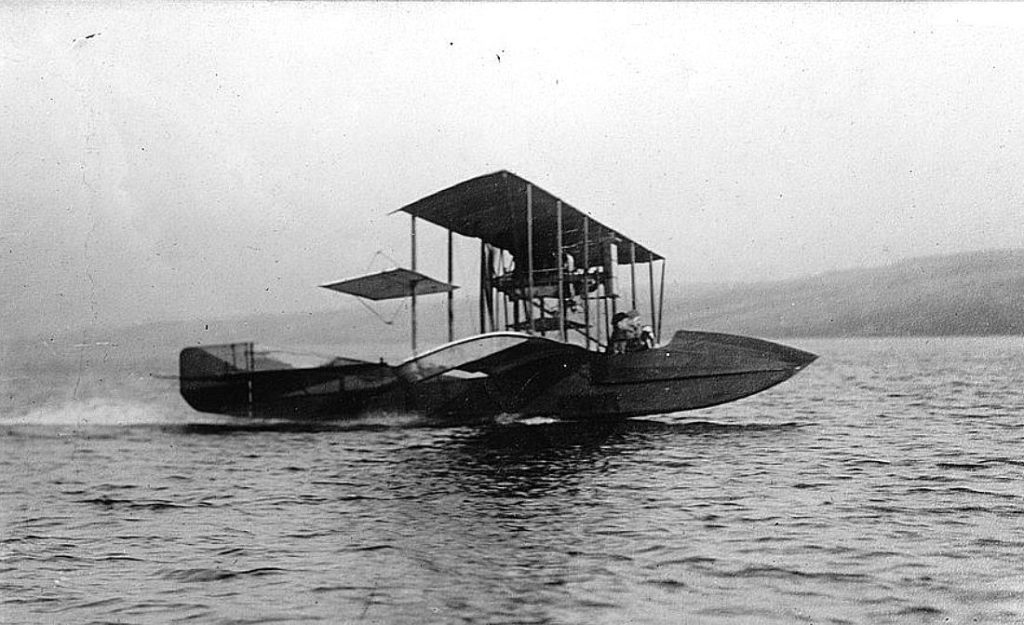
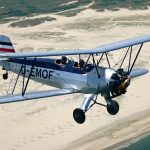
Curtiss played an important role in the growth of US Naval Aviation by training pilots and supplying aircraft. Its first big order was for 144 units of the Model F trainer flying boat. In 1914, Curtiss hired B. Douglas Thomas from Sopwith to develop the Model J trainer, which led to the creation of the JN-4 two-seat biplane trainer, known as the “Jenny.” The company also developed JN-4 trainers in collaboration with British and Canadian allies. To fulfill large military orders, the company spread JN-4 production among five other manufacturers. After the war, many surplus JN-4s were sold, making them the first planes for many pilots during the interwar years, including Amelia Earhart. A stamp was issued to honor the Curtiss JN-4, but a printing mistake caused some stamps to have the aircraft image upside down. This error made those stamps very valuable, and they are now considered some of the best-known rare stamps, even appearing in several movies. The Curtiss HS-2L flying boat was widely used during the war for anti-submarine patrols. It operated from bases in Nova Scotia, France, and Portugal. John Cyril Porte of the Royal Navy worked with Curtiss to improve flying boat designs, which led to the Curtiss F5L and the similar Felixstowe F.3. Curtiss also teamed up with the US Navy to develop the NC-4, which became the first to fly the Atlantic Ocean in 1919.
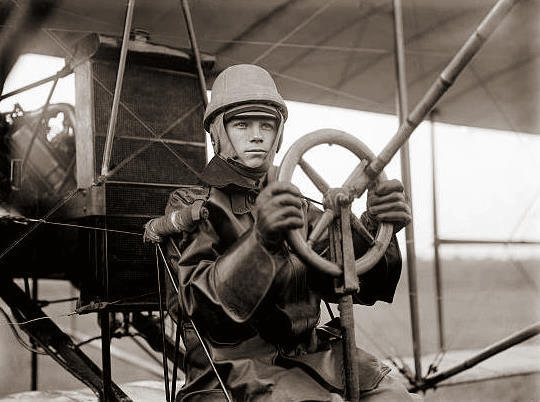
By the end of WWI, the Curtiss Aeroplane and Motor Company claimed to be the largest aircraft manufacturer in the world. It employed 18,000 people in Buffalo and 3,000 in Hammondsport, New York. Curtiss produced 10,000 aircraft during the war, including more than 100 in a single week. However, after the war ended, many wartime contracts were canceled. The Curtiss Aeroplane and Motor Company had to reorganize its finances in September 1920. Glenn Curtiss sold his shares in the company for $32 million and retired to Florida. He remained a director but only advised on design. Clement M. Keys took control of the company from Willys-Overland, and it eventually became part of a larger group of aviation companies. Curtiss seaplanes won the Schneider Cup in 1923 and 1925. In 1923, US Navy lieutenant David Rittenhouse flew a Curtiss R3C and reached a speed of 177.266 miles per hour. US Army Lt. On October 12, 1925, Cyrus K. Bettis won the Pulitzer Trophy flying a Curtiss R3C at 248.9 miles per hour. Thirteen days later, Jimmy Doolittle took the Schneider Trophy in the same plane equipped with floats at a top speed of 232.573 miles per hour. The Curtiss Robin light transport first flew in 1928. It became one of the company’s best sellers during the Great Depression. The company built 769 of them, which helped keep the business afloat when it had few military aircraft orders.
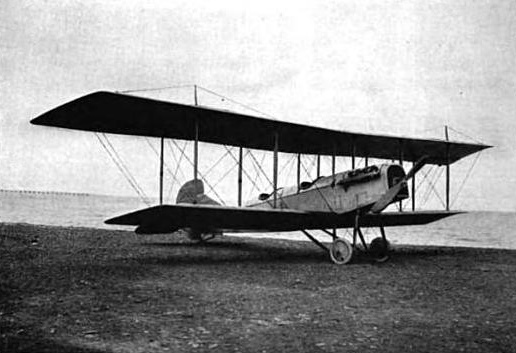
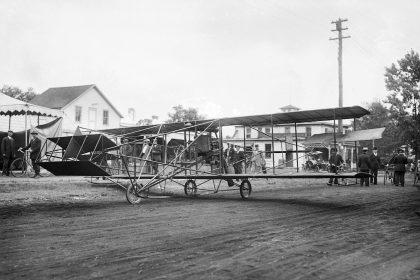
However, on July 5, 1929, Curtiss Aeroplane and Motor Company merged with 11 other companies related to Wright and Curtiss to form the Curtiss-Wright Corporation. One of the last projects by Curtiss Aeroplane was the Curtiss-Bleecker SX-5-1 Helicopter. The helicopter had four large rotors, with propellers mounted in the middle of each that drove the main rotors. Although this design was costly and well-made, it ultimately failed. Curtiss made over 45 types of aircraft and produced at least 12,600 planes, including experimental planes, fighters, bombers, trainers, racers, airliners, and flying boats. Some of their early designs were the Model D, Model E, and Model F. The company became famous for aircraft such as the JN-4 trainer, the HS flying boat, the P-1 and P-6 Hawk fighters, the Falcon observation aircraft, and the Robin cabin monoplane.