







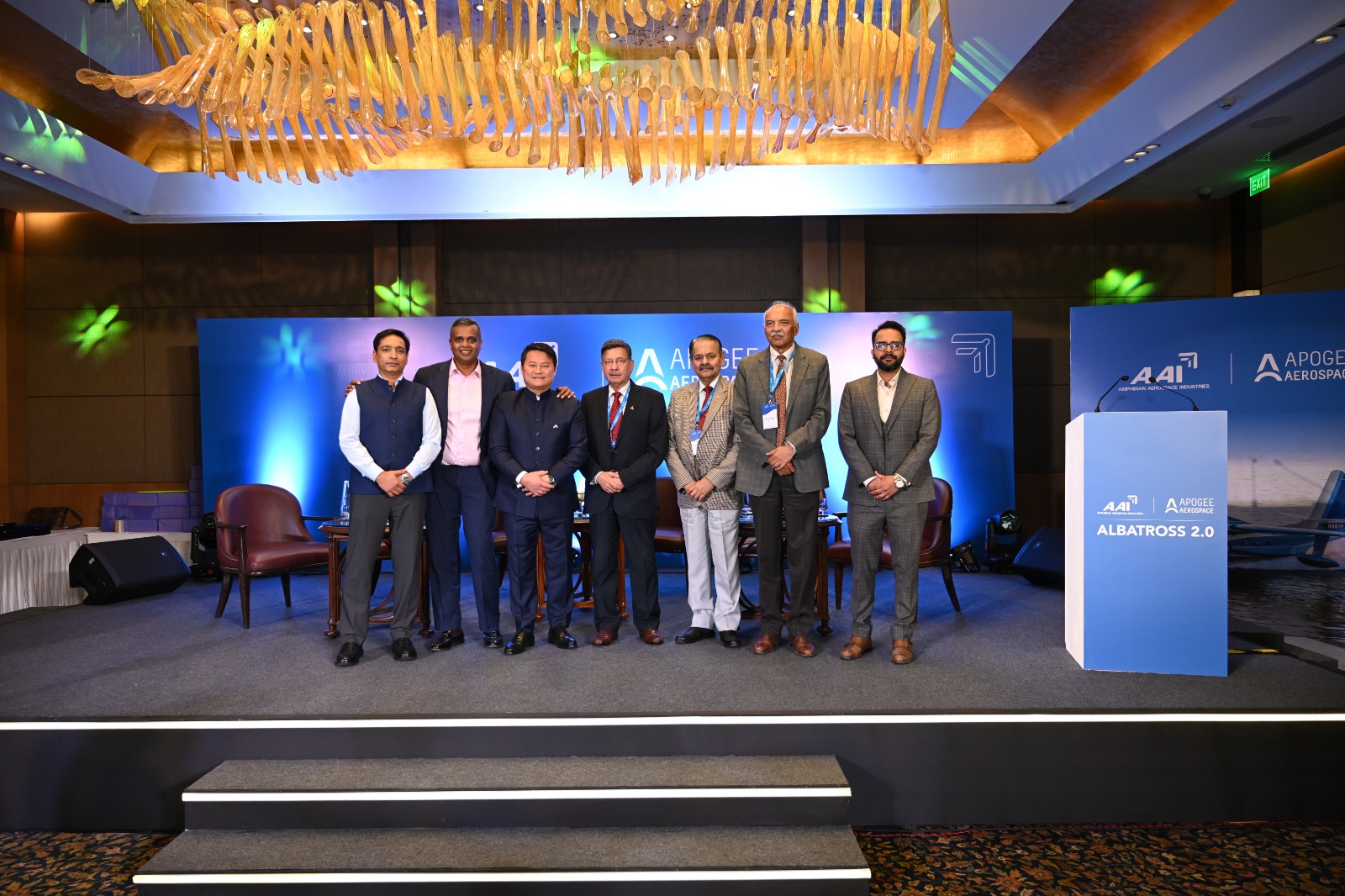
In February 2026, Australia’s Amphibian Aerospace Industries and India’s Apogee Aerospace announced a strategic partnership to bring the former’s Albatross 2.0 amphibious aircraft to India. The agreement includes orders for 15 aircraft from Apogee, investment in manufacturing and maintenance facilities, and the creation of a supply chain that would build tail sections in India for the global market. On paper, it is a large industrial move, valued at $390 million, and it places India at the center of a niche world of large amphibious aircraft that has always been small but important.
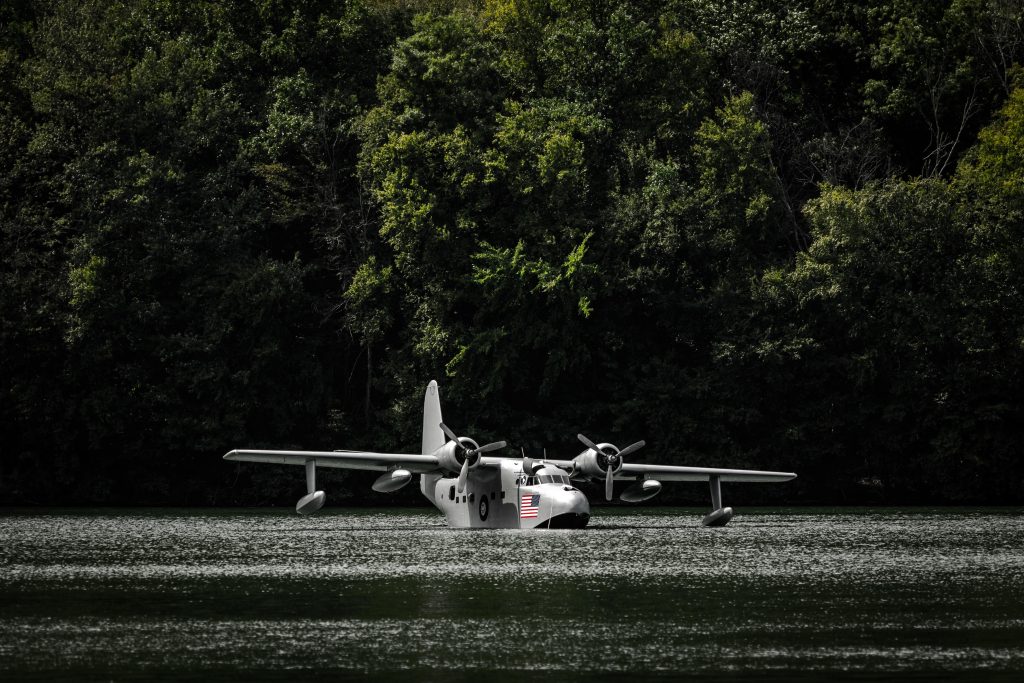
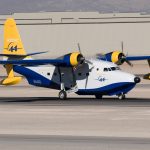
Amphibian Aerospace Industries describes Albatross 2.0 as the world’s first Federal Aviation Administration (FAA) or European Union Aviation Safety Agency (EASA) certified transport-category amphibious aircraft above 19 seats in the registered passenger transport sector. With space for up to 28 passengers, the aircraft is powered by two Pratt & Whitney PT6A-67F turboprop engines, has a full-height cabin, and retractable landing gear for water operations. It is designed to operate not only from runways but also from open sea conditions with wave heights of six to eight feet. The aircraft measures 62 feet 10 inches in length, with a wingspan of 96 feet 8 inches and a height of 25 feet 10 inches.
The new partnership positions the Albatross 2.0 as a platform for India’s coastline, island territories, river systems, and humanitarian missions. It is presented as a force multiplier for the Indian Navy and Coast Guard for maritime surveillance, disaster response, and remote connectivity. In addition, the aircraft can be configured for cargo or mixed use. The idea is to build an aircraft that does not need a runway in remote locations. But this is not the first time that idea has appeared, and that too under the name Albatross.
Albatross: A 1950s Seaplane
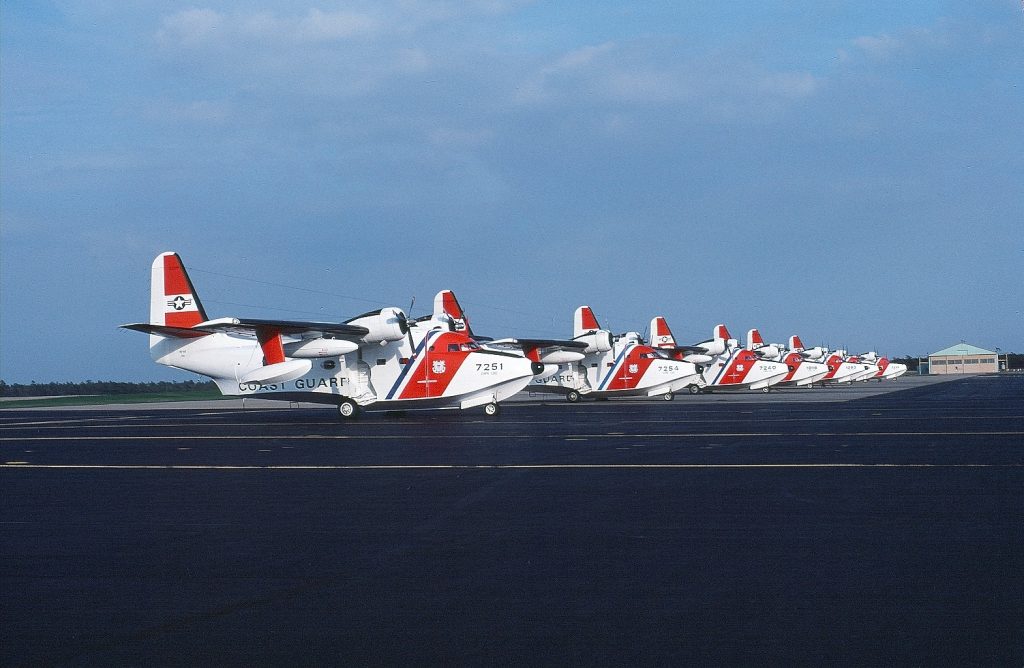
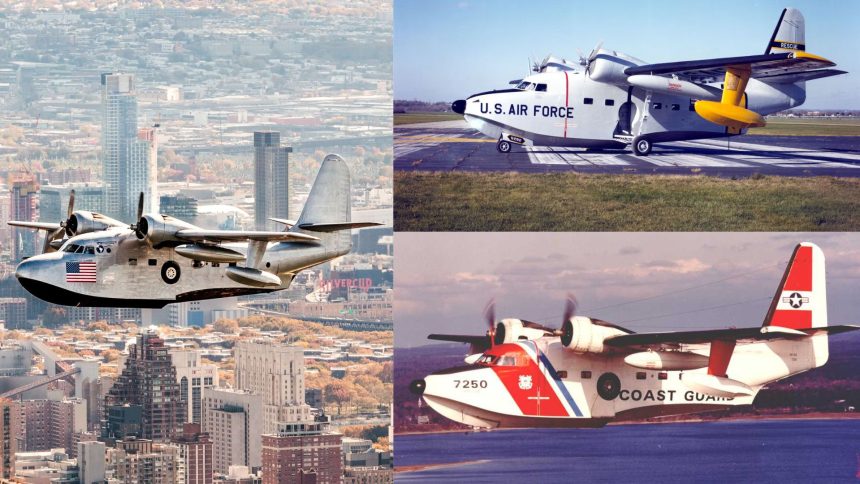
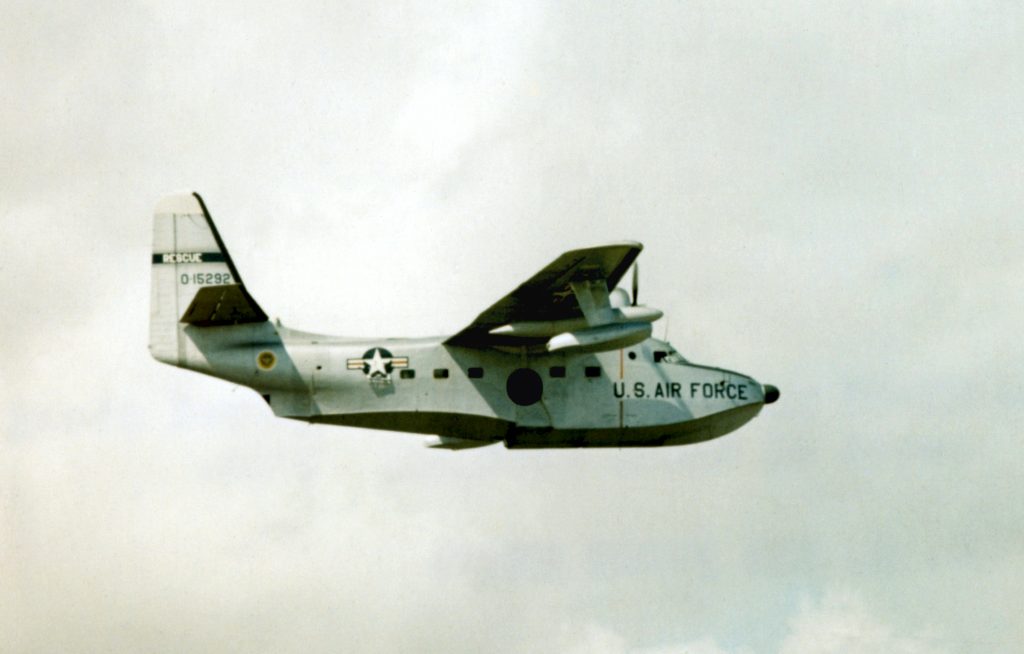
The original Albatross was built by Grumman in the years just after World War II. Its first prototype flew in October 1947. The US Navy had asked for an amphibious utility aircraft that could operate from water, land, and even snow with skis. It was initially designated XJR2F-1. During development, the Navy considered it for anti-submarine work, but the mission shifted. The US Air Force saw greater value in it as a search-and-rescue aircraft and ordered it as the SA-16. The first production aircraft reached the Air Force in July 1949.
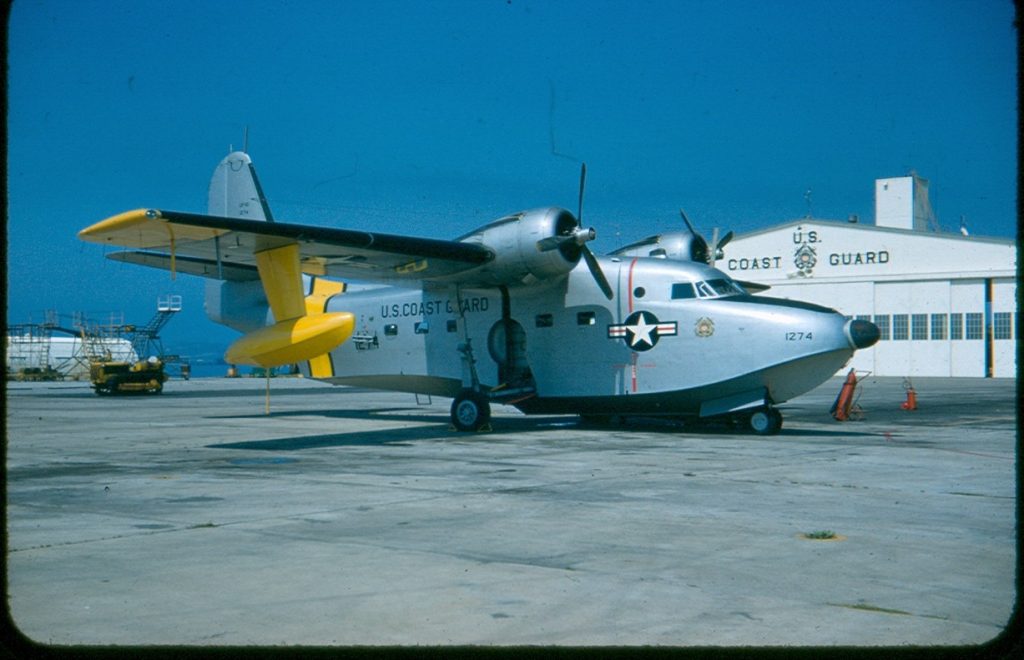
The Albatross was originally built for search and rescue missions. It was known for its excellent short takeoff and landing (STOL) performance and amphibious versatility. Powered by two Wright R-1820 radial engines producing 1,425 horsepower each, it had a maximum speed of about 250 miles per hour and a range of 1,650 miles. Its maximum weight was around 36,000 pounds. During the Korean War, Albatrosses rescued almost 1,000 United Nations personnel from coastal waters and rivers, often behind enemy lines. They also made numerous dramatic and hazardous rescues in Southeast Asia, on occasion taxiing many miles over rough, open water when unable to take off.
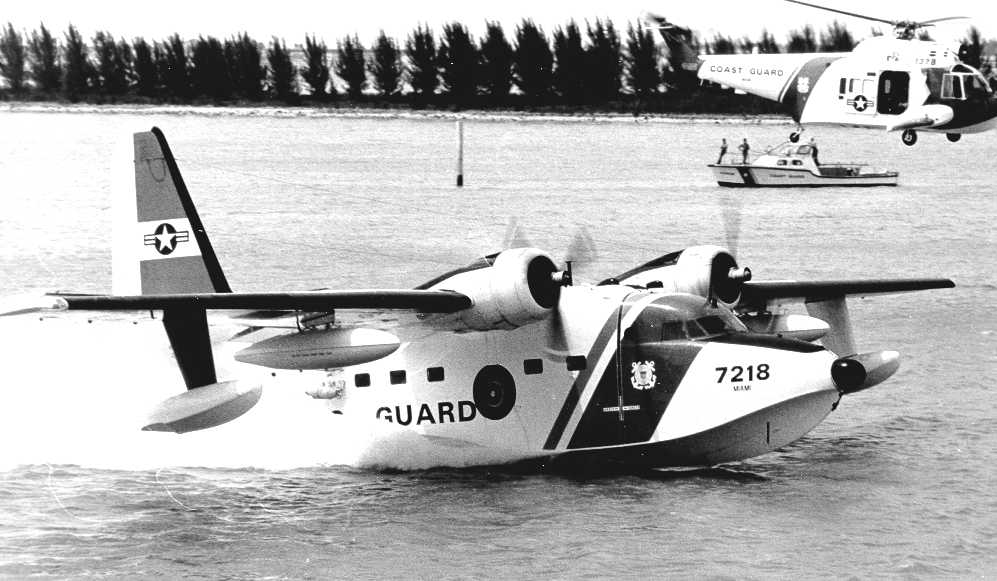
Grumman delivered the Albatross to the Air Force, mostly for the Air Rescue Service. In 1955, Grumman developed an improved version with a 16.5-foot increase in wingspan and larger ailerons and tail surfaces. Beginning in 1957, early Albatross models were converted to the new configuration with these improvements. In 1962, the US Air Force changed the designation to HU-16. The US Coast Guard also operated Albatross aircraft. Between 1947 and 1961, Grumman built 466 Albatross aircraft. The US Coast Guard operated 91 of them. Those aircraft flew more than 500,000 hours in service and set records as well.
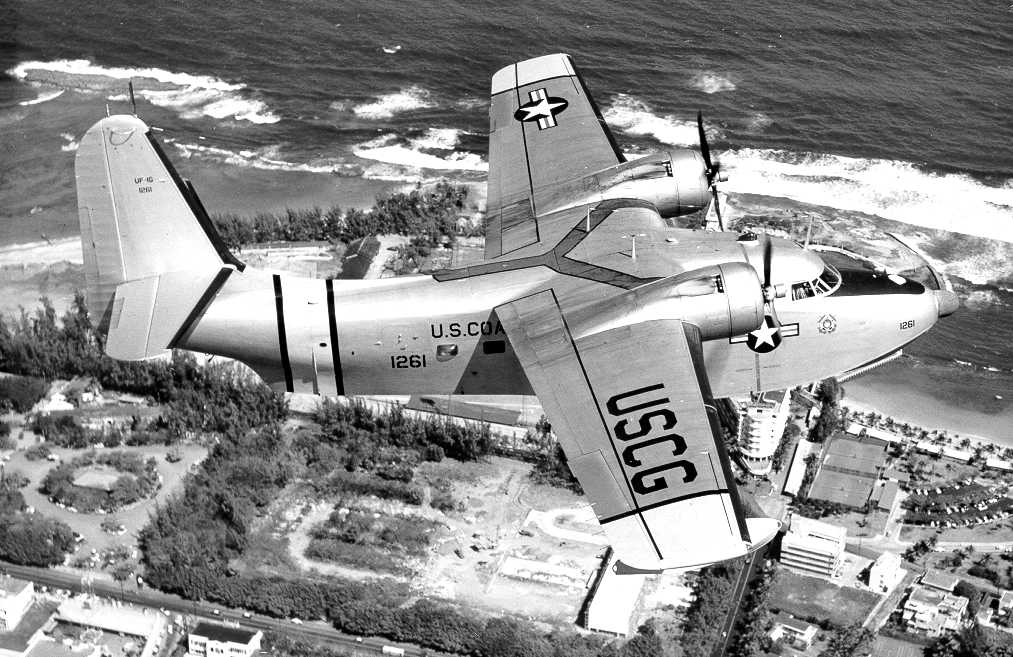
One HU-16 reached an altitude of 32,883 feet in July 1973, establishing a world altitude record for twin-engine amphibious aircraft. Coast Guard crews also set speed and distance records in the early 1960s, including a nonstop flight of more than 3,100 miles from Kodiak to Pensacola. The last Coast Guard Albatross was retired in March 1983. The Grumman Albatross was widely exported, with over 20 nations receiving them primarily as military surplus from the US for search-and-rescue, including Greece, Norway, Japan, and the Philippines. The last foreign operator of the Albatross was Greece, which operated the Albatross until 1995 before officially retiring them.
New Purpose in the 2020s
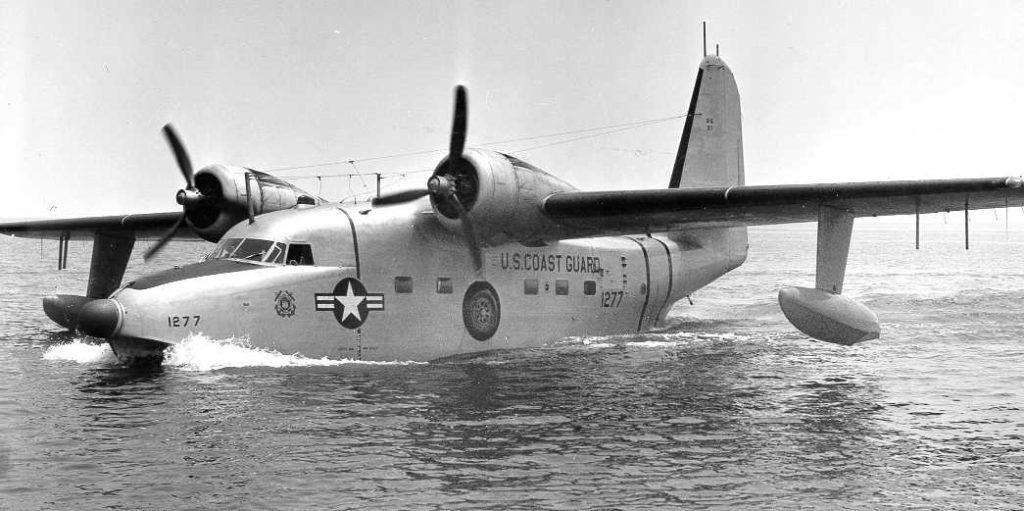
The Albatross amphibious aircraft are preserved in museums across several countries, with the vast majority located in the US, including the Pima Air & Space Museum, National Museum of the United States Air Force, and Aerospace Museum of California. In France, the Musée de l’Hydraviation in Biscarrosse rescued and displays a rare HU-16A. Due to extensive use by allies, the aircraft is available in museums in countries such as Greece, Canada, Taiwan, Japan, the Philippines, Chile, among others.
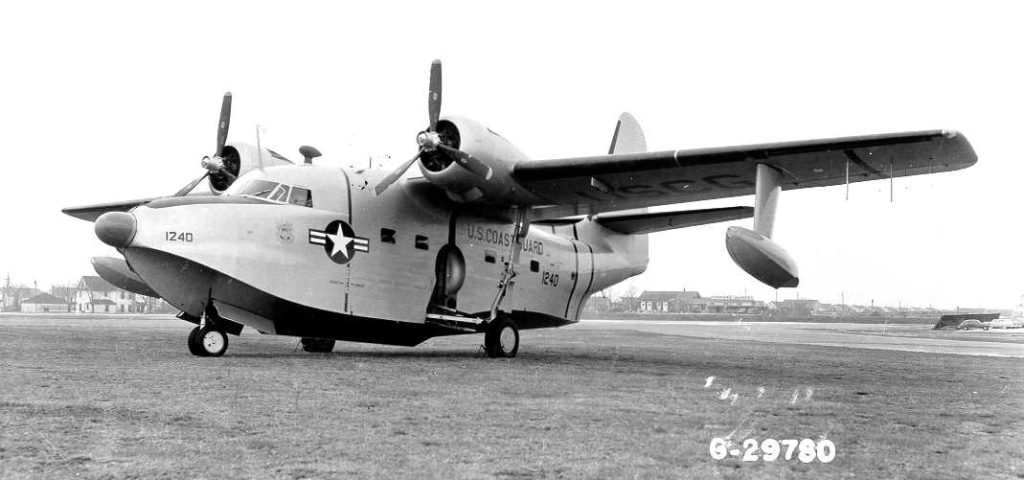
The aircraft’s greatest strength was its persistence. It could land near a sinking ship, take survivors on board, and fly them home. It could operate from remote coastal bases without much infrastructure. Its wingspan, length, and general proportions are almost identical to those now listed for the Albatross 2.0. The silhouette, at least in broad terms, carries forward.
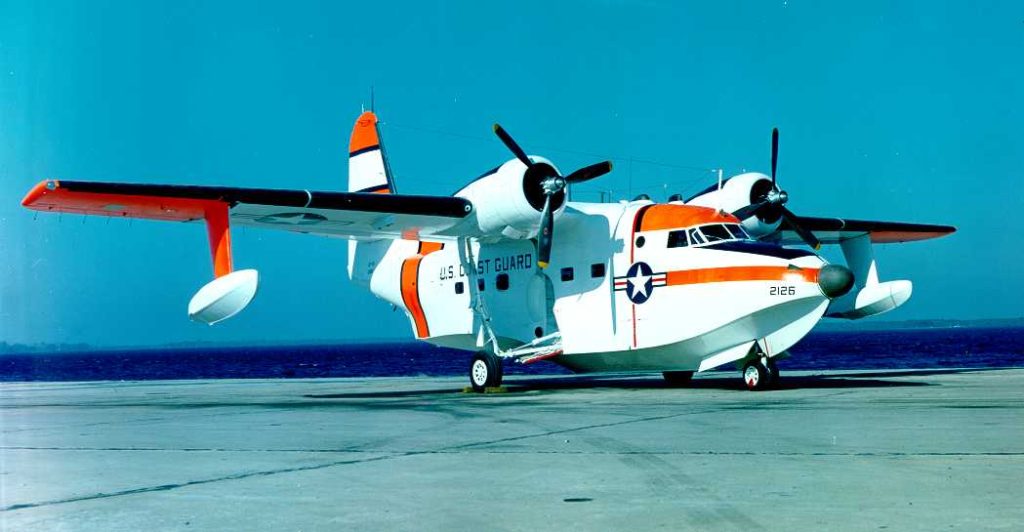
The new Albatross is different in many ways. It uses turboprop engines instead of radial pistons. It has an integrated glass cockpit instead of analog dials. It carries a pressurized cabin with a standing height of 188 centimeters, a washroom, and a galley. It is certified under modern transport regulations rather than military specifications. Yet the basic concept of bridging the gap between an aircraft and a boat remains unchanged.
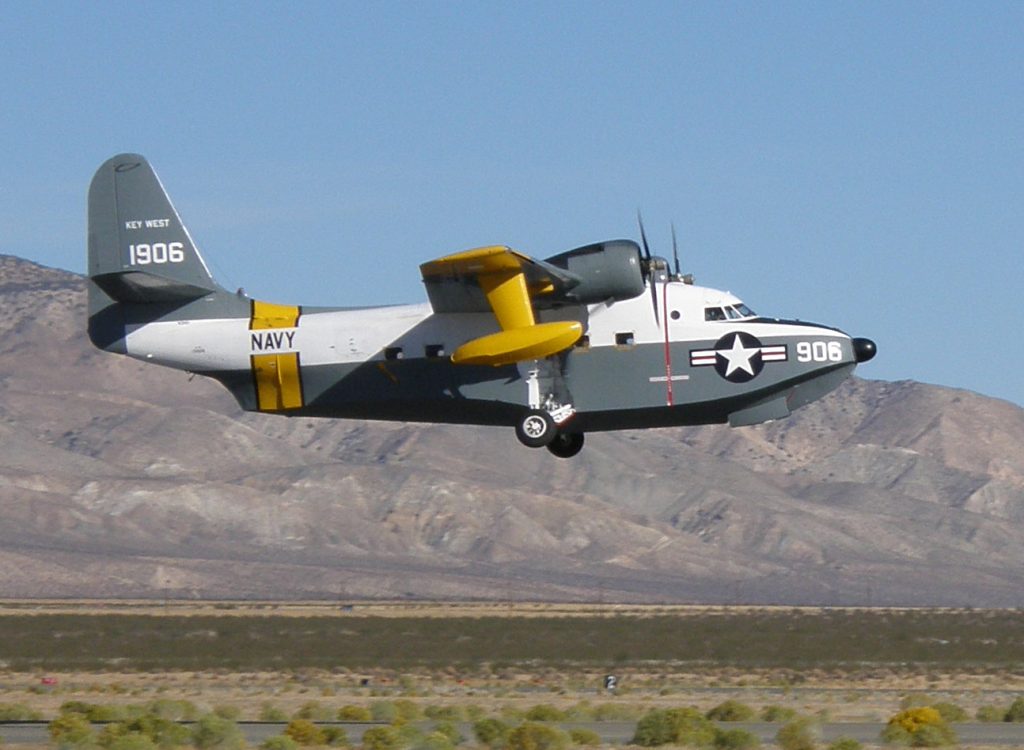
For India, a country with a long coastline, island territories in the Andaman and Nicobar chain, and river systems that do not always have nearby airfields, an amphibious aircraft would allow the movement of personnel, supplies, and surveillance assets without waiting for infrastructure to be built. That is the same logic that guided the original Albatross when it was ordered for search and rescue. It feels like a full-circle moment in aviation. A concept that proved itself in the 1950s and 1960s, and retired in the 1990s, is now returning in the 2020s.






You don’t mention the Navy’s version, the UF. Flew in one from Sangley Pt to Cubi Pt P.I., and back once in the late 50’s. Forgot why now, transfer to the Naval hospital for a little surgery maybe. I was with VP-40 at the time (P5M ‘s). Was a nice ride as I recall.
The 2.0 was built in Gibsonville NC. The company Antilles Seaplanes went out of business due to a greedy owner. Not sure where the aircraft is being built today.
I appreciate the story about the Albatross, and Albatross 2.0. Please keep the stories coming regarding the larger seaplanes like the Boeing 314,
Dornier ’29, Mars, etc. These types of seaplanes are really my only aviation interest.
. ..Kindest regards, A. M. Fuller