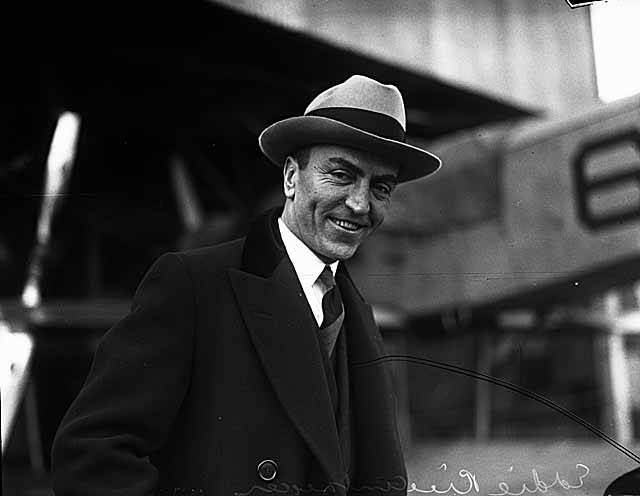

Edward Rickenbacker was not supposed to become a pilot. He was supposed to become a mechanic. Born on October 8, 1890, in Columbus, Ohio, into a working-class immigrant household, he was the son of Swiss parents. The family lived without many conveniences, and the children were expected to contribute early. When his father died in a construction accident in 1904, 13-year-old Eddie left school permanently and entered employment. He moved through a series of jobs such as factory work, rail workshops, machine shops, learning tools and materials rather than theory. No one at the time knew that his practical learning of material would matter later. Early aviators often came from either cavalry backgrounds or engineering education, but Rickenbacker came from a maintenance culture. He trusted machinery because he understood how it failed.
Around 1905, he got a chance to get into the automobile sector, and fast and noisy cars immediately captured his attention. He began working in garages and took correspondence courses in engineering. Within a few years, he moved into the young American racing world, first as a mechanic, then as a driver. By 1911, he entered the inaugural Indianapolis 500. Racing at that time was not yet a standardized sport, but mechanical endurance combined with personal courage. Drivers had to manage engines constantly at high speed, listening for detonation and watching temperatures while navigating poor surfaces. As a result, Rickenbacker developed a habit of conserving the machine and controlled survival skills that would go on to help in later years. By 1916, he was managing a racing team, and aviation was not yet in his plans. It was when the United States entered World War I in 1917 that he enlisted not as aircrew but as a driver in the American Expeditionary Forces and became chauffeur to General John Pershing. His transfer to aviation occurred only after persistent requests and the intervention of officers who recognized his mechanical aptitude.
Ace Journey of Edward Rickenbacker
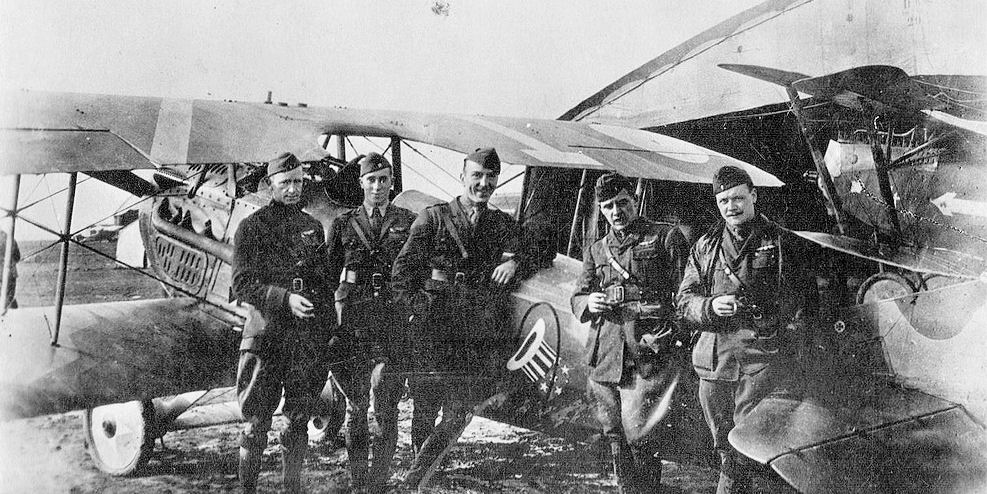
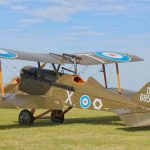
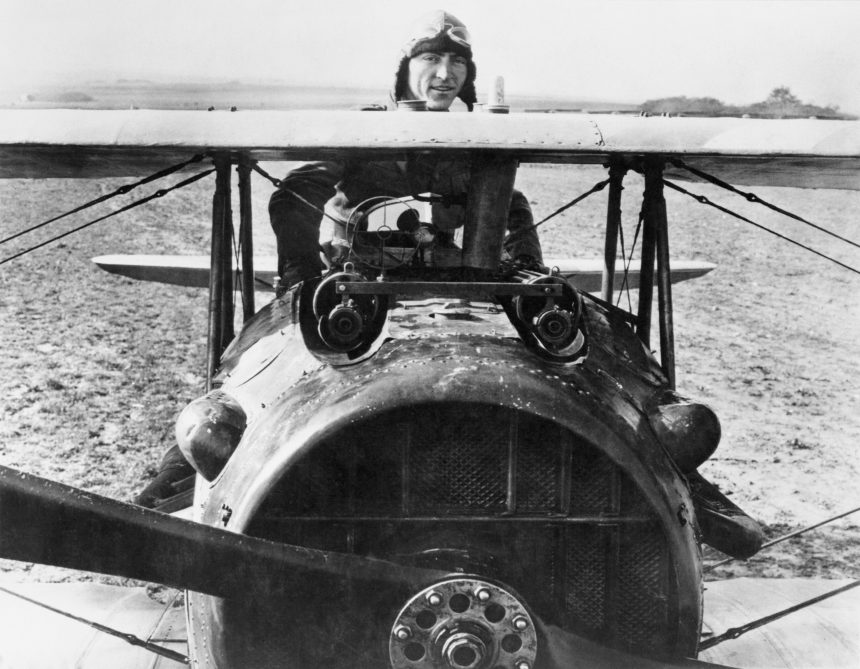
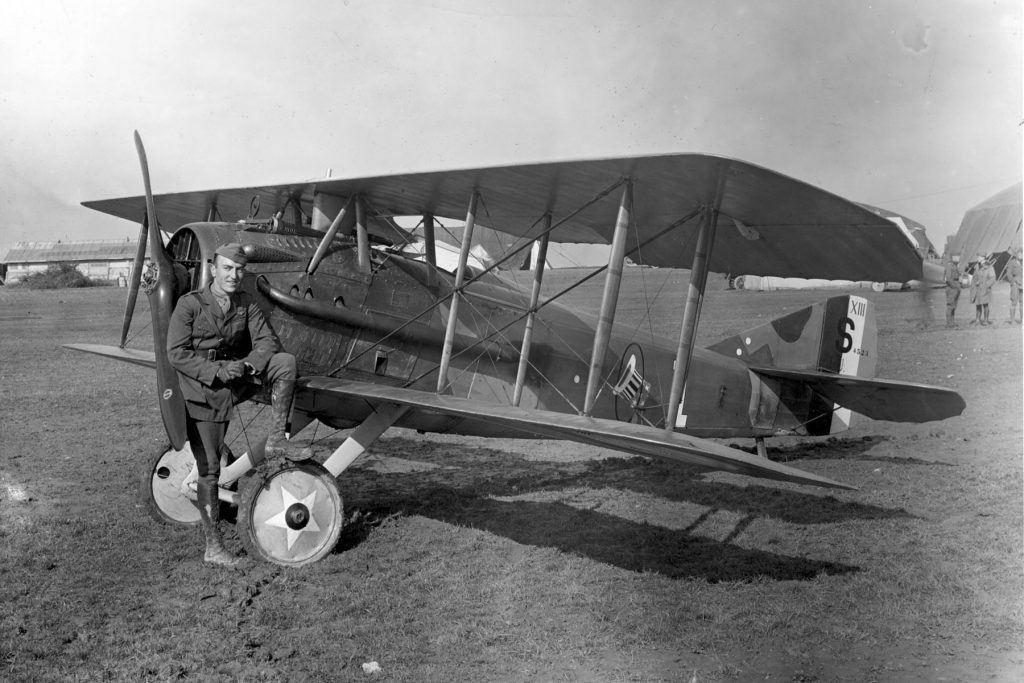
Unlike many Allied pilots, Rickenbacker trained entirely in France. He attended instruction at Tours and later gunnery training at Cazeau before assignment to advanced pursuit training. Initially, his eyesight and shooting skills were considered average, but his aircraft handling was methodical. As a result, in April 1918, he joined the 94th Aero Squadron, the first American pursuit unit to operate independently at the front. The squadron initially flew the Nieuport 28, and later transitioned to the SPAD XIII, a premier fighter designed for high-speed, vertical, and “slashing” attacks rather than dogfighting. Rickenbacker adapted naturally to the SPAD because of his habit of handling fast cars. The aircraft employed energy tactics such as diving attacks, separation, and repositioning, closer to racing lines than turning duels. His first confirmed victory came on April 24, 1918, and within a month, he achieved ace status with five victories and received the French Croix de Guerre, a prestigious military decoration for Allied soldiers, sailors, and airmen.
Between April 29 and May 22, 1918, he engaged a large number of German Albatros aircraft flying over occupied France, shooting down three of them and discouraging the others from a concerted effort. According to the Distinguished Service Cross citation, Rickenbacker, on May 28, “sighted a group of two battle planes and four monoplanes, which he at once attacked vigorously, shooting down one and dispersing the others. Two days later, over Jaulny, he attacked a group of five enemy planes. After a violent battle, he shot down one plane and drove the others away.” By June 1, 1918, Rickenbacker had become an ace, with five enemy kills to his credit. He utilized aggressive, close-range tactics with his SPAD XIII, often diving from superior altitude to attack enemy aircraft, even when outnumbered. He was known for bold, precise marksmanship, frequently closing to within 100 feet to maximize damage, and often attacking balloons by diving from above. Through the summer of 1918, the American air service expanded, and the 94th’s operational tempo increased. Rickenbacker’s victories accumulated steadily rather than in clusters. He often flew patrols rather than conducting lone hunts and showcased formation discipline once he became a flight leader.
Ruling the Sky
Rickenbacker suffered from a mastoid infection and spent two months in a hospital in Paris after he became an ace. But as soon as he returned in September, he looked more motivated than ever. On September 14, he attacked four German Fokker aircraft and succeeded in shooting one down in flames and dispersing the other three. The next day, he encountered six German planes attacking four SPADs below them. Undeterred by their superior numbers, he unhesitatingly attacked them and shot one down, completely breaking the formation. For his acts, he was named commander of the 94th, the “Hat-in-the-Ring” Squadron, on September 24, 1918. The following day, Rickenbacker shot down two more German airplanes, victories for which the U.S. government awarded him the belated Congressional Medal of Honor in 1930. On October 30, 1918, he scored his 26th victory, and the armistice followed eleven days later. He finished the war as the highest-scoring American ace. He had been awarded major French and US decorations. Rickenbacker also received eight Distinguished Service Crosses.
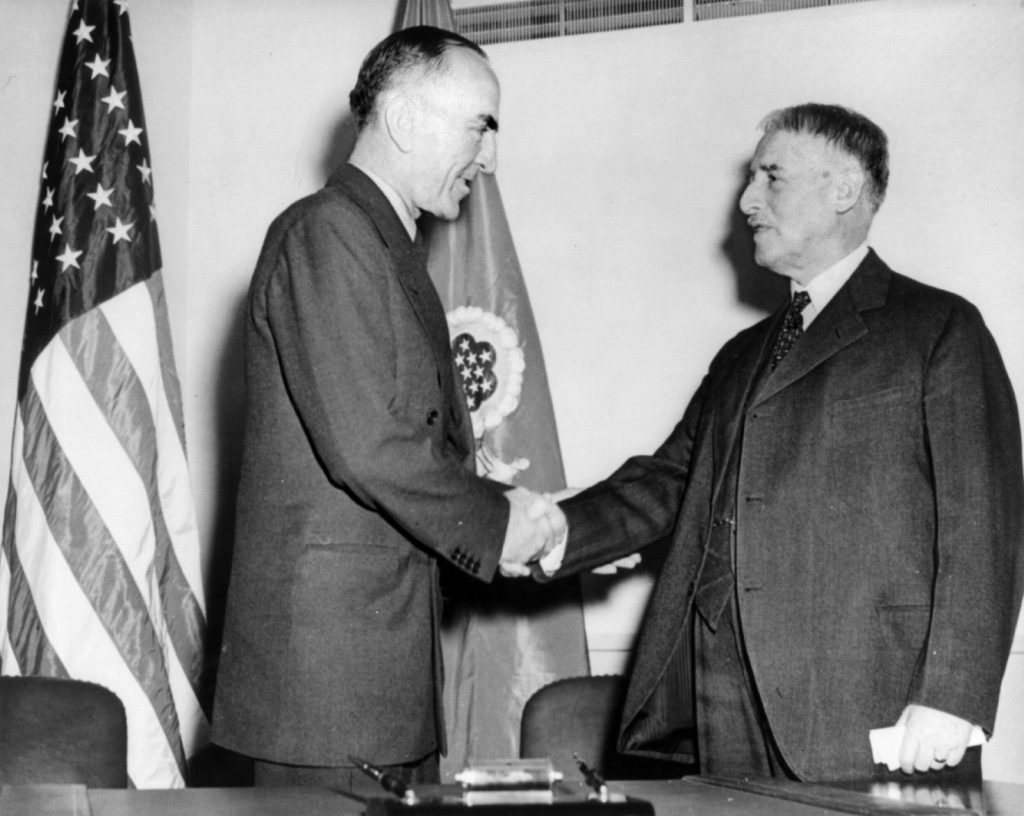
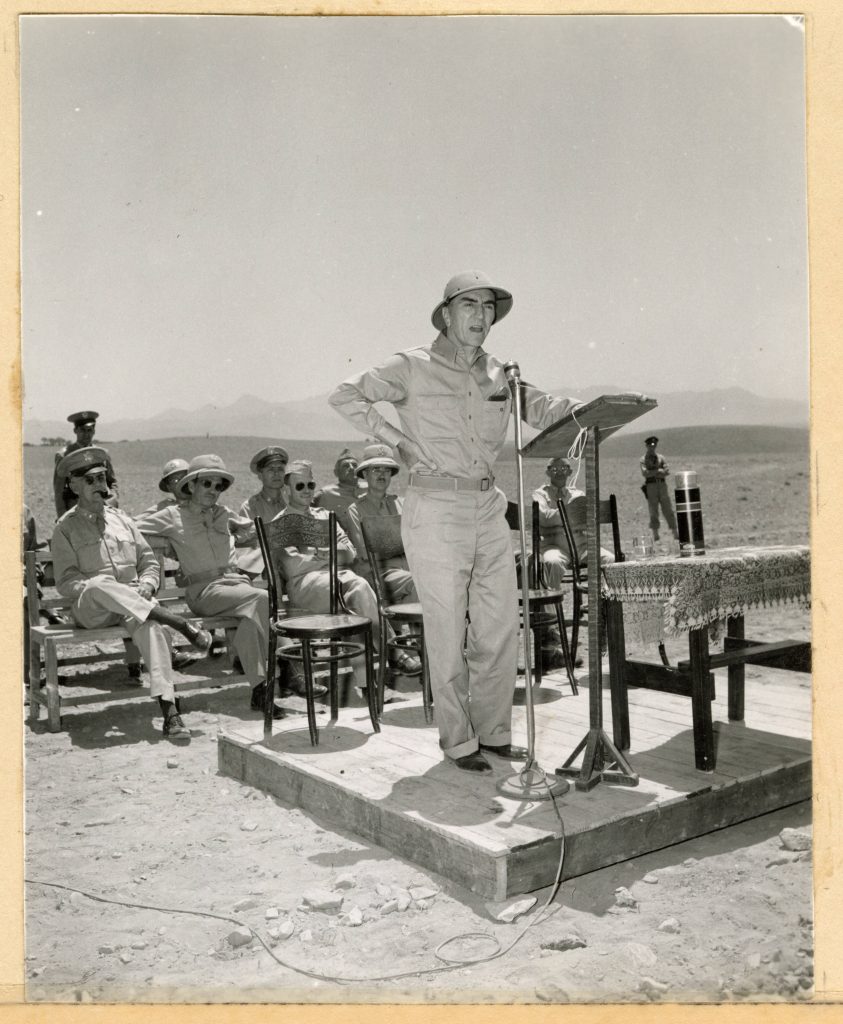
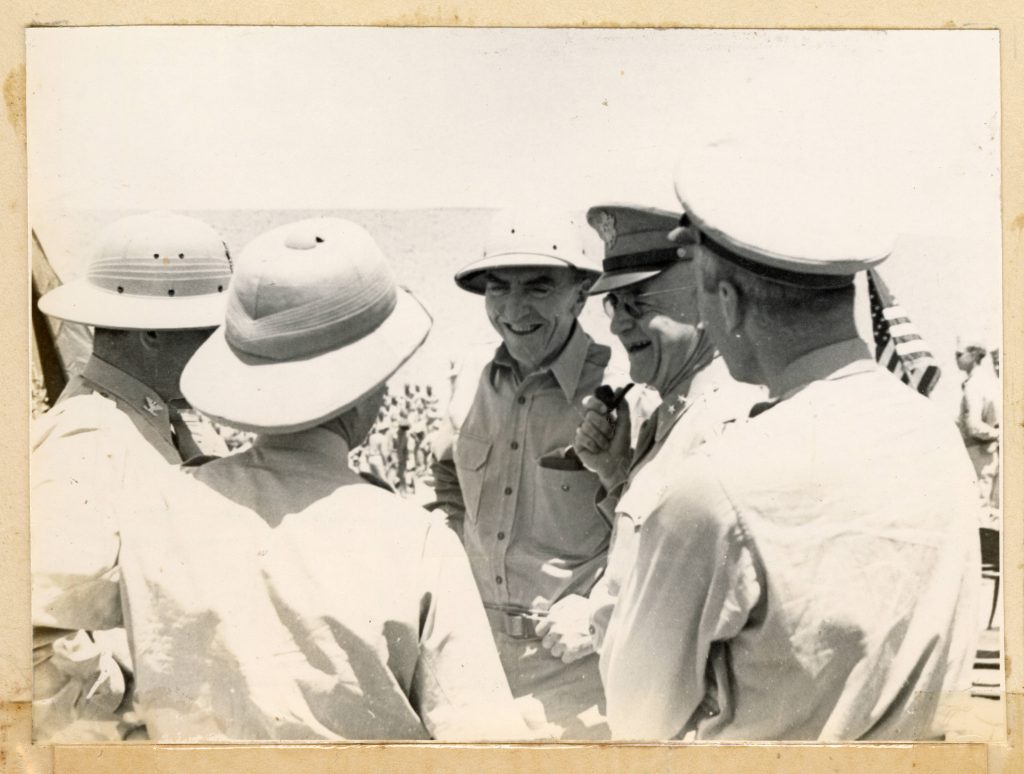
Rickenbacker returned to the US in 1919. He entered automobile manufacturing, later purchased the Indianapolis Motor Speedway, and eventually moved into commercial aviation management as the head of Eastern Air Lines. During the early part of World War II, he served as the personal observer of Secretary of War Stimson in a flight over Leningrad. On his return to Washington to report on German war damage in the Russian city, his plane was shot down in the Pacific, but he survived a long ordeal on a raft and was eventually rescued. Unlike other aces, who spent years fighting on the front line, Rickenbacker’s 26 victories were achieved within just six months of combat flying, showcasing his disciplined positioning and risk management abilities. His Medal of Honor citation, which is enough to prove his bravery, read: “For conspicuous gallantry and intrepidity above and beyond the call of duty in action against the enemy near Billy, France, September 25, 1918. While on a voluntary patrol over the lines, Lieutenant Rickenbacker attacked seven enemy planes (five type Fokker, protecting two type Halberstadt). Disregarding the odds against him, he dived on them and shot down one of the Fokkers out of control. He then attacked one of the Halberstadts and sent it down also.” Click to read stories about more Aces HERE.